
The Air-Conditioned Nightmare
Volume one — the road survey this collection continues and softens.
Read our take
by Henry Miller
Volume two of the Nightmare: America surveyed again — but the heart of the book is the long, aching essay remembering France.
The 1947 sequel to The Air-Conditioned Nightmare keeps the American survey going — portraits of painters and holdouts, the notorious polemic against American bread — but its center is the great title essay: Miller, unable to return to a France just out of the war, remembering everything the decade there had given him. Exile literature written from the wrong direction: the American abroad, stranded at home. (A collection — nothing here to spoil.)
Billed as the second volume of The Air-Conditioned Nightmare, the 1947 collection actually runs on homesickness. The long title essay is Miller's love letter to France, written when the war had made return impossible and the Paris decade had begun to feel like a previous life: the streets, the poverty, the friendships, the whole education in living that America, in his accounting, could not have provided at any price. It stands with the best of his Paris writing precisely because Paris is out of reach in it.
Around the centerpiece, the American survey continues: loving portraits of artists Miller championed — the mosaic-boat builder Jean Varda, the painter Beauford Delaney — the essay 'The Staff of Life,' his half-comic, wholly serious demolition of American bread as the white-flour proof of a civilization's decline, and 'Obscenity and the Law of Reflection,' his most sustained answer to the censors who had kept his major books contraband for over a decade. The mix is the middle Miller entire: rage and reverence, bread and metaphysics, in the same shopping bag.
The title essay leads: France remembered at book length, from the vantage of a postwar America that had never felt less like home. Then the gallery — Varda the scavenger-genius of the California coast, Beauford Delaney glowing in his Greene Street studio — and the polemics: 'The Staff of Life,' in which the state of American bread convicts the entire civilization, and 'Obscenity and the Law of Reflection,' Miller's considered case against censorship, written by its most famous target.
Read the title essay when you have a quiet evening; read 'The Staff of Life' when you need to laugh at a jeremiad that happens to be right.
Miller's portrait makes artistic independence inseparable from material hardship. In a passage quoted by the West Texas Times, Delaney regards his own predicament as a subject he might paint; when the room is too cold, he retreats beneath blankets instead. That movement from observation to interrupted work gives the praise a bodily limit. Artistic vision does not make the studio warmer. Miller's insistence on the Greene Street address gives his admiration a concrete setting, while the image of an artist contemplating his own distress turns everyday endurance into a form of imaginative work.
The Staff of Life begins by making a loaf stand for an entire civilization. The leap from poor bread to social catastrophe is deliberately excessive: disgust becomes a way of testing what industrial abundance actually offers. Miller reproduces a commercial loaf's crowded ingredient list, then measures its promises against the experience of eating it. His answer later shifts from denunciation to participation, urging the reader to knead dough. The argument thus contrasts advertised improvement with felt pleasure and practical making. Its medical and social generalizations are polemical exaggerations, not evidence that bread literally explains everything wrong with America.
What France gave him, counted out at the moment he couldn't return — among the finest things the expatriate decade ever produced, written after it ended.
Miller's genius for other artists at full warmth — both men owed their wider fame in part to these pages.
Sixty pages before anyone said 'processed food' — furious, funny, and annoyingly vindicated.
1930s
The Paris decade the title essay remembers — the hunger years Miller later counts, from exile at home, as the education America could not have given.
1945
The Air-Conditioned Nightmare appears, establishing the American project continued by this second volume.
1947
New Directions publishes the collection as volume two of The Air-Conditioned Nightmare, its center the long title essay on a France just out of the war and out of reach.

Volume one — the road survey this collection continues and softens.
Read our take
The France being remembered — the hunger years the title essay counts as riches.
Read our take
The same California art-talk world — Hiler's pamphlet, Miller's painter portraits.
Read our takeHenry Miller. New Directions published it in 1947 as the second volume of The Air-Conditioned Nightmare.
It continues the American survey — portraits of painters and holdouts, the polemic against American bread — but its center is the long title essay: Miller, unable to return to a France just out of the war, remembering everything the decade there had given him.
Miller's half-comic, wholly serious essay arguing that American white bread is the white-flour proof of a civilization's decline — the collection's most quoted piece.
Yes. "Obscenity and the Law of Reflection" is Miller's fullest reply to the bans that had kept his major books contraband — obscenity, he argues, lives in the eye that finds it.
It is billed as volume two of The Air-Conditioned Nightmare, continuing and softening that road survey, but where the first raged this one runs on homesickness.
Explore authors with a similar voice, perspective, and influence.
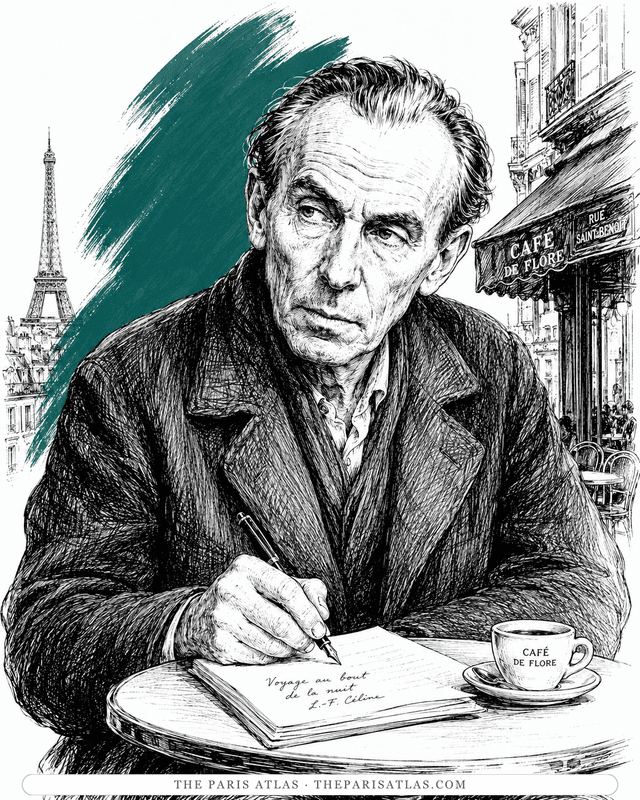
Miller's acknowledged master at making literature out of the gutter. Journey gave him permission; Cancer is what he did with it.
View author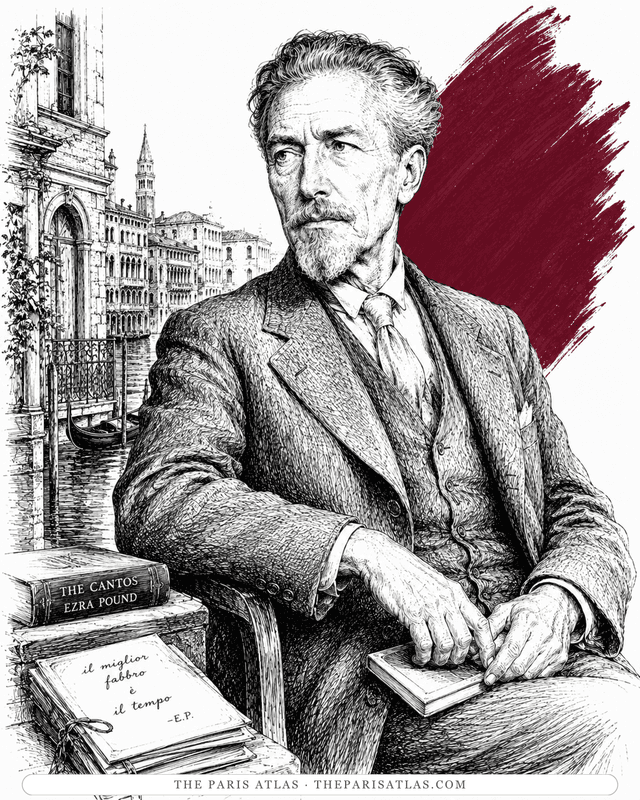
Pound read Cancer and sent Miller a famously backhanded postcard. Both believed literature's job was to wake the reader by any means necessary.
View author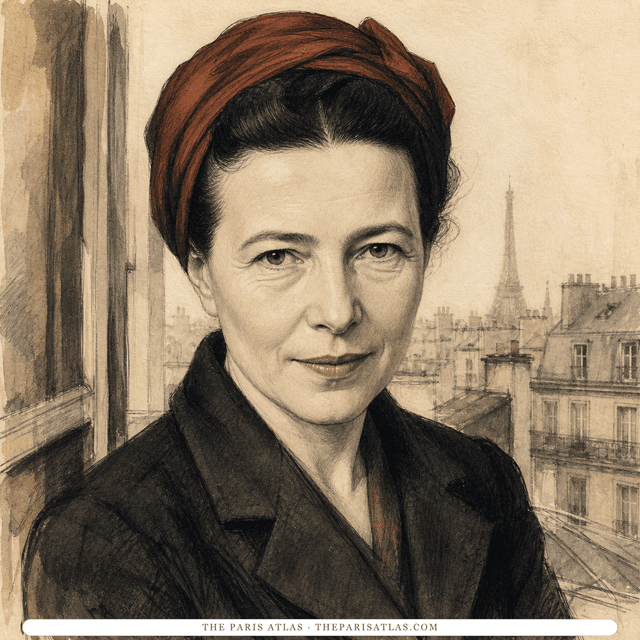
French writer and philosopher whose novels, memoirs, and social analysis examined freedom, gender, responsibility, aging, and the material conditions that shape a life.
View authorThe sources below include the primary text, editions, scholarship, archival materials, and other records that informed this page. They document Remember to Remember, its publication, and its place in literary history.

The primary text represented by this page, used for descriptions of the work’s contents and for any quoted passages shown here.

Used for the attributed 1945 Miller passage reproduced in the newspaper's retrospective report, not as a claim to have collated the complete original essay.
Close reading of a modern transcription identifying The Intimate Henry Miller as its source. PDF page locators refer to that transcription, not the 1947 collection.
Publisher's description used for collection context and the presence of the Delaney portrait, not as a substitute for reading the passages discussed.
Used to place Remember to Remember within Henry Miller's published work and verify its bibliographic context.
Used for independent biographical, archival, or historical context surrounding Henry Miller's career and the period in which Remember to Remember appeared.

Used to cross-check authorship, chronology, and the work's place in Henry Miller's wider catalogue.
Used to verify Henry Miller's bibliography and place Remember to Remember within the broader chronology of Henry Miller's career.
The primary text is the baseline reference for every book page. Additional references document publication history, interpretation, and historical context where that evidence is available.
 Explore more resources