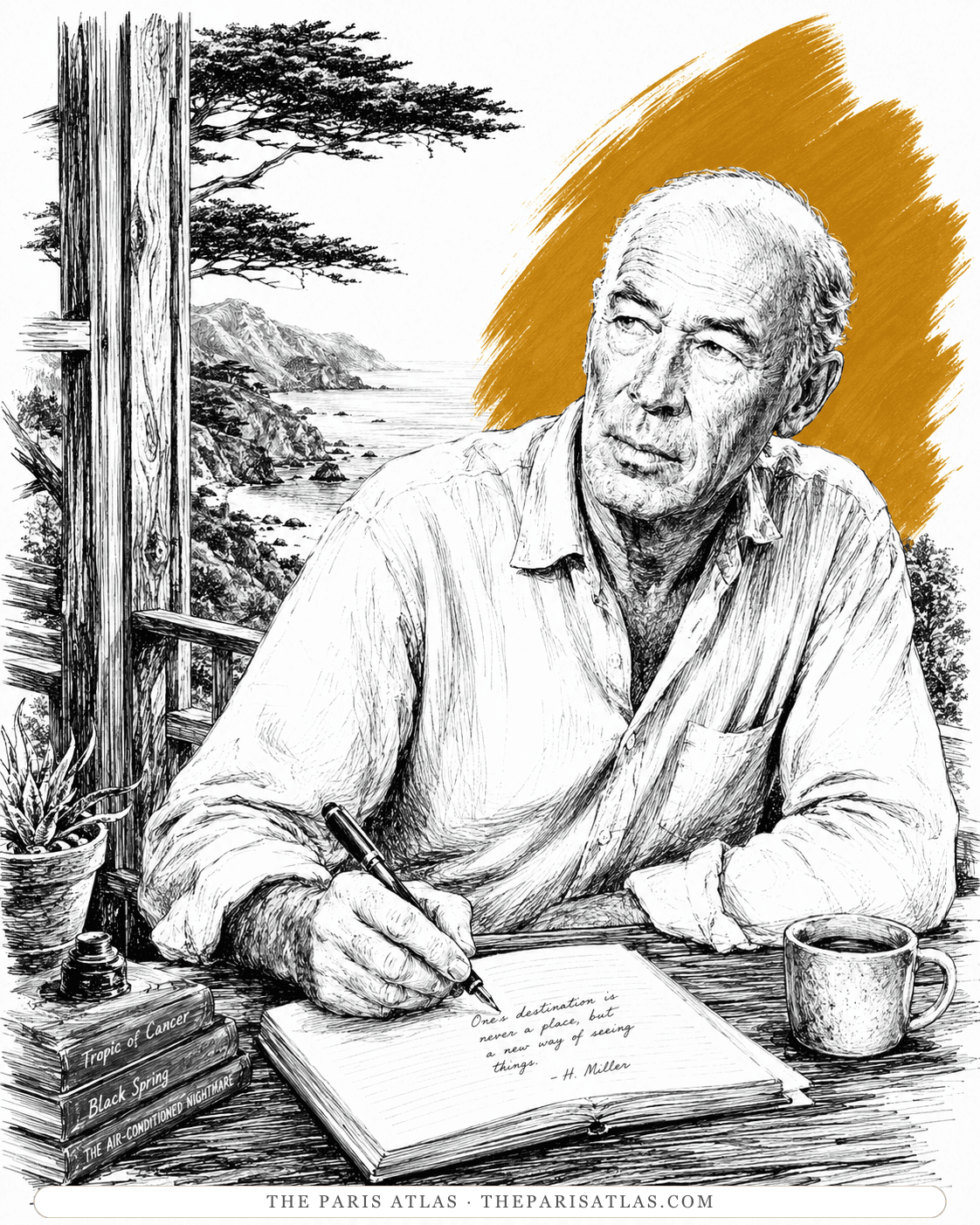

Remember to Remember
Miller's portraits of American painters, from the same California years.
Read our take
by Henry Miller
Three friends argue about abstract painting in one slim volume — the painter from the Jockey bar, Miller, and Saroyan.
A three-cornered pamphlet from 1945: the painter Hilaire Hiler — Montparnasse veteran, decorator of the Jockey, the bar where twenties Paris danced — makes his case for abstraction, and Henry Miller and William Saroyan answer him, each in his own key. Slight by design and charming out of proportion to its size, it preserves the sound of three friends talking about why art was heading where it was heading. (An argument in three voices — nothing here to spoil.)
Hilaire Hiler belongs here twice over: before he was a theorist of color and abstraction he was a fixture of twenties Montparnasse — painter, jazz pianist, and the man who ran and decorated the Jockey, the little bar where the Quarter danced. By the forties he had landed, like Miller, in California, and their talk about painting became this book: Hiler's essay asking and answering the title question, with responses from Miller — who takes the occasion to preach his gospel of the amateur, the child's eye, and art as liberation — and William Saroyan, playing his own melody around the theme.
New Directions published the exchange in 1945, a season when abstraction was about to conquer American painting and still needed explaining. Nobody involved pretends to settle anything; the pleasure is the register — serious questions handled with café informality, the Montparnasse habit of turning aesthetics into conversation carried on two decades and one ocean later.
Three pieces in conversation. Hiler opens with the painter's case: why abstraction is not a hoax or a fashion but the logical next room of painting, argued from craft and color theory. Miller answers as the enthusiast-heretic — less interested in defending abstraction than in demolishing the idea that art needs defending, with detours through his own watercolor mania. Saroyan closes in his loose-limbed key, circling the question of why anyone makes anything at all.
An hour's read, best taken as eavesdropping: three working artists, one pot of coffee, the perennial argument.
Hiler's statement, quoted in the sale catalogue for Le 14 Juillet, makes design the authority to which recognizable objects must answer. Altering their natural shapes is not necessarily a retreat from observation: it is a way of organizing what has been observed into a painting. The catalogue connects this argument with his earlier cityscapes, which still contain identifiable subjects. That context complicates a simple opposition between representation and abstraction. The crucial question becomes what a form does within the whole composition, rather than whether a viewer can name the object it resembles.
Saroyan's recollection, reproduced in the same catalogue, is uncertain about the year and even the gallery's name, but emphatic about the painting's lasting presence. Hiler's The 14th of July gives him a vivid experience of Marseilles despite his never having visited it. The contrast shifts attention from a picture's documentary accuracy to its power to establish a remembered world. Saroyan is describing an encounter with art, not claiming firsthand knowledge of the city. His response complements Hiler's concern with construction by asking what the constructed image can become in another person's life.
The Jockey's decorator and the Villa Seurat's novelist, still arguing about art in California — the Quarter's afterlife in one pamphlet.
His response distills the amateur's gospel that fills his painting essays — creation as health, credentials be damned.
1945 asked 'why abstract?' in earnest; the answers here are looser and livelier than the manifestos that followed.
1920s
Hilaire Hiler runs and decorates the Jockey, the Montparnasse bar where the Quarter danced — the world whose table talk this pamphlet carries two decades on.
1945
Both Hiler and Miller having landed in California, New Directions publishes their three-cornered exchange with William Saroyan, a season as abstraction was about to conquer American painting.
October 1945
Grace Clements responds to Why Abstract? in Arts and Architecture, praising its questions while challenging parts of Hiler’s argument.
Miller's portraits of American painters, from the same California years.
Read our take
The doctrine behind his answer — art as flow, craft as surrender.
Read our takeThree authors together: the painter Hilaire Hiler, Henry Miller, and William Saroyan. New Directions published it in 1945.
A slim three-cornered pamphlet in which Hiler makes his case for abstract painting and Miller and Saroyan answer him, each in his own key — the sound of three friends talking about where art was heading.
A Montparnasse veteran who painted and ran the Jockey, the little bar where twenties Paris danced, before becoming a theorist of color and abstraction in California.
He answers as the enthusiast-heretic, less interested in defending abstraction than in demolishing the idea that art needs defending — preaching his gospel of the amateur and the child's eye.
Under a hundred pages — the shortest book on Miller's shelf, and the only one he shares with other authors.
Explore authors with a similar voice, perspective, and influence.

Miller's acknowledged master at making literature out of the gutter. Journey gave him permission; Cancer is what he did with it.
View author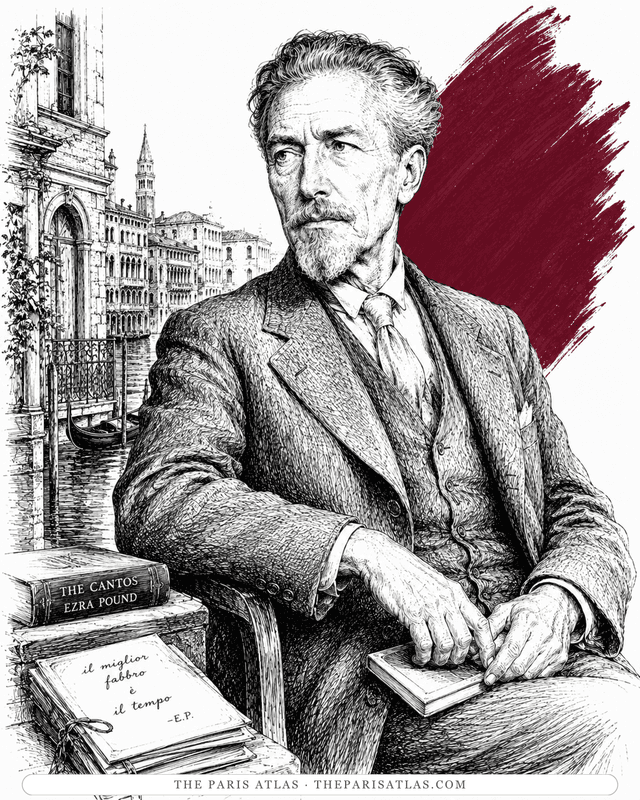
Pound read Cancer and sent Miller a famously backhanded postcard. Both believed literature's job was to wake the reader by any means necessary.
View author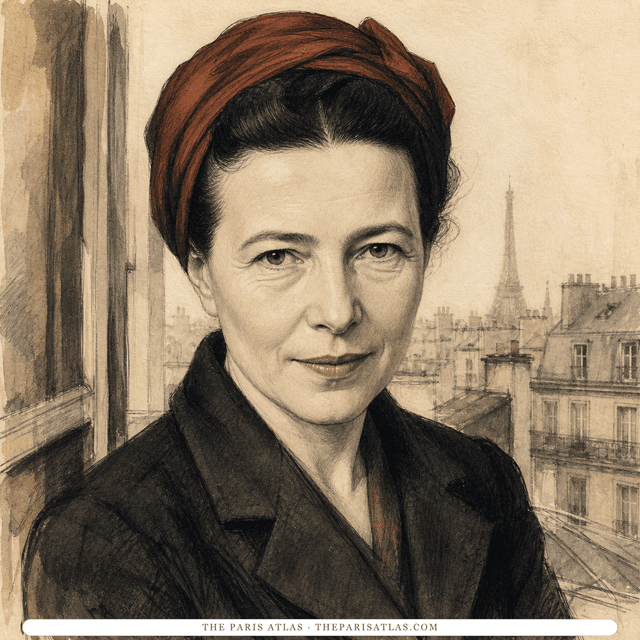
French writer and philosopher whose novels, memoirs, and social analysis examined freedom, gender, responsibility, aging, and the material conditions that shape a life.
View authorThe sources below include the primary text, editions, scholarship, archival materials, and other records that informed this page. They document Why Abstract?, its publication, and its place in literary history.


Used to verify Why Abstract?'s bibliographic context and its place within Henry Miller's published work.

Used for independent archival, institutional, or historical context surrounding Henry Miller and Why Abstract?.

Used to cross-check chronology, publication history, and the circumstances in which Why Abstract? appeared.
Used for an additional scholarly or biographical perspective on Why Abstract? and Henry Miller's wider career.
Web source consulted for documented facts and historical context presented on the Why Abstract? page.
The new readings use Hiler's and Saroyan's statements reproduced with 1945 page citations in the public Le 14 Juillet sale catalogue. The original book pages were not independently collated; the illustrations remain original interpretations, not reproductions or documented demonstrations.
The primary text is the baseline reference for every book page. Additional references document publication history, interpretation, and historical context where that evidence is available.
 Explore more resources