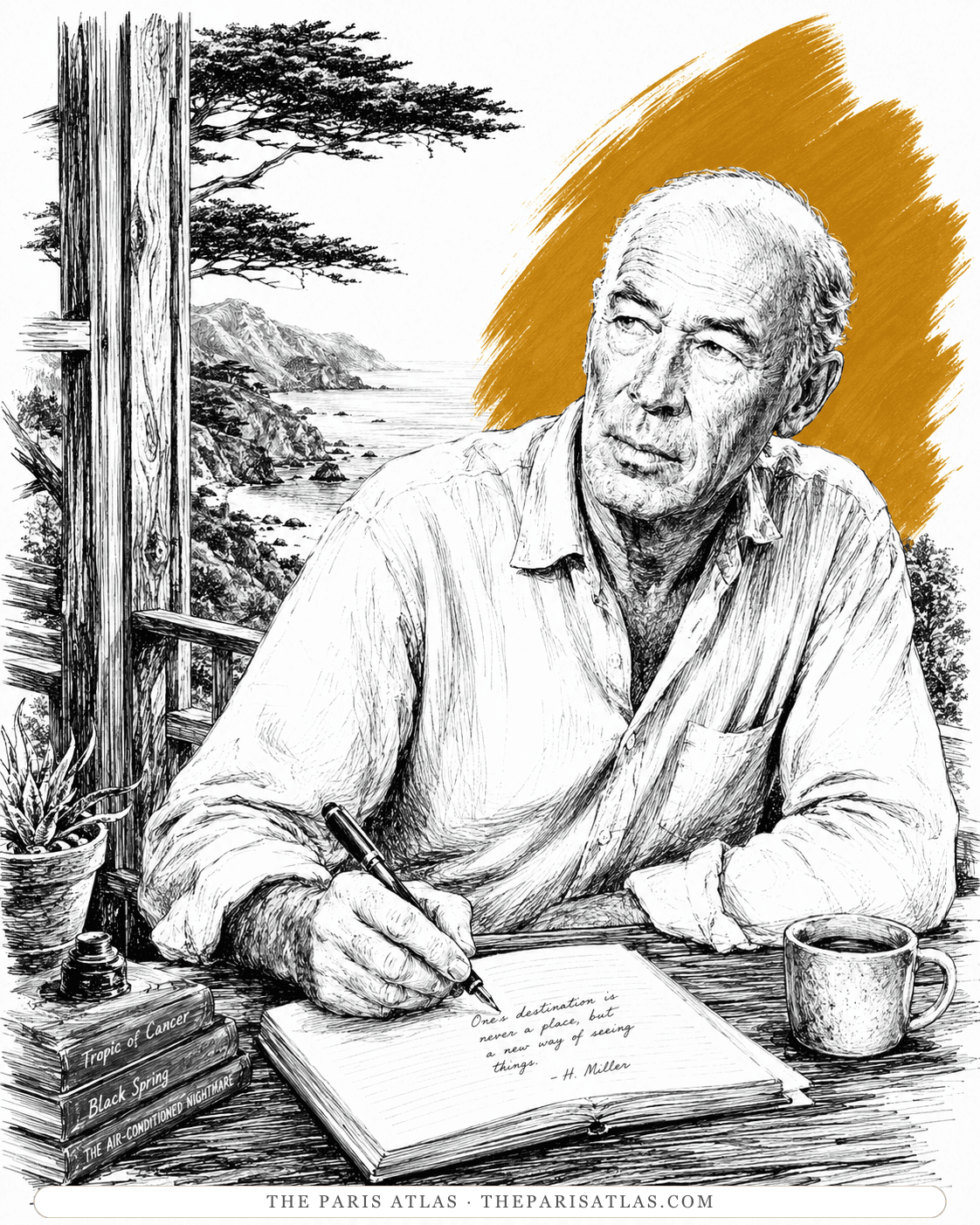

The Air-Conditioned Nightmare
The finished building — this is its scaffolding, preserved.
Read our take
by Henry Miller
The raw feed of the Nightmare: the actual notebook from the 1940–41 American tour, published in facsimile — blots, sketches, and all.
Before The Air-Conditioned Nightmare was a book it was a notebook — the journal Miller kept in the Buick as he crossed America in 1940 and 1941, scribbled in diners and tourist cabins, decorated with his sketches and pasted finds. In 1975 New Directions published the thing itself, in facsimile, in a limited edition of about seven hundred copies: the road book before literature got to it. For readers of the Nightmare, it is the darkroom negative — the same country, one draft closer to the windshield. (A notebook — nothing here to spoil.)
The notebook rode shotgun on the whole doomed errand: the year Miller spent taking America's measure for the book that became The Air-Conditioned Nightmare, filling pages in real time with the towns, the talkers, the indignation and the occasional rapture — interspersed with the doodles, watercolor tryouts, and marginal eruptions that never survive into print. Publishing it in facsimile was the point: not a transcription but a reproduction, the hand itself at highway speed.
New Directions issued it in 1975 as a signed, numbered limited edition, a collector's object from the first day — which is also its honest description: this is a book for the committed reader who wants to watch the Nightmare being taken down live. What it uniquely preserves is the gap between noticing and composing: the road entries are rawer, funnier, and sometimes kinder than the polemic they fed, a reminder that the famous verdict was built, sentence by sentence, out of days like these.
The 1940–41 tour in facsimile: the itinerary as it accumulated — names, meals, gas money, grievances — alongside sketches, painted trials, pasted ephemera, and bursts of first-draft prose that Nightmare readers will recognize in embryo. The pleasure is archaeological: the printed book's set pieces, found here as jottings with the engine still warm.
Read it beside The Air-Conditioned Nightmare, notebook page against finished chapter — the rare chance the shelf offers to watch raw perception become a book.
The journey does not keep Miller's attention fixed on the road ahead. Erica Jong reproduces a Notebook passage in which he imagines sending June a telegram from Hollywood and signs himself Valentine Valentino. The extravagant signature turns longing into a little performance addressed to someone absent. Geographic movement has not settled the attachment: the traveler can cross a country while circling an earlier relationship. Here the notebook records not just what he encounters but what he rehearses saying. Its intimacy comes partly from that invented exchange, not from an absence of artifice.
The notebook was not simply a blank container for American impressions. Recalling his archival visit, Cory Austin Knudson describes an annotated, crayon-illustrated Leaves of Grass identified as The Nightmare Notebook. That physical mixture places a published work beside a reader's own marks, making the book both something received and something altered. Handwriting and drawing need not perform the same task as printed verse: they can interrupt its orderly appearance and open other ways of recording attention. The object invites a reading of composition as reuse, without proving that Miller intended every mark as a response to Whitman. Its material form complicates the notion of an unmediated road record.
The gap between the road entry and the finished chapter is a master class in what composition adds — and flattens.
Script, sketch, and blot carry information no typeset page keeps — the tour at body temperature.
Notebooks perform for no one; the road journal is often kinder and stranger than the book it became.
1940–1941
Miller fills the notebook in the Buick crossing America — the road journal that will become The Air-Conditioned Nightmare, sketches and pasted finds and all.
1945
The Air-Conditioned Nightmare publishes the account developed from Miller’s American travels and working notes.
1975
New Directions publishes the thing itself in facsimile, a signed edition limited to about seven hundred copies.
The finished building — this is its scaffolding, preserved.
Read our take
Volume two of the verdict, for readers tracing the whole American argument.
Read our takeHenry Miller. New Directions published the facsimile in 1975, in a signed, numbered edition of about seven hundred copies.
The actual journal Miller kept in the Buick as he crossed America in 1940 and 1941 — scribbled in diners and tourist cabins, decorated with sketches and pasted finds — published in facsimile, the thing itself.
It is that book's raw feed: whole set pieces of The Air-Conditioned Nightmare appear here as roadside jottings — the road book before literature got to it.
No. It is a facsimile — the handwriting, sketches, and stains reproduced as found, the hand itself at highway speed.
Completists and process readers who want to watch raw perception become a book — it is Miller's working document, not the book to start with.
Explore authors with a similar voice, perspective, and influence.

Miller's acknowledged master at making literature out of the gutter. Journey gave him permission; Cancer is what he did with it.
View author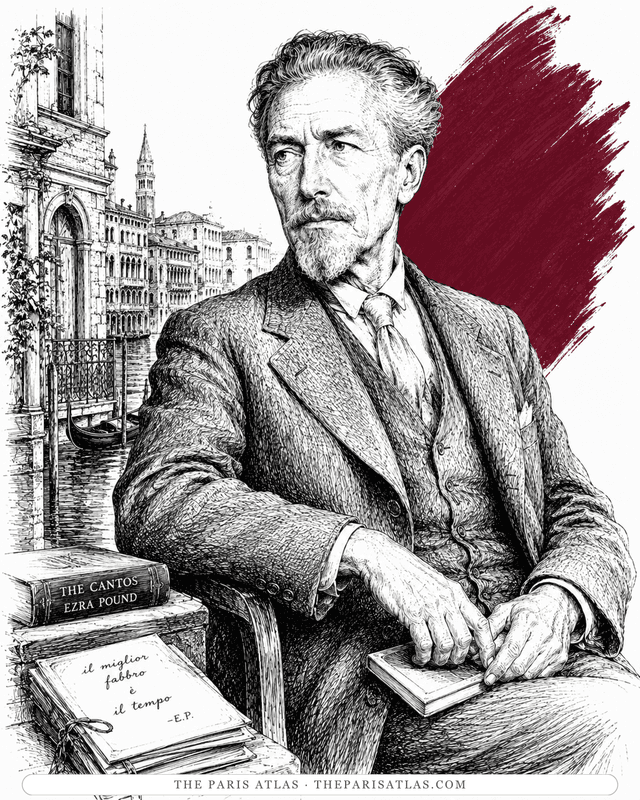
Pound read Cancer and sent Miller a famously backhanded postcard. Both believed literature's job was to wake the reader by any means necessary.
View author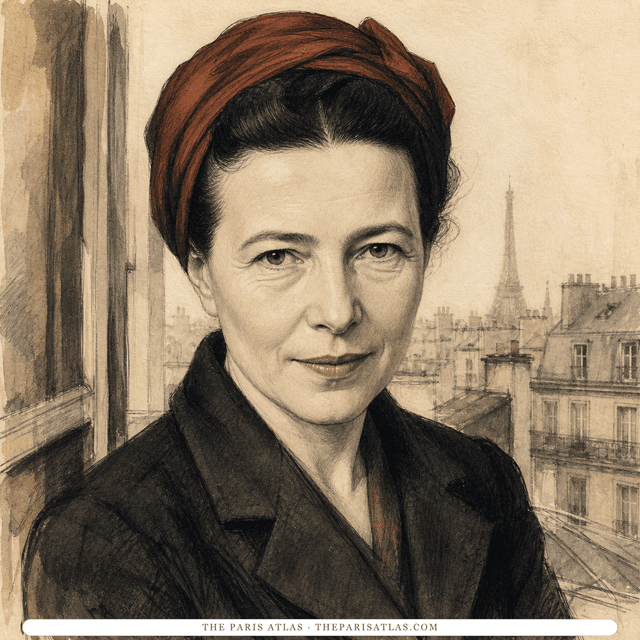
French writer and philosopher whose novels, memoirs, and social analysis examined freedom, gender, responsibility, aging, and the material conditions that shape a life.
View authorThe sources below include the primary text, editions, scholarship, archival materials, and other records that informed this page. They document The Nightmare Notebook, its publication, and its place in literary history.

The primary text represented by this page, used for descriptions of the work’s contents and for any quoted passages shown here.
Used to verify The Nightmare Notebook's bibliographic context and its place within Henry Miller's published work.

Used for independent archival, institutional, or historical context surrounding Henry Miller and The Nightmare Notebook.

Used to cross-check chronology, publication history, and the circumstances in which The Nightmare Notebook appeared.
Used for an additional scholarly or biographical perspective on The Nightmare Notebook and Henry Miller's wider career.
Chapter 5, The Last Man on Earth, reproduces the Notebook's imagined telegram to June from Hollywood and its signature. The new reading uses this attributed excerpt, not an independently collated complete facsimile.
The opening account of an archival visit describes the annotated and crayon-illustrated Leaves of Grass identified as The Nightmare Notebook. Used for its material form, not the article's later discussion of separate censorship correspondence.
The primary text is the baseline reference for every book page. Additional references document publication history, interpretation, and historical context where that evidence is available.
 Explore more resources