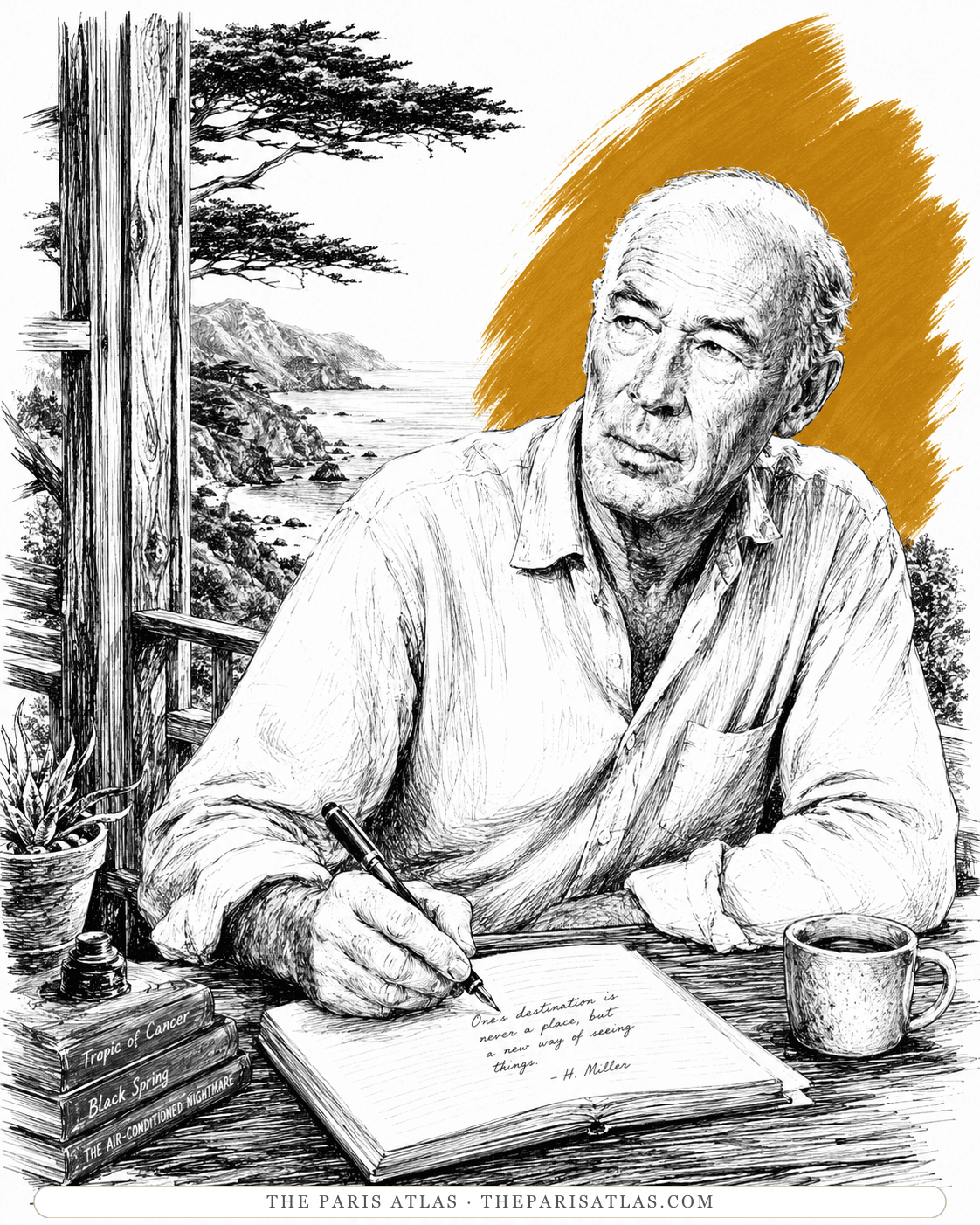

Remember to Remember
The 1947 collection that brought the essay into Miller’s larger postwar retrospective.
Read our take
by Henry Miller
Miller’s wartime antiwar argument: an open letter to Alfred Perlès followed by a demand that violence be confronted first within the self.
Murder the Murderer is Henry Miller’s two-part antiwar polemic, written and revised between late 1941 and 1944. Its first movement is an open letter to his friend Alfred Perlès; its second expands the title’s paradox into an ethical challenge. Miller refuses the fantasy that killing designated murderers can end murder. Unless the murderous impulse is confronted within individuals and societies, he argues, victory merely reproduces the structure of violence. The essay later became one of the major pieces in Remember to Remember.
The opening address to Perlès gives the argument the pressure of private correspondence during a world war. From there Miller widens his target: armies, nations, slogans, and official enemies are symptoms of a deeper readiness to solve human conflict through destruction. His pacifism is uncompromising and deliberately uncomfortable because it refuses to let moral responsibility stop at the border of one’s chosen side.
The Harry Ransom Center preserves a sixty-one-page typescript assembled from sections dated between December 1941 and June 1944. A separate edition appeared under Bern Porter’s imprint around 1944, commonly described as a thousand-copy printing, before New Directions incorporated the work into Remember to Remember in 1947.
The title directs its command toward the impulse to kill, including that impulse in oneself. Miller argues that identifying an enemy as a murderer does not make one’s own violence a route beyond murder. The essay turns the language of righteous punishment against the person who uses it.
Its epistolary beginning matters. Addressing Alfred Perlès during the Second World War, Miller is not writing from a peaceful world in which nonviolence has no immediate cost. The conflict tests the extremity of his position and exposes the difference between rejecting a general principle and answering a particular aggressor.
Miller goes as far as proposing voluntary surrender to Hitler, reasoning that power would lose its force without resistance and collapse under the problems it inherited. This is not merely a plea to avoid another war after victory. It is a refusal of armed resistance during the existing one.
That proposal demands critical scrutiny. Its argument places faith in the disabling effect of nonresistance without adequately answering what happens to people already targeted by a violent state. The essay’s humane desire to end killing does not settle the moral and practical objections to the means it proposes.
Miller attacks Allied leaders and the language of a just war as well as the familiar dictators. His objection is to the permission political ideals give ordinary people to participate in organized killing. The result is a polemic, not a balanced history of the war or an assessment of competing military strategies.
The surviving manuscripts show composition and revision across the early 1940s. The separate Bern Porter publication and the essay’s collection in Remember to Remember gave the argument a life beyond its original letter. Its place beside portraits of artists makes Miller’s desired alternative visible: creative life rather than organized destruction.
The title’s command turns back on itself, asking whether violence can ever abolish violence.
The letter to Perlès makes a global argument feel like an urgent conversation between separated friends.
The essay lets readers test Miller’s rejection of violence against the wartime circumstances that made his proposals controversial.
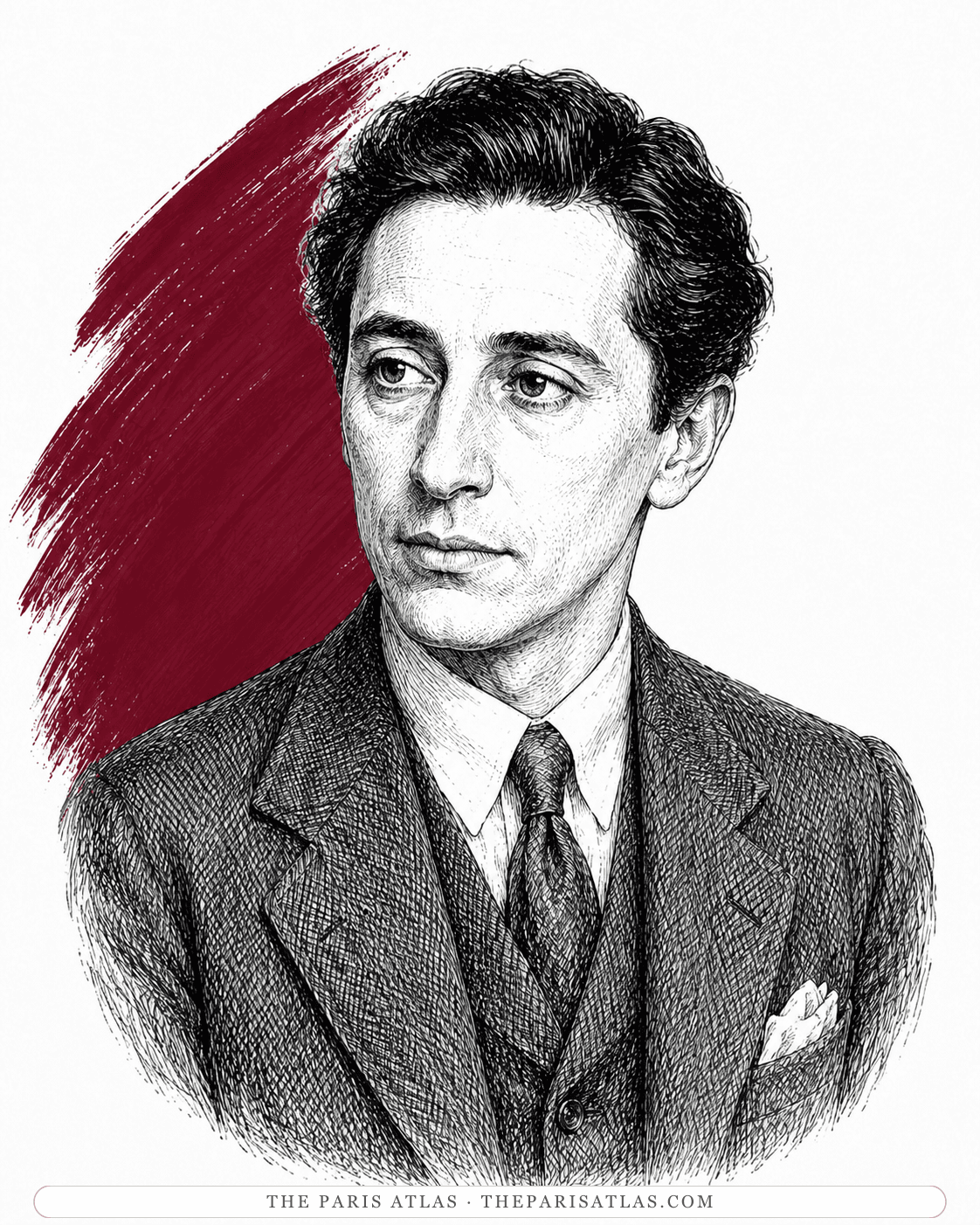
Miller’s closest Paris friend and the addressee of the essay’s opening section, written during their wartime separation.
1941–1944
Miller writes and revises the two-part wartime essay.
1944
Bern Porter issues Murder the Murderer separately.
1947
New Directions collects it in Remember to Remember.
The 1947 collection that brought the essay into Miller’s larger postwar retrospective.
Read our take
The American travel book from which the separate edition identifies this argument as an excursus.
Read our take
An earlier open letter centered on Miller’s friendship with Alfred Perlès.
Read our takeYes. Miller argues that war cannot eliminate murder because organized killing reproduces the very impulse it claims to defeat.
Alfred Perlès, Miller’s Austrian-born writer friend and former Clichy flatmate.
New Directions included it in Miller’s 1947 collection Remember to Remember.
No. It is a two-part wartime essay arguing against organized violence.
He wrote and revised the essay between 1941 and 1944, before its separate publication by Bern Porter.
Explore authors with a similar voice, perspective, and influence.
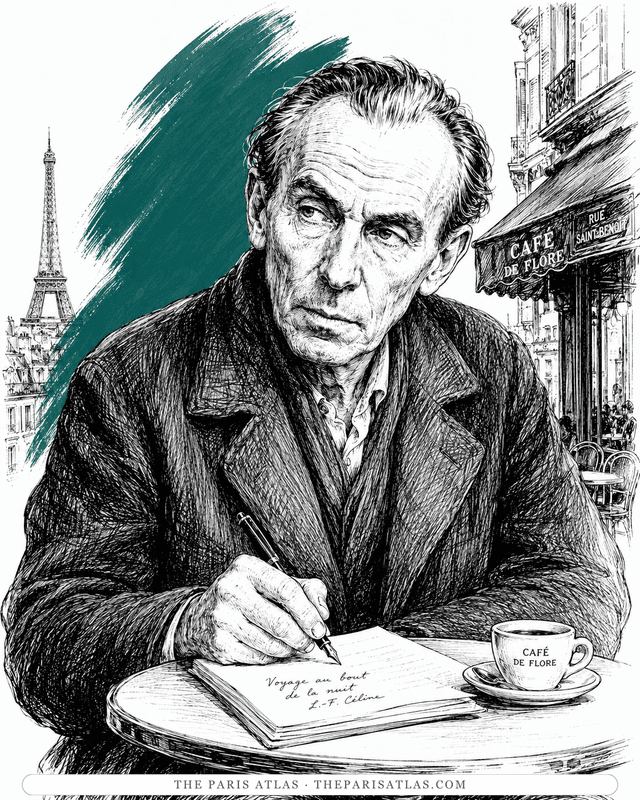
Miller's acknowledged master at making literature out of the gutter. Journey gave him permission; Cancer is what he did with it.
View author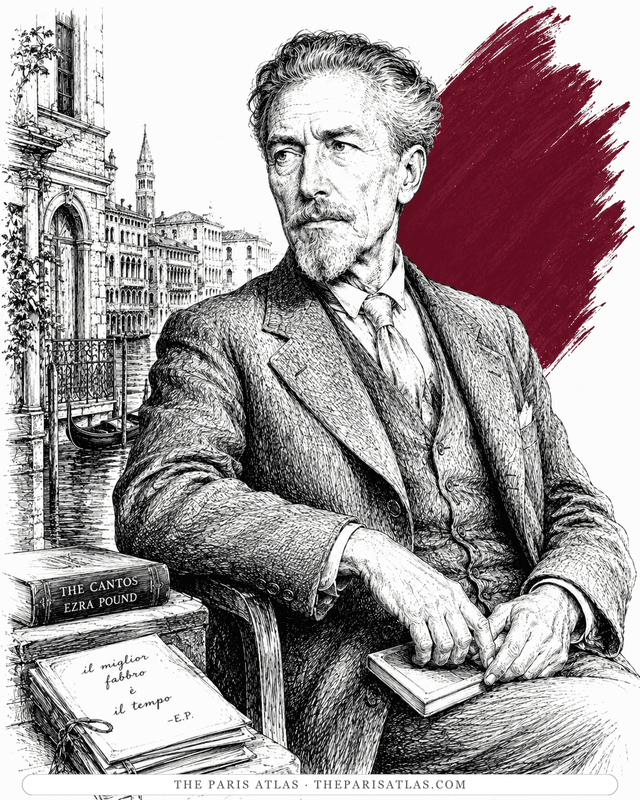
Pound read Cancer and sent Miller a famously backhanded postcard. Both believed literature's job was to wake the reader by any means necessary.
View author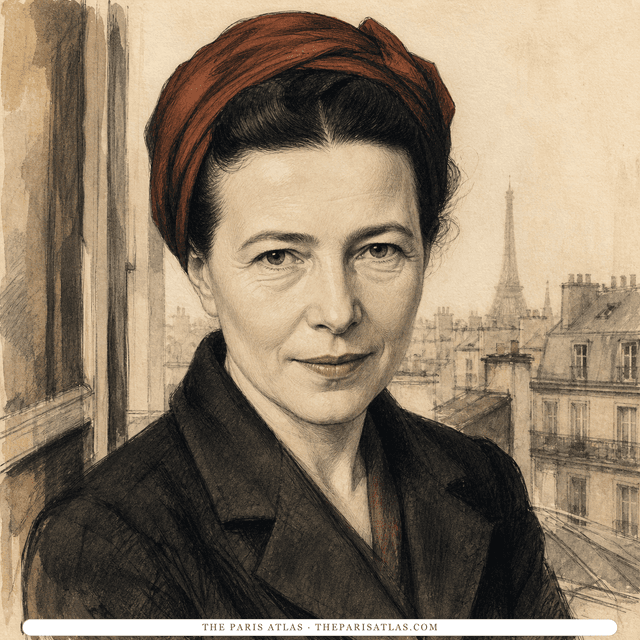
French writer and philosopher whose novels, memoirs, and social analysis examined freedom, gender, responsibility, aging, and the material conditions that shape a life.
View authorThe sources below include the primary text, editions, scholarship, archival materials, and other records that informed this page. They document Murder the Murderer, its publication, and its place in literary history.


The primary text represented by this page, used for descriptions of the work’s contents and for any quoted passages shown here.

Web source consulted for documented facts and historical context presented on the Murder the Murderer page.
Archival evidence used to document the historical record connected to Murder the Murderer.
Official record used to verify names, dates, institutional details, or other factual information on this page.
Official record used to verify names, dates, institutional details, or other factual information on this page.
Biographical evidence used to verify chronology, relationships, and historical context connected to Murder the Murderer.
The primary text is the baseline reference for every book page. Additional references document publication history, interpretation, and historical context where that evidence is available.
 Explore more resources