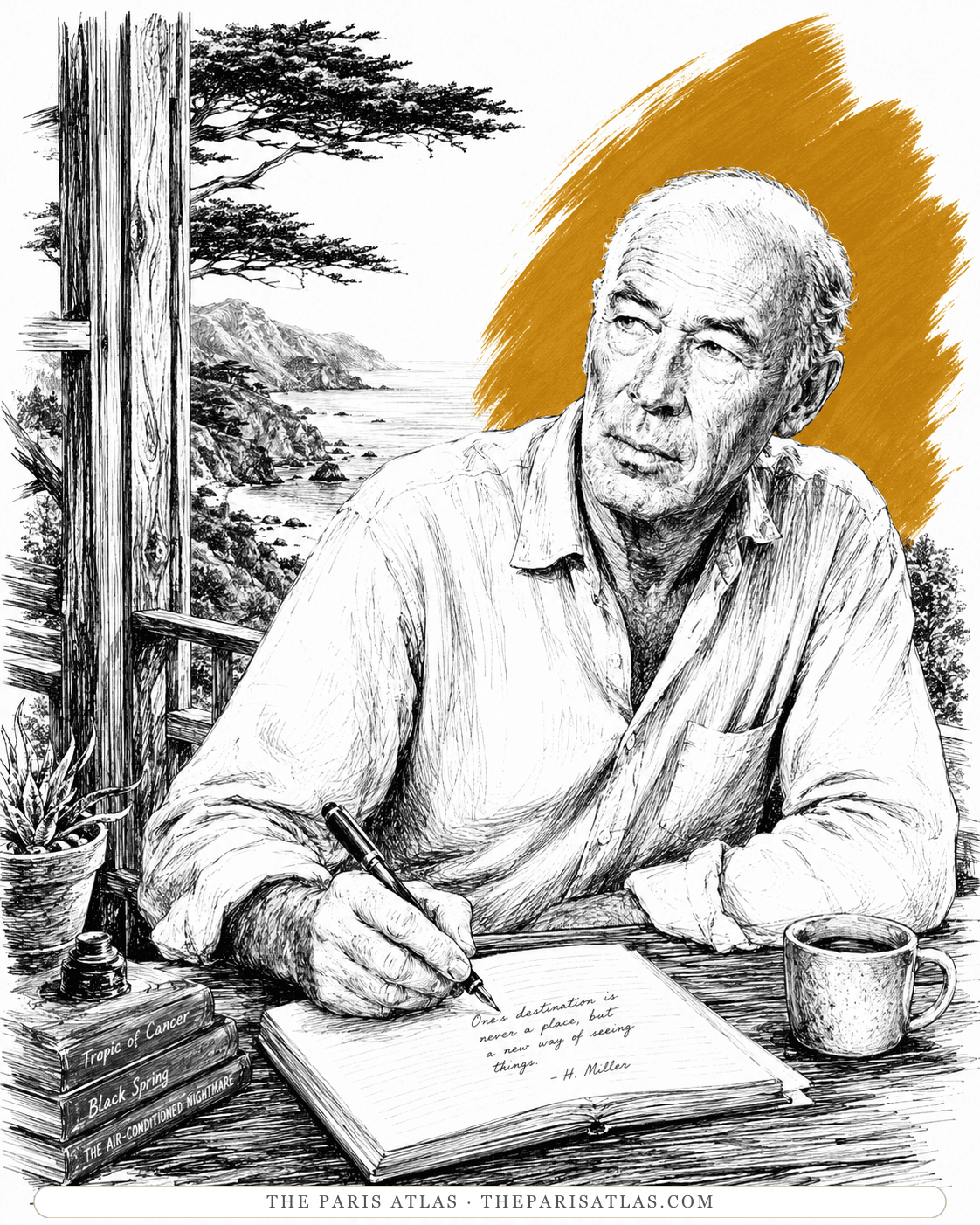

The Time of the Assassins
Miller’s earlier portrait of another self-destructive literary figure, Arthur Rimbaud.
Read our take
by Henry Miller
An aging pacifist writer confronts Mishima’s spectacular death without endorsing his militarism or reducing him to a diagnosis.
Reflections on the Death of Mishima is Henry Miller’s response to the Japanese novelist Yukio Mishima’s death by ritual suicide after a failed political action in Tokyo on 25 November 1970. Writing in early 1971, Miller tried to understand a writer whose discipline and extremity fascinated him even as Mishima’s nationalism and militarism violated his own pacifism. The essay first appeared in Japanese in Shukan Post in 1971; Capra Press issued the English book in 1972. (Literary portrait; discussion of suicide.)
Miller’s problem is identification without agreement. He recognizes in Mishima the writer who makes a total claim on life, body, and art, but resists treating the final political performance as either heroic proof or a simple psychiatric symptom. The essay keeps moving between affinity and refusal, which gives it more tension than a conventional memorial tribute.
The University of Delaware preserves materials documenting the essay’s development and publication. A Japanese magazine appearance came in 1971, followed by Capra’s forty-seven-page English edition in 1972. The result is both an immediate reaction and part of Miller’s late series of compact reflections on writers, death, and the uses of art.
Miller wrote in early 1971, soon after Yukio Mishima’s death in Tokyo on November 25, 1970. The essay responds to an event whose political staging made it difficult to separate the novelist’s work, public persona, and final action. It is not a comprehensive biography written with decades of hindsight.
Mishima is therefore present as a fellow writer whom Miller is trying to understand, but also as a figure mediated by reports and interpretation. Miller’s response belongs to the international reception of the death, rather than to eyewitness testimony about it.
In the passage reproduced by Caroline Blinder, photographs of Mishima’s death send Miller back to a sculpted portrait of himself that he accidentally broke in Paris. The comparison turns an event involving another writer into a memory of his own image. Yet Miller admits that the resemblance may be imaginary. That qualification matters: the anecdote shows how identification takes hold without establishing that the two men were alike. His shattered portrait becomes a way of approaching the shock, not evidence that he understands Mishima’s motives.
The central conflict is between Miller’s attraction to artistic intensity and his rejection of militarism. He tries to take Mishima’s seriousness as an artist into account without making the final action a model to imitate. This produces a more unsettled response than straightforward praise or denunciation.
The distinction also places limits on the essay. One writer’s identification with another cannot explain every political commitment or private motive. Readers should separate Miller’s speculative understanding from securely documented events, and should not treat the death as a necessary fulfillment of Mishima’s art.
Another passage quoted by Blinder reverses the language of possession: Miller’s ideal lover does not seek ownership but allows love to take possession of the self. His list then reaches beyond people to animals, stones and even vermin. Including what is lifeless or despised tests how far that openness can go. The passage offers a different use for intensity, one that does not depend on mastery. Its admission that ordinary people scarcely know such love also keeps the ideal from becoming an easy explanation or solution.
The essay appeared in Japanese in Shukan Post in 1971. Capra Press published the English book the following year. The University of Delaware’s archival material documents its development and publication, helping distinguish the date of composition from the later book edition.
Within Miller’s bibliography, it belongs with the short late writings on artists, age, and mortality. On Turning Eighty offers an especially sharp contrast: there he values continuing appetite and daily enjoyment, while here he confronts a writer’s deliberately staged rejection of continued life.
Miller’s refusal either to celebrate or dismiss Mishima produces an unsettled, searching portrait.
The eighty-year-old Miller measures his own idea of the writer against Mishima’s disciplined and fatal self-construction.
Miller’s response separates his interest in Mishima as a writer from acceptance of Mishima’s political beliefs.
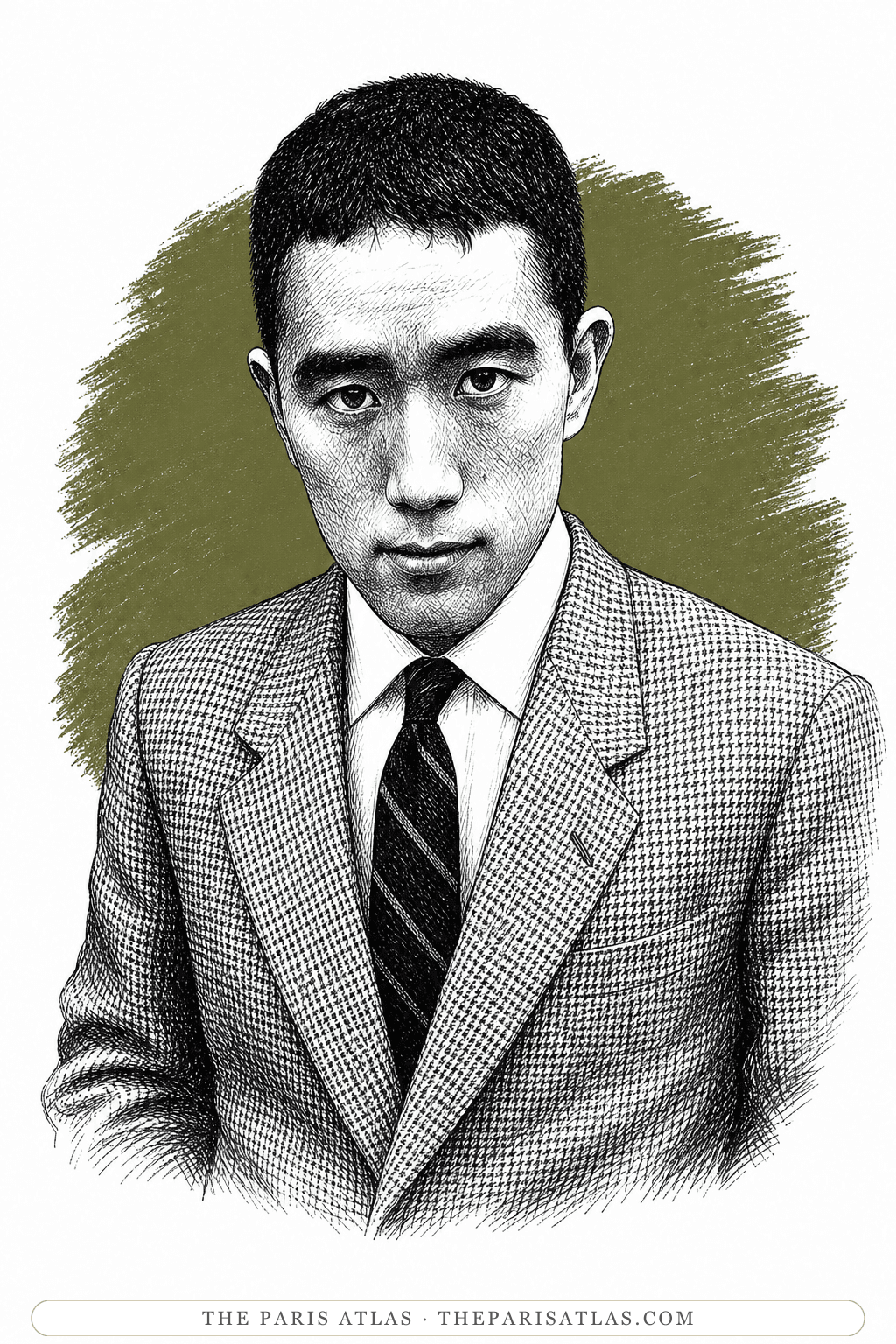
The Japanese novelist, playwright, actor, and nationalist public figure whose 1970 death Miller tries to understand.
1970
Yukio Mishima dies in Tokyo on 25 November after a failed political action.
1971
Miller writes his response; a Japanese version appears in Shukan Post.
1972
Capra Press issues the English book edition.

Miller’s earlier portrait of another self-destructive literary figure, Arthur Rimbaud.
Read our take
A radically warmer late tribute to a writer whose old age represented imaginative survival.
Read our take
The wartime essay that most clearly establishes Miller’s opposition to organized violence.
Read our takeYukio Mishima’s ritual suicide after a failed political action in Tokyo on 25 November 1970.
No. Miller was fascinated by Mishima’s artistic commitment but remained opposed to his nationalism, militarism, and political violence.
It appeared in Japanese in Shukan Post in 1971; Capra Press published the English book in 1972.
No. It is Miller’s response to Mishima’s death, not a full account of the Japanese writer’s life.
Capra Press published the forty-seven-page English book edition in 1972.
Explore authors with a similar voice, perspective, and influence.
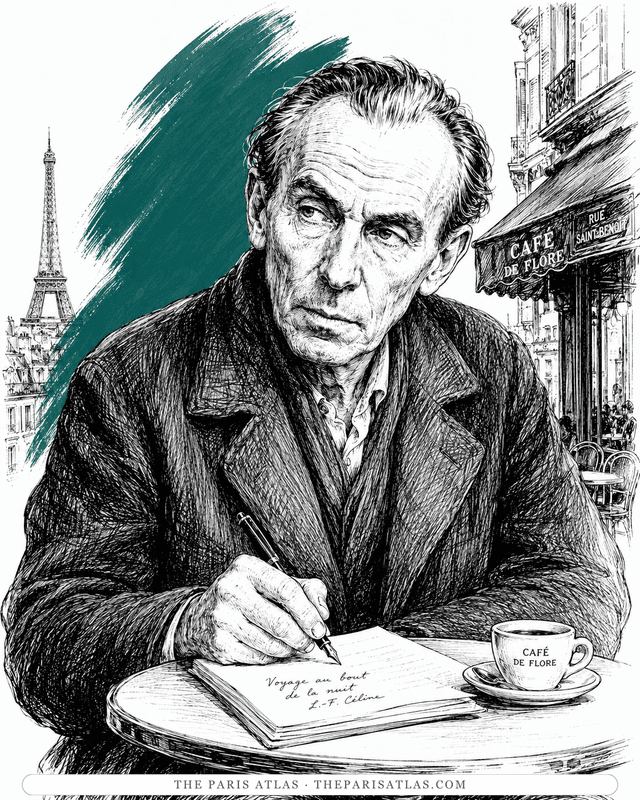
Miller's acknowledged master at making literature out of the gutter. Journey gave him permission; Cancer is what he did with it.
View author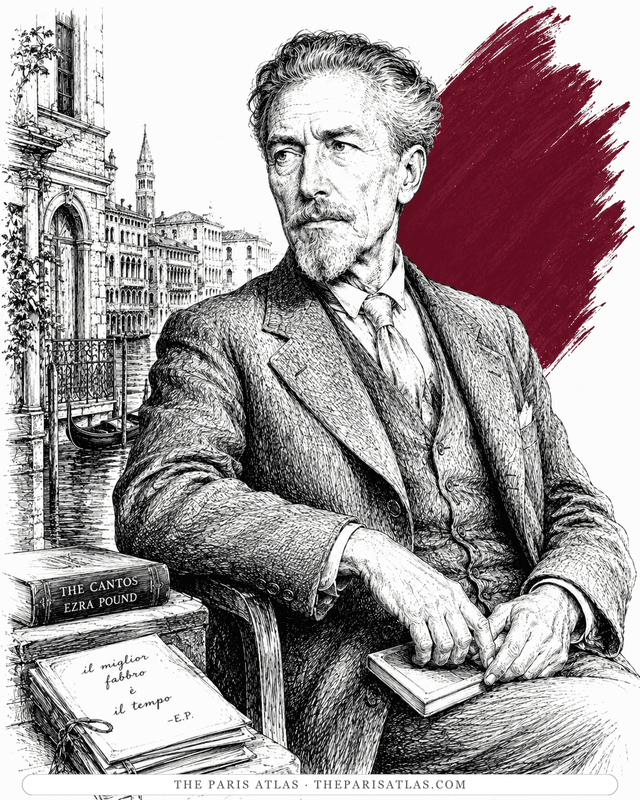
Pound read Cancer and sent Miller a famously backhanded postcard. Both believed literature's job was to wake the reader by any means necessary.
View author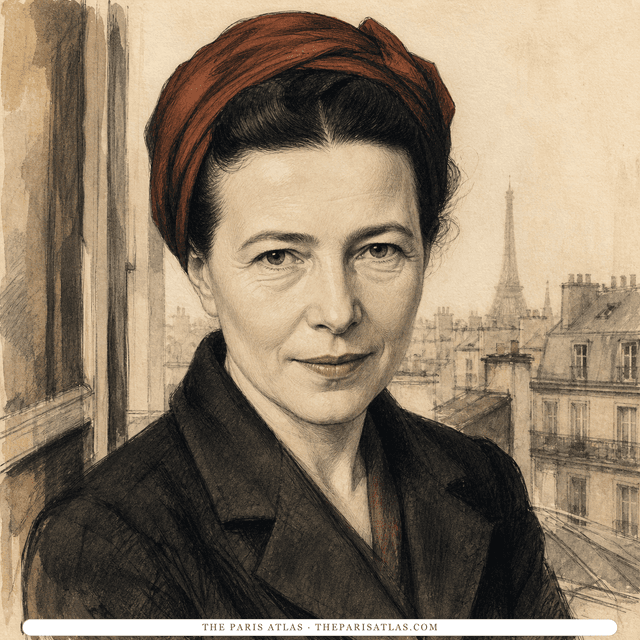
French writer and philosopher whose novels, memoirs, and social analysis examined freedom, gender, responsibility, aging, and the material conditions that shape a life.
View authorThe sources below include the primary text, editions, scholarship, archival materials, and other records that informed this page. They document Reflections on the Death of Mishima, its publication, and its place in literary history.


The primary text represented by this page, used for descriptions of the work’s contents and for any quoted passages shown here.

Web source consulted for documented facts and historical context presented on the Reflections on the Death of Mishima page.
Official record used to verify names, dates, institutional details, or other factual information on this page.
Archival evidence used to document the historical record connected to Reflections on the Death of Mishima.
Web source consulted for documented facts and historical context presented on the Reflections on the Death of Mishima page.
Biographical evidence used to verify chronology, relationships, and historical context connected to Reflections on the Death of Mishima.
The primary text is the baseline reference for every book page. Additional references document publication history, interpretation, and historical context where that evidence is available.
 Explore more resources