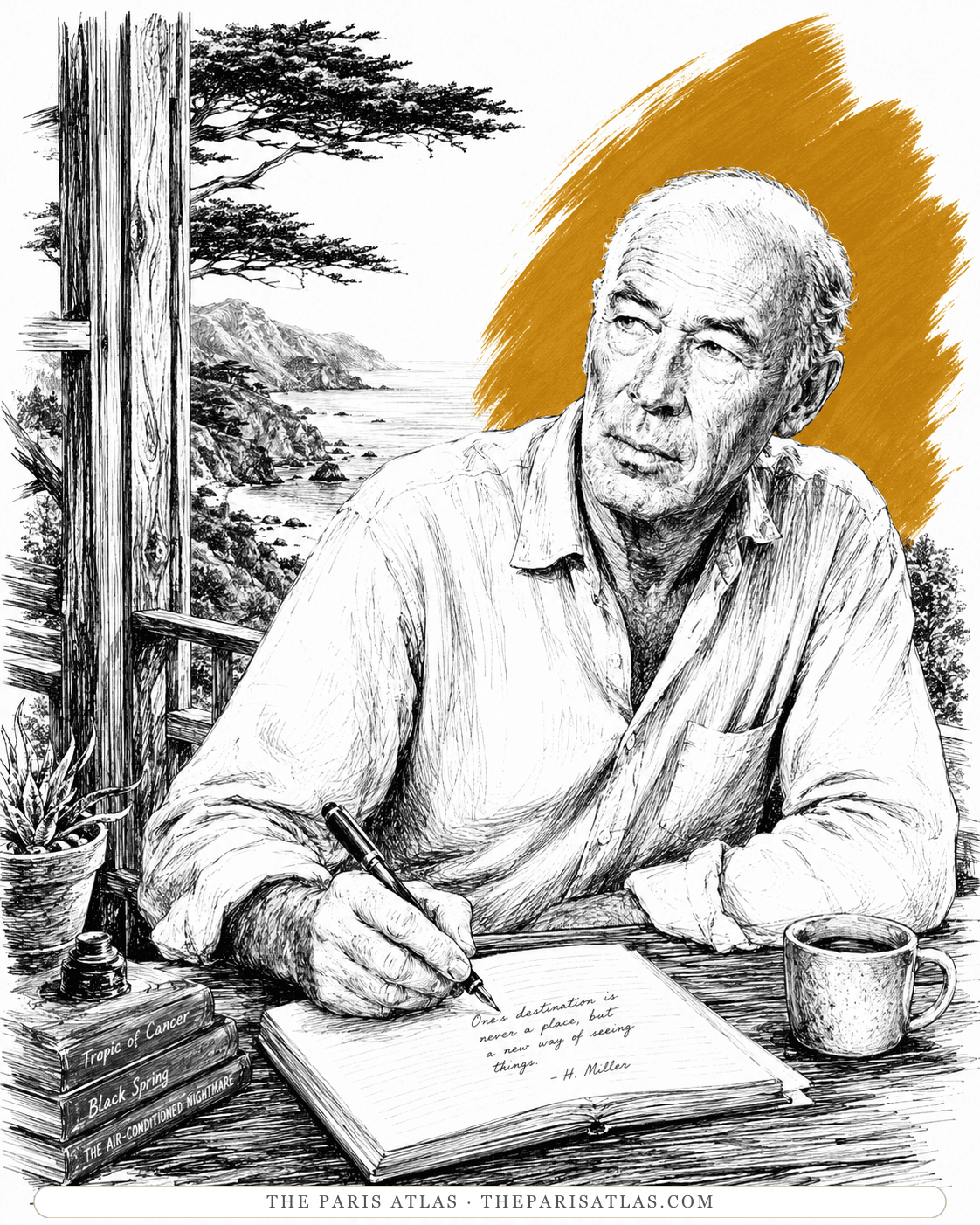

Tropic of Cancer
The securely attributed Paris book against which this later volume was marketed.
Read our take
by Henry Miller
Six commissioned erotic pieces, published after Miller’s death under two titles — and shadowed by a serious authorship dispute.
Grove Press published this collection in 1983 as Opus Pistorum; a later edition called it Under the Roofs of Paris. The six pieces were associated with the private pornography syndicate that supplied a wealthy collector in the early 1940s. Miller’s name has remained on the cover, but archival material and later scholarship complicate that attribution: he denied writing several component titles, and the syndicate’s manuscripts were collaborative and often anonymous. Miller is therefore treated as the attributed author, not an uncontested one. (Contains extremely explicit sexual material and sexual violence.)
The bibliographic facts are clearer than the authorship. Grove Press issued a 288-page first hardcover edition in 1983 under the title Opus Pistorum; the same material appeared two years later as Under the Roofs of Paris. Library catalogues list six component titles: “Sous les Toits de Paris,” “The French Way,” “Rue de Screw,” “Black Mass and a Midget,” “France in My Pants,” and “Cherchez la Toit.”
The pieces came out of a clandestine commission rather than a conventional literary project. In the late 1930s and early 1940s a group of cash-strapped New York writers produced pornography to order through bookseller Milton Luboviski for a private collector. Work circulated without bylines, changed hands in typescript, and could be assembled or attributed long after it was written. That system makes a single-author claim especially difficult to prove.
The strongest reason for caution is Miller’s own denial. Scholarship on the syndicate reproduces a letter in which he told collector J. Rives Childs that “The French Way,” “Black Mass,” and “Rue de Screw” were not his, and mocked the idea that their titles sounded like him. The Syracuse archive also preserves material headed “Faking Henry Miller.” None of this proves that Miller contributed nothing; it does mean the honest page cannot present every sentence as securely his.
Six loosely connected erotic narratives follow an unnamed first-person adventurer through Paris and a succession of encounters. The 1983 jacket foregrounds four women — Marcelle, Tania, Alexandra, and Anna — but the book behaves more like a sequence of commissioned episodes than a novel with a stable cast or developing plot.
The narrative is graphic throughout and repeatedly includes coercion, rape, humiliation, and other sexual violence. Readers looking for the autobiographical Paris voice of Tropic of Cancer should know that both the purpose and the attribution of this collection are different.
A familiar literary voice does not settle who wrote these pieces. Attwood and Reay set accounts of deliberate Miller imitations beside his denial of three component titles. His letter also allows, though he considers it unlikely, that someone could have retitled earlier work. That qualification matters: neither a recognizable style nor a denial supplies a complete account of how the collection was assembled. The anonymous typist keeps this uncertainty visible, leaving open the difference between composing a text, copying it and selling it under a name.
The Syracuse finding aid describes a folder made largely of copies, alongside some original letters and clippings. It lists a statement by Luboviski about his involvement, publisher correspondence and a Legman typescript challenging the attribution. Together, those descriptions suggest an archive of competing claims rather than a single document that settles the matter. A signature, a published byline and a remembered transaction answer different questions. The pictured file invites that comparison, but its invented pages must not be mistaken for documents inspected from the collection.
The page is most valuable as publication history: how anonymous commission writing can acquire a famous name decades later.
Treating Opus Pistorum and Under the Roofs of Paris together prevents a false duplicate while preserving both search identities.
The collection shows why catalogues need room for attribution, denial, and uncertainty rather than a single unquestioned byline.
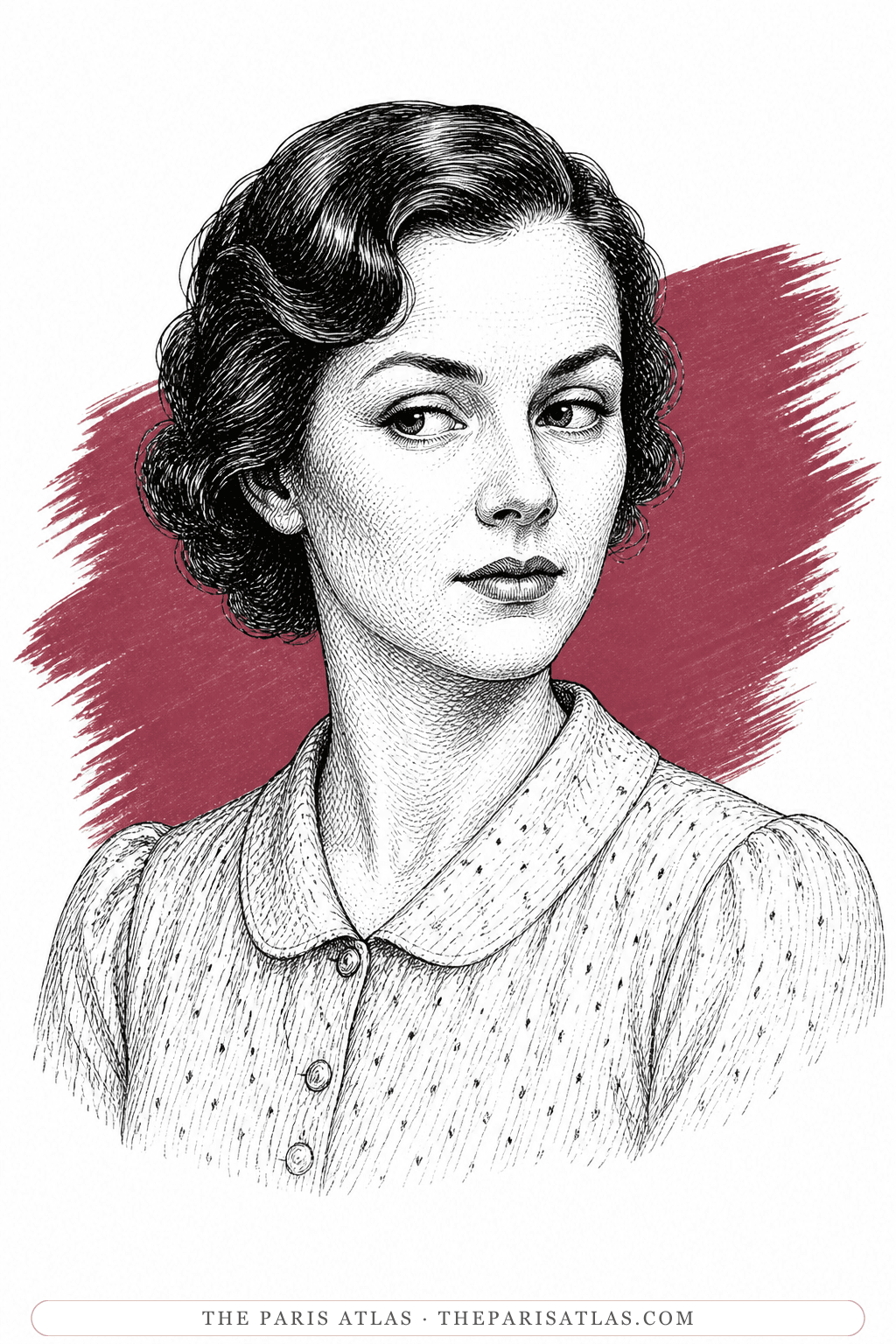
One of four women named on the 1983 jacket as figures in the narrator’s episodic Paris encounters.
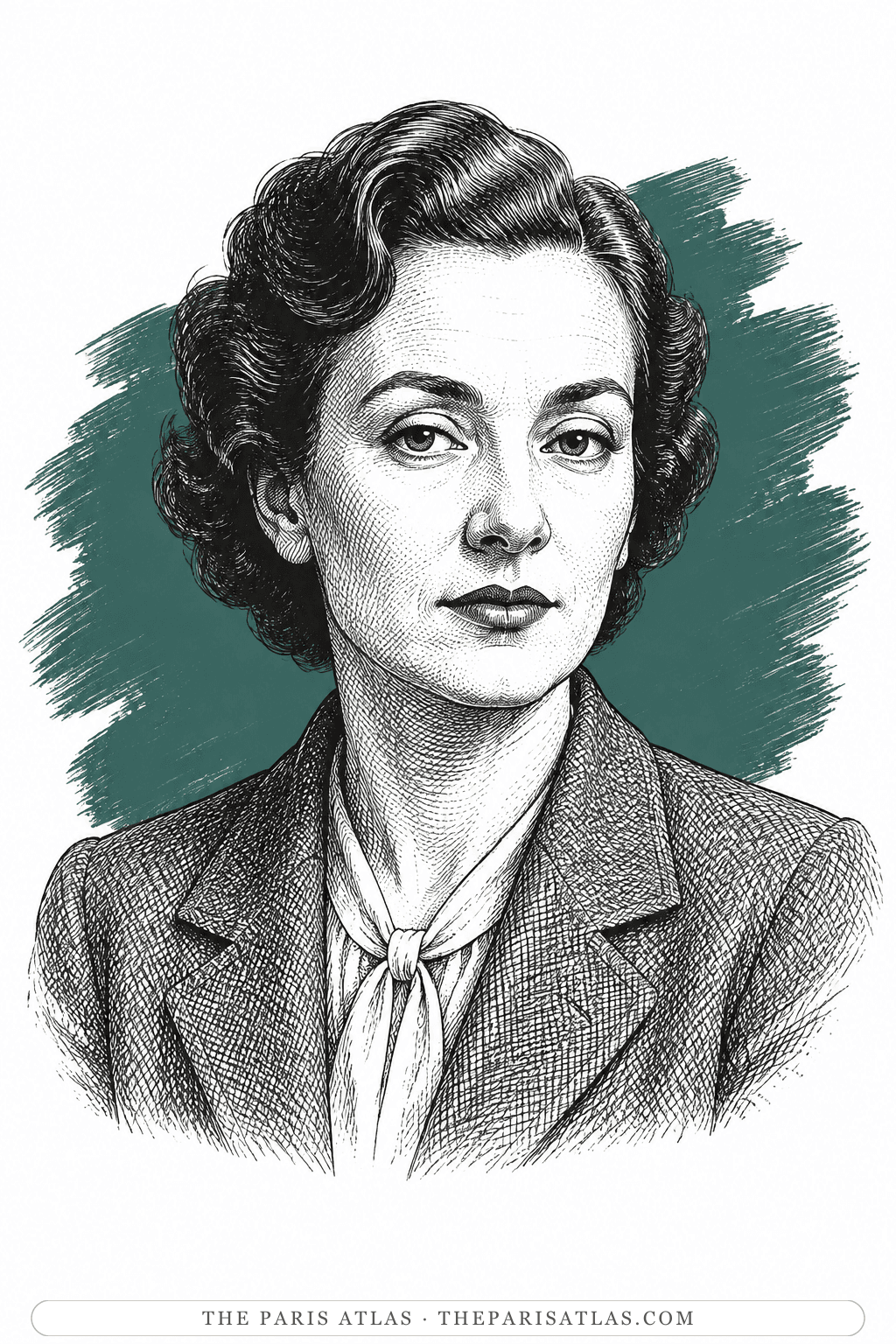
One of the women singled out by the first edition’s jacket, in a collection whose authorship remains disputed.
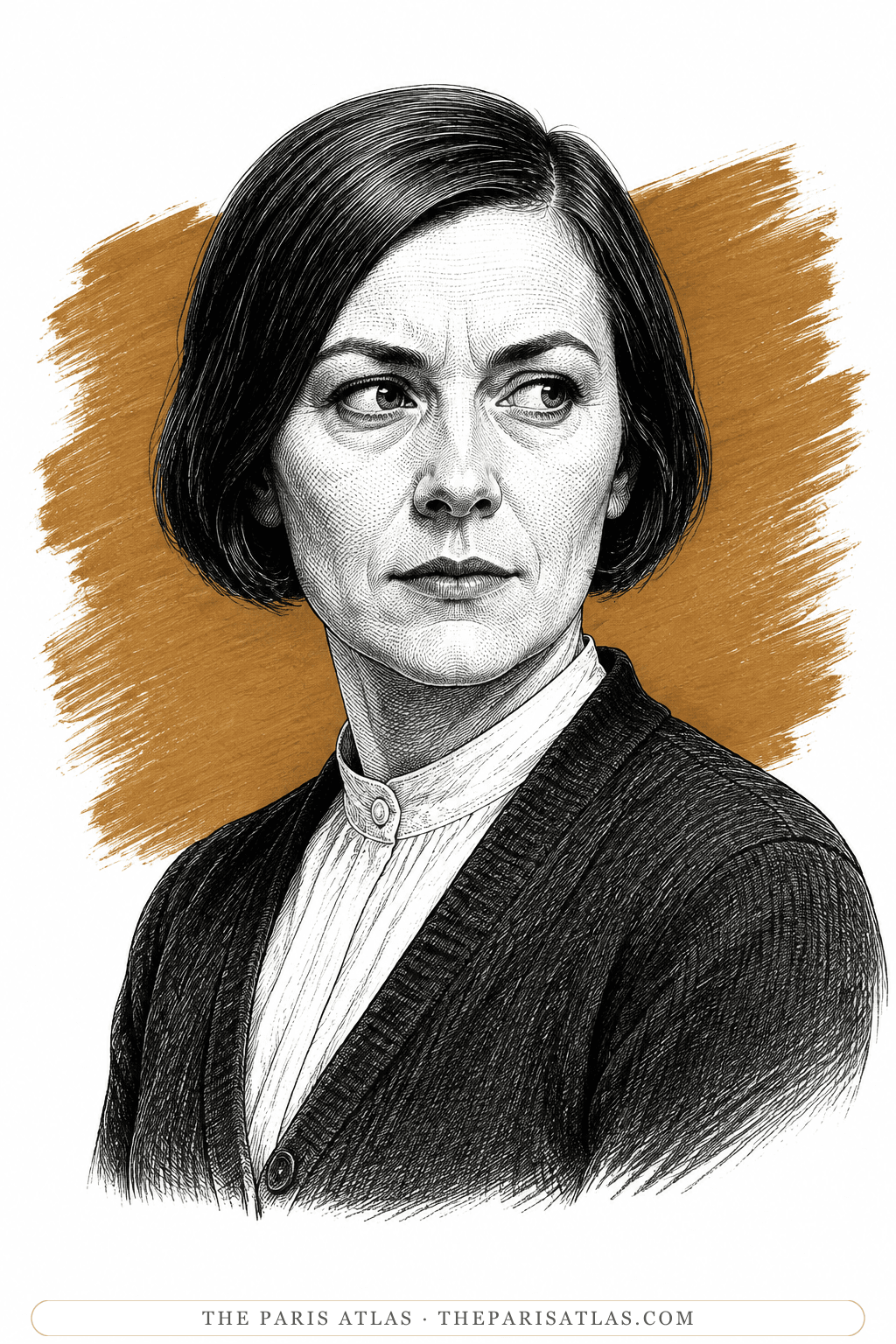
A named figure in the publisher’s outline of the narrator’s search for experience across the six pieces.
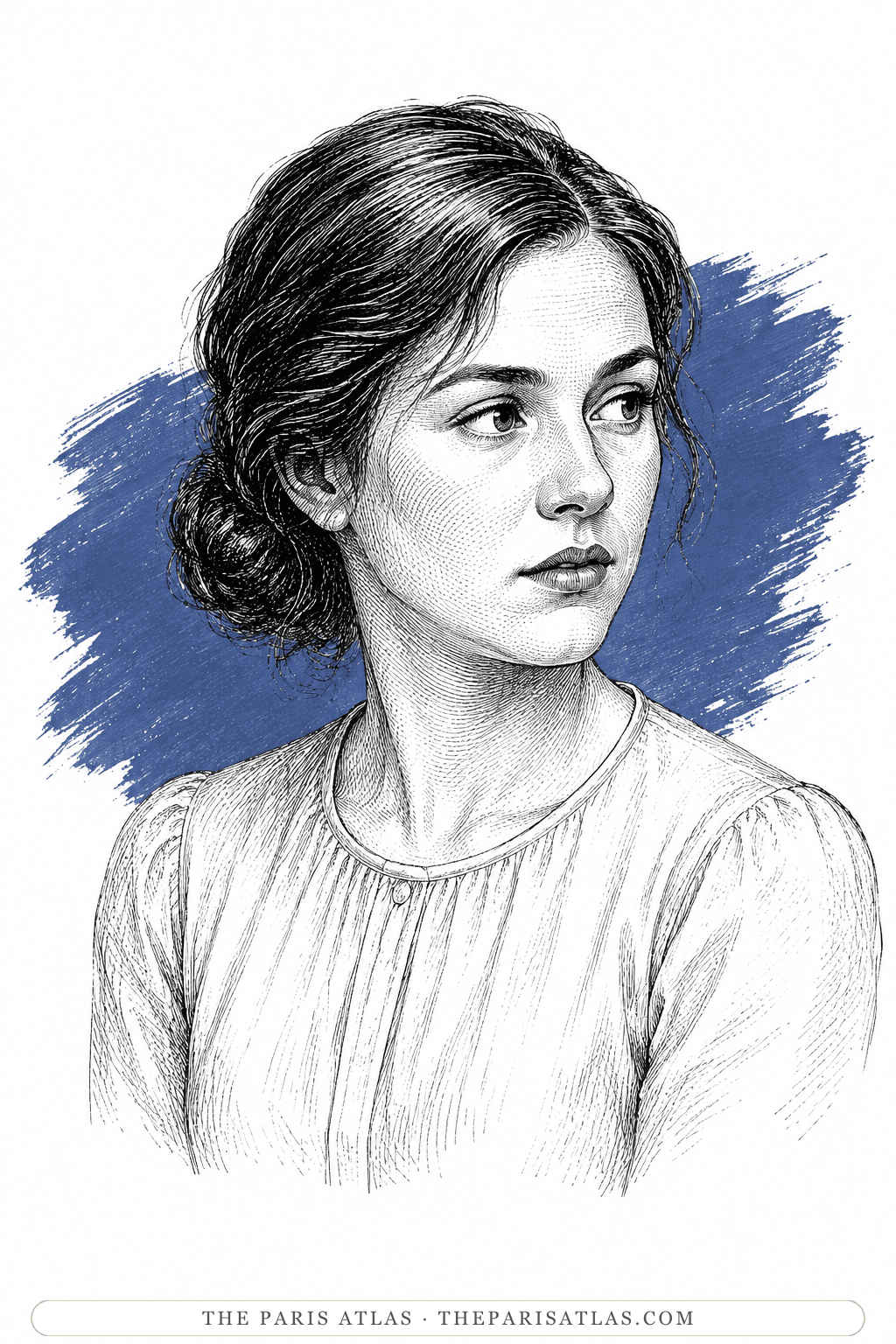
The fourth woman named on the 1983 jacket; the surviving catalogue description gives no trustworthy further particulars.
Late 1930s–early 1940s
Anonymous writers connected through bookseller Milton Luboviski produce privately commissioned erotic manuscripts for a wealthy collector.
1983
Grove Press publishes the six-piece collection as Opus Pistorum under Henry Miller’s name.
1985
The material appears under the alternate title Under the Roofs of Paris.
2021
Nina Attwood and Barry Reay’s study of pornography syndicates re-examines Miller’s denial and the unstable authorship of the component texts.

The securely attributed Paris book against which this later volume was marketed.
Read our take
A genuine Miller manuscript that also circulated around the same collecting world, but should not be collapsed into the disputed syndicate texts.
Read our take
Anaïs Nin’s better-documented collection from the same private commission network.
Read our takeYes. Grove Press first published the collection as Opus Pistorum in 1983; it was later published as Under the Roofs of Paris.
The book was published under his name, but the attribution is disputed. Miller denied writing several component titles, and archival and scholarly accounts connect the material to an anonymous collaborative commission network.
Six explicit erotic pieces: “Sous les Toits de Paris,” “The French Way,” “Rue de Screw,” “Black Mass and a Midget,” “France in My Pants,” and “Cherchez la Toit.”
It is substantially more explicit and includes rape, coercion, humiliation, and sexual violence. It was commissioned as pornography rather than conceived like Miller’s major autobiographical books.
No. Grove Press published it under Miller’s name in 1983, after his death. That attribution remains disputed.
Explore authors with a similar voice, perspective, and influence.
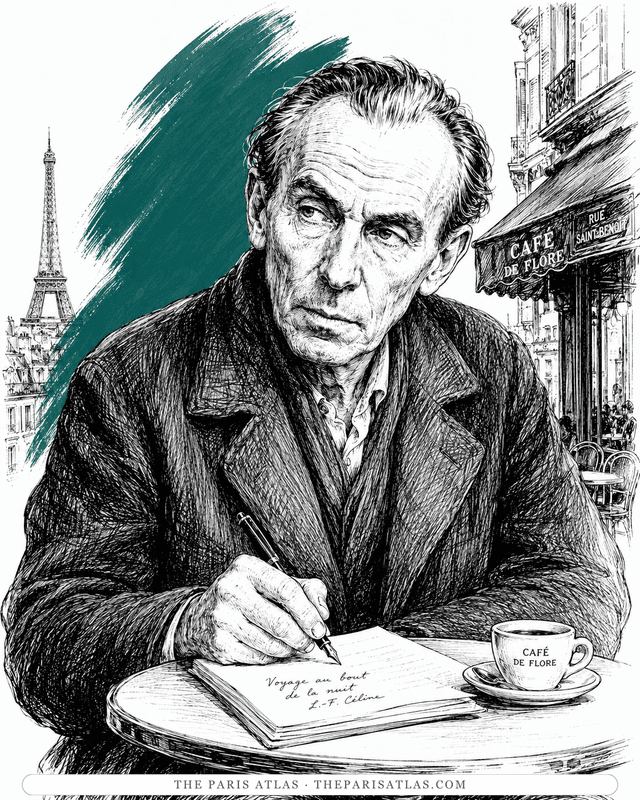
Miller's acknowledged master at making literature out of the gutter. Journey gave him permission; Cancer is what he did with it.
View author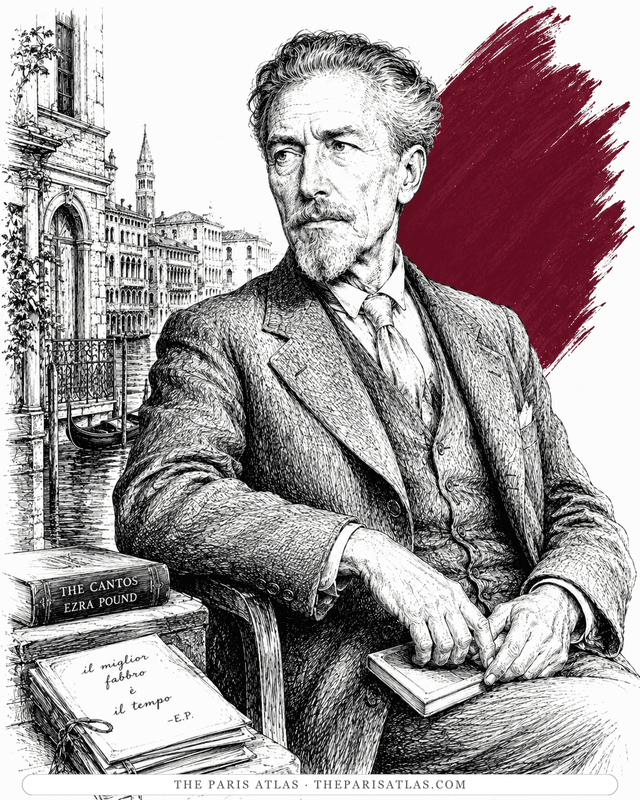
Pound read Cancer and sent Miller a famously backhanded postcard. Both believed literature's job was to wake the reader by any means necessary.
View author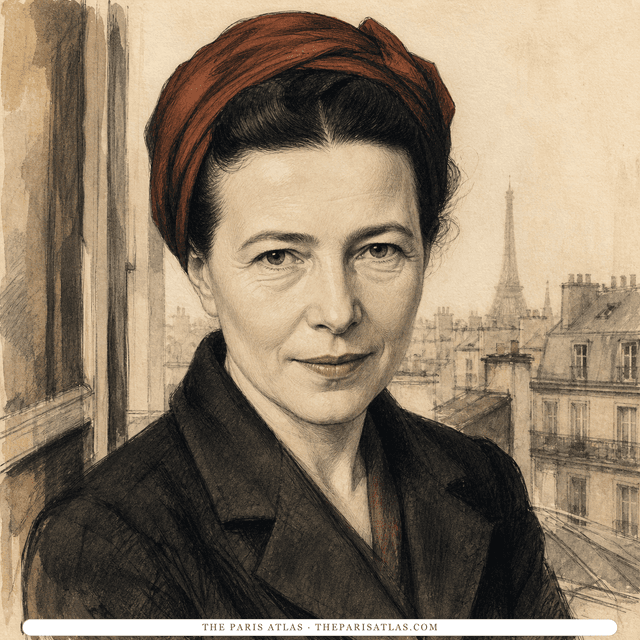
French writer and philosopher whose novels, memoirs, and social analysis examined freedom, gender, responsibility, aging, and the material conditions that shape a life.
View authorThe sources below include the primary text, editions, scholarship, archival materials, and other records that informed this page. They document Under the Roofs of Paris, its publication, and its place in literary history.

The primary text represented by this page, used for descriptions of the work’s contents and for any quoted passages shown here.

Archival evidence used to document the historical record connected to Under the Roofs of Paris.
Official record used to verify names, dates, institutional details, or other factual information on this page.
Contemporary reporting or criticism used to document the historical reception and context of Under the Roofs of Paris.
Used for Miller’s broader 1940s chronology and bibliographic context.
The primary text is the baseline reference for every book page. Additional references document publication history, interpretation, and historical context where that evidence is available.
 Explore more resources