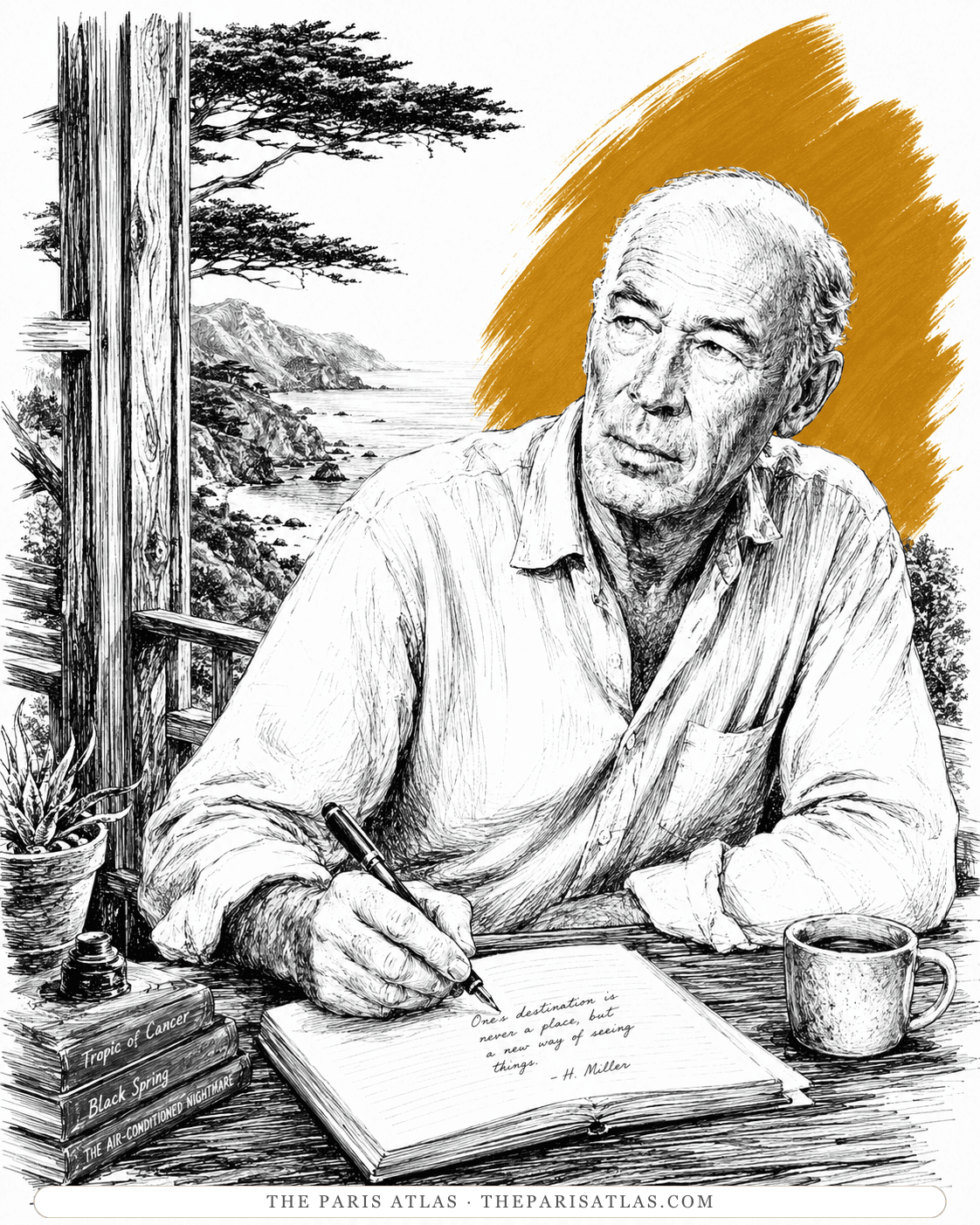

Tropic of Capricorn
The same New York years in first draft — Capricorn ends where Sexus digs in.
Read our take
by Henry Miller
The Rosy Crucifixion begins: New York in the twenties, the marriage that must end, the woman who must be Mona — his most banned book.
Book one of The Rosy Crucifixion, the vast autobiographical project Miller considered his life's real work: New York in the early twenties, the telegraph-company job, the dying first marriage, and the dance-hall meeting with the woman his books call Mona — told at maximum length and maximum explicitness. Published in Paris in 1949 because nowhere else would touch it, it out-scandalized even the Tropics: France banned it, Norway put it on trial. The most extreme book on his shelf, in every direction at once. (Full story below; the ending is behind the accordion.)
Everything in Miller points at June — the taxi-dancer who became his second wife, his obsession, and his subject — and The Rosy Crucifixion was the monument he spent decades planning: the full account of the years she remade him, projected across three volumes. Sexus, the first, was written in California in the mid-forties and published in 1949 where all his unprintable books began, in Paris — by Obelisk's heir Maurice Girodias, in two volumes, in English, for the export trade. Even Paris flinched: France banned the book the following year, and in Norway it triggered an obscenity trial that reached the country's Supreme Court, with Miller contributing a now-famous open letter on the freedom to read.[1]
The scandal was not only official. Friends and admirers split over the book — Lawrence Durrell, its dedicatee's greatest champion, first cabled Miller begging him to withdraw it — and the argument has never really closed: is the explicitness the point or the problem? Under the notoriety sits the story the whole shelf orbits: the narrator at thirty-three, chained to the Cosmodemonic job and a marriage running on guilt, meets Mona in a Broadway dance palace and begins demolishing his life to rebuild it around her — the demolition told with an honesty that spares no one, its teller least of all.[1]
New York, the early twenties. The narrator — Miller under his own name, more or less — is thirty-three, employment manager at the Cosmodemonic Telegraph Company, married to Maude, father of a small daughter, and certain his life is a coffin with a salary. Then the Broadway dance palace, and Mara: taxi-dancer, fabulist, shape-shifter, the most magnetic presence in any of his books. The novel is the anatomy of the demolition that follows — the double life of hotel rooms and borrowed money, the marriage curdling scene by scene, the friends enlisted and burned, and through it all the conviction, hardening into religion, that Mara is the door to the writer he has failed to become.[1]
At six hundred pages the book has room for everything: comic set pieces, Brooklyn nights, monologues on art and America, and the sexual episodes — extended, explicit, unapologetic — that made it unpublishable anywhere respectable and, for its partisans, the most honest account of desire in American prose. Mara becomes Mona; the divorce grinds through; and the volume closes on the wedding that the next two books — Plexus and Nexus — will spend their length unbuilding.[1]
The ending is the scandal's true center, and it is not romantic. The divorce from Maude finally lands — in the same season as the wedding: the narrator and Mona marry in a shabby civil ceremony, the goal of six hundred pages achieved and instantly hollow. Miller closes not on triumph but on self-obliteration: in the final scene the narrator is on the floor, playing the dog at his own command performance — abject, grotesque, barking — the conquering lover reduced to an animal act in front of the woman he demolished his life to win. The last line is literally a bark. The rosy crucifixion of the title has begun, and Miller wants no illusion about who is on the cross, or who volunteered.
The gifts at the start of Sexus are small, but the narrator assigns them the scale of a new life. Sending Winesburg, Ohio with flowers makes reading part of his courtship of Mara. Yet the confidence of the gesture sits beside borrowing, frantic correspondence and fear of being forgotten. The opening exposes a contradiction in his idea of freedom: leaving an unwanted life means placing his happiness in another person's hands. The language of surrender does not abolish dependence; it gives dependence a new object, before Mara has even answered.
At the waterfront, the city's movement throws the narrator's suspended life into relief. The trolley has carried him somewhere without his choosing a destination, while the hours until the dance hall still refuse to pass. Miller turns that disorientation into a way of seeing: familiar streets and buildings become difficult to recognize, and coordinated traffic appears purposeless. This is not simply a decorative New York backdrop. The account makes urban machinery echo a mind that can register countless impressions yet organize them around only one absence.
The woman glimpsed at Capricorn's close gets six hundred pages — the great obsessive portrait of Miller's life and work.
Whatever else it is, no book exposes its author more completely — vanity, cruelty, abjection, all on the record by his own hand.
From the Paris printing to the Norwegian Supreme Court, its history is the free-press fight in miniature.

The narrator's first wife — the marriage the book dismantles on its way to Mona, down to the staged divorce evidence and the alimony hearing. Beatrice Wickens, renamed.
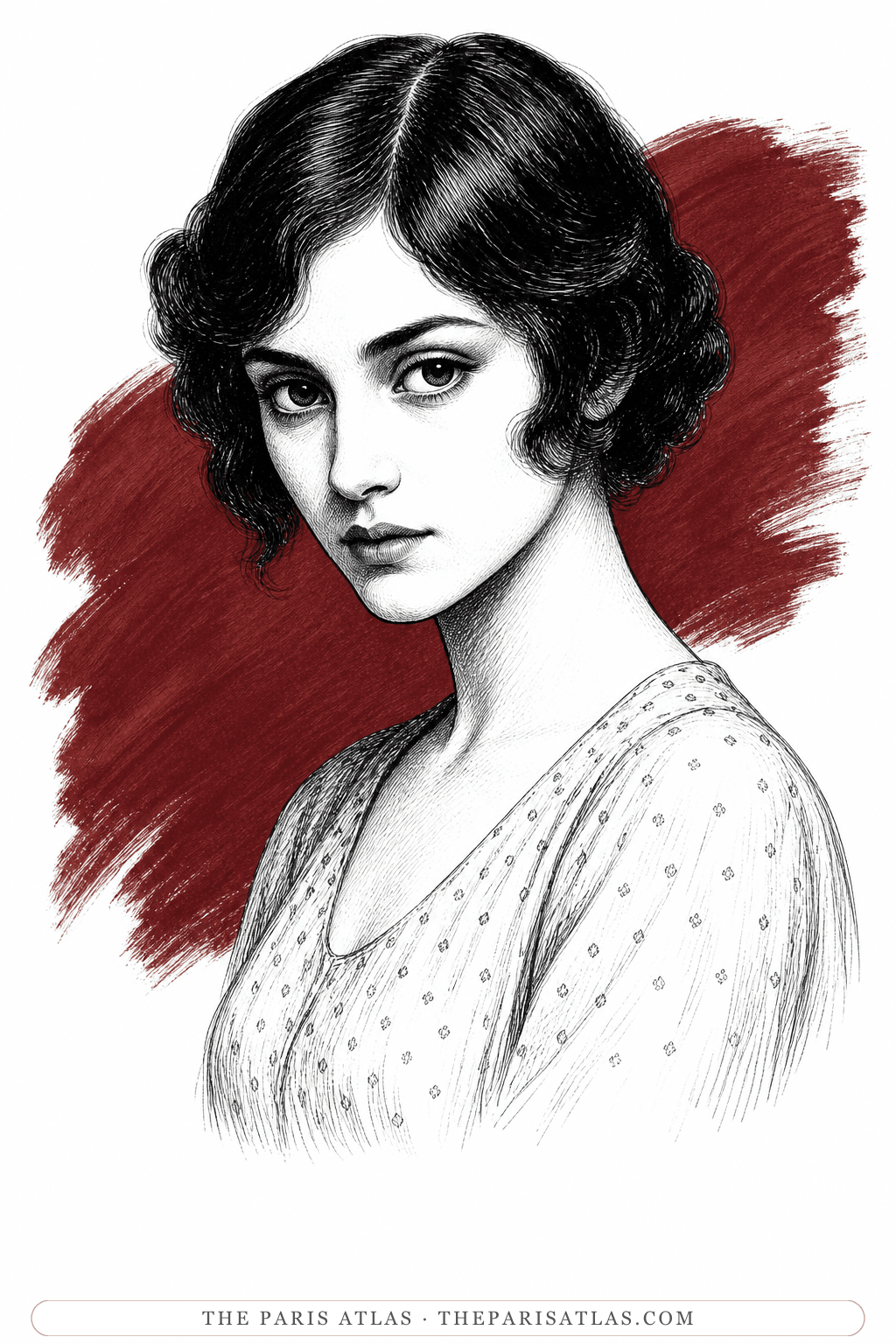
The taxi dancer the narrator leaves the marriage for — the dance-hall meeting and second marriage of 1923–24, retold at full length. June Miller, renamed.
mid-1940s
Miller writes the first volume of The Rosy Crucifixion in California — the New York years the taxi-dancer he calls Mona remade him.
1949
Unprintable elsewhere, Sexus appears in Paris in two volumes, issued for the export trade by Obelisk's heir Maurice Girodias.
1950
France bans the book; in Norway an obscenity trial climbs to the country's Supreme Court, and Miller's open letter on the freedom to read becomes a free-speech classic.
1965
Grove Press issues the American edition at last.

The same New York years in first draft — Capricorn ends where Sexus digs in.
Read our take

Henry Miller. It was published in Paris in 1949 as the first book of The Rosy Crucifixion.
New York in the early twenties: the telegraph-company job, the dying first marriage, and the dance-hall meeting with the woman his books call Mona — told at maximum length and explicitness.
The vast three-volume autobiographical project — Sexus, Plexus, and Nexus — that Miller considered his life's real work, chronicling the years the woman he called Mona remade him.
It out-scandalized even the Tropics. France banned it the year after publication, and in Norway it triggered an obscenity trial that reached the country's Supreme Court.
Not here. Sexus is the most extreme book on his shelf; the Tropics are the better entry point.
Explore authors with a similar voice, perspective, and influence.

Miller's acknowledged master at making literature out of the gutter. Journey gave him permission; Cancer is what he did with it.
View author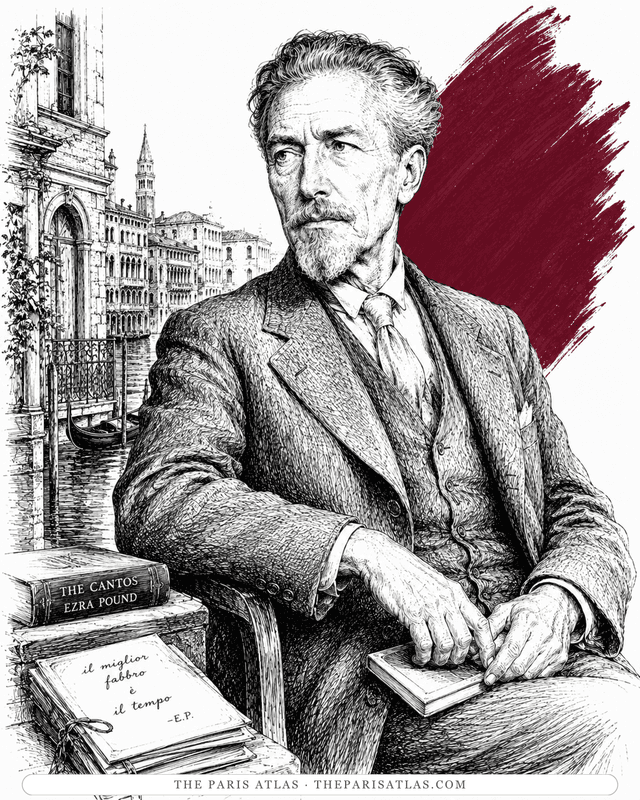
Pound read Cancer and sent Miller a famously backhanded postcard. Both believed literature's job was to wake the reader by any means necessary.
View author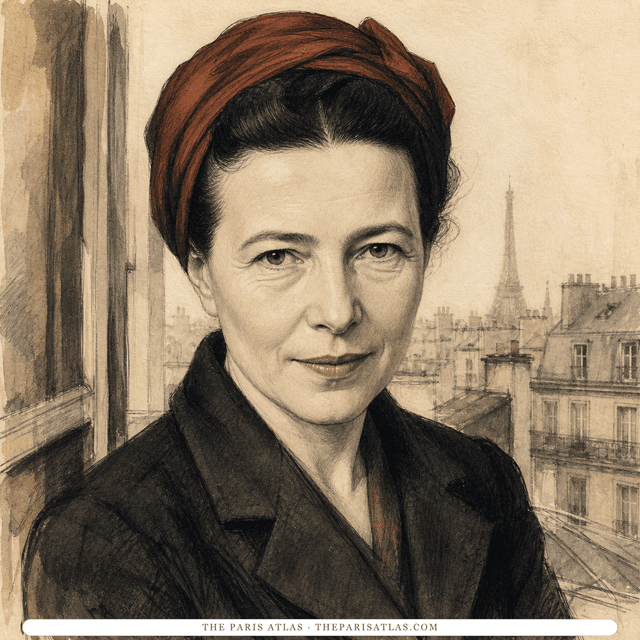
French writer and philosopher whose novels, memoirs, and social analysis examined freedom, gender, responsibility, aging, and the material conditions that shape a life.
View authorThe sources below include the primary text, editions, scholarship, archival materials, and other records that informed this page. They document Sexus, its publication, and its place in literary history.


Used for close readings of the opening, not verification of the full novel or publication history.
Biographical evidence used to verify chronology, relationships, and historical context connected to Sexus.
Biographical evidence used to verify chronology, relationships, and historical context connected to Sexus.

The scholarly collection places Sexus within The Rosy Crucifixion and Miller's larger autobiographical method.
Brassaï's firsthand account supplies independent context for the Paris career from which Miller revisited his New York past.
The primary text is the baseline reference for every book page. Additional references document publication history, interpretation, and historical context where that evidence is available.
 Explore more resources