

The Smile at the Foot of the Ladder
The other late fable of longing — the clown's mask there, the painter's scrawl here.
Read our take
by Henry Miller
Old age falls in love and can't sleep: the last great infatuation, confessed in prose and painted through the small hours.
In his mid-seventies Miller fell catastrophically in love with Hoki Tokuda, a young Japanese singer he met at a Los Angeles club, married her in 1967, and — sleepless over a marriage that stayed maddeningly out of reach — spent the small hours painting and scrawling. Insomnia is the record: a confessional text and the series of watercolors the sleeplessness produced, first issued as a deluxe portfolio in 1970 and in trade covers in 1974. The most exposed thing late Miller ever published: the anatomist of desire, caught in the specimen jar at last. (A confession — nothing here to spoil.)
The affair was a Los Angeles fable: the world-famous author of the banned books, widowed of his legend and pushing eighty, undone by a nightclub singer-pianist four decades younger. He courted her extravagantly, married her in 1967 — his fifth marriage — and got, by his own bewildered account, a companion who remained affectionately, immovably elsewhere. The nights the marriage kept him awake he spent at the work table, and the insomnia became a studio: watercolor after watercolor, captioned in his looping hand, self-mocking and lovelorn by turns.
The Webbs' Loujon Press — the New Orleans perfectionists who made books like reliquaries — issued the first Insomnia in 1970 as a limited portfolio; Doubleday's 1974 edition put the confession within general reach. What makes it more than a curiosity is the candor: Miller, who had written about desire all his life, reporting without flinching what it does to an old man — the vanity, the absurdity, the gratitude. The devil at large of the title is the old familiar one; the news is that he never retires.
A three-part confession in prose — the meeting, the marriage, the sleepless aftermath — interleaved with the Insomnia watercolors: dream-figures, caricatures, and love-graffiti painted through the small hours, their scrawled captions half prayer and half punchline. The text runs on the late voice's frankness about its own foolishness; the paintings say what the frankness can't.
Short, strange, and best read in one sitting — preferably late, in sympathy with its hours of composition.
Miller describes the paintings through conflicting sensations: color can flow like poison or emerge as bruises, yet the works are meant to grow into lives of their own. The movement from bodily discomfort to an imaginary garden makes painting more than a report of sleeplessness. Distress becomes something he can handle, alter and send into the world. His verbal play between dreams and lies also resists treating the images as transparent confession. They arise from the night's moods without offering a literal record of everything that happened in it.
The distance between companionship and solitude also enters the original Loujon edition's design. Critic Nathan C. Martin describes narrow photographic pages that initially surround Miller with images of the couple together. Turning one reveals him painting alone. The reader's own movement changes the apparent scene, making absence an experience of handling the book rather than merely a fact reported in its prose. This is one way the portfolio gives shape to longing. Its arrangement draws us toward Miller's experience, but an expressive portrait of his loneliness is not an independent account of Hoki's feelings.
Fifty years of writing desire from the winning side, and then this — the old master reporting from underneath, honestly.
The watercolors aren't illustration; they're the insomnia itself, thinking in a second medium.
Part memoir, part art book, part midnight graffiti — nothing else in the catalog behaves like it.
1967
In his mid-seventies Miller marries Hoki Tokuda, the Tokyo-born singer he met at a Los Angeles club — his fifth and final marriage.
1970
Sleepless over the marriage, he fills the small hours with watercolors; Loujon Press of New Orleans issues the first Insomnia as a deluxe limited portfolio.
1974
Doubleday's trade edition puts the confession within general reach.
The other late fable of longing — the clown's mask there, the painter's scrawl here.
Read our take
The young man's obsession at six hundred pages; this is the old man's, at three in the morning.
Read our take
'The Angel Is My Watermark' announced the painting mania this book turns into testimony.
Read our takeHenry Miller. It first appeared as a deluxe Loujon Press portfolio in 1970 and in a Doubleday trade edition in 1974.
The last great infatuation: in his mid-seventies Miller fell catastrophically in love with Hoki Tokuda, a young Japanese singer, married her in 1967, and — sleepless over a marriage that stayed out of reach — spent the small hours painting and scrawling.
Both. It pairs a confessional text with the series of watercolors the sleeplessness produced, their scrawled captions half prayer and half punchline.
The Tokyo-born singer Miller met at a Los Angeles club and married in 1967 — his fifth and final marriage, and the book's beloved, baffling subject.
It is the most exposed thing late Miller published — a writer who had described desire all his life reporting, without flinching, what it does to an old man.
Explore authors with a similar voice, perspective, and influence.

Miller's acknowledged master at making literature out of the gutter. Journey gave him permission; Cancer is what he did with it.
View author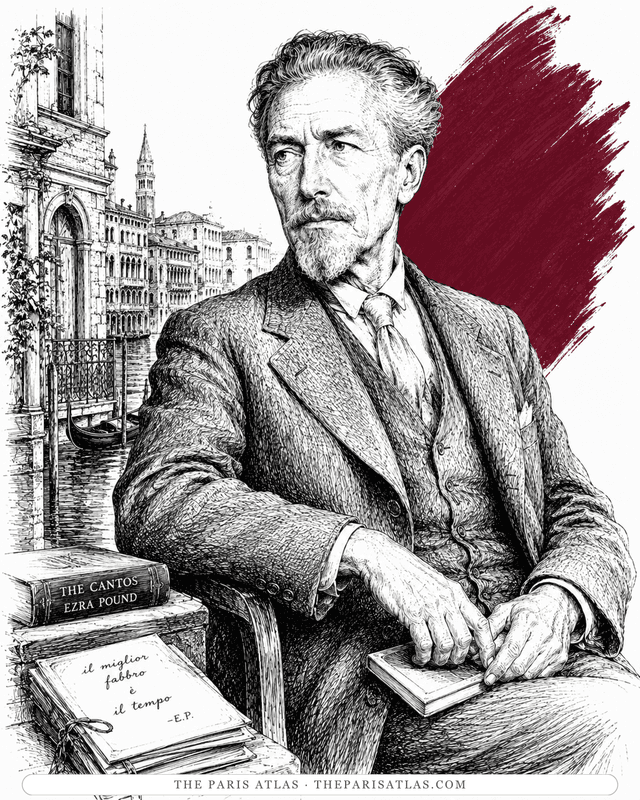
Pound read Cancer and sent Miller a famously backhanded postcard. Both believed literature's job was to wake the reader by any means necessary.
View author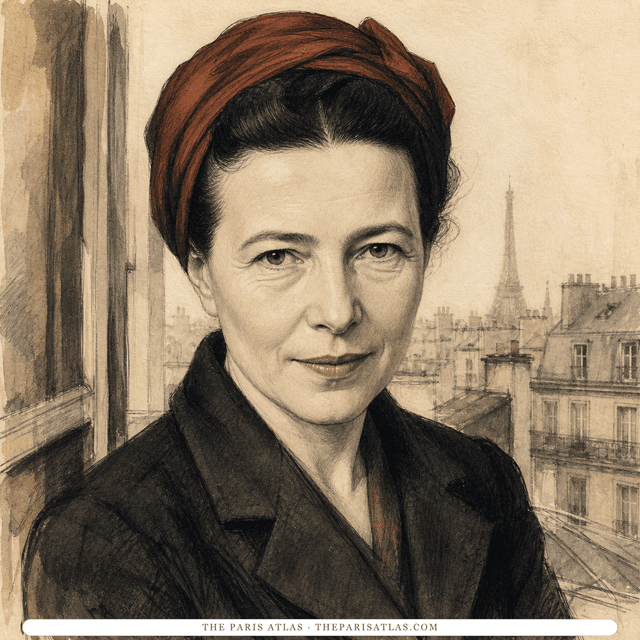
French writer and philosopher whose novels, memoirs, and social analysis examined freedom, gender, responsibility, aging, and the material conditions that shape a life.
View authorThe sources below include the primary text, editions, scholarship, archival materials, and other records that informed this page. They document Insomnia or The Devil at Large, its publication, and its place in literary history.


The primary text represented by this page, used for descriptions of the work’s contents and for any quoted passages shown here.
Used to verify Insomnia or The Devil at Large's bibliographic context and its place within Henry Miller's published work.

Used for independent archival, institutional, or historical context surrounding Henry Miller and Insomnia or The Devil at Large.

Used to cross-check chronology, publication history, and the circumstances in which Insomnia or The Devil at Large appeared.
Used for an additional scholarly or biographical perspective on Insomnia or The Devil at Large and Henry Miller's wider career.
Miller's quoted description of his watercolors supports the reading of discomfort, invention and the paintings' independent lives; the complete book was not collated.
Martin's account of the original Loujon edition supports the attributed discussion of the narrow photographic pages; this layout is not assumed for the later trade edition.
The primary text is the baseline reference for every book page. Additional references document publication history, interpretation, and historical context where that evidence is available.
 Explore more resources