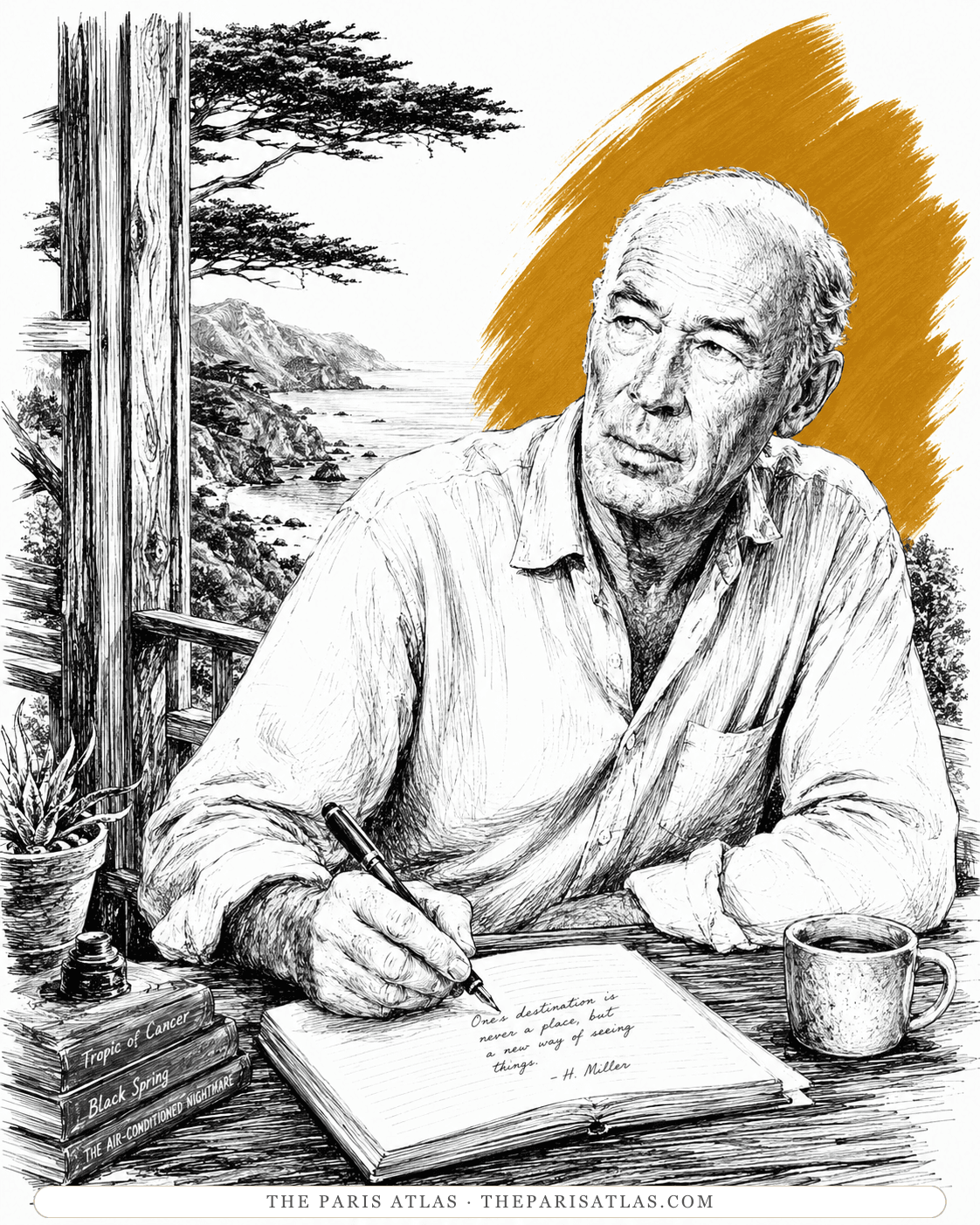

Moloch
The other recovered apprenticeship novel — first marriage and Western Union, where this one is second marriage and the triangle.
Read our take
by Henry Miller
The novel Miller wrote about losing June to another woman — abandoned in 1930, published in 1991, and rawer than anything he ever polished.
Written in Brooklyn between 1928 and 1930 under the title Lovely Lesbians, Crazy Cock is the novel of the triangle that broke Miller's second marriage: a would-be writer, his wife, and the woman she brings home. He shopped it, shelved it, and mined it for the rest of his life; it finally appeared eleven years after his death.
Before Paris, before the first person, before everything the name Henry Miller came to mean, there was this: a conventional third-person novel by a Western Union man in Brooklyn, drafted out of the worst years of his life. In October 1926 June Miller had moved the artist and poet Jean Kronski into their flat; by April 1927 the two women had left for Paris without him. Miller began the book soon after, calling it Lovely Lesbians before settling on Crazy Cock.
He believed it would be his masterpiece. It wasn't — he could not yet write the way he could live, and he knew it. The book went into the trunk, but not the material: the triangle became the spine of The Rosy Crucifixion, and the humiliations it records fed both Tropics. The biographer Mary V. Dearborn, who rediscovered the manuscript in 1988, published it with Grove in 1991, with a foreword by Erica Jong.
Read now, it is the clearest before-picture in American letters: the same man, the same wounds, one revolution short of the voice. For readers of the mature books it answers a real question — what Miller sounded like when he still wrote like everybody else.
Tony Bring, a would-be writer in Brooklyn, is married to Hildred, who supports them both through Greenwich Village jobs he prefers not to examine. Into their basement flat Hildred brings Vanya — a painter and poet, ragged, brilliant, possibly mad — and announces she is staying. The novel is the slow crush of that arithmetic: three people, two rooms, one bed's worth of loyalty.
Tony's suspicion that the two women are lovers hardens into certainty he can neither prove nor survive. He rages, retreats, plots, and writes nothing; the women feed on the drama and each other; the flat becomes a theater of scenes repeated nightly with rising stakes. All three inch toward breakdown as the winter closes in.
There is no rescue. The triangle collapses rather than resolving: Vanya and Hildred drift toward departure — the real June and Jean sailed for Paris — and Tony is left with the wreckage of his marriage and his manuscript. On Christmas Day they feed the fire with their own furniture, and his pages go up the flue along with the chairs. The book does not say he meant to destroy them. Miller lived that ending and then reversed it — the material Tony loses is the material Miller spent thirty years publishing.
The opening gives Vanya an inner life before the household triangle defines her. On the train, a passage about creative power prompts her to question who she is; the narrative then recalls her decision to abandon the name Miriam. The change accompanies her encounter with the sculptress Krupanowa, described through images of orbit and radiance. The imagery transforms her from an attendant presence into a center of energy. Read against Tony's jealousy, this beginning makes her more than an intruder: she enters with ambitions that do not originate in his marriage.
Inez Hollander reads the Christmas visit as a collision between Tony's family expectations and the bohemian life he cannot comfortably inhabit. His mother measures his writing against paid employment, while the broken couch exposes another measure of value: keeping possessions intact. The later fire turns that conflict into material destruction, consuming furniture and manuscript together. Read alongside the dinner, the scene makes artistic failure inseparable from the household sustaining the artist. Burning the pages does not simply free Tony from convention; it damages the shared world in which he has tried to write.
No major American writer left a clearer record of what he sounded like before the breakthrough. Set it beside Tropic of Cancer and the revolution is measurable.
The Rosy Crucifixion retells these events with twenty years of distance and craft. This is the version written while the bruise was fresh.
Tony Bring burning his manuscripts is one of the purest images Miller ever produced of the writer at the end of his rope — and he produced it before he was Miller.
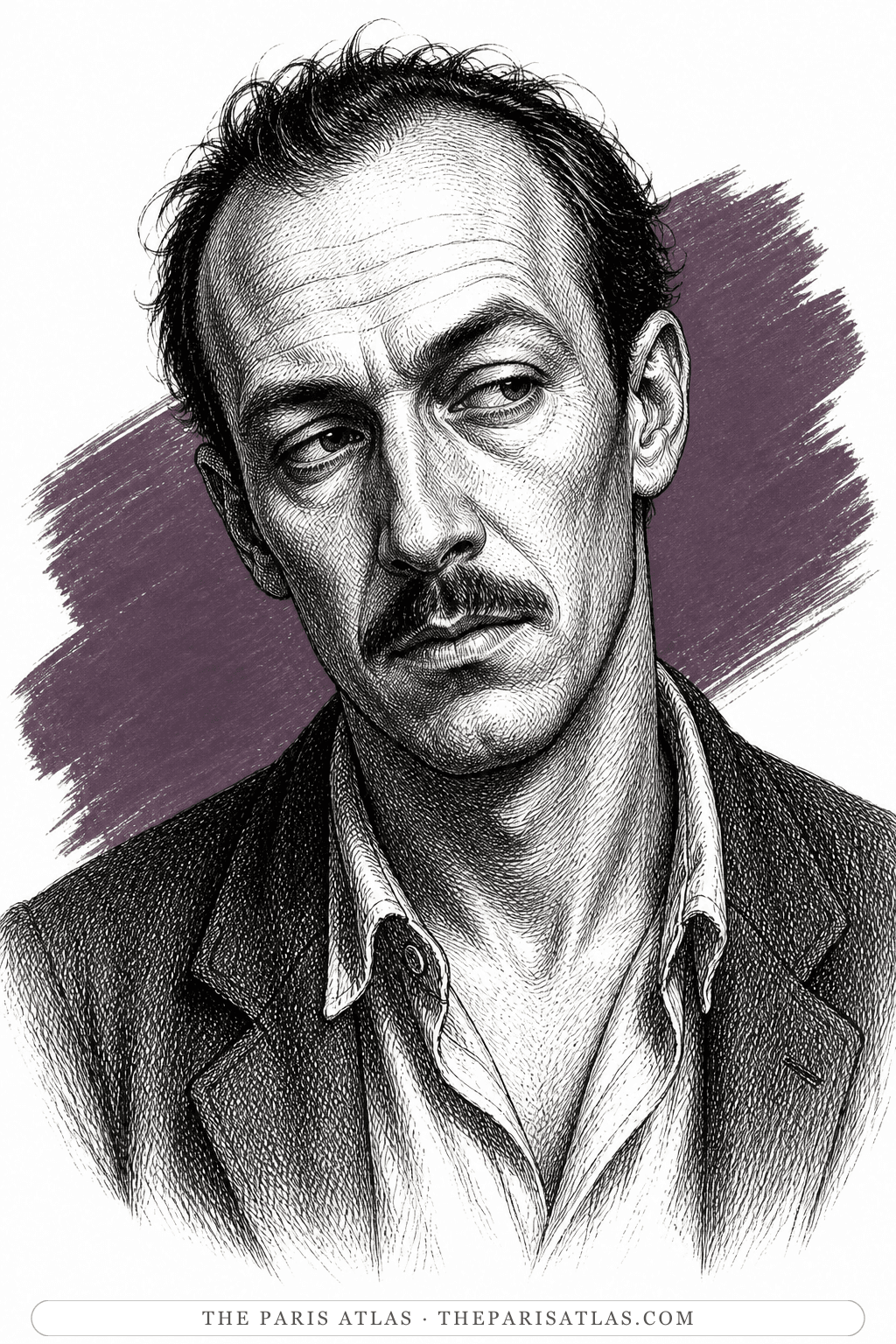
A would-be writer in Brooklyn, supported by his wife and undone by what she brings home — Miller's stand-in, drawn with less mercy than the later first person ever allowed itself.
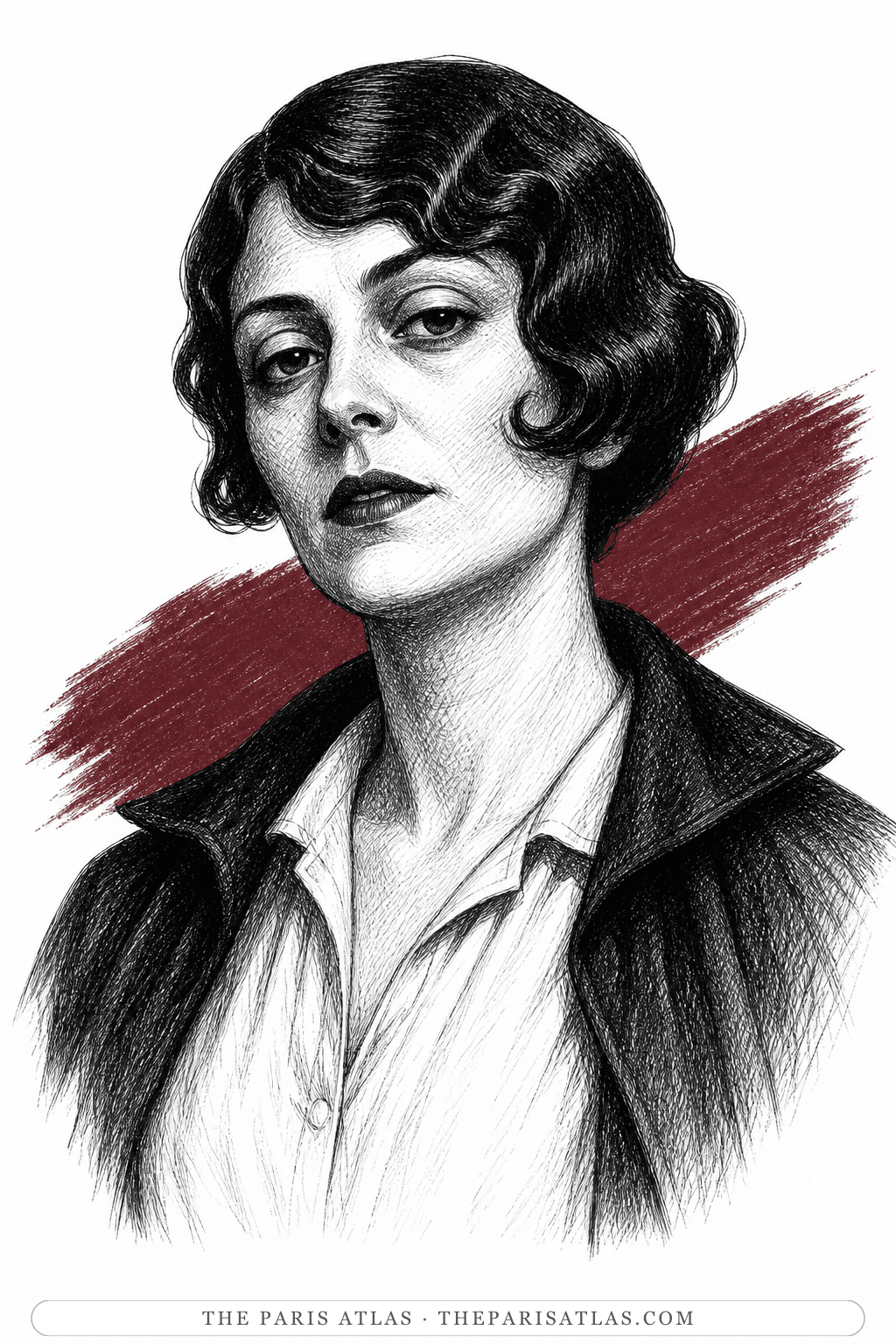
Tony's wife — quick, theatrical, and the household's only earner, keeping her husband and her friend on the same devotion. June Miller, renamed.

The painter and poet Hildred installs in the flat — brilliant, unwashed, possibly mad, and the third point of the triangle. Jean Kronski, renamed.
1926
June moves Jean Kronski into the Millers' Brooklyn flat in October.
1927
June and Jean leave for Paris in April; Miller begins the novel soon after, as Lovely Lesbians.
1930
Miller abandons the manuscript and sails for Paris.
1988
Mary V. Dearborn rediscovers the manuscript.
1991
Grove publishes Crazy Cock, with a foreword by Erica Jong.

The other recovered apprenticeship novel — first marriage and Western Union, where this one is second marriage and the triangle.
Read our take
The same New York years, revisited a decade later with the voice switched on.
Read our take
The Rosy Crucifixion opens the June story again, at full length and in the first person.
Read our take
As Miller, no; as the making of Miller, yes. It is a conventional, sometimes overwrought apprentice novel — but no other document shows so plainly what the Tropics broke away from, and the triangle it records is the engine of half his later work.
Between about 1928 and 1930, in Brooklyn, after June left for Paris with Jean Kronski. It was rediscovered in 1988 by the biographer Mary V. Dearborn and first published by Grove in 1991.
Directly. In 1926 June Miller moved Jean Kronski into the couple's Brooklyn flat, and in 1927 the two women left for Paris together. Tony Bring, Hildred, and Vanya are the three of them barely renamed.
That was Miller's working title for the manuscript, later changed to Crazy Cock. The original title says plainly what the book is about: his conviction that his wife and Vanya's original were lovers.
No — read it after. It stands at the front of the chronology but at the back of the reading order: its interest is almost entirely in comparison with the voice Miller found in Paris.
Explore authors with a similar voice, perspective, and influence.
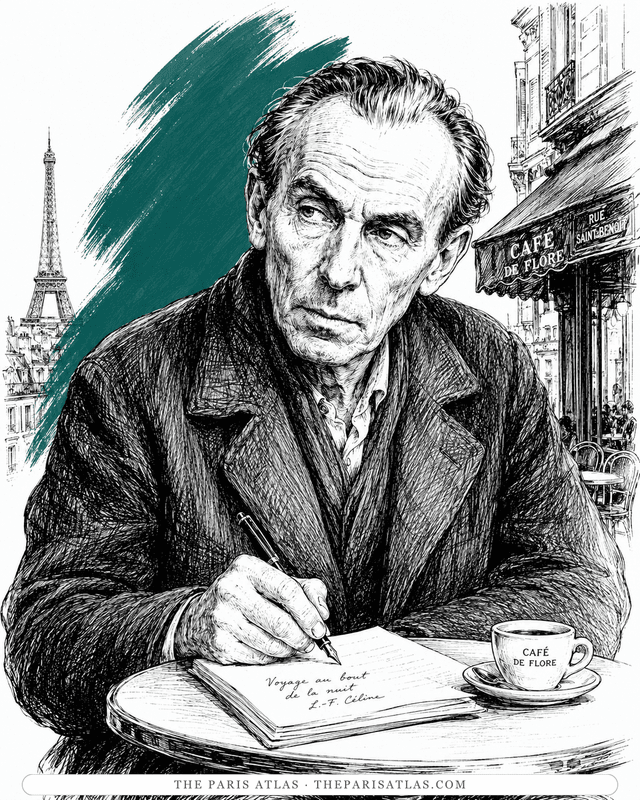
Miller's acknowledged master at making literature out of the gutter. Journey gave him permission; Cancer is what he did with it.
View author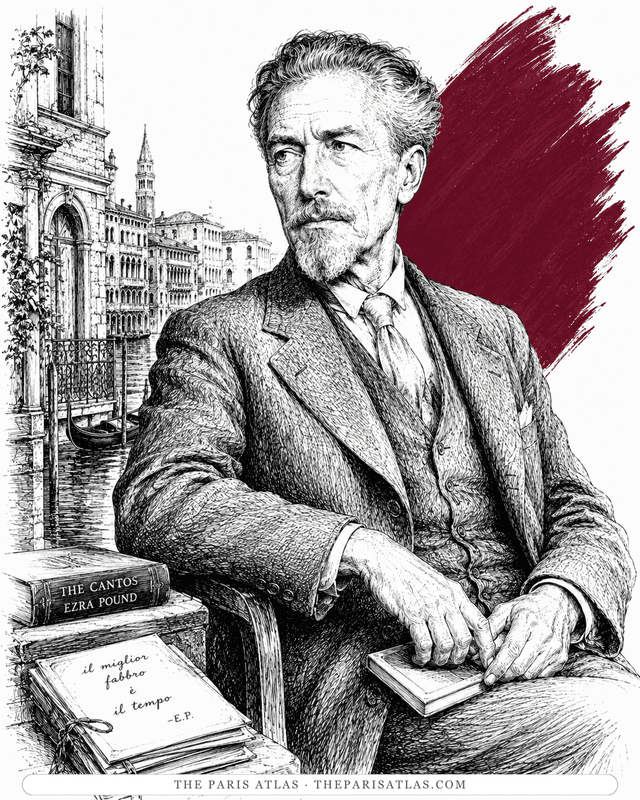
Pound read Cancer and sent Miller a famously backhanded postcard. Both believed literature's job was to wake the reader by any means necessary.
View author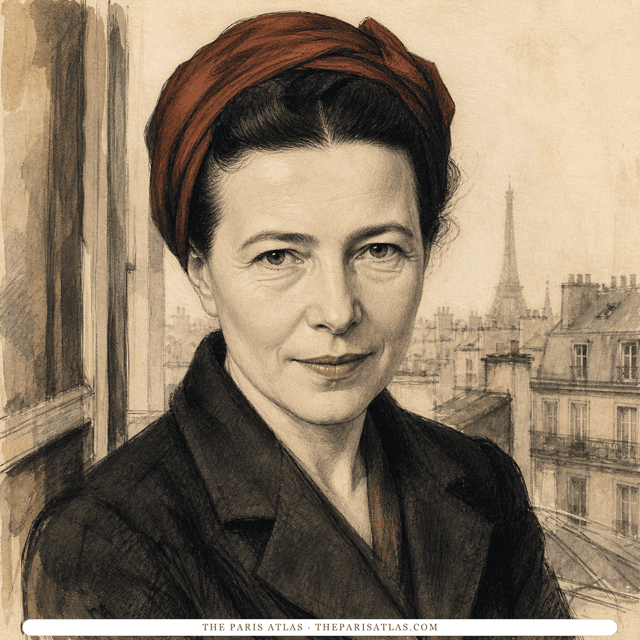
French writer and philosopher whose novels, memoirs, and social analysis examined freedom, gender, responsibility, aging, and the material conditions that shape a life.
View authorThe sources below include the primary text, editions, scholarship, archival materials, and other records that informed this page. They document Crazy Cock, its publication, and its place in literary history.

The primary text represented by this page, used for descriptions of the work’s contents and for any quoted passages shown here.

Hollander's account and quotations from the Christmas sequence support the attributed reading of family expectations and domestic destruction. The complete Grove novel and exact fire-page wording were not collated for this addition.
Web source consulted for documented facts and historical context presented on the Crazy Cock page.
Dearborn documents the manuscript’s rediscovery and the relationships behind the novel.
Used to cross-check the Brooklyn chronology and the novel’s place before Miller’s Paris work.
The archival inventory supplies independent manuscript and family-paper context for Miller’s early work.
The primary text is the baseline reference for every book page. Additional references document publication history, interpretation, and historical context where that evidence is available.
 Explore more resources