
Crazy Cock
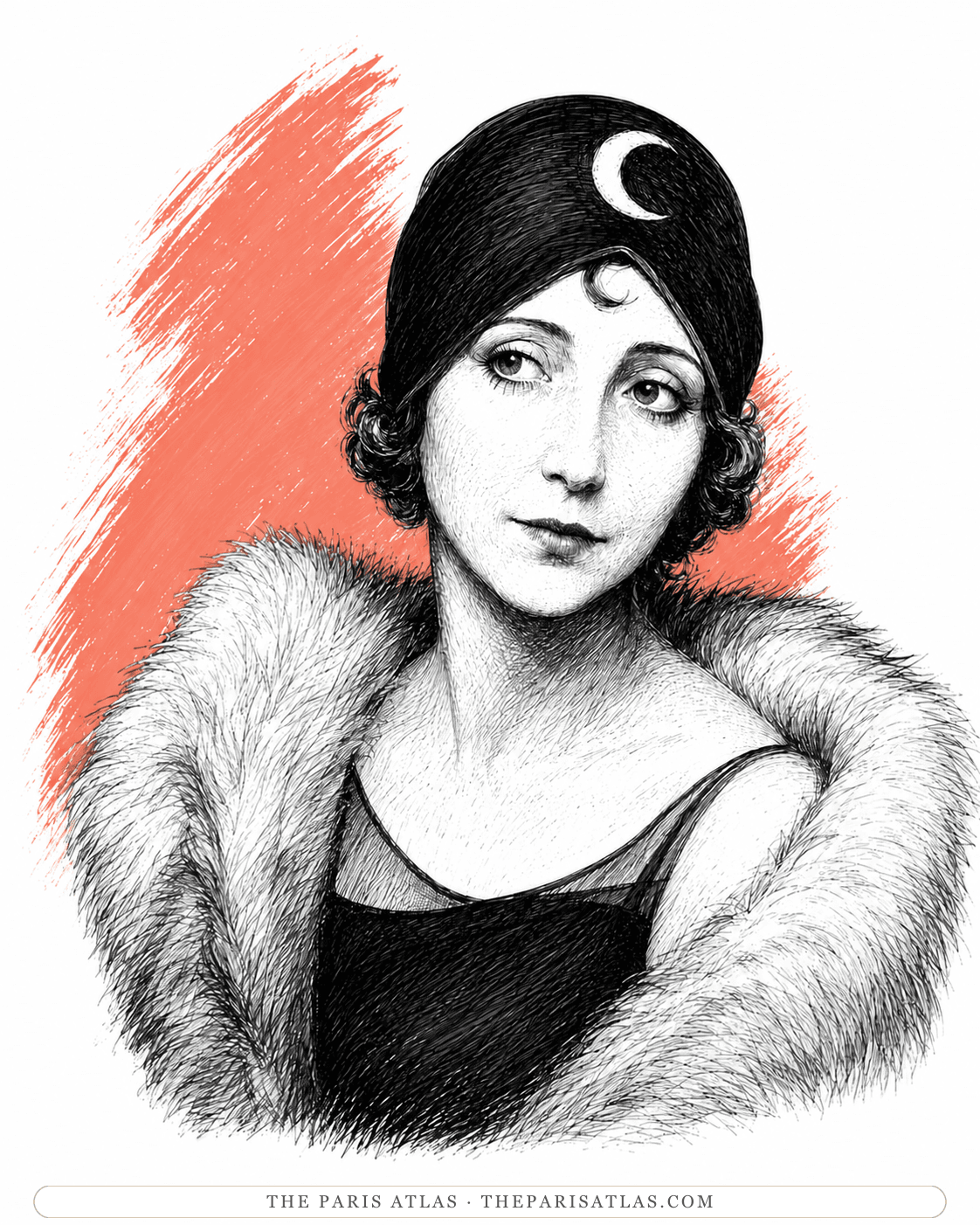
How June appears in its pages: Tony's wife — quick, theatrical, and the household's only earner, keeping her husband and her friend on the same devotion. June Miller, renamed.
Tony's wife — quick, theatrical, and the household's only earner, keeping her husband and her friend on the same devotion. June Miller, renamed.
Who they are in the book
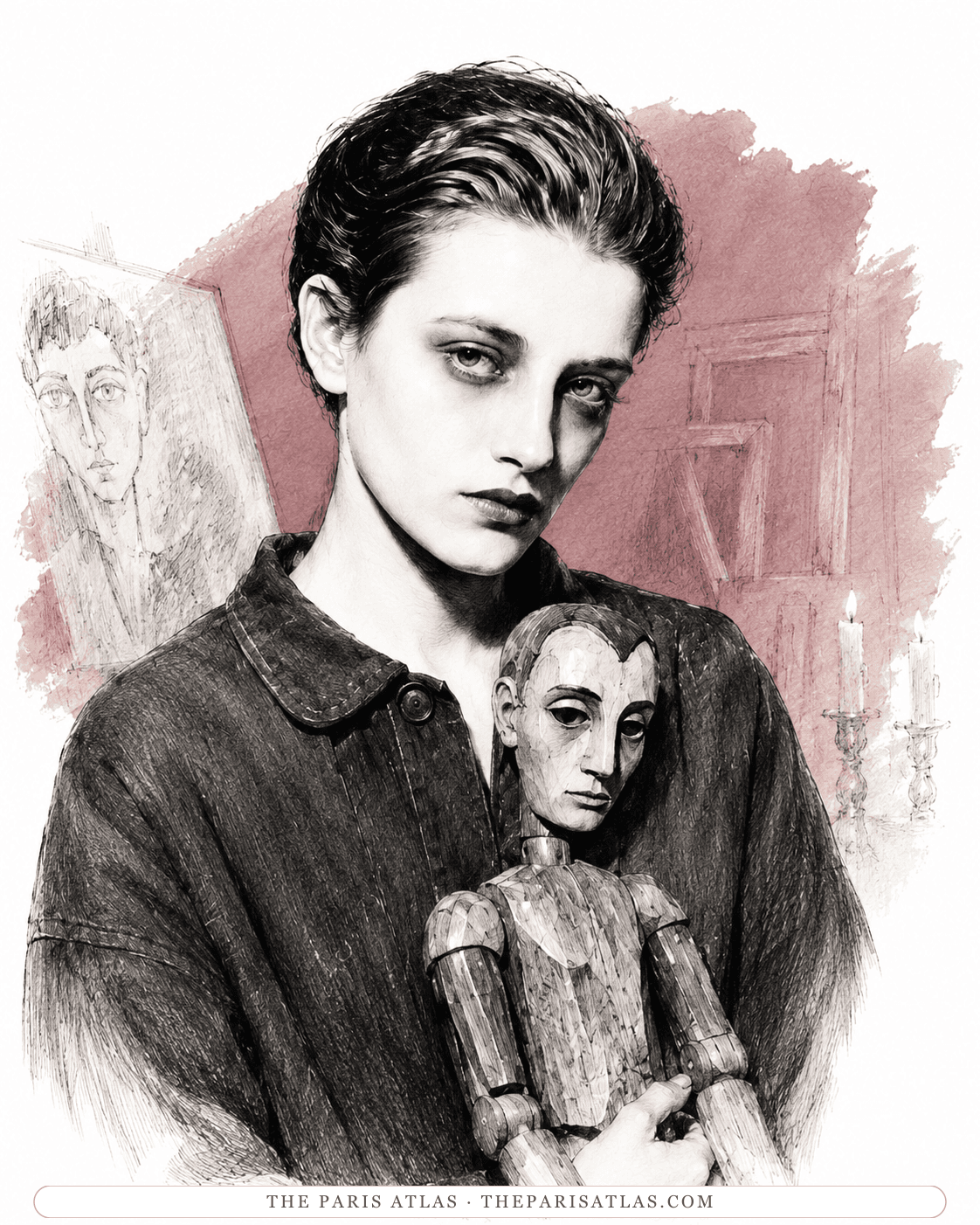
Spoiler-freeHildred is the novel's engine. Tony Bring stays home with his manuscripts; Vanya paints and broods; Hildred waits tables at a Greenwich Village club called the Caravan and keeps all three fed. The book gives her both the burden and the blame — resented for her absences, indispensable the moment she is gone, and never quite explicable to the husband who narrates her.
She is June Miller, drawn while the wound was still open: Miller began the novel within a year of the real triangle's end, and the book describes her in its own words as 'a veritable honeycomb of dissimulations.' Mary Dearborn's introduction to the Grove edition names June as the Hildred of Crazy Cock in the same breath as Cancer's Mona and the Rosy Crucifixion's Mara.
This profile is drawn from the Grove Press text, read in the Internet Archive's scan.
How Hildred Is Portrayed
- 'I'll do the dirty work'When Vanya announces she wants to do real work for a change — a portrait of Tony — Hildred goes cold, throws on her cape, and leaves for her shift with the parting line that she is fortunate to have no creative urge to distract her from her responsibilities.
- At the CaravanHer club is stocked with her admirers, including a big good-natured brute who commandeers the piano to sing 'Song of India' at her whenever she appears. By the book's last act she is in dutch there, threatened with firing if she doesn't mend her ways.
- Washing Vanya's feetShe fetches a tub of hot water, soaks Vanya's feet, wipes them tenderly and anoints them with cold cream — Tony watching in astonishment, Vanya accepting it as a matter of course.
- What Tony can't askHe tells her she can look worse than a whore when she tries — lacking, the narration admits, the courage to ask plainly where she has been or what she has been doing all this time.
- The hospital doorwayWhen Vanya lands in a ward, it is Hildred who faces the examining doctor, and Hildred to whom Vanya is returned — hesitant in the doorway, then wildly exuberant, her hair grown long, a nearly bloodthirsty look about her.
- Three days in the blizzardOn the night of the blizzard she steps out in a velvet suit with hollow silver balls down the front, to mail a letter. She is gone three days and nights, no telegram, no telephone — then walks in with glassy eyes saying she met a poet.
- Nurse to the invalidThrough Tony's bedridden stretch between Lincoln's Birthday and Washington's Birthday, it is Hildred who fetches the ointment from the druggist — the domestic errand the novel sets, without comment, beside everything else she carries.
At a glance
- Tony Bring's wife, and the household's only earner
- The Caravan, a Greenwich Village club
- A Brooklyn flat shared with Tony and with Vanya, whom she installed
- June Miller · 1902–1979 · New York, by way of Bukovina






 View source