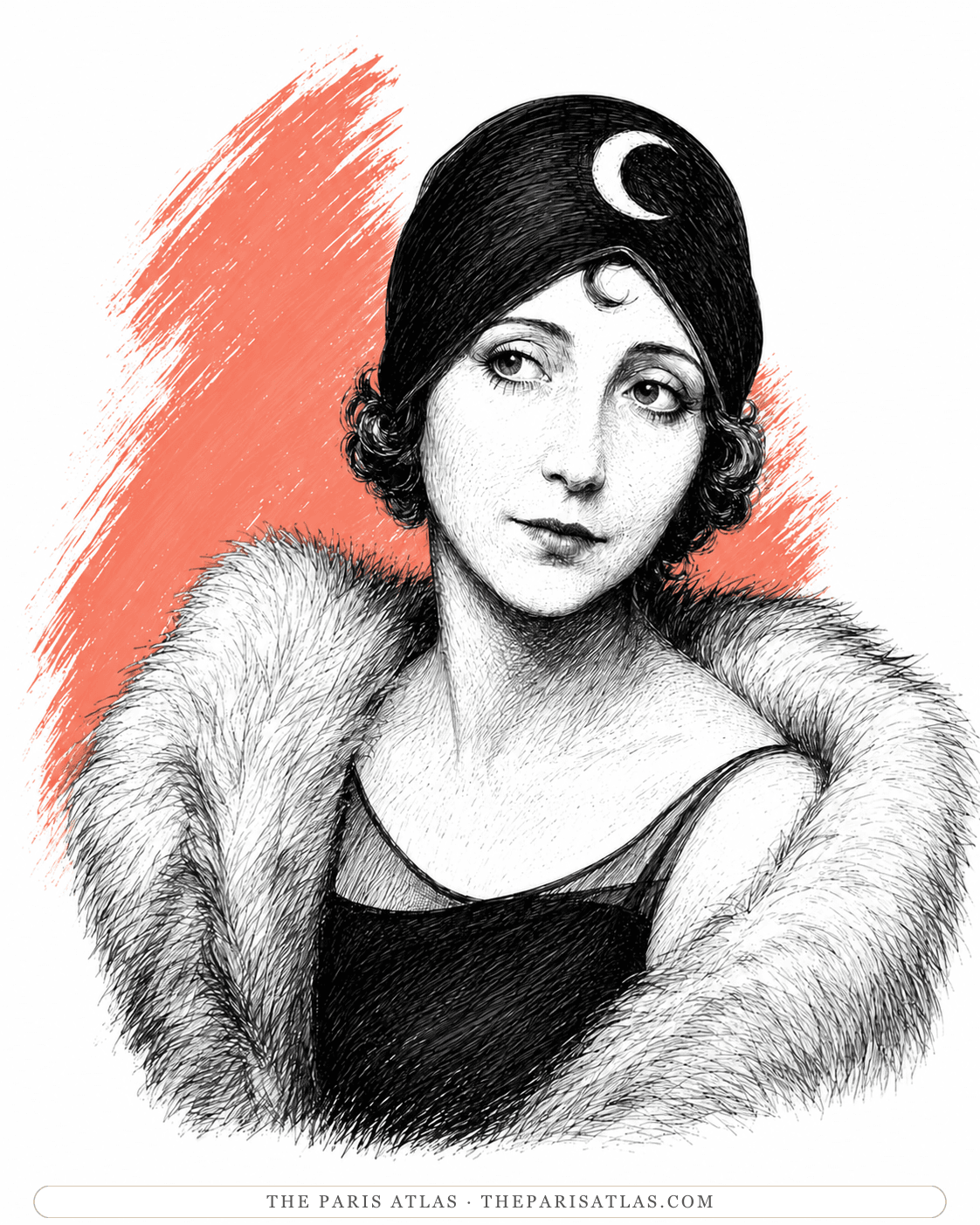
Henry Miller and Anaïs Nin
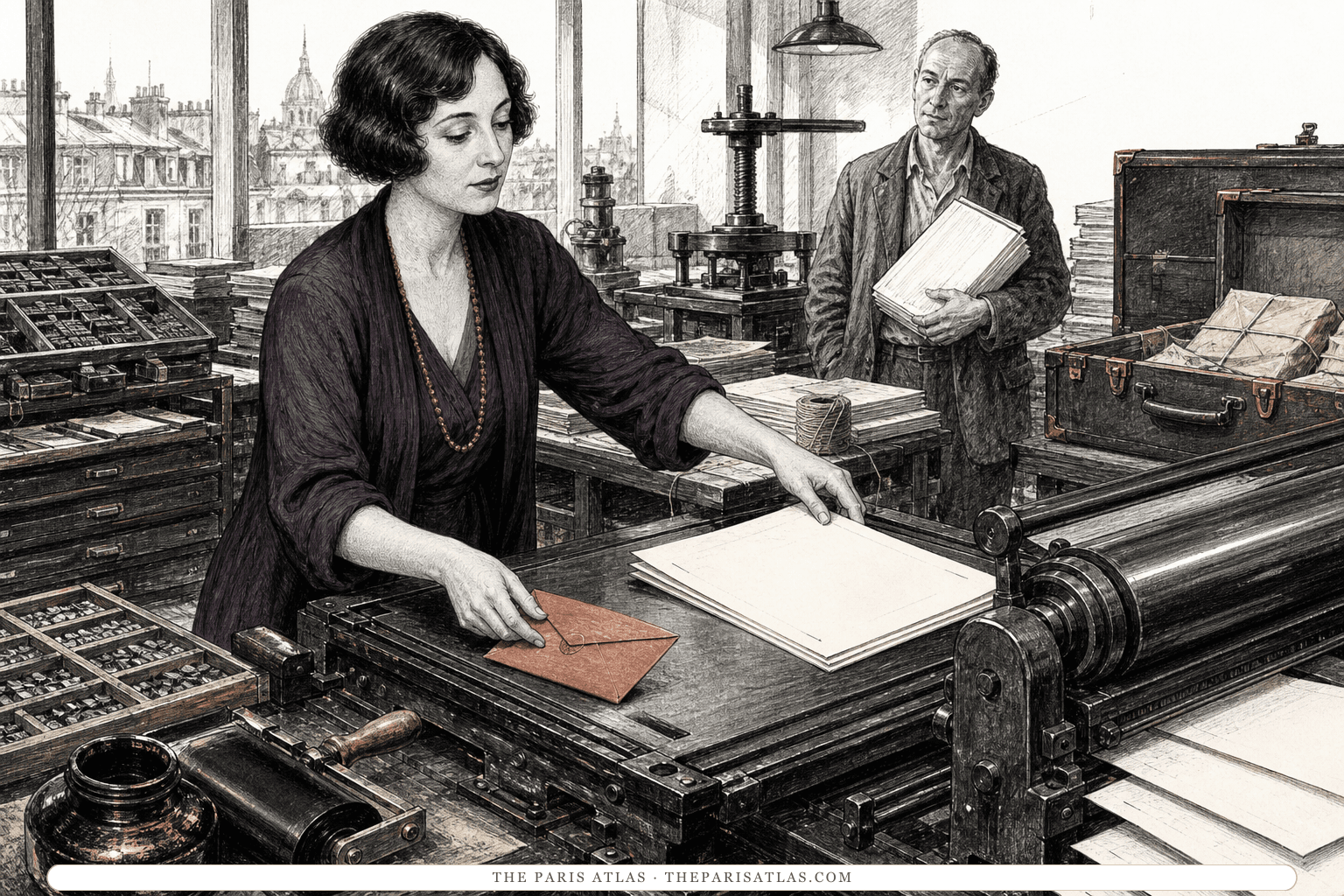
Nin paid for Tropic of Cancer with six hundred dollars borrowed from her psychoanalyst, then wrote its preface. The affair is the part everyone knows. The money is the part that got the book printed.

by Anaïs Nin
The unexpurgated year — what the 1966 Diary couldn't print about Henry, June, and the winter that changed all three.
Drawn from the uncut journals of 1931–32, published only after everyone concerned was dead: the full account of Nin's entanglement with Henry Miller and his wife June — patronage, passion, and triangulated obsession, recorded nightly at the moment of impact. Franker than the Diary, rawer than fiction, and the source of the era's most famous literary love triangle. (A diary — the endings wait behind the reveal.)
When the Diary appeared in 1966, the living dictated its silences: the erotic center of the Paris years — her affair with Miller, her fascination with June, the marriage running quietly underneath — stayed in the vault. Henry & June, published in 1986 after the deaths of Nin, Miller, and Hugh Guiler, restored the missing register from the original journals, and readers of the expurgated Diary discovered how much heat the monument had been built over.
It reframed everything: the patroness of Tropic of Cancer revealed as its co-conspirator in appetite; June — who had seemed a gorgeous cipher — now the book's true obsession; and the diary form pushed to a candor that made the sixties versions look Victorian. Philip Kaufman's 1990 film adaptation carried the triangle to a wider audience still (and into film history as the first release rated NC-17). Among the posthumous Nin volumes, this is the essential one — the skeleton key to the whole Paris story.
October 1931: into the composed life at Louveciennes — the banker husband, the beautiful house, the diary — walks Henry Miller, and shortly behind him, June: arriving from New York in a black cape, trailing invented histories, asking for nothing and absorbing everything. The journal records the double fascination without flinching: Henry's talk and hunger igniting Nin's writing, June igniting something less nameable, and Nin financing, feeding, and studying them both while her marriage holds its breath.
Through 1932 the triangle turns: June returns to New York and the affair with Henry catches fire — Clichy, the Villa Seurat world assembling, Tropic of Cancer growing on her money and her conviction — while letters to and about June keep the third corner burning. The diary tracks it all in present tense: the analyst consulted, the husband managed, the pages mounting, and the writer discovering that the material of her life has finally caught up with the ambition of her art.
June comes back. The winter of 1932–33 forces the triangle to resolve: the two women's mutual enchantment curdles into rivalry over Henry and over the versions of June each is writing, and in the famous final scenes June sees the diary's portrait of her — and the marriage of the Millers breaks on it. June departs for good, demanding a divorce; Henry and Anaïs remain, changed and bound, with Cancer heading for print carrying her preface. The journal's last pages count the costs with open eyes: everyone got material; nobody got out clean.
The triangle is also an editorial shape. Rupert Pole explains that this volume selects from five journals written between October 1931 and October 1932, concentrating on Anaïs, Henry and June while omitting much material already published in the Diary. Its intimacy should not be confused with an untouched transcript of the notebooks. Selection gives the entanglement a narrative prominence that the earlier edition withheld. Reading the two together reveals how the same period can tell different stories when private relationships move from the margins to the center.
In the December entries, Nin hears the apparent disorder of Miller's writing as thought moving on several levels at once. Her attraction includes a judgment about literary form: what might look chaotic can register the mind's simultaneous activity. Recognition also moves in the other direction. Miller praises her writing on Lawrence despite disliking Lawrence himself, and she records his response beside her excitement about new work. Their exchange makes artistic encouragement part of the relationship's intensity; Nin appears as a writer testing her powers, not only as someone supporting his.
The era's most famous literary entanglement, in the only account written while it happened.
The money, the preface, the Clichy flat, the manuscript growing — the making of Miller's scandal, banked and witnessed nightly.
The decade's great enigma finally gets her book — and remains, magnificently, an enigma.
Nin paid for Tropic of Cancer with six hundred dollars borrowed from her psychoanalyst, then wrote its preface. The affair is the part everyone knows. The money is the part that got the book printed.
1931–1932
Nin records the entangled year with Henry Miller and his wife June in her journals.
1966
The published Diary appears, leaving the erotic center of these years in the vault.
1986
After the deaths of Nin, Miller, and Hugh Guiler, Henry & June restores the missing register from the uncut journals.
1990
Philip Kaufman's film adaptation reaches a wider audience and becomes the first release rated NC-17.


The other testament of the same winters — Henry's version, printed on her money.
Read our take
The other posthumous unveiling — desire written for hire in the forties, bestselling in 1977.
Read our takeAnaïs Nin. It was drawn from her uncut journals of 1931–32 and published in 1986, only after those concerned had died.
Nin's entanglement with Henry Miller and his wife, June — patronage, passion, and triangulated obsession — recorded nightly at the moment of impact.
It restores the erotic center of the early-1930s Paris years that the published Diary (1966) left out. It is franker than the Diary and rawer than fiction.
No. It is drawn directly from Nin's real journals of 1931–32, published unabridged.
It is the source of the era's most famous literary love triangle, and the fullest account Nin left of her most consequential relationship.
Explore authors with a similar voice, perspective, and influence.

The entangled careers of the Villa Seurat: she financed and prefaced his scandal, he detonated her prose — and each wrote the other into the century's record.
View author
The doctor of the Paris slums who wrote the century's blackest, funniest novel — and changed the sound of French prose.
View author
War correspondent who covered the Spanish Civil War, D-Day, and conflicts across five more decades; Hemingway's third wife, 1940–1945.
View authorThe sources below include the primary text, editions, scholarship, archival materials, and other records that informed this page. They document Henry & June, its publication, and its place in literary history.


The primary text represented by this page, used for descriptions of the work’s contents and for any quoted passages shown here.
Used to place Henry & June within Anaïs Nin's published work and verify its bibliographic context.

Used for independent biographical, archival, or historical context surrounding Anaïs Nin's career and the period in which Henry & June appeared.
Used to cross-check authorship, chronology, and the work's place in Anaïs Nin's wider catalogue.
Used to verify Anaïs Nin's bibliography and place Henry & June within the broader chronology of Anaïs Nin's career.
Public preview: Rupert Pole's preface and December 1931 entries. This does not verify the later June scenes or the imagined illustration compositions.
The primary text is the baseline reference for every book page. Additional references document publication history, interpretation, and historical context where that evidence is available.
 Explore more resources