The Paris AtlasCharting the artists, works, and places worth returning to.
Cover of Incest by Anaïs Nin

Incest

by Anaïs Nin · The Unexpurgated Diary #2

The second unexpurgated volume: the analysts, the abortion chapter, and the reunion with her father that the 1966 Diary could only gesture at.

Published
1992Posthumous
Setting
Paris
Shelf rating
4.0

About Anaïs Nin

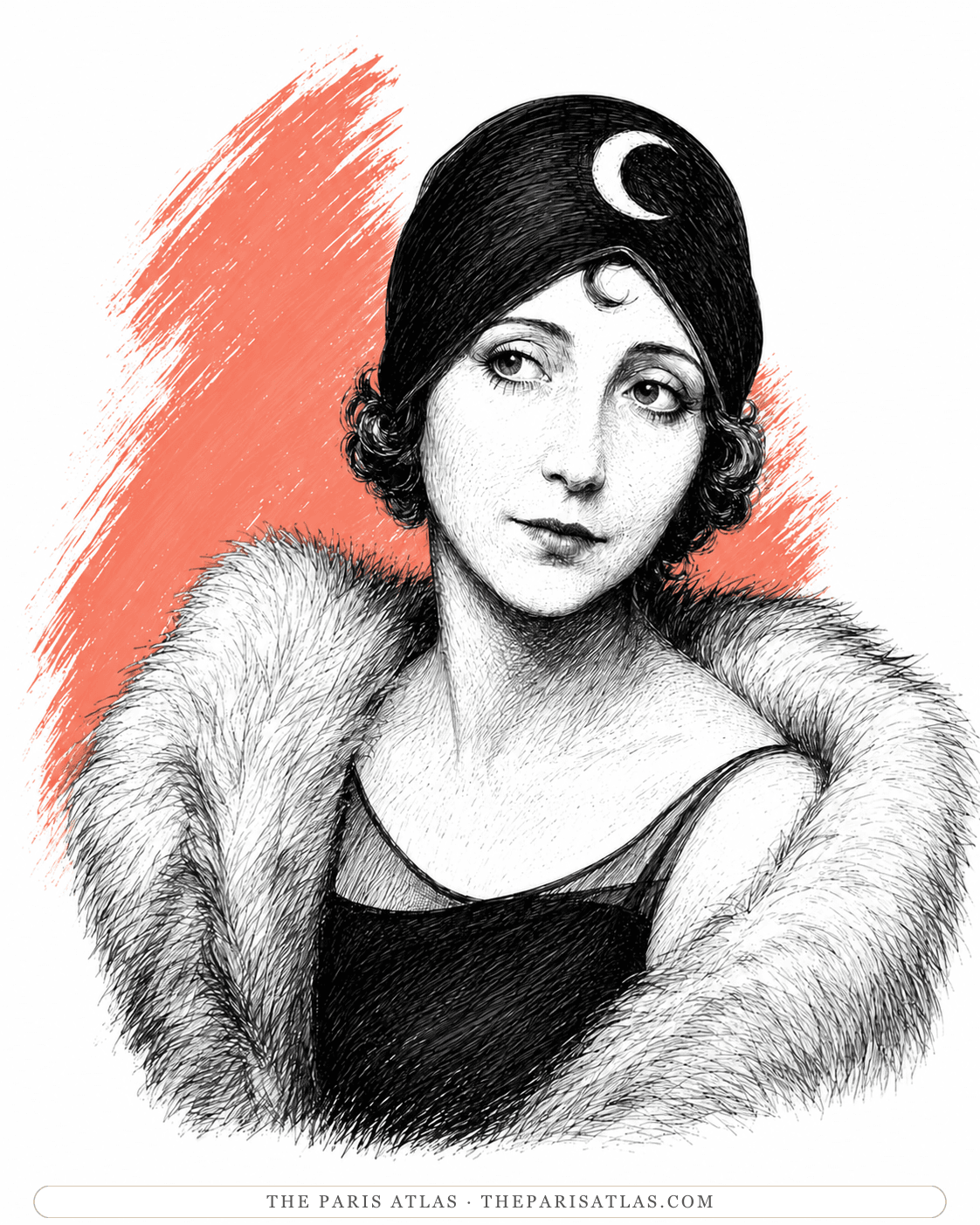
Illustrated portrait of Anaïs Nin
Anaïs Nin

55 books on our shelvesWhere to start

The story, briefly

Spoiler-free

The unexpurgated diary's second volume covers 1932 to 1934 — the same years as the first published Diary's darkest stretch, now with nothing removed. Its center is the material that gives the book its stark title: the 1933 reunion with her father, the composer Joaquín Nin, which the uncut journal records as a consummated incestuous affair — presented in her own words, without softening, alongside the analysts Allendy and Rank, the continuing Miller entanglement, and the volume's other famous restoration, the unflinching account of the stillbirth of 1934. Published in 1992. (A diary — the closing pages wait behind the reveal.)

The story, in more detail

When the estate began restoring what the 1966 Diary had cut, this was the hardest volume, and the title announced that nothing would be euphemized. The published Diary of 1931–1934 had rendered the father's return as a strange psychological duel, refused; the journal as written records something else — the affair with her father at Valescure in the summer of 1933, entered into and eventually broken off, analyzed on the page with the same relentless attention she gave everything. Readers and biographers have debated the episode ever since; the volume's value is that the primary record, whatever one makes of it, is on the table.

Around that center the volume restores the texture of the era: the double analysis (René Allendy, then Otto Rank, both of whom crossed the line from doctor to lover), the ongoing life with Henry Miller, the writing of House of Incest — whose title the diary's editors borrowed — and, at the volume's end, the August 1934 stillbirth, which the 1966 text had rendered in one famous scene and the journal records at full, harrowing length. It remains the most discussed and most disturbing volume of the whole diary project.

The full story

1932–1934, uncut: the Miller affair continuing past Henry & June's endpoint; analysis with Allendy, then with Rank, each relationship collapsing its professional frame; the composition of House of Incest out of the period's dreams; the reunion with Joaquín Nin and the affair the title names, recorded from approach through consummation to her deliberate ending of it; and the pregnancy of 1934, ending in the stillbirth the diary records with a directness that remains its most difficult and most cited passage.

How it ends — spoilers aheadThe final movement, ending included. Open when you're ready.

The volume closes where the published Diary's first volume also closed, now with the record complete: the stillbirth of August 1934, written at length and without mercy for anyone, herself least of all; the final break with the father-enchantment, which the journal treats as the real ending of the era; and the departure for New York and Rank. The next unexpurgated volume, Fire, opens on the other side of the Atlantic.

Why we recommend it

  1. The record, unsoftened

    Whatever one concludes about these years, this volume is the document the arguments rest on.

  2. The 1966 text's shadow

    Read against the published Diary's same years, it is the sharpest demonstration of what editing can do.

  3. House of Incest, sourced

    The prose poem's dream material appears here in its raw state, alongside the life that produced it.

What this book explores

Real people in this book

The real people this book portrays, dedicates itself to, or draws from — every connection carries its source.

Illustrated portrait of Joaquín Nin

Joaquín Nin

  • Composer
  • Pianist
  • Editor
  • +1

Depicts · 1933

The volume takes its title from him. The unexpurgated diary of 1932–1934, published in 1992, records the reunion with her father at Valescure in the summer of 1933 and the sexual relationship that followed, which ran about three months before she ended it. The material was cut from the diary published in her lifetime. The account is Nin's own and nothing outside it witnesses those days.

Anaïs Nin, Incest: From "A Journal of Love" — The Unexpurgated Diary of Anaïs Nin, 1932–1934 (1992)

Timeline

  1. 1932–1933

    Analysis with Allendy, then Rank; the Miller relationship continues; House of Incest is being written from the period's dreams.

  2. 1933

    The reunion with her father at Valescure becomes the affair the title names; she later ends it deliberately.

  3. 1934

    The volume closes with the stillbirth, recorded at full length, and the departure for New York.

  4. 1992

    Harcourt publishes the unexpurgated text.

Book editions

Hardcover
Hardcover
Harcourt Brace Jovanovich
1992
First edition of the unexpurgated text
Paperback
Paperback
Harvest
The standard text

Reader reviews

Loading reviews…

Cover of Fire by Anaïs Nin

Fire

Anaïs Nin

The next volume: New York, Rank, and the return to Paris, 1934–1937.

Read our take

Recommended alongside Reunited.

Incest: frequently asked questions

What is Incest by Anaïs Nin?

The second volume of the unexpurgated diary, covering 1932 to 1934 — the uncut journal behind the first published Diary's years, including the material about her father that gives the book its title.

Is the title metaphorical?

No. The volume contains Nin's own record of a consummated affair with her father, the composer Joaquín Nin, during their 1933 reunion — an episode the Diary as published in 1966 presented only as a refused psychological duel.

When was it published?

1992, by Harcourt Brace Jovanovich, from the journals Nin left — fifteen years after her death.

How does it relate to House of Incest?

Her 1936 prose poem took its title and dream material from these years, with the 'incest' there figurative. The unexpurgated diary shows the biographical ground the fiction transformed — and the editors borrowed the title back, without the figuration.

Do I need to read Henry & June first?

It helps. Henry & June covers 1931–1932 and this volume continues directly, with the Miller relationship ongoing and the analysts and her father moving to the center.