The Paris AtlasCharting the artists, works, and places worth returning to.
Cover of Reunited by Anaïs Nin

Reunited

by Anaïs Nin

The letters behind the diary's hardest chapter: father and daughter writing to each other after the 1933 reunion.

Published
2020Posthumous
Setting
Paris
Shelf rating
3.0

About Anaïs Nin

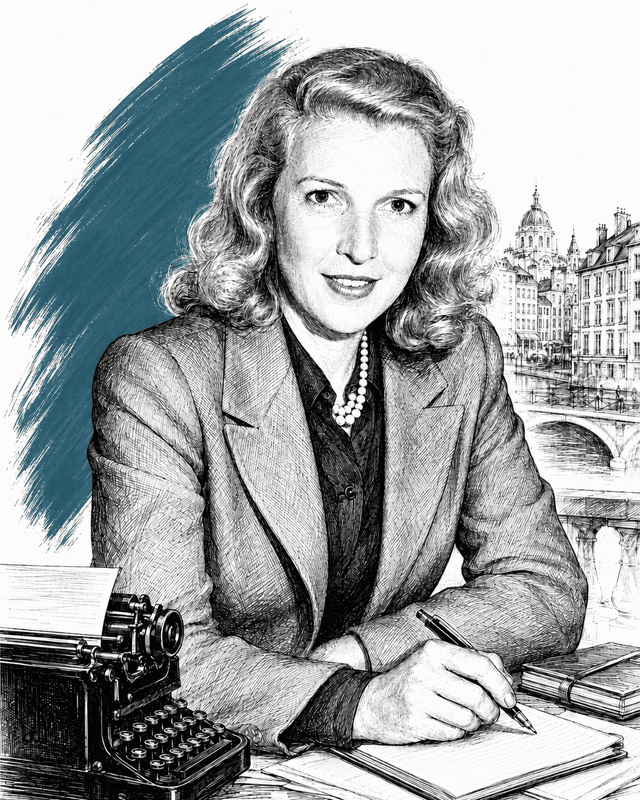
Illustrated portrait of Anaïs Nin
Anaïs Nin

55 books on our shelvesWhere to start

The story, briefly

Spoiler-free

The documentary companion to the most difficult material in the Nin archive: the letters exchanged between Anaïs Nin and her father, the composer Joaquín Nin, from their 1933 reunion — the episode Incest records — to the 1940 rupture of the war. Edited by Paul Herron and published by Sky Blue Press in 2020, the correspondence shows what the unexpurgated diary shows from one side only: the seduction, performance, and slow disenchantment of the era's strangest father-daughter relationship, in both hands. (Letters — the diary's own volumes carry the full account.)

The story, in more detail

The reunion of 1933 — the abandoning father returning to court his grown daughter's admiration — generated a correspondence as elaborate as the relationship, and the archive kept it. Herron's edition publishes the exchange: Joaquín Nin's letters in their polished, performing charm, and Anaïs's answers moving across the same years the unexpurgated diary documents, from enchantment through the affair the diary records to the long cooling that followed.

Its value is the second voice. The diary gives Nin's interior account; the letters give the relationship's exterior — what was actually said between them, performed for each other rather than for the page — and the gap between the two records is itself instructive. The volume closes where the war closes everything, in 1940, with father and daughter on separate continents and the correspondence effectively at its end. He died in Cuba in 1949; they did not meet again.

What's inside

The two-sided correspondence of 1933–1940, edited with apparatus by Paul Herron: the reunion letters with their courtship register; the exchanges surrounding the events the unexpurgated Incest records from Nin's side; the professional and family news of two performing lives; and the thinning of the correspondence through the late thirties to the war's separation. Readers seeking the full account of the relationship should read it beside the diary volumes; the letters are the evidence, not the confession.

Why we recommend it

  1. Evidence beside confession

    The gap between what the diary says and what the letters performed is the volume's real lesson.

  2. The father, firsthand

    Joaquín Nin's own voice — charming, performing, evasive — rather than the diary's portrait of it.

  3. The archive completing

    With this volume the reunion years hold three records: the published diary, the unexpurgated diary, and the letters.

What this book explores

Real people in this book

The real people this book portrays, dedicates itself to, or draws from — every connection carries its source.

Illustrated portrait of Joaquín Nin

Joaquín Nin

  • Composer
  • Pianist
  • Editor
  • +1

Depicts · 1933–1940

Half the book is his. Sky Blue Press published both sides of the correspondence between Joaquín Nin and his daughter in 2020, edited by Paul Herron: the letters run from the 1933 reunion to the 1940 separation and are the only substantial record of the relationship in his own hand.

Anaïs Nin and Joaquín Nin, edited by Paul Herron, Reunited: The Correspondence of Anaïs and Joaquín Nin, 1933–1940 (2020)

Timeline

  1. 1933

    The reunion at Valescure begins the correspondence — the years Incest records from the diary's side.

  2. 1933–1940

    The exchange runs from enchantment through disenchantment to the war's separation.

  3. 2020

    Sky Blue Press publishes the two-sided correspondence, edited by Paul Herron.

Book editions

Paperback
Paperback
Sky Blue Press
2020
First edition — edited by Paul Herron

Reader reviews

Loading reviews…

Cover of Incest by Anaïs Nin

Incest

Anaïs Nin

The unexpurgated diary of the same years — the interior account these letters accompany.

Read our take
Cover of Linotte by Anaïs Nin

Linotte

Anaïs Nin

Where the father's absence started everything — the diary begun as a letter to him.

Read our take

Reunited: frequently asked questions

What is Reunited?

The published correspondence between Anaïs Nin and her father, the composer Joaquín Nin, from their 1933 reunion to 1940 — edited by Paul Herron for Sky Blue Press in 2020.

Are both sides of the correspondence included?

Yes — the volume prints the father's letters and the daughter's, the relationship's exterior record in both hands.

How does it relate to Incest?

It covers the same years. Incest is Nin's unexpurgated diary of the relationship, including the affair; Reunited is the correspondence the two conducted — the evidence beside the confession.

How does the correspondence end?

With the war. The 1940 separation left father and daughter on different continents, and they never met again; Joaquín Nin died in Cuba in 1949.

Why does the diary begin with this man?

Nin started her diary at eleven as an unsent letter to him after he abandoned the family — the correspondence published here is, in a sense, the letter finally answered, decades too late and in the strangest possible key.