
Discusses
Black Spring
Nin records reading Miller's work and filling out subscription forms for Black Spring as their circle tried to build an audience for the book.

by Anaïs Nin
The second volume: New York with Otto Rank, the return to Paris, the houseboat on the Seine, and Europe arming behind every entry.
The diary's second published volume opens on the boat to New York, where Nin briefly practices psychoanalysis under Otto Rank, and returns to a Paris running out of time: the Villa Seurat years in full swing, Gonzalo Moré and the houseboat, her father and brother in the wings, and the Spanish Civil War pushing politics into a diary that had resisted them. It ends where the era ends — with war coming and Paris being packed into trunks. (A diary — the closing pages wait behind the reveal.)
The volume belongs to two cities. New York first: Nin sails in late 1934 to join Otto Rank, sits in the analyst's chair herself, and discovers that curing others devours the time she needs for the diary — the experiment ends and Paris reclaims her. Then the late Villa Seurat years: Miller established and producing, the little magazines and imprints, the diary's own pages beginning to circulate among believers, and Nin financing and managing much of it.[1]
This is also the volume where the world forces its way in. Gonzalo Moré — Peruvian, revolutionary, magnificent and unemployable — brings the Spanish Civil War to her table, and the houseboat on the Seine becomes the theater of the affair the Cities of the Interior novels would later transpose. The entries darken with the decade: mobilization, the last dinners, and finally the departure that closes the Paris chapters of her life for good.[1]
New York, 1934–35: the analyst's apprentice years, cut short by Nin's own verdict that the couch was consuming the writer. Paris, 1935–39: the Villa Seurat in its high period — Miller at work, the circle publishing itself, the diary growing toward legend — and the affair with Gonzalo Moré conducted from a barge moored in the middle of the city. Around it all, the decade closes in: Spain fighting, refugees arriving, and the diary recording, dinner by dinner, how a golden expatriate world learns it is ending.[1]
The last entries are a leave-taking. War is declared while the circle scatters — Miller toward Greece, others toward America — and Nin leaves Paris by plane. She cannot afford the excess baggage the diaries would have cost, so half of them stay behind in a bank vault and she carries only the recent ones, in two briefcases. The next volume opens on the other shore.
The consulting room brings the novelist close to stories she cannot publicly attach to names. Nin describes the patients through dramatic and musical images, but the role of listener soon appears less privileged. Rank's wish to join the children outside and his relief when someone asks about his childhood reverse the direction of attention: the person who receives confessions also needs an audience. The diary sets the attraction of other people's lives beside the cost of being continually available to them, without making the two experiences cancel each other.
In his preface, Gunther Stuhlmann groups the houseboat with Nin's other refuges, but he does not describe a simple withdrawal from public life. He places her distrust of political systems beside her attendance at rallies and practical assistance to the Spanish Republican cause. The contrast makes the private world a question of scale: what can one person sustain when collective promises seem unreliable? Seen through this framing, a place of shelter can support attention to others while remaining vulnerable to events its occupant cannot control.
Discusses
Nin records reading Miller's work and filling out subscription forms for Black Spring as their circle tried to build an audience for the book.

Discusses
Nin identifies the memory of Helba Huara's dance as material she had already transformed into House of Incest.

Discusses
The volume follows Miller after the Paris publication of Tropic of Cancer and repeatedly measures his changing circumstances against that first published novel.

Discusses
The diary follows Miller's work on Tropic of Capricorn and records Nin's judgment that its passages of void and disintegration were among his strongest writing.
The circle's high years from inside — publishing, quarrels, patronage — by the member keeping minutes.
Few books record the end of the thirties as daily weather rather than history — this one does.
The houseboat, Moré, and the analyst years all surface here first, before the novels reworked them.

The American novelist at the center of Nin's Paris life. She reads his drafts, addresses his subscription forms, and pays for a good deal of what he lives on.

A Peruvian painter and political organizer, over six feet tall and permanently broke, who brings the Spanish Civil War into a diary that had kept politics at arm's length.
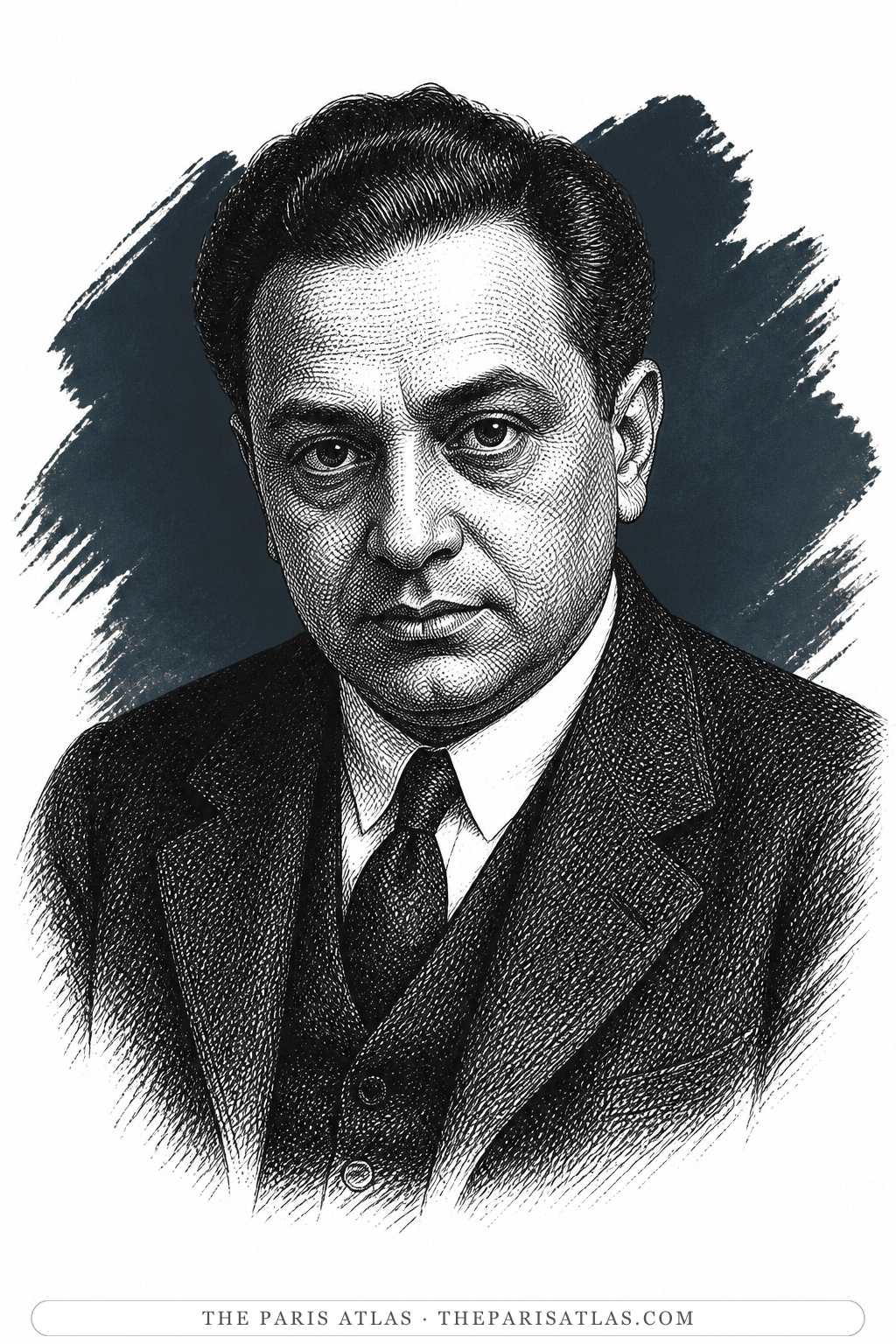
The psychoanalyst Nin sails to New York to work for in 1934. She becomes his assistant, then takes patients of her own, then leaves — and he does not forgive her for it.

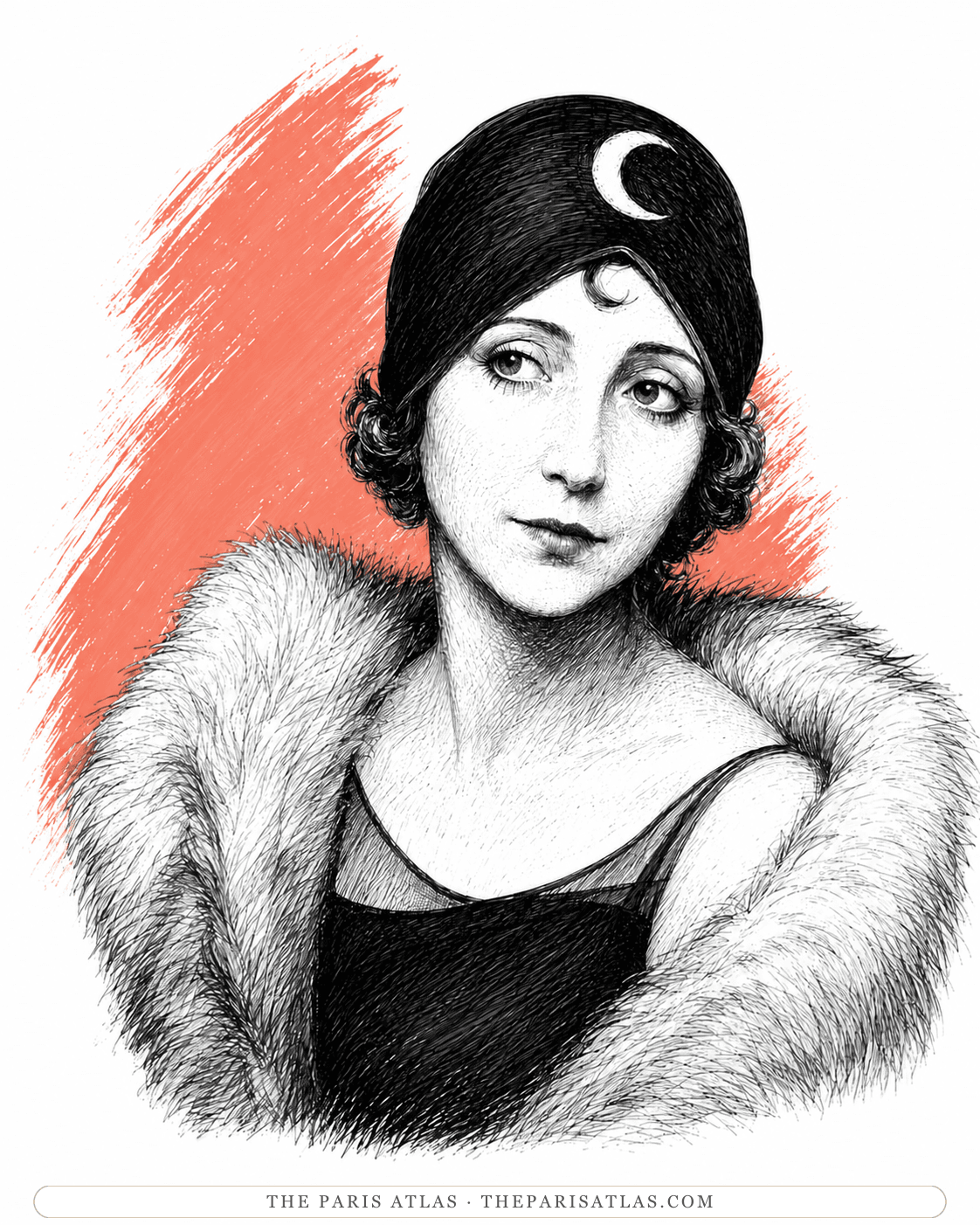
A Peruvian dancer who had gone deaf and stopped performing before Nin met her. She is Gonzalo Moré's wife, and the volume's most sustained portrait of illness and poverty.
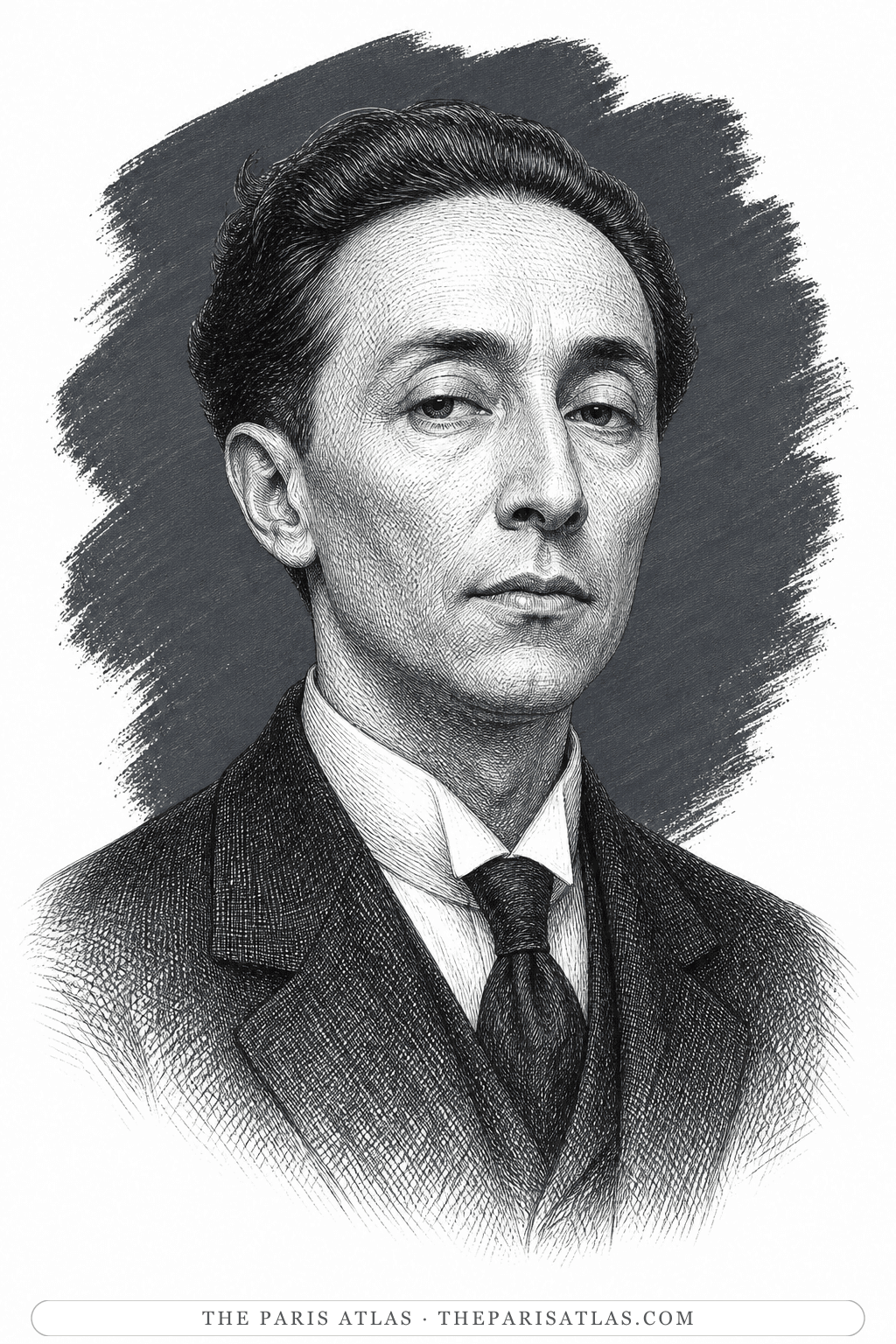
A poet and professional astrologer who had known Picasso and Max Jacob, and who reads the coming war in everybody's chart. He is the most immaculately dressed of Nin's visitors and one of the poorest.

A young British writer who came to Paris out of admiration for Henry Miller, made friends with Nin in an afternoon, and published her first book of fiction.

A small, ill, relentlessly talkative writer who lived on the ground floor of the Villa Seurat and believed the modern world was already dead. Nin found him impossible and could not look away.

A young French visionary and traveller Nin met in 1937, one of the few people in the volume whose photograph the book prints.

The French poet and theatre theorist Nin had known in the previous volume. He is glimpsed in the street here, and then committed — and she defends him in a café to a stranger.
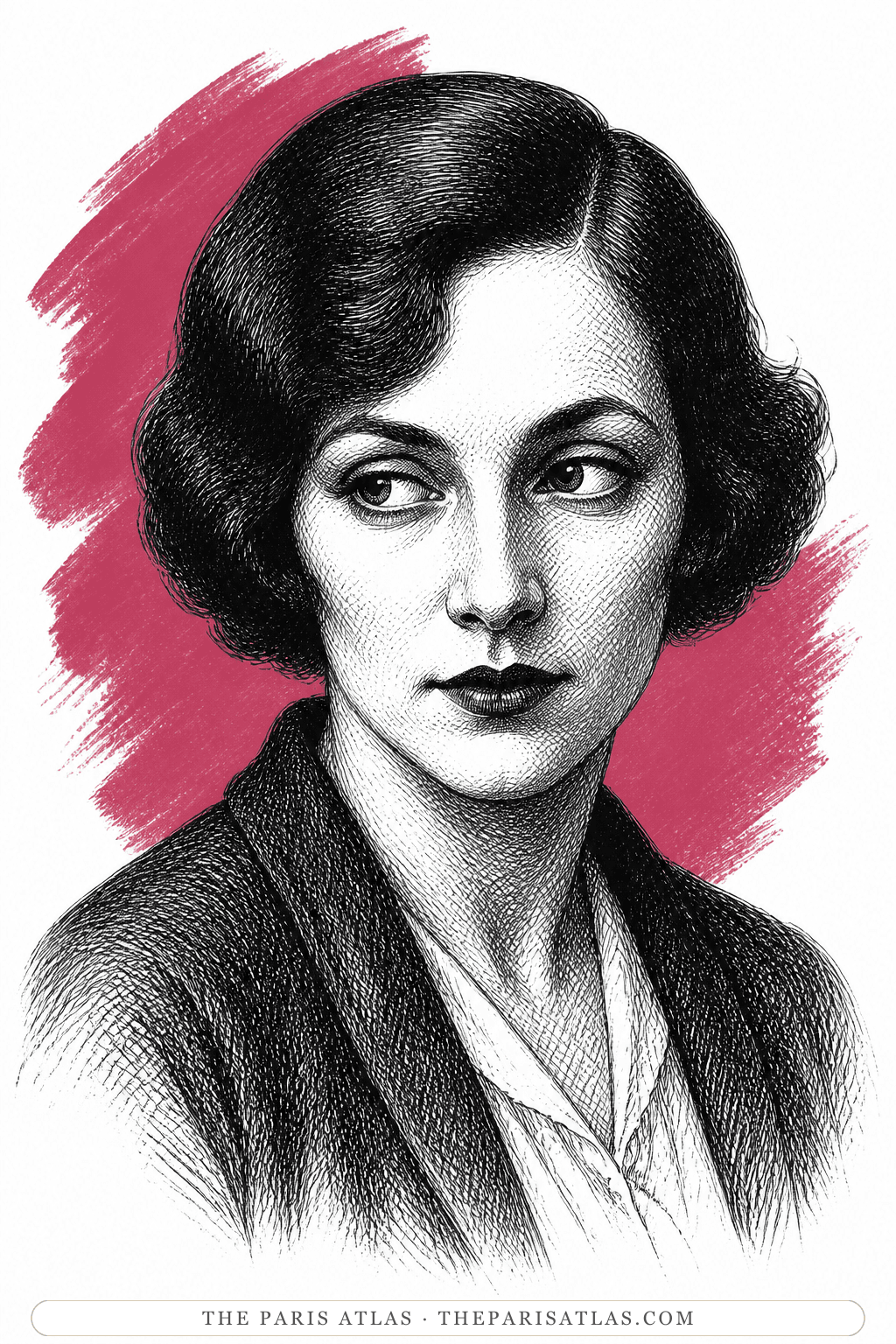
Henry Miller's wife, and the subject he cannot leave alone. She is never physically present in these years — every appearance is a memory, a manuscript, or an argument about her.
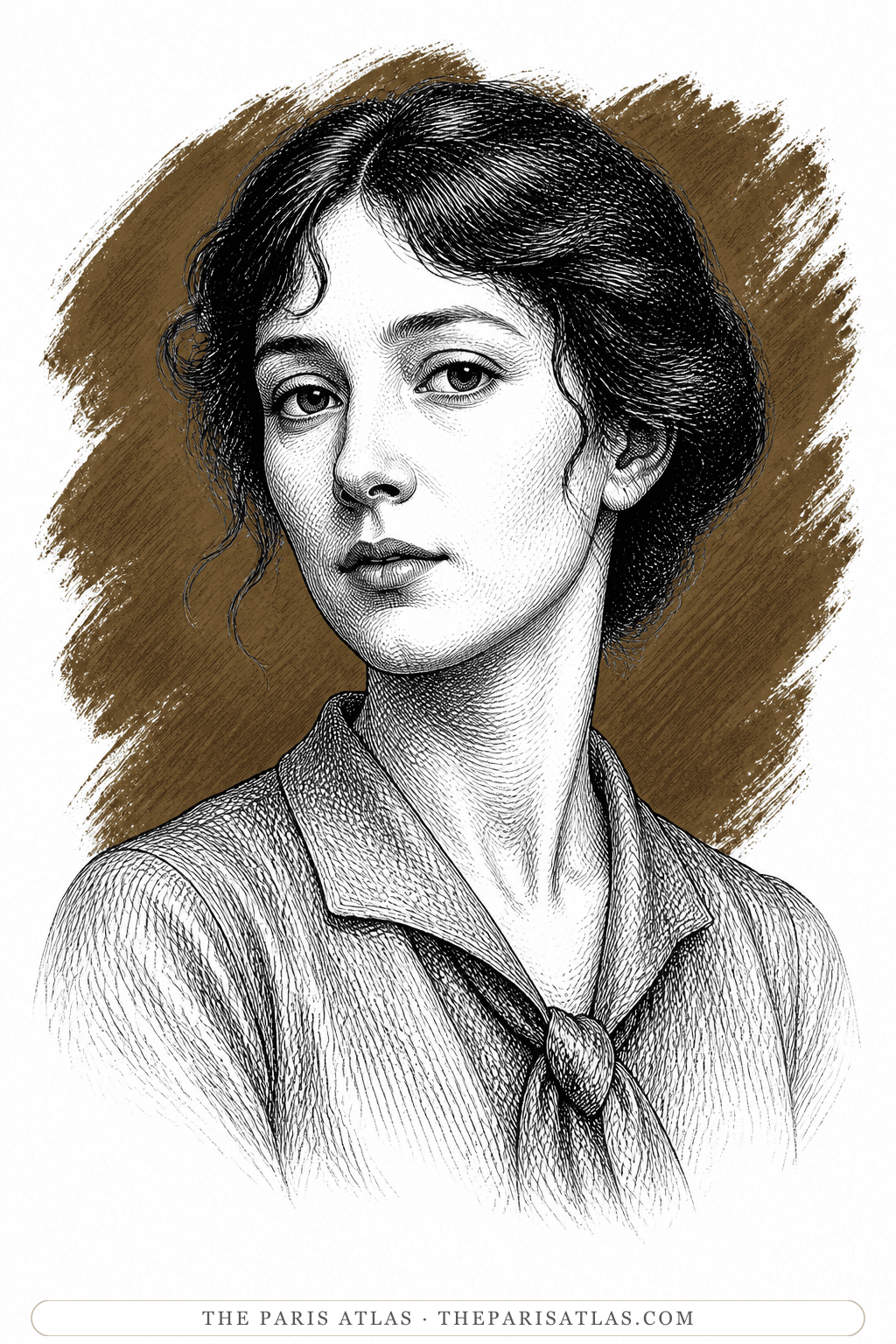
Lawrence Durrell's wife, and the person Nin watches most carefully in the group's evenings — usually because nobody else is listening to her.
1934–1935
New York: Nin practices psychoanalysis under Otto Rank, then abandons the couch for the diary.
1936–1939
Paris again: the late Villa Seurat years, Gonzalo Moré, and the houseboat on the Seine, with Spain burning at the edge of every page.
1939
War ends the Paris chapters; Nin flies to New York, leaving half the diaries in a bank vault.
1967
Harcourt, Brace & World publishes the second volume, edited by Gunther Stuhlmann.

The first volume — Louveciennes, Miller, and June, where the published diary begins.
Read our take
The war years in New York, where this volume's last journey ends.
Read our take
1934 to 1939 — from Nin's departure for New York to work with Otto Rank, through the late Villa Seurat and houseboat years in Paris, to the outbreak of the Second World War.
1967, by Harcourt, Brace & World — the second volume of the published Diary, edited with Gunther Stuhlmann.
It helps but isn't required. Each volume stands on its own; this one opens cleanly with the New York analysis experiment.
A Peruvian painter and political organizer who became central to Nin's Paris life in these years — the model for Rango in her novel The Four-Chambered Heart, and later her partner in the Gemor Press, the hand press they ran together in New York in the 1940s.
With the declaration of war in 1939 and Nin's departure from France — the close of her Paris years and the pivot to the American diary.
Explore authors with a similar voice, perspective, and influence.
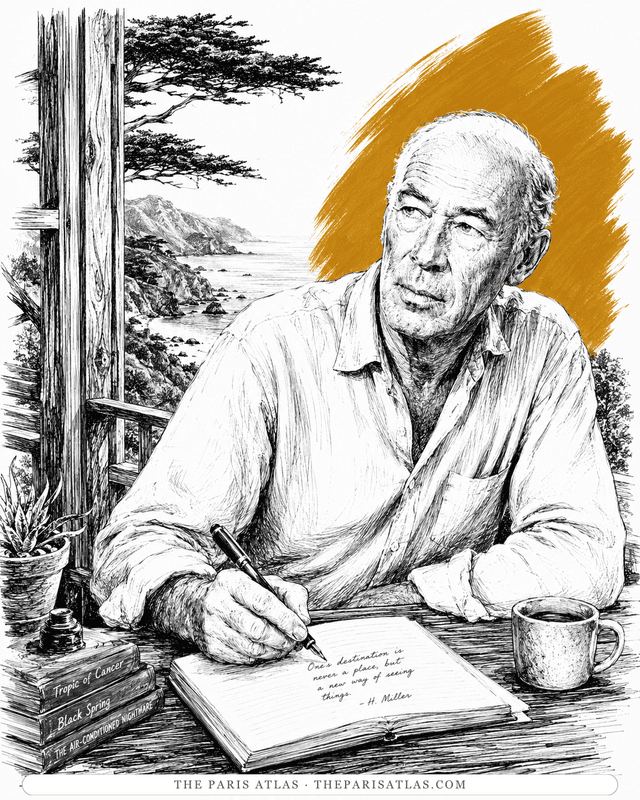
The entangled careers of the Villa Seurat: she financed and prefaced his scandal, he detonated her prose — and each wrote the other into the century's record.
View author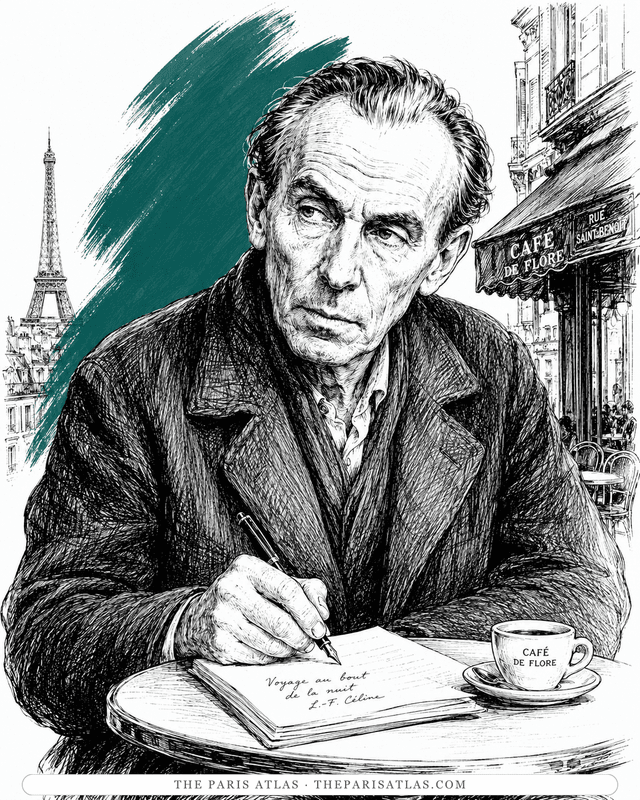
The doctor of the Paris slums who wrote the century's blackest, funniest novel — and changed the sound of French prose.
View author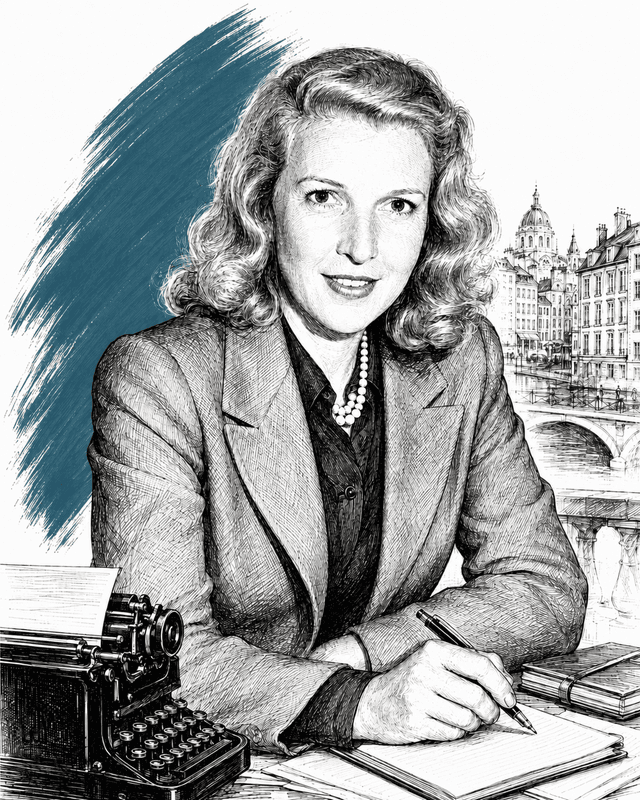
War correspondent who covered the Spanish Civil War, D-Day, and conflicts across five more decades; Hemingway's third wife, 1940–1945.
View authorThe sources below include the primary text, editions, scholarship, archival materials, and other records that informed this page. They document The Diary of Anaïs Nin, 1934–1939, its publication, and its place in literary history.


Used to place The Diary of Anaïs Nin, 1934–1939 within Anaïs Nin's published work and verify its bibliographic context.

Used for independent biographical, archival, or historical context surrounding Anaïs Nin's career and the period in which The Diary of Anaïs Nin, 1934–1939 appeared.
Used to cross-check authorship, chronology, and the work's place in Anaïs Nin's wider catalogue.
Used to verify Anaïs Nin's bibliography and place The Diary of Anaïs Nin, 1934–1939 within the broader chronology of Anaïs Nin's career.
Uses the November 1934 passages on listening and Rank's desire to be heard, and Stuhlmann's explicitly attributed preface on private refuges and public action. No later houseboat chapter or complete-volume collation is claimed.
The primary text is the baseline reference for every book page. Additional references document publication history, interpretation, and historical context where that evidence is available.
 Explore more resources