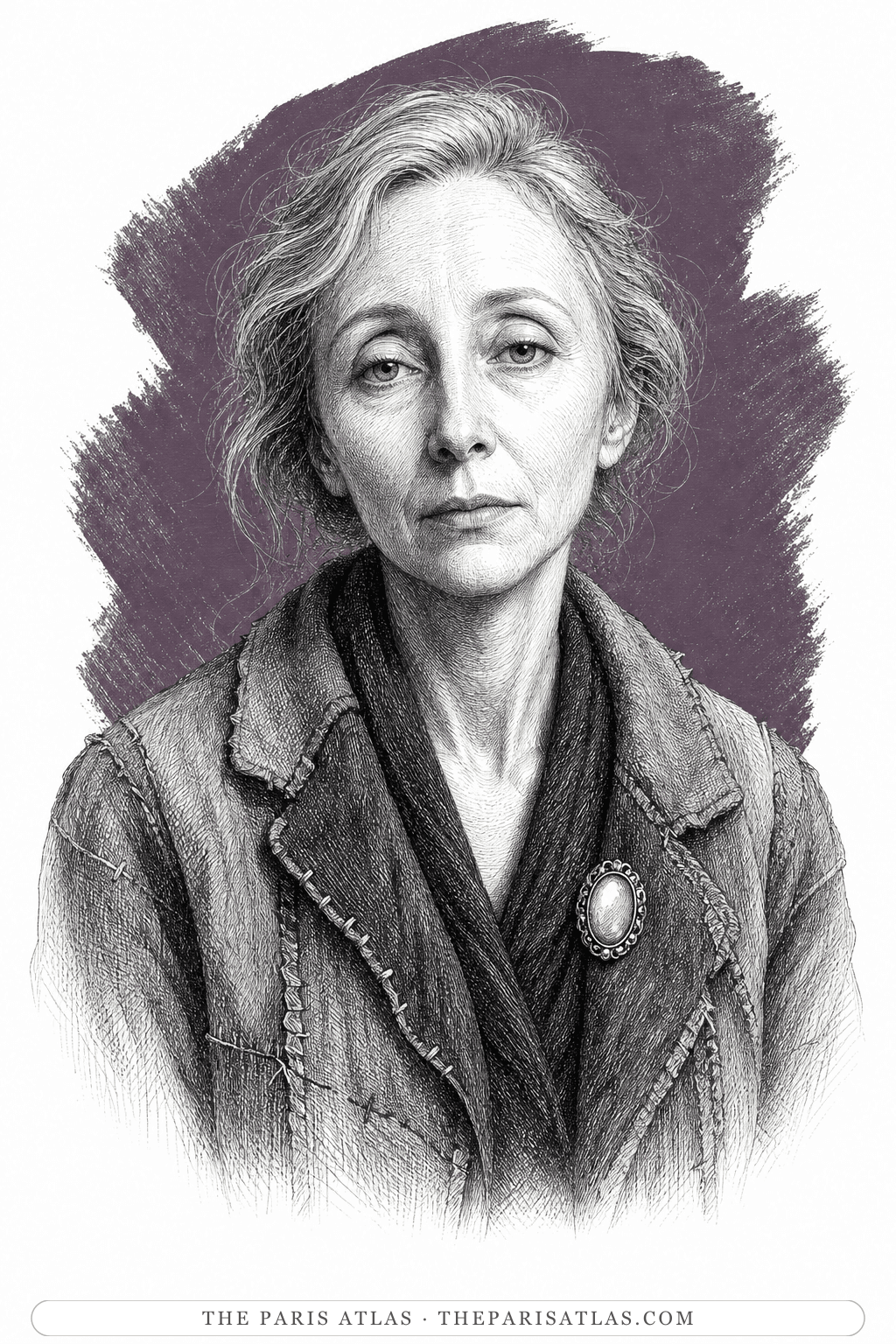
Helba Huara
A Peruvian dancer who had gone deaf and stopped performing before Nin met her. She is Gonzalo Moré's wife, and the volume's most sustained portrait of illness and poverty.
The book

At a glance
- “Helba” — a Peruvian dancer, deaf, no longer performing
- Gonzalo Moré
- A small theatre on the Rue de la Gaîté, Paris, dancing
- The dance of the woman without arms, which Nin had already written into House of Incest
- Helba Huara · Peru
Who they are in the book
Spoiler-freeNin had seen Helba Huara dance once, years earlier, in a very small theatre on the Rue de la Gaîté in Paris — wild, voodoo-like dances ending with one she called the dance of the woman without arms, which Nin had already used in her own book House of Incest. She had not noticed the husband accompanying her. When friends bring her back into the story it is with a warning: the couple are unbelievably poor, Huara has gone deaf and can no longer dance, and her husband drinks.
From then on Huara is in the diary constantly, and almost always ill. Nin pays for her doctors, sits up with her, and writes about her with a mixture of tenderness and exasperation that she never resolves. Huara is also the third point of the volume's central triangle: Nin is in love with her husband, Gonzalo Moré, and spends five years managing both of them.
How Helba Huara Is Portrayed
- How she is introducedThrough a friend's summary, before Nin has spoken to her: “They are dreadfully poor, unbelievably poor. She has grown deaf and can no longer dance, and he drinks. But they are extraordinary people.”
- First sightNin's first description sets her against her husband and gives her nothing: sallow skin, faded eyes, faded hair, beside a man with a rich voice, black eyelashes and a laugh that closed his eyes.
- Sitting out the partyAt a crowded party in the Cuban novelist Alejo Carpentier's studio above the Seine, Huara sits apart on a couch turning the pages of an art book while everyone else dances. Nin notes that deafness is not the explanation, because there are things she does hear.
- What she wearsTwo coats sewn together into one; a brooch with every stone torn out of it. She draws houses that float free of gravity, and once buys a dog collar to wear as Peruvian headgear, trying it on in front of a shopkeeper who tells her indignantly what it is.
- The illnesses, and the secrecy around themThere are operations, and a Turkish neighbour who talks about them, and a husband who does not want any of it reaching Nin. Huara says so herself, frightened, in a taxi: he hates disease, he thinks it is ugly, and he wants Nin kept in a dream.
- The cat and the wormsShe takes in a black cat; the cat brings up a worm; she goes into convulsions with her face twisted and her eyes protruding. “The worms are inside of me. That is why I am sick. They have eaten into my intestines and the food does not nourish me. Take the cat away.” Nin writes that she did not recognise her.
- The marriage, from her sideHuara tells Nin she never loved Moré with passion, that they are more like brother and sister, and that his fatalism destroyed her. She likes retelling the story of her own mother's first look at him: “Aye, how black he is. Dios mio, how black his sins must be!”
The volume's last months turn on her health.
If you like The Diary of Anaïs Nin, 1934–1939


If you like Anaïs Nin
Explore authors with a similar voice, perspective, and influence.
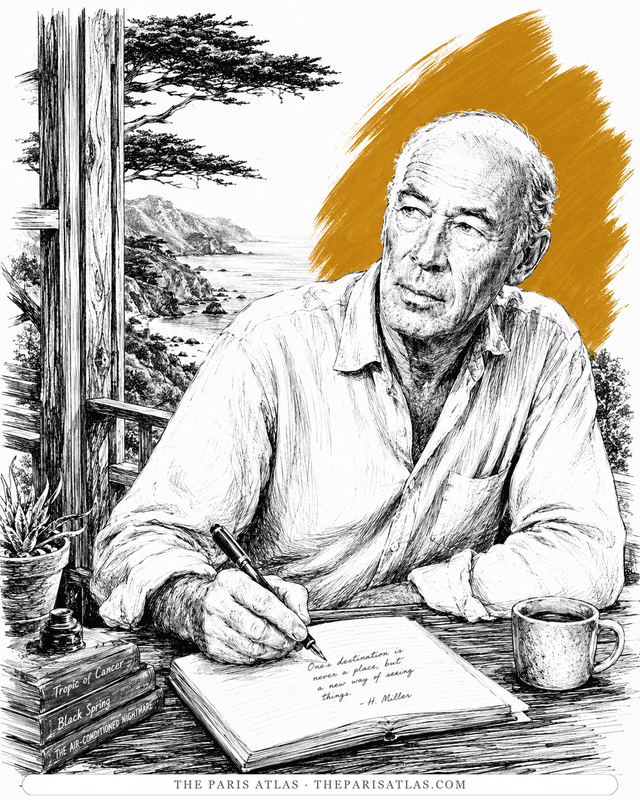
Henry Miller
The entangled careers of the Villa Seurat: she financed and prefaced his scandal, he detonated her prose — and each wrote the other into the century's record.
View author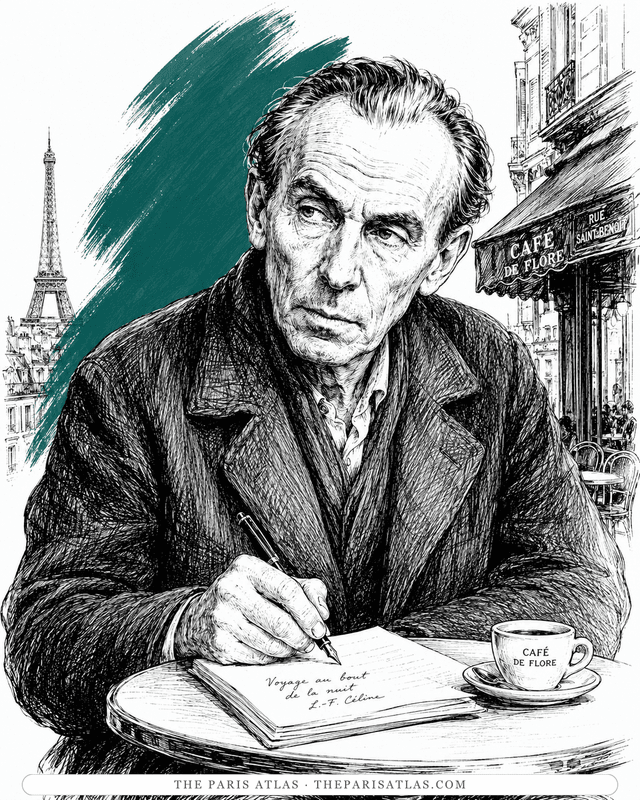
Louis-Ferdinand Céline
The doctor of the Paris slums who wrote the century's blackest, funniest novel — and changed the sound of French prose.
View author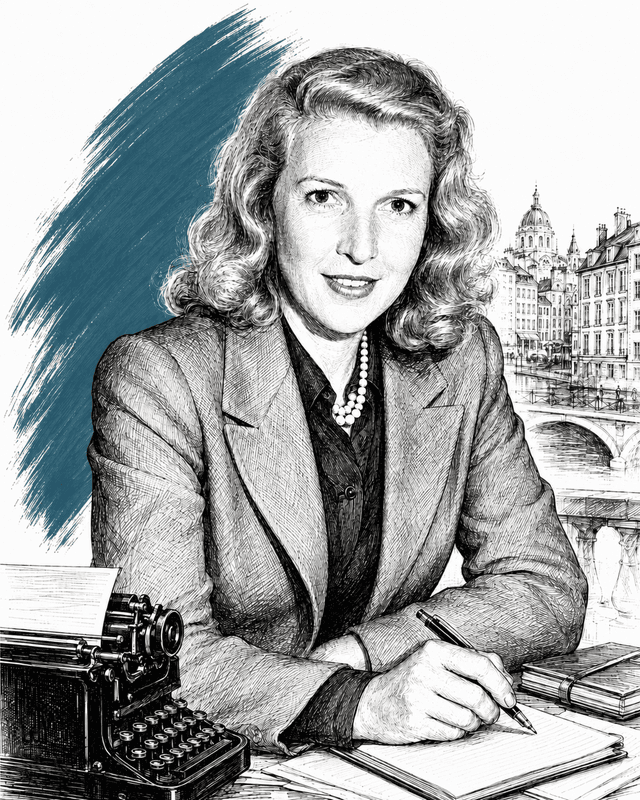
Martha Gellhorn
War correspondent who covered the Spanish Civil War, D-Day, and conflicts across five more decades; Hemingway's third wife, 1940–1945.
View author