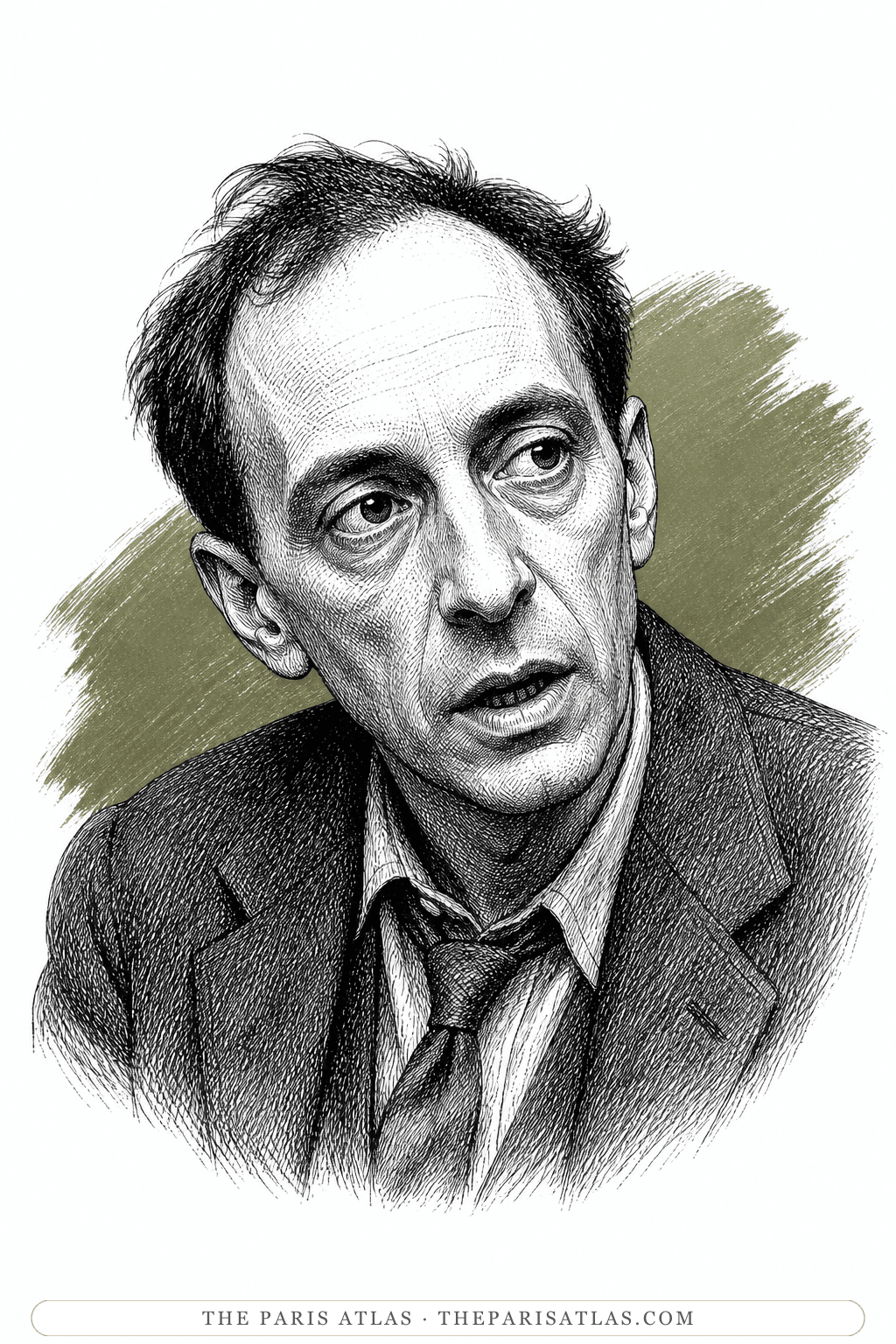
Michael Fraenkel
A small, ill, relentlessly talkative writer who lived on the ground floor of the Villa Seurat and believed the modern world was already dead. Nin found him impossible and could not look away.
Michael Fraenkel — books, places, and lifeThe book

At a glance
- “Fraenkel” — a writer and theorist of what he called the death of the modern world
- The ground floor of the Villa Seurat, below Henry Miller
- Spengler, war, revolution, destruction and death
- Spain
- Michael Fraenkel · 1896–1957 · Kopul, Lithuania
Who they are in the book
Spoiler-freeMichael Fraenkel was an American writer who had settled in Paris and had a theory he never stopped elaborating: that modern civilisation was spiritually dead, and that admitting it was the first step to anything else. He lived on the ground floor of the Villa Seurat, below Henry Miller, and the two of them talked about Oswald Spengler, war, destruction and death for hours at a stretch.
Nin's portrait of him is the least forgiving in the volume and one of the most vivid. She thought his madness was intellectual rather than felt, which was why she could not sympathise with it the way she could with Antonin Artaud's. She also thought he would take over anything she started, and said so when she gave up on the idea of publishing her own work.
How Michael Fraenkel Is Portrayed
- The house guestHe comes out to her house at Louveciennes, takes over the printing-press project, talks without stopping into the night, refuses to catch the train back to Paris and simply moves in. Nin's summing-up: a small, frail man, nervous, ill, but with a will and an ego immense enough to fill the house.
- The claim Miller laughed atFraenkel announced that Black Spring had come out of the talks between himself, Miller and the poet Walter Lowenfels. Miller finally lost patience and said, “This talk is wonderful, isn’t it? Well, I’ve had better ones with Anais right here in this room.”
- The world of deathThe Villa Seurat arguments are about Spengler and the end of the world. When Nin objects to it as a philosophy, Fraenkel tells her that as a woman she vaults over war into life, because she stands for life. She thinks Miller is not really interested in death at all and simply enjoys the wrestling.
- The charade of his own deathOne afternoon in his studio the group act out a charade on the theme of Fraenkel's death. He asks them to believe in it the way people were asked to believe in Christ's, on the grounds that he cannot be resurrected until they do.
- Why she could not take him seriouslyShe writes that she cannot share Fraenkel's madness the way she shared and understood Artaud's, because his is intellectual and Artaud's was rooted in real pain — and besides, she adds, Artaud is a great poet.
- The reason she doesn't publishListing everything closed to her at the lowest point of the volume, she puts him in it: she cannot start a publishing venture because Fraenkel would dominate it.
- How it endsHe leaves for Spain, telling her on the way out that Miller is faithless to ideas and to friendships. Nin's next sentence is the whole verdict: Miller quickly forgot him.
If you like The Diary of Anaïs Nin, 1934–1939


If you like Anaïs Nin
Explore authors with a similar voice, perspective, and influence.
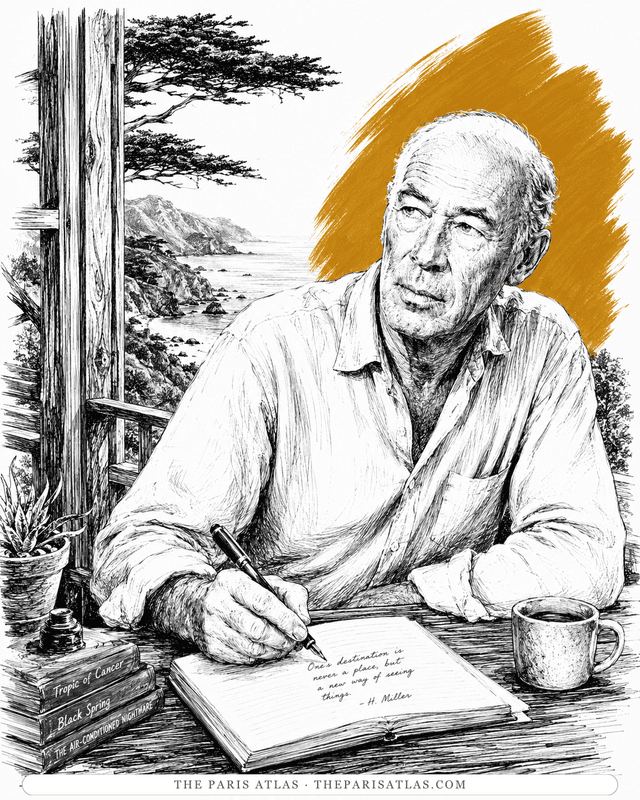
Henry Miller
The entangled careers of the Villa Seurat: she financed and prefaced his scandal, he detonated her prose — and each wrote the other into the century's record.
View author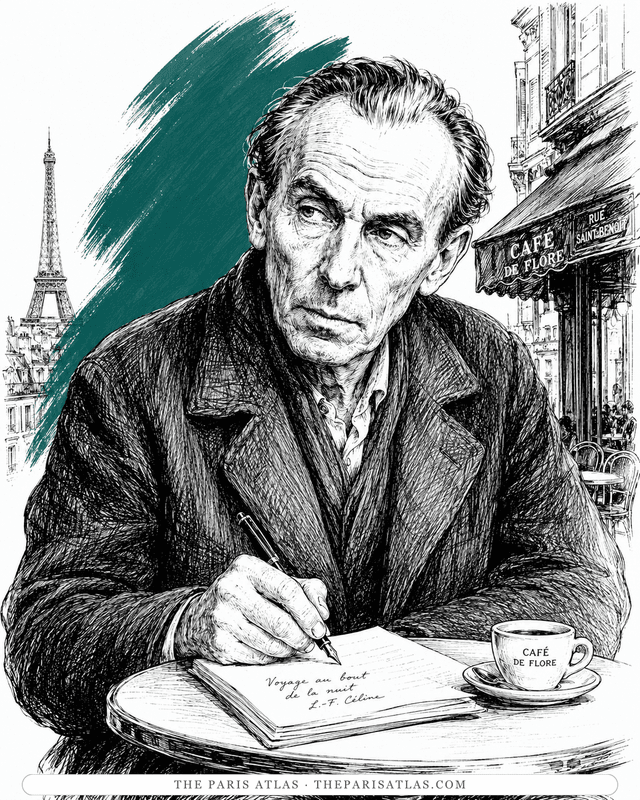
Louis-Ferdinand Céline
The doctor of the Paris slums who wrote the century's blackest, funniest novel — and changed the sound of French prose.
View author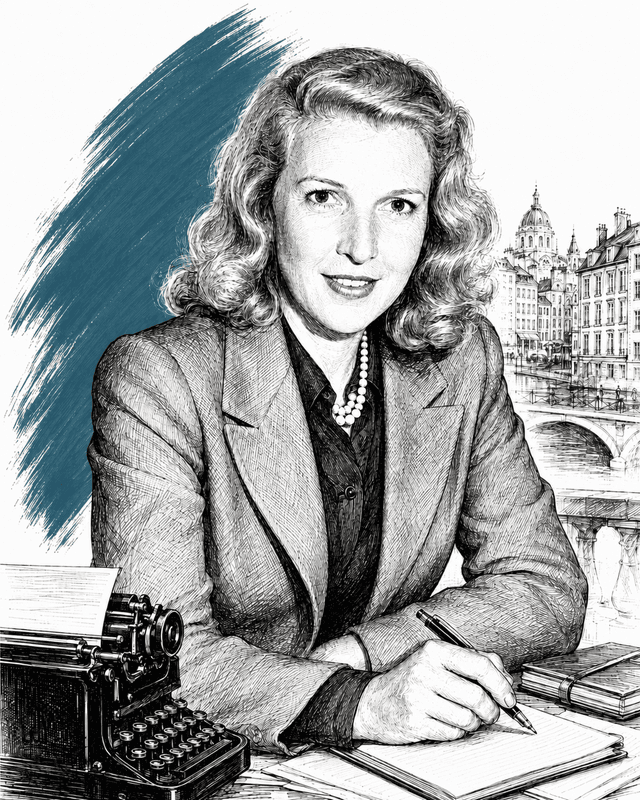
Martha Gellhorn
War correspondent who covered the Spanish Civil War, D-Day, and conflicts across five more decades; Hemingway's third wife, 1940–1945.
View author