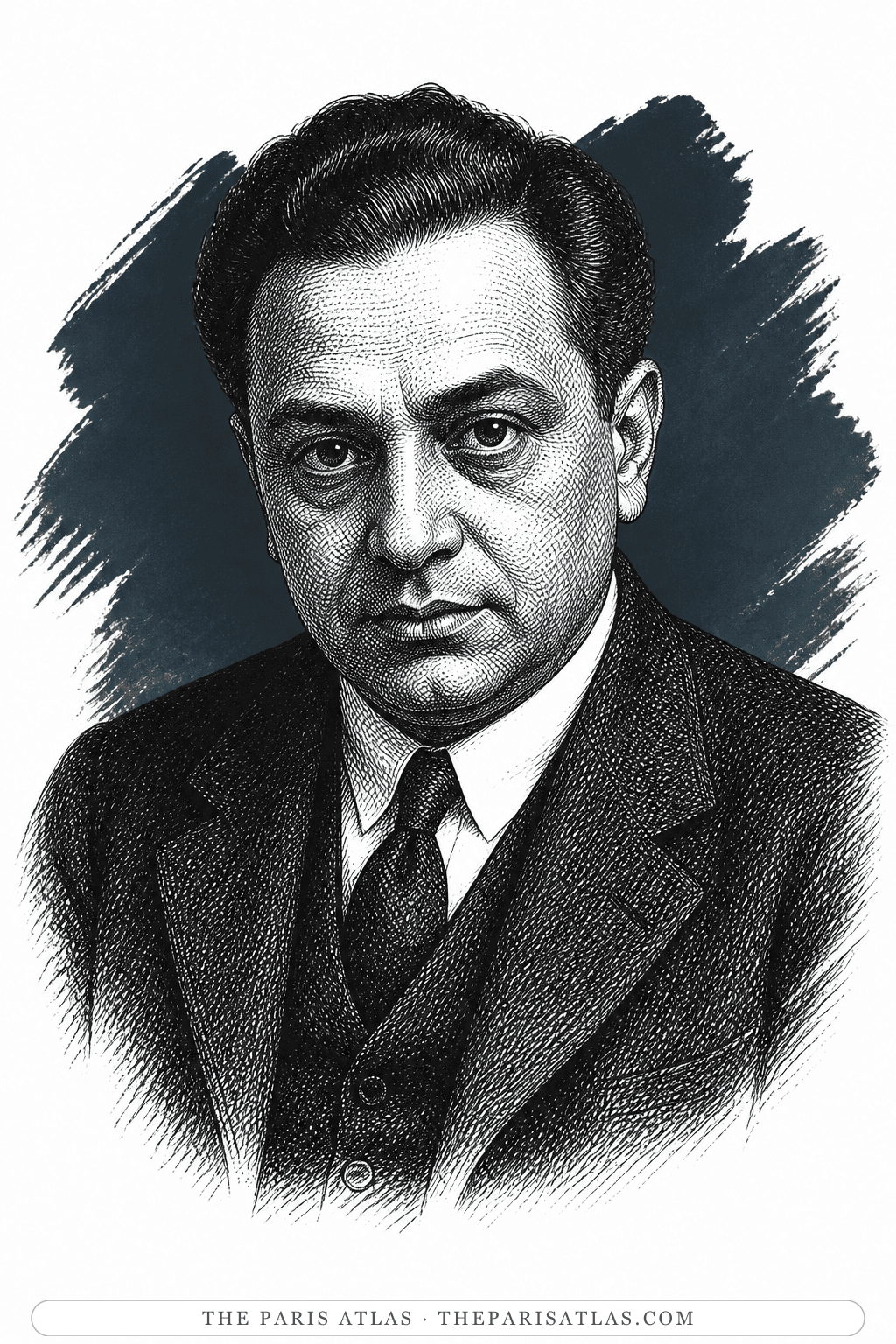
Otto Rank
The psychoanalyst Nin sails to New York to work for in 1934. She becomes his assistant, then takes patients of her own, then leaves — and he does not forgive her for it.
In Nin's account, to have his ideas understood and carried on by someone who could write them better than he could.
The book

At a glance
- “Dr. Rank” — the psychoanalyst she sails to New York to work with
- Assistant and secretary, then analyst with patients of her own
- A three-room office apartment on New York's East Side, near Central Park
- The New York chapters that open the volume, and in her letters and essays afterwards
- Otto Rank · 1884–1939
Who they are in the book
Spoiler-freeOtto Rank was one of the first members of Sigmund Freud's circle in Vienna and had broken with him years before this volume begins. By 1934 he had a practice in New York, and Nin sails there to join him. He is waiting on the wharf when her ship docks, has the paperwork cleared through a well-connected patient, and puts her straight into a taxi to a hotel room he has booked for her — a room so small and so grim that she names it the Hotel Chaotica.
For the next months she is his assistant and then his apprentice. She answers his telephone, sorts his mail, studies the patients' charts with him, and eventually takes patients of her own, including a violinist Nin calls Emily. The experiment ends because she decides the work is eating the hours the diary needs. Rank had wanted her to spend her life rewriting his books in better English, and she leaves instead.
How Otto Rank Is Portrayed
- The man on the wharfHe is the first thing she looks for as the ship comes in at night past the lit skyscrapers, and he is there. Within the hour her luggage is cleared and she is installed in a hotel room the width of a bed, chosen because it advertised a Continental breakfast — which turns out to be a carton pushed through a slot in the door at seven in the morning.
- How he teachesHis office is a three-room apartment on the East Side near the Park. He takes her through every case, demonstrates each step of his method, and explains why he attacks the present conflict rather than the past: he believes a neurotic person is emotionally paralysed and must not be left standing still.
- HarlemTired of talking theory over dinner, she suggests going uptown to dance. Rank admits he does not know how. “A new world, a new world,” he murmured, astonished and bewildered. By the end of the first dance he has stopped tripping, and afterwards he cannot leave the subject alone: “I am tempted to prescribe it to my patients. Go to Harlem!”
- What he says about FreudTalking about being analysed himself, he tells her: “Freud began to analyze me. He believed every analyst should be analyzed himself. But we could not go on. He was not objective. Or at least, I did not feel he was.” He adds that too much wisdom kept him from living out his natural self.
- The prisoner of his own practiceOne morning she watches him standing bowed at the window and thinks he looks like a prisoner of his profession. Every patient he cures brings a mother, a brother, a friend; the queue never shortens; and there is no time left over for love, friendship or confidences.
- Where she disagrees with himShe comes to think his method is a dangerous shortcut that skips terror and pain, and should be kept for people who genuinely cannot live, love or work. What she cannot accept is his premise that human beings were born to be happy and that pain is an illness.
- The partingBack in Paris she writes that she does not miss him, that she has finally got over needing a father, and that he had tried to absorb her into his work — a lifetime of rewriting his books that would have finished the writer in her. Then the flat last line: “He will never forgive me my return to Paris.”
If you like The Diary of Anaïs Nin, 1934–1939


If you like Anaïs Nin
Explore authors with a similar voice, perspective, and influence.
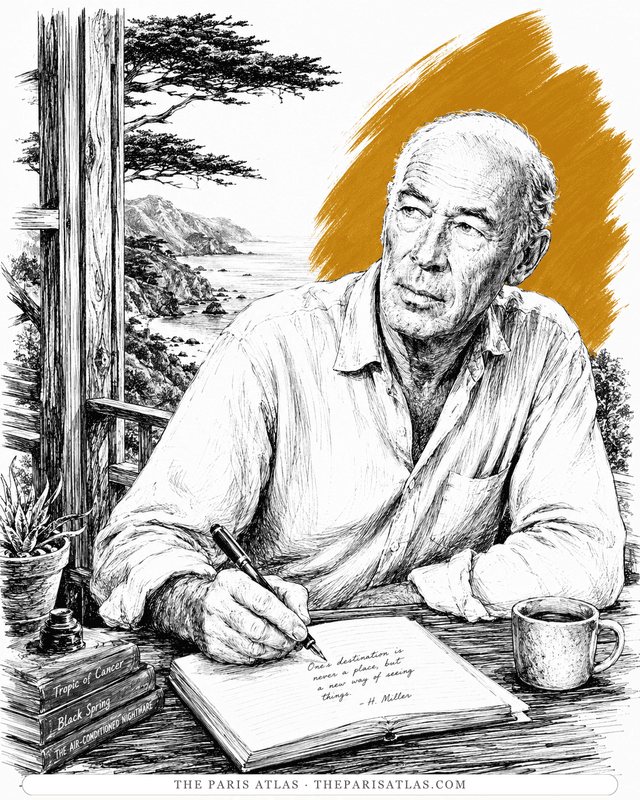
Henry Miller
The entangled careers of the Villa Seurat: she financed and prefaced his scandal, he detonated her prose — and each wrote the other into the century's record.
View author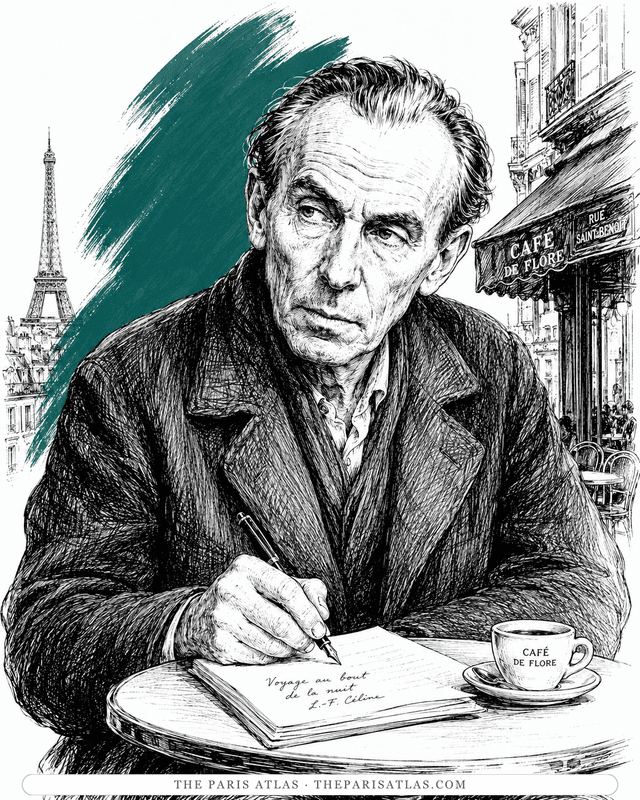
Louis-Ferdinand Céline
The doctor of the Paris slums who wrote the century's blackest, funniest novel — and changed the sound of French prose.
View author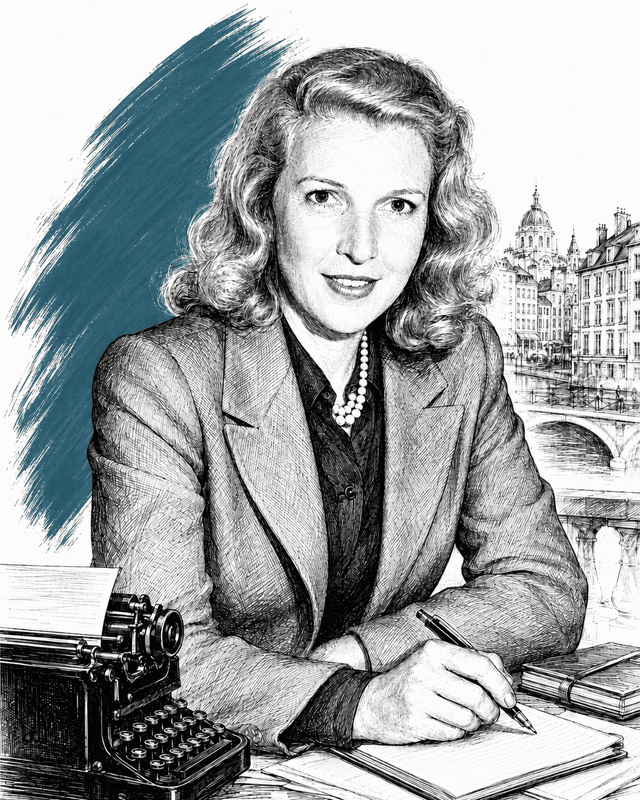
Martha Gellhorn
War correspondent who covered the Spanish Civil War, D-Day, and conflicts across five more decades; Hemingway's third wife, 1940–1945.
View author