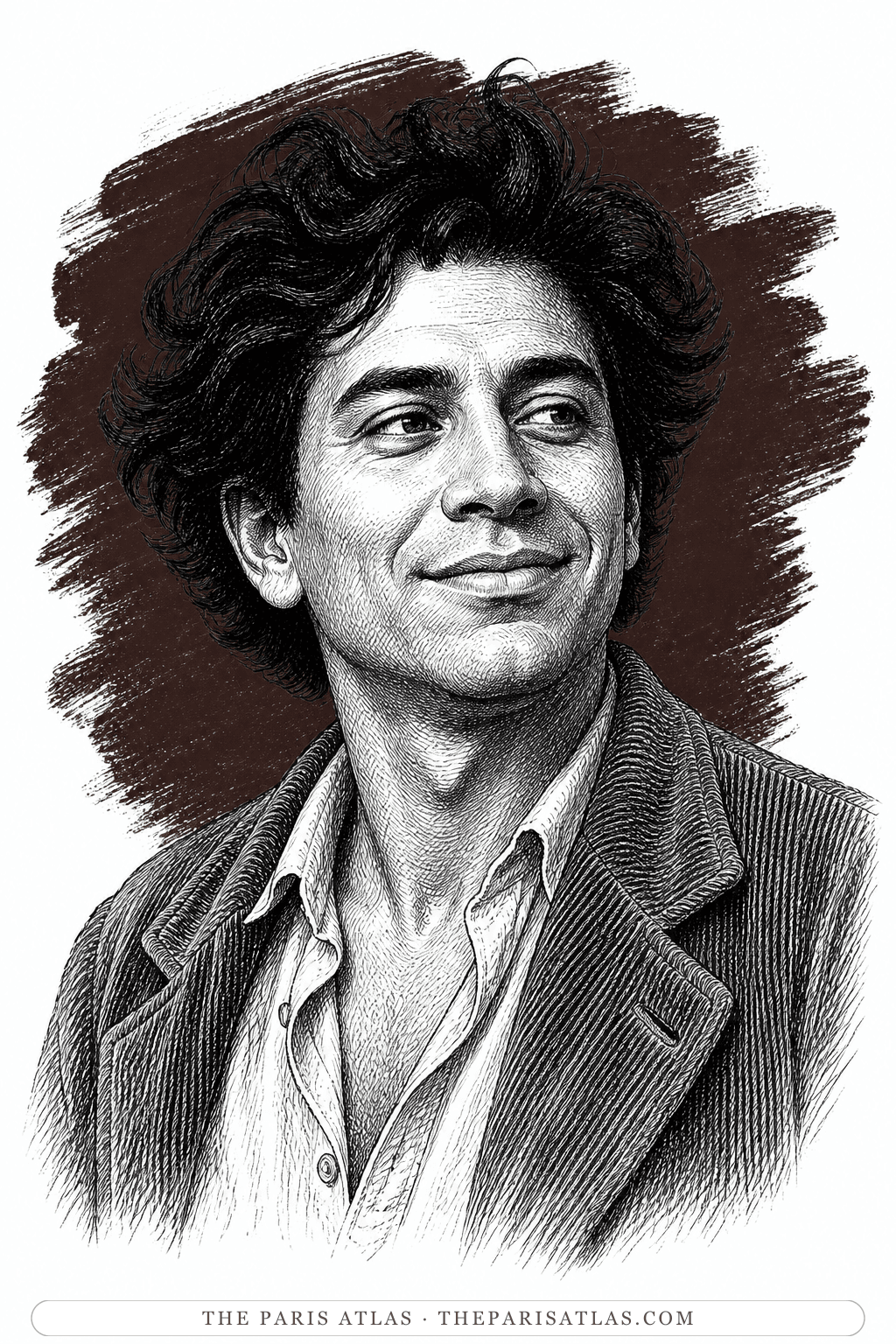
Gonzalo Moré
A Peruvian painter and political organizer, over six feet tall and permanently broke, who brings the Spanish Civil War into a diary that had kept politics at arm's length.
In Nin's account, to be of use to a revolution, without giving up the friends and the dependents who make it impossible for him to go.
The book

At a glance
- “Gonzalo” — a Peruvian painter and political organizer in Paris
- Helba Huara, the Peruvian dancer
- Over six feet, and the tallest man in most rooms he enters
- The Republican side in the Spanish Civil War — meetings, collections, and volunteers
- From the Paris chapters onward, and through the houseboat years to the end of the volume
- Gonzalo Moré · Peru
Who they are in the book
Spoiler-freeGonzalo Moré arrives about a third of the way into the volume and takes it over. He is Peruvian, married to the dancer Helba Huara, and so poor that when Nin first goes to see the couple he explains they cannot both leave the house on the same evening because they own one decent pair of trousers between them. He is tall, dark, wild-haired, and Nin's first written impression of him is a single line: “A tiger who dreams, a tiger without claws.”
What he brings her is politics. Spain is being fought over as they meet, and Moré is at meetings, collecting money, entertaining volunteers, reading every newspaper through. Nin has spent two volumes deciding that public life had nothing to do with her, and he is the reason that changes. He is also, by her own steady account, a man who does not finish things — the door on her houseboat goes unpainted for years, and the writing he means to do never gets done.
How Gonzalo Moré Is Portrayed
- One pair of trousersThe first thing he tells her, when she asks why his wife is not there: “We can never both go out at the same time because we have only one good pair of pants between us. Tonight was my turn.”
- Born in a revoltHe tells her his mother was pregnant with him during an uprising of Indians in Peru, and had to be disguised in Indian clothes by her nurse to escape the family estate. “I was born in a humble Indian hut, to the sound of gunfire. The first word I learned was guerrillero.”
- The evening she changed clothesHe takes her to a political meeting where Pablo Neruda reads his poems. She prepares by buying a plain ten-dollar grey suit on the Rue de la Gaîté and taking the polish off her nails. She cannot follow the speeches, which are in Spanish, but she watches the workmen with Moré: they trust him, and they love him, even though his French is bad.
- The cellar and the Dostoevsky thiefHe leads her through the couple's tenement to a cellar room and introduces a friend called Ivan, just out of prison for stealing a set of Dostoevsky. The judge, Ivan says, cut the sentence to a week on literary grounds, and sent him the books wrapped in brown paper the day he was released.
- He names the houseboatNin answers an advertisement — “Houseboat for rent. La Belle Aurore. Quai du Pont Royal.” — and takes the barge. Moré tells her the Incas kept a hidden passage from the house to a secret garden, called in Quechua Nanankepichu. “That means ‘not a home.’ That is what you should call your houseboat.” The name stuck, and the boat is Nanankepichu for the rest of the volume.
- What never gets finishedHe cannot keep his hair combed, his nails clean or his shirt buttoned, and he announces plans with enormous pride: “I will paint that door. I will get oil for the lantern.” Years later Nin is still recording the same undone jobs, and the book about Antonin Artaud he means to write, and never writes.
- Caught between his wife and the warAsked why he does not go and fight, he puts it to Nin as an arithmetic he cannot solve: “When I place you and Helba on one side of the balance, and the world on the other, you seem worth more to me and I cannot tear myself away. I must be a coward.”
Nin fictionalised Moré as Rango in her novel The Four-Chambered Heart, which is set on the same barge. In this volume the ending is quieter and sadder:
If you like The Diary of Anaïs Nin, 1934–1939


If you like Anaïs Nin
Explore authors with a similar voice, perspective, and influence.
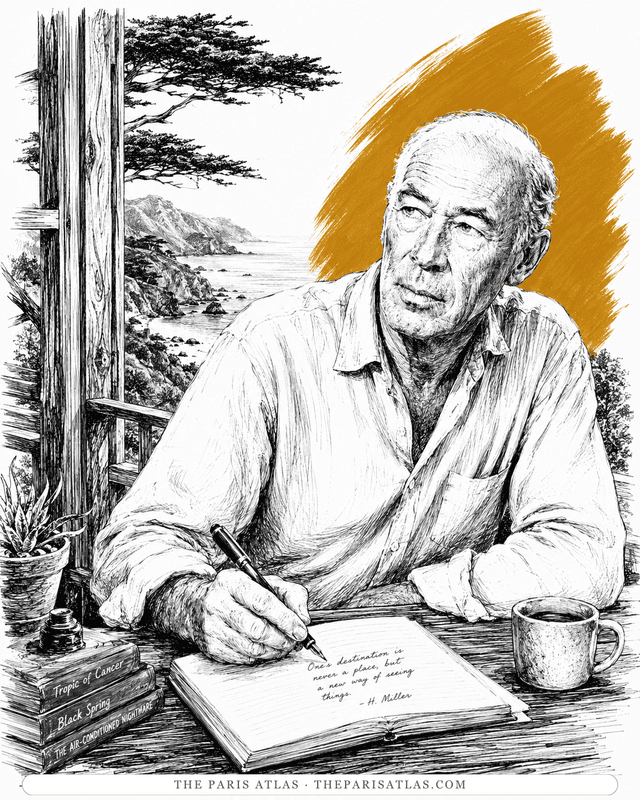
Henry Miller
The entangled careers of the Villa Seurat: she financed and prefaced his scandal, he detonated her prose — and each wrote the other into the century's record.
View author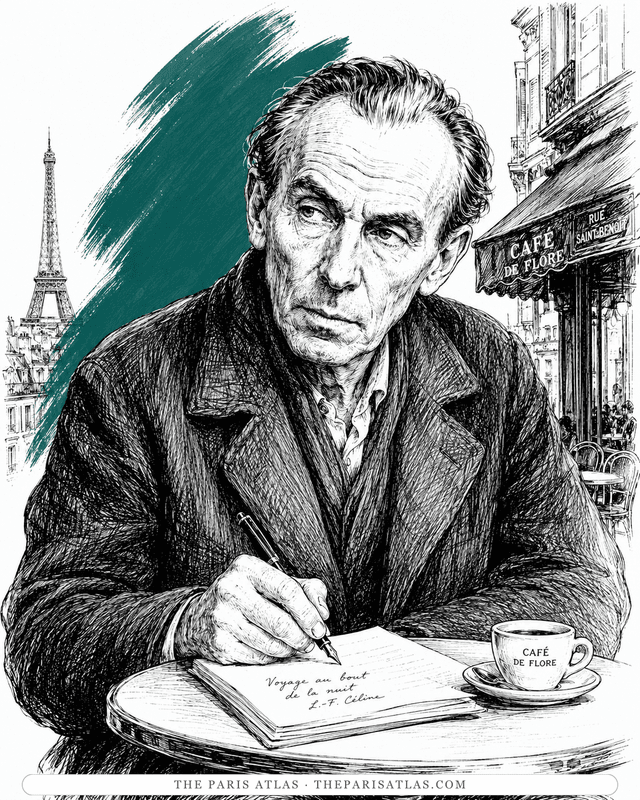
Louis-Ferdinand Céline
The doctor of the Paris slums who wrote the century's blackest, funniest novel — and changed the sound of French prose.
View author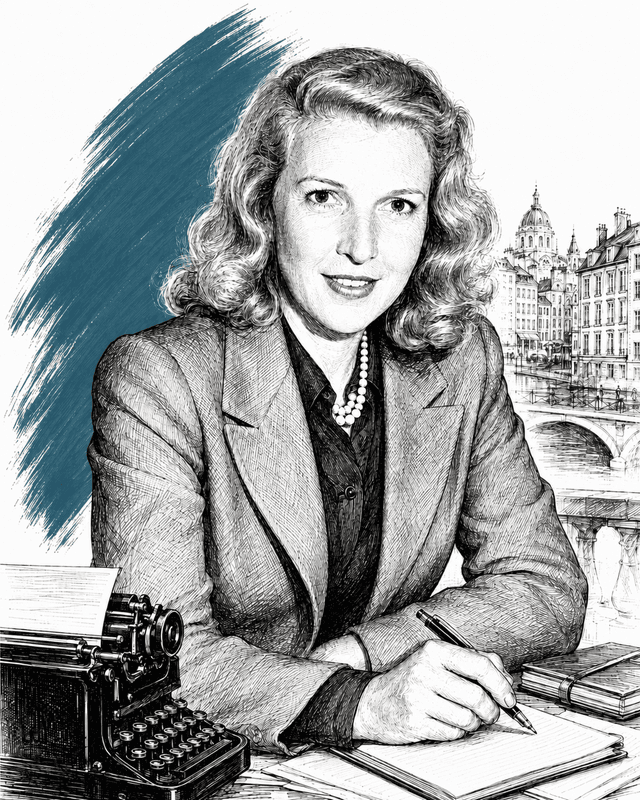
Martha Gellhorn
War correspondent who covered the Spanish Civil War, D-Day, and conflicts across five more decades; Hemingway's third wife, 1940–1945.
View author