
The Diary of Anaïs Nin, 1931–1934
How Antonin appears in its pages: The French poet and theatre director she met in 1933. He wrote her letters for a year, then accused her of never having loved him.
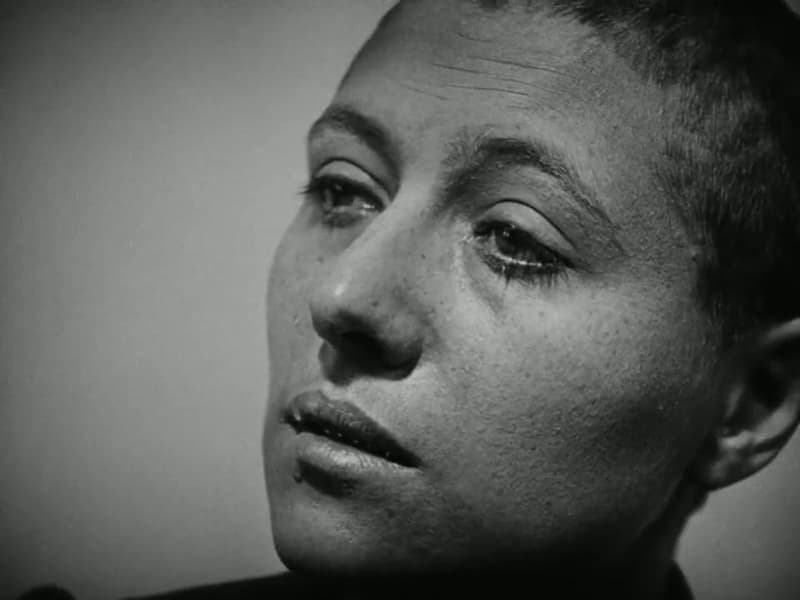
Read the character guidePoet of the Theatre of Cruelty — and, on screen, Marat in Gance's Napoléon, the monk Massieu in The Passion of Joan of Arc, and the screenwriter of The Seashell and the Clergyman.
How Antonin appears in its pages: The French poet and theatre director she met in 1933. He wrote her letters for a year, then accused her of never having loved him.
Read the character guide
How Antonin appears in its pages: The French poet and theatre theorist Nin had known in the previous volume. He is glimpsed in the street here, and then committed — and she defends him in a café to a stranger.
Read the character guideFeaturing — Film
Featuring — Film

Met · 1925–1926
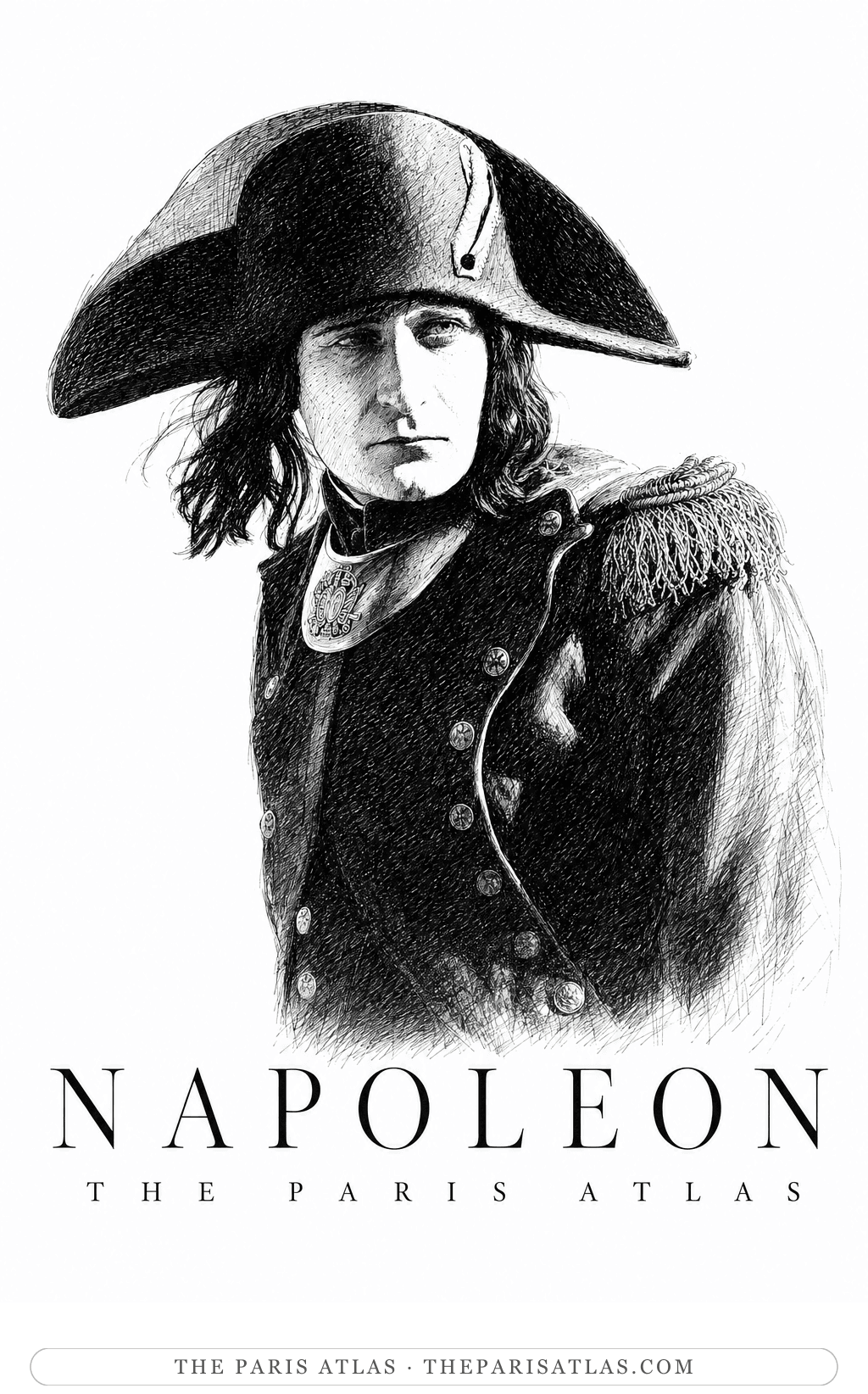
Artaud played Marat during the twenty-month Napoléon shoot, opposite Gance's own Saint-Just. It is one of two screen roles that carried him into film history.
Collaborated with · 1927
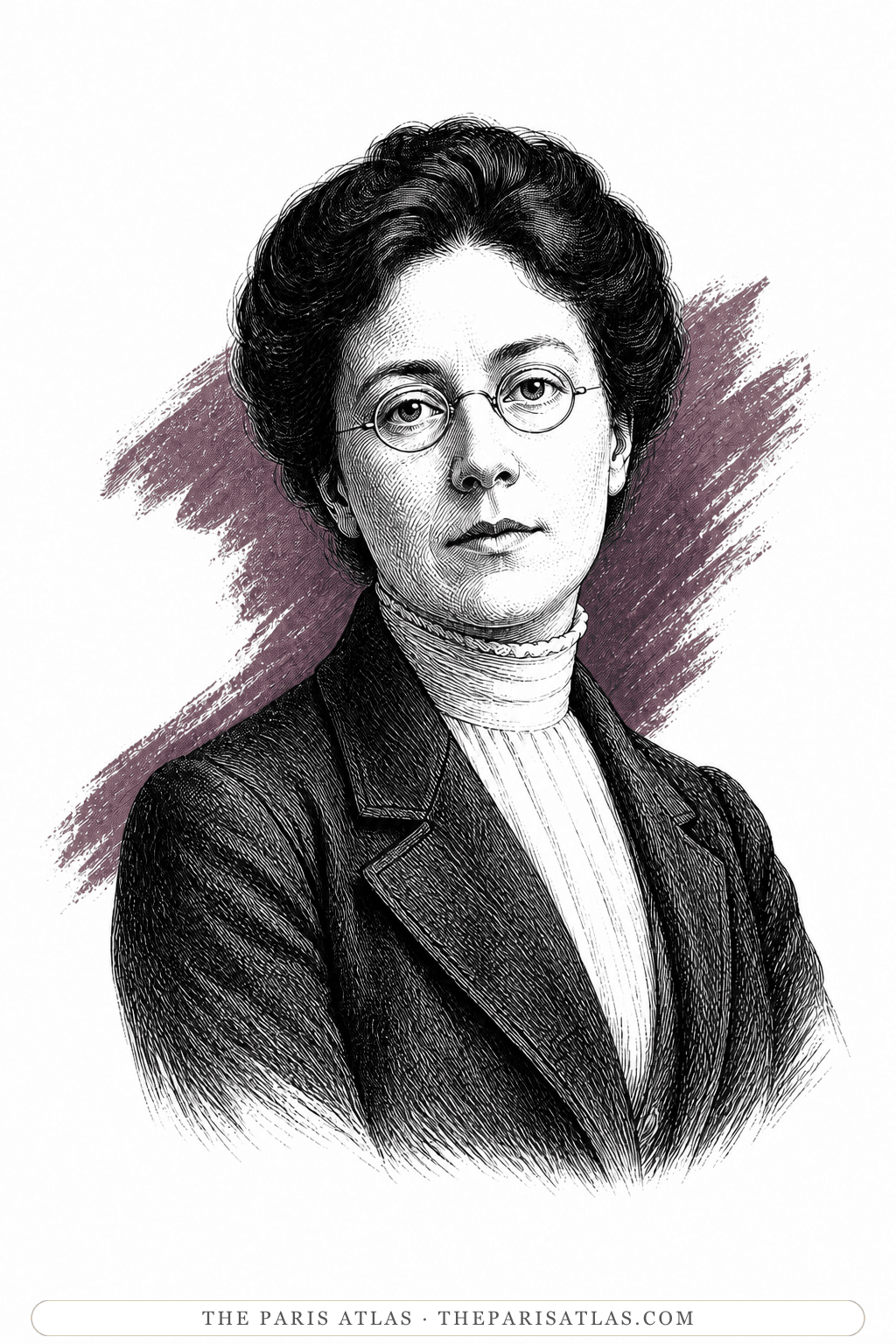
Artaud wrote the scenario for The Seashell and the Clergyman and Dulac directed it. The two fell out over the result, and the surrealists disrupted the premiere at the Studio des Ursulines in February 1928; accounts differ on who led the disturbance and on where Artaud himself stood.
Met · 1925–1926
Artaud played Marat during the twenty-month Napoléon shoot, opposite Gance's own Saint-Just. It is one of two screen roles that carried him into film history.
Collaborated with · 1927
Artaud wrote the scenario for The Seashell and the Clergyman and Dulac directed it. The two fell out over the result, and the surrealists disrupted the premiere at the Studio des Ursulines in February 1928; accounts differ on who led the disturbance and on where Artaud himself stood.
The sources below include biographies, scholarly essays, interviews, and primary materials that informed this page. They reflect both the historical record and ongoing critical conversations about Antonin Artaud and their work.


Web source consulted for documented facts and historical context presented on the Antonin Artaud page.
Web source consulted for documented facts and historical context presented on the Antonin Artaud page.
Web source consulted for documented facts and historical context presented on the Antonin Artaud page.
Web source consulted for documented facts and historical context presented on the Antonin Artaud page.
Web source consulted for documented facts and historical context presented on the Antonin Artaud page.
These references anchor the page in the documented record and in the scholarly conversations around Antonin Artaud. Every claim on this page traces back to one or more of the works listed here.
 Explore more resources