


Letters to Anaïs Nin
Miller’s side of the defining Paris correspondence: love, rivalry, manuscripts, money, and two writers inventing themselves in public and private.
- 1965
- Exuberant
- Melancholy
- intimate
- autobiographical
- sensual
About Henry Miller
About the volume
Letters to Anaïs Nin presents Henry Miller’s letters to Anaïs Nin, edited and introduced by Gunther Stuhlmann and published by Putnam in 1965. Written across their intimate and literary relationship, the letters move among desire, money, jealousy, manuscripts, publishing, and the circle around Villa Seurat. Because Nin’s replies are absent, the book offers Miller’s side of an exchange later restored in two-way form by A Literate Passion.
The volume, in more detail
The letters show collaboration and dependence alongside erotic attachment. Miller reports on works in progress, asks for practical help, argues over loyalties, and uses Nin as first reader and emotional witness.
Publication in 1965 made private documents part of Miller’s public autobiography. The later two-way collection changes the balance by restoring Nin’s language, timing, and decisions.
Themes and analysis
The early Paris years and the return to America
The letters in this selection cover 1931–1946. They begin around the start of Henry Miller’s friendship with Anaïs Nin and continue across his return to the United States. The changing locations make the volume useful for following a relationship maintained through long periods of separation.
Miller reports on work, daily difficulties, reading, and the effort to get books into print. The circumstances overlap with his autobiographical prose, but a letter has an immediate recipient and occasion. Its account can be anxious or provisional in ways a retrospective book is not.
Anaïs Nin as a reader of Miller’s work
Nin was a writer as well as Miller’s friend and lover. Her role in his life included close attention to his writing and help with the publication of Tropic of Cancer. The exchange therefore belongs to literary history as well as to the history of their intimate relationship.
Miller’s letters let readers hear how he presented his plans and disappointments to someone whose judgment mattered to him. They should not be used as a substitute for Nin’s own voice. Her books and letters supply perspectives that Miller’s side of an exchange cannot contain.
The voice of the letters
A contemporary Kirkus review describes abrupt shifts between excitement and discouragement, with the Paris years followed by difficult experiences in America. That uneven emotional movement is part of the reading experience. The letters do not proceed as a polished account of a settled career.
Their literary opinions are also those of a participant, not an encyclopedia. Enthusiasm, dislike, and occasional factual mistakes belong to the personal exchange. Readers can take those judgments seriously as Miller’s views while checking the writers and events he discusses independently.
A passage about Emerson, reproduced in Guy Stevenson's conference paper, shows a literary judgment becoming self-description. Miller first presents his praise as proof that America has produced greatness, then gives the more personal reason: Emerson helped form the part of himself he values. The change of emphasis lets Nin hear what the judgment means to the person making it. Admiration also becomes selective autobiography, an account of the self Miller wants to affirm rather than a detached ranking of another writer.
How this differs from A Literate Passion
Gunther Stuhlmann edited and introduced the 1965 collection, published by Putnam in the United States and Peter Owen in Britain. It presents Miller’s letters to Nin. The later A Literate Passion brings letters by both writers together over the different span of 1932–1953.
The later book adds a conversational structure that this volume cannot provide. Neither title should erase the other from the bibliography: their selection, scope, and balance of voices differ. Choose this volume for concentrated reading of Miller’s side of the earlier relationship.
Why we recommend it
The workshop inside the affair
Intimate feeling and line-by-line literary work are never cleanly separated.
A partial but revealing archive
Miller’s unanswered voice exposes need, performance, and dependence with unusual immediacy.
One side of a literary relationship
Reading Miller’s letters alone makes his choices of emphasis visible and invites comparison with the later two-way collection A Literate Passion.
What this book explores
The people in its pages
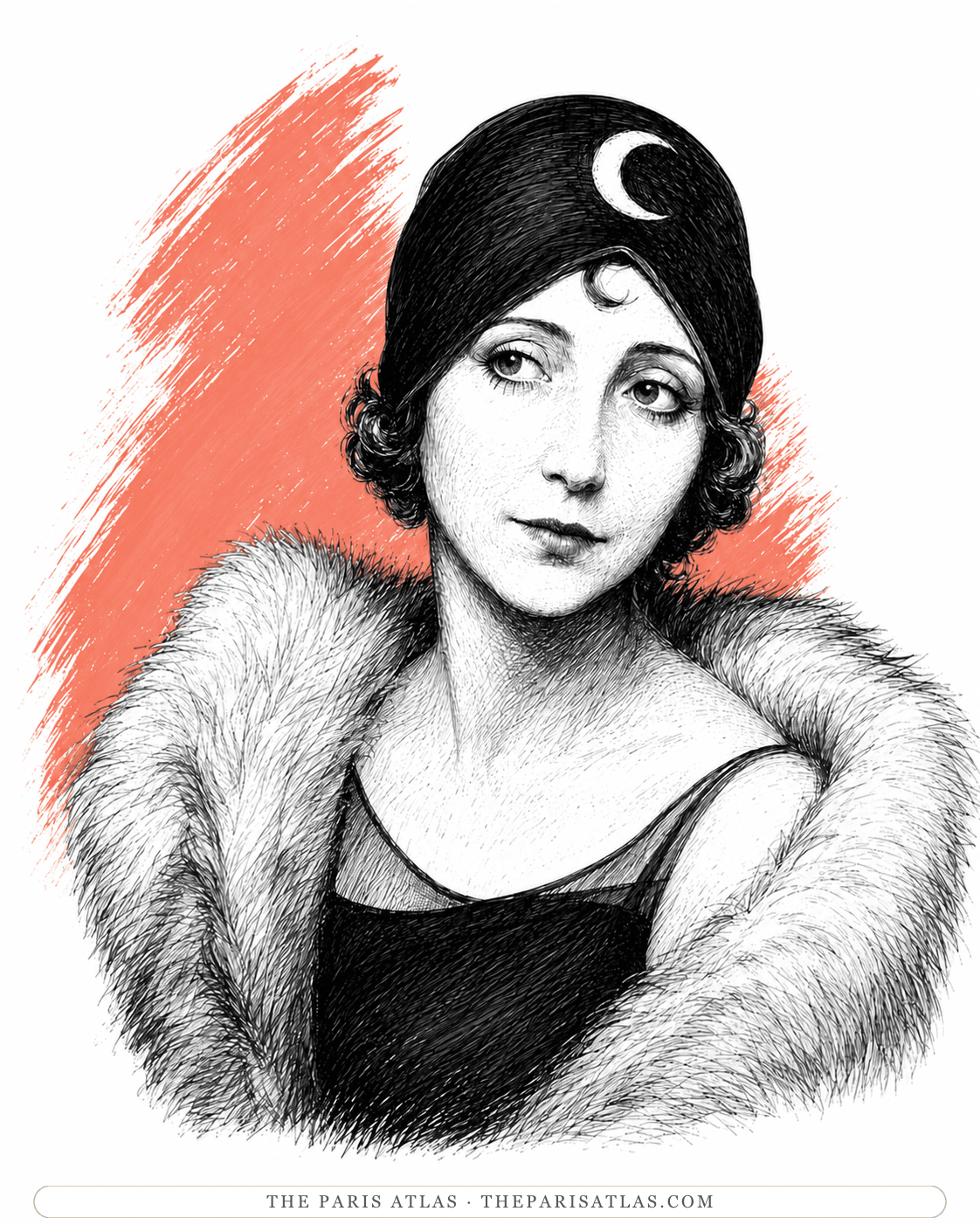
Anaïs Nin
Writer, patron, lover, and first reader whose absent replies shape every letter Miller sends.
Timeline
1930s
Miller and Nin’s Paris relationship produces the core correspondence.
1965
Putnam publishes Miller’s letters in a volume edited by Gunther Stuhlmann.
1987
A Literate Passion presents a later two-way selection.
Book editions
Hardcover
- Hardcover
- G. P. Putnam’s Sons
- 1965
Reader reviews
Readers may also like

Tropic of Cancer
The major Paris manuscript discussed as Miller struggles to publish it.
Read our take
Letters of Henry Miller and Wallace Fowlie
A second long literary friendship in letters.
Read our takeLetters to Anaïs Nin: frequently asked questions
Does Letters to Anaïs Nin include Nin’s replies?
No. It presents Miller’s letters; A Literate Passion later published a two-way selection.
Who edited the volume?
Gunther Stuhlmann edited and introduced it.
When was it first published?
Putnam published the collection in 1965.
How does this differ from A Literate Passion?
Letters to Anaïs Nin presents Miller’s letters. A Literate Passion is a later selection that includes letters from both writers.
What years does the 1965 selection cover?
The selection covers letters from 1931 through 1946.
If you like Henry Miller
Explore authors with a similar voice, perspective, and influence.

Louis-Ferdinand Céline
Miller's acknowledged master at making literature out of the gutter. Journey gave him permission; Cancer is what he did with it.
View author
Ezra Pound
Pound read Cancer and sent Miller a famously backhanded postcard. Both believed literature's job was to wake the reader by any means necessary.
View author
Simone de Beauvoir
French writer and philosopher whose novels, memoirs, and social analysis examined freedom, gender, responsibility, aging, and the material conditions that shape a life.
View author
References
References
The sources below include the primary text, editions, scholarship, archival materials, and other records that informed this page. They document Letters to Anaïs Nin, its publication, and its place in literary history.


1Letters to Anaïs Nin
LettersHenry Miller, Anaïs Nin, 1965Used forThe primary text represented by this page, used for descriptions of the work’s contents and for any quoted passages shown here.
2Henry Miller: Letters to Anaïs Nin — contemporary review
WebsiteKirkus ReviewsUsed forWeb source consulted for documented facts and historical context presented on the Letters to Anaïs Nin page.
3Letters to Anaïs Nin — 1965 edition record
WebsiteGoogle Books / G. P. Putnam’s SonsUsed forWeb source consulted for documented facts and historical context presented on the Letters to Anaïs Nin page.

4Letters to Anaïs Nin — printed-book record
Official recordThe Morgan Library & MuseumUsed forOfficial record used to verify names, dates, institutional details, or other factual information on this page.
5The Happiest Man Alive: A Biography of Henry Miller
BiographySimon & Schuster, 1991Used forBiographical evidence used to verify chronology, relationships, and historical context connected to Letters to Anaïs Nin.
6Henry Miller: A Life
BiographyW. W. Norton, 1991Used forBiographical evidence used to verify chronology, relationships, and historical context connected to Letters to Anaïs Nin.
7Henry Miller: An Inventory of His Collection
ArchiveHarry Ransom Center, The University of Texas at AustinUsed forArchival evidence used to document the historical record connected to Letters to Anaïs Nin.

8Rummaging through the Bone-Heap: Beat Writing and Reactionary Modernist Aesthetics
NonfictionGoldsmiths Research Online, 2017Used forThe reproduced Emerson passage supports the added reading of Miller's self-description; the full letter and collection were not available in this source.
i
Why these sources are here
The primary text is the baseline reference for every book page. Additional references document publication history, interpretation, and historical context where that evidence is available.
 Explore more resources