

The Time of the Assassins
Miller’s book-length confrontation with Rimbaud, a shared passion in the letters.
Read our take
by Henry Miller
Three decades of letters join a self-made writer to a scholar of France through Rimbaud, Nin, Gide, and remembered Paris.
Letters of Henry Miller and Wallace Fowlie, 1943–1972 records nearly thirty years between Miller and the American critic, translator, and professor Wallace Fowlie. Their common ground includes Rimbaud, André Gide, Anaïs Nin, Catholic and existential questions, and the Paris Miller and Fowlie carried into American life. Grove Press published the exchange in 1975. Personal crises and literary judgment remain intertwined throughout.
Fowlie approaches Miller as both friend and professional reader of French literature. Miller responds outside academic convention but with equal intensity, making the letters a long argument about what reading can change in a life.
The span catches Miller and Fowlie aging through changing literary reputations. Private difficulty, teaching, travel, and publication sit beside recurring returns to Rimbaud and prewar Paris.
Wallace Fowlie was a scholar, critic, and translator of French literature. His letters with Henry Miller cover 1943–1972. Their shared subjects include Arthur Rimbaud, Anaïs Nin, André Gide, memories of prewar Paris, and the personal crises that accompany long working lives.
The combination makes this a literary friendship with a particular focus. Paris is remembered from a distance, while French writing provides continuing material for discussion. The correspondents’ different occupations also matter: one writes from a university career, the other from a life shaped by independent literary work.
Rimbaud connects the two men’s interests without making their work identical. Fowlie translated and studied him; Miller wrote the highly personal appreciation The Time of the Assassins. The correspondence lets readers place those different kinds of attention beside one another.
A translation or scholarly study requires decisions different from those of an autobiographical essay. The exchange is therefore useful for readers interested in how a writer and a critic approach the same author. It should not be mistaken for a jointly written study of Rimbaud.
Seth Whidden’s foreword to the 2005 Rimbaud edition quotes a 1965 Miller letter that moves from amazement at Fowlie’s undertaking to the readers who need it. The shift from addressing the translator to speaking for a collective audience makes one person’s demanding task a shared literary concern. Short exclamations convey encouragement rather than technical evaluation. In this brief excerpt, Miller’s enthusiasm takes a practical form: he recognizes the scale of his friend’s work and gives him a reason to persist.
The long date range allows personal news to sit beside literary discussion. The publisher’s description of the first edition emphasizes both shared enthusiasm and difficulties endured. The book’s continuity comes from correspondence maintained over years, rather than from a single public debate.
That setting gives the literary judgments a personal scale. A recommendation can also be an attempt to encourage a friend. A memory of Paris may concern a lost period of life as much as a place. Reading the letters in sequence preserves that relationship between opinion and occasion.
Grove Press published the volume in 1975 with an introduction by Fowlie. The first edition also includes an appendix of writings and collected quotations. Those supporting materials should be distinguished from the dated correspondence.
Readers interested primarily in Miller’s response to French poetry can pair the letters with The Time of the Assassins. Readers following his friendships can compare the exchange with The Durrell–Miller Letters. Each correspondent draws out a different part of Miller’s interests.
Fowlie’s disciplined critical vocabulary and Miller’s experiential approach sharpen one another.
The letters register thirty years of changing work, health, and reputation.
The letters let readers follow literary interests across a long exchange instead of encountering them only in finished criticism.
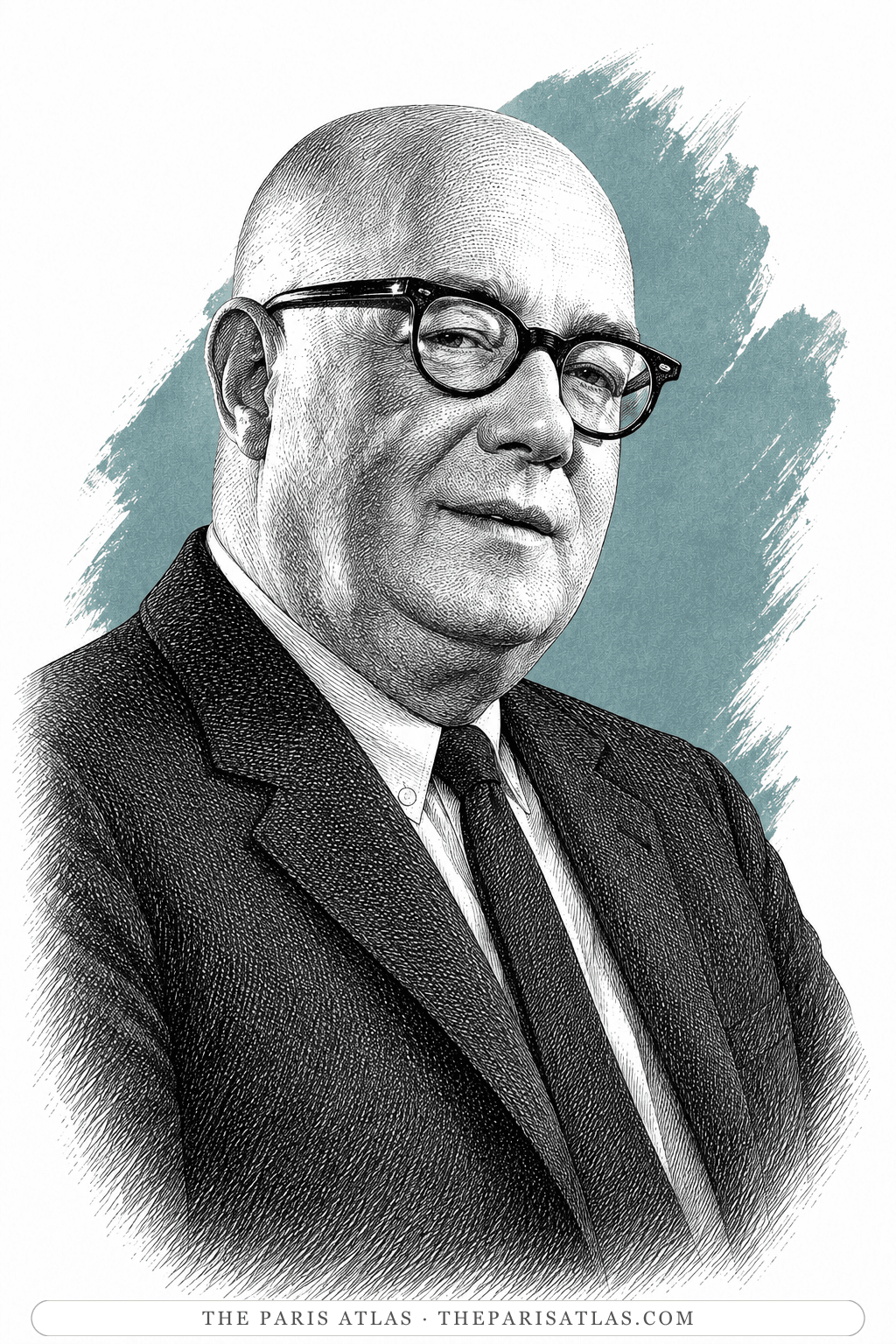
American critic, translator, and professor whose expertise in French literature gives the exchange its intellectual center.
1943
The correspondence represented in the book begins.
1972
The selected exchange ends.
1975
Grove Press publishes the letters.
Miller’s book-length confrontation with Rimbaud, a shared passion in the letters.
Read our take
The correspondence with a writer central to Miller and Fowlie’s discussions.
Read our take
Another sustained exchange between Miller and a close reader of his work.
Read our takeAn American critic, translator, and professor best known for work on modern French literature.
They span 1943 through 1972.
Rimbaud, Gide, and Anaïs Nin are among the central shared subjects.
It is a collection of correspondence between Henry Miller and the scholar Wallace Fowlie.
Grove Press published the collected letters in 1975.
Explore authors with a similar voice, perspective, and influence.

Miller's acknowledged master at making literature out of the gutter. Journey gave him permission; Cancer is what he did with it.
View author
Pound read Cancer and sent Miller a famously backhanded postcard. Both believed literature's job was to wake the reader by any means necessary.
View author
French writer and philosopher whose novels, memoirs, and social analysis examined freedom, gender, responsibility, aging, and the material conditions that shape a life.
View authorThe sources below include the primary text, editions, scholarship, archival materials, and other records that informed this page. They document Letters of Henry Miller and Wallace Fowlie, its publication, and its place in literary history.


The primary text represented by this page, used for descriptions of the work’s contents and for any quoted passages shown here.
Web source consulted for documented facts and historical context presented on the Letters of Henry Miller and Wallace Fowlie page.
Biographical evidence used to verify chronology, relationships, and historical context connected to Letters of Henry Miller and Wallace Fowlie.
Biographical evidence used to verify chronology, relationships, and historical context connected to Letters of Henry Miller and Wallace Fowlie.

Archival evidence used to document the historical record connected to Letters of Henry Miller and Wallace Fowlie.
Publisher preview, p. xv, quoting a 1965 Miller letter and citing the 1975 correspondence, p. 155; not a newly inspected complete letter.
The primary text is the baseline reference for every book page. Additional references document publication history, interpretation, and historical context where that evidence is available.
 Explore more resources