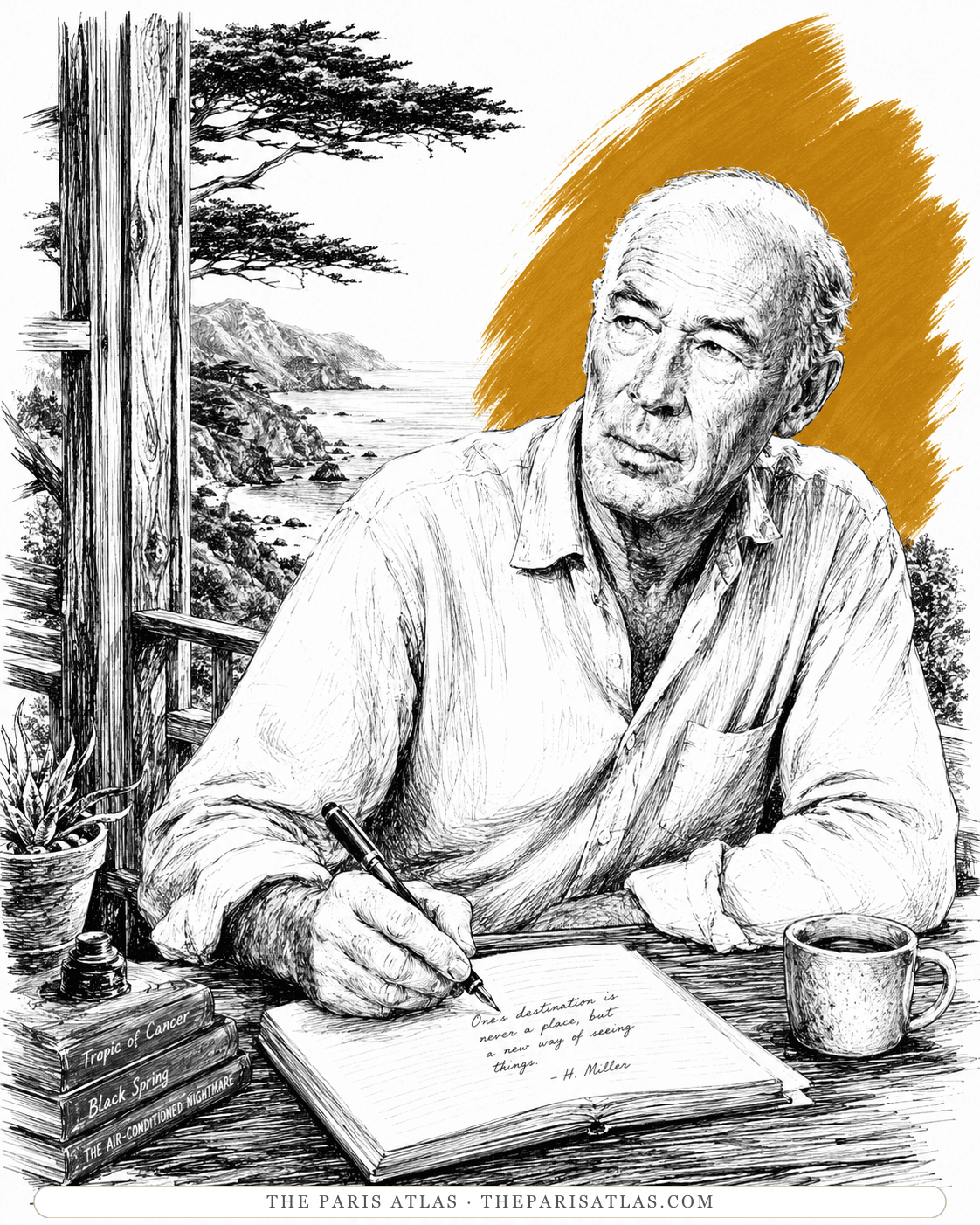

The World of Lawrence
Miller’s response to another English writer whose life and freedom mattered deeply to him.
Read our take
by Henry Miller
Two exuberant old literary outsiders exchange myth, appetite, illness, books, and encouragement across the Atlantic.
Proteus and the Magician presents the two-way correspondence of Henry Miller and Welsh novelist-philosopher John Cowper Powys, edited by Jacqueline Peltier and published by the Powys Society in 2014. The title casts the shape-changing Miller against Powys the magician. Their letters range across books, myth, sex, nature, illness, aging, and mutual encouragement. It supersedes the one-sided 1975 Letters to Henry Miller from John Cowper Powys by restoring Miller’s replies and a fuller exchange.
The writers recognize one another as outsiders who make philosophy from appetite and lived extremity rather than systems. Praise is abundant, but so are reports from aging bodies and difficult daily circumstances.
Editorial restoration changes the conversation. The 1975 book allowed readers to hear Powys addressing Miller; the 2014 volume recovers the answer, rhythm, and mutual invention of a relationship.
John Cowper Powys was already an established lecturer and novelist when the young Henry Miller heard him speak in America. The later correspondence began from Miller’s lasting admiration, but it developed into an exchange in which both writers could question and encourage the other.
The letters discuss reading, the imagination, ways of living, and personal difficulty. Miller’s marital troubles appear beside Powys’s reflections on landscape and spiritual practice. Their literary interests are inseparable from the daily conditions under which they continue to write.
Lindsay Clarke’s review of the expanded collection draws attention to a real difference between the correspondents. Powys questions Miller’s use of love as a general principle and favors a view of existence that allows for many competing realities.
The disagreement helps explain why the book is more revealing than a collection of mutual compliments. Powys is not simply the older man confirming Miller’s opinions. Affection permits differences in belief, and those differences give the friendship intellectual substance.
Powys’s letters range widely through books, thought, and the life around his home in Wales. Miller brings his own enthusiasms and personal concerns to the conversation. Reading alternating voices allows the reader to follow how a remark becomes the occasion for a reply.
That form is different from The Immortal Bard, Miller’s short tribute to Powys. The tribute concentrates admiration into a single address. The correspondence extends the relationship across time, making room for changing circumstances and exchanges that cannot be reduced to one judgment.
The correspondence has a publication history that includes an earlier selection of Powys’s letters and editions of Proteus and the Magician. Jacqueline Peltier edited the expanded English collection issued by the Powys Society in 2014.
The Society’s discussion of the earlier edition describes explanatory notes and appendices, including material about defending Miller’s writing and The Immortal Bard. When comparing editions, the editor and contents matter as much as the shared title. A volume of Powys’s letters alone does not provide the same two-sided exchange.
Both correspondents write with theatrical energy, appetite, and comic metaphysical reach.
Miller’s replies transform a one-sided document into a relationship unfolding in time.
The correspondence lets readers compare Miller’s relationship with John Cowper Powys with the admiration expressed in The Immortal Bard.
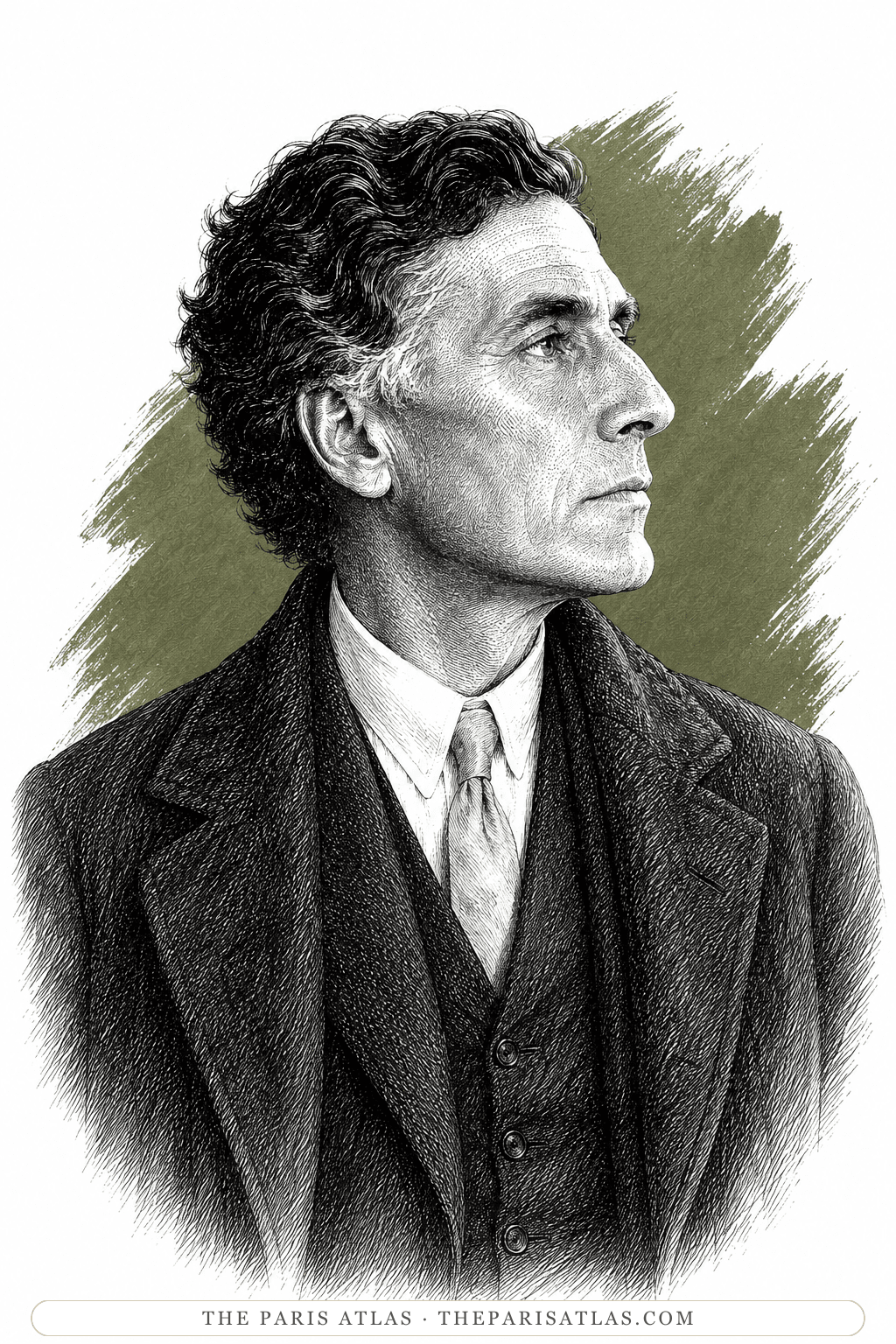
Welsh novelist and philosopher whose exuberant, nature-centered letters meet Miller’s on equal terms.
1975
Letters to Henry Miller from John Cowper Powys publishes a one-way selection.
2014
The Powys Society publishes Jacqueline Peltier’s fuller two-way edition.
2015
Lindsay Clarke reviews the restored correspondence in Resurgence & Ecologist, emphasizing the writers’ shared imaginative and spiritual interests.

Miller’s response to another English writer whose life and freedom mattered deeply to him.
Read our take
A second transatlantic literary friendship sustained through decades of letters.
Read our take
Miller’s map of the writers and books that became living companions.
Read our takeJacqueline Peltier edited the 2014 Powys Society volume.
The earlier book printed Powys’s letters to Miller; Proteus and the Magician presents a fuller two-way correspondence.
It casts Miller as changeable Proteus and Powys as an imaginative magician.
The Powys Society published Jacqueline Peltier’s edition in 2014.
Yes. The fuller edition presents both sides of the exchange, unlike the earlier selection of Powys’s letters to Miller.
Explore authors with a similar voice, perspective, and influence.

Miller's acknowledged master at making literature out of the gutter. Journey gave him permission; Cancer is what he did with it.
View author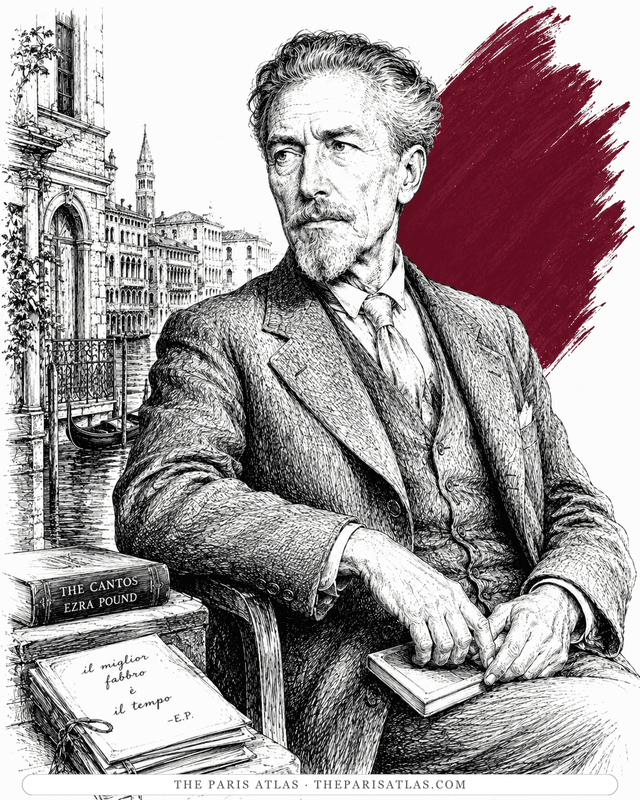
Pound read Cancer and sent Miller a famously backhanded postcard. Both believed literature's job was to wake the reader by any means necessary.
View author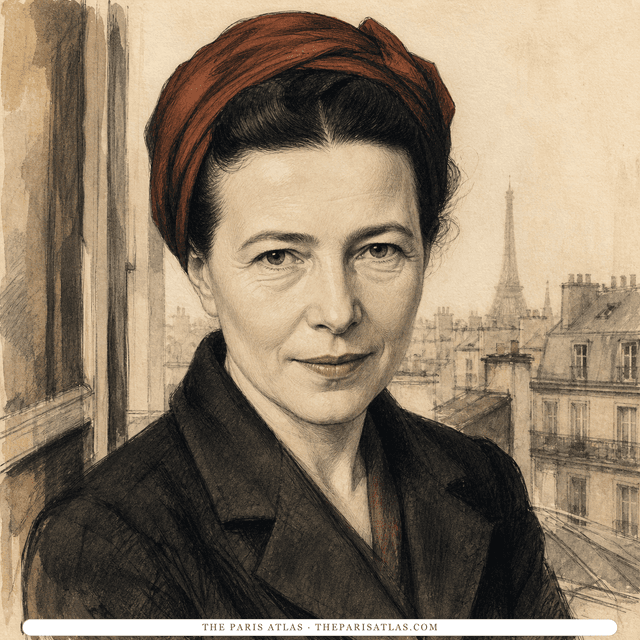
French writer and philosopher whose novels, memoirs, and social analysis examined freedom, gender, responsibility, aging, and the material conditions that shape a life.
View authorThe sources below include the primary text, editions, scholarship, archival materials, and other records that informed this page. They document Proteus and the Magician, its publication, and its place in literary history.

The primary text represented by this page, used for descriptions of the work’s contents and for any quoted passages shown here.

Contemporary reporting or criticism used to document the historical reception and context of Proteus and the Magician.
Biographical evidence used to verify chronology, relationships, and historical context connected to Proteus and the Magician.
Biographical evidence used to verify chronology, relationships, and historical context connected to Proteus and the Magician.
Archival evidence used to document the historical record connected to Proteus and the Magician.
The primary text is the baseline reference for every book page. Additional references document publication history, interpretation, and historical context where that evidence is available.
 Explore more resources