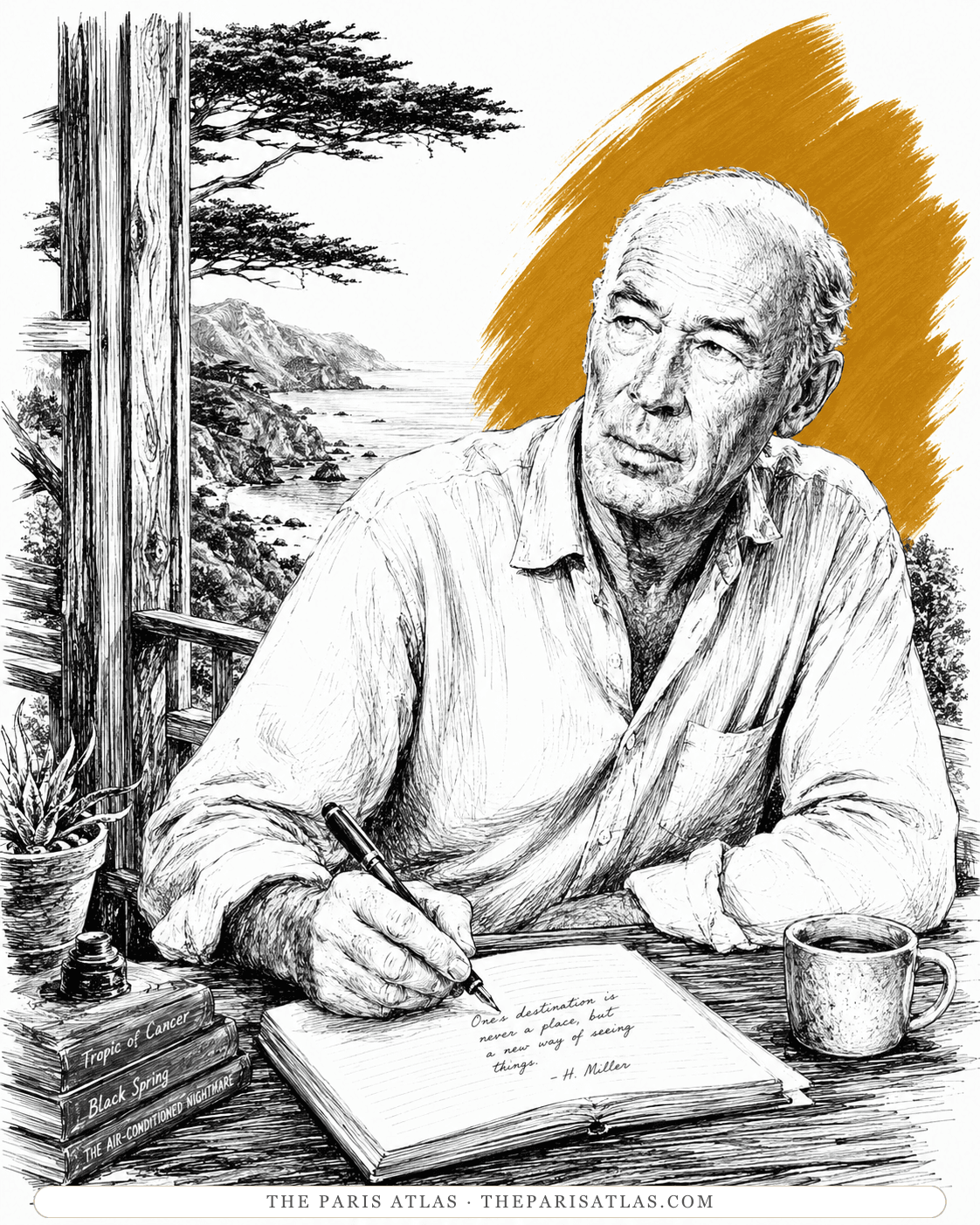

The Wisdom of the Heart
'Reflections on Writing,' the compilation's cornerstone, lives there in full.
Read our take
by Henry Miller
Everything Miller ever said about the work itself, gathered into one volume — the accidental craft book of the century's least teachable writer.
A 1964 New Directions compilation, assembled with Miller's blessing from across the whole body of work: the passages where he talks about writing — the failure years, the finding of the voice, the daily practice, the war with obscenity laws, the reasons for doing it at all. Miller never wrote a craft manual; it turned out he had written one anyway, scattered through thirty years of books, and this volume collects it. The eleven commandments he pinned over his desk in Clichy are here. (A compilation — nothing here to spoil.)
The premise is a librarian's insight: Miller's real subject had always been the writing life — no author of his era described the actual practice more often or more nakedly — but the testimony lay scattered across novels, essays, and letters. Assembled by Thomas H. Moore of the Henry Miller Literary Society with the author's cooperation, the 1964 volume gathers it into an arc: the Brooklyn years of imitation and failure; the Paris breakthrough, when he abandoned literature and wrote Tropic of Cancer; the working methods; and the long war with censorship, concluded in the American courts that same decade.
The famous set piece is the list: the eleven 'commandments' Miller posted above his desk in the Clichy days — work on one thing at a time, finish what you start, don't be nervous, work calmly and joyously — a scandalous writer's startlingly sober work rules, since pinned over a thousand other desks. Around it, the deeper doctrine the whole shelf demonstrates: that the writing and the living are one problem, and no technique survives a false life. Aspiring writers keep discovering the book with a shock — the century's great literary outlaw turns out to be its most practical shop foreman.
Selections in a purposeful order: first the apprenticeship testimony — the decade of writing badly, told from inside; then the breakthrough passages from the Paris years, where the voice arrives and Miller catches it happening; then the working life — habits, revision, the desk commandments, the economics of staying unpublishable; and finally the obscenity war, in the essays and statements that carried it. Sourced from across the books, with the passages' origins noted.
Useful straight through or as an oracle: open anywhere and you get the same message at a different temperature — write from the life, or don't bother.
In Reflections on Writing, Miller presents apprenticeship as something he had to break out of, not simply complete. Studying admired authors and trying their styles leads, in his account, to a dead end; beginning again requires abandoning the models he had trusted. This is a story of artistic liberation, but not proof that influence disappeared. Scholar Maria R. Bloshteyn contrasts that declaration with his later use of other writers' styles, distinguishing imitation from deliberate, sometimes ironic citation. Read with that distinction in mind, the breakthrough changes his relationship to predecessors: their voices can become material rather than standards he must satisfy.
The commandments contain an escape clause: Miller allows himself to discard the program, provided he returns the next day. That permission complicates the instruction to follow a schedule rather than a mood. Discipline means maintaining a practice through variable days, not demanding identical inspiration every morning. The accompanying Daily Program assigns note-typing to groggy mornings and leaves room for friends, café reading, exploration and painting. These prescriptions do not prove how faithfully he followed them. They do show a working ideal in which concentration needs renewal, and an unproductive spell need not become a verdict on the writer's identity.
The failure years and the breakthrough, in the author's own accounting — more useful than a hundred how-to manuals, and funnier.
Eleven lines of desk-side law that have outlived most of the century's writing advice.
Write from the life you actually live — the single doctrine, documented from Brooklyn to Big Sur.
1920s
The Brooklyn apprenticeship — a decade of writing badly — supplies the book's testimony on the failure years.
1934
The Paris breakthrough, Tropic of Cancer, gives the volume its central account of the voice arriving.
1964
New Directions publishes the compilation, assembled from thirty years of books by Thomas H. Moore of the Henry Miller Literary Society with Miller's cooperation.

'Reflections on Writing,' the compilation's cornerstone, lives there in full.
Read our take

Henry Miller. New Directions published the compilation in 1964, assembled with his blessing by Thomas H. Moore of the Henry Miller Literary Society.
A gathering of the passages where Miller talks about writing — the failure years, the finding of the voice, the daily practice, the war with obscenity laws — drawn from across thirty years of novels, essays, and letters.
Not deliberately. He never wrote a craft manual, but it turned out he had written one anyway, scattered through his books, and this volume collects it.
Yes. The eleven "commandments" Miller pinned over his desk in the Clichy days — work on one thing at a time, finish what you start, work calmly and joyously — are here, the most-quoted writing advice on the shelf.
Writers first and always — it is Miller's working manual — plus Miller readers tracing his doctrine that the writing and the living are one problem back to its sources.
Explore authors with a similar voice, perspective, and influence.

Miller's acknowledged master at making literature out of the gutter. Journey gave him permission; Cancer is what he did with it.
View author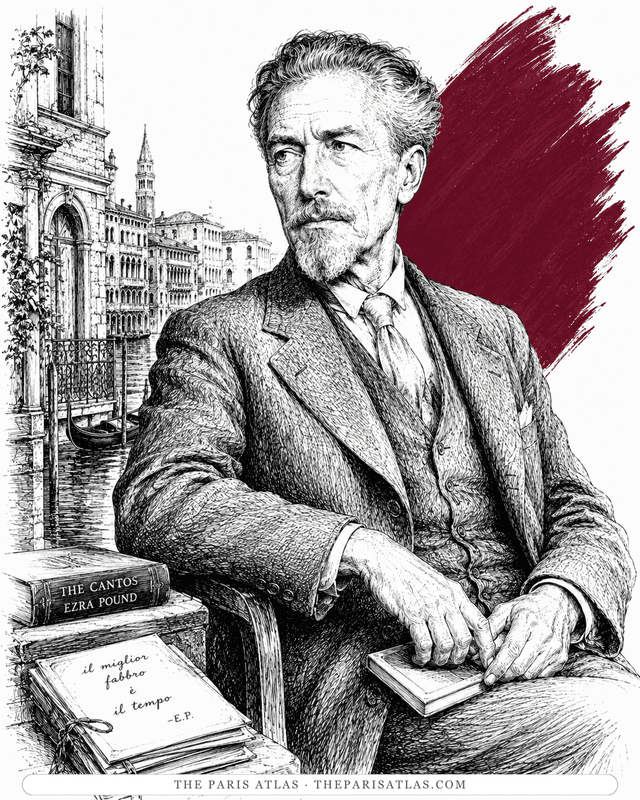
Pound read Cancer and sent Miller a famously backhanded postcard. Both believed literature's job was to wake the reader by any means necessary.
View author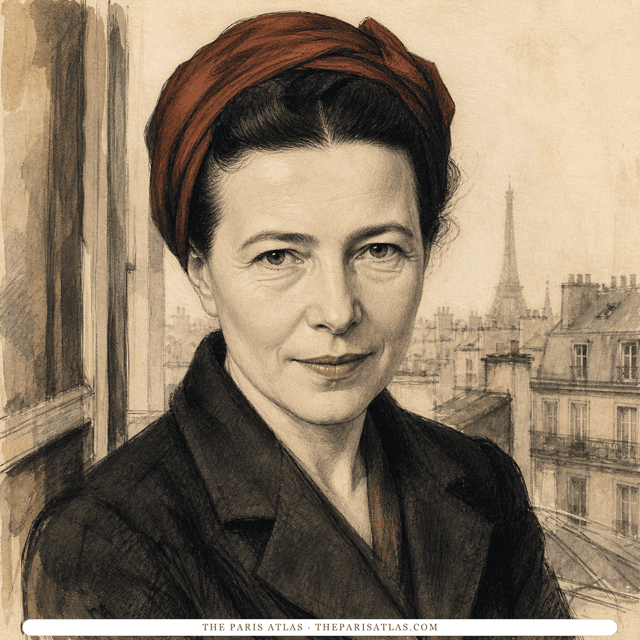
French writer and philosopher whose novels, memoirs, and social analysis examined freedom, gender, responsibility, aging, and the material conditions that shape a life.
View authorThe sources below include the primary text, editions, scholarship, archival materials, and other records that informed this page. They document Henry Miller on Writing, its publication, and its place in literary history.

The primary text represented by this page, used for descriptions of the work’s contents and for any quoted passages shown here.
Used to place Henry Miller on Writing within Henry Miller's published work and verify its bibliographic context.

Used for independent biographical, archival, or historical context surrounding Henry Miller's career and the period in which Henry Miller on Writing appeared.

Used to cross-check authorship, chronology, and the work's place in Henry Miller's wider catalogue.
Used to verify Henry Miller's bibliography and place Henry Miller on Writing within the broader chronology of Henry Miller's career.
Printed pp. 77–78 quote Reflections on Writing and distinguish imitation from Miller's later use of other writers' styles. The critical interpretation is attributed.
Public reproduction of the Commandments and Daily Program; used to analyze flexible discipline, not to verify actual adherence to the routine.
The primary text is the baseline reference for every book page. Additional references document publication history, interpretation, and historical context where that evidence is available.
 Explore more resources