
Depicted in its pages
Tropic of Cancer
Scenes at the Dôme's bar run through the novel — Miller's 1930s headquarters, a decade after Jake Barnes walked past its terrace.
The noisy common room of Montparnasse and the setting of 'With Pascin at the Dôme' — the café for watching the show, not for working.
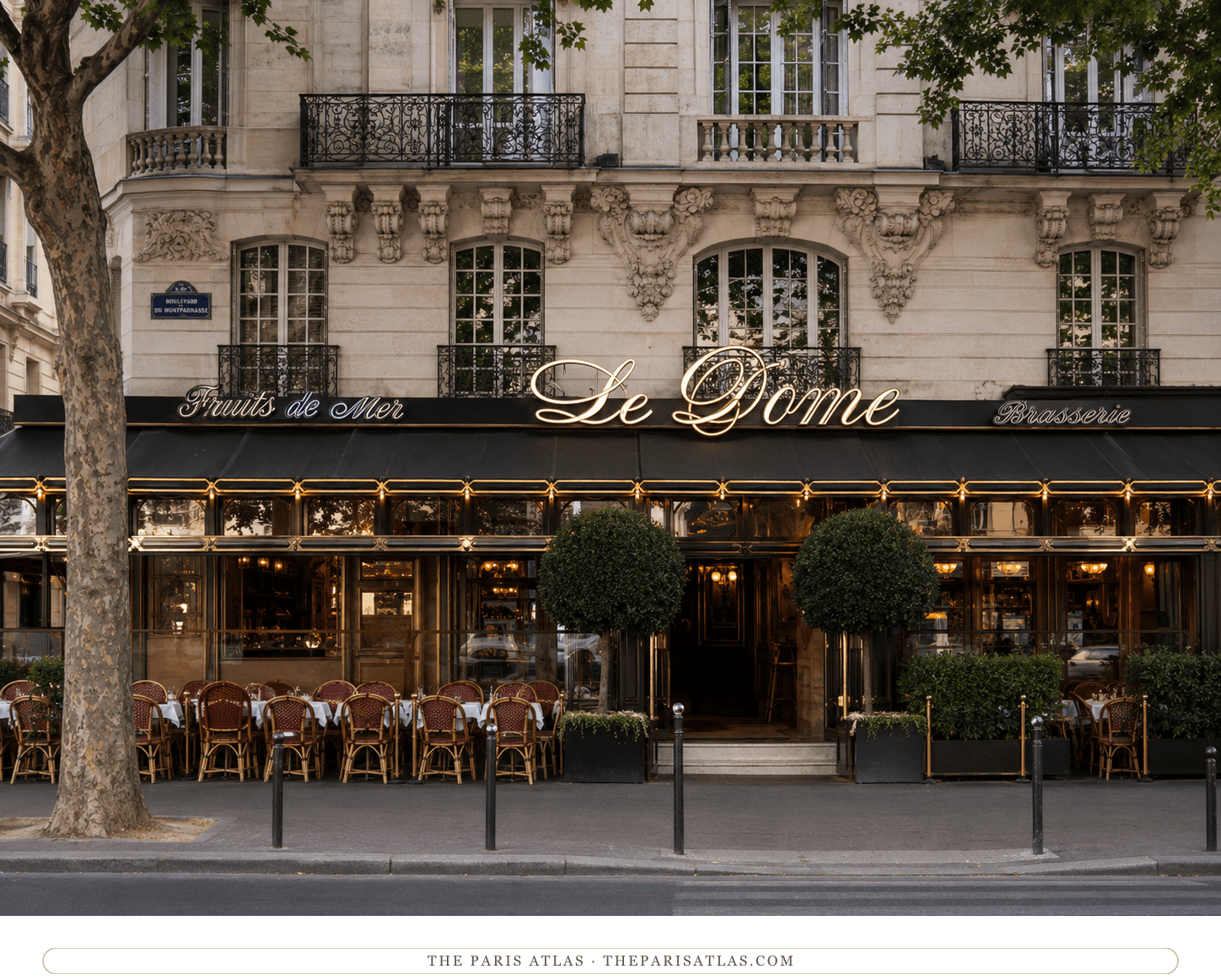
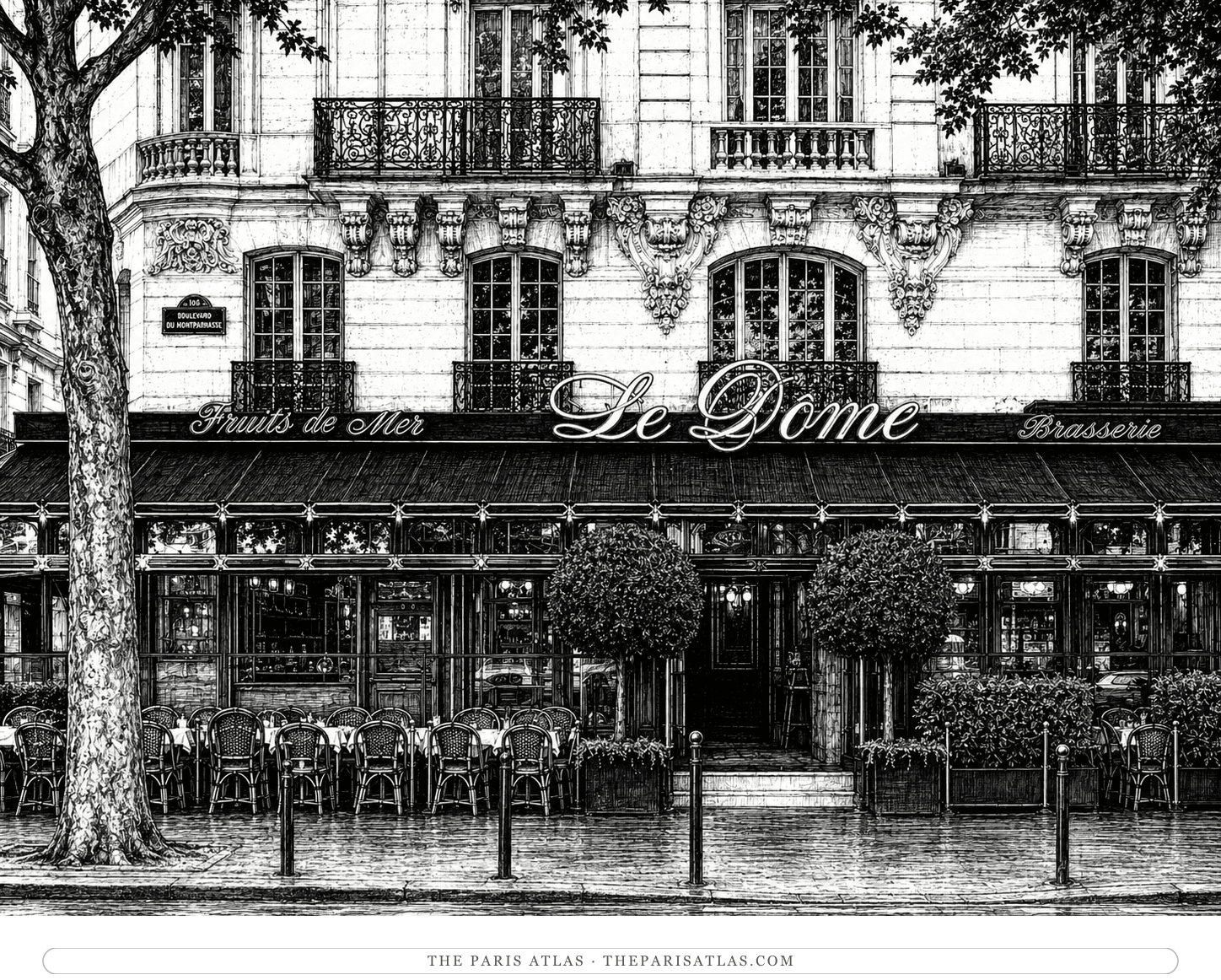
The Dôme opened in 1898 at the Vavin crossroads and got there first: before the Rotonde across the street, before the Select, before the Coupole. By the 1900s its regulars had a name — the Dômiers — and the terrace was the clubhouse of an international art colony that argued in German, Yiddish, Russian, and eventually American. When the twenties made Montparnasse the capital of modern art, the Dôme was its floor of parliament.[1]
Blaise Cendrars belonged to the terrace crowd too. Michel Seuphor, chronicler of the abstract painters, remembered the Dôme as the place where on a single day you could meet Marinetti passing through, Cendrars back from America, Robert Delaunay, Jean Arp, Tristan Tzara and Ilya Ehrenburg.[1]
Hemingway drew a hard line between cafés for working and cafés for performing, and the Dôme sat firmly on the performing side — in A Moveable Feast he is scathing about its crowd of people posing as artists. But the book's warmest café chapter happens here anyway: an evening with the painter Jules Pascin, holding court with two of his models, generous and funny and already carrying the sadness that would end him. 'With Pascin at the Dôme' is the era's café life in one scene — the charm, the talent, and the bill that eventually comes.[2]
Pascin hanged himself in 1930, on the eve of his own gallery opening, and Montparnasse's golden decade effectively closed with him. The Dôme survived its own legend the way Paris institutions do: by becoming an excellent, expensive restaurant. The terrace at the crossroads still operates, and the name on the awning hasn't changed in a century and a quarter.[1]
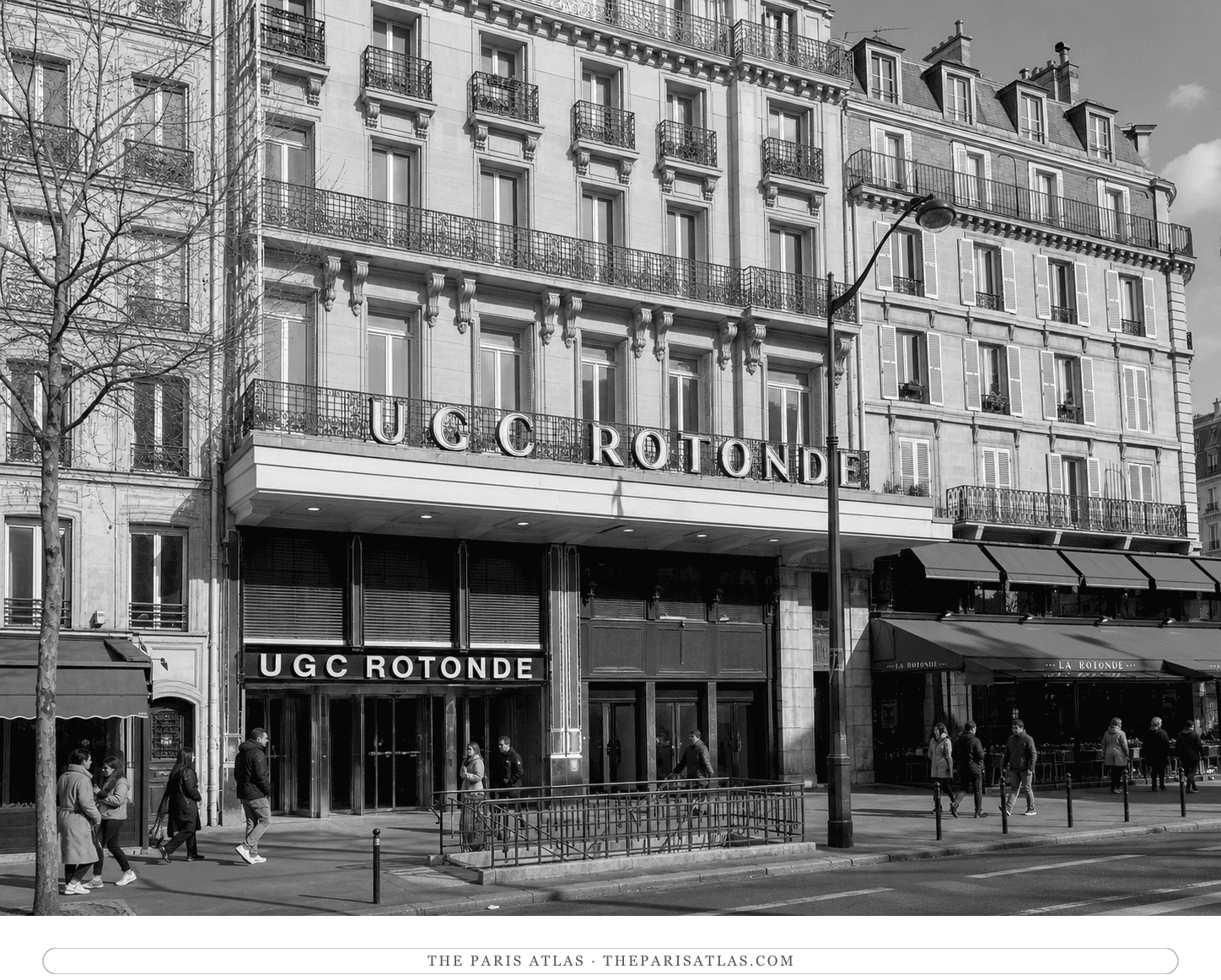
I went out onto the sidewalk and walked down toward the Boulevard St. Michel, passed the tables of the Rotonde, still crowded, looked across the street at the Dome, its tables running out to the edge of the pavement.
At the Closerie des Lilas you will mostly find Poles. At the Rotonde you will find Italians, Spaniards, and Balkanics — with a sprinkling of French. At the Dome there are Scandinavians, British, and Americans.
Paris! Meaning the Café Select, the Dôme, the Flea Market, the American Express.
Opens at the Vavin crossroads; the regulars become the 'Dômiers.'
The international art colony adopts it — the first sorting house of Montparnasse.
The Anglo-American wave arrives; the terrace becomes the era's stage set.
The evening with Jules Pascin and his models, later the chapter 'With Pascin at the Dôme.'
Pascin's suicide closes the golden decade; the quarter's center of gravity never fully recovers.
Still open at the same corner, awning and name intact.
Depicted in its pages
Scenes at the Dôme's bar run through the novel — Miller's 1930s headquarters, a decade after Jake Barnes walked past its terrace.

Mentioned in passing
The other corner of Jake's nightly geography — he predicts the taxi drivers will make it the Rotonde's successor within ten years.

Recalled in the memoir
The noisy heart of Montparnasse café life and the setting of 'With Pascin at the Dôme.' Visually iconic — neon sign, corner terrace — and still open.

Depicted in its pages
Scandinavians, British, and Americans — the Dôme's row in the café census, plus the painters in négligé dodging the tourists in pearls.
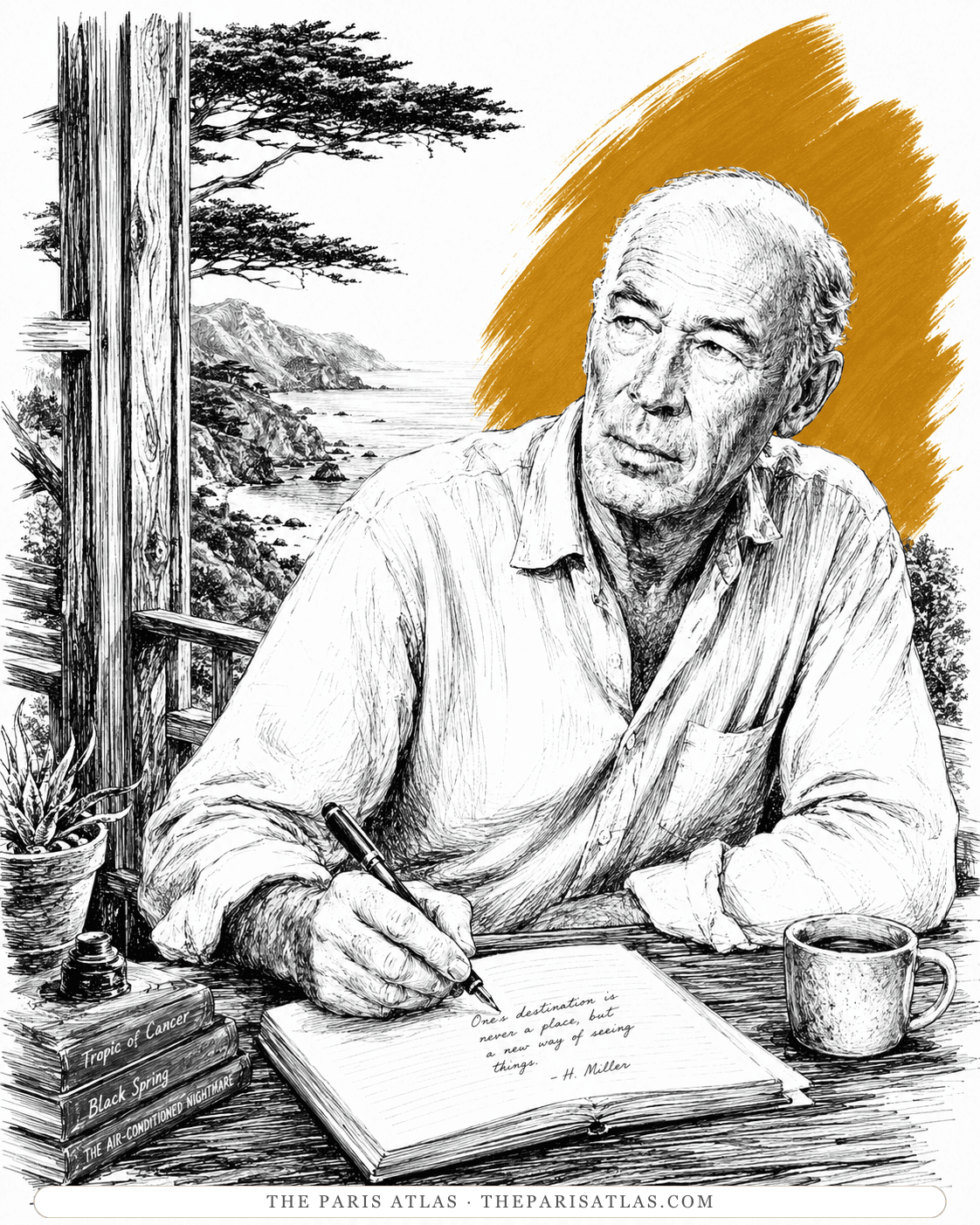
Frequented by · 1930–1939
Miller's principal café of the 1930s — Brassaï's memoir of the Paris years opens on the Dôme's terrace, and the novel stages scenes at its bar.
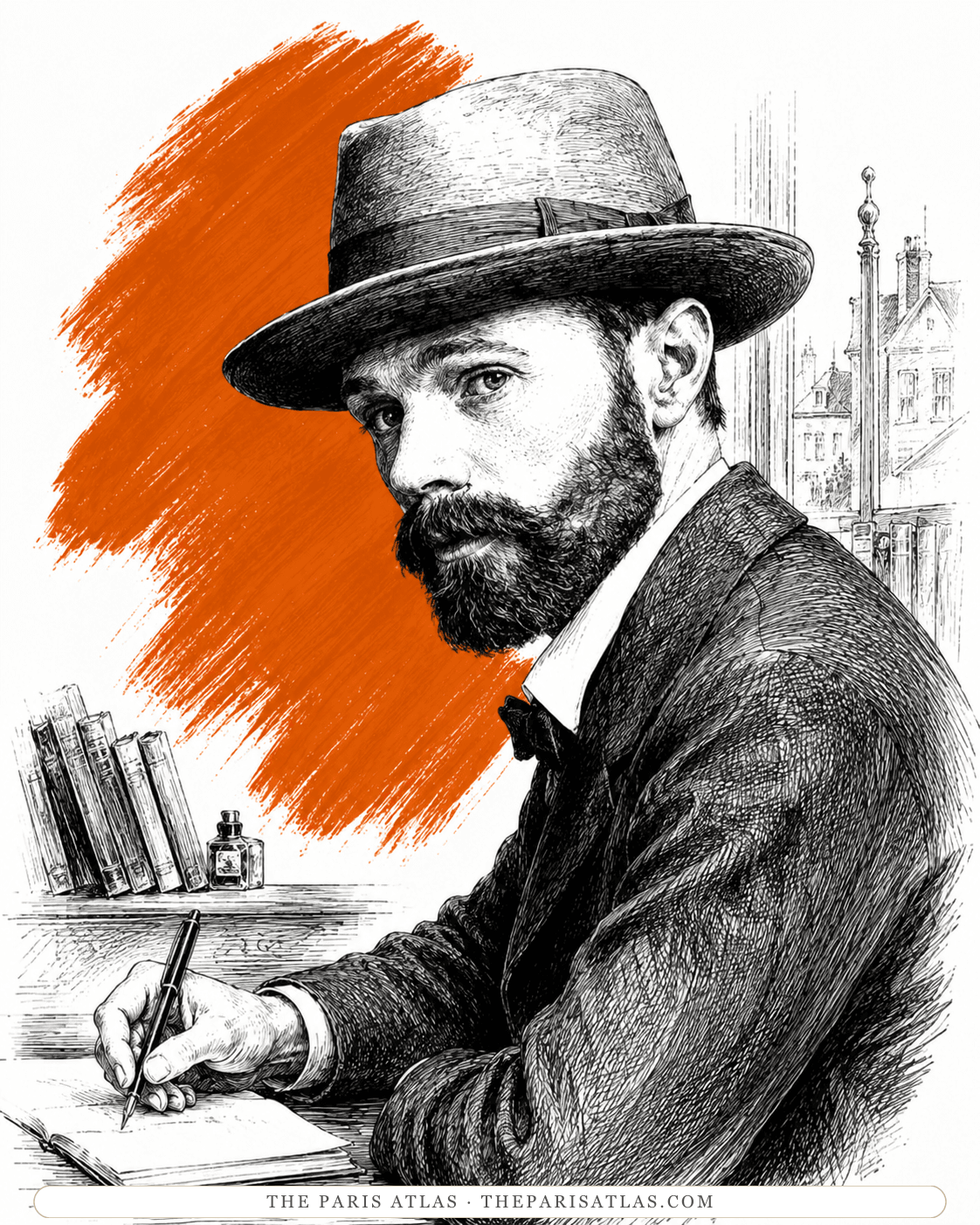
Frequented by · 1929
The café was a few doors along the same boulevard as his hotel, and he went there during his month in the city. No source records who he sat with.
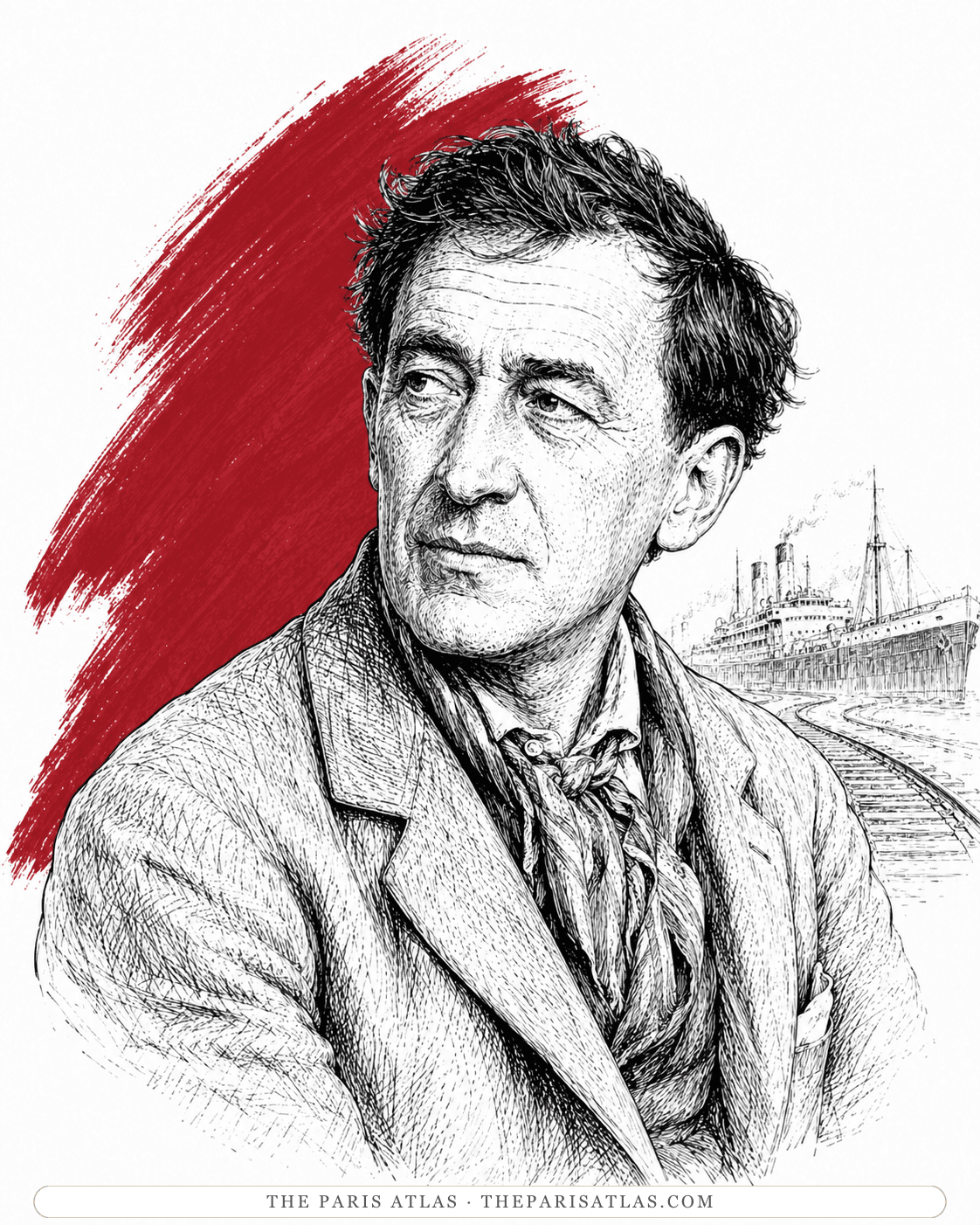
Frequented by
Michel Seuphor's 1957 history of abstract painting recalls the Dôme terrace as the place where, on the same day, one could meet Cendrars back from America alongside Delaunay, Arp, Tzara and Ehrenburg; a Montparnasse café history also counts him among those who came to the Dôme to drink and talk.
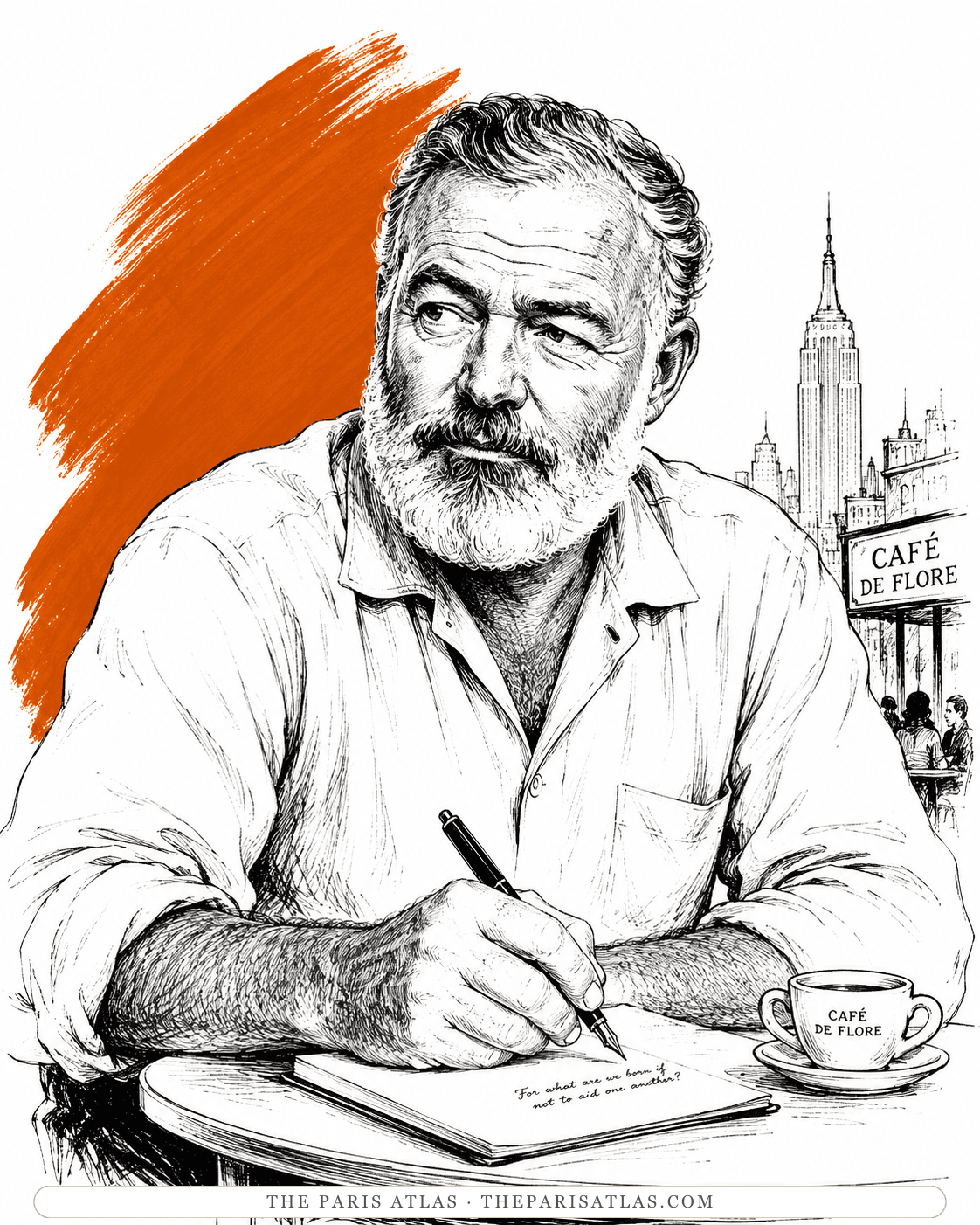
Ernest Hemingway wrote about Le Dôme in The Sun Also Rises and A Moveable Feast.
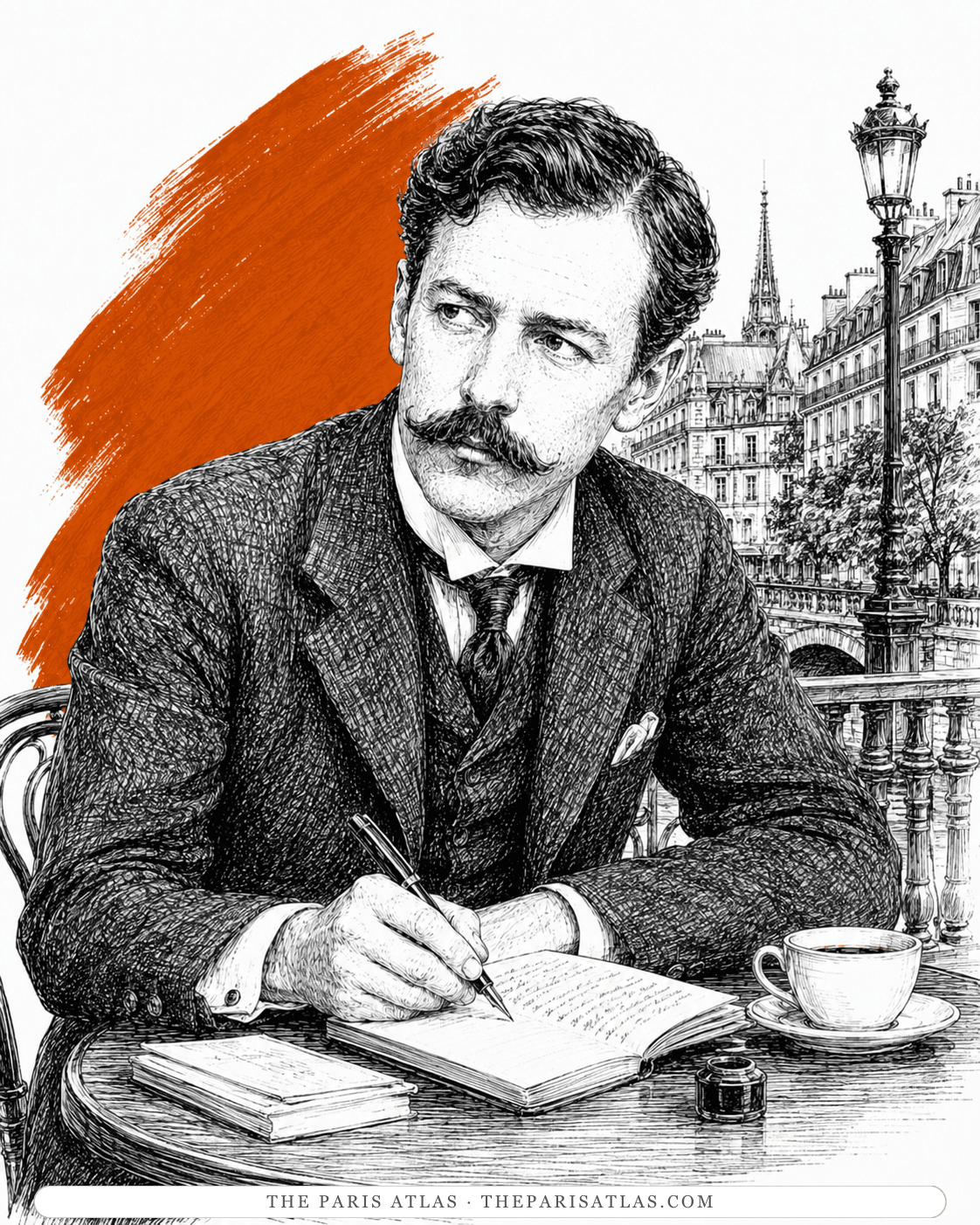
Sisley Huddleston wrote about Le Dôme in Paris Salons, Cafés, Studios.
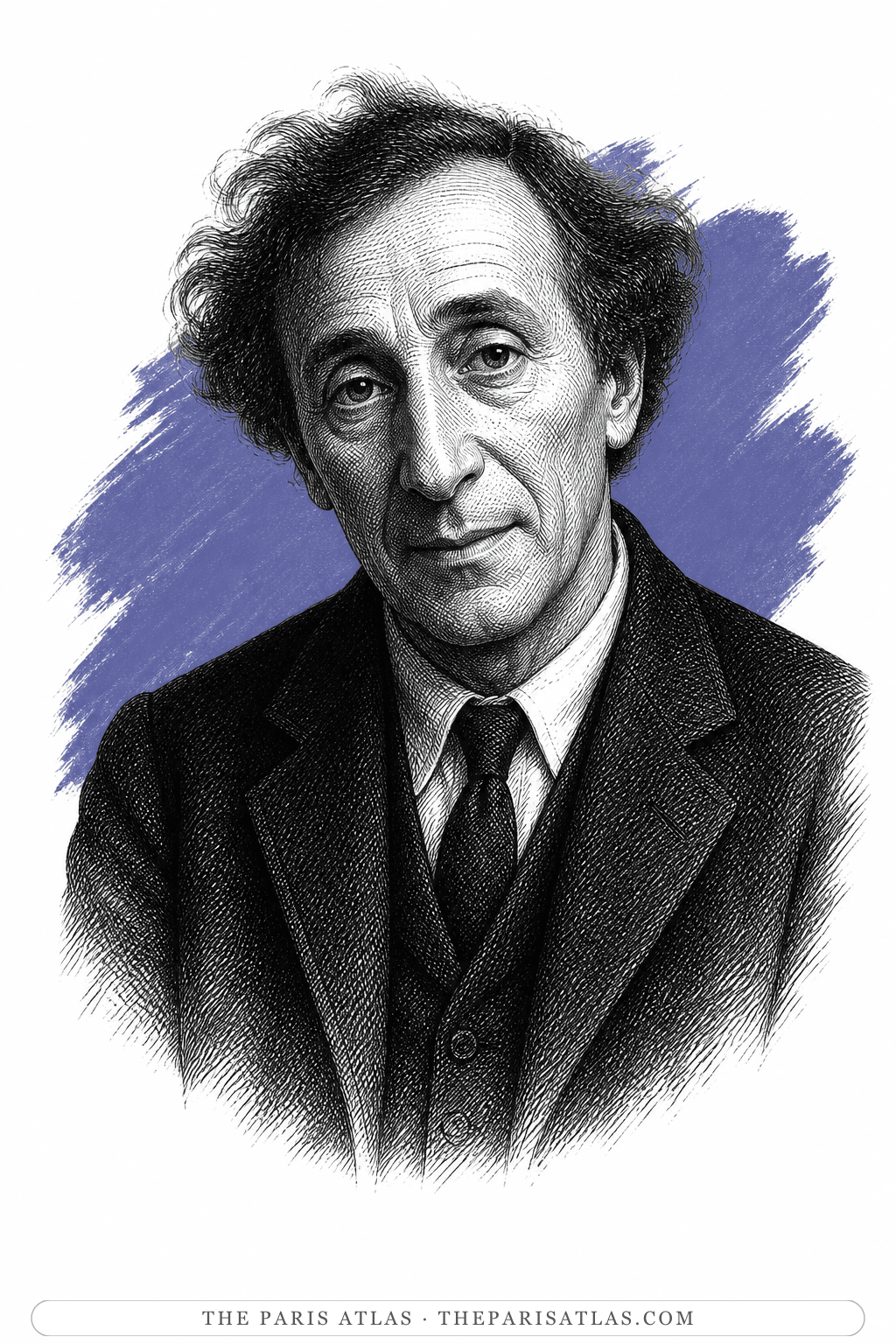
The Dome was the first Montparnasse cafe to draw the international arrivals, and Chagall was among the foreign painters on its terrace.
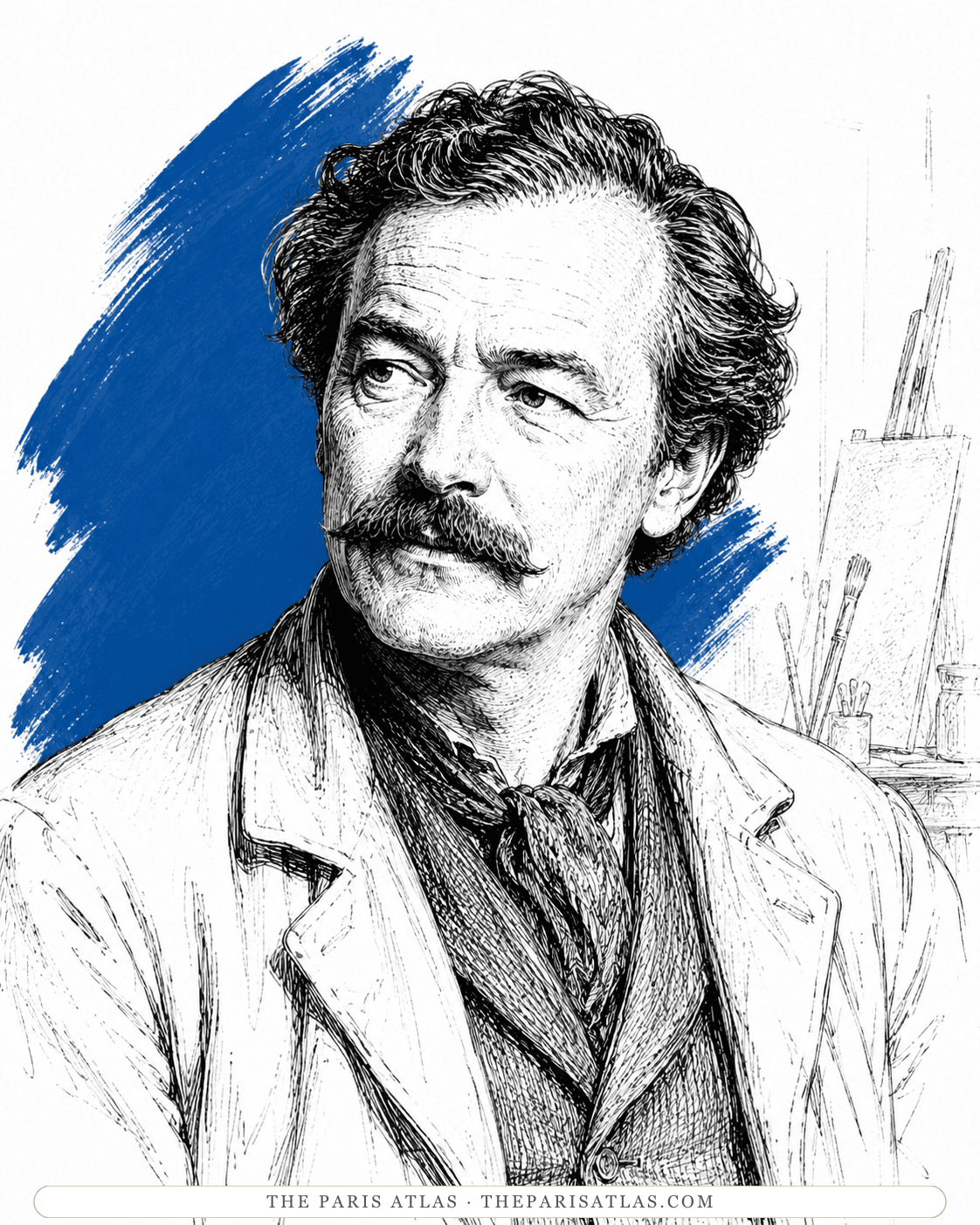
They met at the Dôme in 1928 and stayed friends for life — Miller prefaced the catalog of Michonze's 1959 London exhibition, and the painter's rue de Seine studio appears in The Henry Miller Odyssey film.
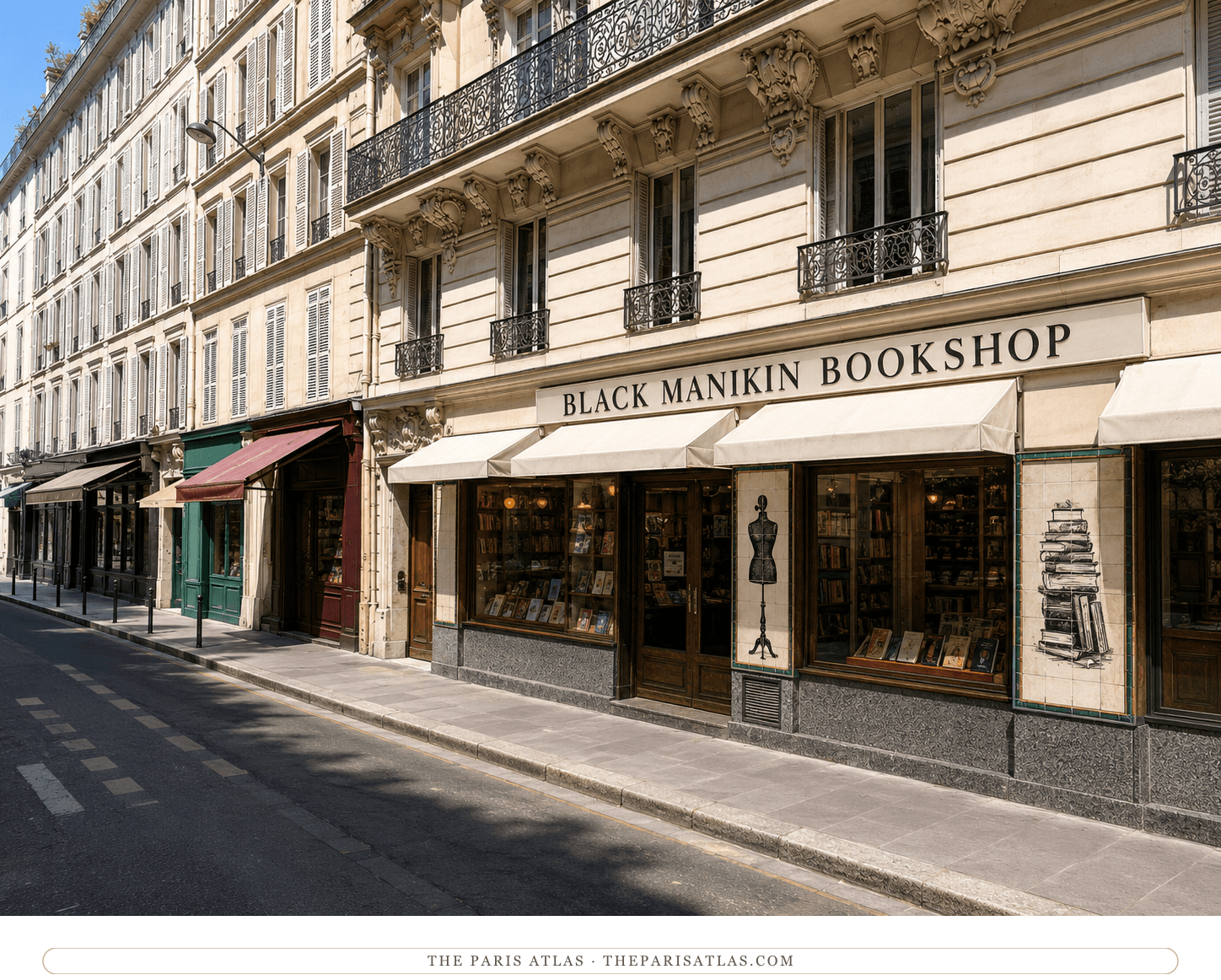
Edward Titus's Montparnasse bookshop and small press, where D. H. Lawrence settled terms on 5 April 1929 for the cheap Paris edition of Lady Chatterley's Lover that finally undercut the pirates.
Visit the place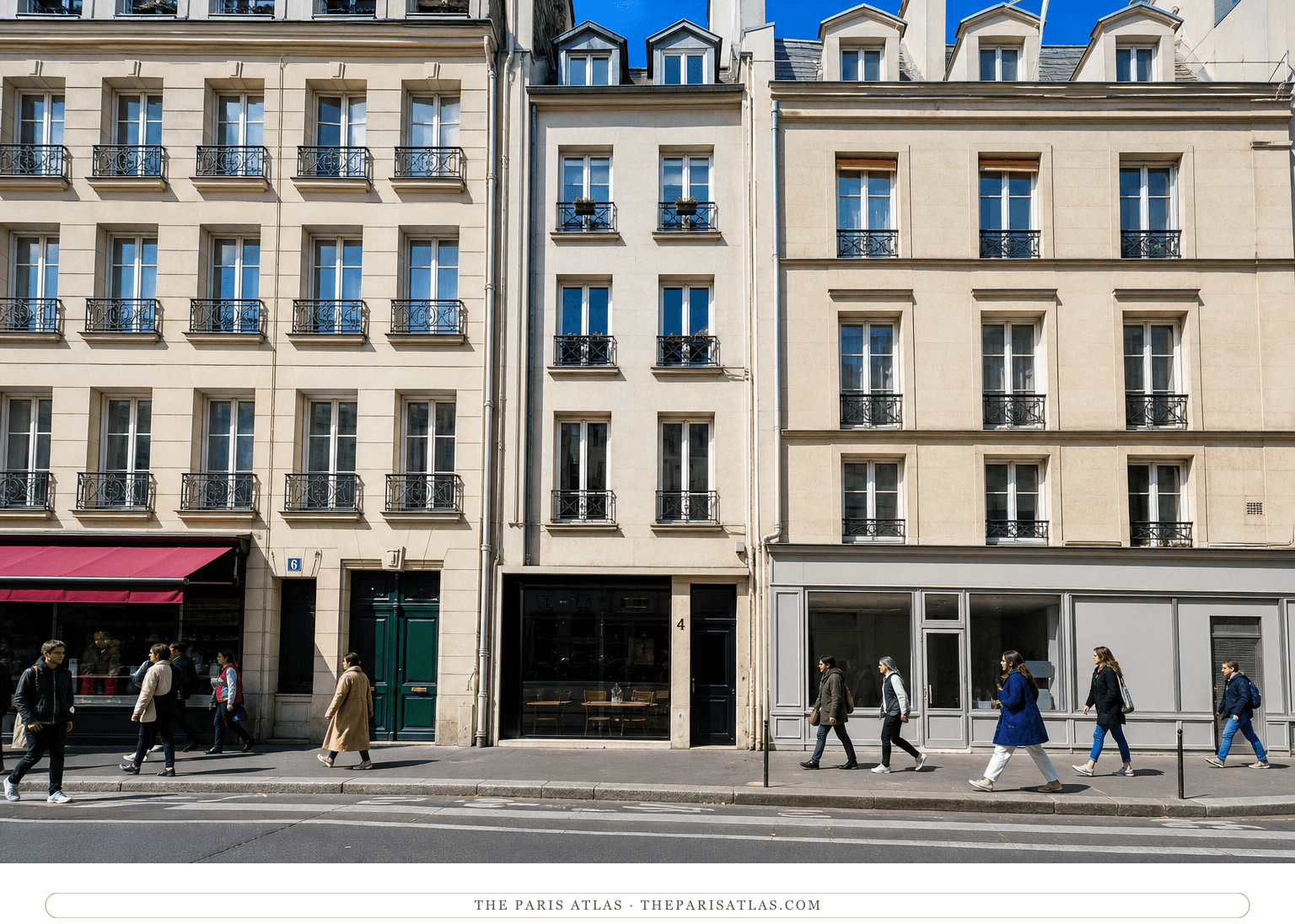
Edward Titus's Montparnasse bookshop and press, which sold copies of the privately printed first edition of Djuna Barnes's Ladies Almanack.
Visit the place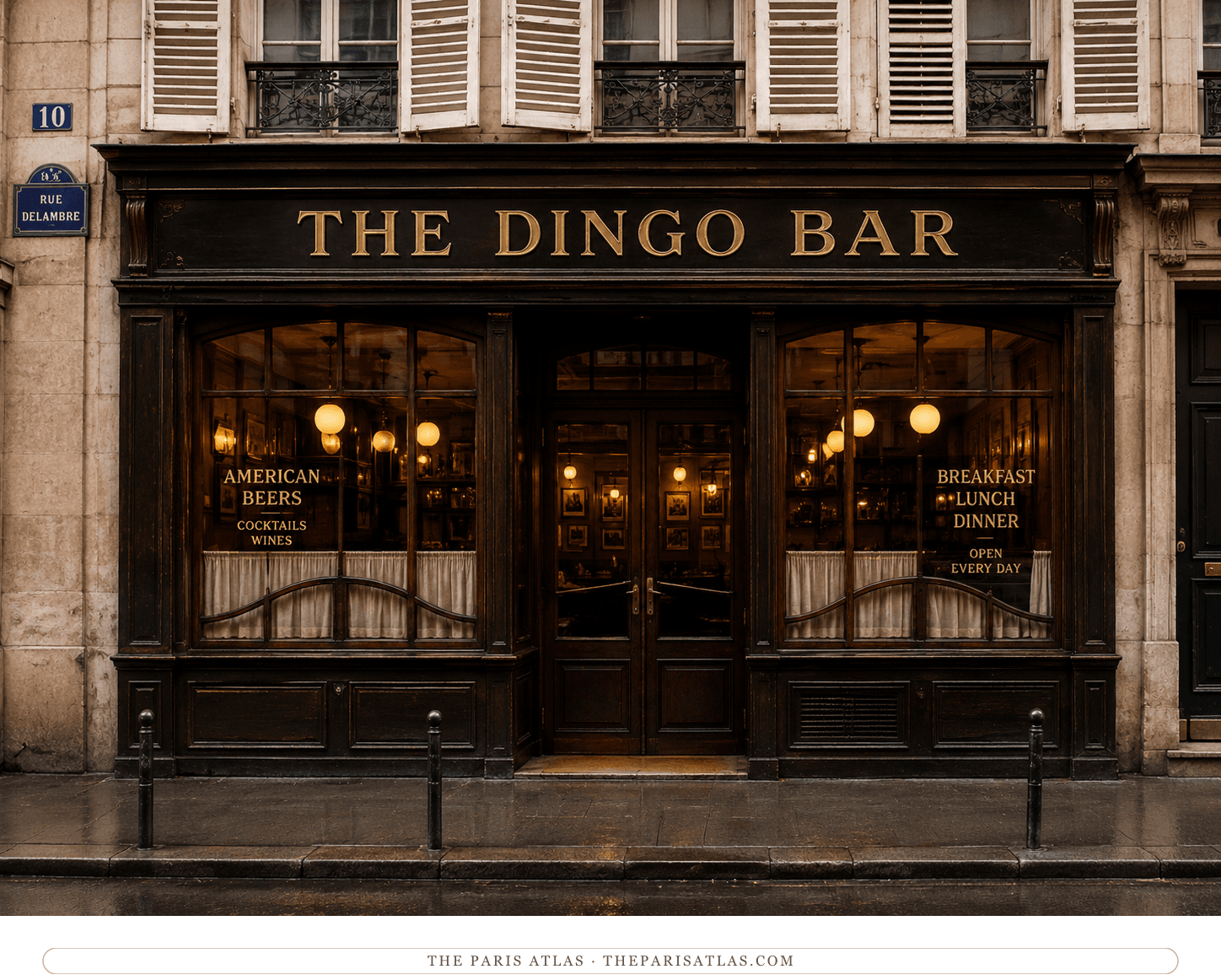
The American bar where Ernest Hemingway met F. Scott Fitzgerald in late April 1925 — two weeks after The Great Gatsby was published.
Visit the place
Where Simone de Beauvoir was born in 1908 and grew up with her sister Hélène — in the middle of Montparnasse, the quarter she would spend most of her life within a few streets of.
Visit the placeThe sources below include histories, archival materials, scholarly research, and official records that informed this page. They document Le Dôme, the people connected to it, and its place in Paris.

First-person evidence and historical context used in preparing the Le Dôme page.
Primary text included as part of the documented record for Le Dôme.

Map data used to verify addresses, geographic coordinates, and the placement associated with Le Dôme.
These references provide the documented foundation for this page's history and context. Claim-level citations remain attached to the specific claims they support.
 Explore more resources
Newsletter
The cafés, studios, and walk-up flats where the work was made — one story from the map in every letter.