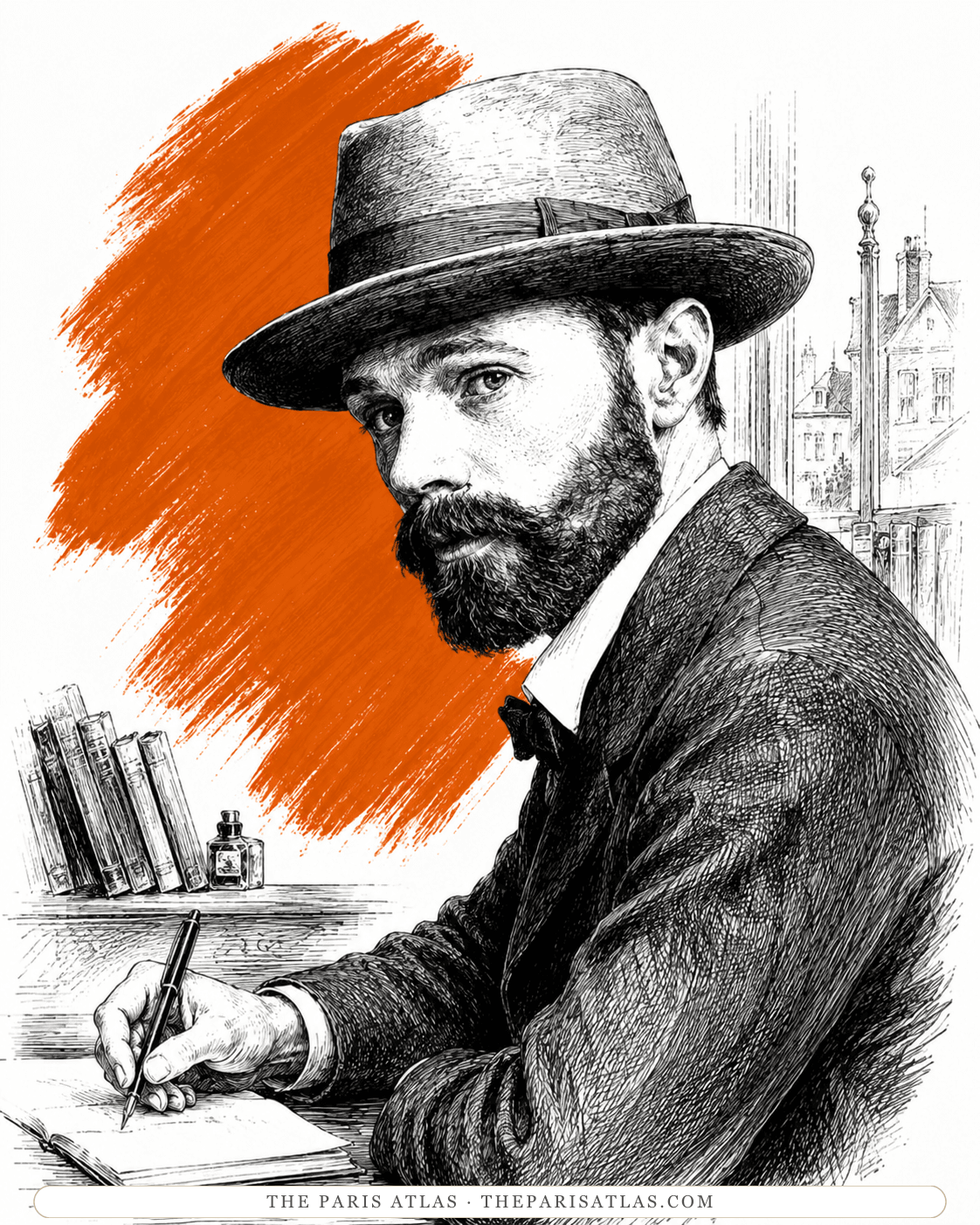
D. H. Lawrence
Frequented by · 1929
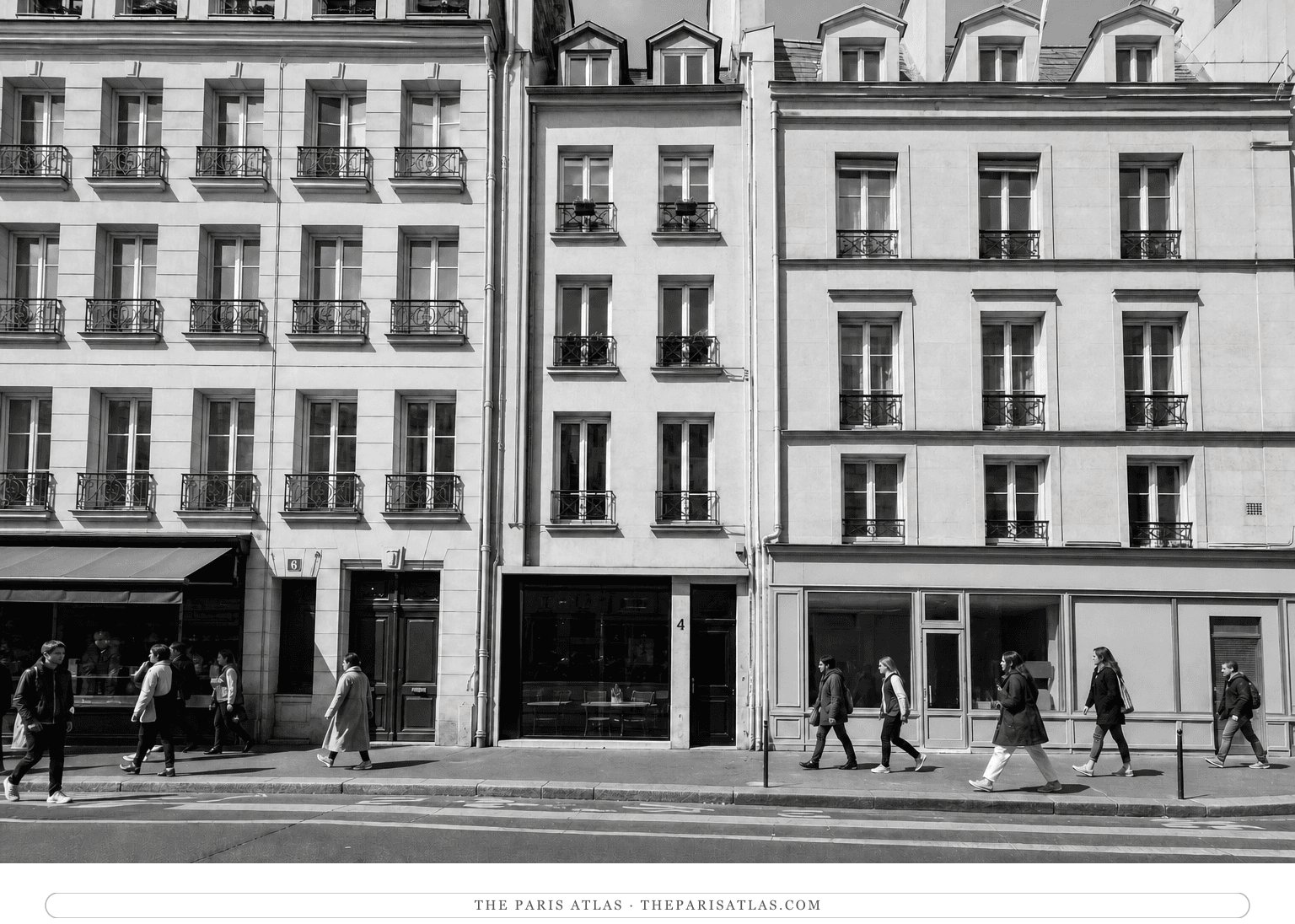
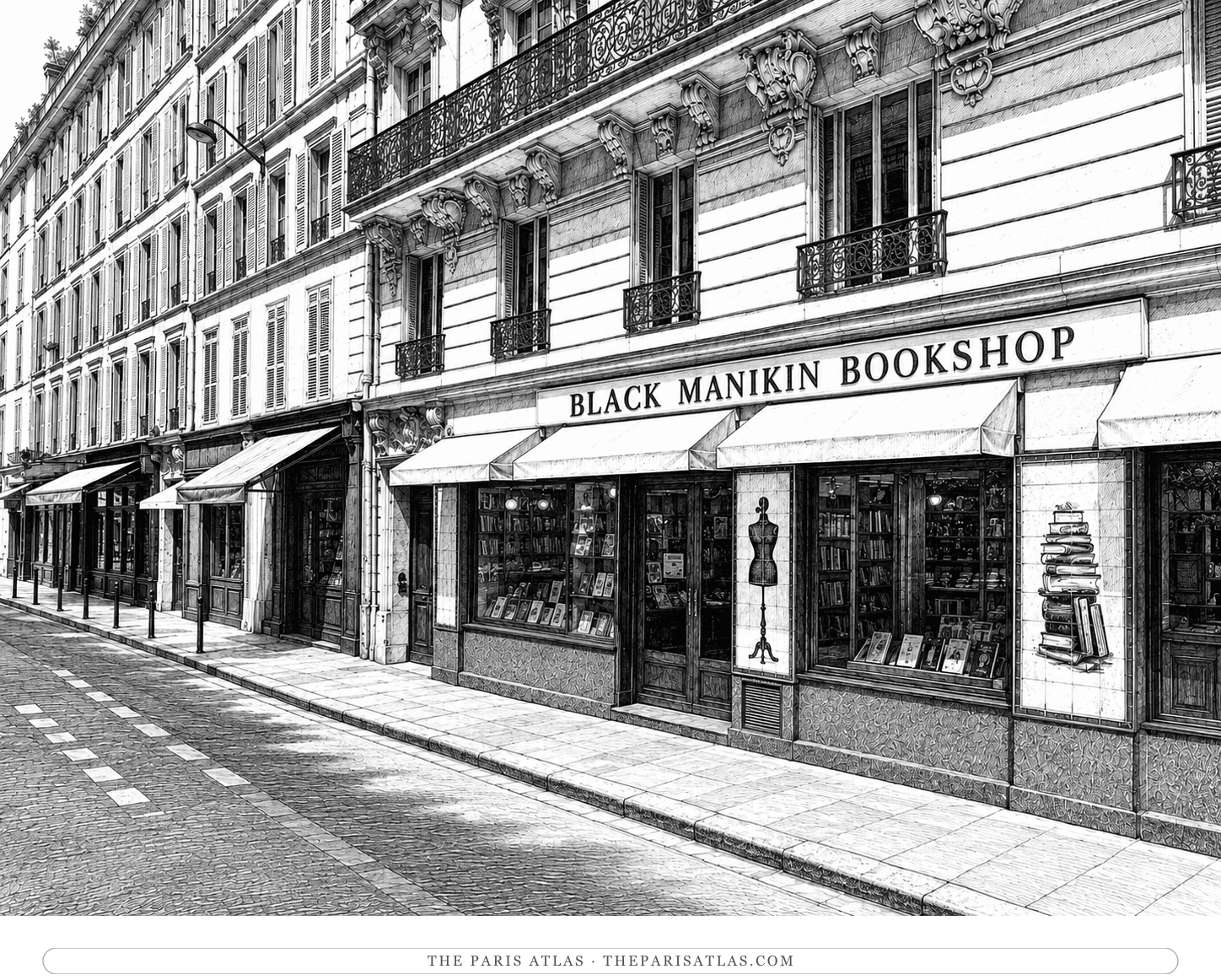
Edward Titus's shop, where the terms for the cheap Paris edition of Lady Chatterley's Lover were settled on 5 April 1929: three thousand copies at sixty francs, against the three hundred the pirates were asking.
Edward Titus's Montparnasse bookshop and small press, where D. H. Lawrence settled terms on 5 April 1929 for the cheap Paris edition of Lady Chatterley's Lover that finally undercut the pirates.
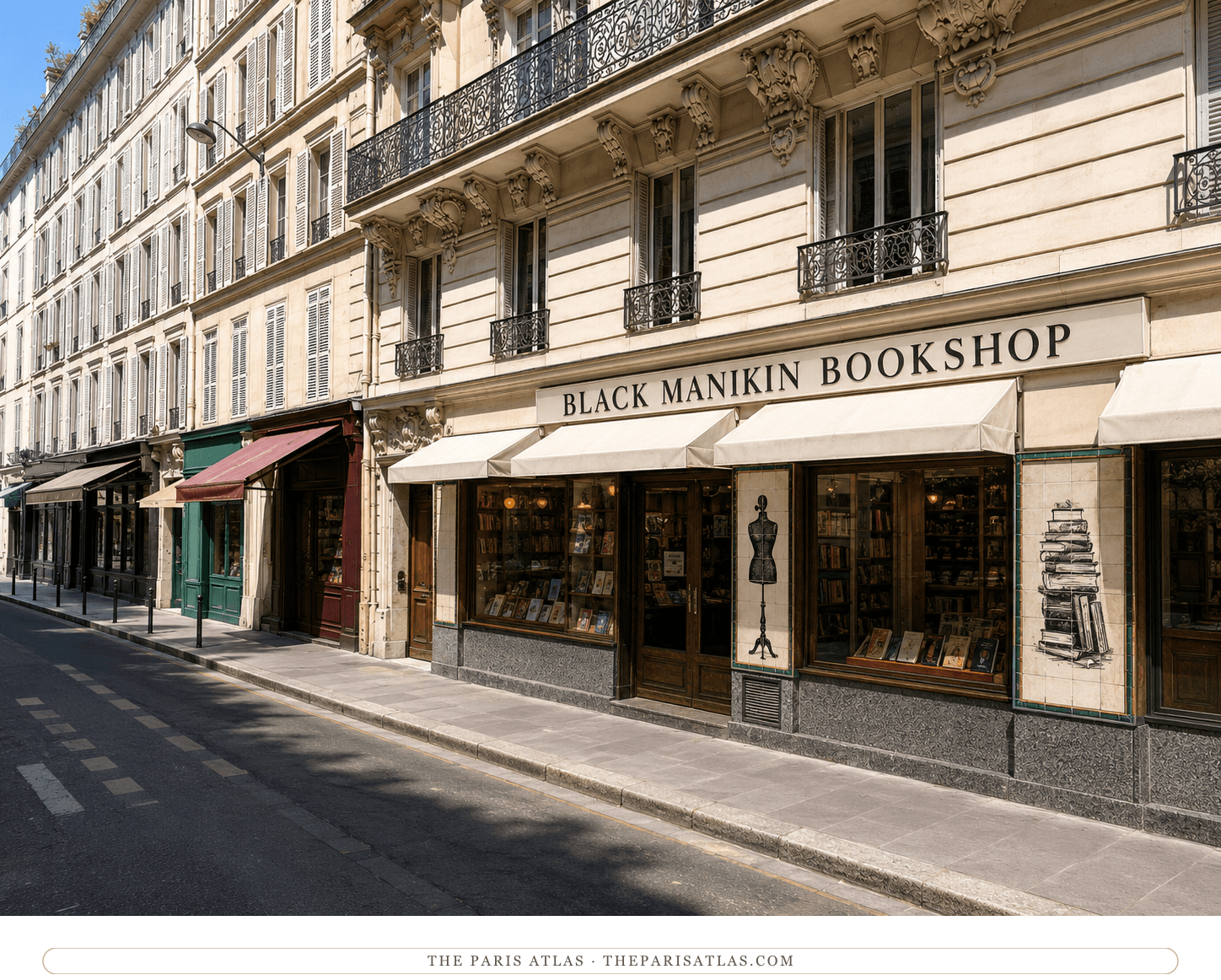
Rue Delambre is a short street running off boulevard du Montparnasse towards the cemetery, and in the 1920s it was thick with the trade that follows writers: bars, cheap rooms, a bookshop. Edward Titus took No. 4 in 1924.[1]
He had an advantage the other small presses did not. His wife was Helena Rubinstein, whose cosmetics business made her one of the wealthiest women in the world, and the couple lived in an art deco block on boulevard Raspail. A press that does not have to make money can print what it likes. Titus used the freedom on translations, on writers who could not get a hearing elsewhere, and on a twenty-nine-year-old unknown called Anaïs Nin, whose first book was a study of Lawrence.[1]
The Black Manikin published between 1926 and 1932. Titus also edited the review This Quarter for part of that period. Both ended in 1932, when the Depression and his separation from Rubinstein's money closed the operation. The last thing of consequence to come off it was D. H. Lawrence: An Unprofessional Study, which Nin wrote in sixteen days and which carries Titus's Paris imprint on its title page.[1]
Lawrence's problem in March 1929 was arithmetic rather than principle. Lady Chatterley's Lover had been printed privately in Florence in 1928 and pirated at once. The pirates could charge three hundred francs because the book was difficult to obtain, and the author received nothing from any of it. A cheap authorised edition would take the scarcity away and, with it, the pirates' margin.[2]
He had already been burned once that month. Frank Groves, a bookseller at the Palais-Royal who had offered to help produce a Paris edition, published a pirated one instead, printed in Germany; Lawrence found out on 15 March. Beach refused the book outright a few days later.[3]
Titus took it. The terms Lawrence recorded on 5 April 1929 were three thousand copies at sixty francs, with further printings allowed for. The first printing appeared in May, a second three thousand followed in mid-August, and a third was authorised on 3 February 1930. It worked exactly as intended: the cheap edition was available, and the pirate editions stopped being worth printing.[4]
The money mattered. Lawrence was forty-three, tubercular, and had spent most of his working life poor. The Paris edition brought him more than a thousand pounds in the eleven months he had left.[2]
Last verified: August 2026.
Edward Titus opens At the Sign of the Black Manikin at 4 rue Delambre.
He begins publishing from the shop under the Black Manikin Press imprint.
Terms for the cheap Paris Lady Chatterley's Lover are settled here on 5 April.
The edition appears in May and reprints in August, 3,000 copies each time.
A third printing is authorised on 3 February, four weeks before Lawrence dies.
The shop and the press both close.
A small English-language press run by the American bookseller Edward Titus from his shop at 4 rue Delambre in Montparnasse, publishing between 1926 and 1932. It is best remembered for the cheap Paris edition of Lady Chatterley's Lover, and for Anaïs Nin's first book, a study of Lawrence she wrote in sixteen days.
Terms with Edward Titus were settled on 5 April 1929, at the Black Manikin bookshop at 4 rue Delambre. The edition was three thousand copies at sixty francs, with provision for further printings.
Because the pirated editions were asking three hundred francs and more. Lawrence's aim was not to make the book expensive and exclusive but to make it cheap and available, so that piracy stopped paying. It worked.
An American bookseller in Paris, married to the cosmetics manufacturer Helena Rubinstein. Her fortune underwrote his shop and press, which let him publish work with no commercial prospects. He also edited the review This Quarter. Both press and shop closed in 1932.
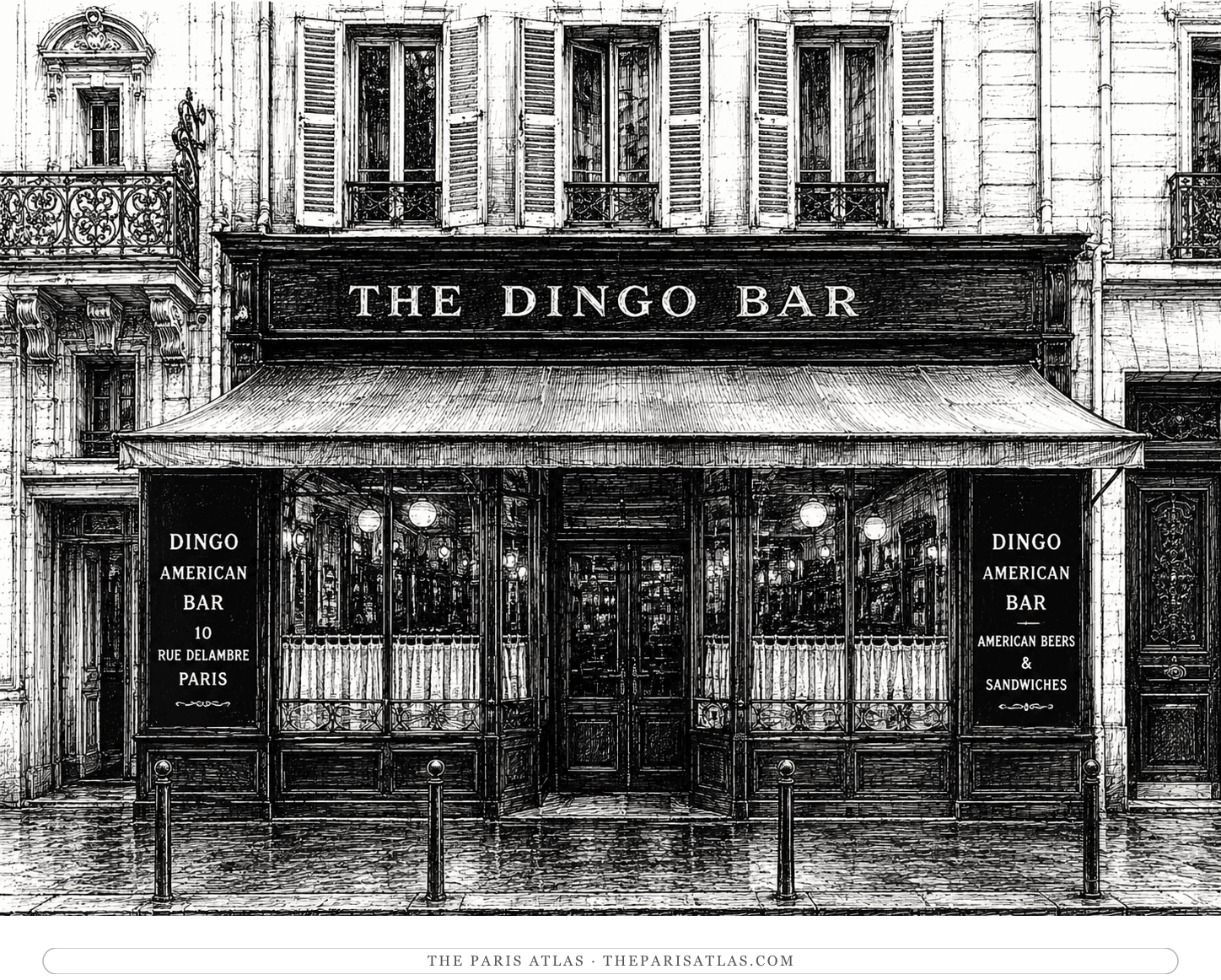
No. It closed in 1932 and there is no plaque or marker at the address. The building stands and is in ordinary use. The street itself is worth walking: the Dingo Bar, where Hemingway and Fitzgerald met, was at No. 10.
Frequented by · 1929
Edward Titus's shop, where the terms for the cheap Paris edition of Lady Chatterley's Lover were settled on 5 April 1929: three thousand copies at sixty francs, against the three hundred the pirates were asking.
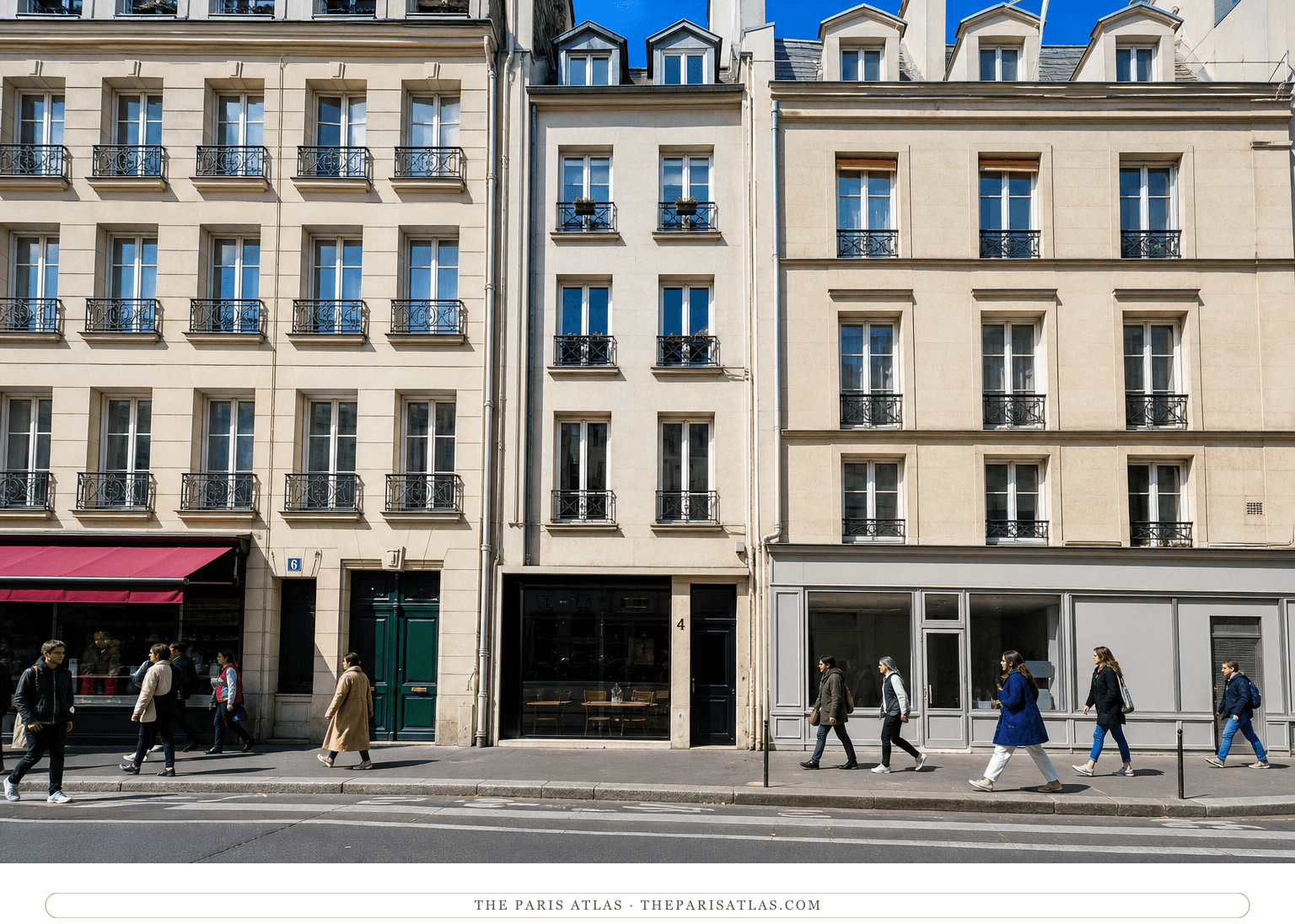
Edward Titus's Montparnasse bookshop and press, which sold copies of the privately printed first edition of Djuna Barnes's Ladies Almanack.
Visit the place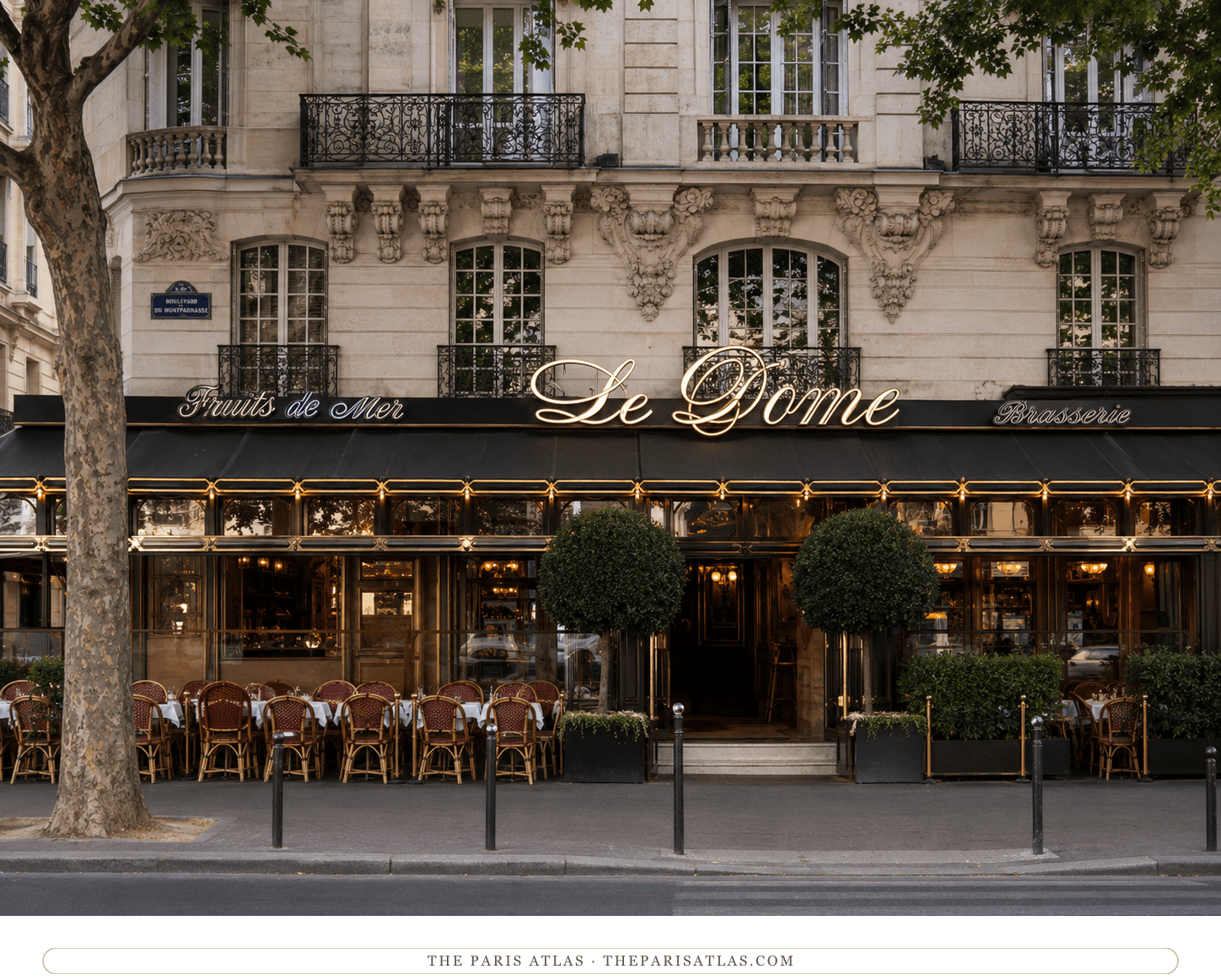
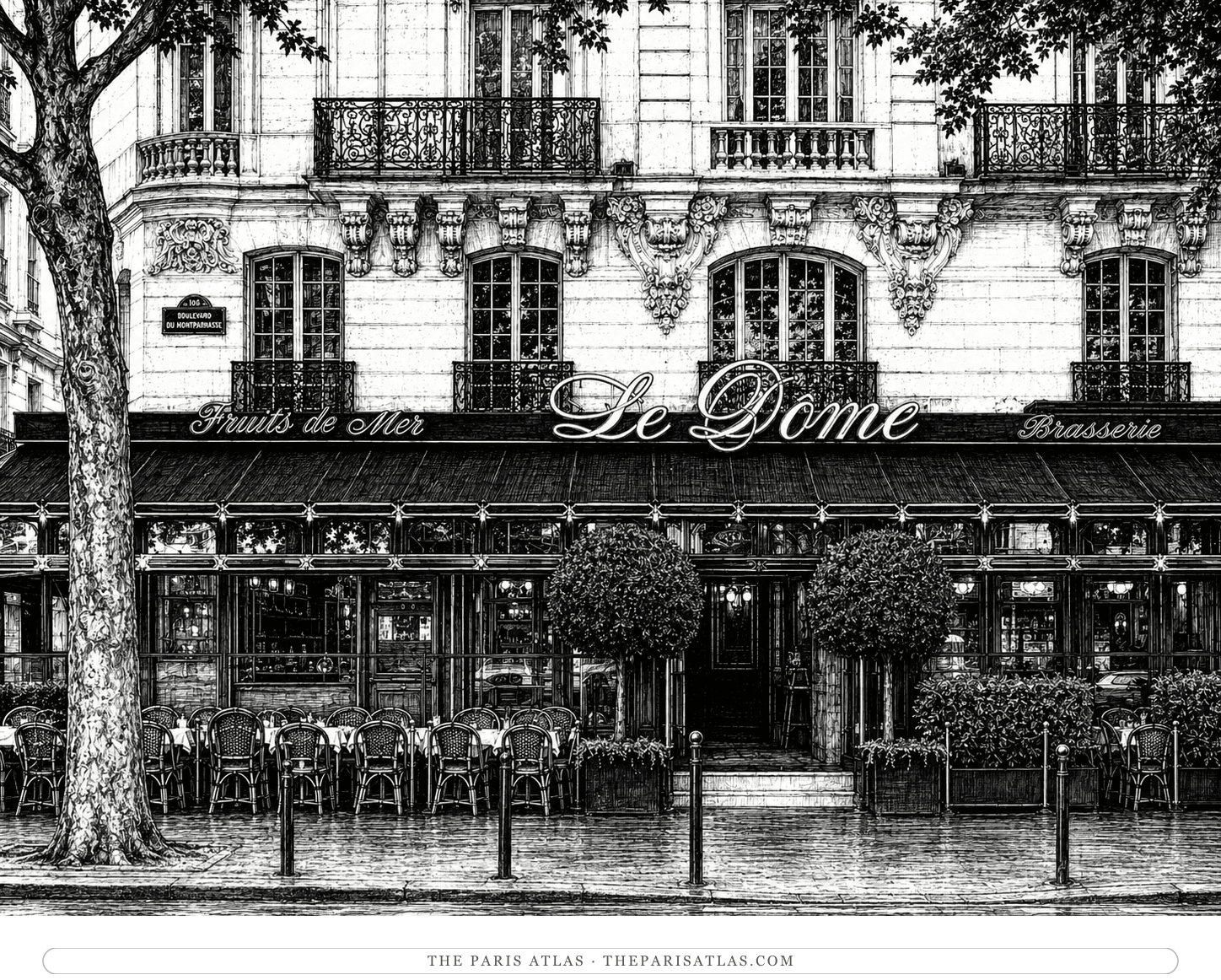
The noisy common room of Montparnasse and the setting of 'With Pascin at the Dôme' — the café for watching the show, not for working.
Visit the place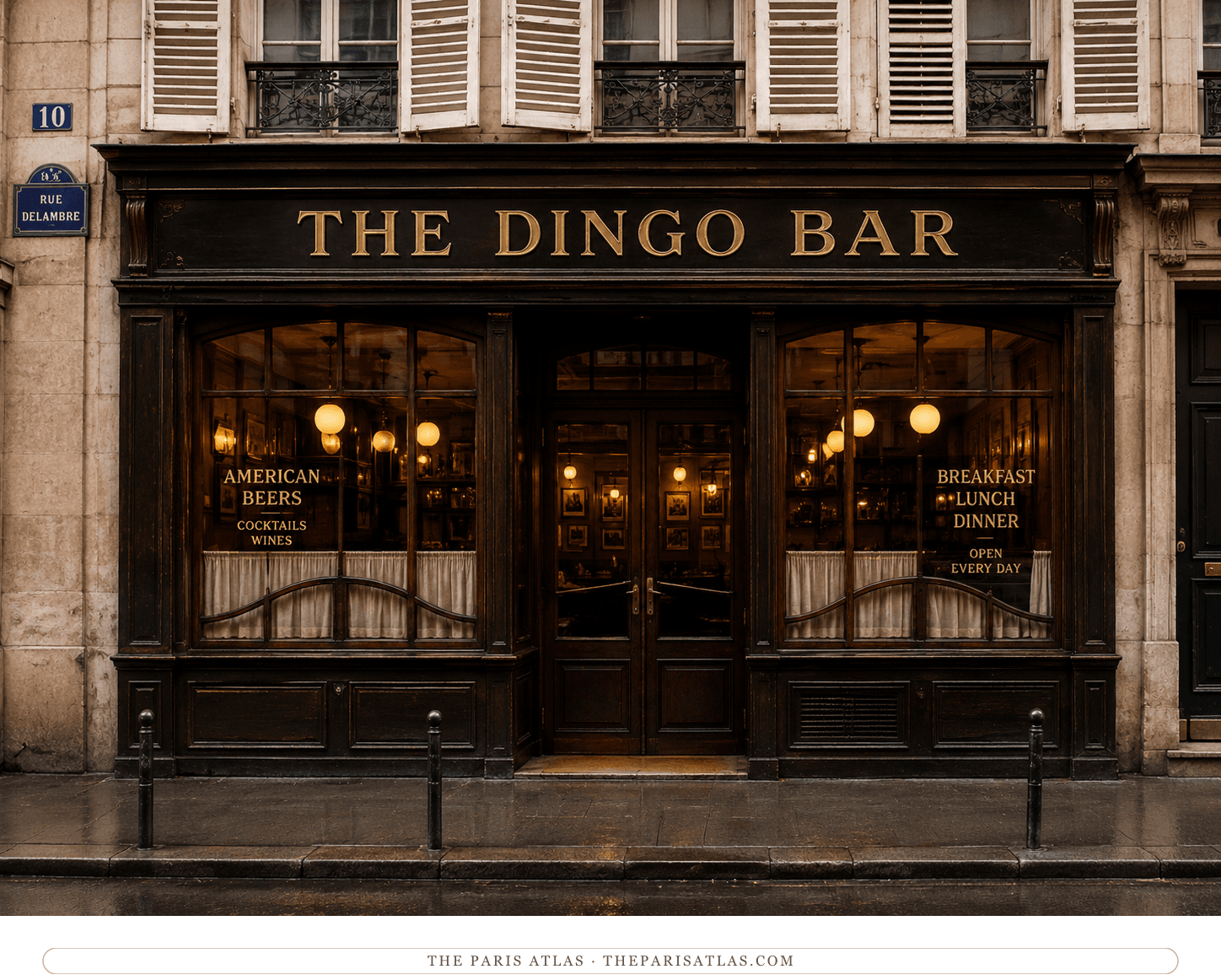
The American bar where Ernest Hemingway met F. Scott Fitzgerald in late April 1925 — two weeks after The Great Gatsby was published.
Visit the place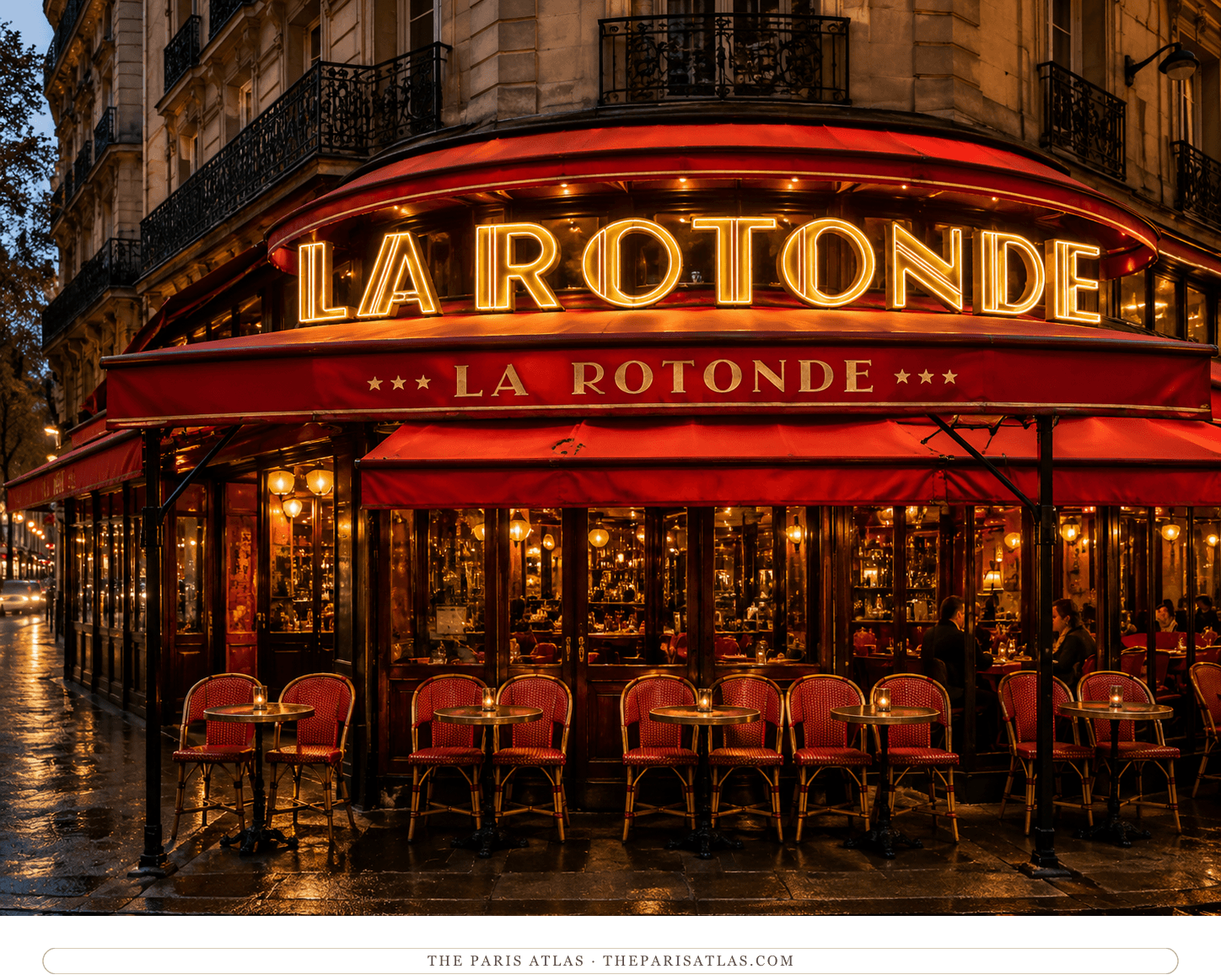
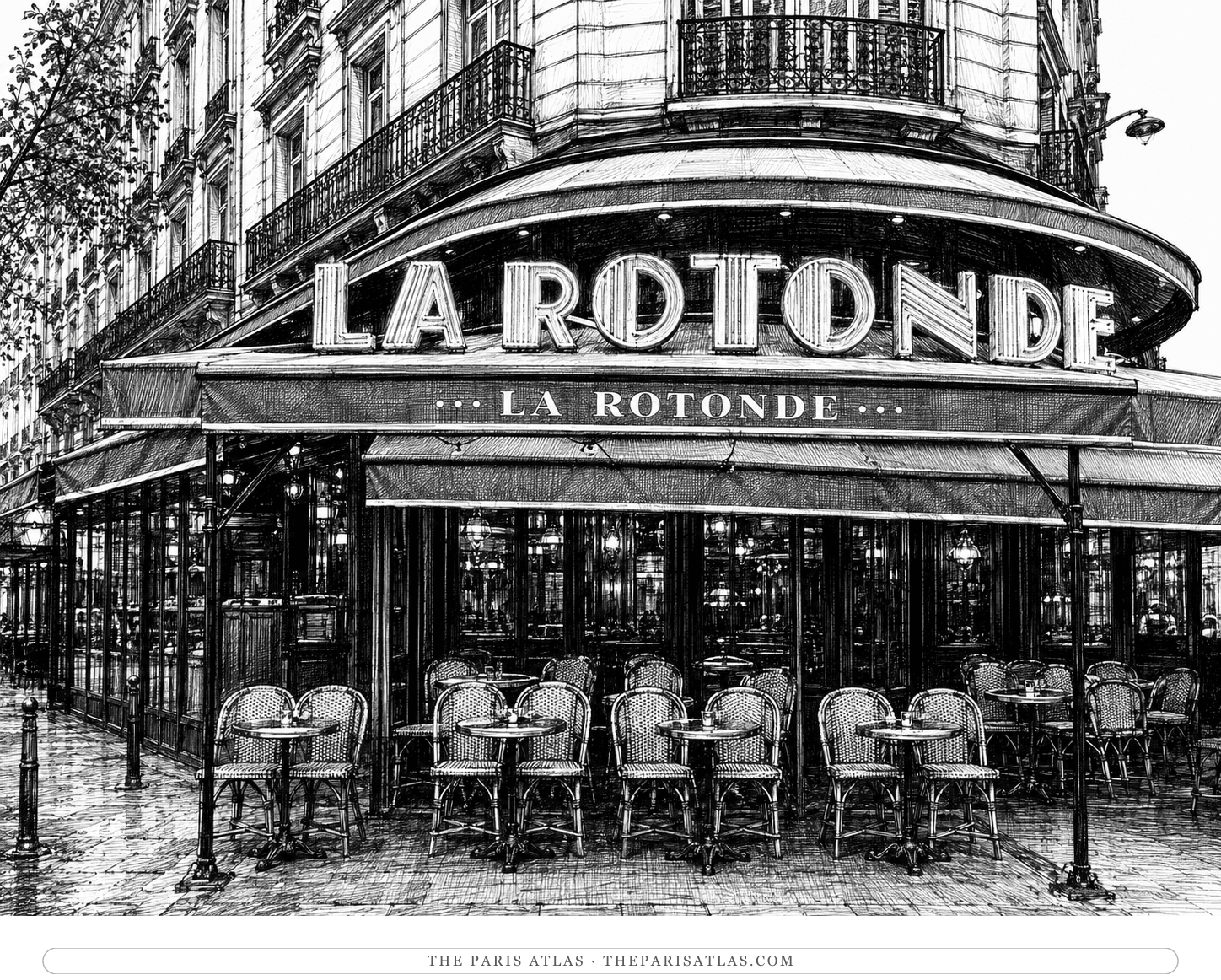
The café every taxi driver delivered Americans to — the novel's driest Montparnasse joke, and before that the painters' living room, where the patron took drawings for drinks.
Visit the placeThe sources below include histories, archival materials, scholarly research, and official records that informed this page. They document Black Manikin Press (4 Rue Delambre), the people connected to it, and its place in Paris.


Web source consulted for documented facts and historical context presented on the Black Manikin Press (4 Rue Delambre) page.
First-person evidence and historical context used in preparing the Black Manikin Press (4 Rue Delambre) page.
These references provide the documented foundation for this page's history and context. Claim-level citations remain attached to the specific claims they support.
 Explore more resources
Newsletter
The cafés, studios, and walk-up flats where the work was made — one story from the map in every letter.