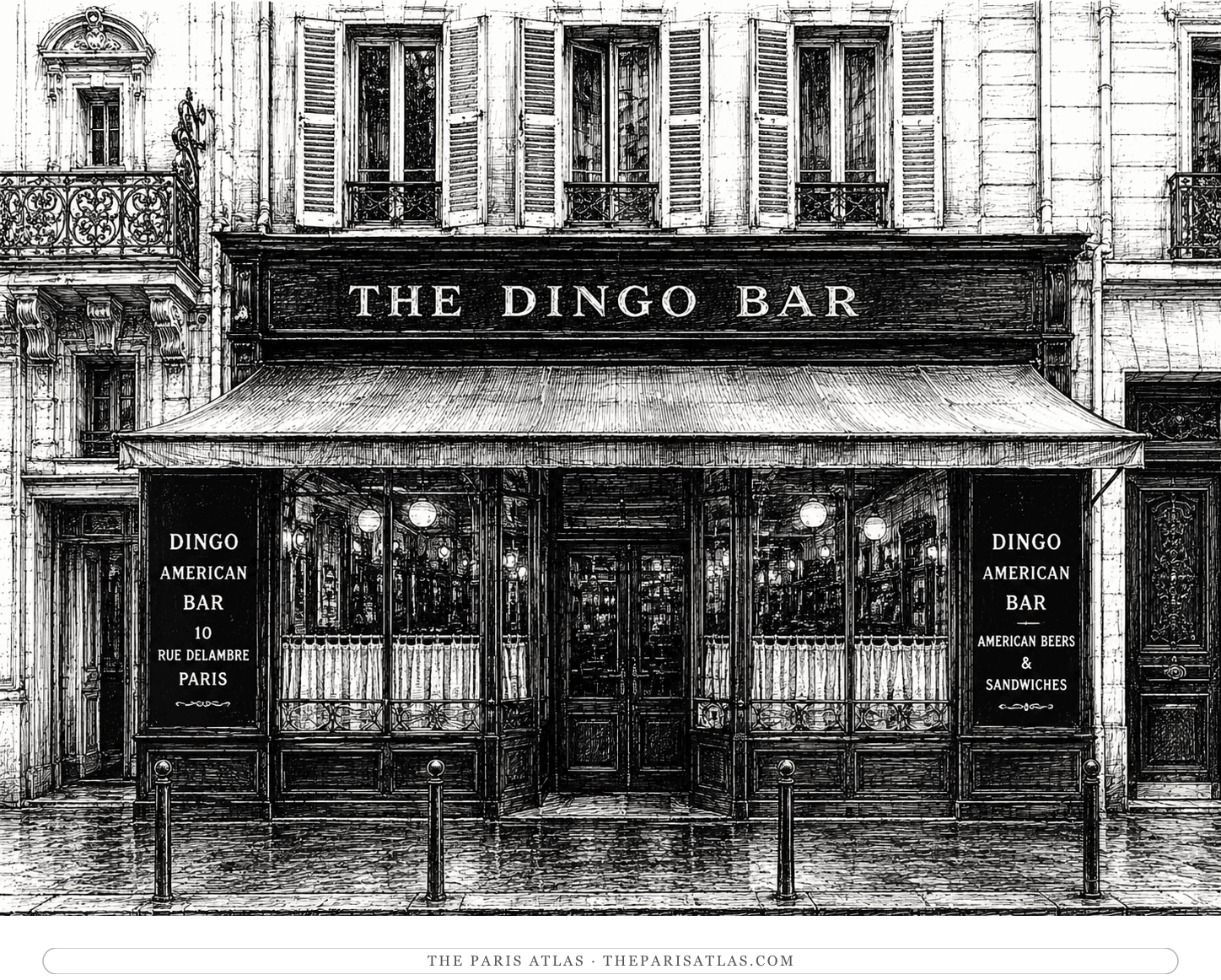

Recalled in the memoir
A Moveable Feast
Where Hemingway met F. Scott Fitzgerald for the first time in April 1925 — two weeks after Gatsby was published. The friendship — and its comedy — starts here.
The American bar where Ernest Hemingway met F. Scott Fitzgerald in late April 1925 — two weeks after The Great Gatsby was published.
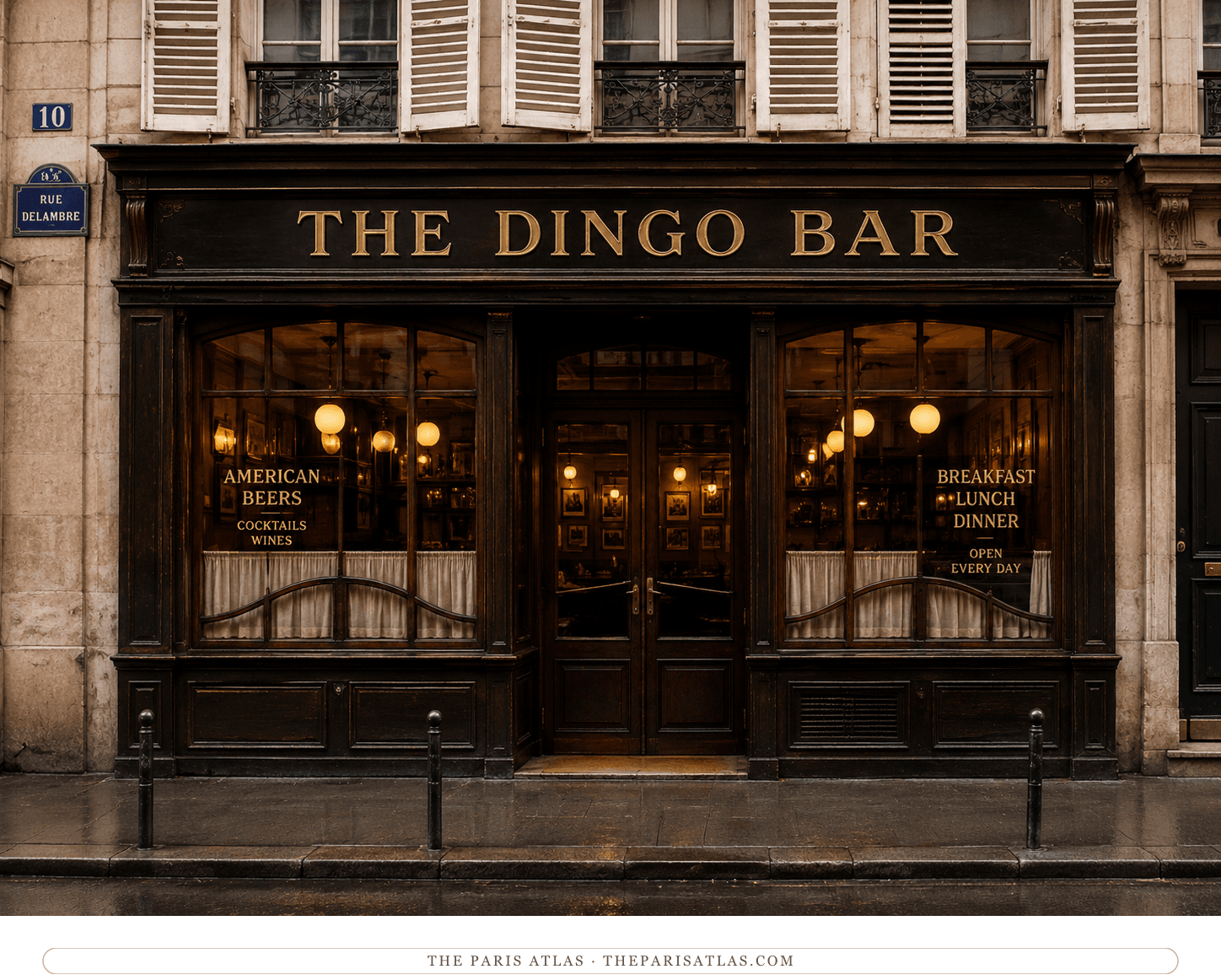
The Dingo opened in 1923 on a side street off the Boulevard du Montparnasse and became the Anglo-American annex of the quarter almost immediately — one of the few bars that stayed open all night and served drinks the way New York did. Its true institution was the barman: Jimmie Charters, a Liverpool ex-boxer whom the expatriates trusted with their credit, their secrets, and their deliveries home, and whose own memoir of the era Hemingway later introduced.
The bar's place in literary history was fixed in one encounter. In late April 1925, two weeks after The Great Gatsby was published, Scott Fitzgerald walked in, introduced himself to Hemingway, and began praising his work with an intensity that embarrassed him. The chapter Hemingway made of it in A Moveable Feast — the endless questions, the champagne, Fitzgerald's face tightening as the drink took hold — is the memoir's set-piece portrait, affection and cruelty in exactly the proportions he reserved for the people who mattered most.
The Dingo's other regulars did their part for literature too: Duff Twysden and Pat Guthrie, the originals of Brett Ashley and Mike Campbell, ran their tabs here before Hemingway ran their likenesses into The Sun Also Rises. The bar itself didn't outlive the era it hosted — it closed in the thirties, and the room at 10 rue Delambre has long since passed to an Italian restaurant. By local tradition, the zinc counter is the original.
‘I’m coming over some night. The Dingo. That’s the great place, isn’t it?’ ‘Yes. That, or this new dive, The Select.’
The same evening about seven o’clock I stopped in at the Select to see Michael and Brett. They were not there, and I went over to the Dingo. They were inside sitting at the bar.
Opens on the rue Delambre; Jimmie Charters takes the bar.
Becomes the court of the Anglo-American crowd, tabs and all.
Late April: Fitzgerald introduces himself to Hemingway — the 'Scott Fitzgerald' chapter begins here.
Hemingway puts the bar's regulars in print in The Sun Also Rises, thinly veiled.
The Dingo closes as the quarter's American era winds down.
The room survives as a restaurant; the era survives in the chapter.
Recalled in the memoir
Where Hemingway met F. Scott Fitzgerald for the first time in April 1925 — two weeks after Gatsby was published. The friendship — and its comedy — starts here.
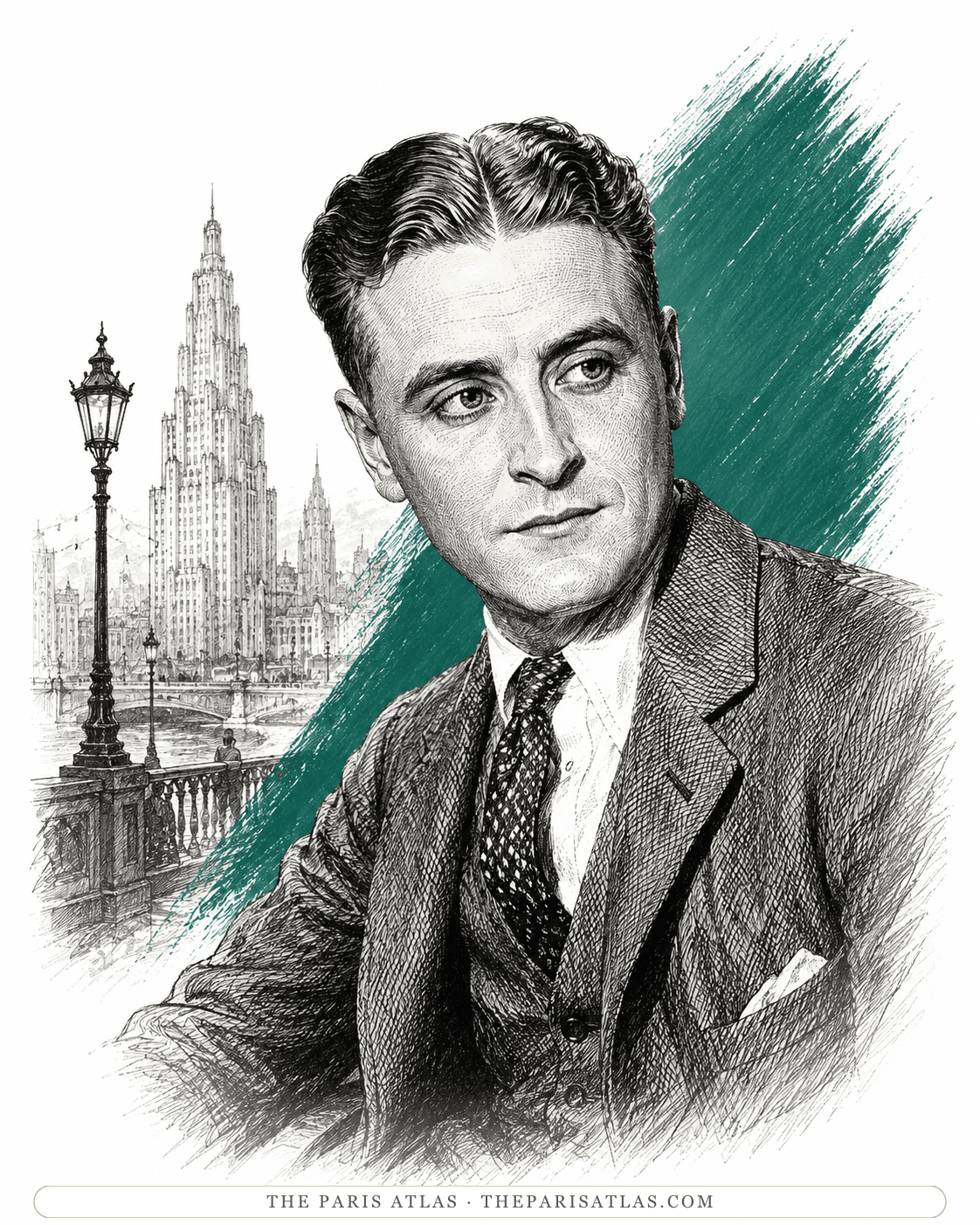
Frequented by · 1925
Fitzgerald's Montparnasse haunt in the spring of 1925 — where he introduced himself to Hemingway weeks after Gatsby published, the scene that opens A Moveable Feast's Fitzgerald chapters.
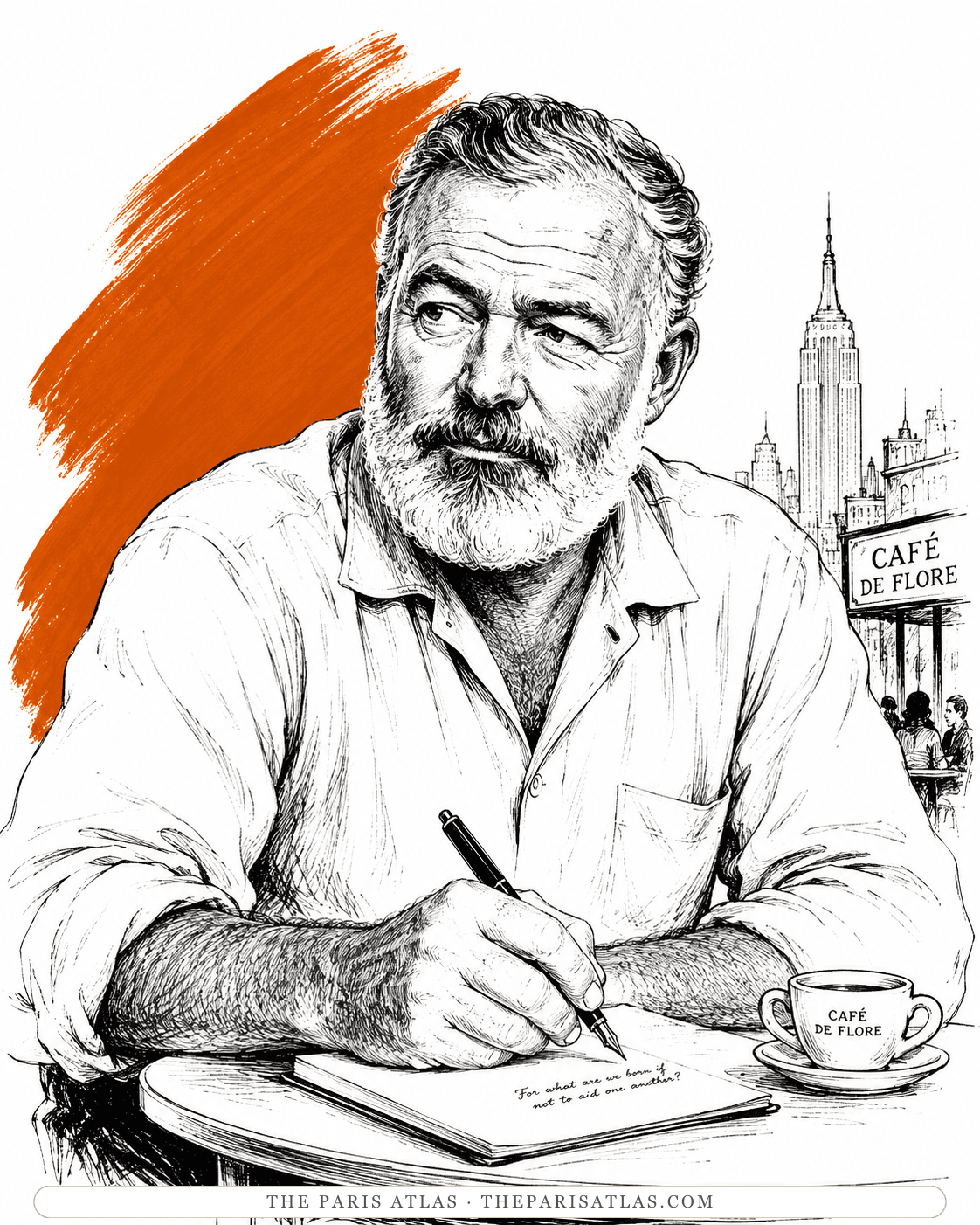
The era's most famous introduction: Fitzgerald, two weeks after Gatsby published, walks up to Hemingway at the Dingo bar — the friendship begins.
Literary generation · c. 1921–1929
The writers remade by war and expatriate Paris — Hemingway, Fitzgerald, Stein, Pound, and the rooms, presses, and bookshops that turned their encounters into literature.
Enter the movement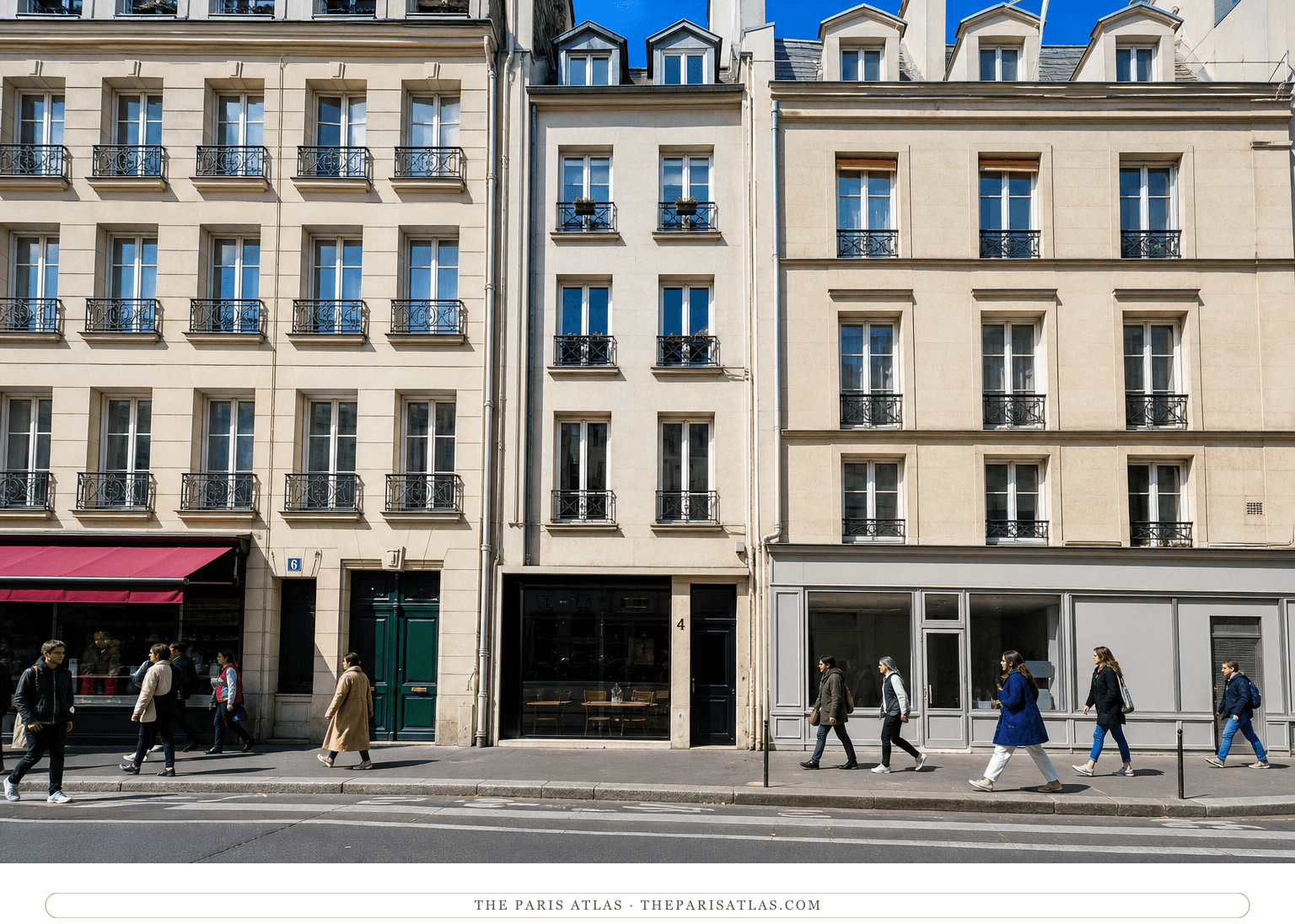
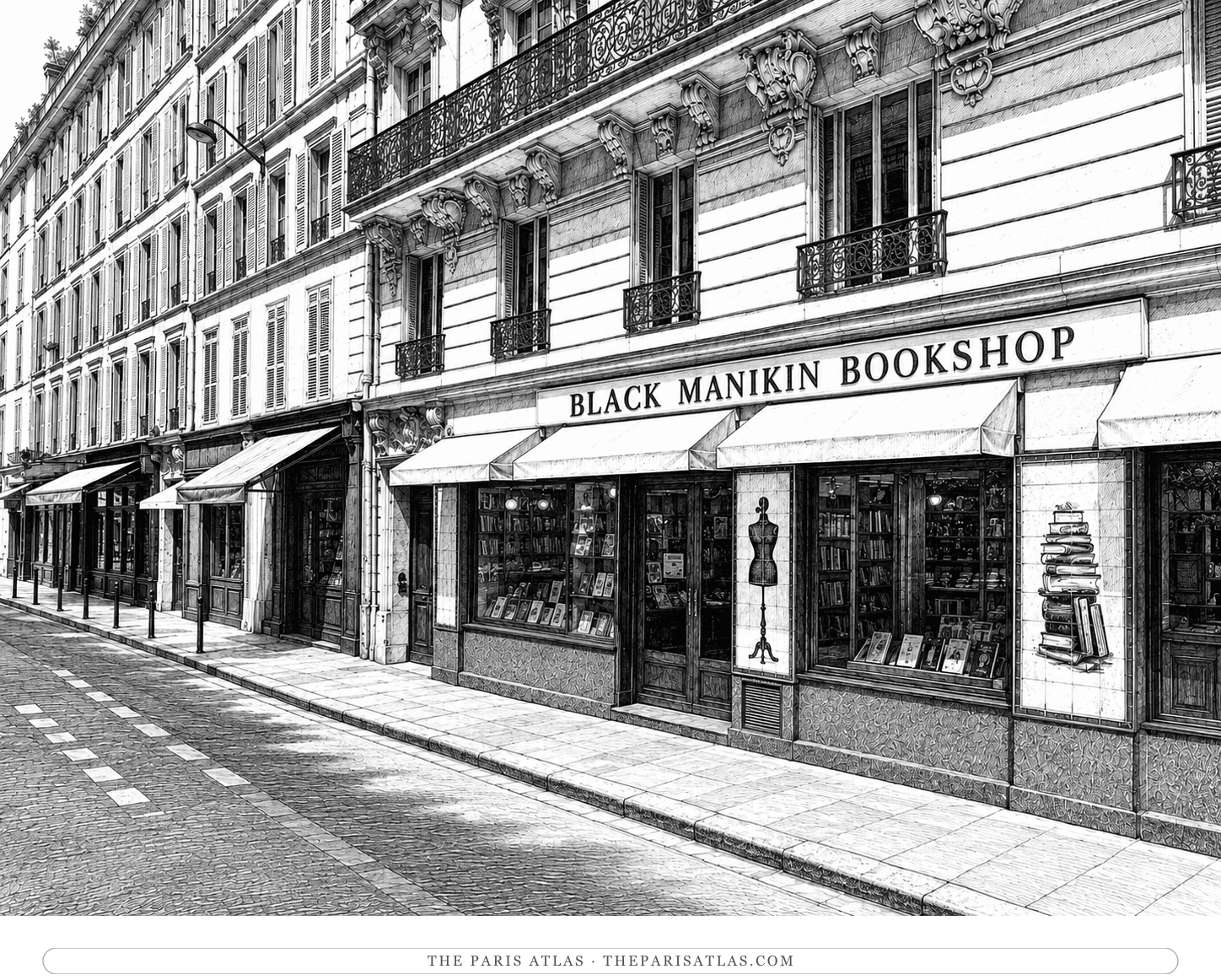
Edward Titus's Montparnasse bookshop and press, which sold copies of the privately printed first edition of Djuna Barnes's Ladies Almanack.
Visit the place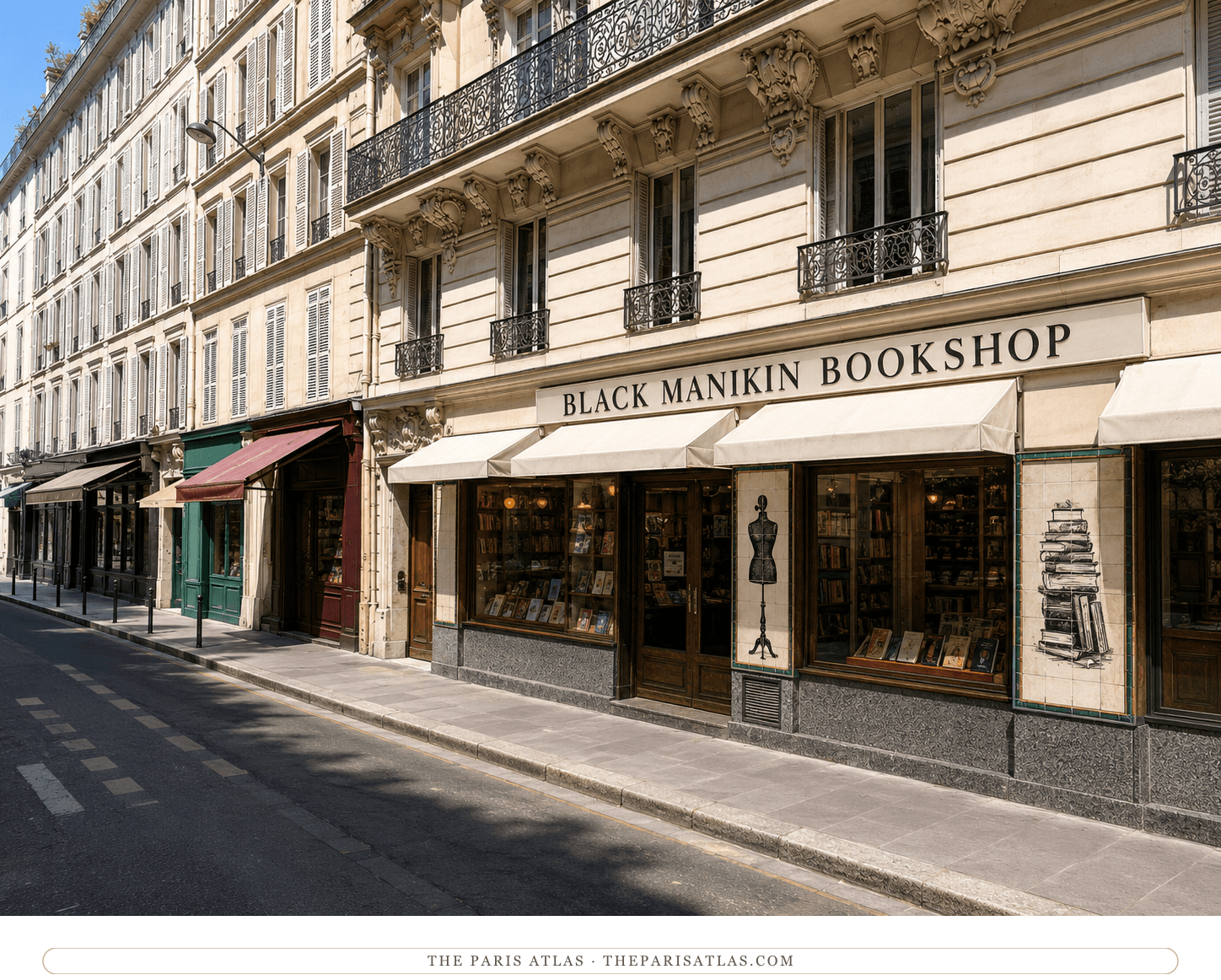
Edward Titus's Montparnasse bookshop and small press, where D. H. Lawrence settled terms on 5 April 1929 for the cheap Paris edition of Lady Chatterley's Lover that finally undercut the pirates.
Visit the place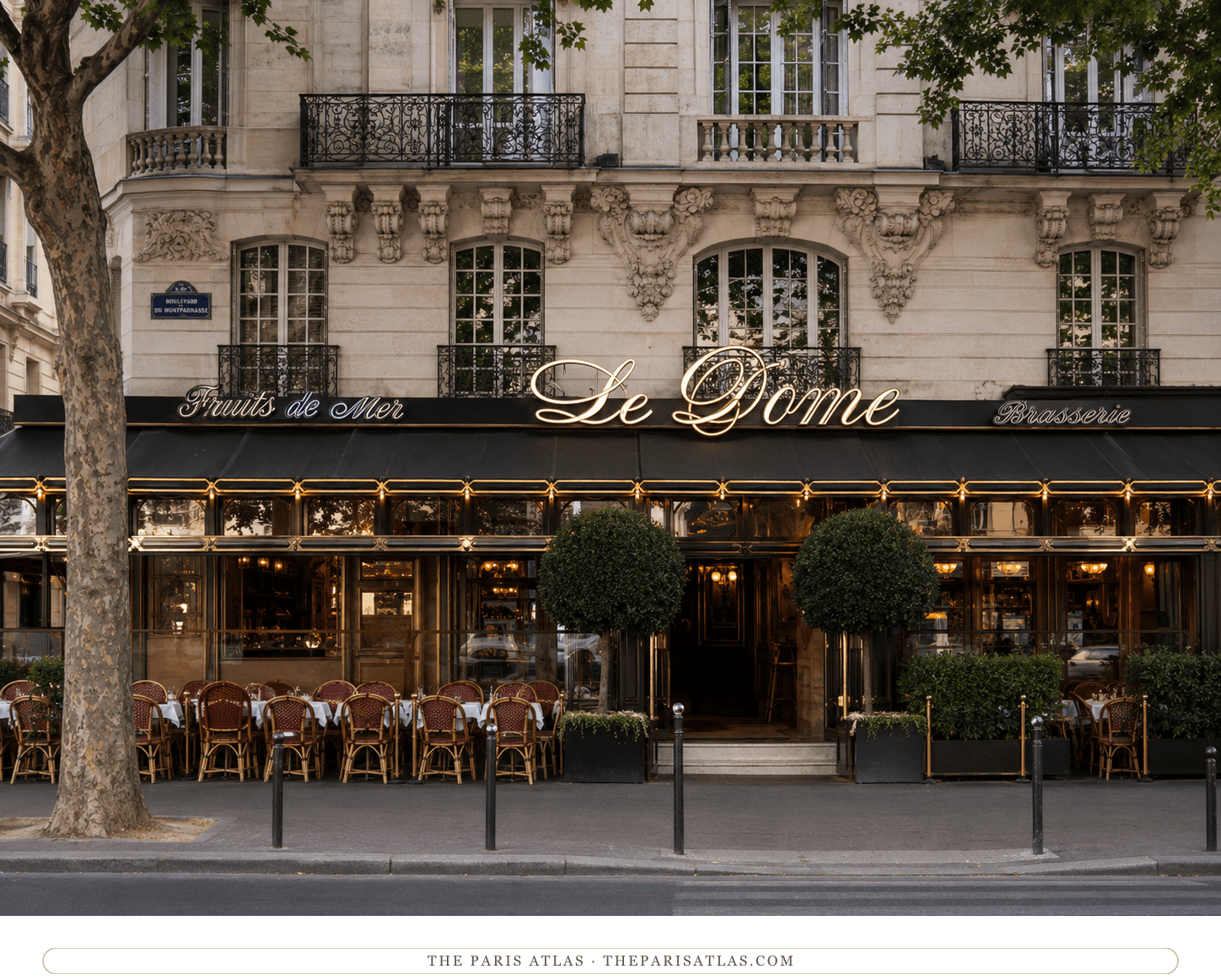
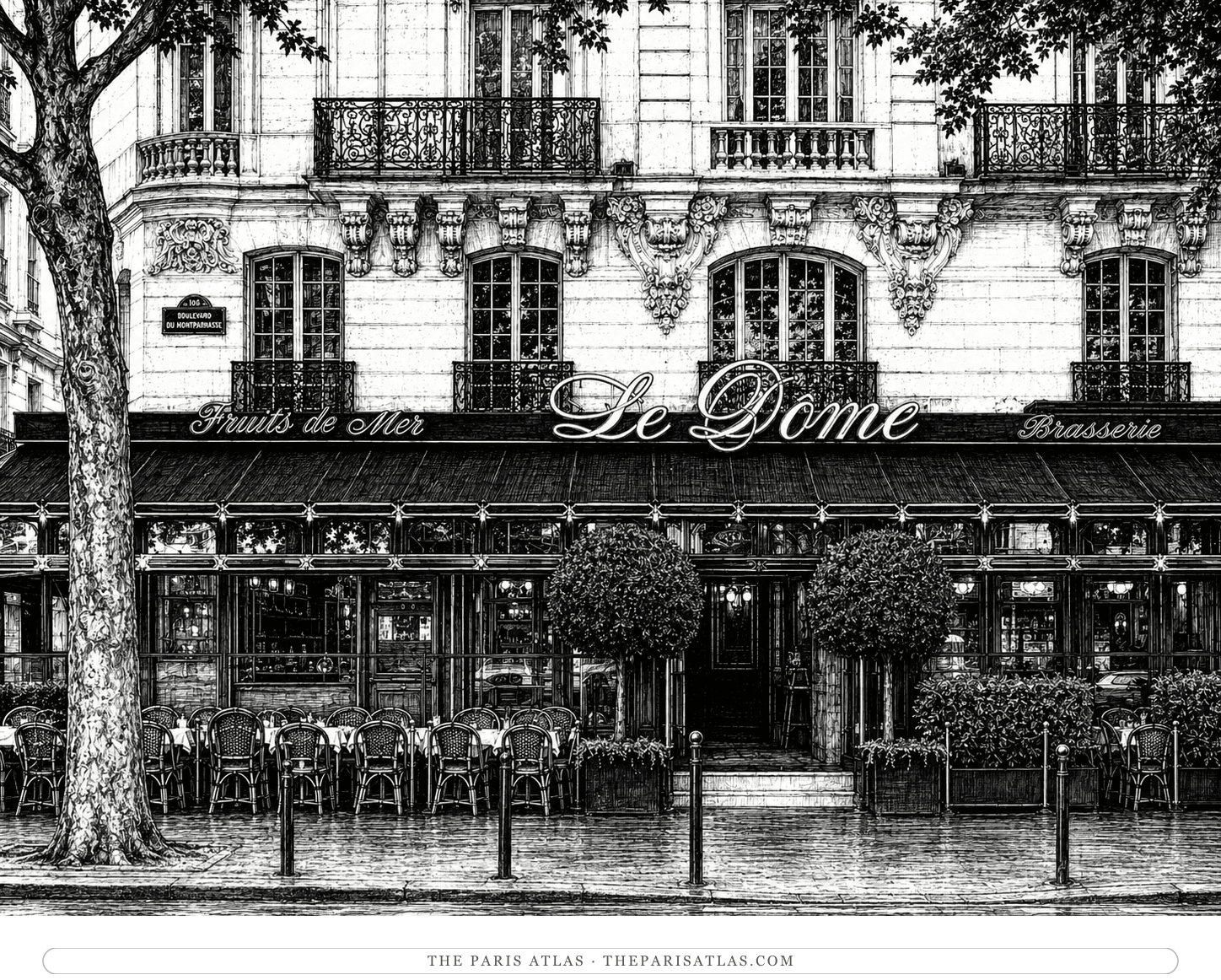
The noisy common room of Montparnasse and the setting of 'With Pascin at the Dôme' — the café for watching the show, not for working.
Visit the place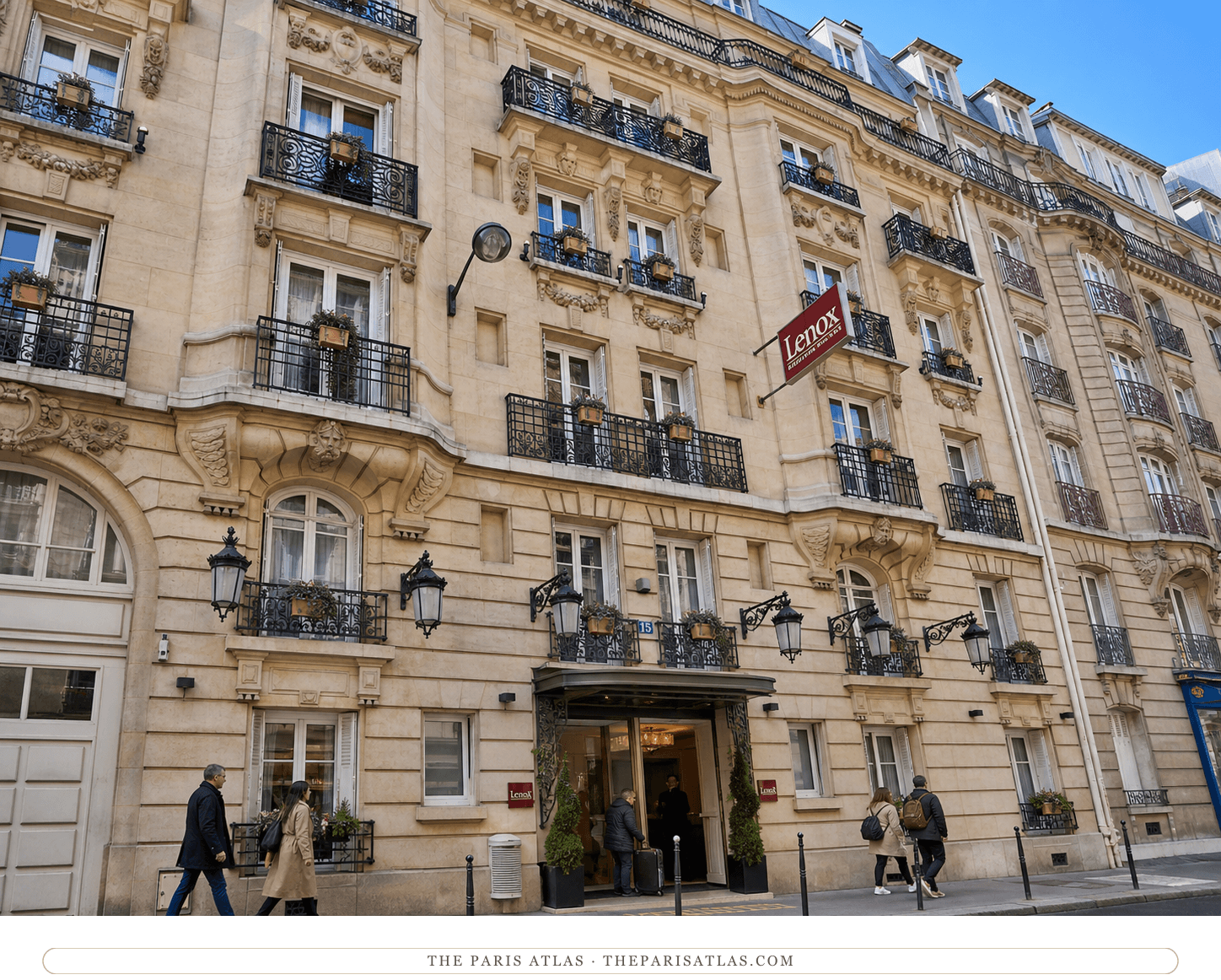
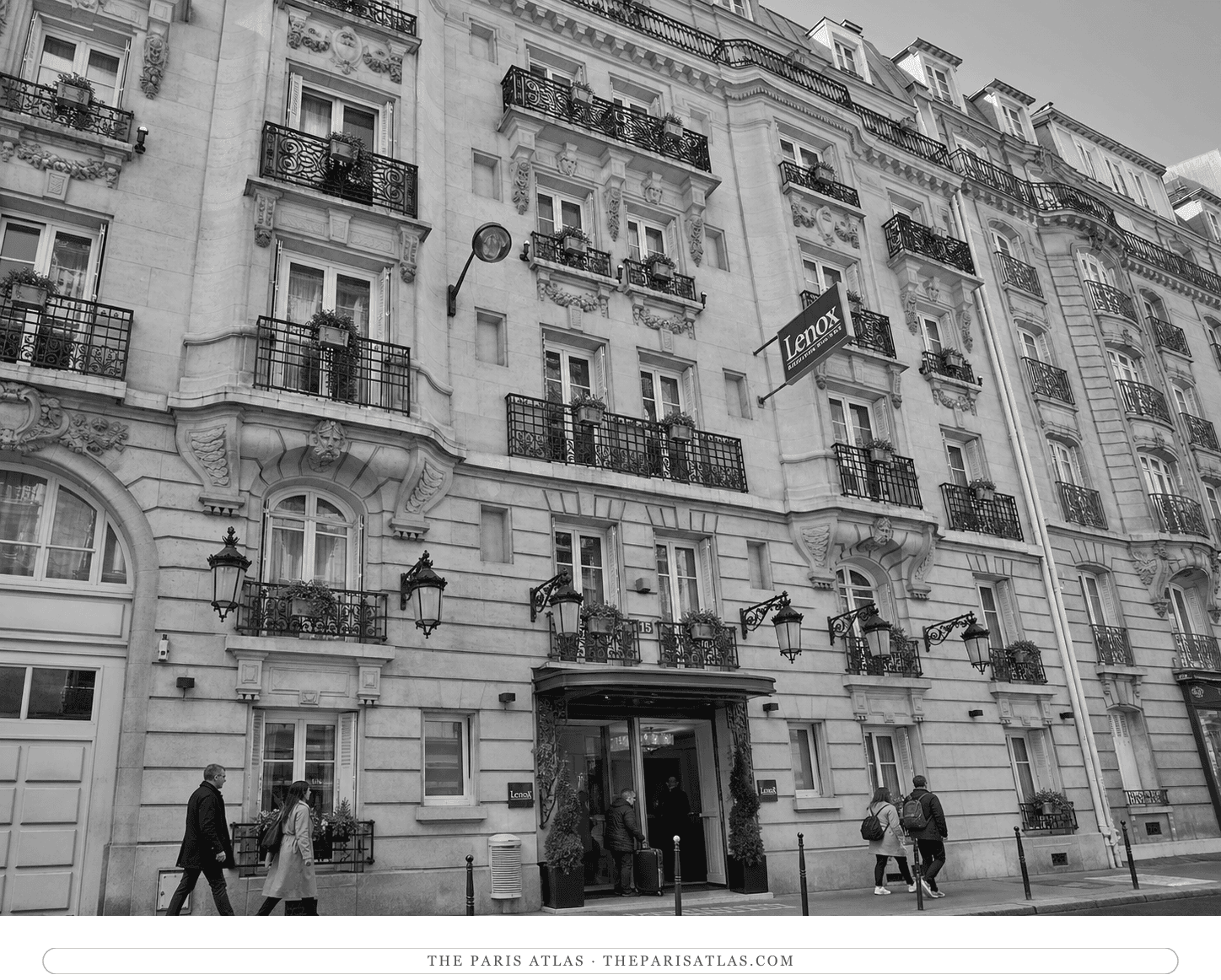
A Montparnasse hotel where Henry Miller and his wife June stayed briefly in 1930, in the unsettled first months of his Paris decade. It still operates at the same address as the Hôtel Lenox Montparnasse.
Visit the placeThe sources below include histories, archival materials, scholarly research, and official records that informed this page. They document The Dingo Bar, the people connected to it, and its place in Paris.

First-person evidence and historical context used in preparing the The Dingo Bar page.
Primary text included as part of the documented record for The Dingo Bar.
First-person evidence and historical context used in preparing the The Dingo Bar page.

Map data used to verify addresses, geographic coordinates, and the placement associated with The Dingo Bar.
These references provide the documented foundation for this page's history and context. Claim-level citations remain attached to the specific claims they support.
 Explore more resources
Newsletter
The cafés, studios, and walk-up flats where the work was made — one story from the map in every letter.