
Ladies Almanack
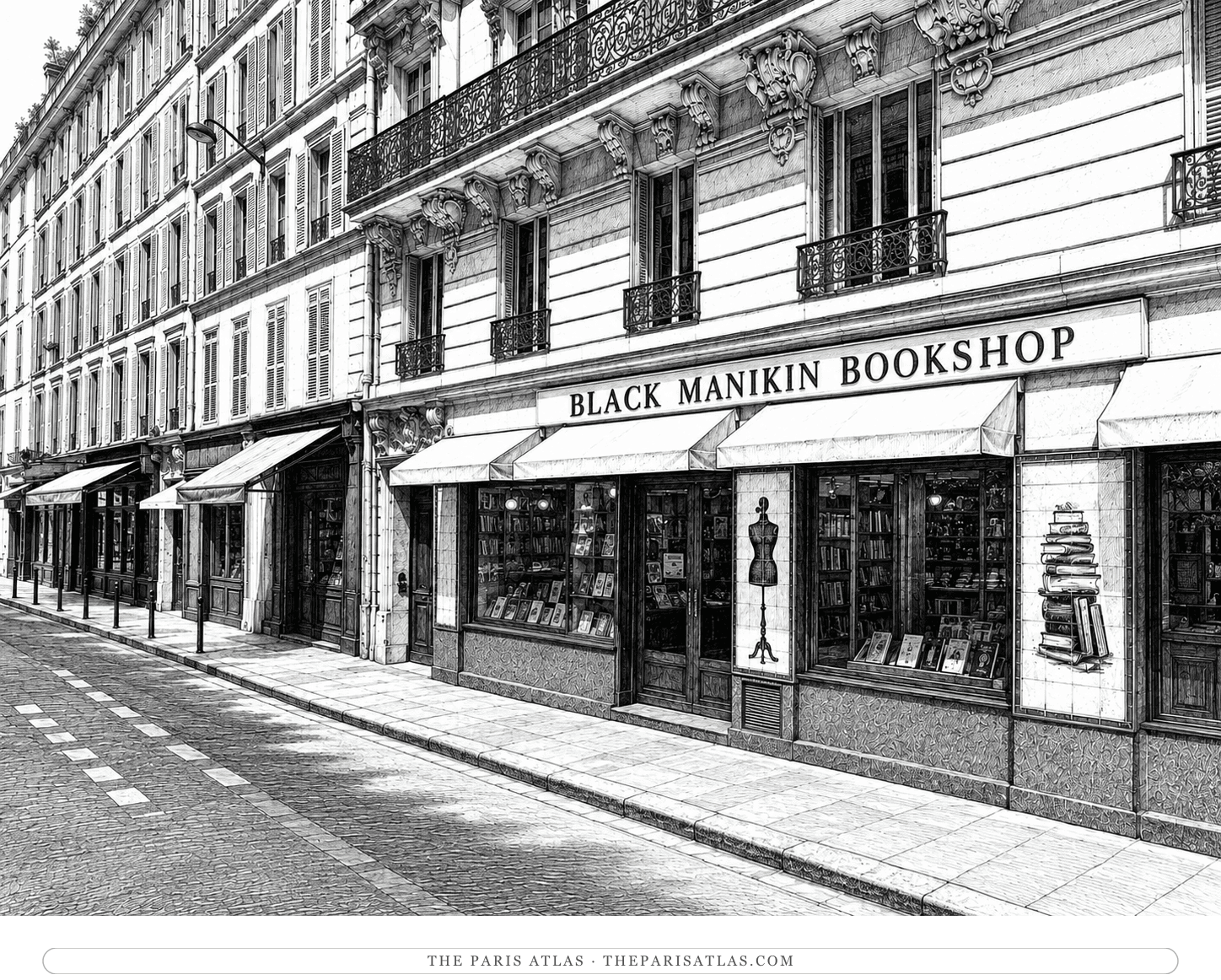
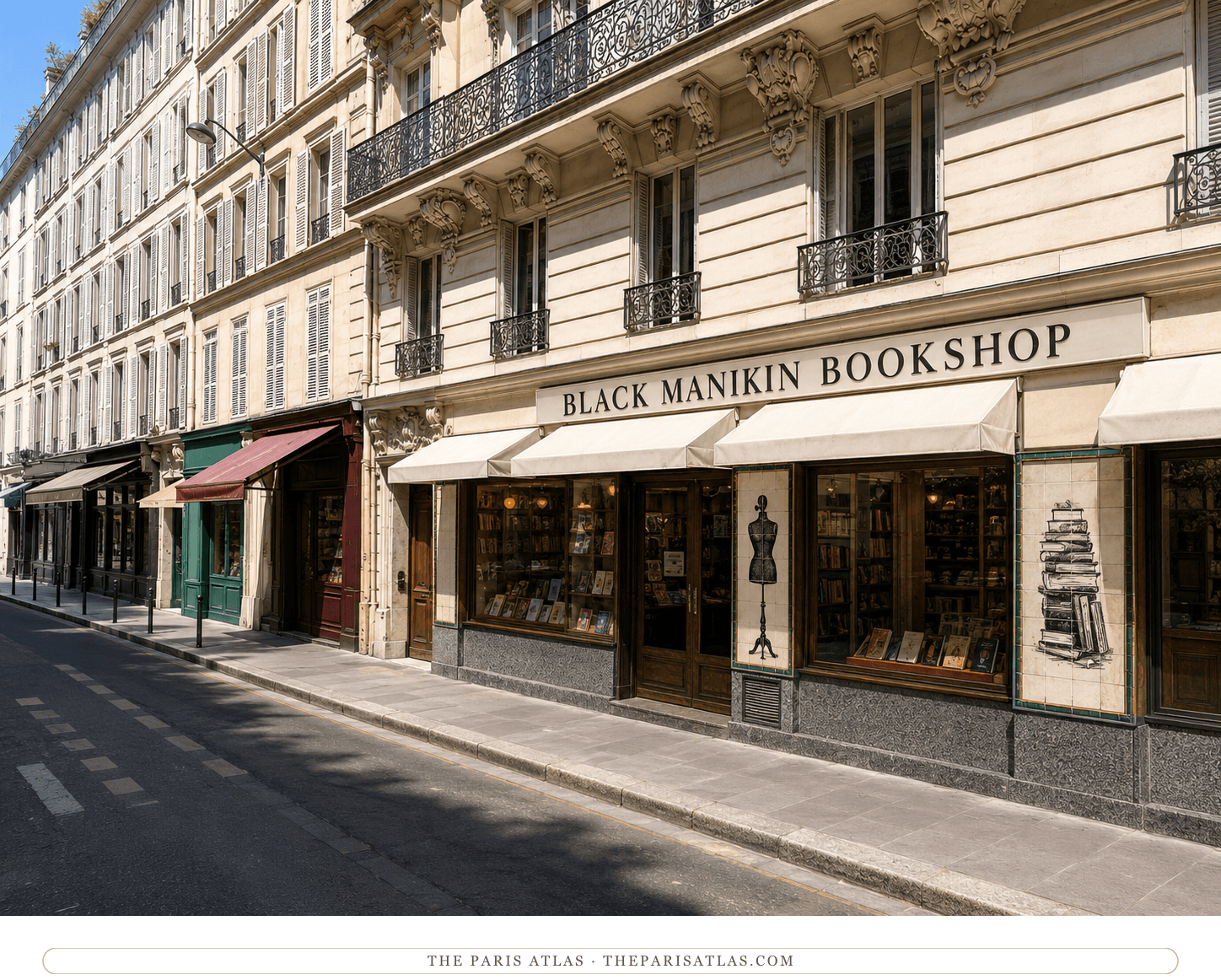
Edward Titus's shop, At the Sign of the Black Manikin, sold copies of the privately printed first edition of Ladies Almanack. The book could not be published commercially and circulated in a small private edition.
Edward Titus's Montparnasse bookshop and press, which sold copies of the privately printed first edition of Djuna Barnes's Ladies Almanack.
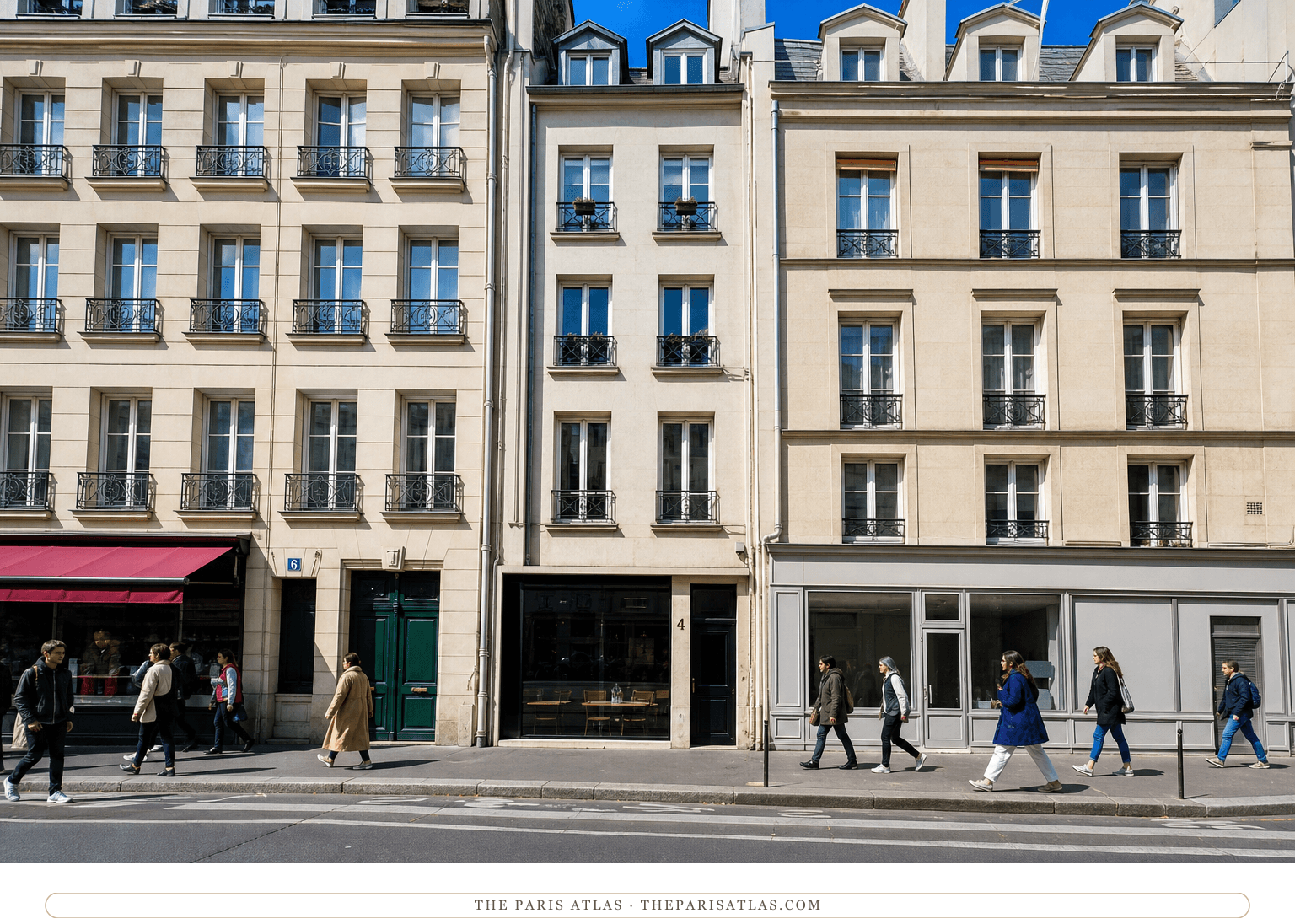
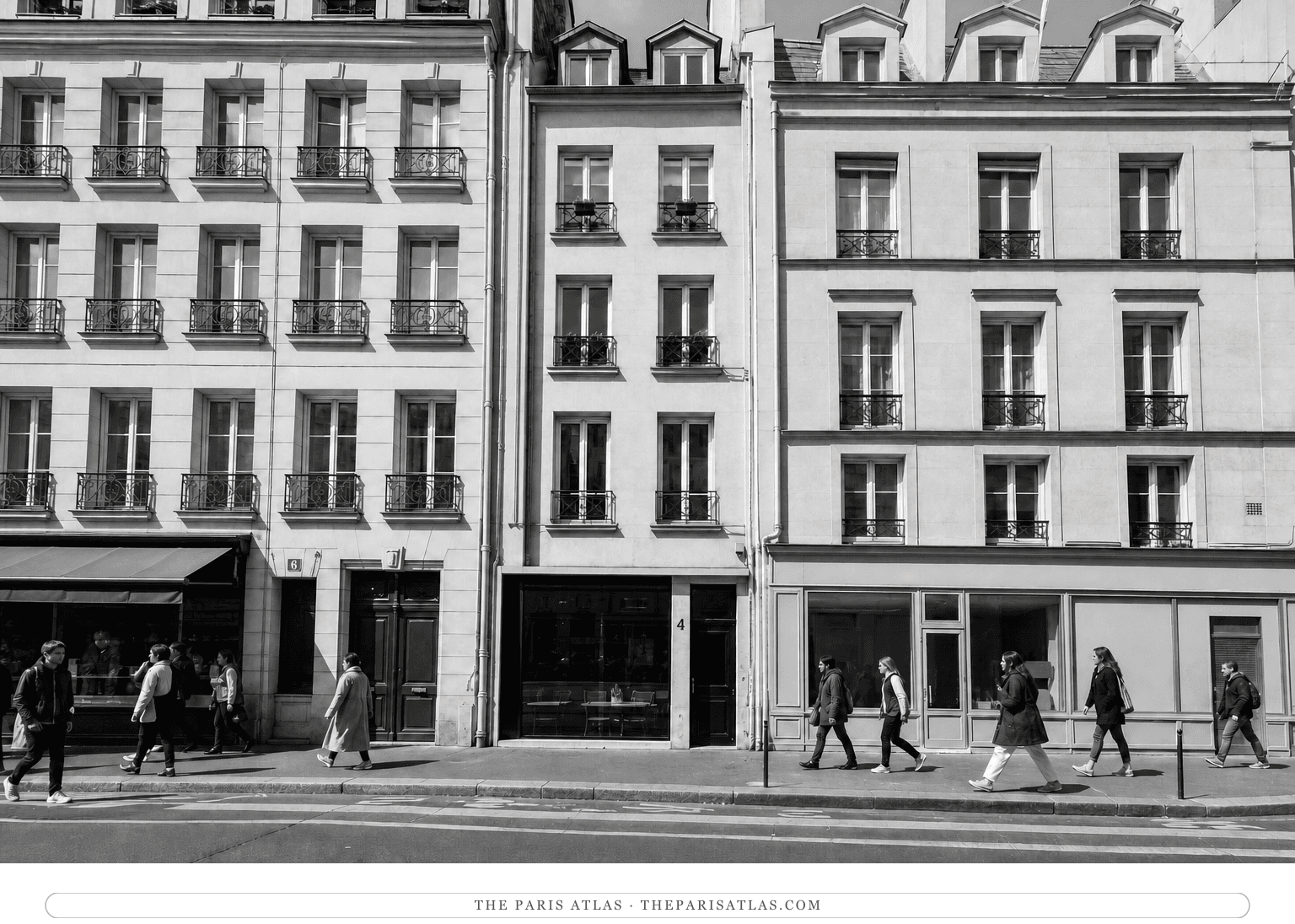
Edward Titus ran a bookshop and a small press at this address in Montparnasse under the sign of the Black Manikin. He was married to the cosmetics magnate Helena Rubinstein, whose money underwrote a good deal of what he published, and he became one of the significant small publishers of the English-language expatriate scene.
For Djuna Barnes the shop mattered because it sold Ladies Almanack. That book — a mock-almanac, privately printed in 1928, illustrated by Barnes herself and satirising the circle around Natalie Barney's salon on the rue Jacob — could not be published conventionally. It went out in a private edition of a few hundred copies, hawked to friends and sympathetic booksellers, and the Black Manikin was one of the places you could actually buy one.
The shop is long gone and the address is unmarked. The rue Delambre runs off the boulevard du Montparnasse, a minute from the cafés the whole circle drank in.
Ladies Almanack is privately printed; the Black Manikin sells copies.
A mock-almanac written and illustrated by Djuna Barnes, privately printed in 1928, satirising the lesbian circle around Natalie Barney's salon. It could not be published commercially and went out in a small private edition.
A publisher and bookseller in Montparnasse who ran the Black Manikin Press. He was married to Helena Rubinstein, whose money supported the press.
Edward Titus's shop, At the Sign of the Black Manikin, sold copies of the privately printed first edition of Ladies Almanack. The book could not be published commercially and circulated in a small private edition.
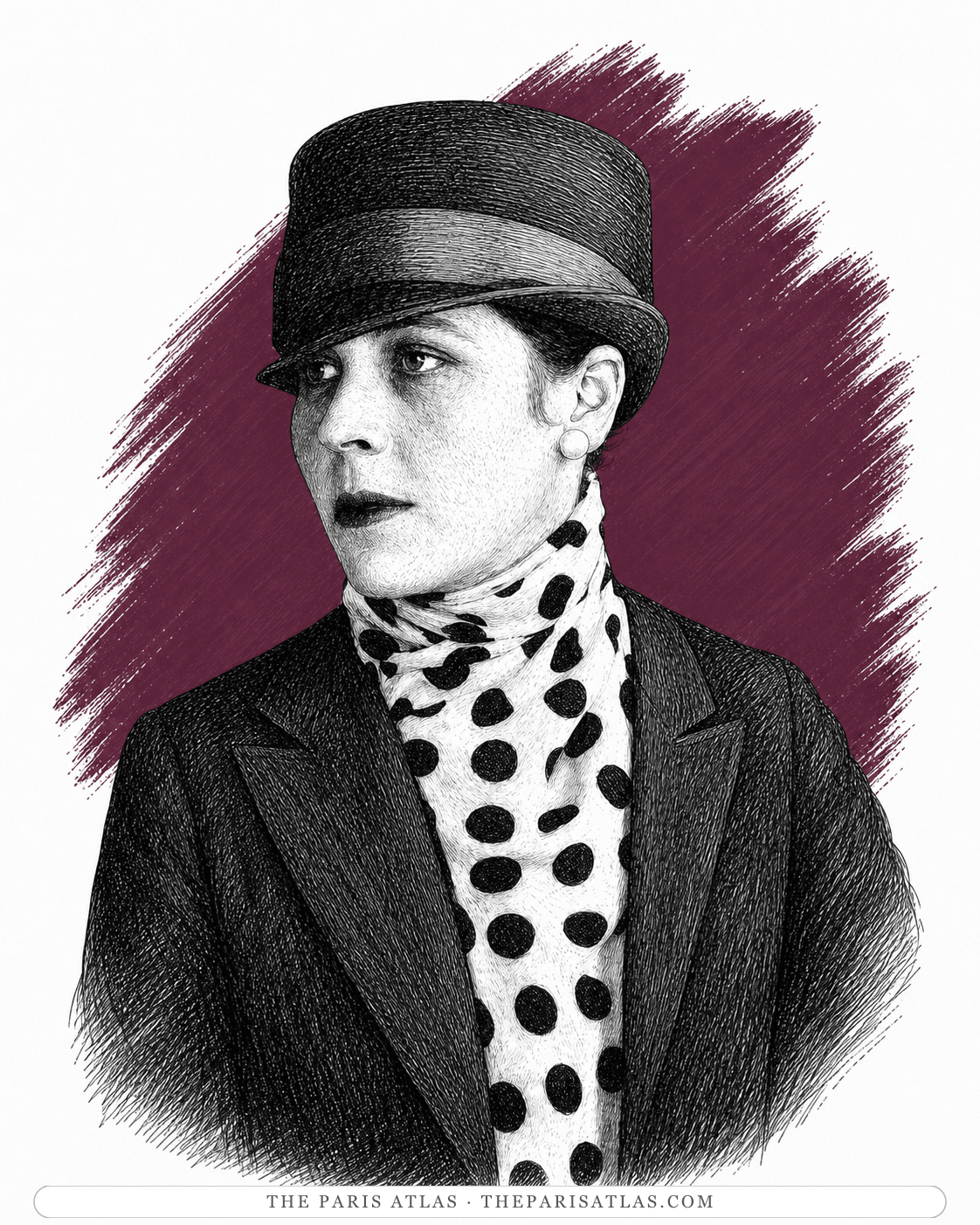
Djuna Barnes wrote about At the Sign of the Black Manikin, 4 rue Delambre in Ladies Almanack.
Edward Titus's Montparnasse bookshop and small press, where D. H. Lawrence settled terms on 5 April 1929 for the cheap Paris edition of Lady Chatterley's Lover that finally undercut the pirates.
Visit the place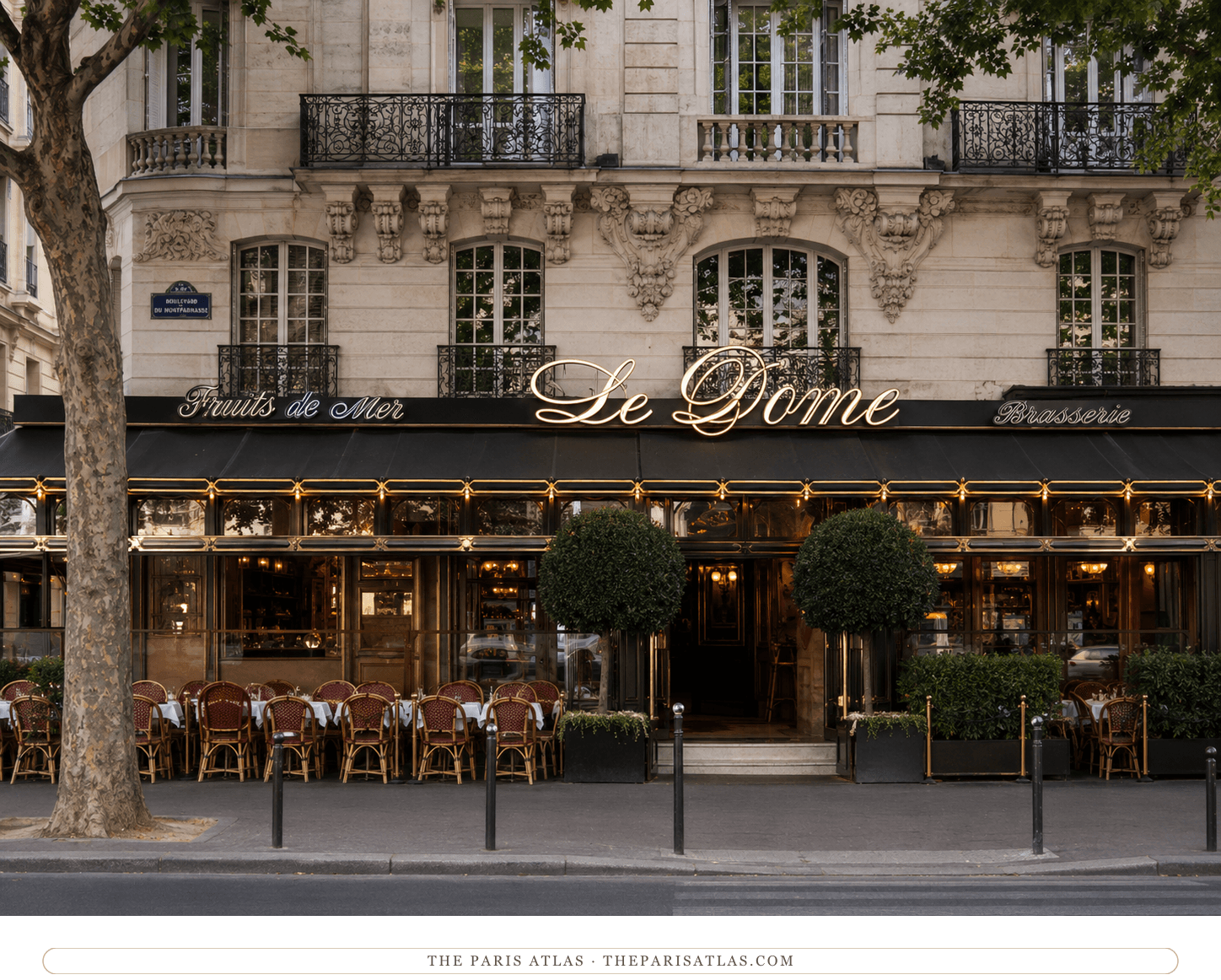
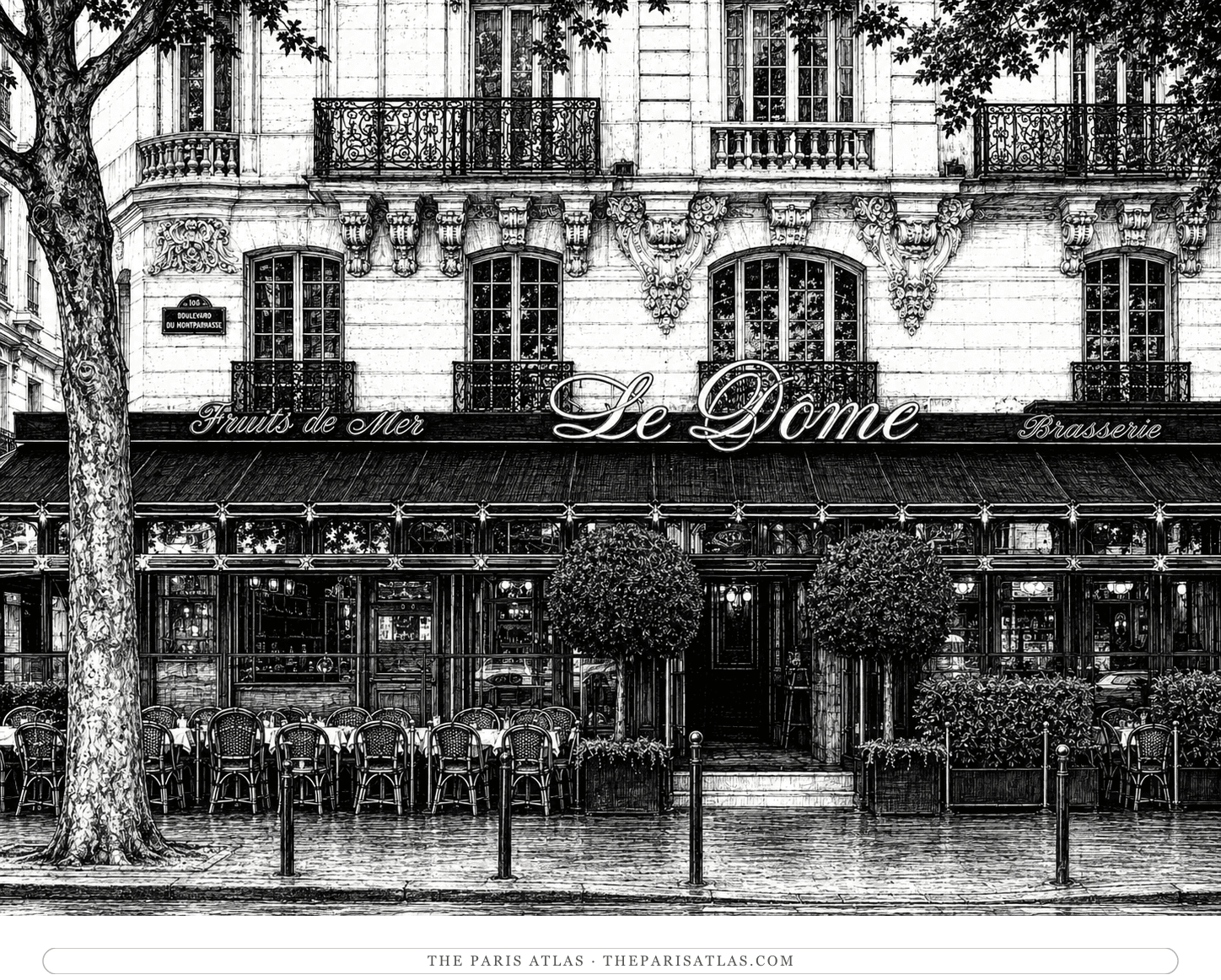
The noisy common room of Montparnasse and the setting of 'With Pascin at the Dôme' — the café for watching the show, not for working.
Visit the place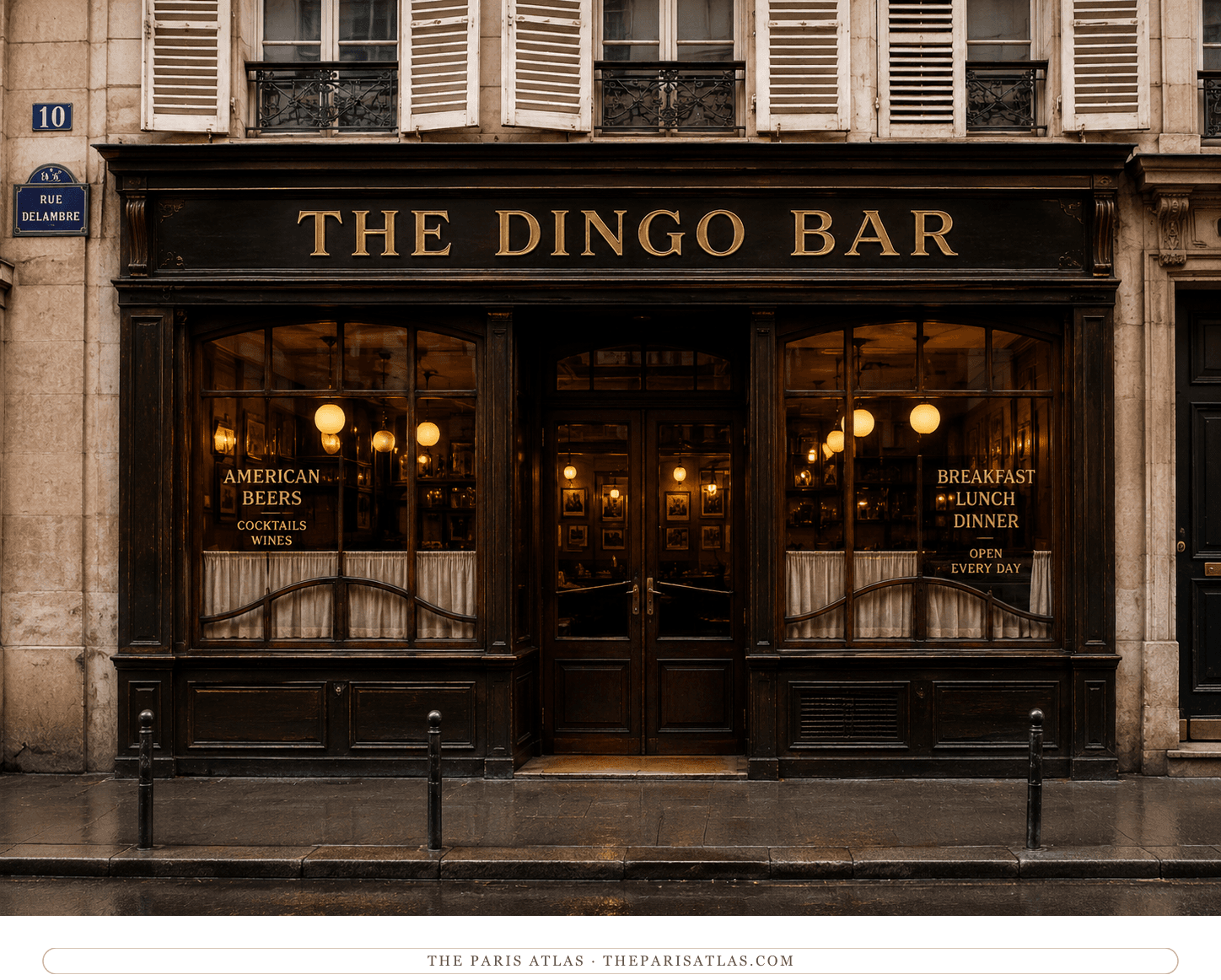
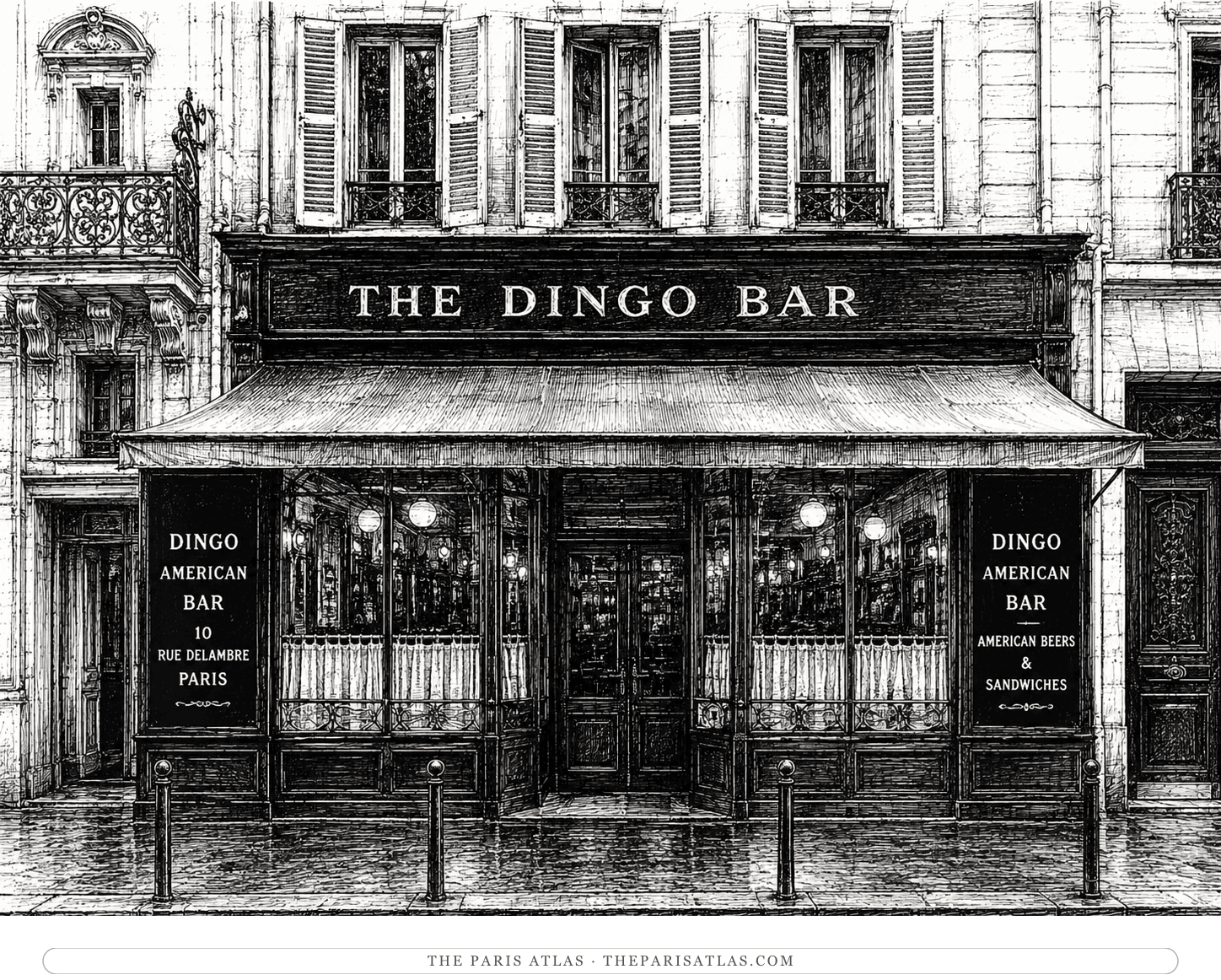
The American bar where Ernest Hemingway met F. Scott Fitzgerald in late April 1925 — two weeks after The Great Gatsby was published.
Visit the place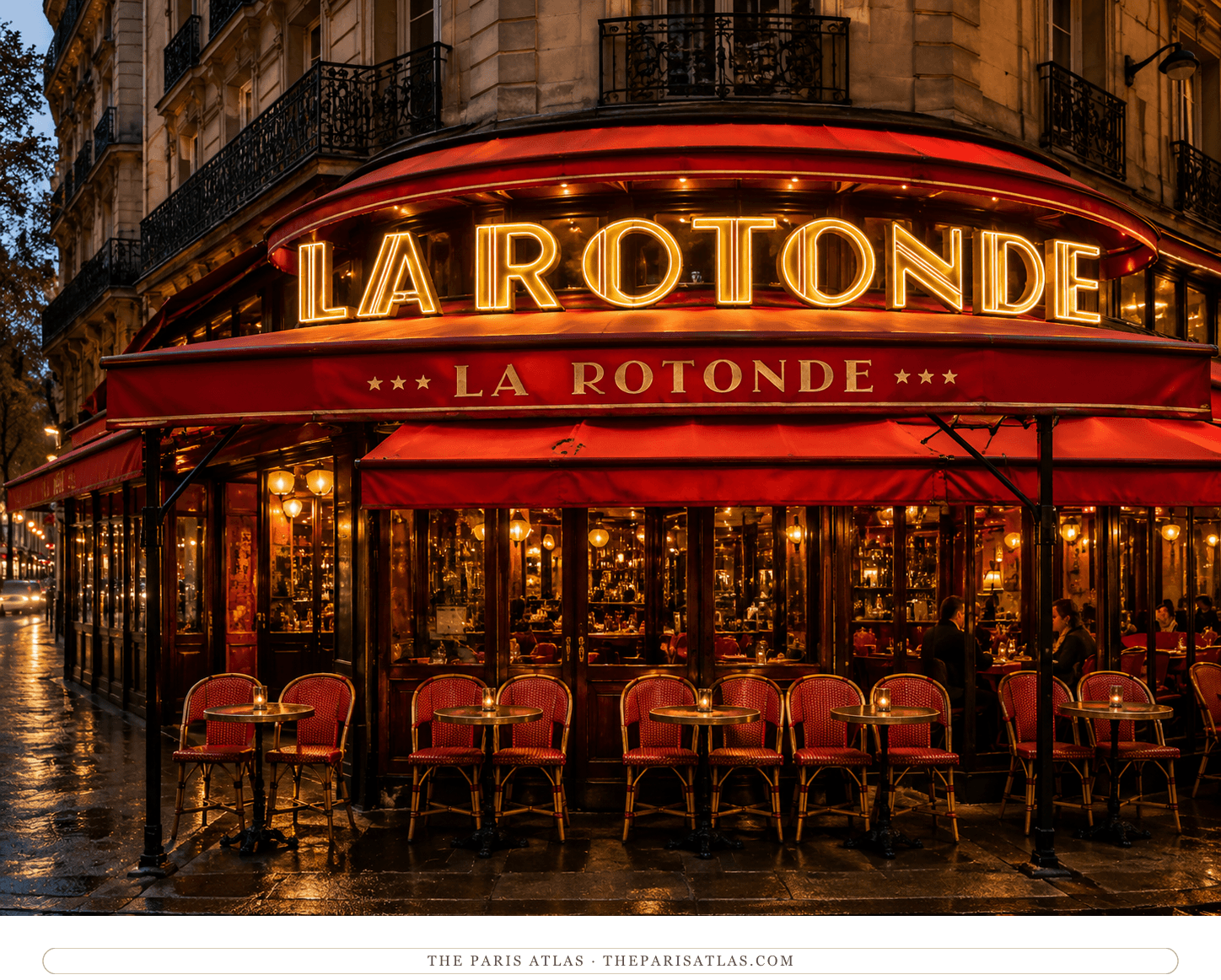
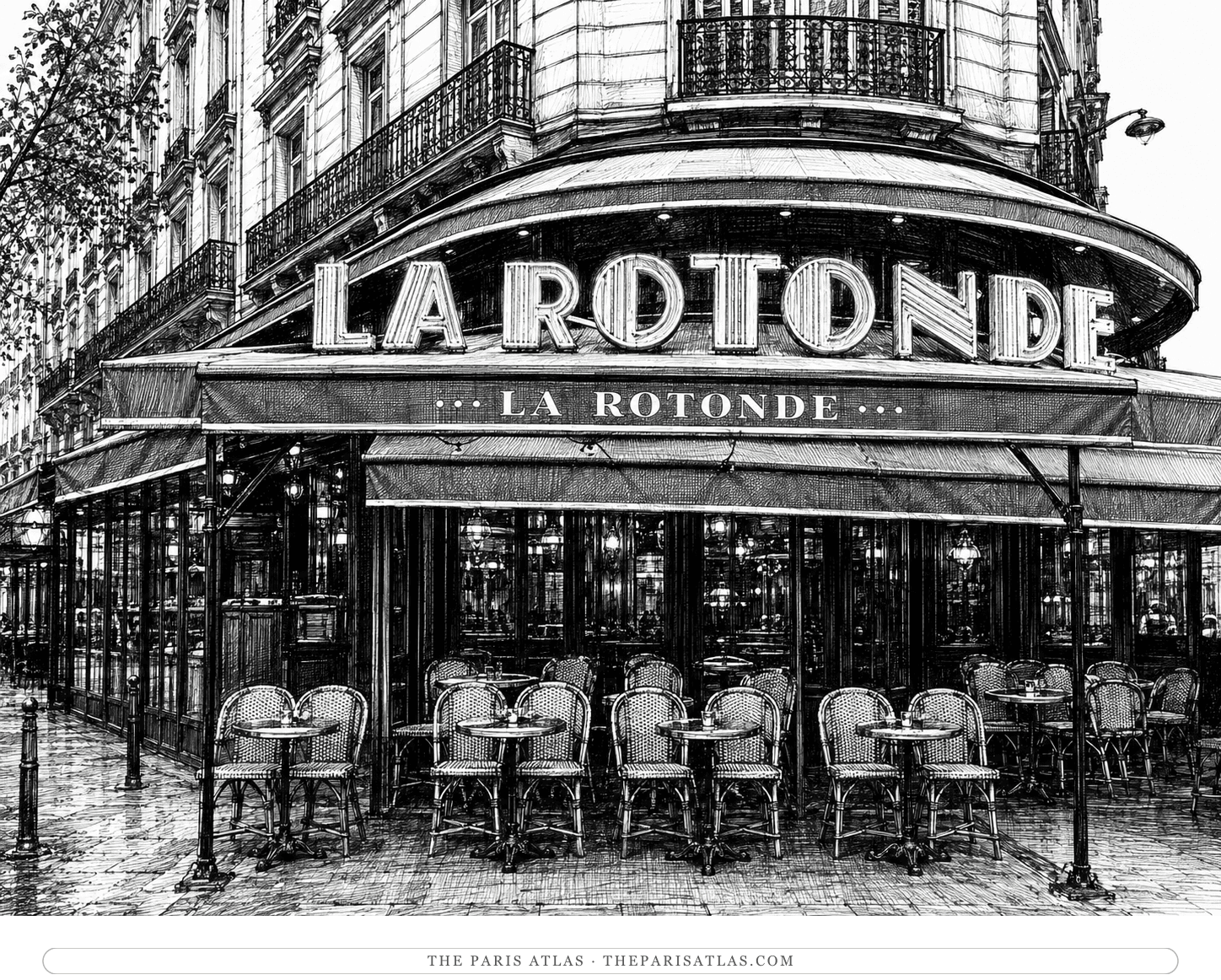
The café every taxi driver delivered Americans to — the novel's driest Montparnasse joke, and before that the painters' living room, where the patron took drawings for drinks.
Visit the placeThe sources below include histories, archival materials, scholarly research, and official records that informed this page. They document At the Sign of the Black Manikin, 4 rue Delambre, the people connected to it, and its place in Paris.


Web source consulted for documented facts and historical context presented on the At the Sign of the Black Manikin, 4 rue Delambre page.

Archival evidence used to document the historical record connected to At the Sign of the Black Manikin, 4 rue Delambre.
Archival evidence used to document the historical record connected to At the Sign of the Black Manikin, 4 rue Delambre.
Web source consulted for documented facts and historical context presented on the At the Sign of the Black Manikin, 4 rue Delambre page.
These references provide the documented foundation for this page's history and context. Claim-level citations remain attached to the specific claims they support.
 Explore more resources
Newsletter
The cafés, studios, and walk-up flats where the work was made — one story from the map in every letter.