Point Counter Point
Mark Rampion is invented, drawn from D. H. Lawrence: A painter and writer from a poor country family who tells everyone what is wrong with the modern world. Drawn from D. H. Lawrence.
Read the character guideEnglish novelist and poet out of a Nottinghamshire coalfield. A court destroyed The Rainbow in 1915, the police took his paintings off a London wall in 1929, and he came to Paris that March to get Lady Chatterley's Lover cheaply into print.
D. H. Lawrence was an English novelist, poet, playwright, critic, travel writer and painter, born in a Nottinghamshire mining village in 1885 and dead of tuberculosis in the south of France at forty-four. He wrote Sons and Lovers, The Rainbow, Women in Love and Lady Chatterley's Lover, along with several hundred poems, four travel books, and Studies in Classic American Literature, which changed the way American writing was read.
He is remembered for writing about sex. That is true and not very useful. His subject was what industrial life does to people — what happens when work turns mechanical, when the mind is trusted and the body is not, and when love hardens into ownership. Censors reached him three times. He came to Paris in March 1929 to deal with the third, and the first person he asked for help was Sylvia Beach.
He was born on 11 September 1885 at 8a Victoria Street, Eastwood, a colliery village of around five thousand people with ten pits inside an easy walk. The house had been built by Barber Walker & Co., the largest of the local colliery companies, which is the shortest way of saying what kind of town it was. His father, Arthur Lawrence, worked underground. So did all three of his father's brothers.[1]
His mother, Lydia Beardsall, had wanted to teach. Family money failed before she could, and she went into lace-drawing instead, keeping the books and the ambitions. The marriage was unhappy along every line that could divide it — schooling, drink, accent, what a son might reasonably become. Lawrence grew up inside that argument and spent his career writing versions of it.
He went to Beauvale Board School from the age of seven and won a scholarship to Nottingham High School in 1898, only the second miner's son ever to get there. The pits let him go. Eastwood did not: he was still writing about that coalfield, its houses and its walks, in the last year of his life.
He trained at University College, Nottingham, and in 1908 took a post at Davidson Road School in Croydon, on the southern edge of London. Teaching was a respectable way out of a mining town and he was reasonably good at it. It was not what he wanted.
What he had instead was Jessie Chambers, the daughter of a farming family at the Haggs, a few fields from Eastwood. She read everything he wrote and argued with him about it. In 1907 he entered a Nottinghamshire Guardian Christmas story competition three times over, using friends' names to get round the one-entry rule; the story that won, "A Prelude", was printed under hers.
In 1909 she sent his poems, without much warning to him, to Ford Madox Hueffer, later Ford Madox Ford, who was editing The English Review. Ford printed a group of them that November, went on printing him, walked him around literary London, and recommended his first novel to Heinemann, who published The White Peacock in 1911. At one of Violet Hunt's at-homes that same November, Lawrence met Ezra Pound. He had been writing for years with almost no readers outside Nottinghamshire, and the submission that ended that was not one he made himself.[2]
Lydia Lawrence died in December 1910. Sons and Lovers, published in 1913, went through four drafts across her death, the end of the friendship with Chambers, a pneumonia that nearly killed him, the end of teaching, and the beginning of his life with Frieda. It is the most openly autobiographical thing he wrote, and Chambers, recognisable in it as Miriam, thought so too.[1]
The novel is routinely filed under the Oedipus complex and closed again. Lawrence knew the popular Freudian ideas and grew steadily more hostile to what he called the Freudians; scholars who have traced that quarrel find him resisting exactly the reading the book keeps attracting. Sons and Lovers is also about class shame, a bad marriage, money, and how much room is left in a person who has been loved that hard.
In March 1912 he went to lunch at the house of Ernest Weekley, who had taught him at Nottingham, to ask about work abroad. He talked to Weekley's wife for a few minutes before the meal. Frieda Weekley, born Frieda von Richthofen, was German, six years older than Lawrence, and the mother of three children under twelve.
Lawrence would not have a discreet affair. He told Weekley. On Friday 3 May 1912 he and Frieda caught the boat train together and were in Metz by Saturday morning, where they wandered into a military area and were stopped and questioned, Lawrence suspected of spying. It was the first of several occasions on which officials decided he was a risk.[3]
They married in a London register office in July 1914, weeks before the war closed the route back to Italy. Frieda lost daily access to her children for years, argued with him constantly, left and returned, and outlived him by twenty-six years. She was the one person who would not accept his conclusions, which is a large part of why the books are better than the essays.
Methuen published The Rainbow in September 1915. The reviews were close to unanimous against it, the publisher withdrew it, and on 13 November a Bow Street magistrate ordered the remaining stock destroyed under the Obscene Publications Act — 1,011 copies. Methuen did not defend the book and expressed regret for having issued it. What had finally settled the question was a chapter in which the heroine, Ursula Brangwen, is drawn to a woman schoolteacher.[4]
The War finished me: it was the spear through the side of all sorrows and hopes.
The loss was practical as well as symbolic. Censorship cost him a novel he rated among his best, damaged his name with publishers, and cut his earnings for years. He and Frieda spent the rest of the war short of money and increasingly unwelcome.
From 1916 they lived at Zennor on the Cornish coast, where they hoped friends might join them in a small community away from industrial England. Lawrence called the imagined version Rananim. It never got past conversation. What did arrive was suspicion: a German wife, a husband against the war, rumours of a petrol store for submarines in the cliffs, and talk that their chimney smoke was signalling out to sea. A military patrol searched their shopping and confiscated a square loaf of bread, believing it to be a camera.
In October 1917 the cottage was searched while they were out and papers were taken. The following day a military exclusion order gave them three days to leave Cornwall. No espionage case was ever brought. Suspicion had been enough, and the years went into Women in Love, which watches a civilised society make its way towards a catastrophe it has already chosen.
He left England in 1919 and came back only to visit. The phrase for the years that followed is his own, and it makes the travelling sound grander than it was. In practice he and Frieda were looking for cheap rooms, tolerable weather, air his lungs could stand, and friends who could be borne at close range.[1]
The travel books are not neutral. Lawrence arrives everywhere already holding a theory about what modern Europe has lost, and the place is asked to confirm it. Sea and Sardinia survives that habit because the ferry timetables, the bad tempers and the cost of everything are in the book too, arguing with the theory the whole way.
Industry came first, because it was the landscape he was born into. His objection was not only to dangerous work and ugly towns. He thought mechanisation got into people — that they began running themselves the way they ran the machinery, efficiently, repetitively, with no instrument for anything that could not be measured. In Women in Love the mine-owner Gerald Crich brings pits, workers, animals and himself under control, and the mastery starts to look like a way of dying.
Out of that comes the argument his readers either take or refuse: that Christianity, industrial discipline, social convention and too much clever talk had taught people to distrust their own bodies and hand every decision to the conscious mind. His answer was not simply pleasure. It was a wider kind of attention, in which thought and sensation stay connected. This is why his characters so often understand something physically before they can say it. They stiffen, flinch, flush, or move towards each other, and the reaction is the thinking rather than a decoration on it.
His couples get no relief from any of this; they reproduce it at close range. Men and women in his fiction want to be loved and resist being known, and ask the other person to stay free so long as the freedom stays convenient. The question underneath is always whether two people can be that close without one of them being absorbed. He put it to Paul Morel and Miriam in Sons and Lovers, to Ursula and Rupert Birkin in Women in Love, and to Constance Chatterley and the gamekeeper Oliver Mellors at the end. The answers changed. The question did not.
The animals and plants in the poems are doing their own work rather than waiting to become symbols. In "Snake", written in Sicily, the speaker's education tells him to kill the creature at his water trough and another part of him refuses; he throws a log anyway and spends the rest of the poem regretting it. Inherited knowledge interrupts a real encounter and the man behaves badly because he was taught to. That is the Lawrence pattern in twenty lines.[5]
He is easy to recognise and dangerous to imitate. A scene starts with a room, a coat, a job of work or somebody coming through a door, and then the pressure rises until a conversation about employment has become an argument about the future of the species. He rarely leaves a feeling at the size he found it.
The method is repetition. Words, images and sentence shapes come back until a state of mind turns rhythmic. At his best it works like an incantation and the meaning accumulates instead of being explained. At his worst he sounds like a man who has made his point and intends to make it four more times in case civilisation was not listening. The two are the same technique.
He also writes convincing domestic dialogue, class difference and Nottinghamshire speech, and he can leave all of it behind within a page for a vocabulary of blood, darkness, stars and rebirth. His plots are more conventional than those of James Joyce or Virginia Woolf — families, jobs, marriages, journeys, quarrels — and the strangeness arrives inside the realism rather than instead of it.
Never trust the artist. Trust the tale.
He wrote that about other novelists, and it is the most useful instruction anyone has left for reading him. Lawrence the thinker announces a law. Lawrence the novelist then builds people who will not obey it, and the books are strongest exactly where the two disagree.
Lady Chatterley's Lover had been printed privately in Florence in July 1928, because no British or American house would touch it: a thousand signed copies, hand-set by Italian printers and sold by subscription through the bookseller Giuseppe Orioli. It sold out inside six months and made him more money than anything he had written. Then the pirates found it, and the profits went to people who had not written it.
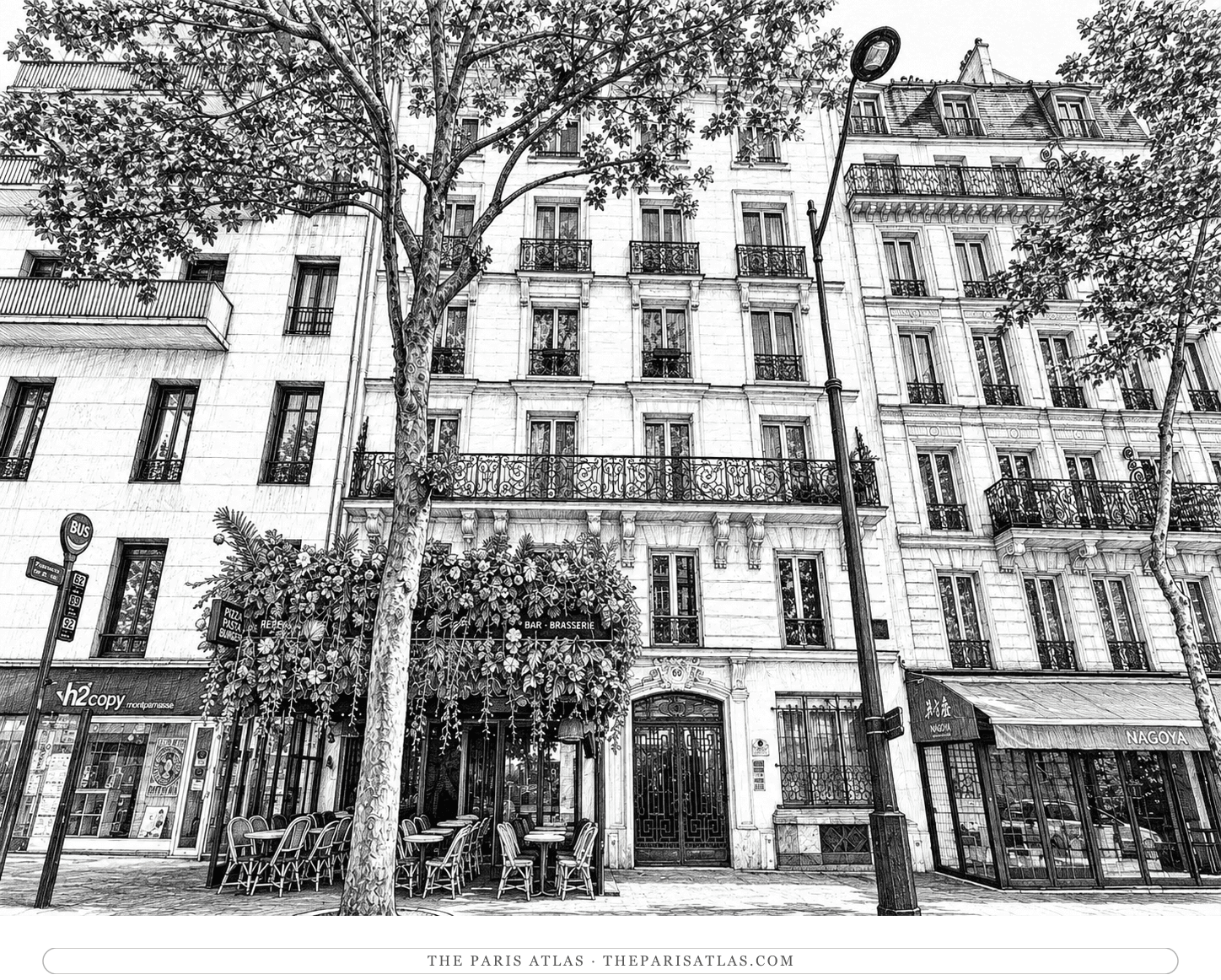
So he came to Paris to have a cheap edition made that could undercut them. He arrived on 12 March 1929 and stayed until 7 April, at the Grand Hôtel de Versailles, 60 boulevard du Montparnasse, a plain guesthouse with a grand name. A marble plaque on the building records the visit and its purpose.
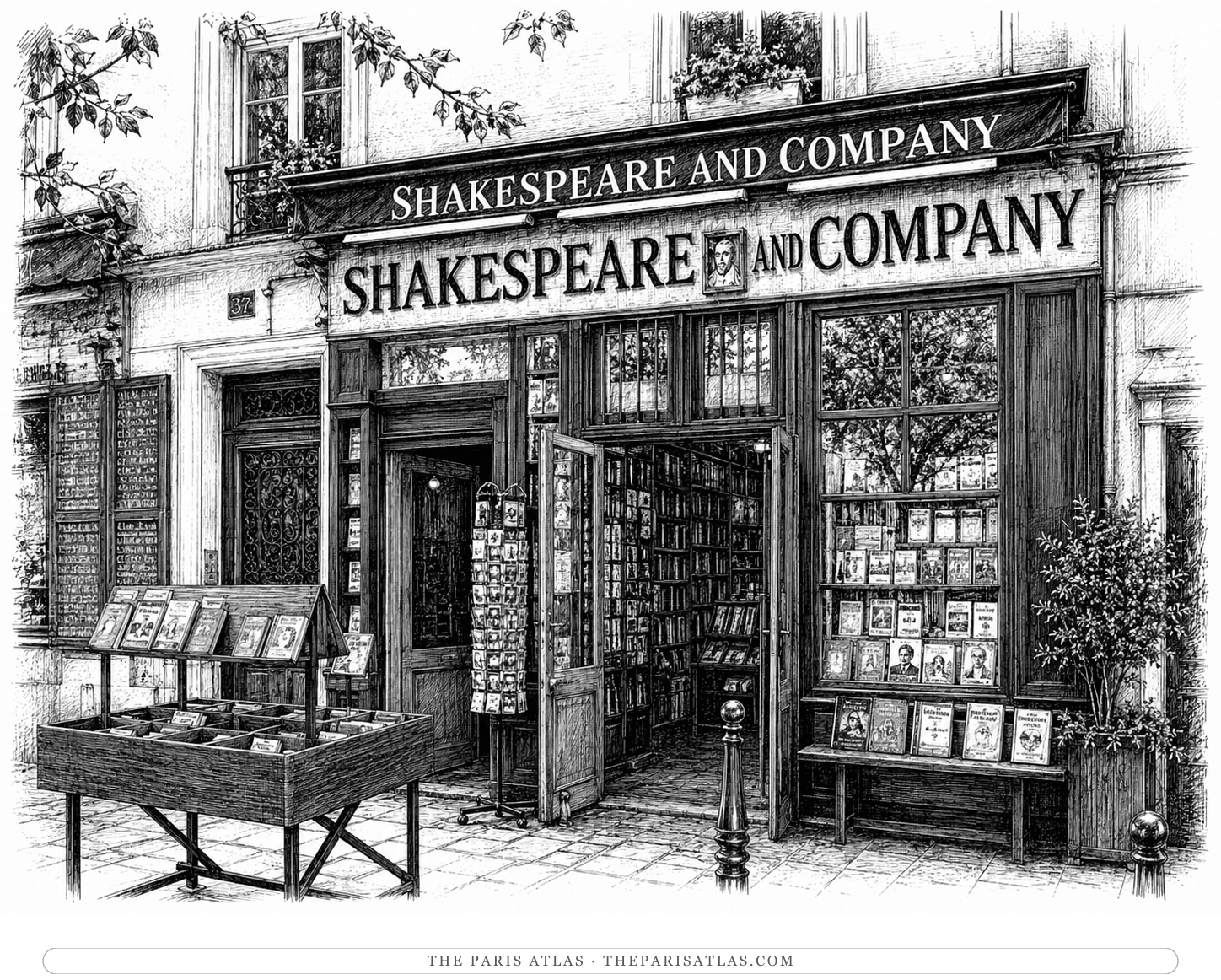
Sylvia Beach was the obvious person to ask. Shakespeare and Company was the centre of English-language literary Paris and she had published Ulysses when nobody else would. She turned him down in the middle of March. Her reasons, in her own account, were short: she did not admire the book, and she did not want a name as a publisher of erotica. She seems to have sent him on to Edward Titus, the American bookseller of the rue Delambre, who had already printed one of his stories.
Titus took it. A surviving letter of 5 April 1929 sets out the terms: three thousand copies at sixty francs, with the money split between them. Lawrence wrote a new introduction, "My Skirmish with Jolly Roger", about the pirates, and expanded it that autumn into the essay "A Propos of Lady Chatterley's Lover". The Paris edition did what he had come for. It undercut the pirates and it paid.
There is a footnote worth having. The lending-library cards kept by Beach's shop have been catalogued at Princeton, and they show that D. H. Lawrence was the most borrowed author on her shelves — three hundred loans, ahead of James Joyce's one hundred and ninety-one. The shop that would not publish him lent him out more than anyone else it stocked.
He went out very little otherwise. He sat once in the salon of the historian Daniel Halévy, met the novelist François Mauriac, and wrote to his agent the next day that the Lord had made Adam out of printer's ink in Paris.
He painted seriously in his last years, in strong colour and mostly on the human body. In the summer of 1929 the Warren Gallery in Mayfair exhibited twenty-five of the pictures and around thirteen thousand people came to look at them. After complaints, the police raided the gallery and removed thirteen — every one that showed pubic hair, or something the officers took for it.
A hearing followed on whether the pictures should be destroyed. The magistrate, Frederick Mead, described them as gross, coarse, hideous, unlovely and obscene. The gallery saved them by undertaking that they would never be exhibited in England again. Lawrence, who had spent fourteen years being told his novels were indecent, replied in the only currency he had left and wrote a book of stinging poems about it, which he called Nettles.
He had been ill since childhood, and by the late 1920s tuberculosis had taken most of his range. An x-ray in Paris in 1929 found one lung effectively gone and the other going. He declined to see anyone else about it and kept working.
In February 1930 he entered the Ad Astra sanatorium at Vence, in the hills above Nice. He was miserable there, discharged himself after three weeks, and moved to a rented house, the Villa Robermond. He died there on 2 March 1930, with Frieda present. He was forty-four. He was buried at Vence; in 1935 the body was exhumed and cremated, and the ashes were taken to the ranch above Taos.
Britain's Obscene Publications Act of 1959 allowed a book's literary merit to be argued in its defence. Penguin printed the unexpurgated Lady Chatterley's Lover the following year, essentially to test the point, and was prosecuted for it. The trial ran six days at the Old Bailey from 20 October 1960 and ended in acquittal on 2 November.
The two hundred thousand copies Penguin had printed sold out on the first day the book could legally be bought. Lawrence lost nearly every fight he had with the censors while he was alive. The largest one was won thirty years after he was dead.
He is a contested writer and the argument is worth knowing before you start. Kate Millett's Sexual Politics, in 1970, made him the central exhibit in a case about male authority in modern fiction, and the reading has shaped his reputation ever since. Cambridge's own surveys of the criticism describe the feminist response to him as sharply divided rather than settled: the essays and some of the speeches in the novels insist on fixed masculine and feminine kinds of power, while Ursula Brangwen, Gudrun and Constance Chatterley keep declining the conclusions their author appears ready to reach.
His politics attract a similar split. He despised mass democracy, industrial capitalism and militarism, and at times imagined leadership resting on natural authority instead — which reads less like an escape from the machine than a different way of running it. Scholars tend to describe his position as unstable and hybrid rather than placeable on a left-to-right line.
The travel writing raises the third question. Lawrence went looking outside Europe for cultures he believed had kept a working relationship with ritual, nature and each other. The search let him attack European assumptions of superiority and also let him flatten the people he met into evidence for an argument he had brought from home. The Plumed Serpent is the book where that is hardest to ignore. Reading it attentively and sceptically at the same time is the only honest way to take it.
Three recorded talks, all of them posted by the institutions that hold Lawrence: the research centre at Nottingham, the ranch programme at the University of New Mexico, and the New York Public Library. Lengths run from eight minutes to just over an hour.
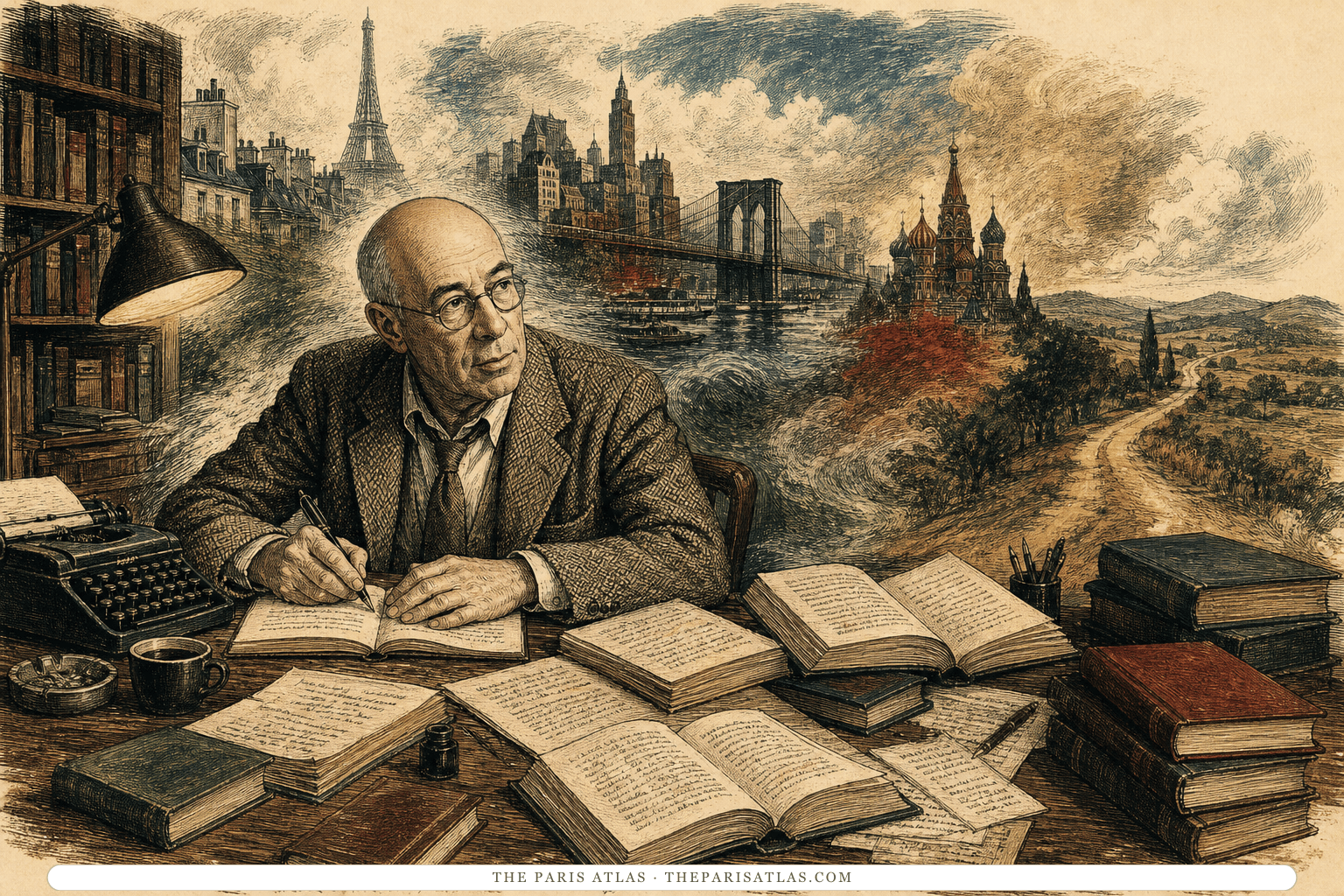
Six drawn studies of Lawrence, in six manners. These are original illustrations, not photographs of him.
Lady Chatterley's Lover is the first of his books on these shelves. As the rest arrive, this is the order that makes sense.
Born on 11 September at 8a Victoria Street, Eastwood, Nottinghamshire, the fourth child of Arthur Lawrence, a collier, and Lydia Beardsall.
Wins a scholarship to Nottingham High School, only the second miner's son ever to go there.
Takes a teaching post at Davidson Road School, Croydon, after training at University College, Nottingham.
Jessie Chambers sends his poems to Ford Madox Hueffer at The English Review, which prints them in November. He meets Ezra Pound the same month.
His mother dies in December.
The White Peacock published by Heinemann, on Ford's recommendation.
Meets Frieda Weekley in March and leaves England with her on 3 May. They are stopped and questioned at Metz, Lawrence suspected of spying.
Sons and Lovers published, after four drafts.
Marries Frieda in a London register office in July.
The Rainbow published in September and prosecuted on 13 November; a Bow Street magistrate orders 1,011 copies destroyed and Methuen declines to defend it.
Expelled from Cornwall in October under a military exclusion order, with three days to leave. No charge is ever brought.
Leaves England for good, settling first in Italy and then at Fontana Vecchia, Taormina.
Ceylon, then Australia, then Taos, New Mexico, at Mabel Dodge Sterne's invitation.
Publishes Studies in Classic American Literature, the essays on Franklin, Cooper, Poe, Hawthorne, Melville and Whitman that reset how American writing was read.
Settles at the Villa Mirenda, Scandicci, near Florence, and begins Lady Chatterley's Lover. The Plumed Serpent is published.
Lady Chatterley's Lover printed privately in Florence in July, a thousand signed copies sold by subscription through Giuseppe Orioli. Pirated editions follow within months.
In Paris from 12 March to 7 April to arrange a cheap edition. Sylvia Beach declines it; Edward Titus agrees to three thousand copies at sixty francs. In July the police remove thirteen of his paintings from the Warren Gallery in London.
Enters the Ad Astra sanatorium at Vence in February, discharges himself, and dies at the Villa Robermond on 2 March, aged forty-four.
Penguin is prosecuted for publishing the unexpurgated Lady Chatterley's Lover and acquitted at the Old Bailey on 2 November. Two hundred thousand copies sell on the first day.
Kate Millett's Sexual Politics makes Lawrence its central exhibit in a case about male authority in fiction. The feminist response to him has stayed divided ever since, between his stated theories and the women his novels actually build.
Never trust the artist. Trust the tale. The proper functions of a critic is to save the tale from the artist who created it.
I went to a French literary tea yesterday – with Mauriac and a few more – ye gods, how literary – the Lord made Adam out of printer's ink, in Paris.
Ours is essentially a tragic age, so we refuse to take it tragically.
Mark Rampion is invented, drawn from D. H. Lawrence: A painter and writer from a poor country family who tells everyone what is wrong with the modern world. Drawn from D. H. Lawrence.
Read the character guide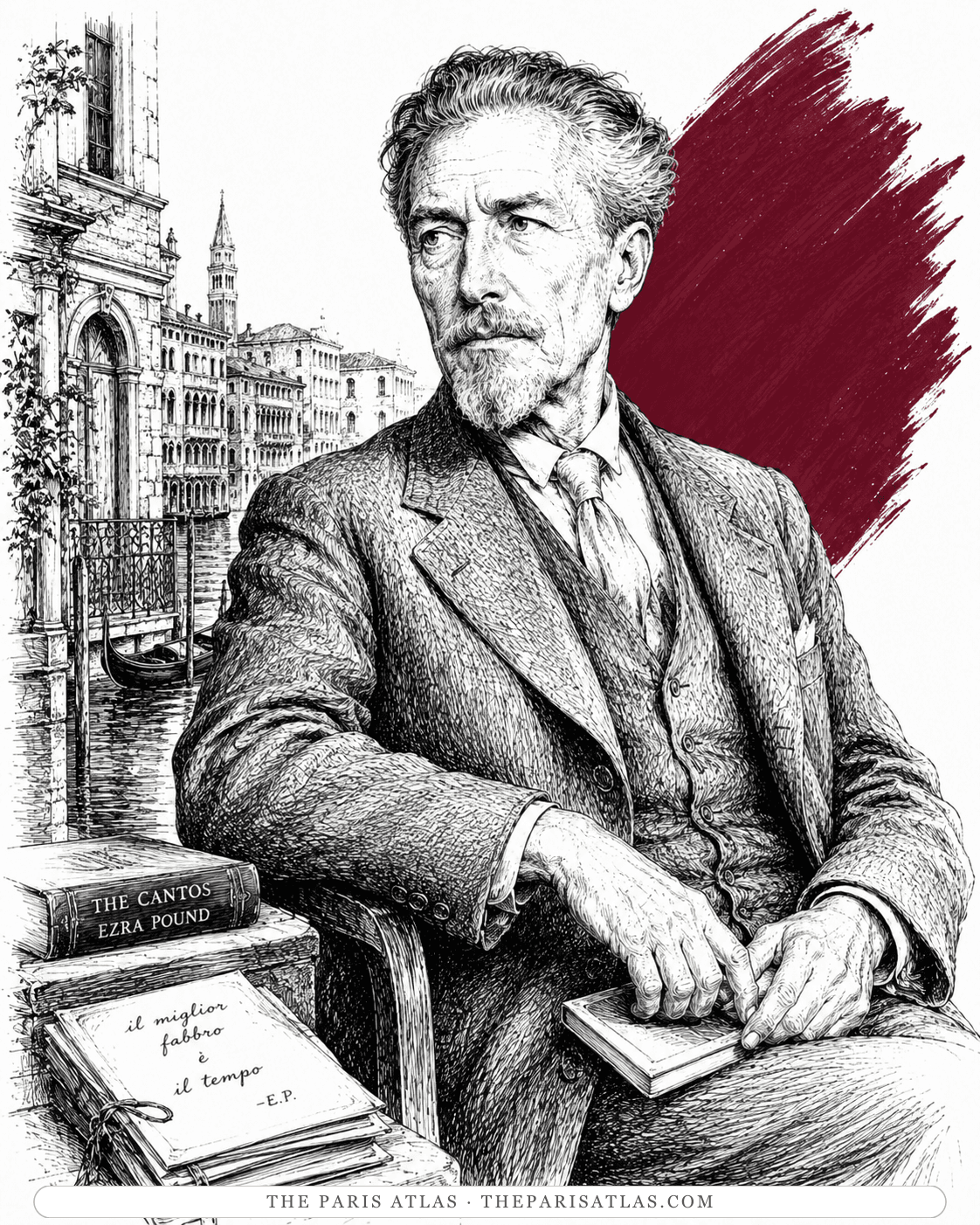
Met · 1909
They met in November 1909 through The English Review circle, at one of Violet Hunt's at-homes. Lawrence described the evening in a letter to Louie Burrows dated 20 November 1909. The two writers never became close.
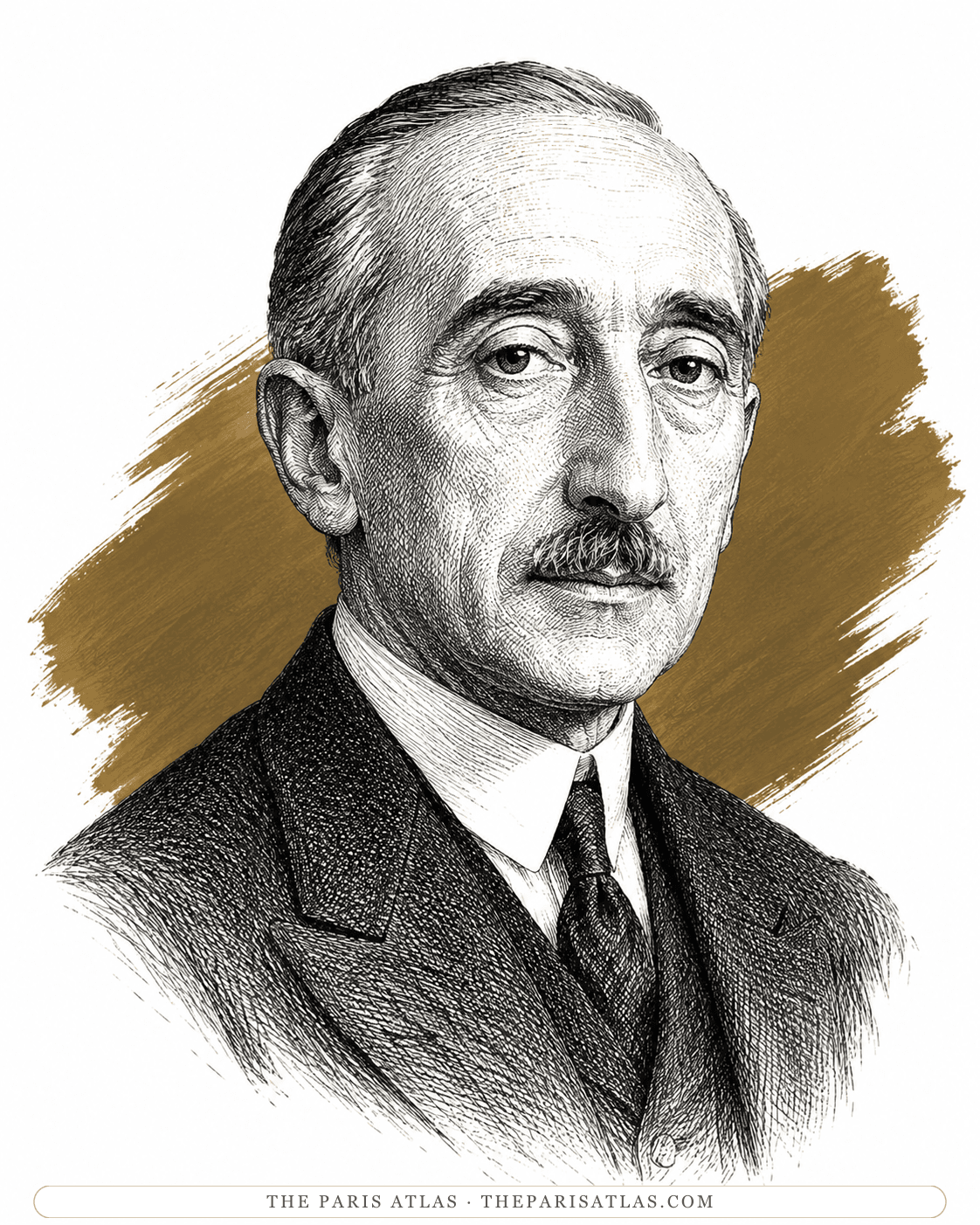
Met · 1929
At Daniel Halévy's literary salon in March 1929, on Lawrence's one Paris visit. He reported it to his agent Laurence Pollinger the next day, unimpressed by the company.
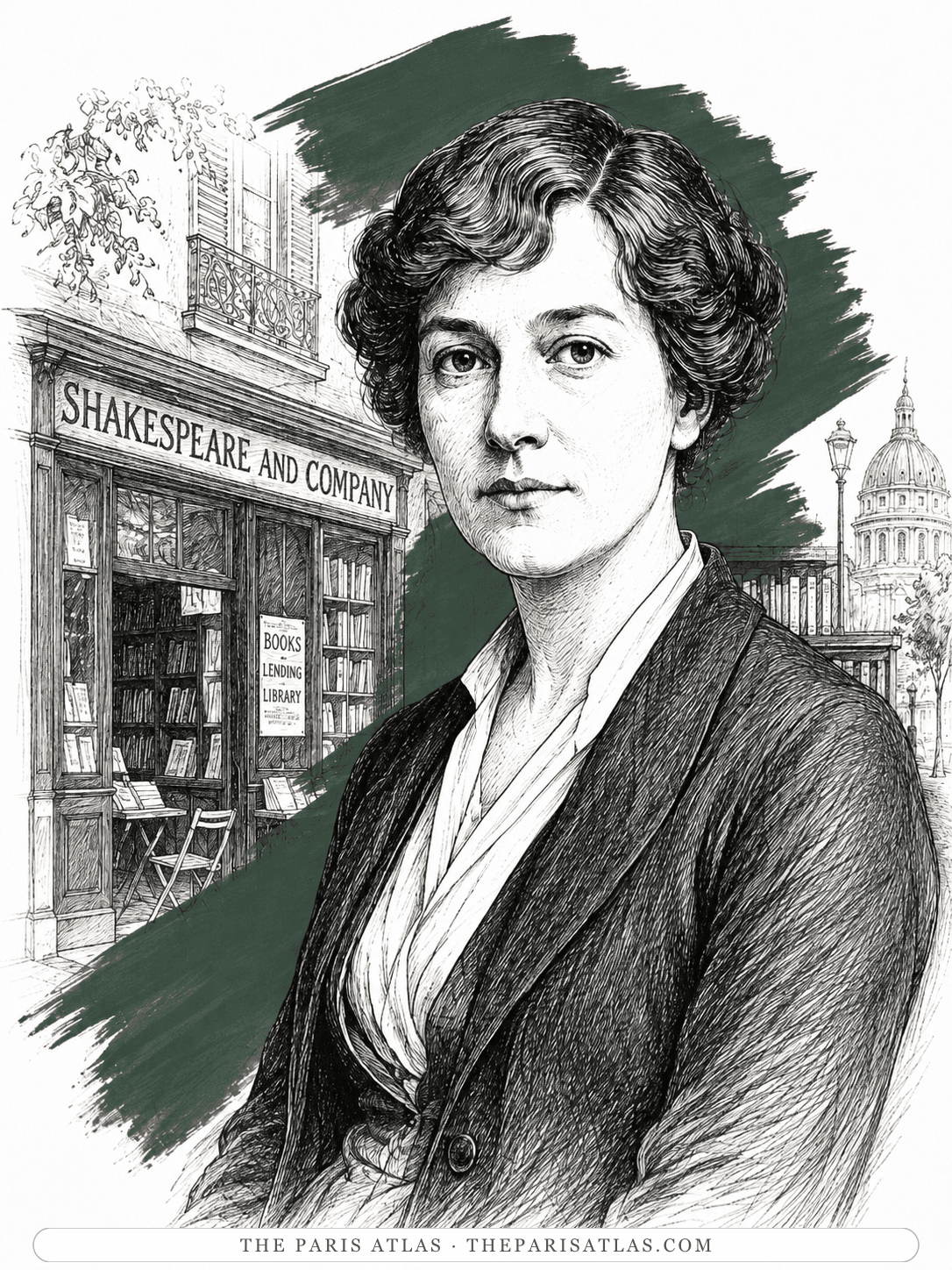
Met · 1929
Lawrence came to Paris in March 1929 to arrange a cheap edition of Lady Chatterley's Lover that could undercut the pirates, and asked Beach to publish it. She declined. Her own account of the refusal is plain: she did not admire the book and did not want a name as a publisher of erotica. She appears to have pointed him towards Edward Titus instead.
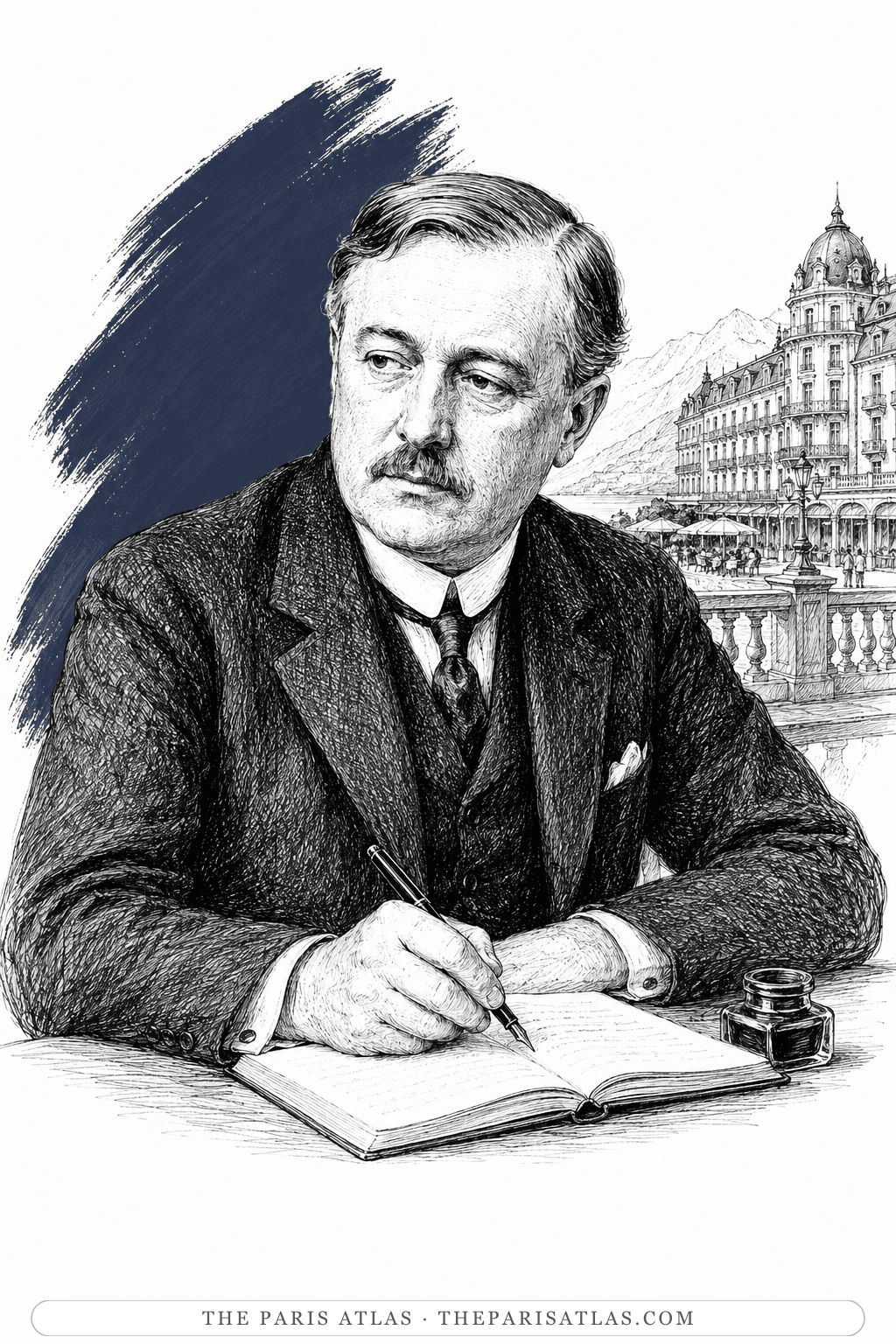
Mentored by · 1909
Jessie Chambers sent Lawrence's poems to Ford — then publishing as Ford Madox Hueffer — at The English Review, which printed them in November 1909 under the collective title "A Still Afternoon". Ford went on publishing him, walked him around literary London, and recommended The White Peacock to Heinemann, who published it in 1911.
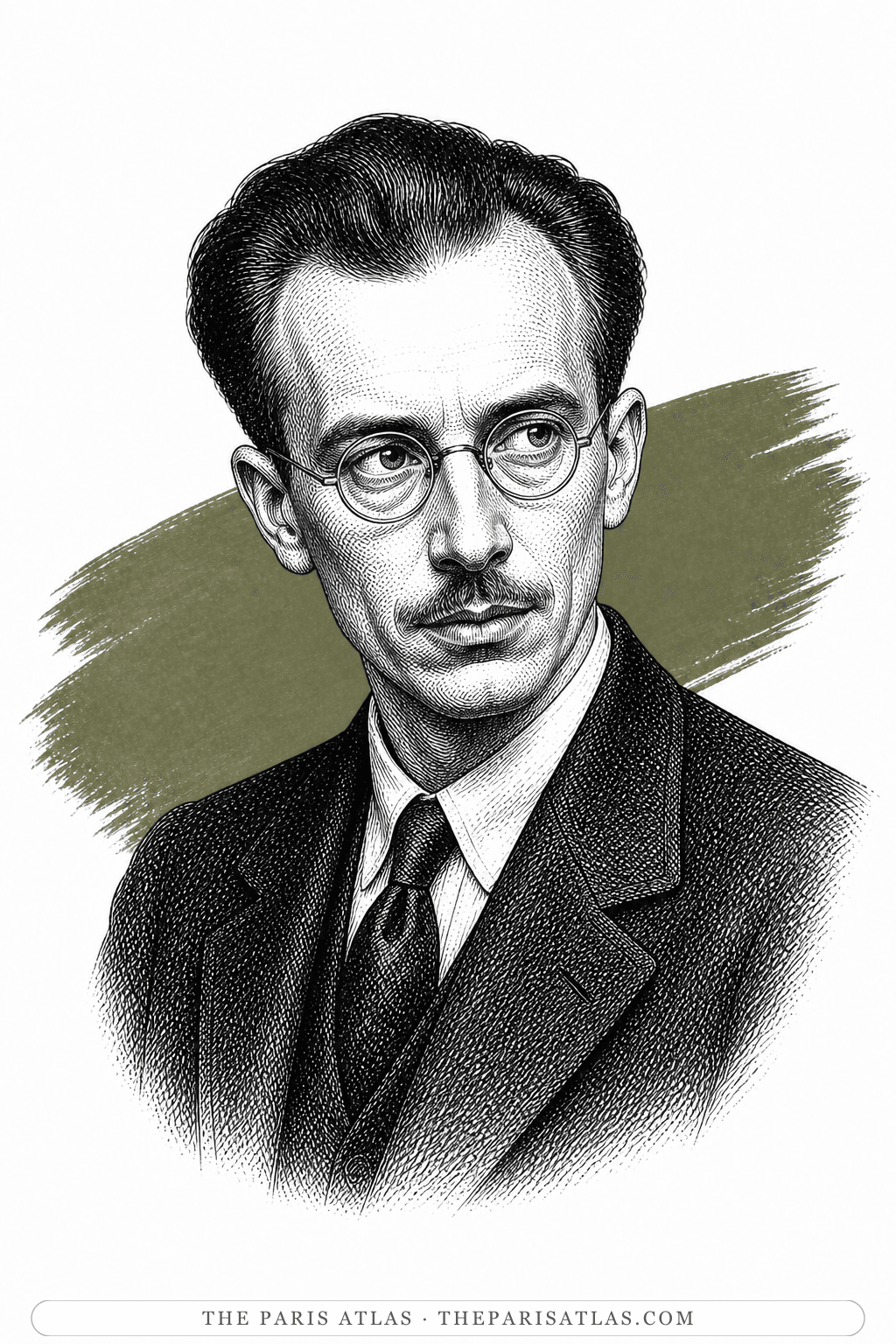
Met · 1915–1930
Huxley met Lawrence in 1915 and stayed in his orbit for the rest of Lawrence's life, despite having almost nothing in common with him as a writer — Eton and Balliol against a Nottinghamshire mining village, irony against prophecy. Huxley put a version of him into Point Counter Point (1928) as Mark Rampion, which Lawrence read and disliked. Maria Huxley typed part of Lady Chatterley's Lover; from their house at Suresnes the couple sent Lawrence to the Paris presses in March 1929 and to their own doctor; both were at Vence when he died on 2 March 1930; and Huxley edited the first published collection of Lawrence's letters in 1932.
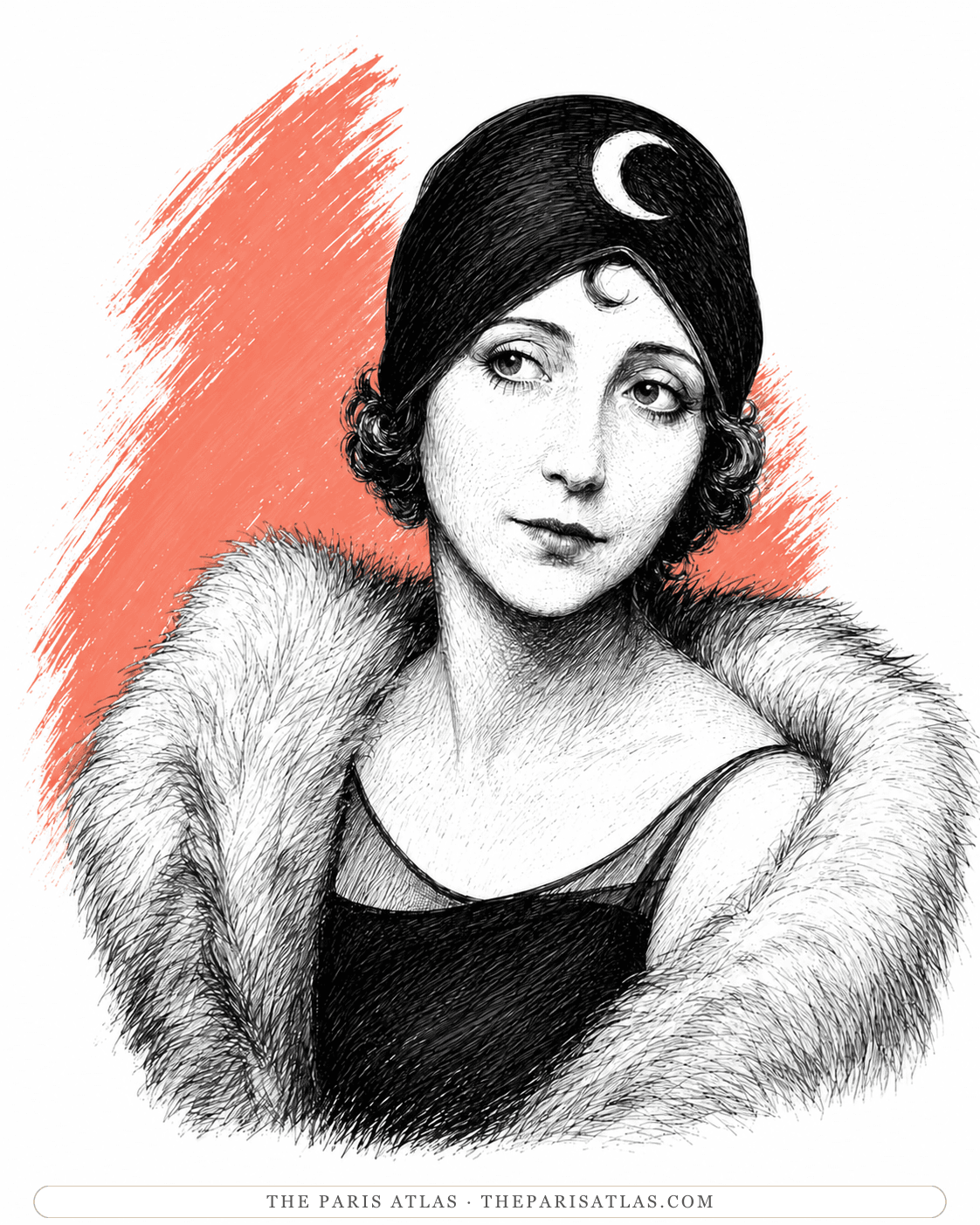
Nin's first published book was D. H. Lawrence: An Unprofessional Study, written fast and issued in Paris in 1932 by Edward Titus — the publisher who had brought out the Paris edition of Lady Chatterley's Lover three years earlier. She read Lawrence for his ideas rather than his life, which set her study apart from the memoirs then appearing.
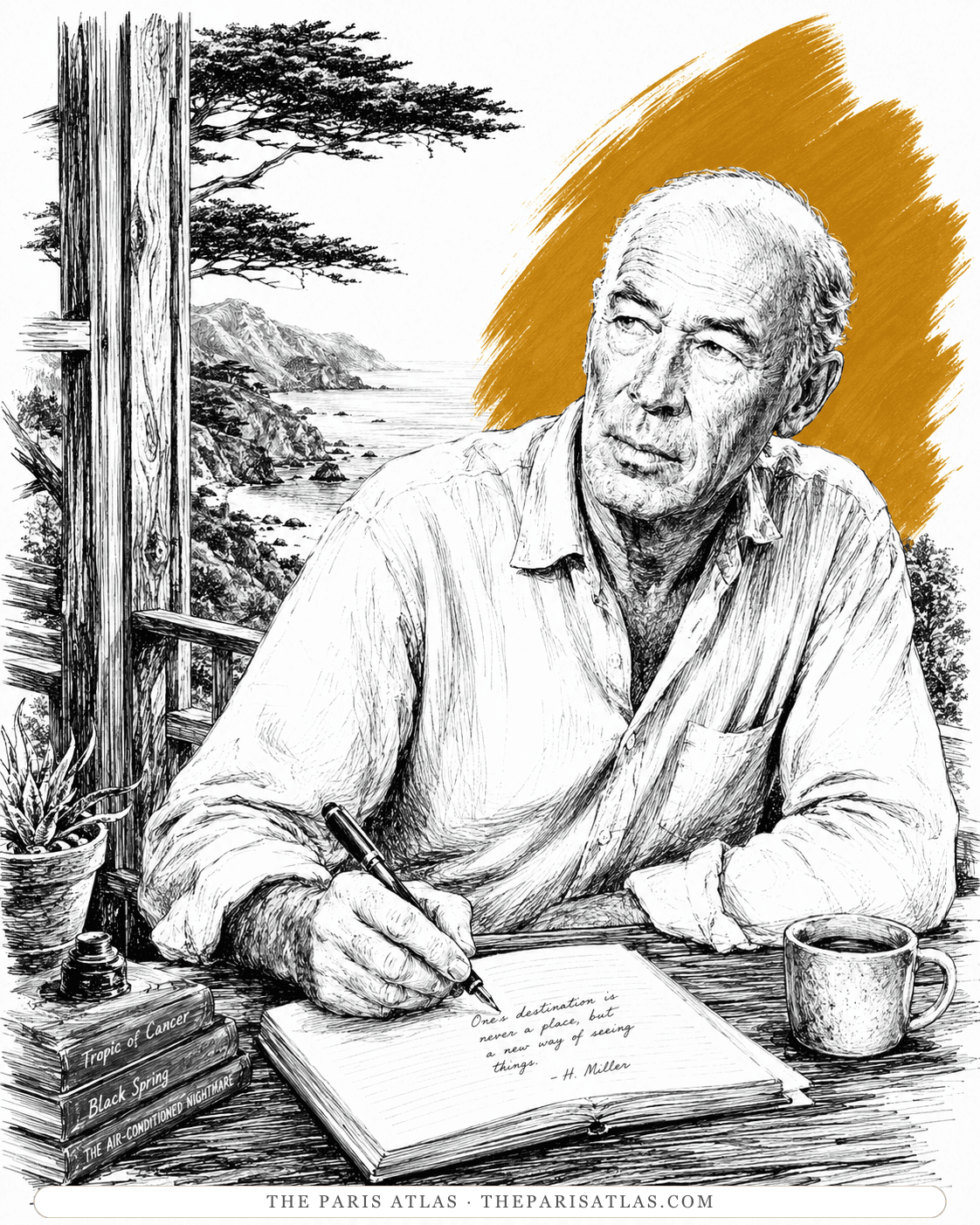
Commissioned by Jack Kahane to write a short respectable book on Lawrence before Tropic of Cancer, Miller spent 1933 reading and charting at manic scale and never finished it. The salvaged pages appeared as The World of Lawrence in 1980. Lawrence was also the first common ground between Miller and Anaïs Nin, who had just published her own study when they met.

D. H. Lawrence's last novel: printed privately in Florence in 1928, reprinted cheaply in Paris in 1929 to beat the pirates, and legal in Britain only from 1960.
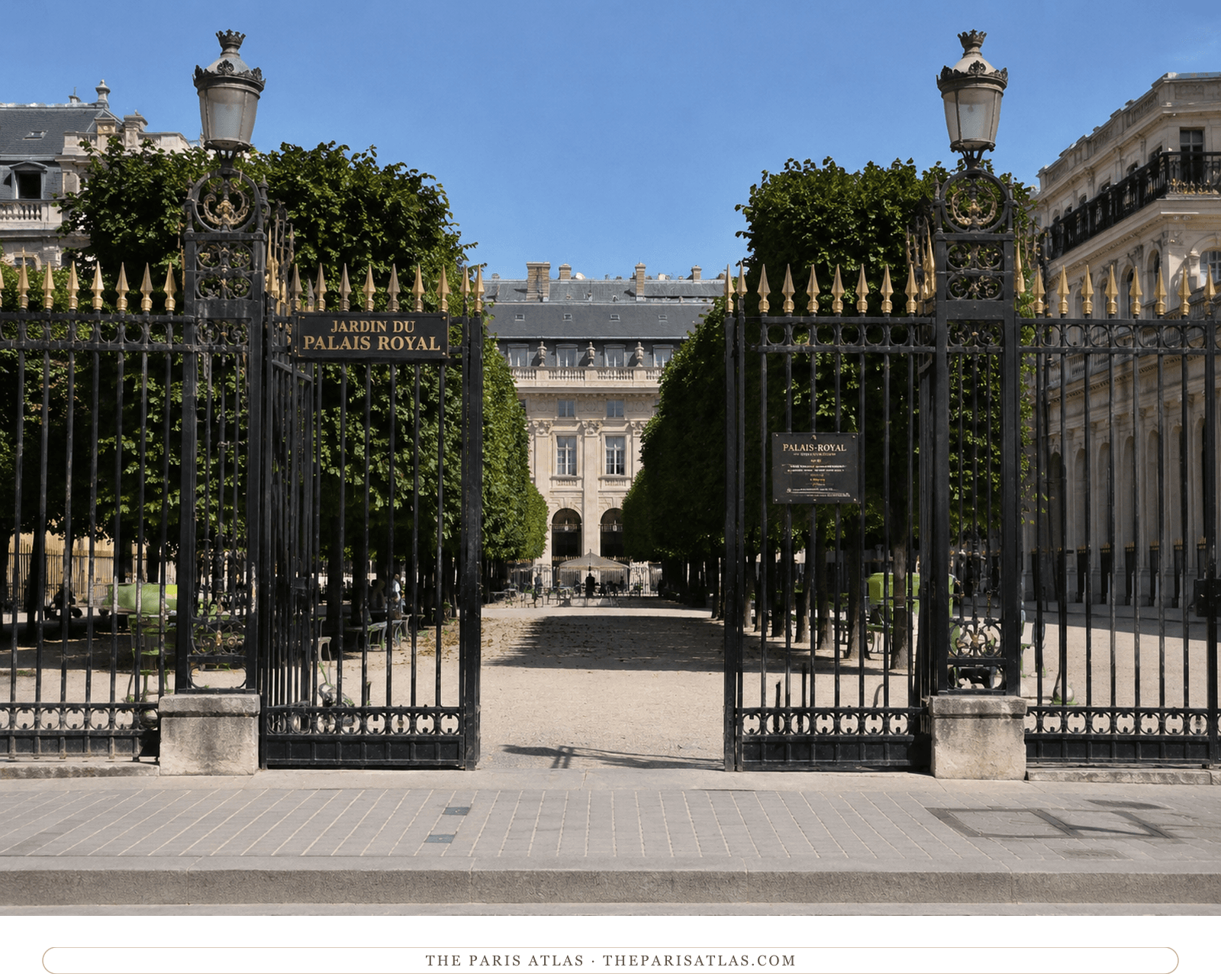
Frank Groves, a pirate publisher, kept a bookshop in the arcades on the north side of the garden, and Lawrence went there in March 1929 to discuss a Paris edition before changing his mind on the pavement outside. Groves published a pirated edition anyway, printed in Germany; Lawrence learned of it on 15 March. The account places him at the shop rather than in the garden itself, which is why this reads as probable.
Visit the place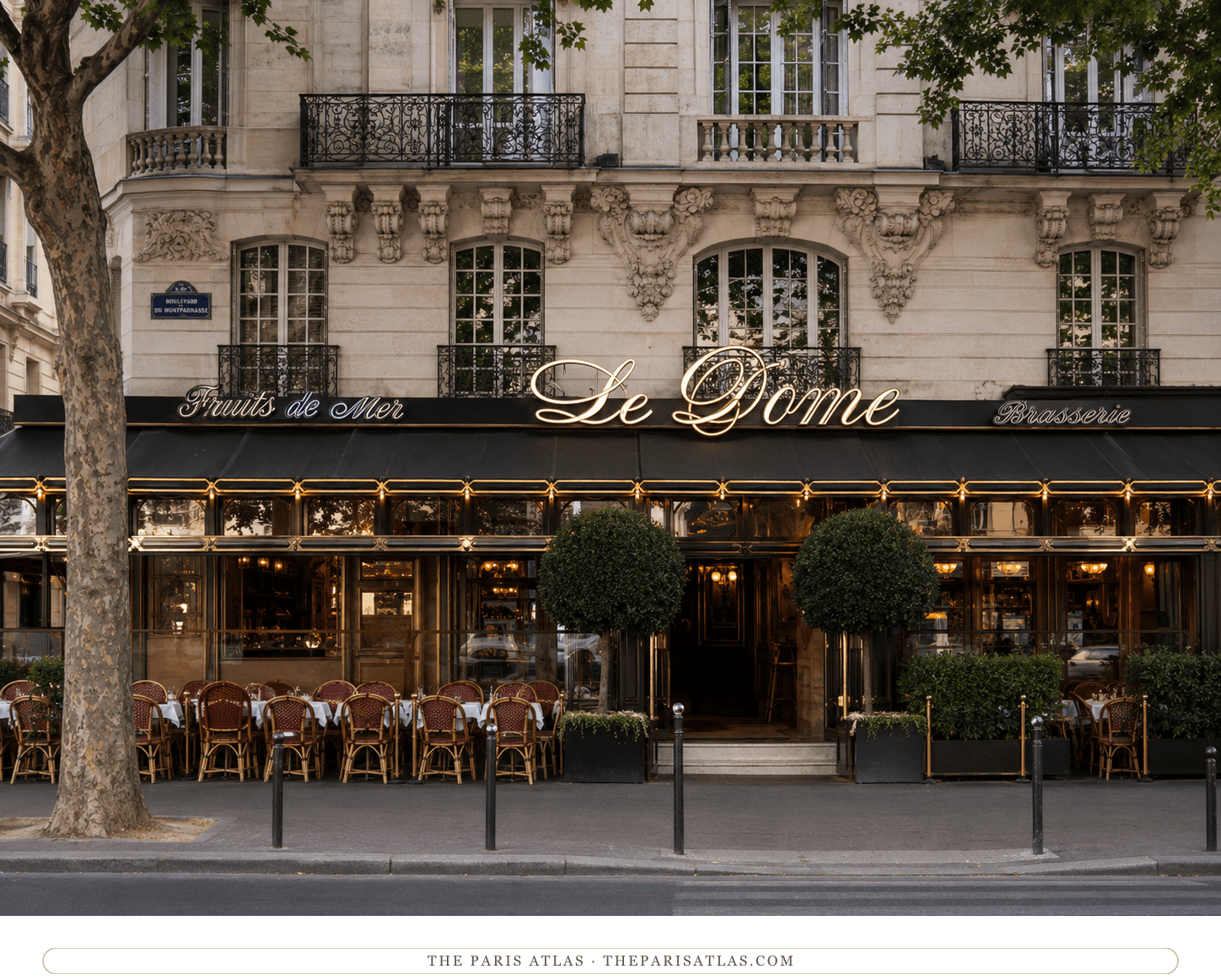
The café was a few doors along the same boulevard as his hotel, and he went there during his month in the city. No source records who he sat with.
Visit the place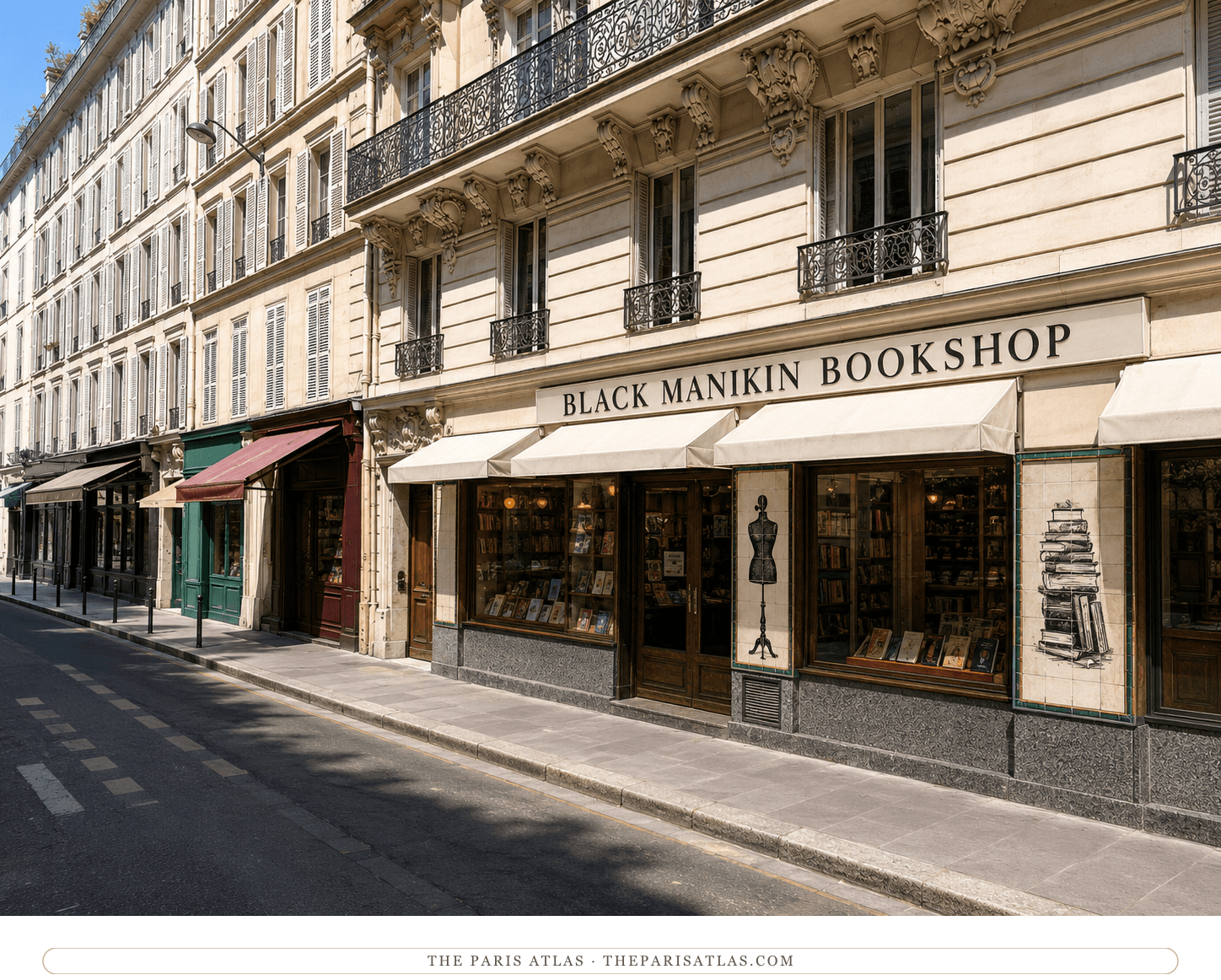
Edward Titus's shop, where the terms for the cheap Paris edition of Lady Chatterley's Lover were settled on 5 April 1929: three thousand copies at sixty francs, against the three hundred the pirates were asking.
Visit the place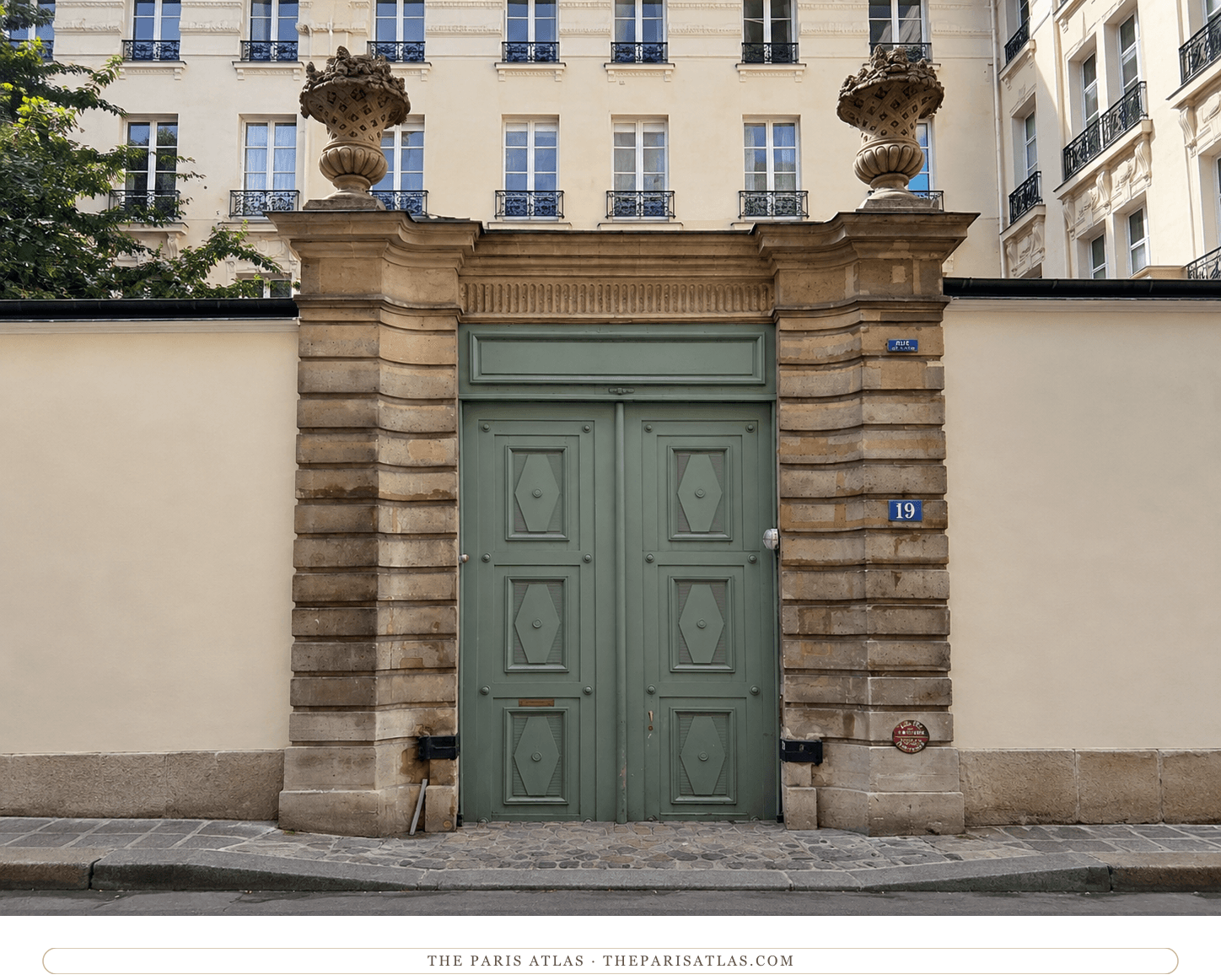
Harry and Caresse Crosby's town house and the address of the Black Sun Press, which printed his story "Sun" and the novella The Escaped Cock. Caresse Crosby tried to introduce him to James Joyce here; Joyce left.
Visit the place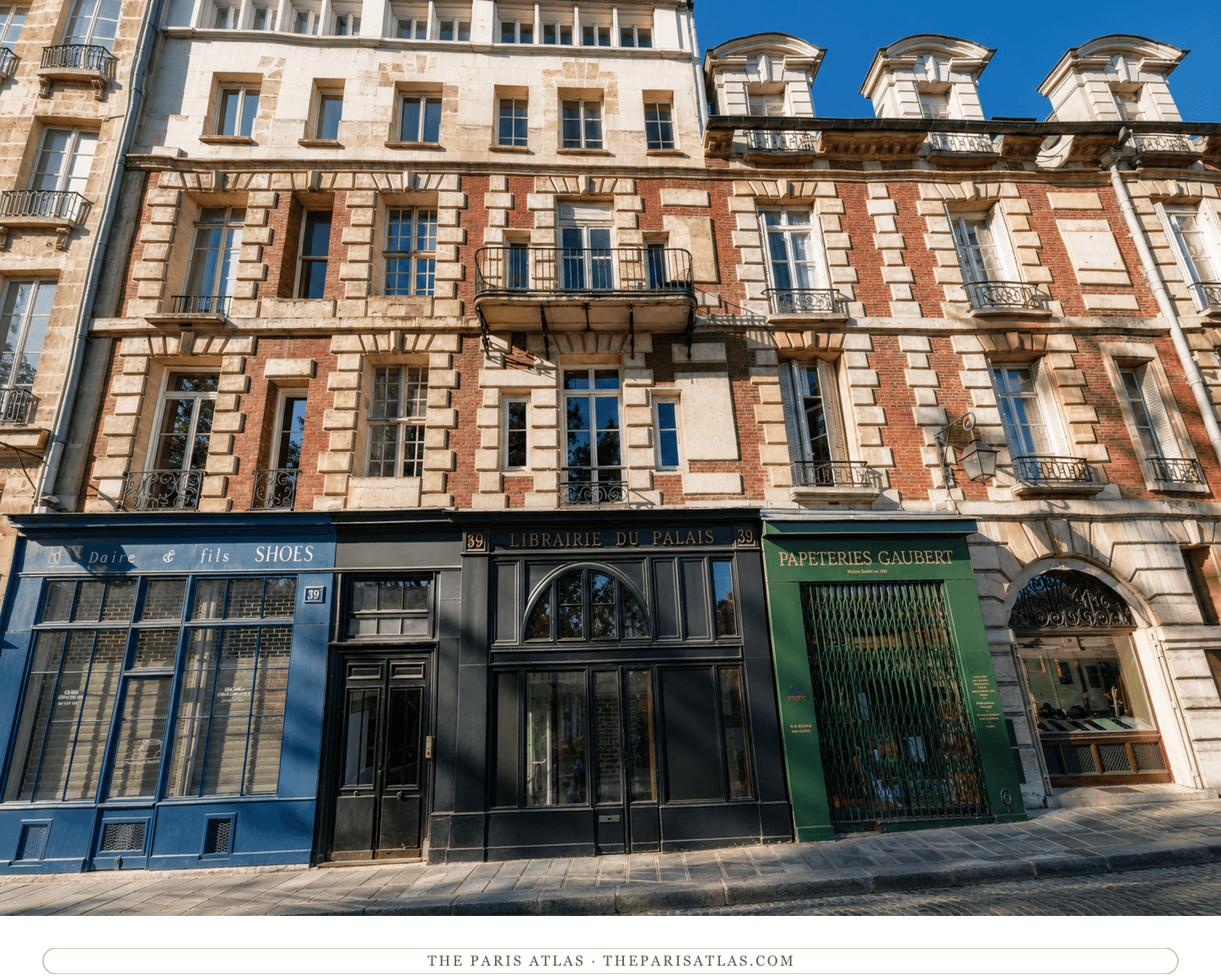
One literary tea, in March 1929, where he met François Mauriac. He described it to his agent the next day without enthusiasm and did not go back.
Visit the place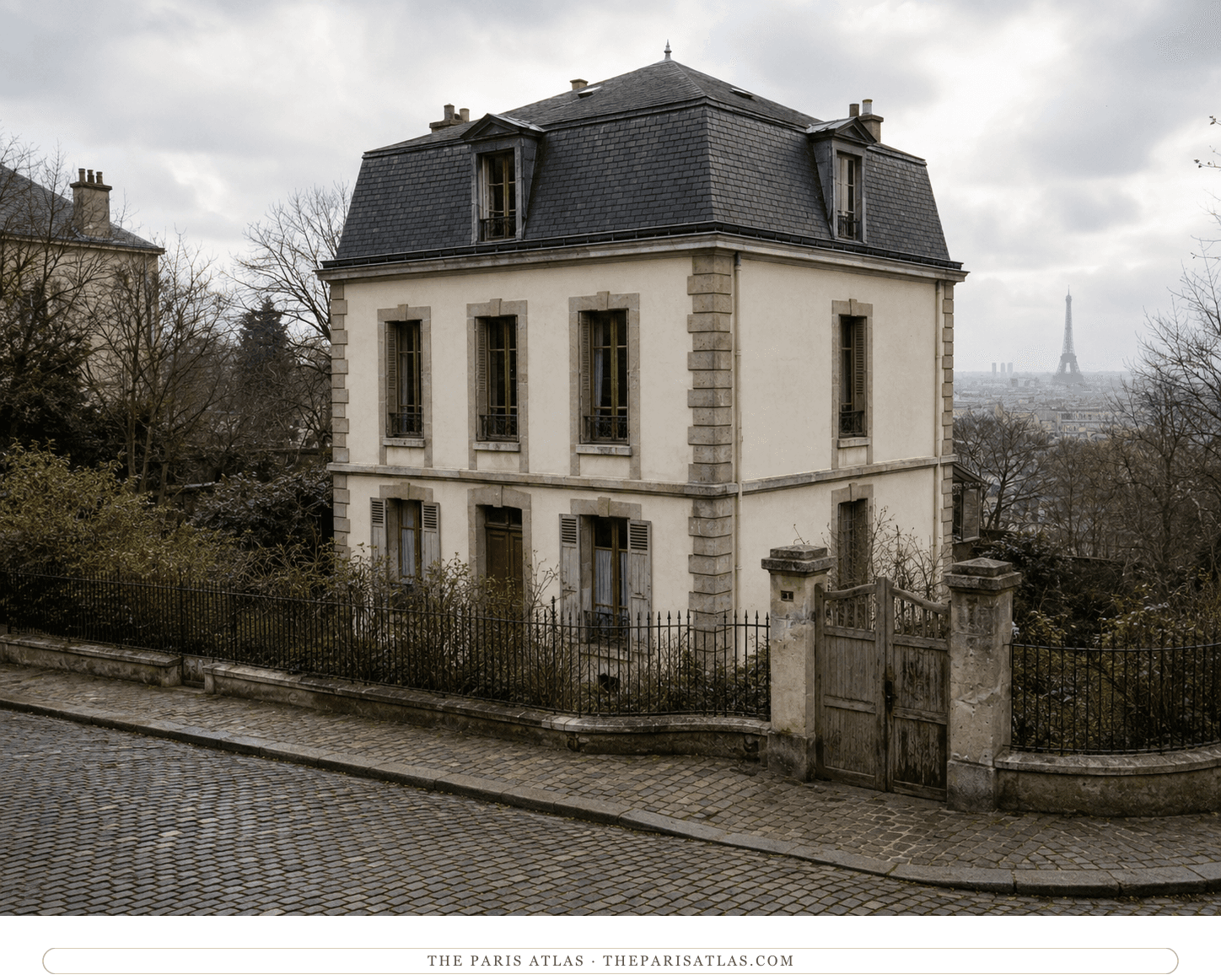
He spent a week with Aldous and Maria Huxley in the middle of his Paris month, and they arranged for him to see their doctor. He found the suburb sleepy and dull. It was the Huxleys who had sent him to Paris in the first place.
Visit the place
He and Frieda spent the Easter weekend of 1929 at the Crosbys' mill in the grounds of the Château d'Ermenonville, in the middle of the month he was spending in Paris on the Lady Chatterley edition.
Visit the place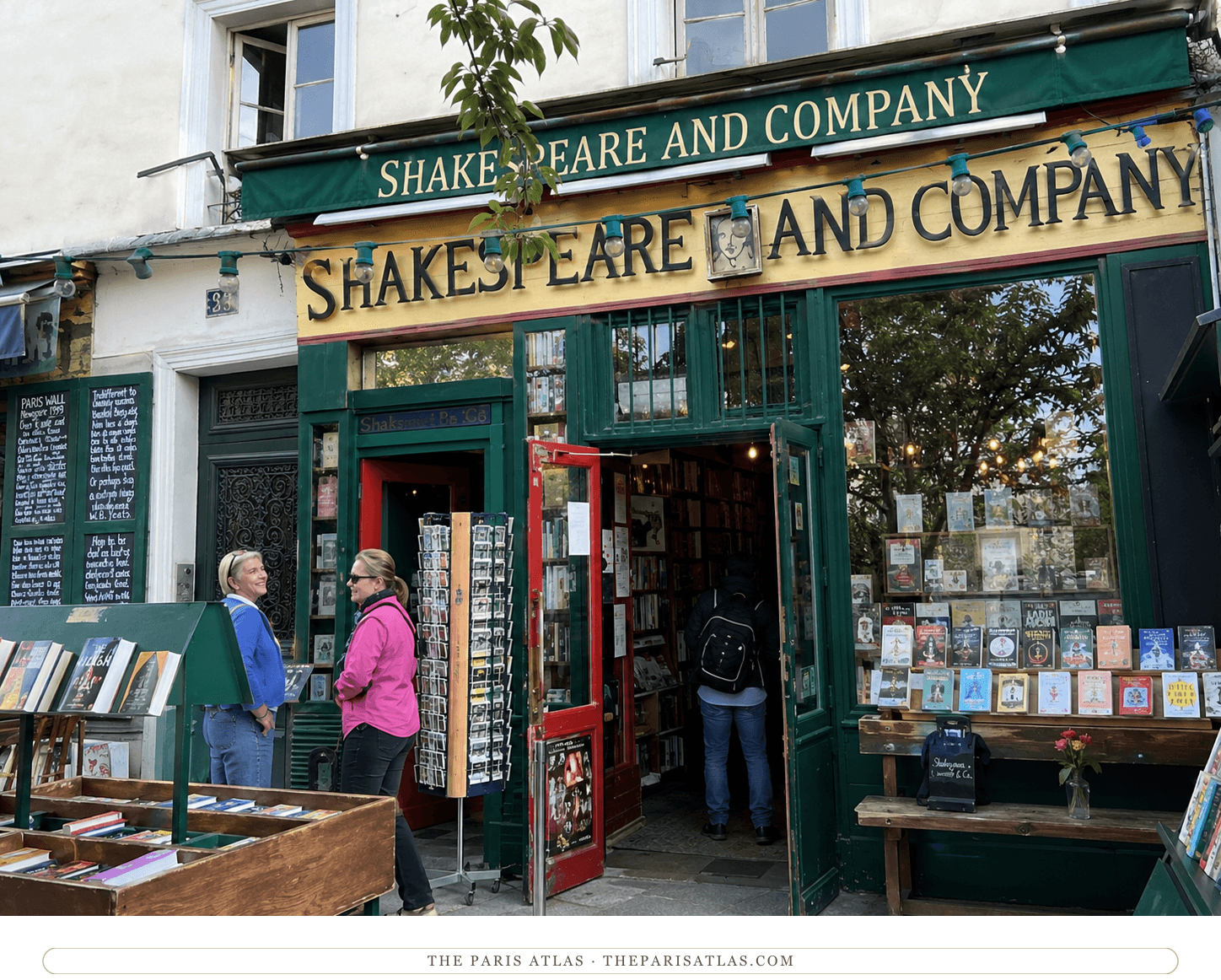
He went to Sylvia Beach's shop in mid-March 1929 to ask her to publish the cheap Lady Chatterley's Lover. She refused, saying she had had enough of controversy after Ulysses, and appears to have sent him on to Edward Titus.
Visit the place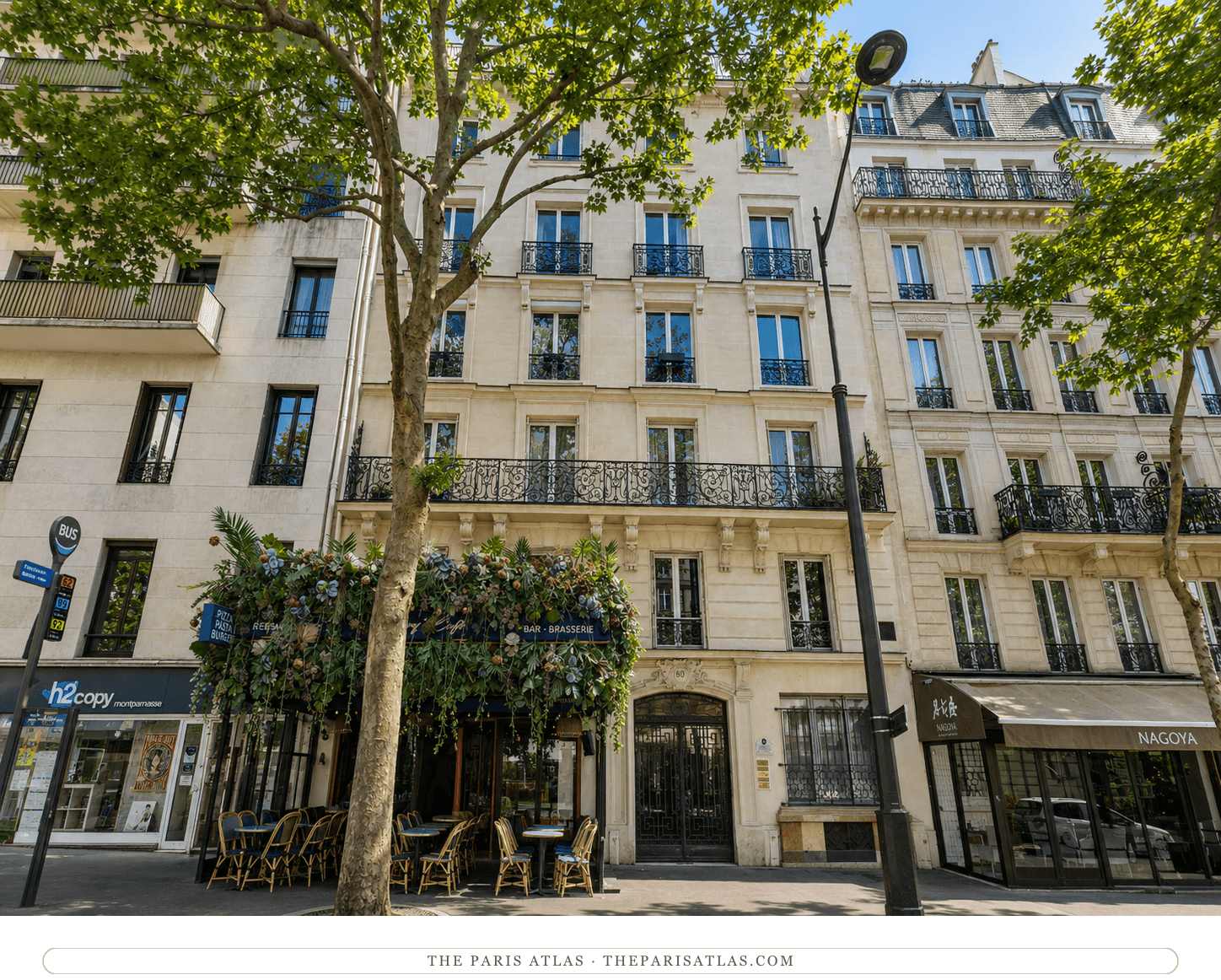
His address from 12 March to 7 April 1929, the four weeks he spent finding someone to print Lady Chatterley's Lover cheaply. The dates are on the plaque the building carries.
Visit the placeLady Chatterley's Lover, largely because of the 1960 obscenity trial that followed it. The books critics rate most highly are Sons and Lovers (1913), The Rainbow (1915) and Women in Love (1920). He also wrote several hundred poems, four travel books, plays, short stories and Studies in Classic American Literature, and he painted.
For its explicit sex and its language, at a time when British obscenity law had no defence for literary merit. Lawrence could not publish it in Britain at all: it was printed privately in Florence in 1928 in a thousand signed copies, pirated almost immediately, and reprinted cheaply in Paris in 1929 to undercut the pirates. Britain got a full legal edition in 1960, after Penguin was prosecuted and acquitted.
Looking for a publisher. He arrived on 12 March 1929 and stayed until 7 April at the Grand Hôtel de Versailles, 60 boulevard du Montparnasse, trying to arrange a cheap edition of Lady Chatterley's Lover that would take the market away from the pirated copies. A plaque on the building records the visit. He signed with the American bookseller Edward Titus, who printed three thousand copies at sixty francs.
No. He asked her in March 1929 and she refused. She said she did not admire the book and did not want a reputation as a publisher of erotica, and she appears to have pointed him towards Edward Titus instead. The lending-library records of her shop, now catalogued at Princeton, show Lawrence as the most borrowed author on her shelves — about three hundred loans, ahead of James Joyce.
A Bow Street magistrate ordered it on 13 November 1915, six weeks after publication, under the Obscene Publications Act; 1,011 copies were seized and burnt. The chapter that decided the case describes the heroine's attraction to a woman schoolteacher. Methuen, the publisher, did not defend the book and apologised for having issued it.
On suspicion of spying, in October 1917, and nothing was ever proved. Frieda was German, Lawrence was openly against the war, and neighbours reported German songs, a supposed fuel store for submarines and chimney smoke read as signalling. A military patrol once confiscated a square loaf of bread from their shopping, believing it was a camera. Their cottage was searched, papers were taken, and a military exclusion order gave them three days to leave the county.
Of tuberculosis, on 2 March 1930, at a rented house called the Villa Robermond in Vence, in the hills above Nice. He was forty-four. He had entered the Ad Astra sanatorium at Vence that February, disliked it and discharged himself the day before he died. Frieda was with him. He was buried at Vence, and in 1935 his remains were cremated and taken to the ranch above Taos, New Mexico.
After complaints about an exhibition of twenty-five of his pictures at the Warren Gallery in London in the summer of 1929, the police removed thirteen of them — the ones showing pubic hair. The magistrate called them obscene, and the gallery saved them from destruction by promising they would never be exhibited in England again. Lawrence answered with a book of satirical poems, Nettles.
Sons and Lovers, if you want the life: a mining family, a son trying to become an artist, and a mother who has claimed more of him than he can spare. Women in Love if you want him at full stretch, and Lady Chatterley's Lover if you want the book the twentieth century argued about, which is more concerned with class and industrial damage than its reputation suggests.
Influenced · 1932
Nin's first published book was D. H. Lawrence: An Unprofessional Study, written fast and issued in Paris in 1932 by Edward Titus — the publisher who had brought out the Paris edition of Lady Chatterley's Lover three years earlier. She read Lawrence for his ideas rather than his life, which set her study apart from the memoirs then appearing.
Influenced · 1933
Commissioned by Jack Kahane to write a short respectable book on Lawrence before Tropic of Cancer, Miller spent 1933 reading and charting at manic scale and never finished it. The salvaged pages appeared as The World of Lawrence in 1980. Lawrence was also the first common ground between Miller and Anaïs Nin, who had just published her own study when they met.
Met · 1909
They met in November 1909 through The English Review circle, at one of Violet Hunt's at-homes. Lawrence described the evening in a letter to Louie Burrows dated 20 November 1909. The two writers never became close.
Met · 1929
At Daniel Halévy's literary salon in March 1929, on Lawrence's one Paris visit. He reported it to his agent Laurence Pollinger the next day, unimpressed by the company.
Met · 1929
Lawrence came to Paris in March 1929 to arrange a cheap edition of Lady Chatterley's Lover that could undercut the pirates, and asked Beach to publish it. She declined. Her own account of the refusal is plain: she did not admire the book and did not want a name as a publisher of erotica. She appears to have pointed him towards Edward Titus instead.
Frequented · 1929
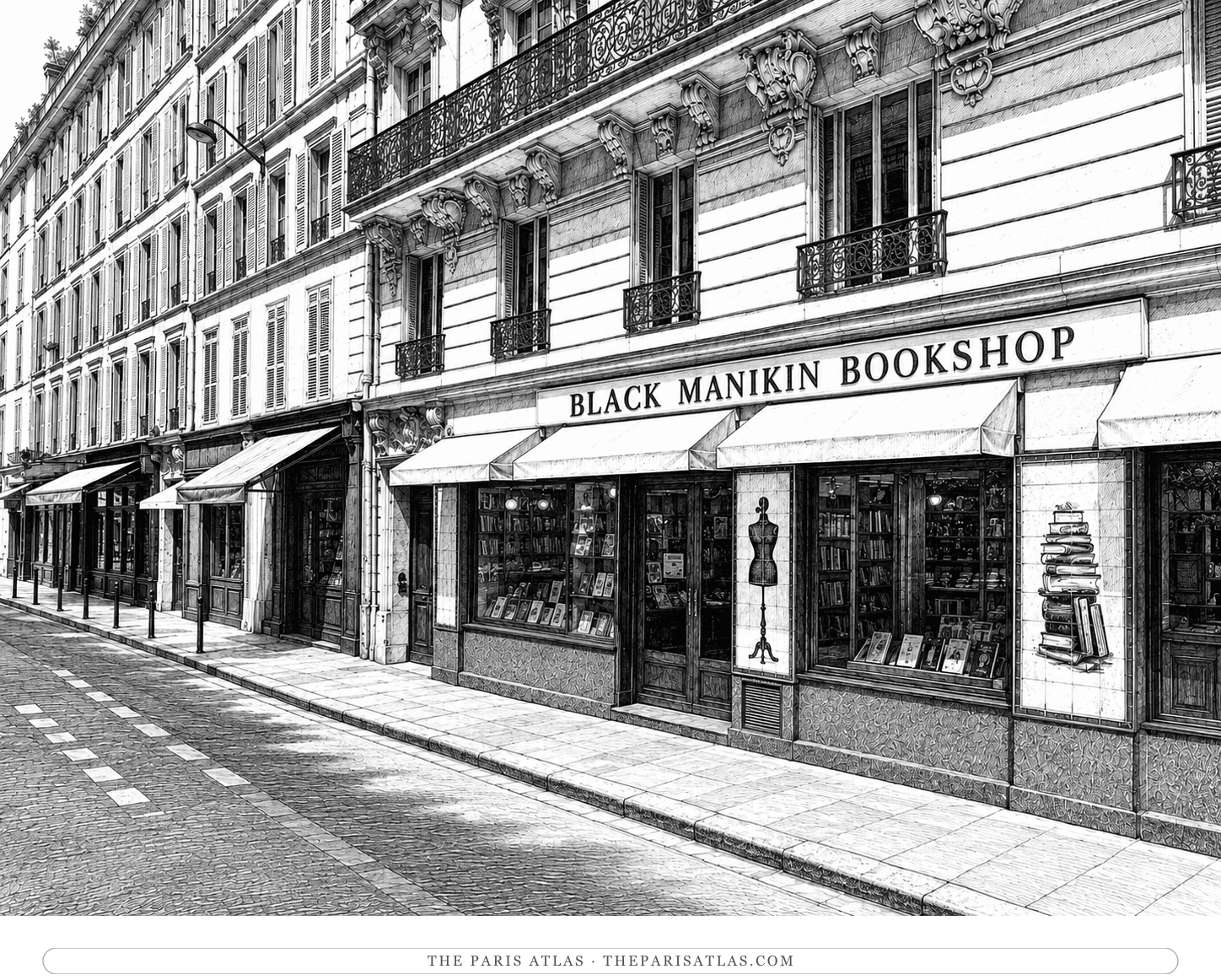
Edward Titus's shop, where the terms for the cheap Paris edition of Lady Chatterley's Lover were settled on 5 April 1929: three thousand copies at sixty francs, against the three hundred the pirates were asking.
Frequented · 1929
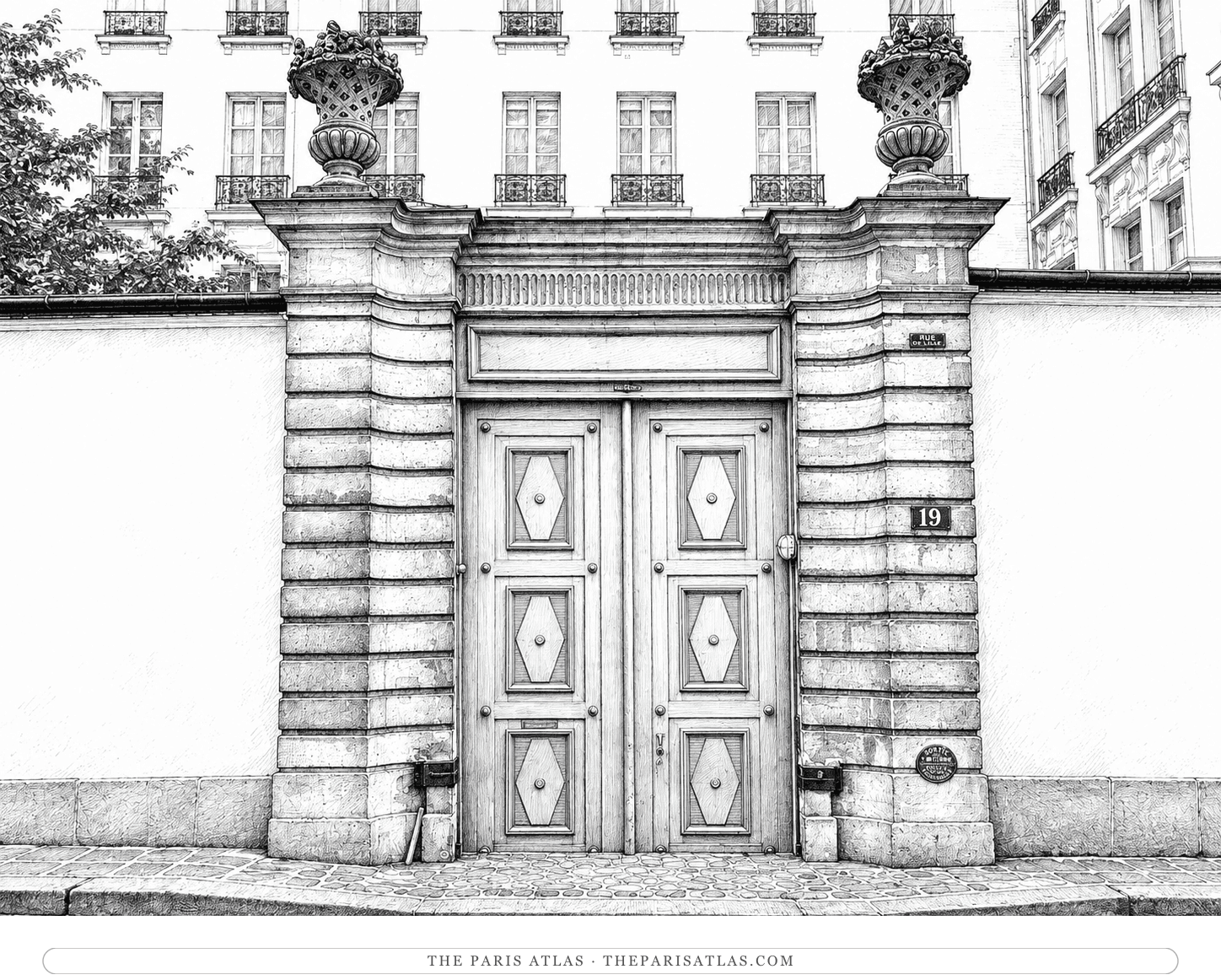
Harry and Caresse Crosby's town house and the address of the Black Sun Press, which printed his story "Sun" and the novella The Escaped Cock. Caresse Crosby tried to introduce him to James Joyce here; Joyce left.
Frequented · 1929
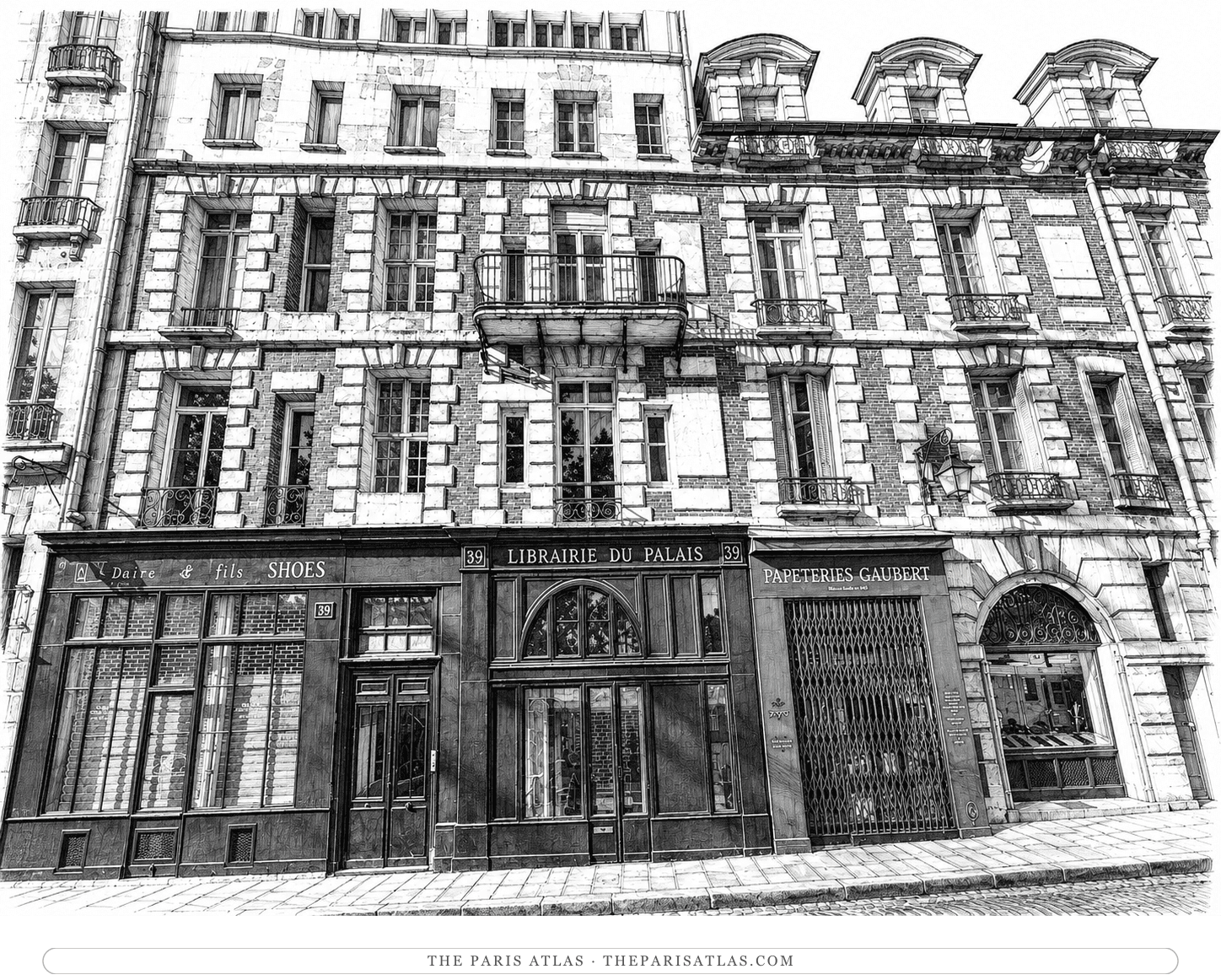
One literary tea, in March 1929, where he met François Mauriac. He described it to his agent the next day without enthusiasm and did not go back.
Frequented · 1929
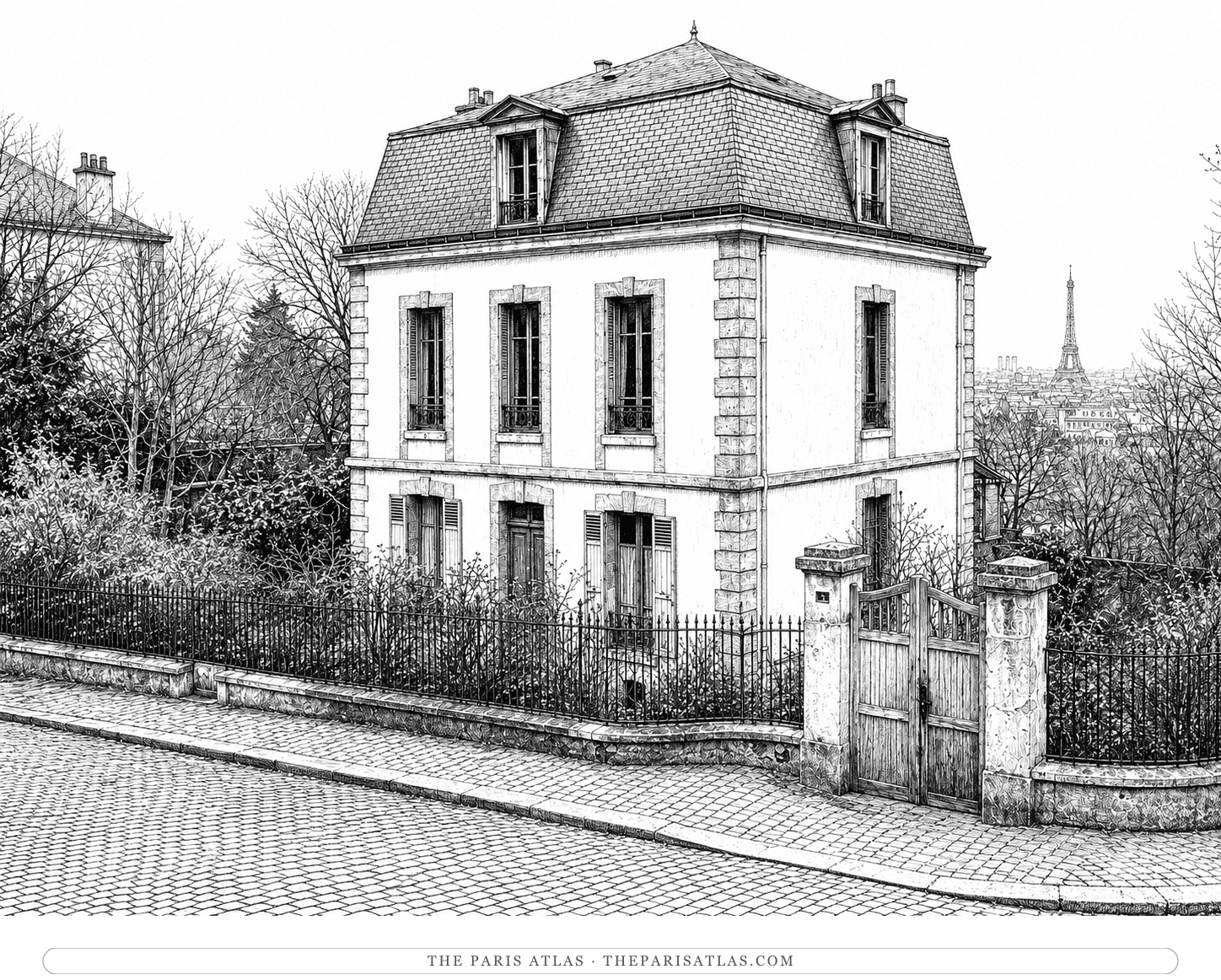
He spent a week with Aldous and Maria Huxley in the middle of his Paris month, and they arranged for him to see their doctor. He found the suburb sleepy and dull. It was the Huxleys who had sent him to Paris in the first place.
Frequented · 1929
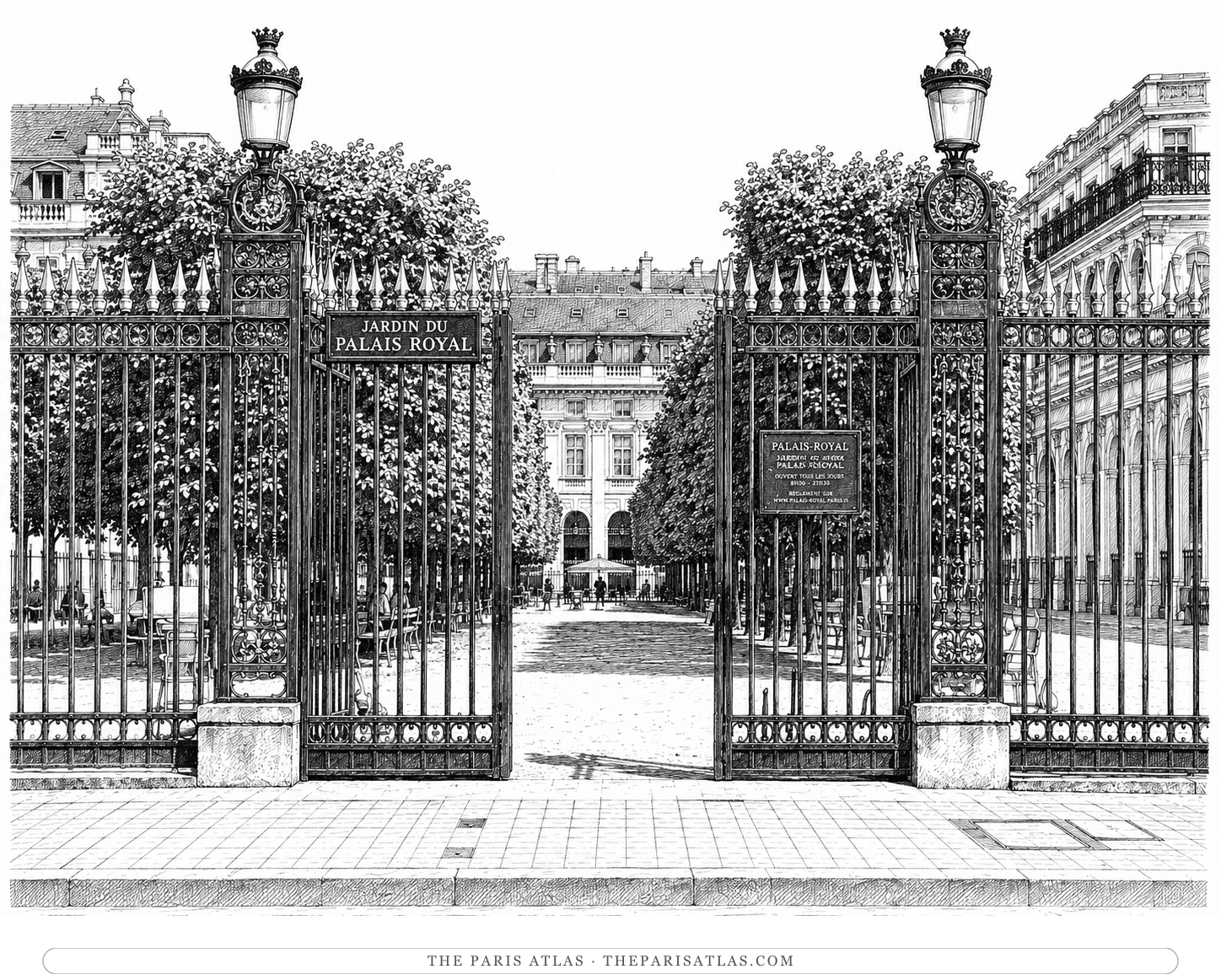
Frank Groves, a pirate publisher, kept a bookshop in the arcades on the north side of the garden, and Lawrence went there in March 1929 to discuss a Paris edition before changing his mind on the pavement outside. Groves published a pirated edition anyway, printed in Germany; Lawrence learned of it on 15 March. The account places him at the shop rather than in the garden itself, which is why this reads as probable.
Frequented · 1929
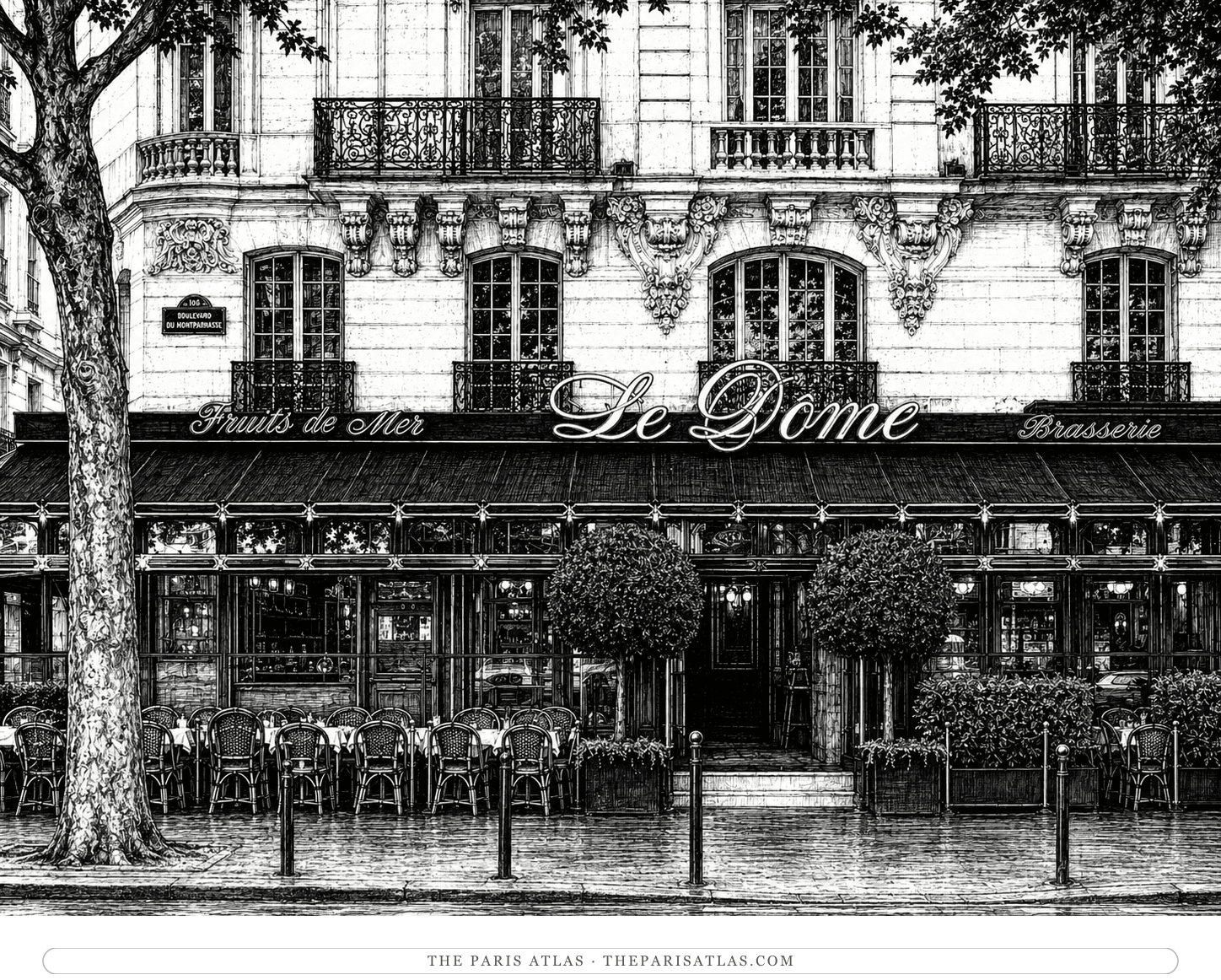
The café was a few doors along the same boulevard as his hotel, and he went there during his month in the city. No source records who he sat with.
Frequented · 1929
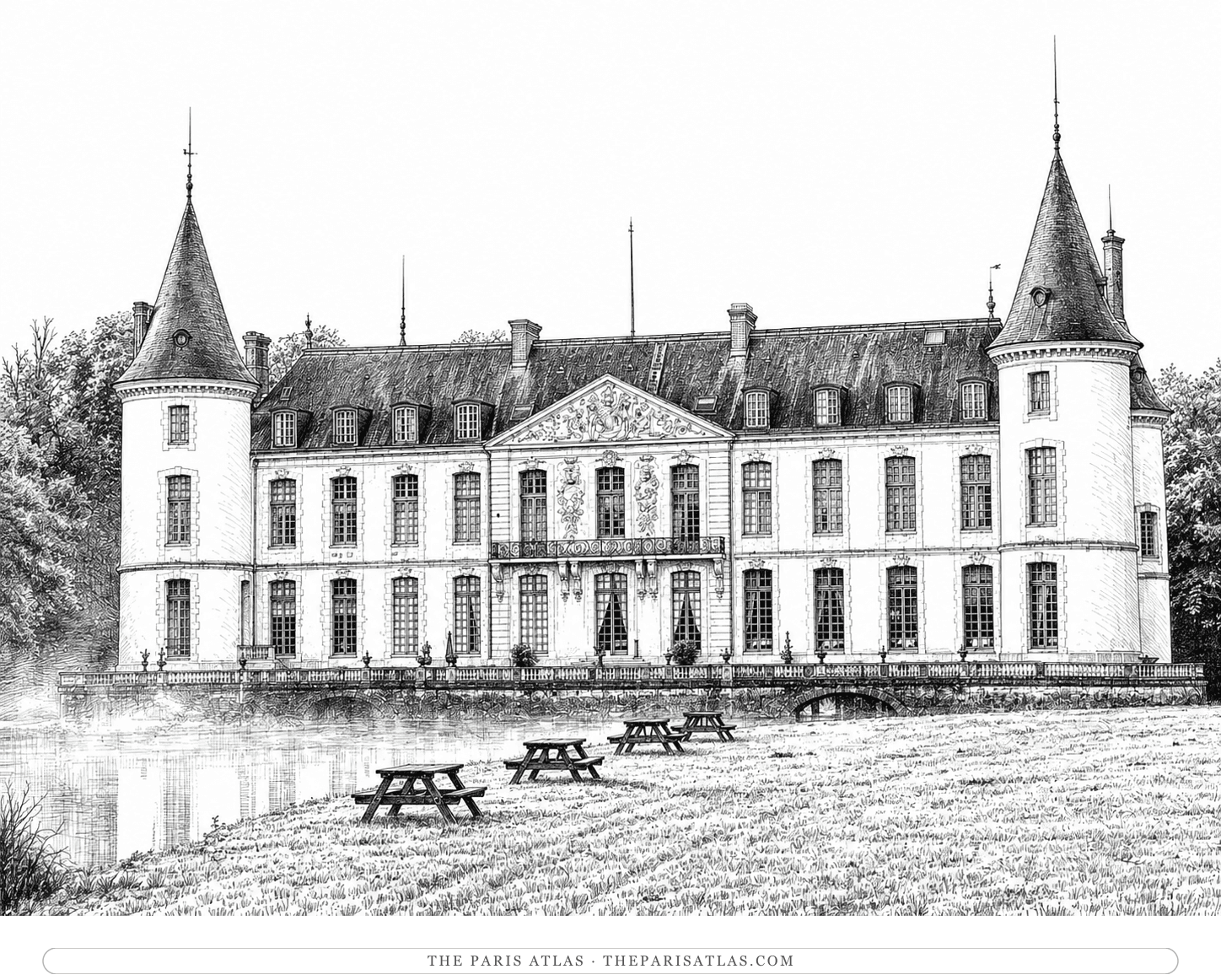
He and Frieda spent the Easter weekend of 1929 at the Crosbys' mill in the grounds of the Château d'Ermenonville, in the middle of the month he was spending in Paris on the Lady Chatterley edition.
Frequented · 1929
He went to Sylvia Beach's shop in mid-March 1929 to ask her to publish the cheap Lady Chatterley's Lover. She refused, saying she had had enough of controversy after Ulysses, and appears to have sent him on to Edward Titus.
Lived at · 1929
His address from 12 March to 7 April 1929, the four weeks he spent finding someone to print Lady Chatterley's Lover cheaply. The dates are on the plaque the building carries.
Mentored by · 1909
Jessie Chambers sent Lawrence's poems to Ford — then publishing as Ford Madox Hueffer — at The English Review, which printed them in November 1909 under the collective title "A Still Afternoon". Ford went on publishing him, walked him around literary London, and recommended The White Peacock to Heinemann, who published it in 1911.
Commemorated in · 2019
A marble plaque was unveiled on the façade on 22 May 2019, ninety years after the stay, giving the dates and the errand. It is the only permanent memorial to Lawrence in Paris.
Met · 1915–1930
Huxley met Lawrence in 1915 and stayed in his orbit for the rest of Lawrence's life, despite having almost nothing in common with him as a writer — Eton and Balliol against a Nottinghamshire mining village, irony against prophecy. Huxley put a version of him into Point Counter Point (1928) as Mark Rampion, which Lawrence read and disliked. Maria Huxley typed part of Lady Chatterley's Lover; from their house at Suresnes the couple sent Lawrence to the Paris presses in March 1929 and to their own doctor; both were at Vence when he died on 2 March 1930; and Huxley edited the first published collection of Lawrence's letters in 1932.
The sources below include biographies, scholarly essays, interviews, and primary materials that informed this page. They reflect both the historical record and ongoing critical conversations about D. H. Lawrence and their work.


Web source consulted for documented facts and historical context presented on the D. H. Lawrence page.
Web source consulted for documented facts and historical context presented on the D. H. Lawrence page.

Contemporary reporting or criticism used to document the historical reception and context of D. H. Lawrence.
Published analysis and historical context used in preparing the D. H. Lawrence page.
Published analysis and historical context used in preparing the D. H. Lawrence page.
First-person evidence and historical context used in preparing the D. H. Lawrence page.
Biographical evidence used to verify chronology, relationships, and historical context connected to D. H. Lawrence.
Biographical evidence used to verify chronology, relationships, and historical context connected to D. H. Lawrence.
Web source consulted for documented facts and historical context presented on the D. H. Lawrence page.
Archival evidence used to document the historical record connected to D. H. Lawrence.
First-person evidence and historical context used in preparing the D. H. Lawrence page.
First-person evidence and historical context used in preparing the D. H. Lawrence page.
Official record used to verify names, dates, institutional details, or other factual information on this page.
Archival evidence used to document the historical record connected to D. H. Lawrence.
Archival evidence used to document the historical record connected to D. H. Lawrence.
Published analysis and historical context used in preparing the D. H. Lawrence page.
Published analysis and historical context used in preparing the D. H. Lawrence page.
Archival evidence used to document the historical record connected to D. H. Lawrence.
Web source consulted for documented facts and historical context presented on the D. H. Lawrence page.
These references anchor the page in the documented record and in the scholarly conversations around D. H. Lawrence. Every claim on this page traces back to one or more of the works listed here.
 Explore more resources