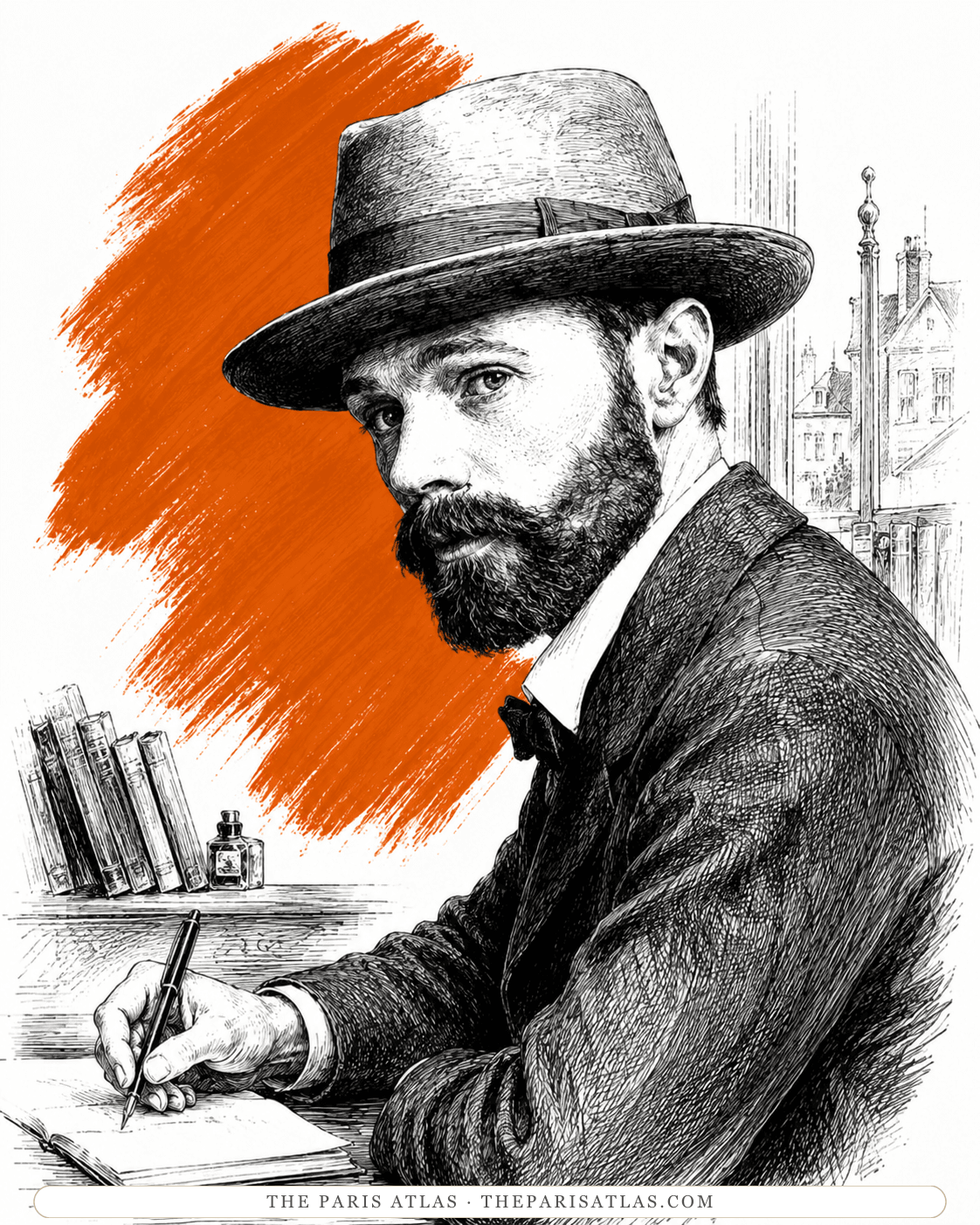
D. H. Lawrence
Frequented by · 1929
One literary tea, in March 1929, where he met François Mauriac. He described it to his agent the next day without enthusiasm and did not go back.
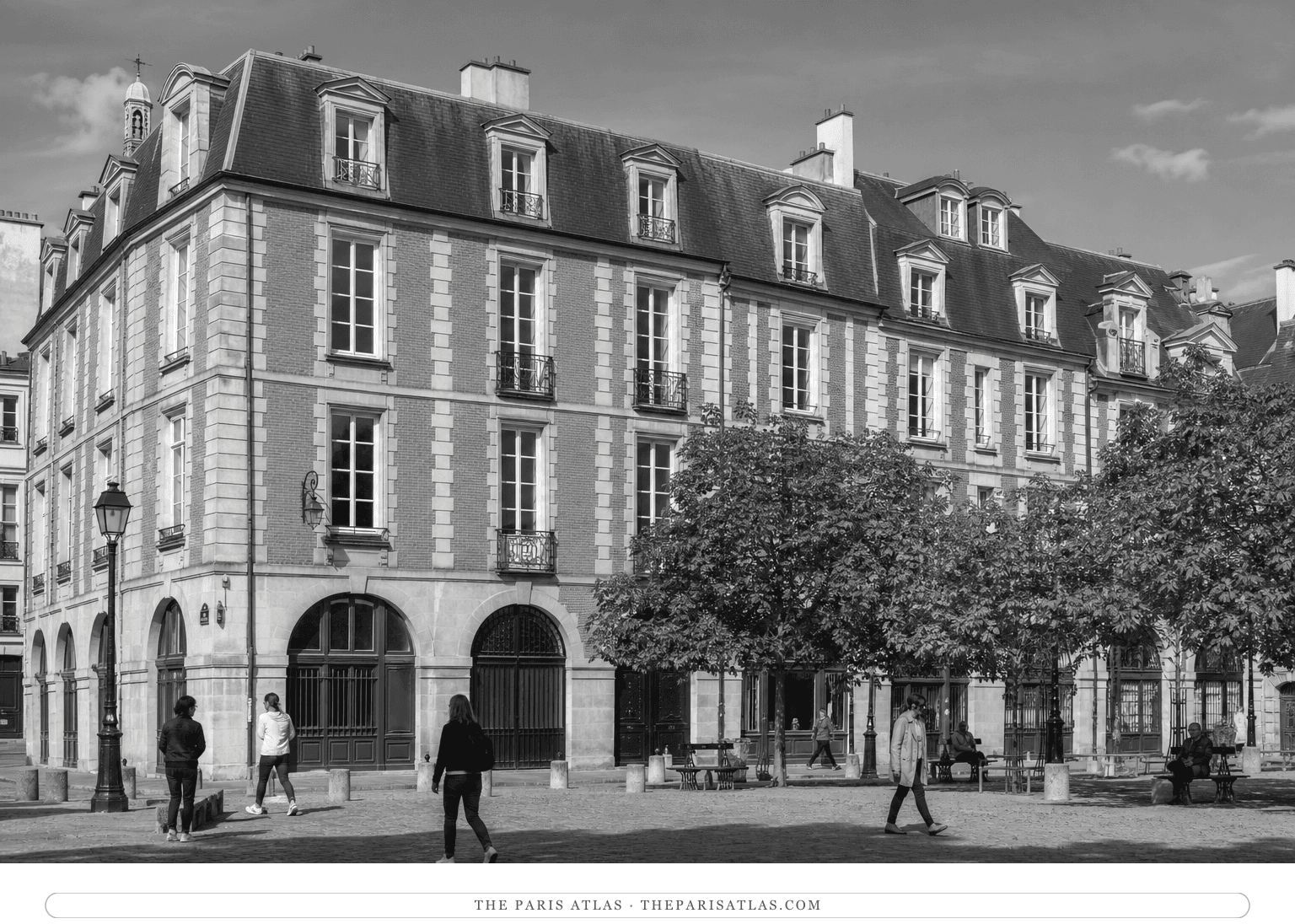
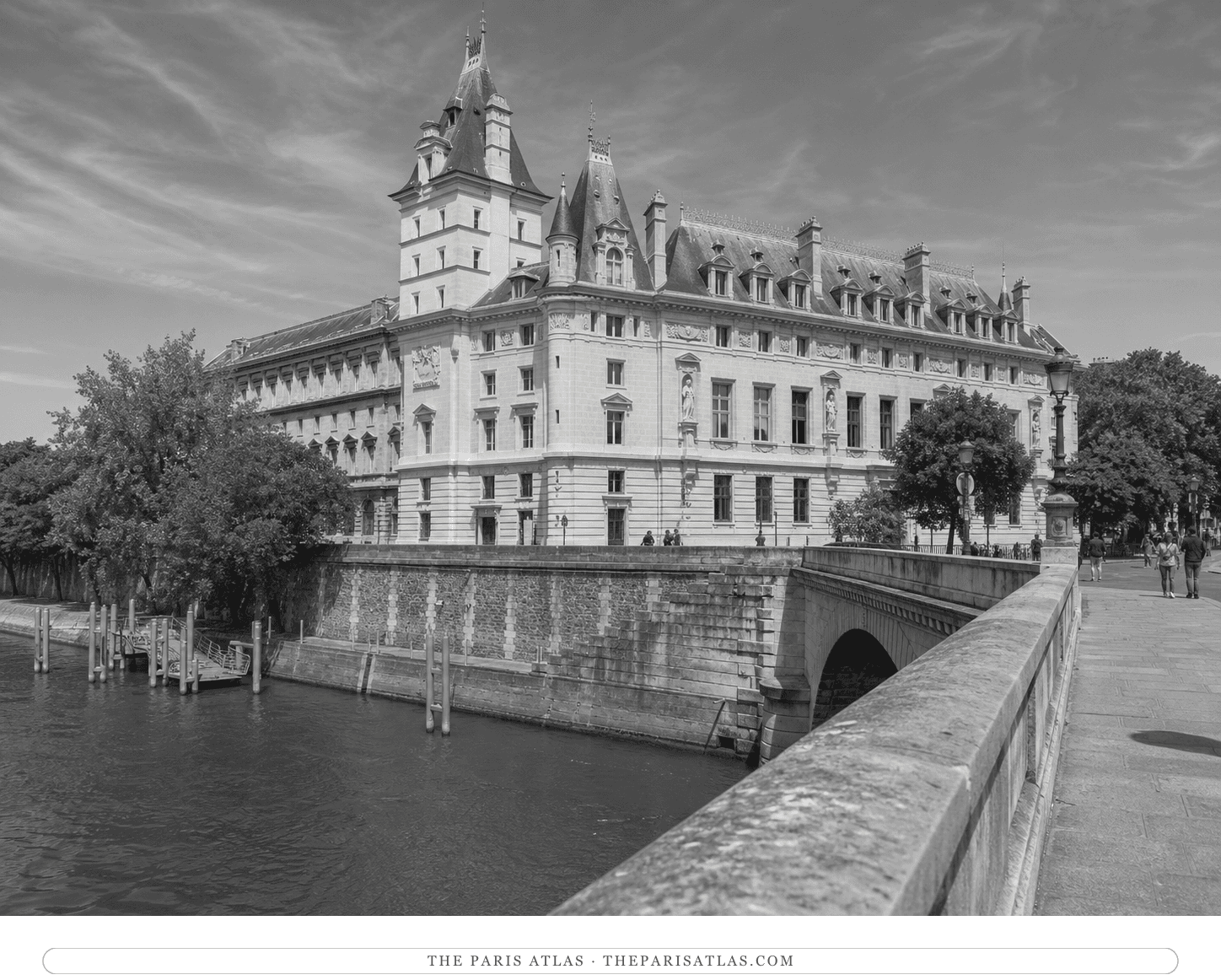
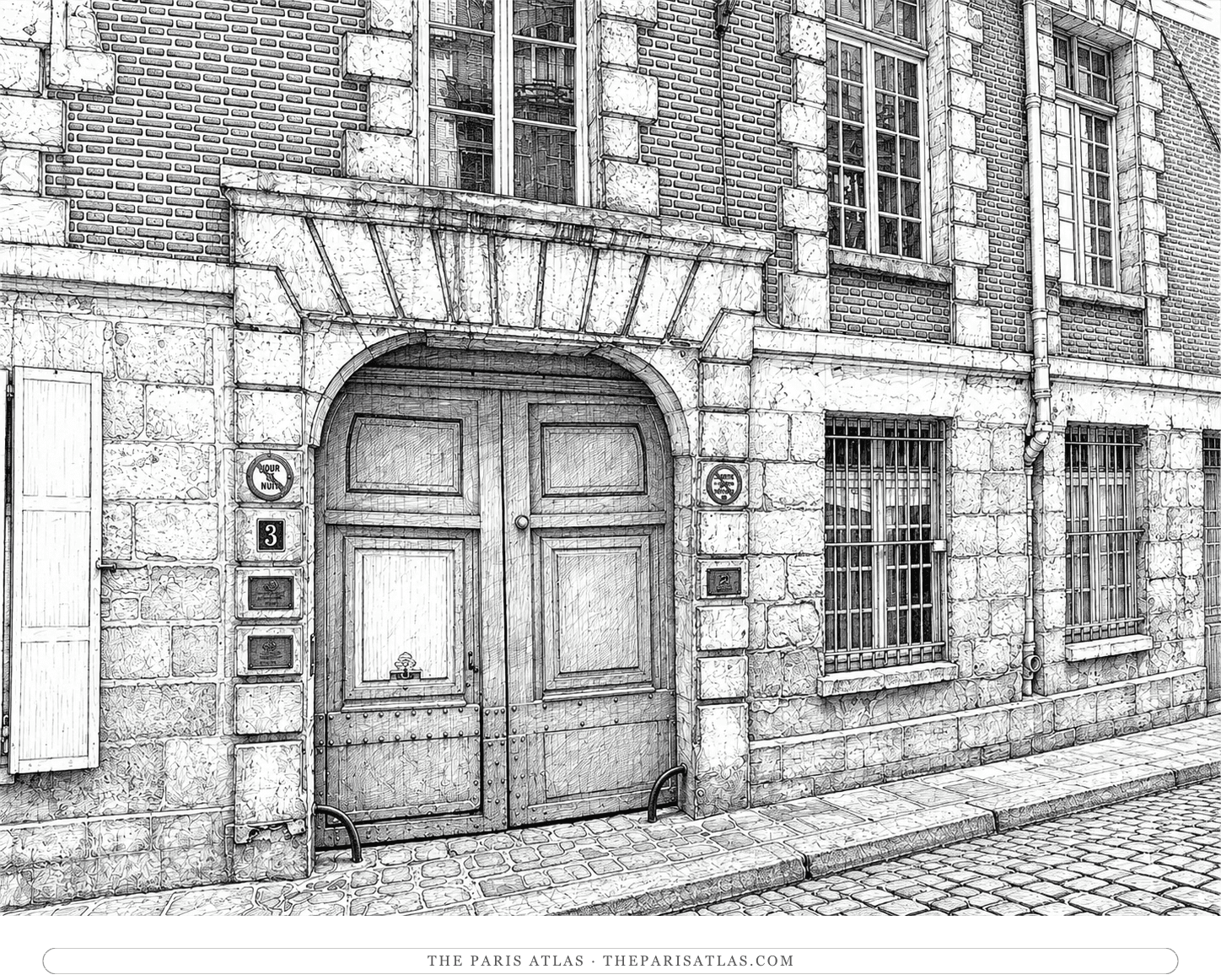
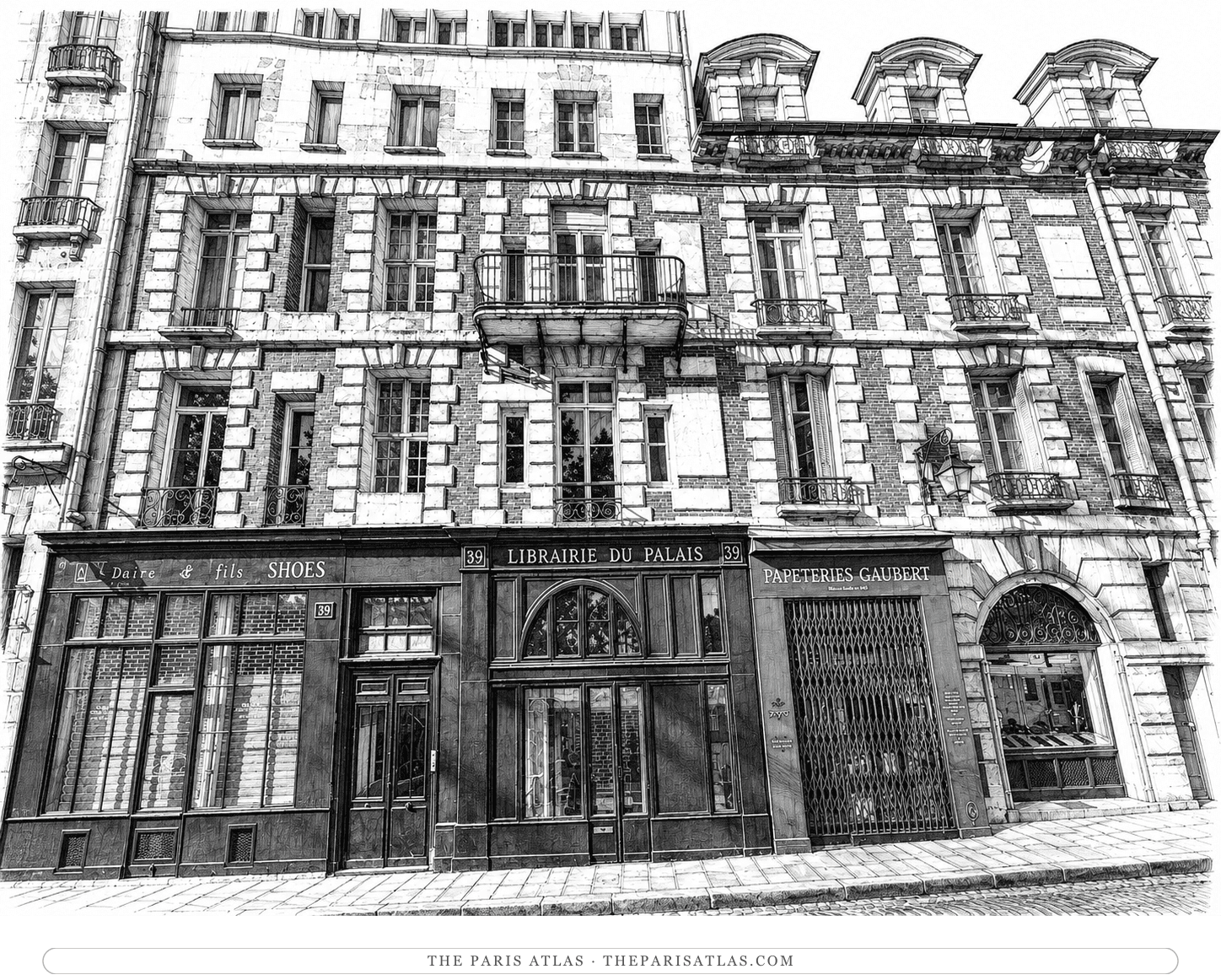
Daniel Halévy's literary salon on the Île de la Cité, where D. H. Lawrence went to a tea in March 1929 and met François Mauriac. It produced the only line about Paris that anyone quotes him on.
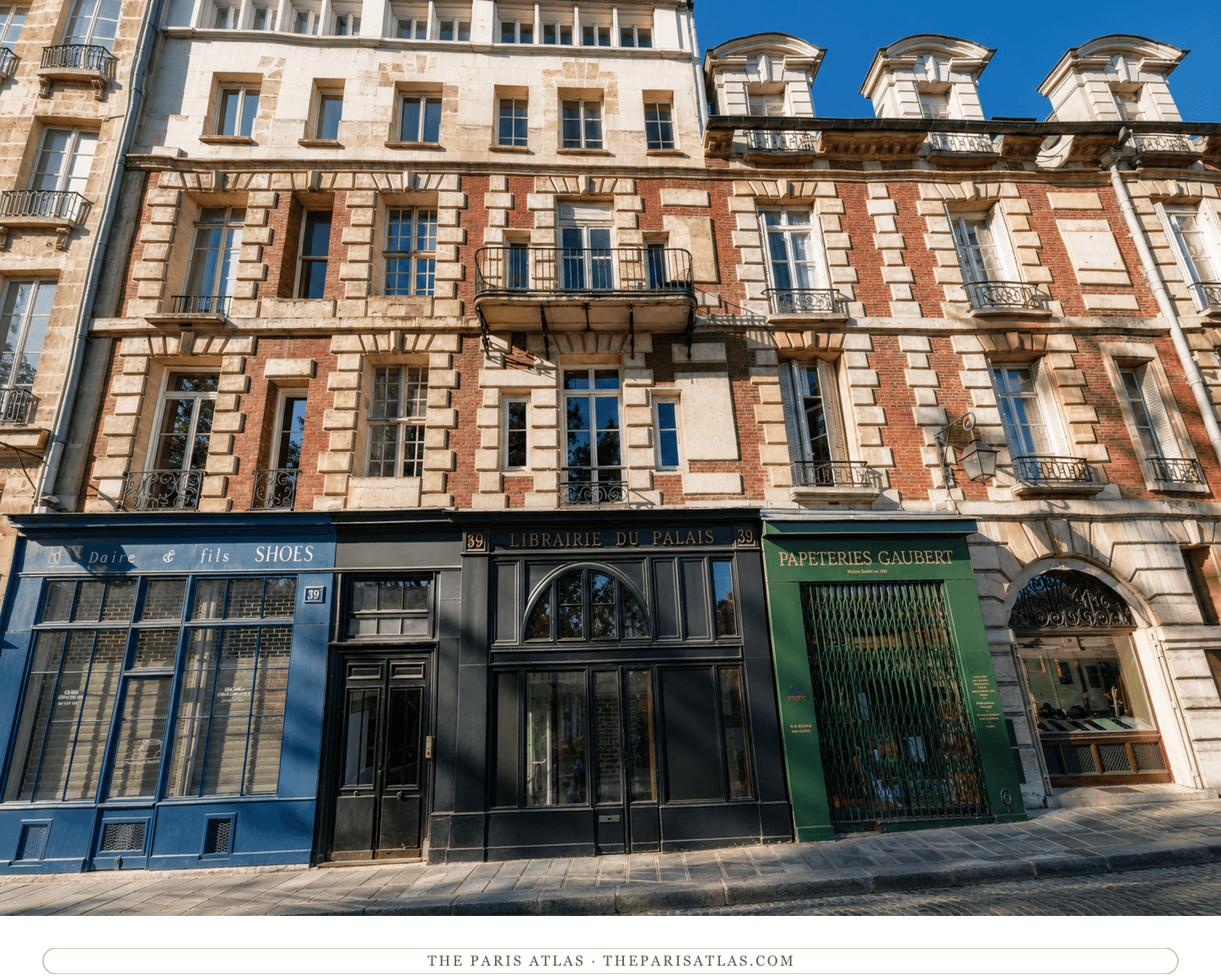
The quai de l'Horloge runs along the north side of the Île de la Cité, past the Conciergerie towers, with the Seine directly below the windows. It is one of the oldest addresses in Paris and one of the quietest, a few minutes from the Palais de Justice and from nothing else at all.
Halévy's authority came partly from inheritance. His father Ludovic wrote librettos for Offenbach and the book of Carmen; his grandfather was the composer Fromental Halévy. Daniel took the family standing into history and the essay, and used the salon to keep lines open between people who would not otherwise have been in a room together.
That was the point of the institution and also its limit. A salon is a place where literature is discussed by people who have arranged to discuss literature. Lawrence had spent his life being suspicious of exactly that arrangement.
Lawrence was in Paris for four weeks and going out as little as he could manage. He was forty-three, tubercular, and there on business: the Florence edition of Lady Chatterley's Lover was being pirated and he wanted a cheap Paris edition to kill the market for it. Meeting French writers who might support the book was part of the errand.[1]
Mauriac was the significant name in the room. He was forty-three too, a Catholic novelist of considerable standing who would take the Nobel a quarter of a century later, and the kind of ally whose endorsement travelled. Nothing came of the meeting.[1]
I went to a French literary tea yesterday – with Mauriac and a few more – ye gods, how literary – the Lord made Adam out of printer's ink, in Paris.
The complaint is characteristic. Lawrence's objection to literary society was not that it was pretentious but that it was made of paper: people who had turned themselves into text and could no longer be reached any other way. He had made the same charge against Bloomsbury, against Cambridge, and eventually against most of the people who admired him.[2]
Last verified: August 2026.
Lawrence attends a literary tea here and meets François Mauriac.
He describes the evening to his agent on 24 March: "ye gods, how literary".
Mauriac, whom he met here, is awarded the Nobel Prize in Literature.
Halévy dies; the salon he had kept going for four decades ends with him.
Daniel Halévy's. He was a French historian and essayist from a distinguished literary family, and his apartment on the Île de la Cité was one of the meeting places of Paris intellectual life from the interwar years until his death in 1962.
Yes, once, at Halévy's salon in March 1929. Lawrence reported it to his agent the next day without enthusiasm. Nothing came of the meeting; Mauriac did not become an ally for the Paris edition of Lady Chatterley's Lover.
In a letter of 24 March 1929: "I went to a French literary tea yesterday – with Mauriac and a few more – ye gods, how literary – the Lord made Adam out of printer's ink, in Paris." It is the most quoted thing he wrote about the city.
No. The quai de l'Horloge is on the Île de la Cité, the island in the middle of the Seine, in the 1st arrondissement. It is often described as Left Bank in passing accounts of Lawrence's visit, and it is not.
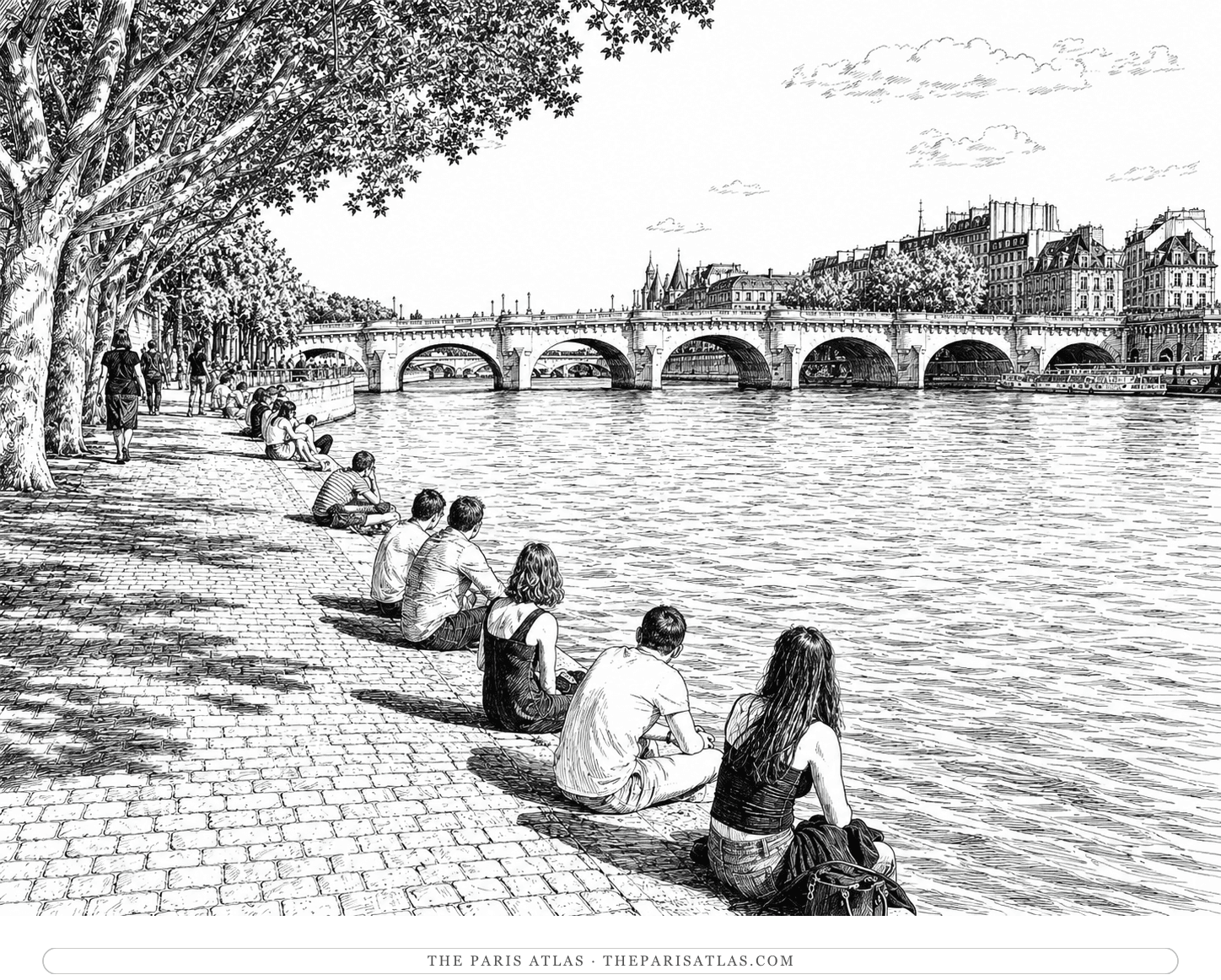
Not the apartment, which is private and unmarked. The ground floor is shops and open to anyone: the Librairie du Palais and a stationer, the Papeteries Gaubert. The quay itself is worth walking, with the Conciergerie on the same stretch and the Pont Neuf at the end of it.
Frequented by · 1929
One literary tea, in March 1929, where he met François Mauriac. He described it to his agent the next day without enthusiasm and did not go back.
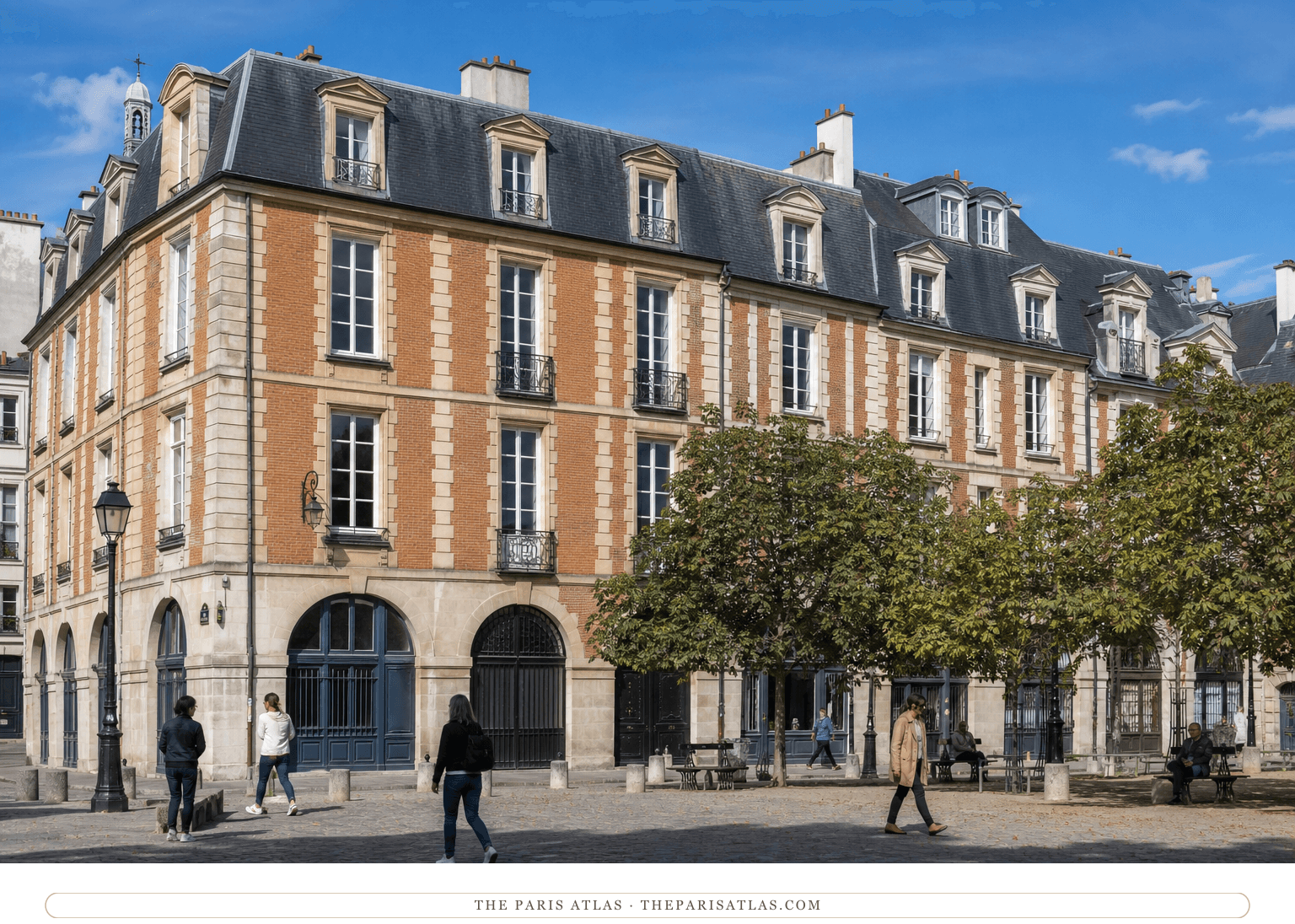
The apartment on the Île de la Cité from which Camille Pissarro painted twenty-six canvases between October 1901 and May 1902 — the Seine, the Pont Neuf, the Louvre and the statue of Henri IV, all from one set of windows.
Visit the place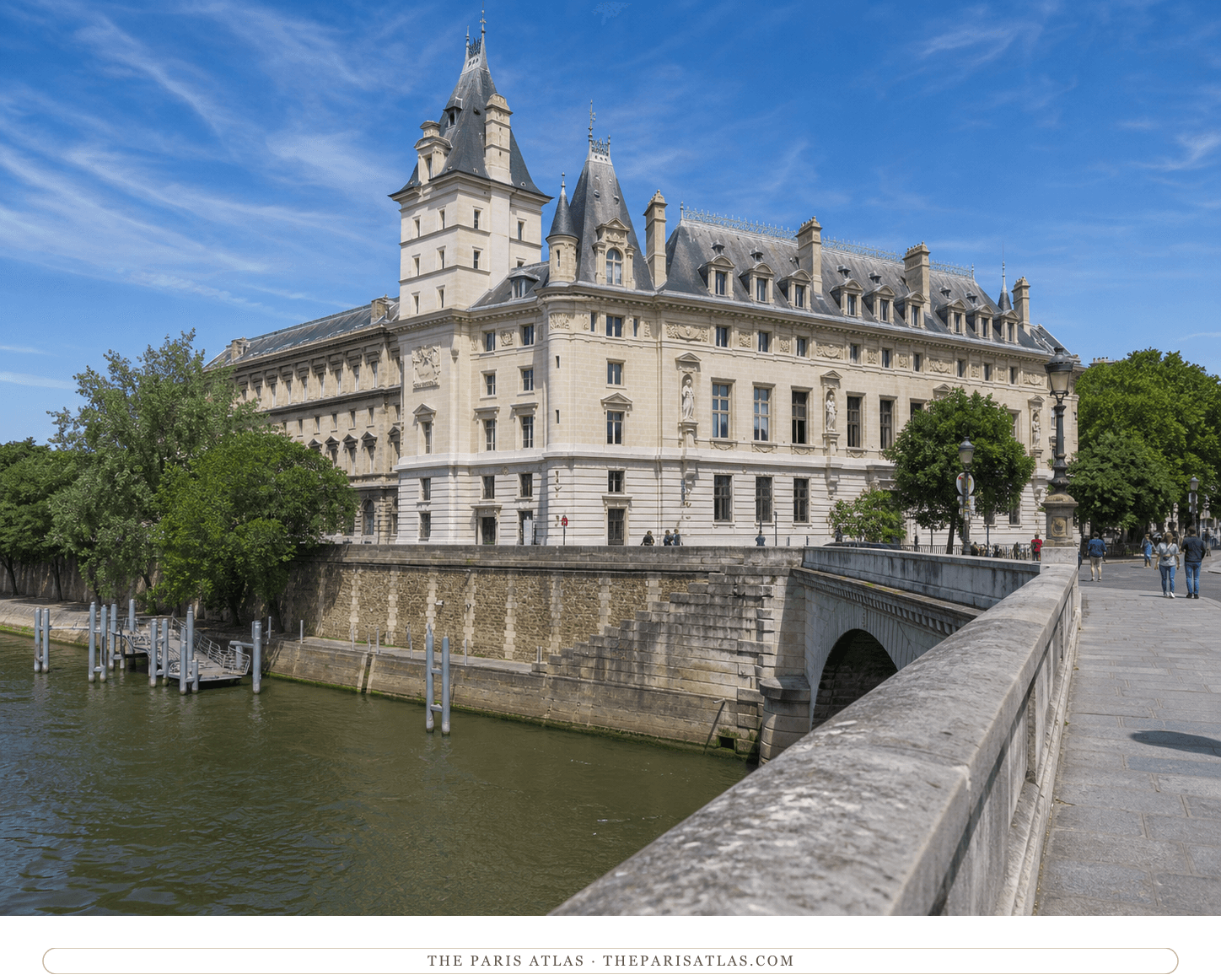
The informal life-drawing studio on the quai des Orfèvres where anyone could pay to draw from the model without an examination — and where Camille Pissarro met Paul Cézanne around 1861.
Visit the place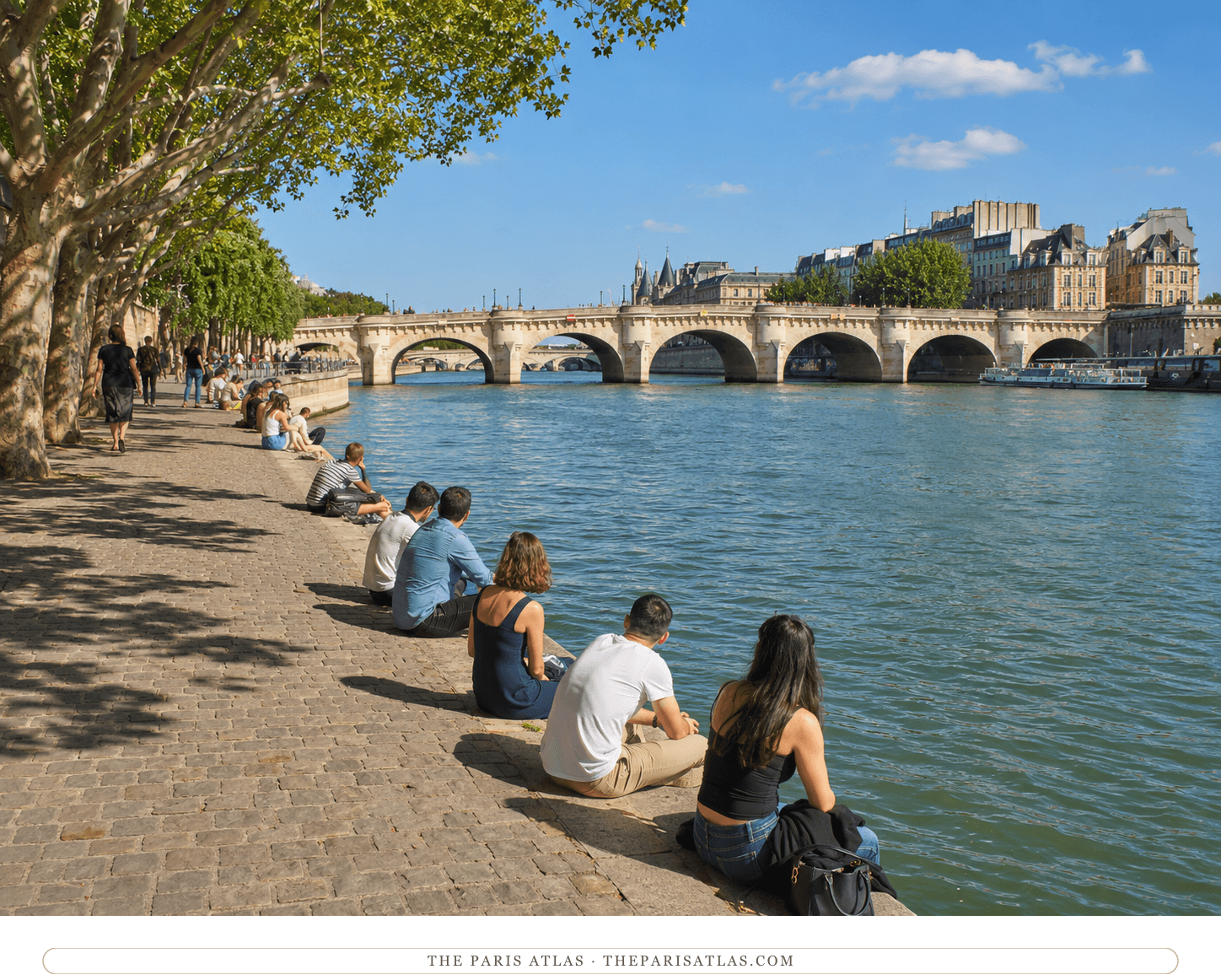
The river through Paris, and the thread that runs the length of Giovanni's Room: the crossing at dawn, the men sleeping under the bridges, and the barge where Giovanni is caught.
Visit the place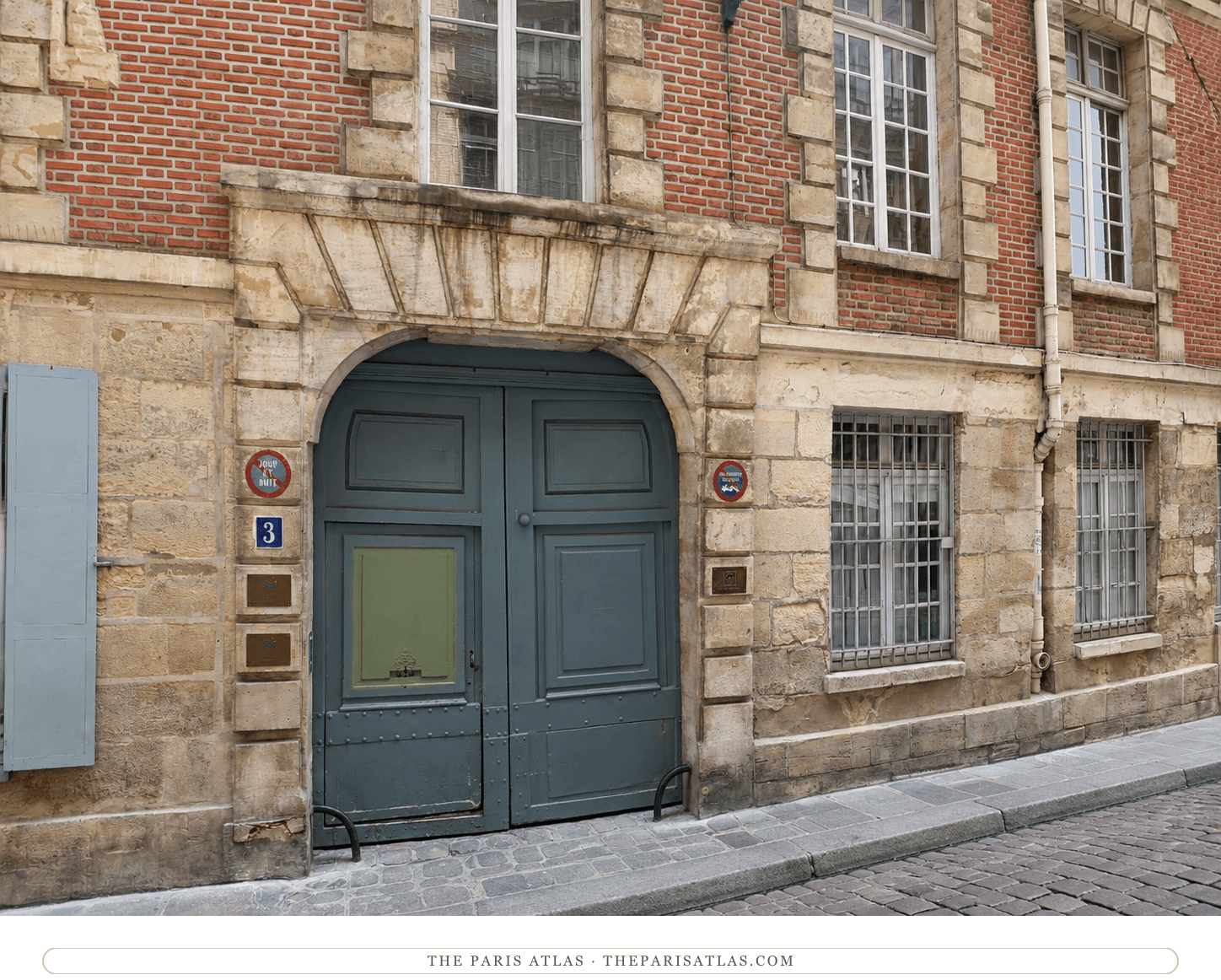
Robert and Sonia Delaunay's apartment and studio from 1910 to 1935 — where La Prose du Transsibérien took its colors, and whose key Blaise Cendrars held while the couple waited out the First World War abroad.
Visit the placeThe sources below include histories, archival materials, scholarly research, and official records that informed this page. They document Daniel Halévy's Salon (39 Quai de l'Horloge), the people connected to it, and its place in Paris.


Web source consulted for documented facts and historical context presented on the Daniel Halévy's Salon (39 Quai de l'Horloge) page.
Web source consulted for documented facts and historical context presented on the Daniel Halévy's Salon (39 Quai de l'Horloge) page.

Published analysis and historical context used in preparing the Daniel Halévy's Salon (39 Quai de l'Horloge) page.
These references provide the documented foundation for this page's history and context. Claim-level citations remain attached to the specific claims they support.
 Explore more resources
Newsletter
The cafés, studios, and walk-up flats where the work was made — one story from the map in every letter.