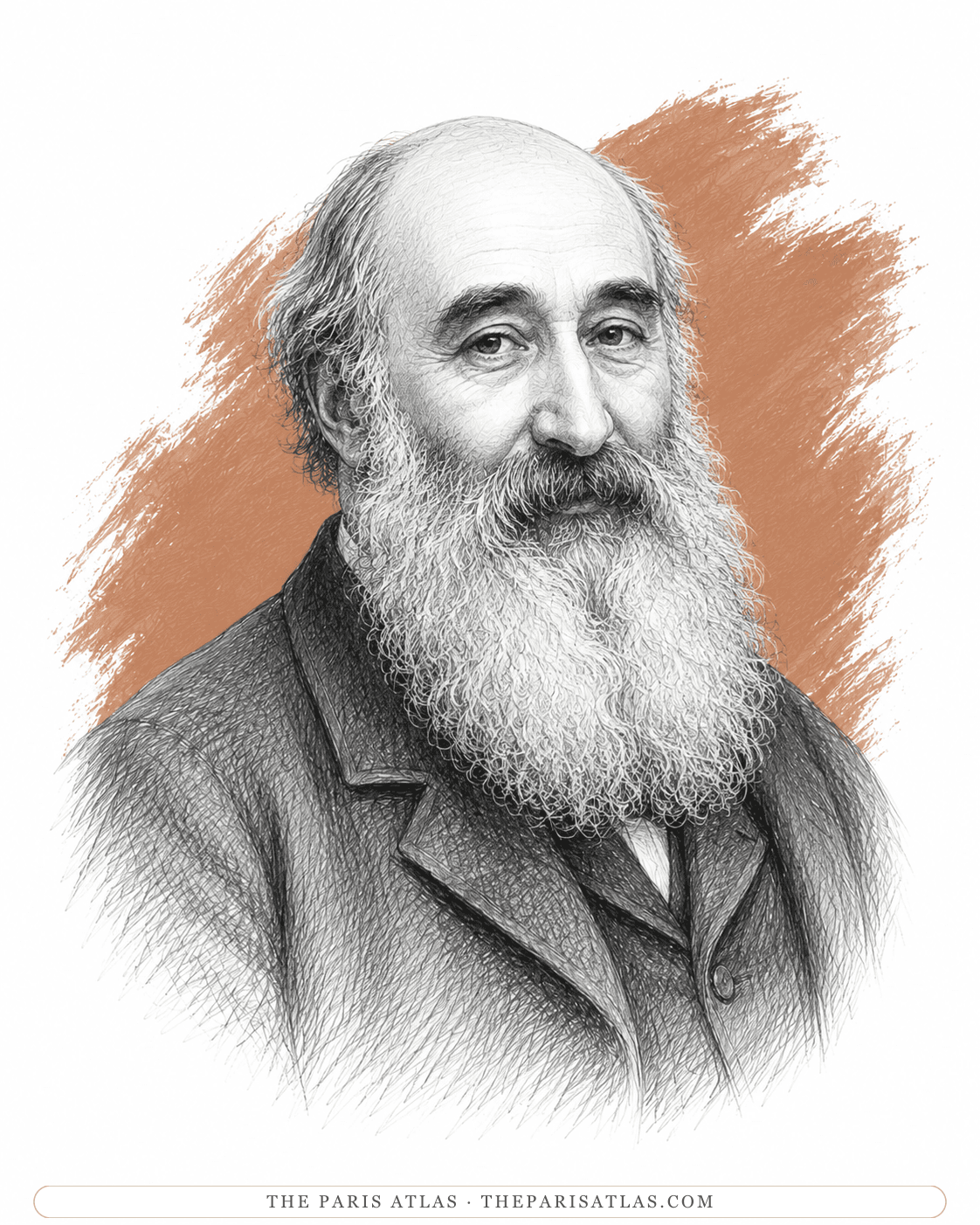
Camille Pissarro
Pissarro worked at the Academie Suisse around 1859 to 1861. He met Paul Cezanne there, beginning a working friendship that ran for decades.
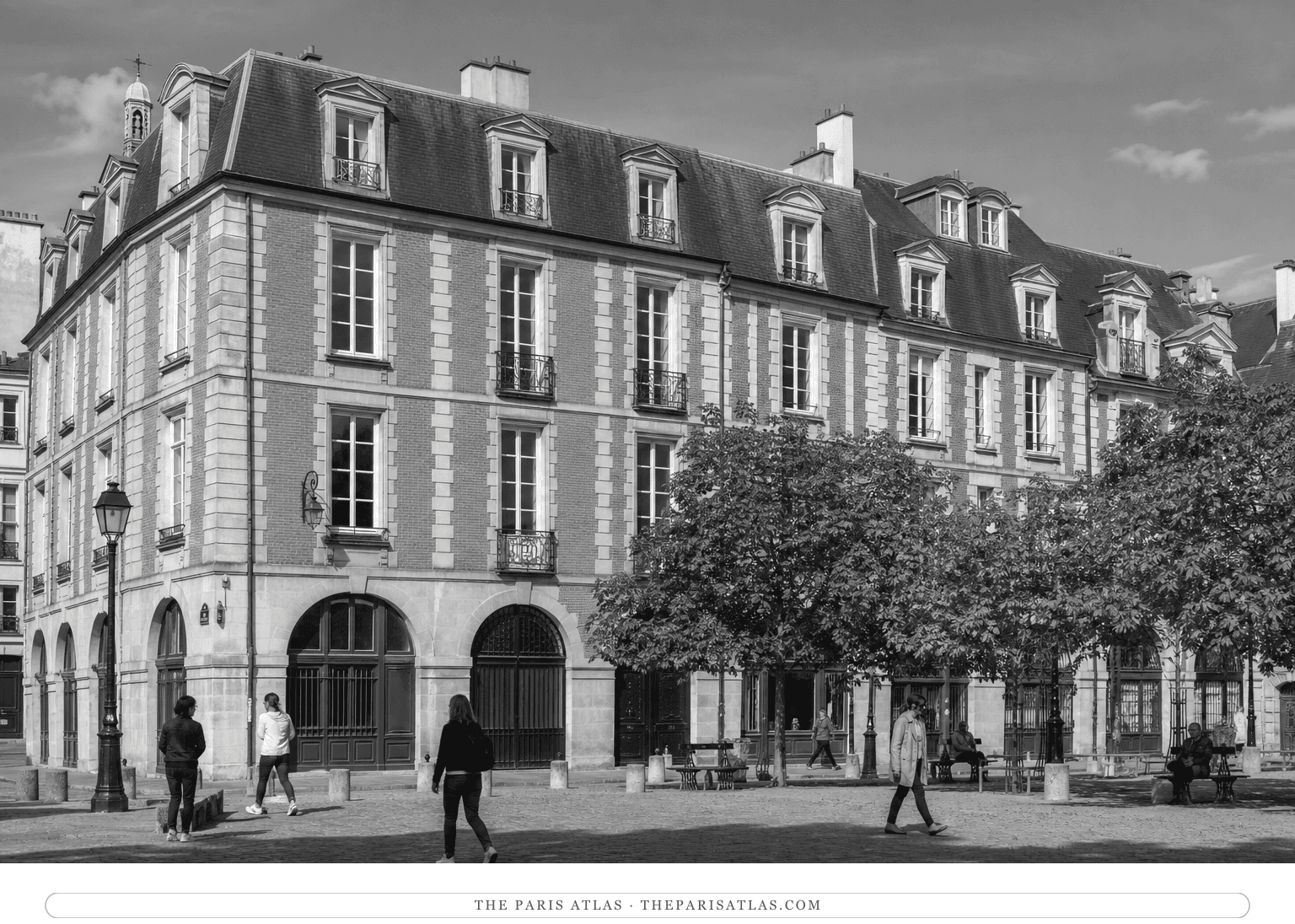
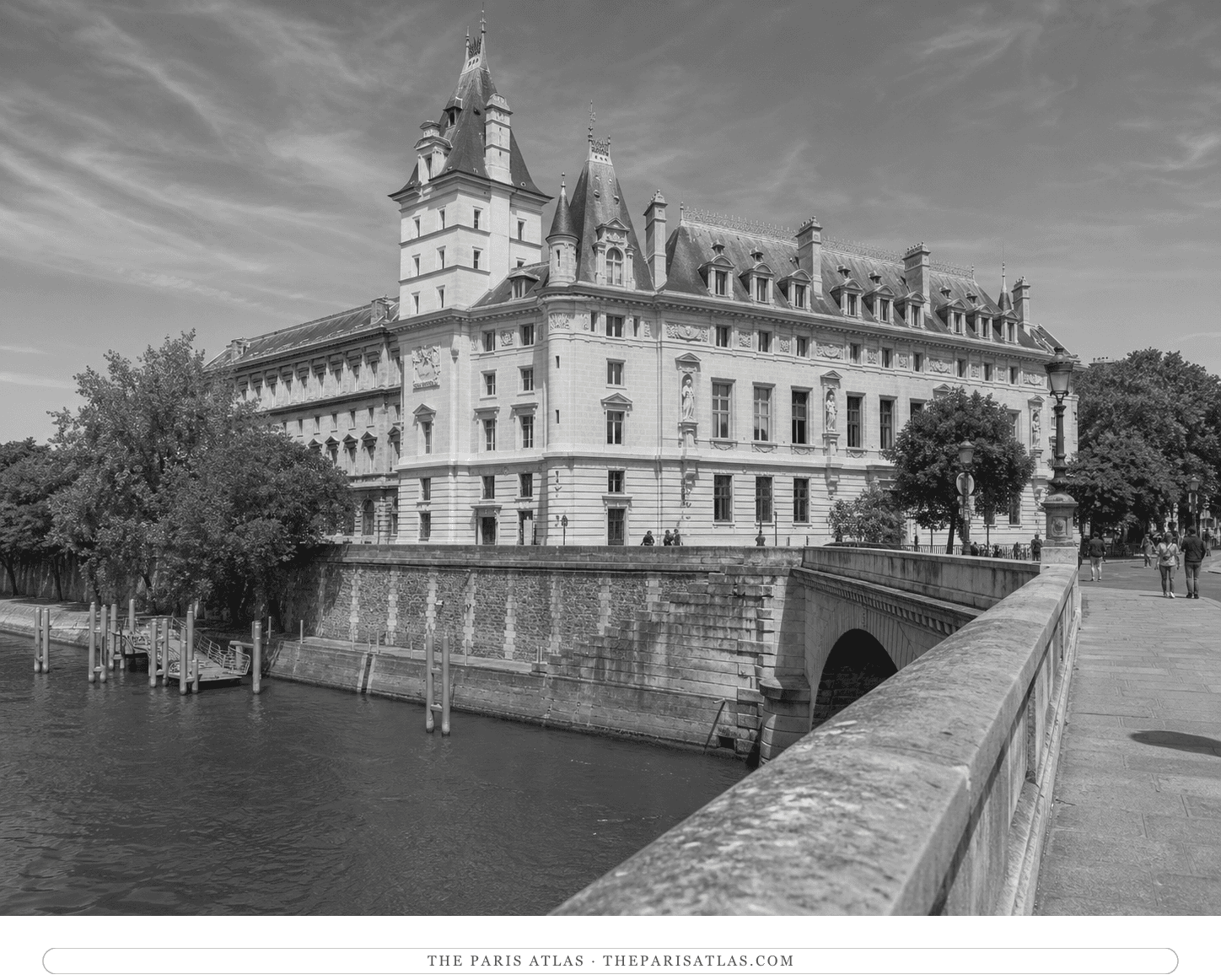
The informal life-drawing studio on the quai des Orfèvres where anyone could pay to draw from the model without an examination — and where Camille Pissarro met Paul Cézanne around 1861.
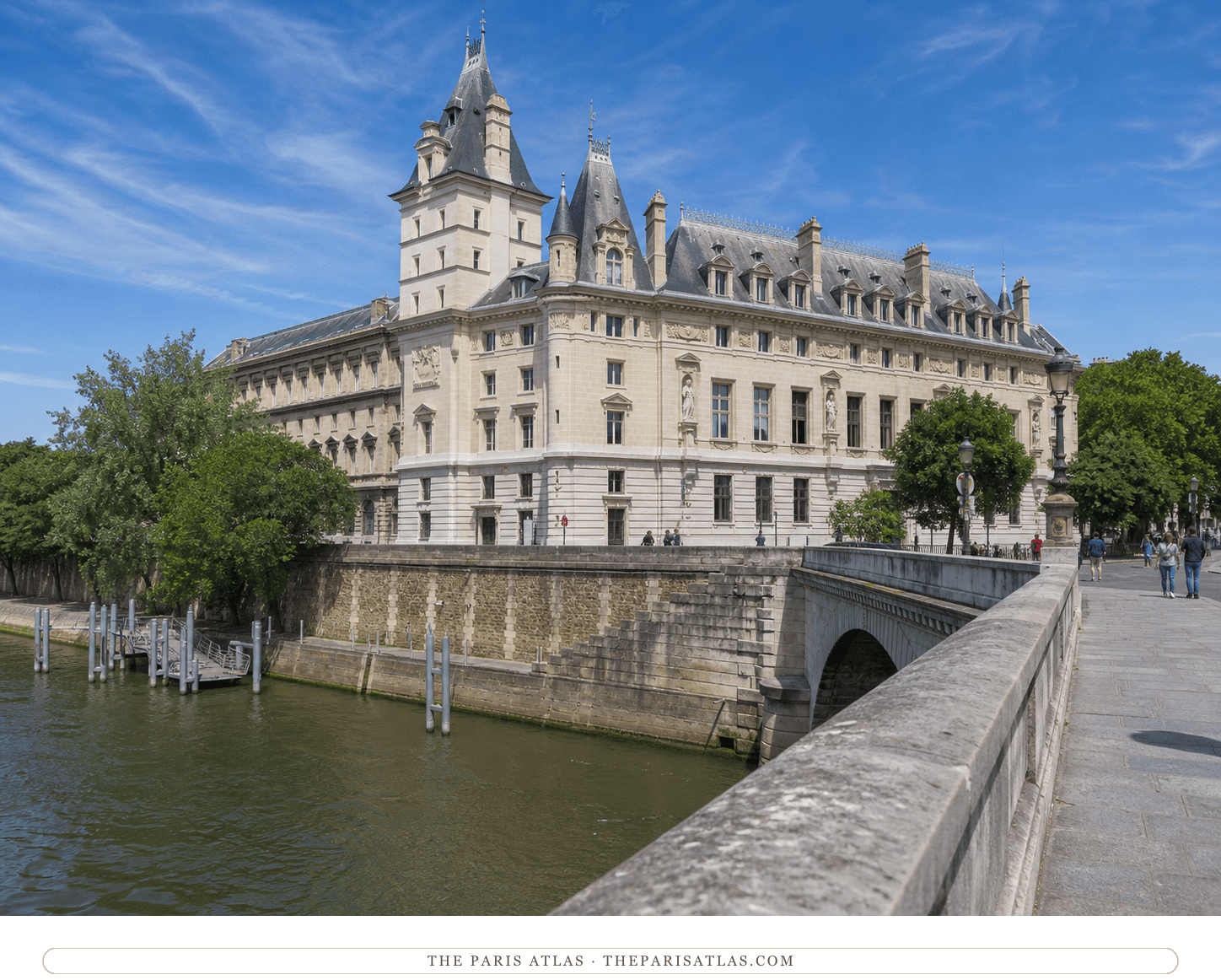
The Académie Suisse was not an academy in any official sense. It was a room on the Île de la Cité, run by a former model, where artists paid a small fee to draw from a live model with no teaching, no entrance examination and no jury. That absence of gatekeeping is precisely what made it important.
Camille Pissarro worked there around 1859 to 1861, having recently arrived from the Danish West Indies. So did Paul Cézanne, up from Aix and painfully out of place in Paris. They met in this room, and the working friendship that followed ran for decades — Pissarro effectively taught Cézanne to lighten his palette and paint outdoors in the 1870s, and Cézanne later described himself as Pissarro's pupil.
Claude Monet and Armand Guillaumin passed through the same studio in the same years. For an informal room with no standing, its alumni list is remarkable, and it is a reminder that the decisive institutions of nineteenth-century painting were often the cheap ones.
The block was expropriated in 1905 and demolished in 1906 to expand the Palais de Justice. The quay is walkable; the academy is not there.
Pissarro works at the Académie Suisse and meets Cézanne.
The block is expropriated.
It is demolished for the expansion of the Palais de Justice.
At the Académie Suisse, an informal drawing studio at 4 quai des Orfèvres on the Île de la Cité, around 1861.
No. The block was expropriated in 1905 and demolished in 1906 to expand the Palais de Justice. The quay remains, the building does not.
There was no entrance examination, no teaching and no jury. You paid for the session and drew. That openness is why so many painters who could not or would not enter the official system passed through it.
Pissarro worked at the Academie Suisse around 1859 to 1861. He met Paul Cezanne there, beginning a working friendship that ran for decades.

The apartment on the Île de la Cité from which Camille Pissarro painted twenty-six canvases between October 1901 and May 1902 — the Seine, the Pont Neuf, the Louvre and the statue of Henri IV, all from one set of windows.
Visit the place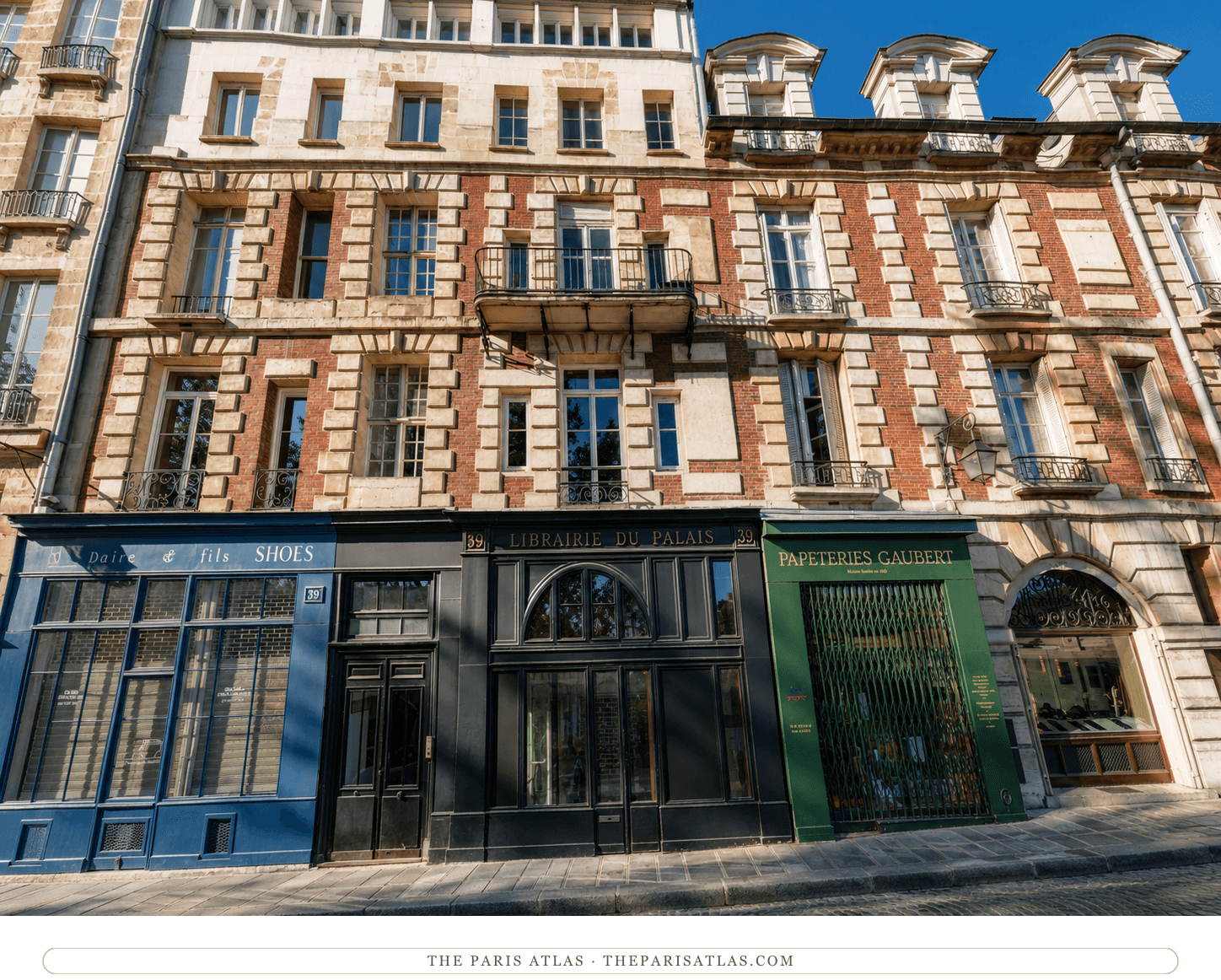
Daniel Halévy's literary salon on the Île de la Cité, where D. H. Lawrence went to a tea in March 1929 and met François Mauriac. It produced the only line about Paris that anyone quotes him on.
Visit the place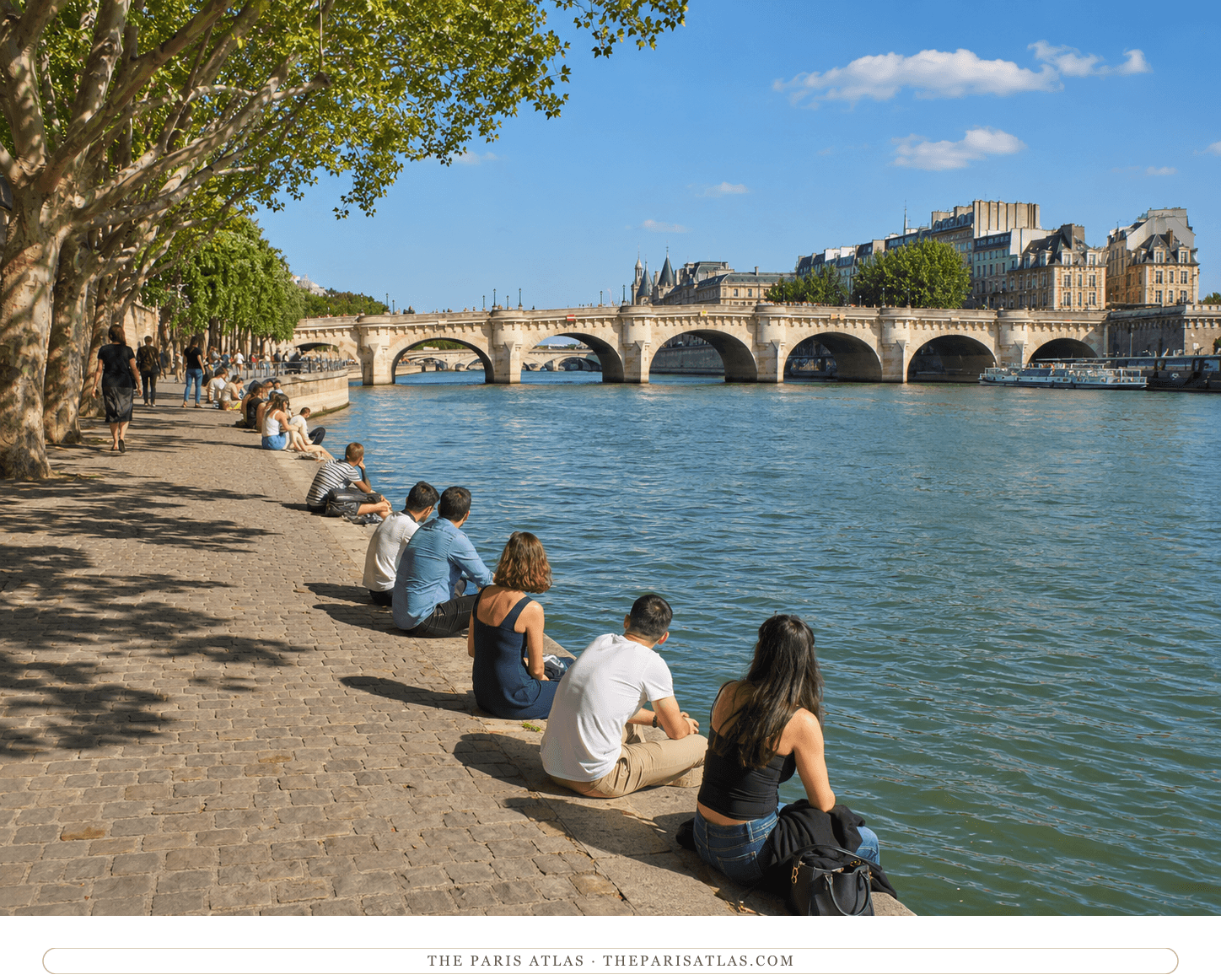
The river through Paris, and the thread that runs the length of Giovanni's Room: the crossing at dawn, the men sleeping under the bridges, and the barge where Giovanni is caught.
Visit the place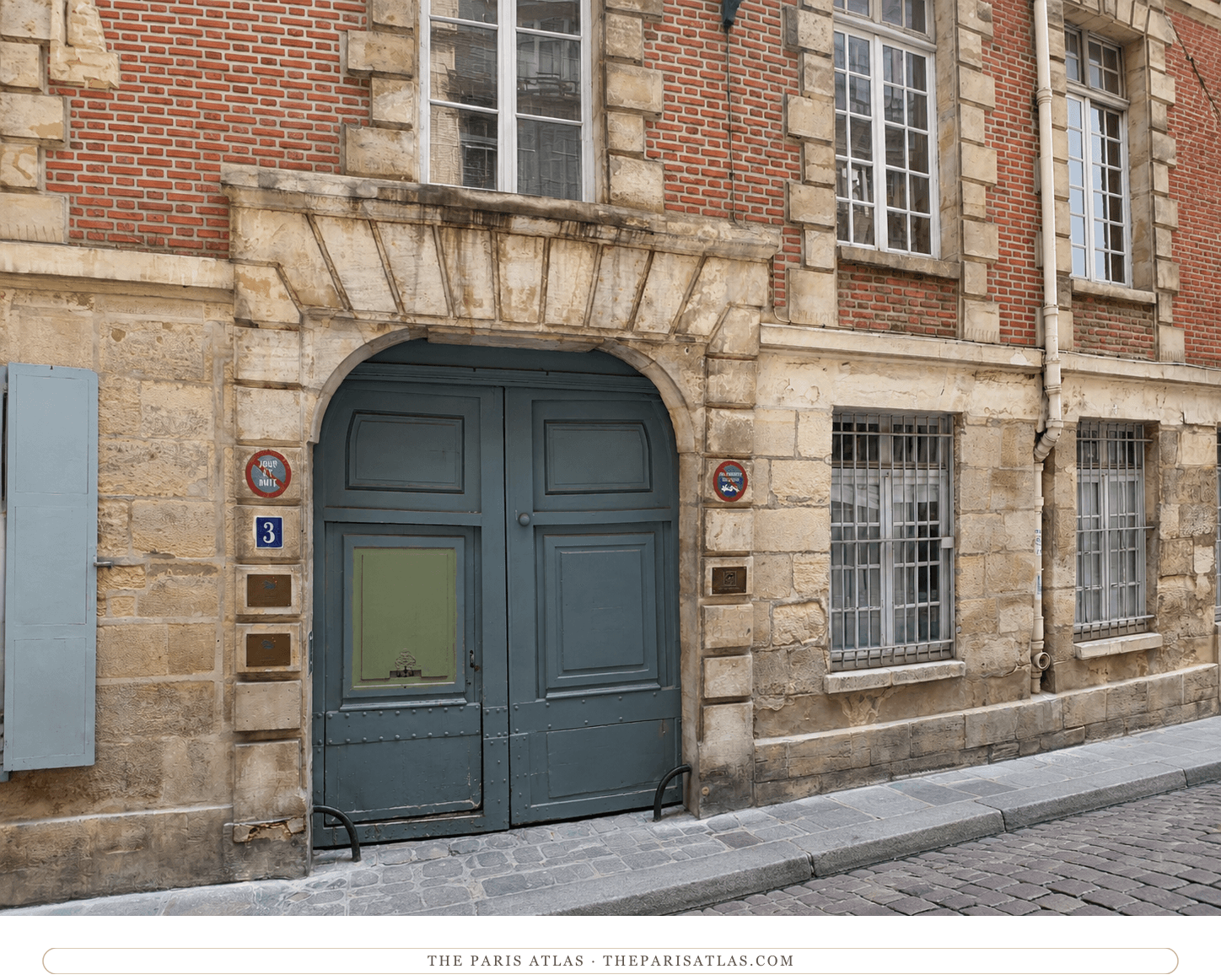
Robert and Sonia Delaunay's apartment and studio from 1910 to 1935 — where La Prose du Transsibérien took its colors, and whose key Blaise Cendrars held while the couple waited out the First World War abroad.
Visit the placeThe sources below include histories, archival materials, scholarly research, and official records that informed this page. They document Académie Suisse, the people connected to it, and its place in Paris.

Web source consulted for documented facts and historical context presented on the Académie Suisse page.
Web source consulted for documented facts and historical context presented on the Académie Suisse page.
Web source consulted for documented facts and historical context presented on the Académie Suisse page.
Web source consulted for documented facts and historical context presented on the Académie Suisse page.
These references provide the documented foundation for this page's history and context. Claim-level citations remain attached to the specific claims they support.
 Explore more resources
Newsletter
The cafés, studios, and walk-up flats where the work was made — one story from the map in every letter.