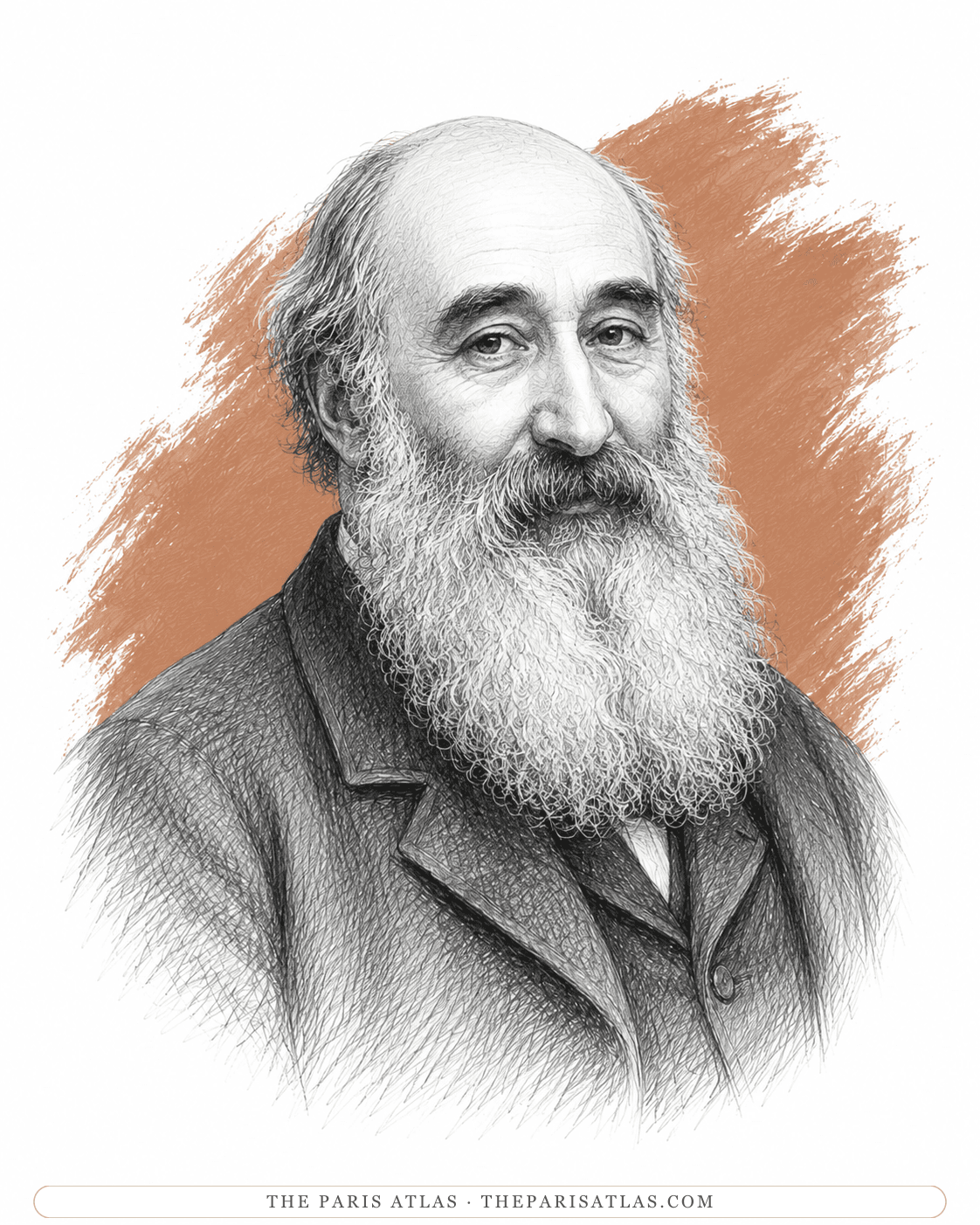
Camille Pissarro
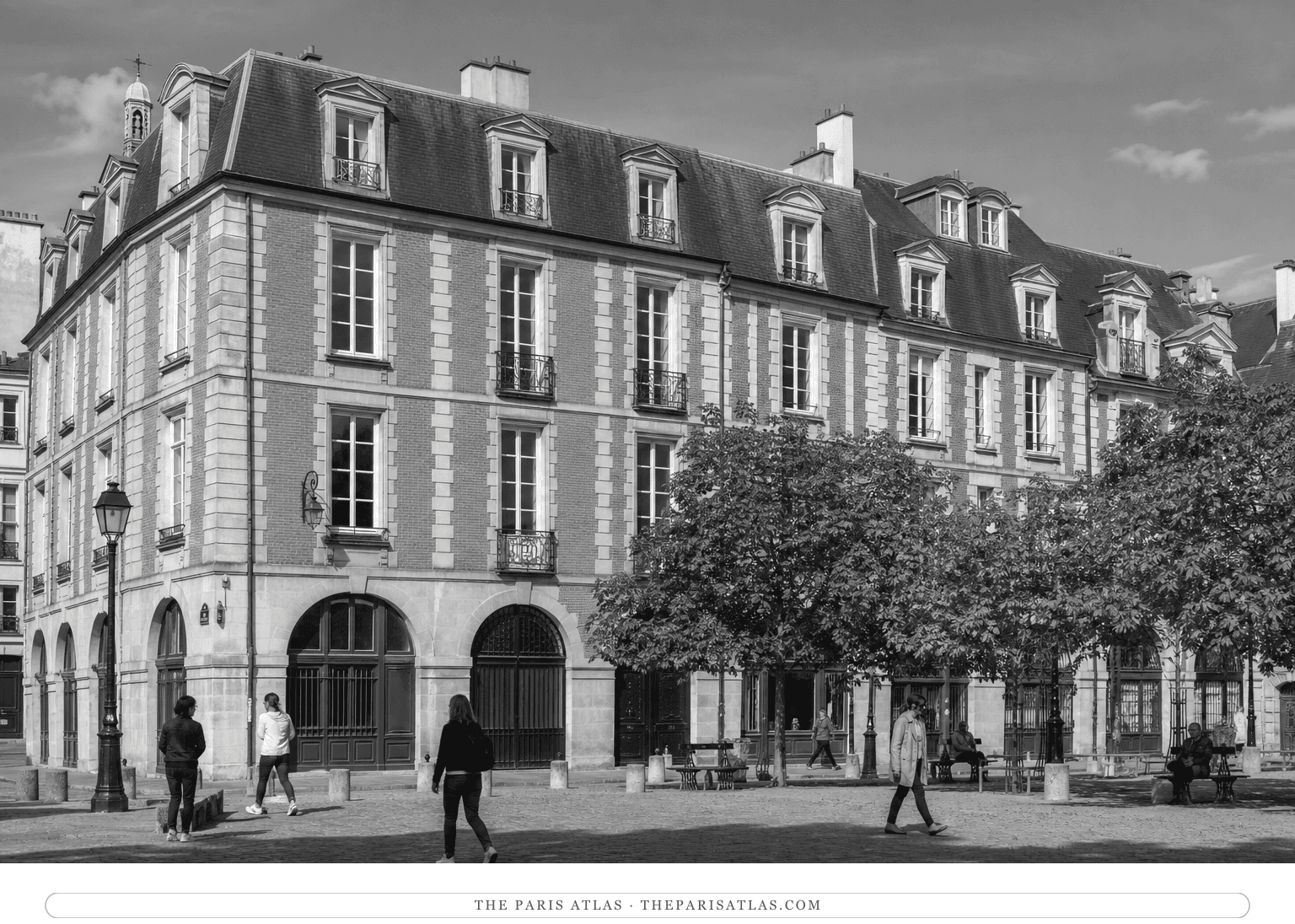
Pissarro rented rooms on the place Dauphine in his final years and made twenty-six paintings from the windows between 31 October 1901 and 17 May 1902 - the Seine, the Pont Neuf, the Louvre, the Institut and the statue of Henri IV.
The apartment on the Île de la Cité from which Camille Pissarro painted twenty-six canvases between October 1901 and May 1902 — the Seine, the Pont Neuf, the Louvre and the statue of Henri IV, all from one set of windows.

Camille Pissarro spent the last years of his life renting rooms in Paris and painting what he could see out of them. A chronic eye condition made working outdoors for long stretches difficult, and the answer he arrived at was to rent a good window and stay behind it — a constraint that produced the greatest series of his career.
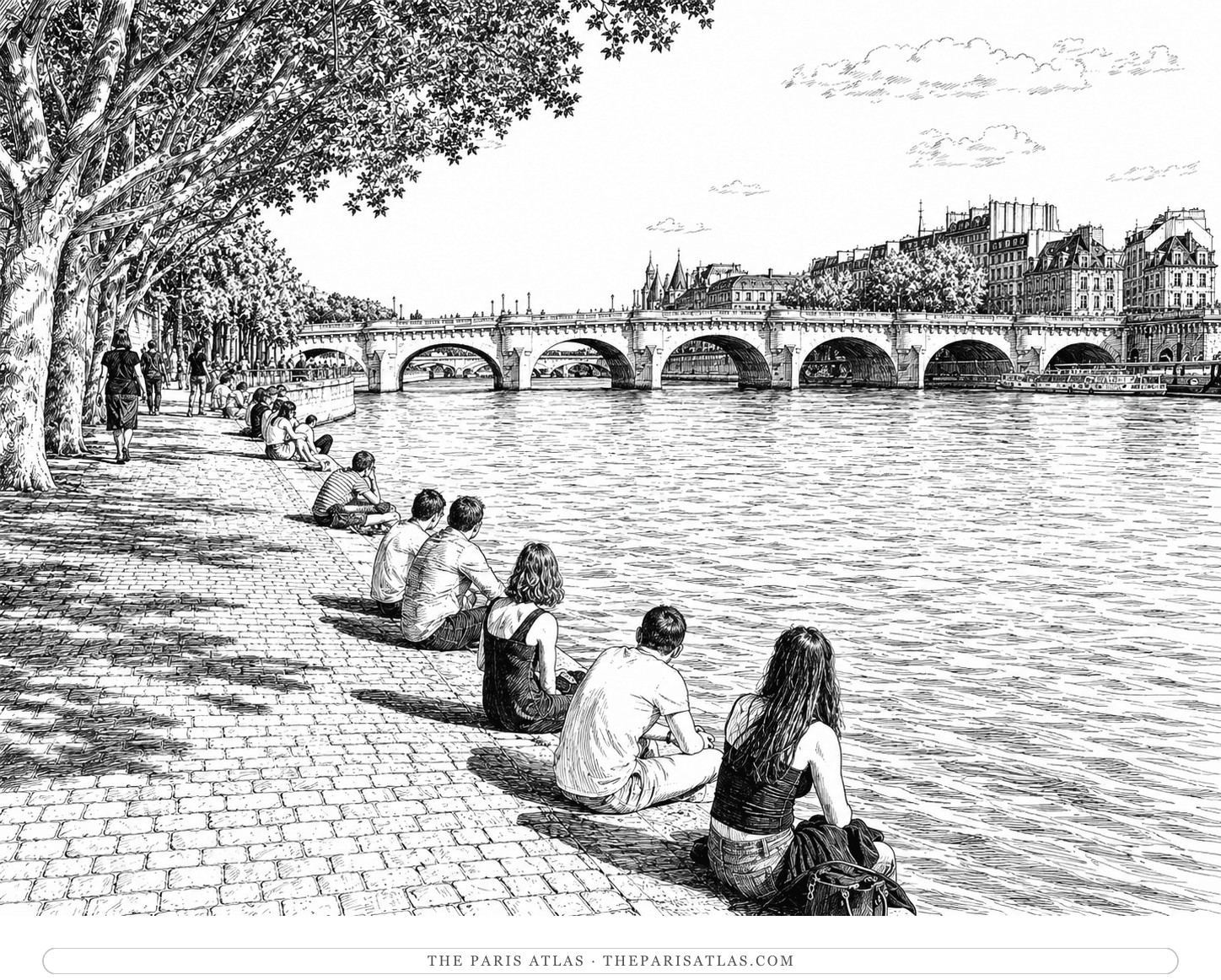
This was the best of them. Between 31 October 1901 and 17 May 1902 he made twenty-six paintings from this apartment on the place Dauphine, working the same view through changing weather, hours and seasons: the Seine below, the Pont Neuf crossing it, the equestrian statue of Henri IV, the Louvre and the Institut de France beyond.
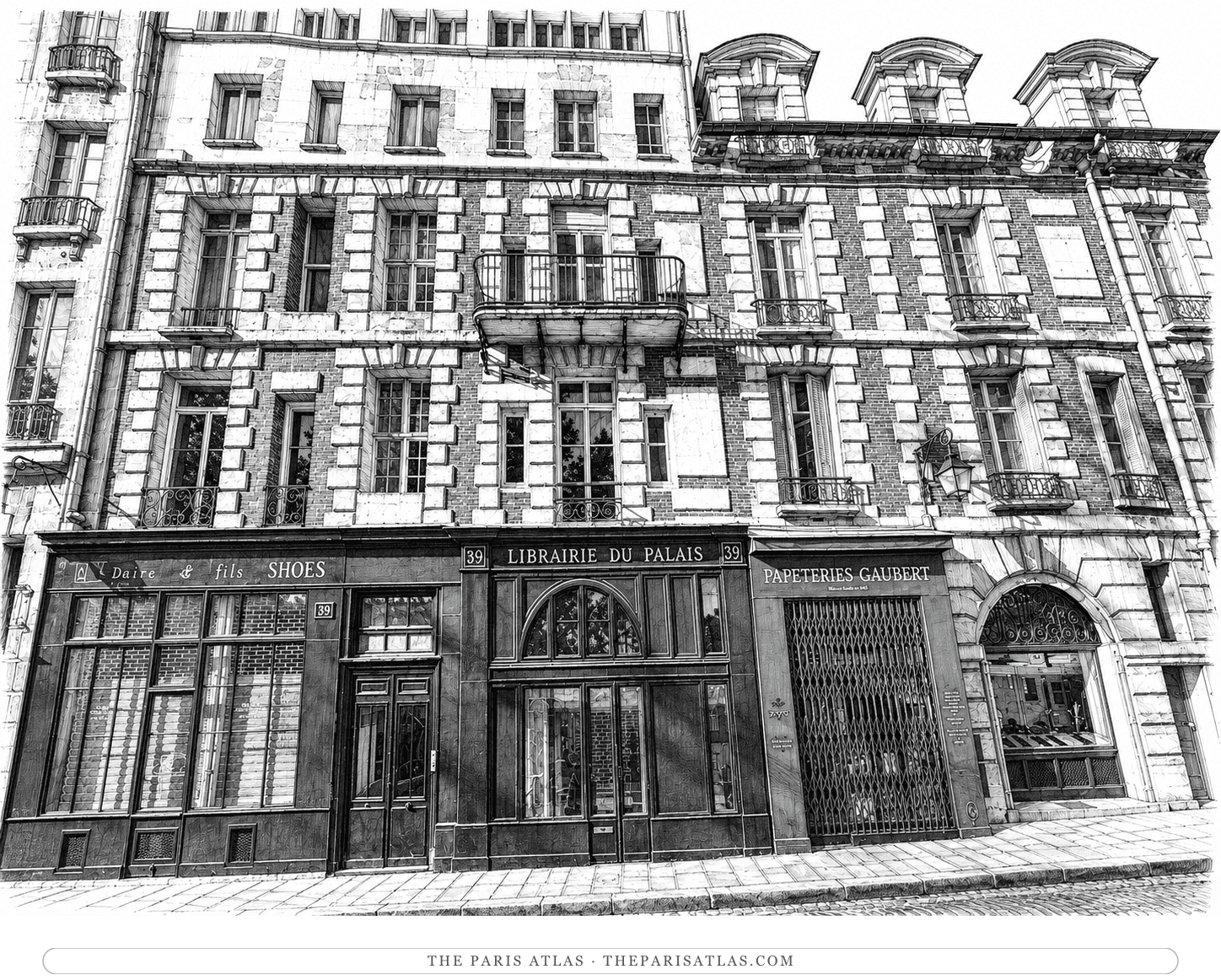
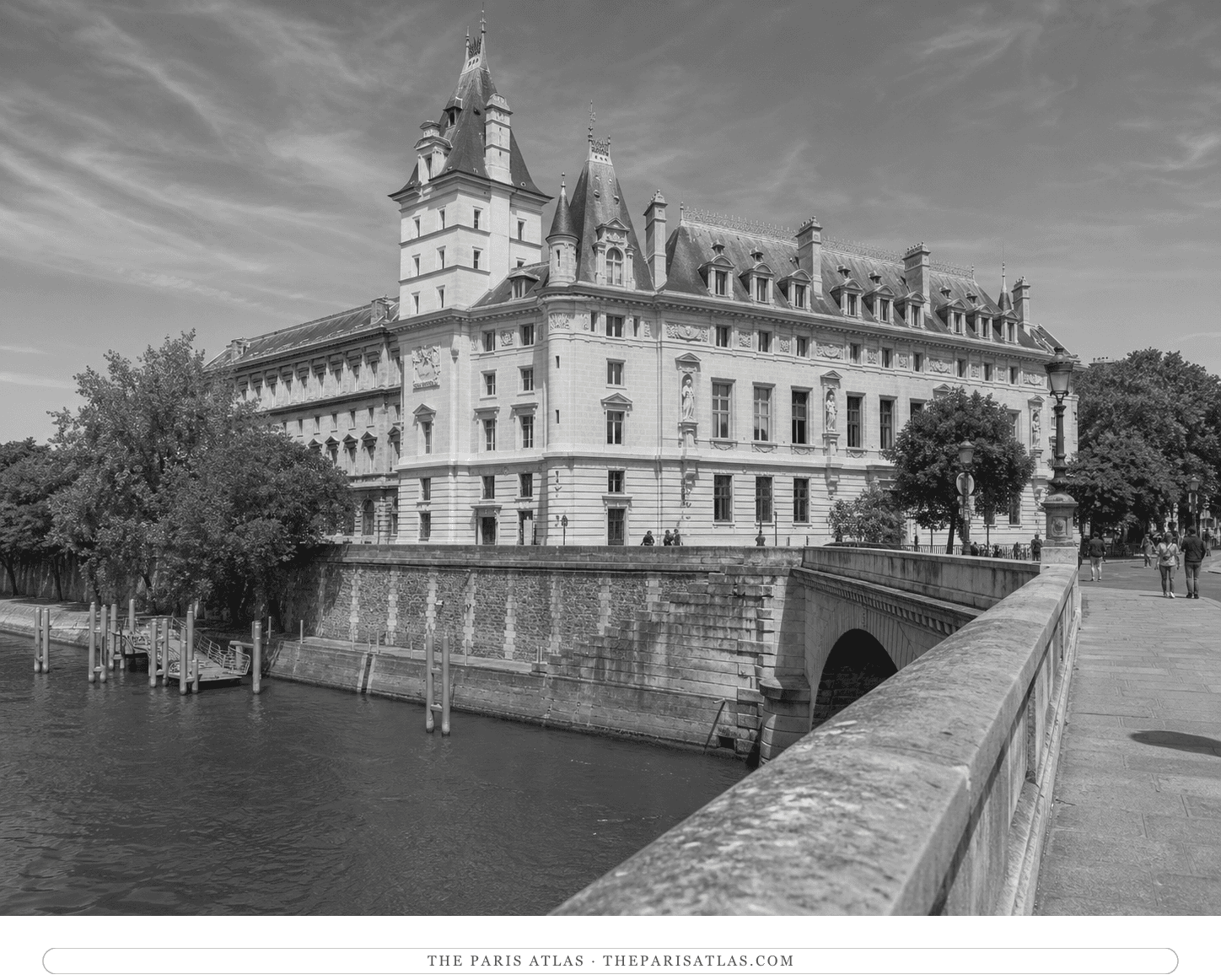
The place Dauphine is a triangular seventeenth-century square laid out at the western tip of the Île de la Cité, and it is one of the quietest addresses in central Paris — a pocket of stillness with the whole river traffic of the city passing a few metres away. The building dates from the first half of the seventeenth century and its façades and roofs have been listed since 1945.
Of everything in Paris connected to Pissarro, this is the one where standing in the right spot gets you closest to the paintings. The apartment is private; the square and the view are not.
Pissarro begins the place Dauphine series on 31 October.
The series closes on 17 May, at twenty-six canvases.
Pissarro dies in Paris.
The building's façades and roofs are protected as a monument historique.
Twenty-six, between 31 October 1901 and 17 May 1902, all worked from the windows of his rented apartment.
A chronic eye condition made long spells of outdoor work difficult. Renting rooms with good views let him keep making series paintings without exposure.
Largely, yes. The apartment is private, but the place Dauphine, the Pont Neuf, the statue of Henri IV and the river are all still there, and the building itself has been protected since 1945.
Pissarro rented rooms on the place Dauphine in his final years and made twenty-six paintings from the windows between 31 October 1901 and 17 May 1902 - the Seine, the Pont Neuf, the Louvre, the Institut and the statue of Henri IV.
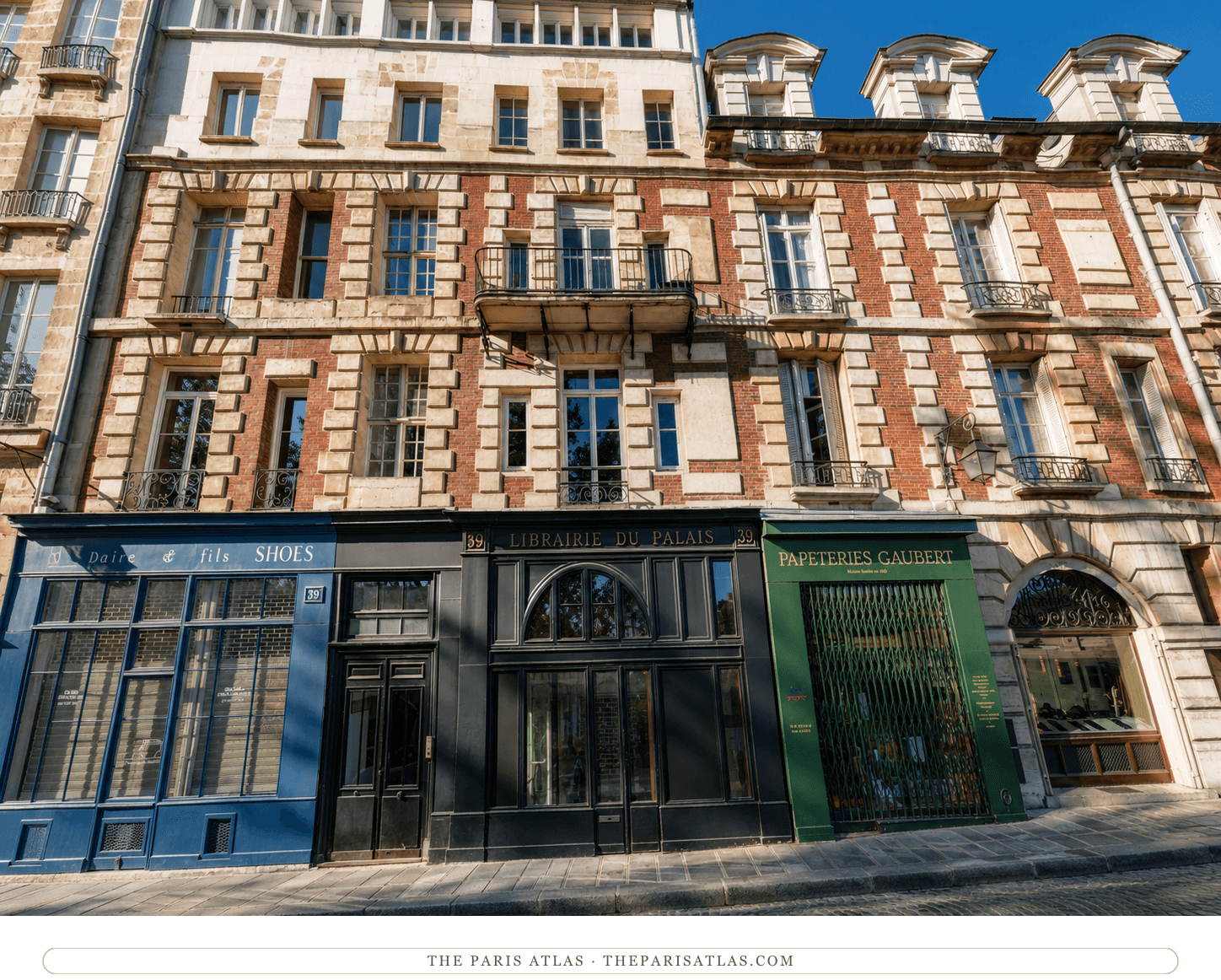
Daniel Halévy's literary salon on the Île de la Cité, where D. H. Lawrence went to a tea in March 1929 and met François Mauriac. It produced the only line about Paris that anyone quotes him on.
Visit the place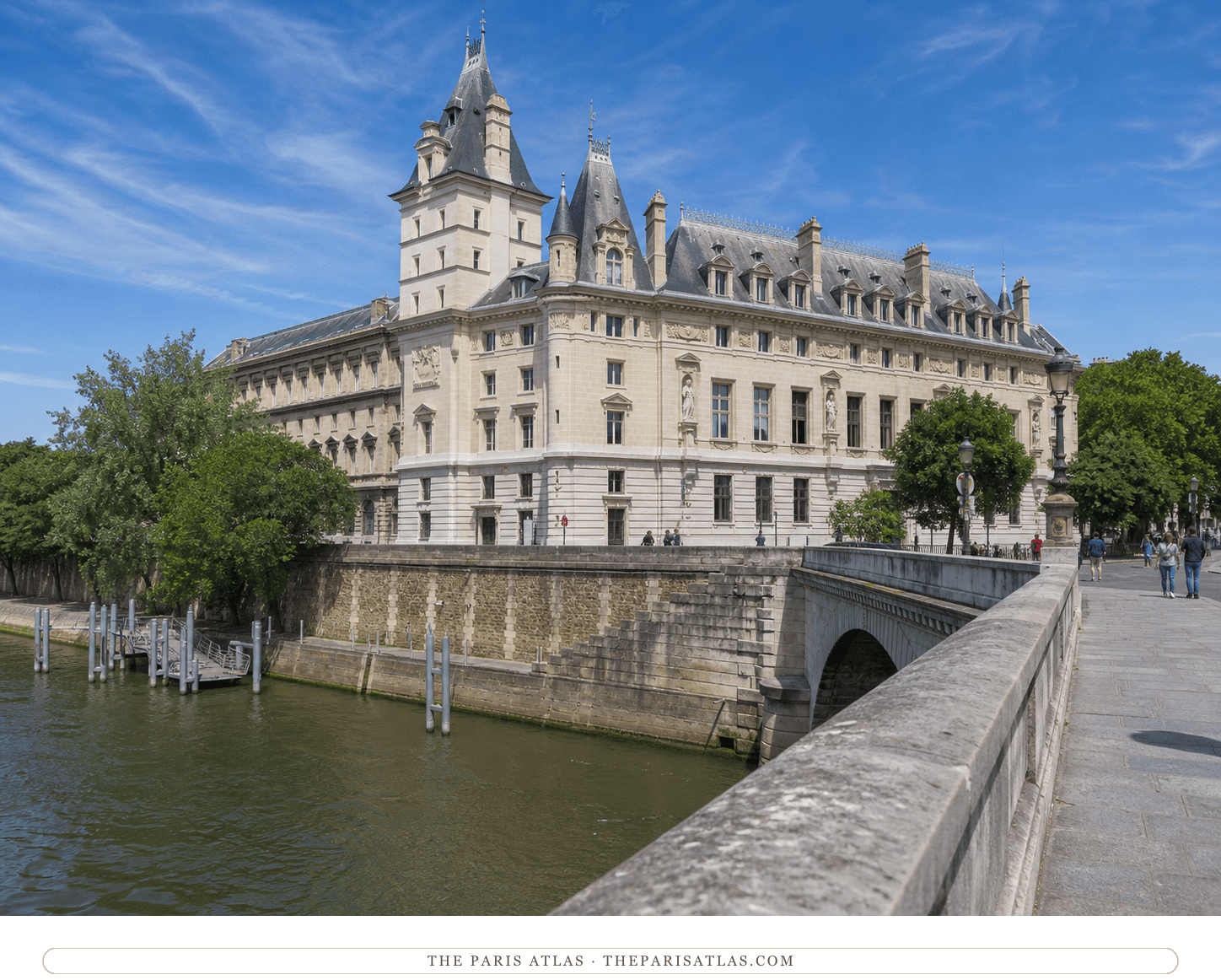
The informal life-drawing studio on the quai des Orfèvres where anyone could pay to draw from the model without an examination — and where Camille Pissarro met Paul Cézanne around 1861.
Visit the place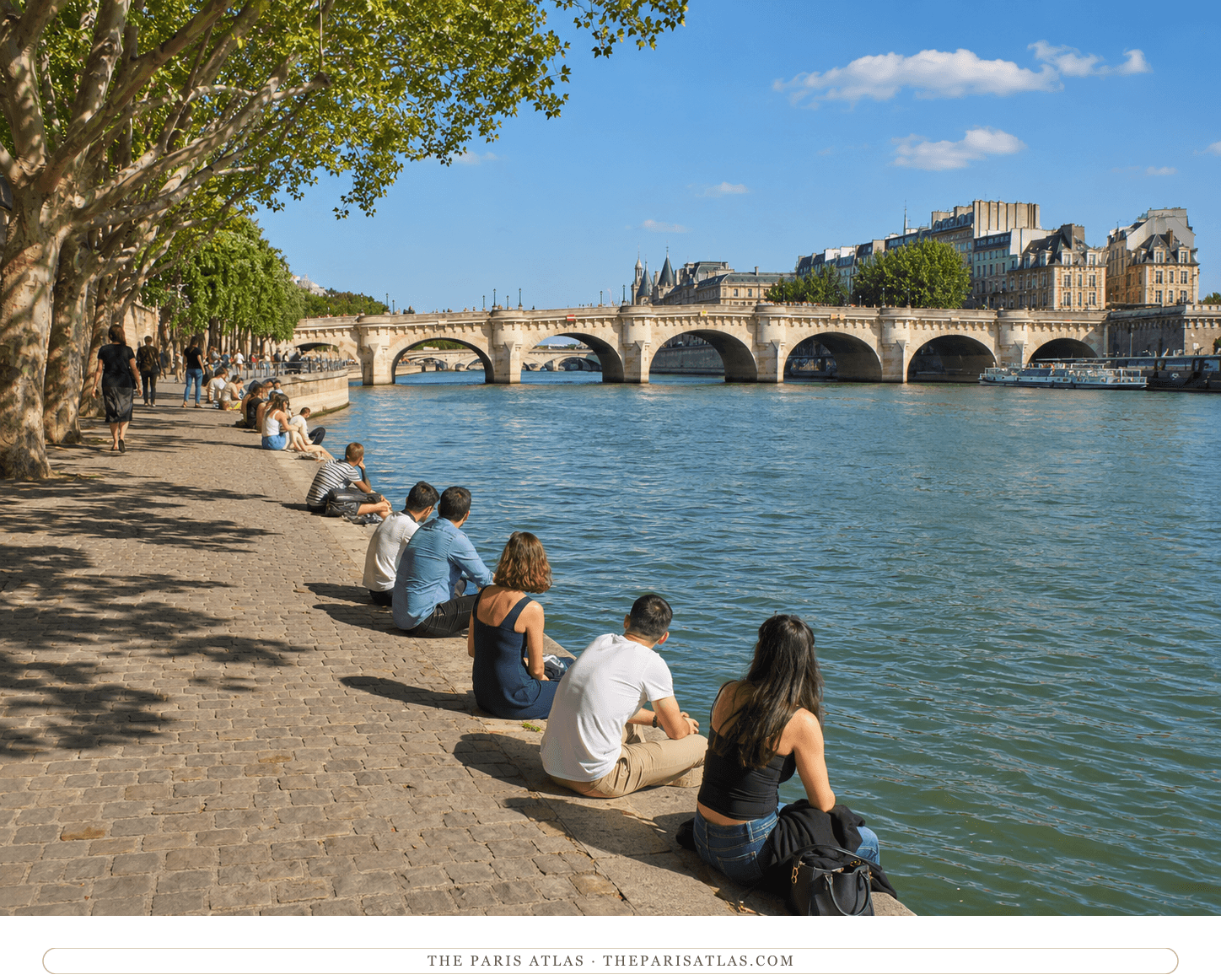
The river through Paris, and the thread that runs the length of Giovanni's Room: the crossing at dawn, the men sleeping under the bridges, and the barge where Giovanni is caught.
Visit the place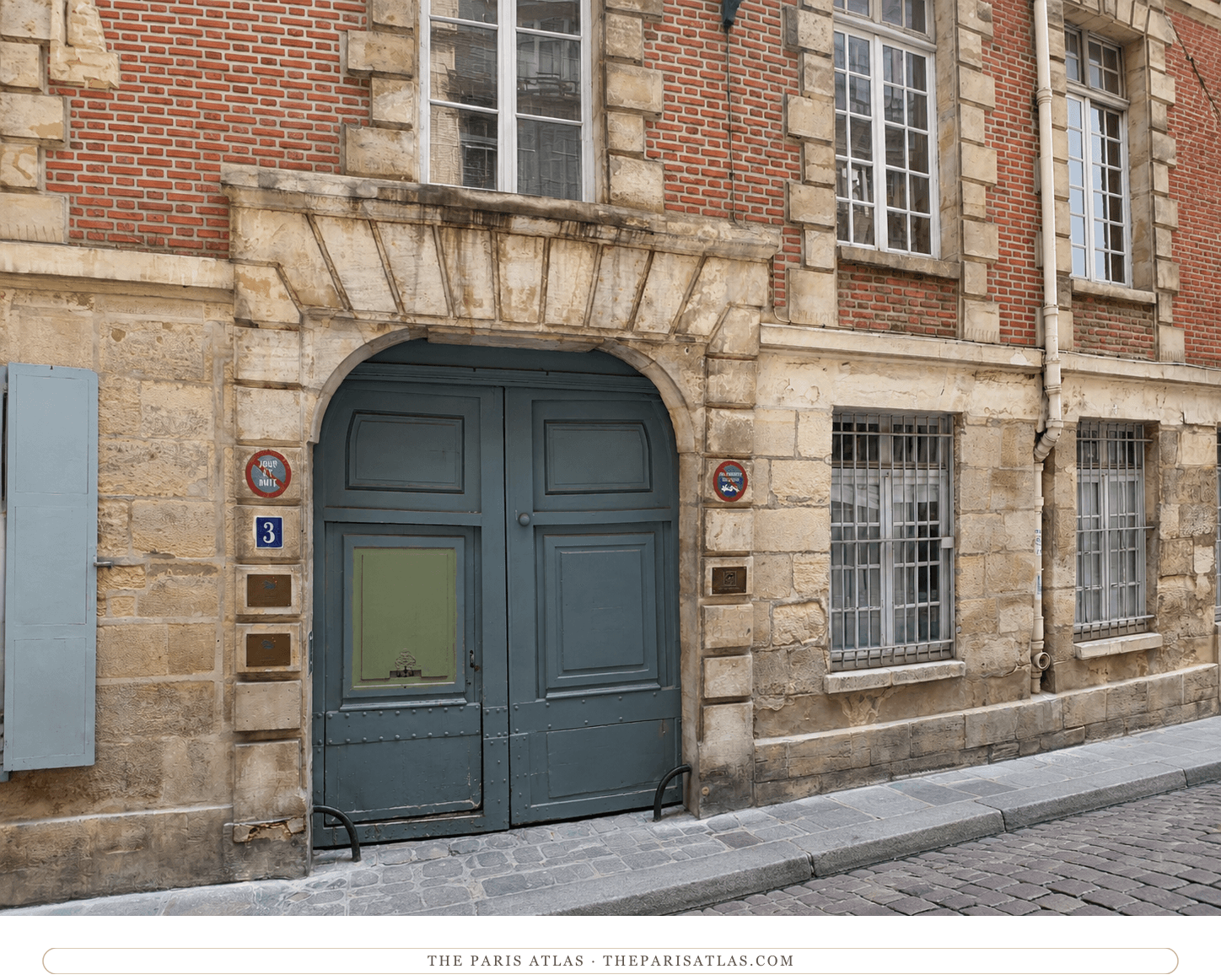
Robert and Sonia Delaunay's apartment and studio from 1910 to 1935 — where La Prose du Transsibérien took its colors, and whose key Blaise Cendrars held while the couple waited out the First World War abroad.
Visit the placeThe sources below include histories, archival materials, scholarly research, and official records that informed this page. They document 28 place Dauphine, the people connected to it, and its place in Paris.


Web source consulted for documented facts and historical context presented on the 28 place Dauphine page.

Official record used to verify names, dates, institutional details, or other factual information on this page.
Web source consulted for documented facts and historical context presented on the 28 place Dauphine page.
Web source consulted for documented facts and historical context presented on the 28 place Dauphine page.
These references provide the documented foundation for this page's history and context. Claim-level citations remain attached to the specific claims they support.
 Explore more resources
Newsletter
The cafés, studios, and walk-up flats where the work was made — one story from the map in every letter.