The Paris AtlasCharting the artists, works, and places worth returning to.

In their own words

D. H. Lawrence quotes

24 quotations, each verified against its source and credited to the work it comes from — the wording as D. H. Lawrence wrote or said it, not as the internet passes it around.

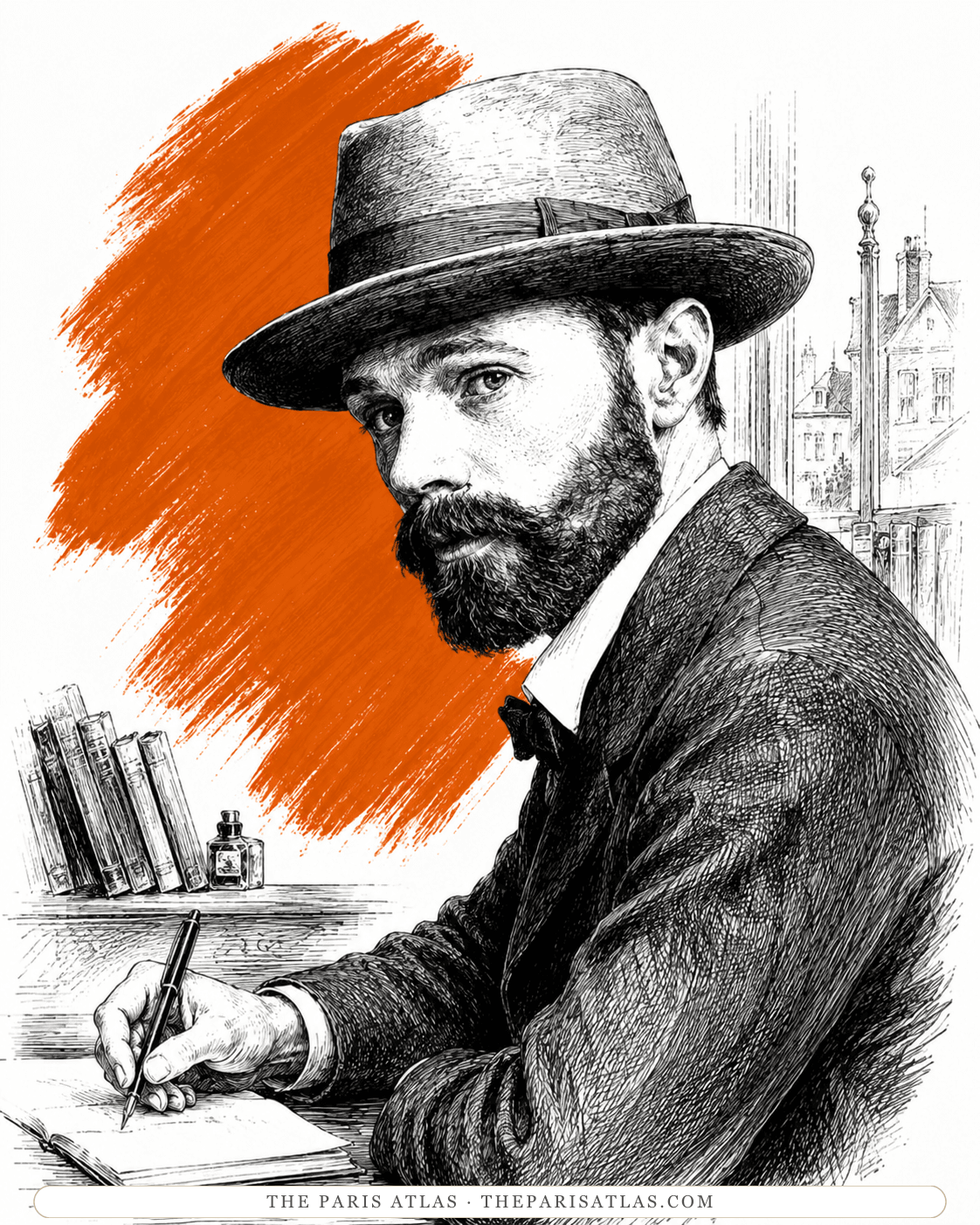
Illustrated portrait of D. H. Lawrence
Pen-and-ink illustration of manuscript pages, wildflowers, and a fox crossing a Mediterranean landscape

How these quotes were checked

How we decide whether a quote is genuine

D. H. Lawrence is quoted in fragments, and the fragments have been tidied. A line enters this collection only when its wording can be checked against the book it comes from, and the work is named beside it.

His most quoted critical sentence is checked below: the popular form uses a word he did not write.

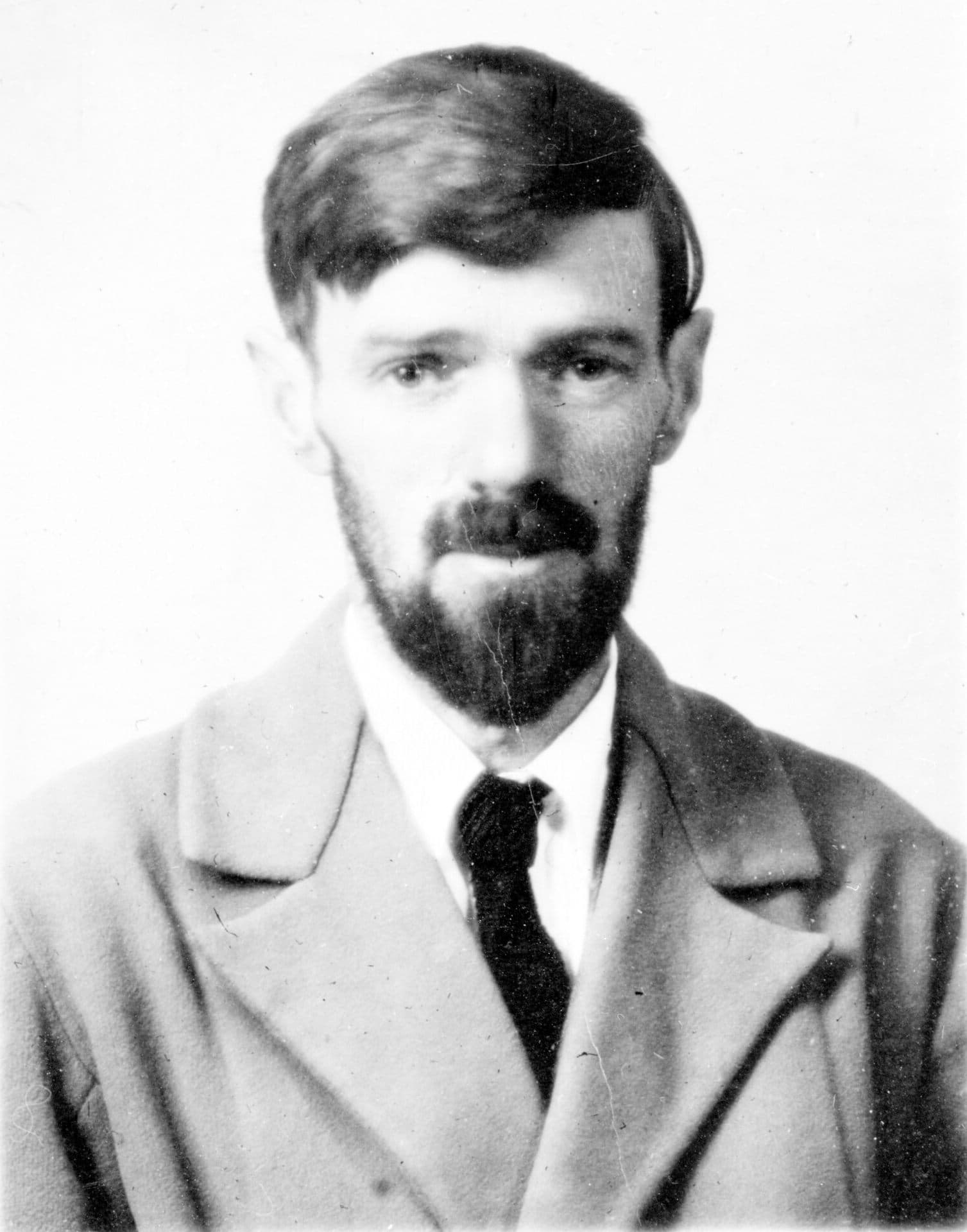
Passport photograph of D. H. Lawrence, bearded and in an overcoat, taken on 22 February 1929.
Lawrence's passport photograph, taken on 22 February 1929 and enclosed in a letter to the journalist Bernard Falk two days later. Three weeks after it was made he was in Paris looking for someone to publish Lady Chatterley's Lover. Photographer unknown (passport office). Public domain.

One famous D. H. Lawrence quote, fact-checked

A sentence linked to D. H. Lawrence may be exact, shortened, remembered by someone else, or unsupported. Each label below explains what the available evidence actually proves.

Common paraphrase

“Never trust the teller, trust the tale.”

What Lawrence printed, in the opening chapter of Studies in Classic American Literature (1923), is: “Never trust the artist. Trust the tale. The proper functions of a critic is to save the tale from the artist who created it.” The word “teller” appears nowhere in the book — it is a later smoothing, and it loses the argument Lawrence was making, which is about the artist's intentions being contradicted by the work itself.

  • — D. H. Lawrence, Studies in Classic American Literature (Project Gutenberg #60547) (1923)

Never trust the artist. Trust the tale. The proper functions of a critic is to save the tale from the artist who created it.
— D. H. Lawrence, Studies in Classic American Literature (1923), Chapter I: "The Spirit of Place"
I went to a French literary tea yesterday – with Mauriac and a few more – ye gods, how literary – the Lord made Adam out of printer's ink, in Paris.
— D. H. Lawrence, letter to his agent Laurence Pollinger, 24 March 1929
Ours is essentially a tragic age, so we refuse to take it tragically.
— D. H. Lawrence, Lady Chatterley's Lover (1928), Chapter I
We've got to live, no matter how many skies have fallen.
— D. H. Lawrence, Lady Chatterley's Lover (1928), Chapter I
It is the way our sympathy flows and recoils that really determines our lives. And here lies the vast importance of the novel, properly handled.
— D. H. Lawrence, Lady Chatterley's Lover (1928), Chapter IX
Sex is really only touch, the closest of all touch. And it's touch we're afraid of. We're only half-conscious, and half alive.
— Oliver Mellors (dialogue) · D. H. Lawrence, Lady Chatterley's Lover (1928), Chapter XVIII
It's the courage of your own tenderness, that's what it is: like when you put your hand on my tail and say I've got a pretty tail.
— Constance Chatterley (dialogue) · D. H. Lawrence, Lady Chatterley's Lover (1928), Chapter XVIII
I stand for the touch of bodily awareness between human beings, and the touch of tenderness.
— Oliver Mellors (interior monologue) · D. H. Lawrence, Lady Chatterley's Lover (1928), Chapter XVIII
Art-speech is the only truth. An artist is usually a damned liar, but his art, if it be art, will tell you the truth of his day. And that is all that matters.
— D. H. Lawrence, Studies in Classic American Literature (1923), Chapter I: "The Spirit of Place"
Away with eternal truth. Truth lives from day to day, and the marvellous Plato of yesterday is chiefly bosh to-day.
— D. H. Lawrence, Studies in Classic American Literature (1923), Chapter I: "The Spirit of Place"
Men are not free when they are doing just what they like. The moment you can do just what you like, there is nothing you care about doing. Men are only free when they are doing what the deepest self likes.
— D. H. Lawrence, Studies in Classic American Literature (1923), Chapter I: "The Spirit of Place"
The essential American soul is hard, isolate, stoic, and a killer. It has never yet melted.
— D. H. Lawrence, Studies in Classic American Literature (1923), Chapter V: "Fenimore Cooper's Leatherstocking Novels"
The essential function of art is moral. Not æsthetic, not decorative, not pastime and recreation. But moral.
— D. H. Lawrence, Studies in Classic American Literature (1923), Chapter XII: "Whitman"
It is true, what I say; there is a beyond, in you, in me, which is further than love, beyond the scope, as stars are beyond the scope of vision, some of them.
— Rupert Birkin (dialogue) · D. H. Lawrence, Women in Love (1920), Chapter XIII: "Mino"
He would not take that direction, to the darkness, to follow her. He walked towards the faintly humming, glowing town, quickly.
— D. H. Lawrence, Sons and Lovers (1913), Chapter XV: "Derelict"
She saw in the rainbow the earth's new architecture, the old, brittle corruption of houses and factories swept away, the world built up in a living fabric of Truth, fitting to the over-arching heaven.
— D. H. Lawrence, The Rainbow (1915), Chapter XVI: "The Rainbow"
Ours is essentially a tragic age, so we refuse to take it tragically. The cataclysm has happened, we are among the ruins, we start to build up new little habitats, to have new little hopes. It is rather hard work: there is now no smooth road into the future: but we go round, or scramble over the obstacles. We've got to live, no matter how many skies have fallen.
— D. H. Lawrence, Lady Chatterley's Lover (1928), Chapter I
The world is supposed to be full of possibilities, but they narrow down to pretty few in most personal experience.
— D. H. Lawrence, Lady Chatterley's Lover (1928), Chapter IV
A woman has to live her life, or live to repent not having lived it.
— Lady Bennerley (dialogue) · D. H. Lawrence, Lady Chatterley's Lover (1928), Chapter VII
It is the way our sympathy flows and recoils that really determines our lives. And here lies the vast importance of the novel, properly handled. It can inform and lead into new places the flow of our sympathetic consciousness, and it can lead our sympathy away in recoil from things gone dead.
— D. H. Lawrence, Lady Chatterley's Lover (1928), Chapter IX
England my England! but which is my England?
— D. H. Lawrence, Lady Chatterley's Lover (1928), Chapter XI
The industrial England blots out the agricultural England. One meaning blots out another. The new England blots out the old England. And the continuity is not organic, but mechanical.
— D. H. Lawrence, Lady Chatterley's Lover (1928), Chapter XI
Perhaps only people who are capable of real togetherness have that look of being alone in the universe.
— Constance Chatterley (dialogue) · D. H. Lawrence, Lady Chatterley's Lover (1928), Chapter XVII
Money poisons you when you've got it, and starves you when you haven't.
— Oliver Mellors, in his letter to Connie · D. H. Lawrence, Lady Chatterley's Lover (1928), Chapter XIX

From the books

Every book with a quote collection of its own, each line verified against the text.

Questions about D. H. Lawrence quotes

Did D. H. Lawrence say “never trust the teller, trust the tale”?

Not in those words. His sentence, in Studies in Classic American Literature (1923), is “Never trust the artist. Trust the tale,” followed by his definition of a critic's job: to save the tale from the artist who created it. The “teller” version is a later rewrite.

What is D. H. Lawrence's most famous quote?

“Never trust the artist. Trust the tale,” from Studies in Classic American Literature, is the one most often repeated by other writers. The lines from his novels and poems that circulate most widely are gathered above, each credited to the work it comes from.

Where do these D. H. Lawrence quotes come from?

From his novels, poems, essays and letters, checked against the printed texts — many of which are now in the public domain and can be read in full online. Every quote above names its source work.

References

References

The sources below are the editions, archives, and full-text searches used to verify the quotations on this page. Every line was checked against one or more of them before it appeared here.

  1. 1Studies in Classic American Literature (Project Gutenberg #60547)

    Essays
    Project Gutenberg, 1923
    Used for

    The complete text, searched for both the printed sentence and the circulated rewrite.

    View source
i
Why these sources are here

Verification is the point of this collection: a quotation is listed only when its wording has been checked against the sources above, and the attribution notes record what each check found about the famous lines that failed.

Explore more resources

Newsletter

Join our newsletter

New stories about art, literature and famous places around the world.

Unsubscribe anytime.