
Setting of the story
The Sun Also Rises
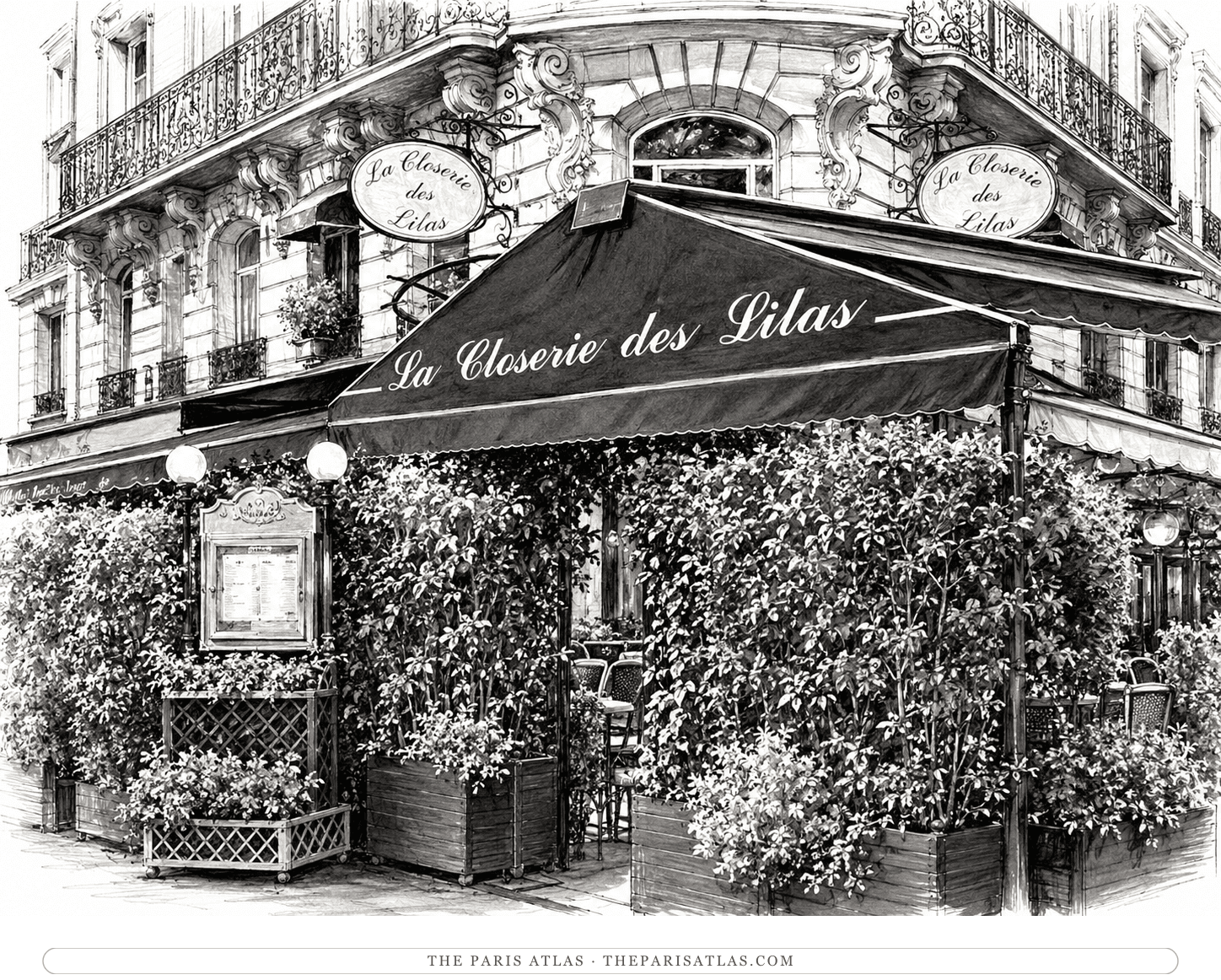
Jake walks home past Marshal Ney's statue outside the Lilas — and it was at these tables that Hemingway drafted most of the novel in the autumn of 1925.
Ernest Hemingway's favorite writing spot, where he drafted much of The Sun Also Rises. Quieter than the other cafés, which was the point.
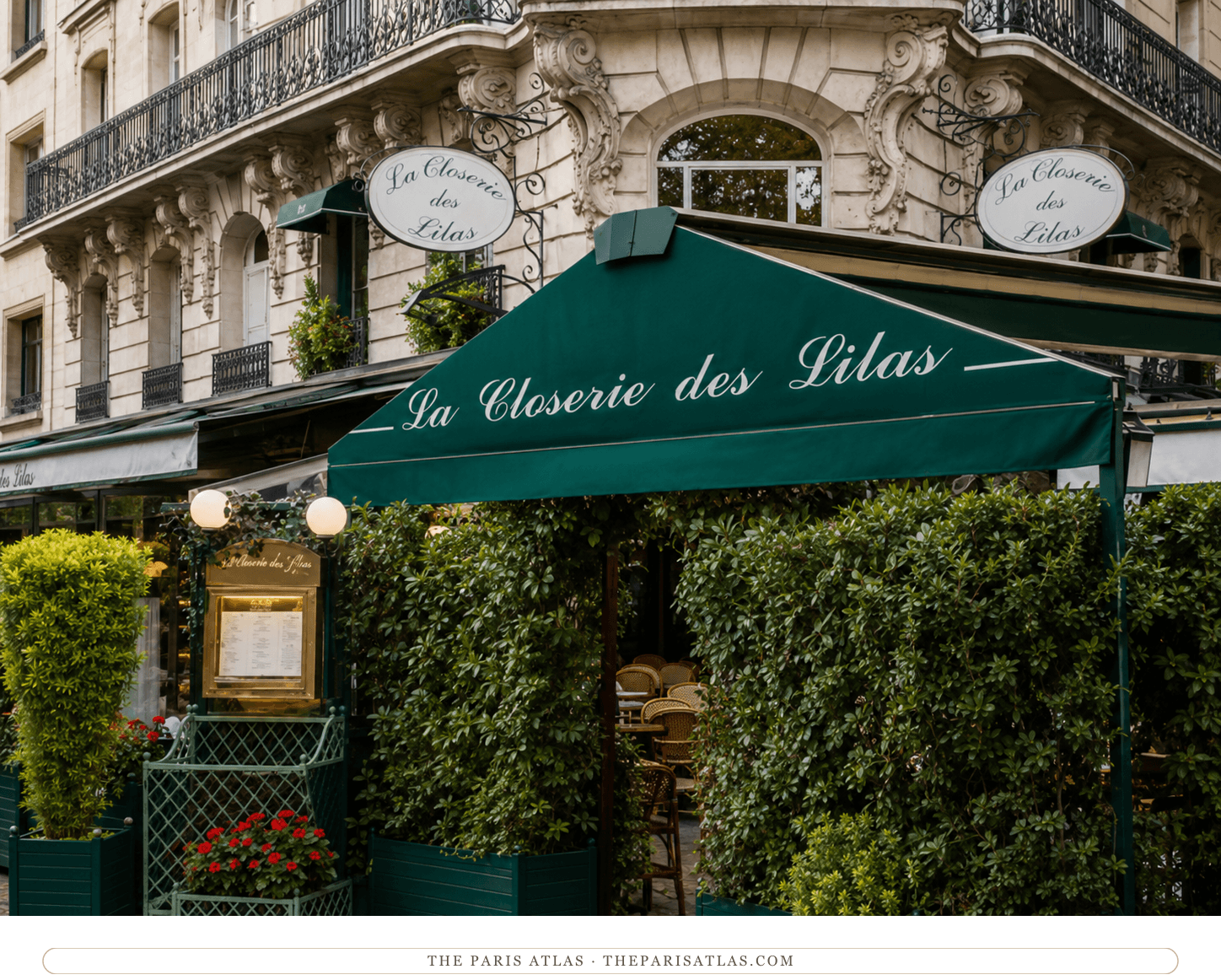
Every regular has a home café, and the Closerie was Hemingway's. It sat at the unfashionable end of the Boulevard du Montparnasse — far enough from the Dôme and the Rotonde that nobody came to be seen, which is precisely why he came. In A Moveable Feast he describes it as one of the best cafés in Paris: warm in winter, shaded in spring, and staffed by waiters who let a man nurse a single café crème through a morning's work. The statue of Marshal Ney, sabre drawn, stood guard outside; Hemingway treated the bronze as a drinking companion and closed at least one chapter toasting him.
The place had literary bones long before the twenties. It opened in 1847 as a stop on the Fontainebleau coach road, and by the 1900s Paul Fort was running Tuesday-night poetry gatherings that pulled in Apollinaire, Jarry, and half the Symbolist rearguard. The generation that followed — Picasso, Modigliani, the Montparnasse painters — kept the tables warm until the Americans arrived.[1]
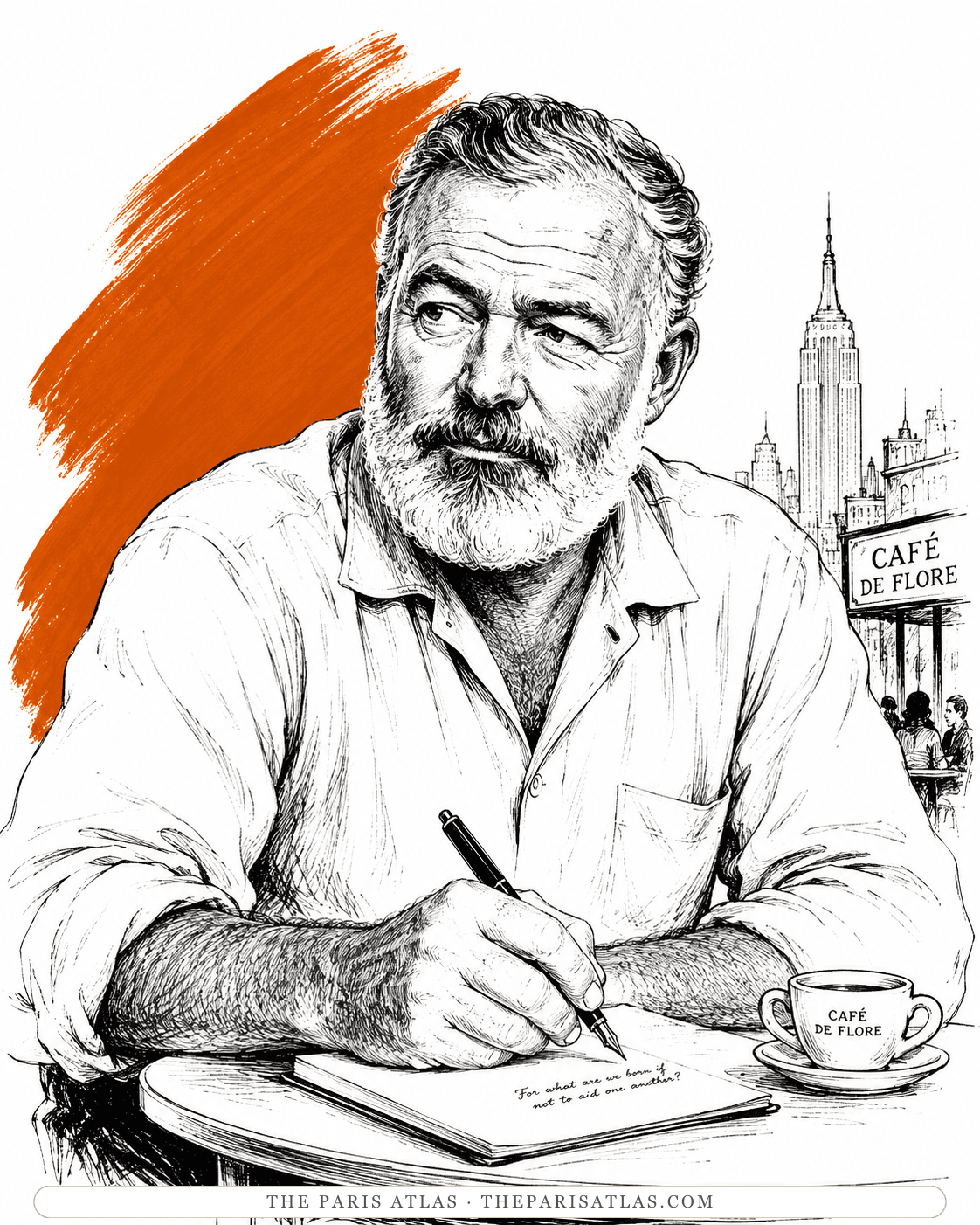
It was here, in a six-week burst in the autumn of 1925, that Hemingway drafted most of The Sun Also Rises, working in the café's quiet corners the way other men go to an office. The Closerie repaid the loyalty: today the bar carries small brass plaques naming its regulars, and the one marked E. Hemingway is still screwed to the counter.[2]
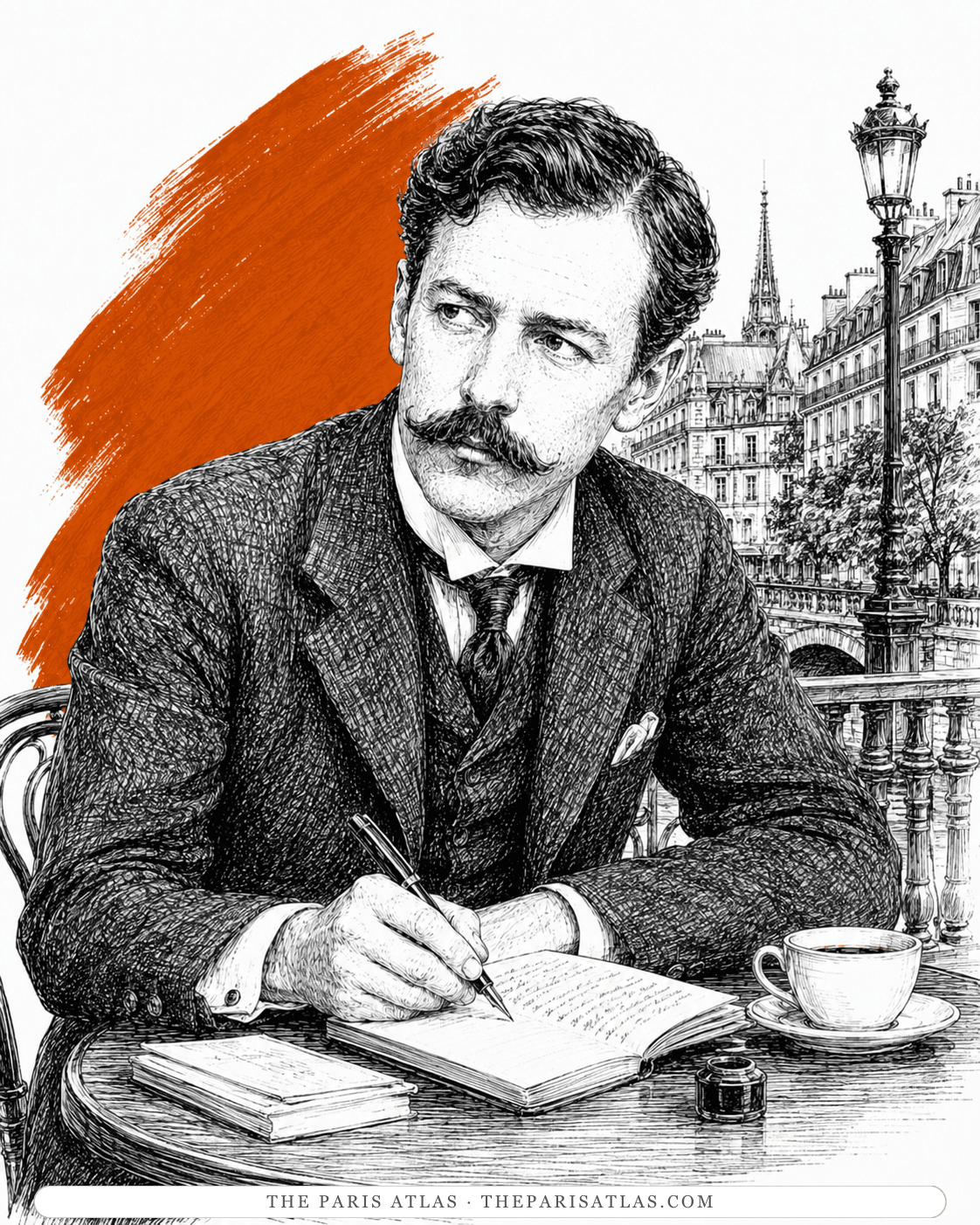
Hemingway also left the era's best eyewitness sketch of another regular. In A Moveable Feast he remembered Blaise Cendrars at the Closerie — the broken boxer's face, the empty sleeve pinned up, a cigarette rolled with the one good hand — and reckoned that Cendrars spinning a story was better company than most men telling the truth.[3]
Thirty years later James Baldwin gave the same café one sentence and a far worse evening. In Giovanni's Room, David has just read the letter telling him that Hella is coming back to Paris, and he is walking the length of Montparnasse looking for a woman to prove something with. The Closerie is where the walk runs out. He gets as far as the door, has a solitary drink, and reads his letters again. He thinks about finding Giovanni that evening and telling him it is finished, works out that the bar will not be open yet, and turns back up the boulevard.[4]
Hemingway came here to work and Baldwin's narrator comes here to stall. It is the same room, the unfashionable end of the boulevard, quiet enough that a man with something to avoid can sit with it for an hour.
The Boulevard Montparnasse was deserted. Lavigne’s was closed tight, and they were stacking the tables outside the Closerie des Lilas. I passed Ney’s statue standing among the new-leaved chestnut-trees in the arc-light. There was a faded purple wreath leaning against the base.
‘We might as well go to the Closerie,’ Brett said. ‘I can’t drink these rotten brandies.’
Sitting out on the terraces of the Lilas Brett ordered a whiskey and soda, I took one, too, and Bill took another pernod.
The evenings of the Closerie des Lilas come back to me vividly. The Prince of Poets sat in state on an upholstered bench of the café; while around him was his court of writers … To the drinking of coffee and of bocks, poetry was recited, analysed, and appraised.
Once upon a time the Closerie des Lilas at the corner of the Boulevard du Montparnasse was a guinguette — a country-inn on the route to Fontainebleau. Baudelaire frequented it.
My attention was first called to them by a tremendous row one evening at the Closerie des Lilas. Chairs hurtled through the air, crockery crashed through the window.
At the Closerie des Lilas you will mostly find Poles. At the Rotonde you will find Italians, Spaniards, and Balkanics — with a sprinkling of French. At the Dome there are Scandinavians, British, and Americans.
Opens as a guinguette on the coach road south — the lilac hedges give it its name.
Paul Fort's Tuesday gatherings make it the salon of the Symbolist poets.
Hemingway, newly arrived around the corner on Notre-Dame-des-Champs, adopts it as his working café.
Hemingway drafts most of The Sun Also Rises here in six weeks, September to October.
Hemingway's A Moveable Feast is published, fixing the Closerie's place in the legend.
Still open as a café-restaurant, piano bar and all; the terrace is still behind the hedge.
Setting of the story
Jake walks home past Marshal Ney's statue outside the Lilas — and it was at these tables that Hemingway drafted most of the novel in the autumn of 1925.

Recalled in the memoir
Hemingway's favorite writing spot, where he drafted much of The Sun Also Rises. Quieter than the other cafes, which was the point.

Depicted in its pages
Paul Fort's Tuesday court, the old guinguette history, and the Surrealist banquet row — three eras of the café in a few pages.

Setting of the story
One drink, alone, at the far end of the walk David takes after Hella's letter reaches him. He reads the letter again there before turning back up the boulevard.
Worked here · 1925
Hemingway drafts most of The Sun Also Rises at the Closerie's tables in a six-week burst, September to October 1925.
Frequented by
He sat with Paul Fort's Tuesday court of poets on the terrace, and wrote the cafe a chapter of its own while the chairs were still warm.
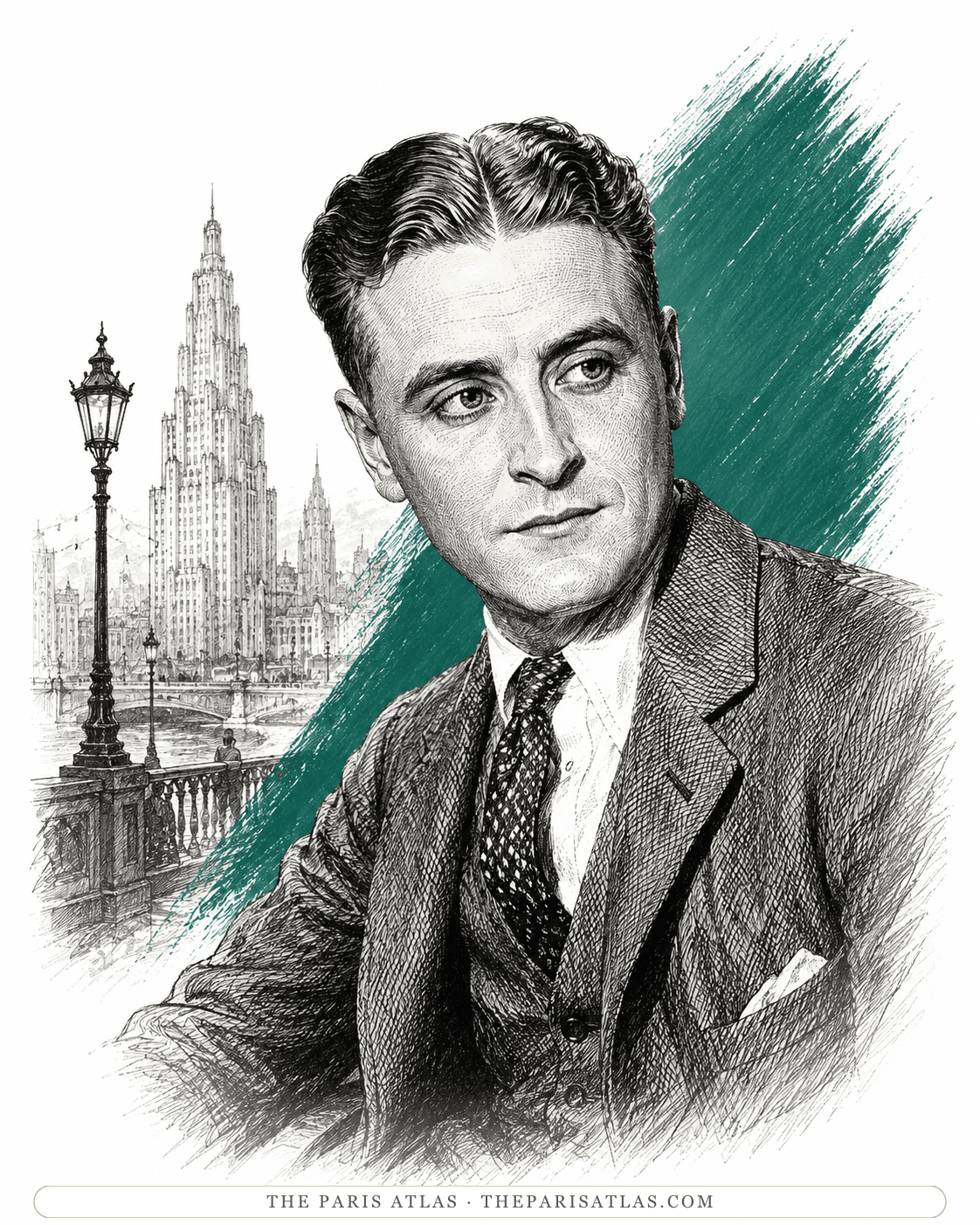
Frequented by · 1925
Days after the Dingo Bar introduction, Fitzgerald found Hemingway at the Closerie — Hemingway's working café — and proposed the trip to Lyon to retrieve the Fitzgeralds' abandoned Renault, the comic road story at the center of A Moveable Feast's Fitzgerald chapters.
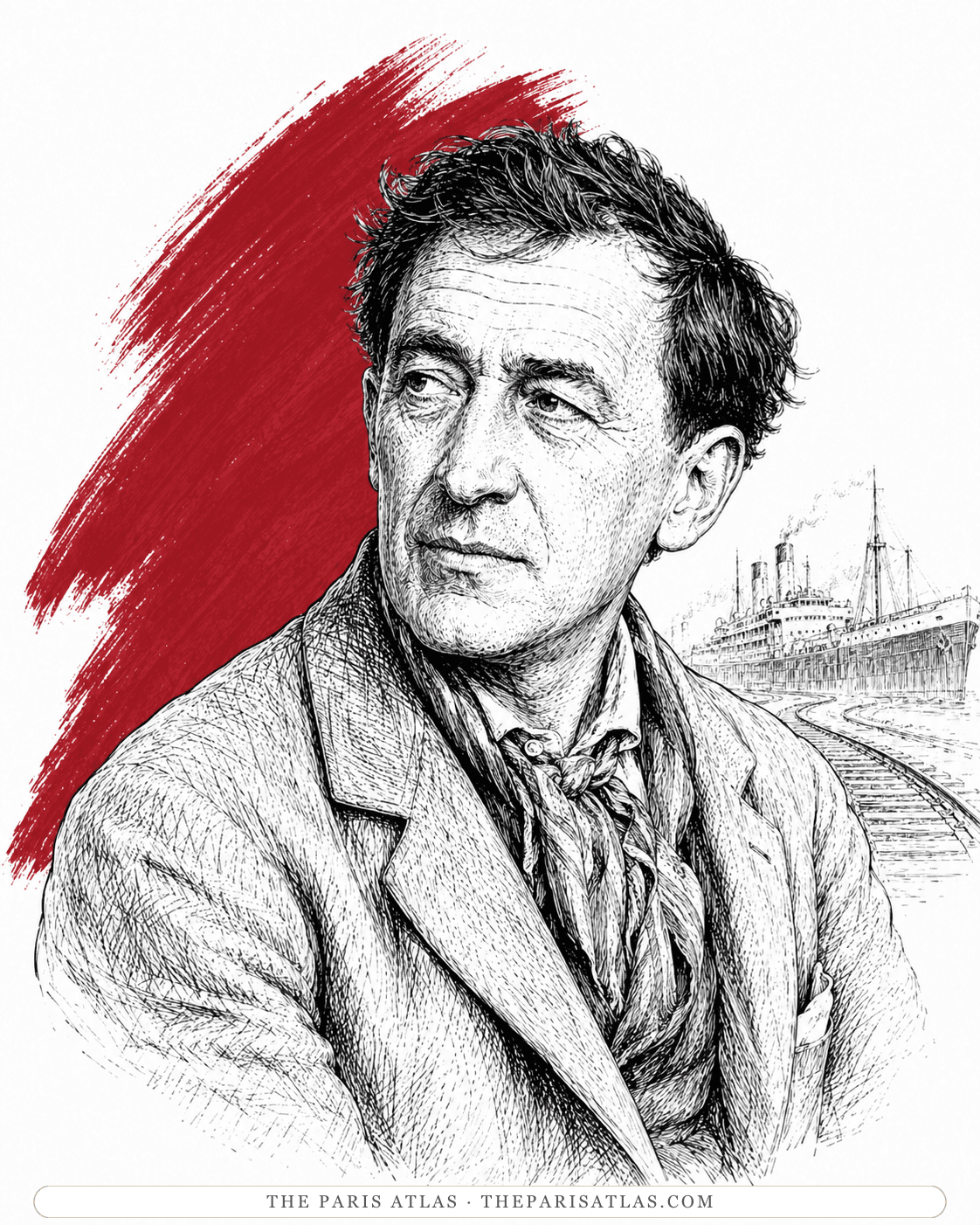
Frequented by
Ernest Hemingway's A Moveable Feast records seeing Blaise Cendrars at the Closerie and spending time with him there — a firsthand account rather than café legend.
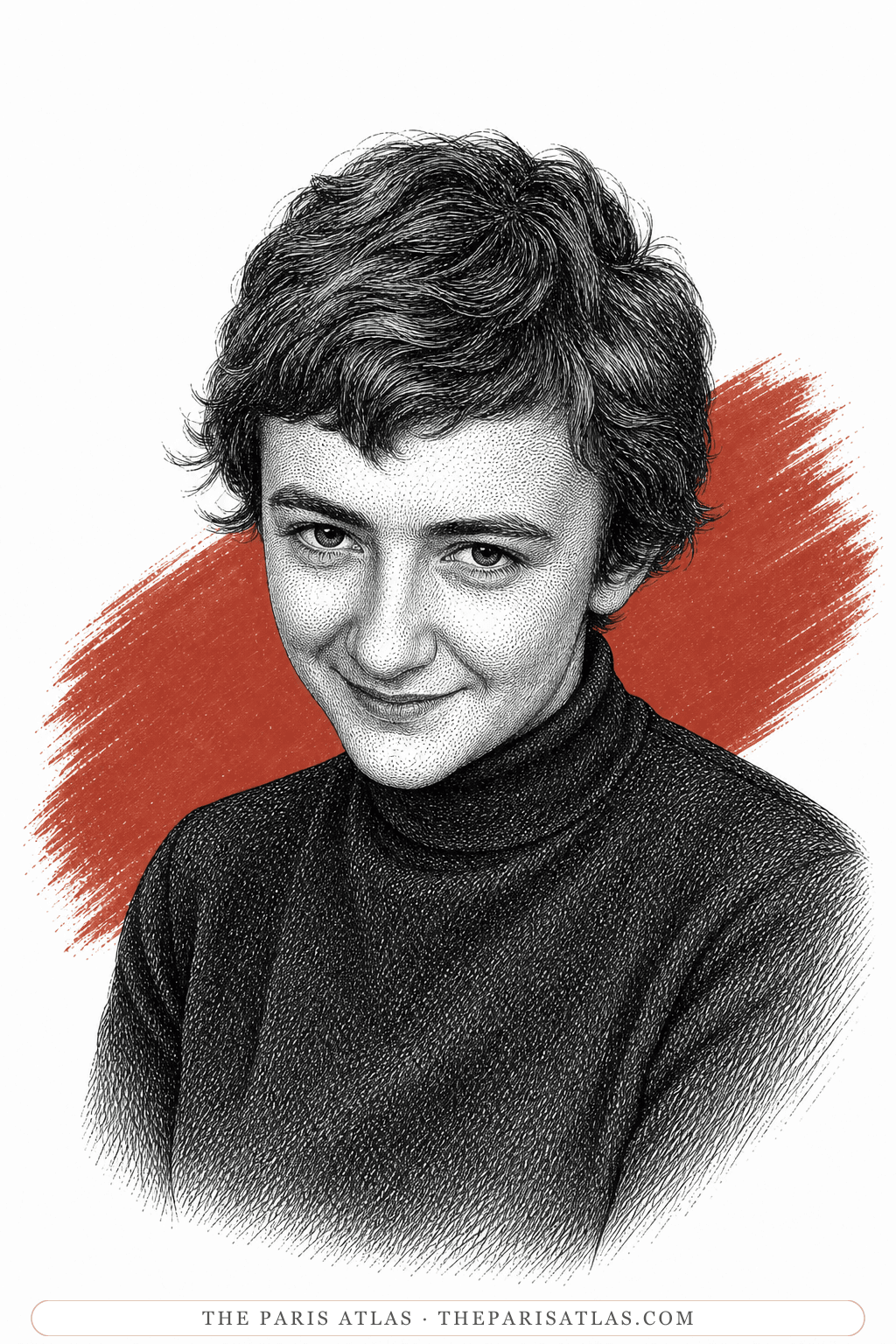
Frequented by · 1979–1980
The Montparnasse brasserie where Sagan and Jean-Paul Sartre had dinner through the last year of his life, between drives around Paris and conversations that ran late.
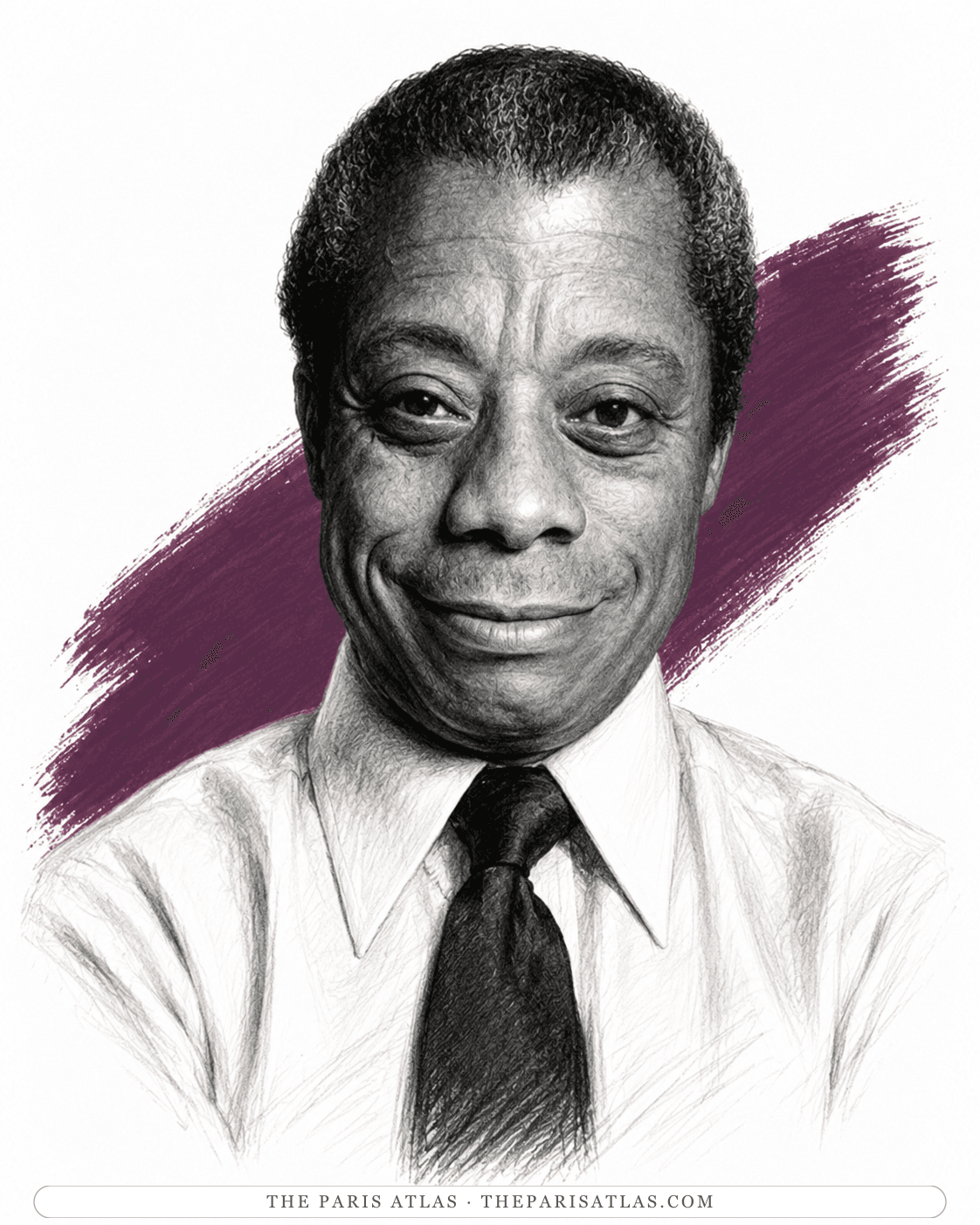
James Baldwin wrote about La Closerie des Lilas in Giovanni's Room.
Literary generation · c. 1921–1929
The writers remade by war and expatriate Paris — Hemingway, Fitzgerald, Stein, Pound, and the rooms, presses, and bookshops that turned their encounters into literature.
Enter the movement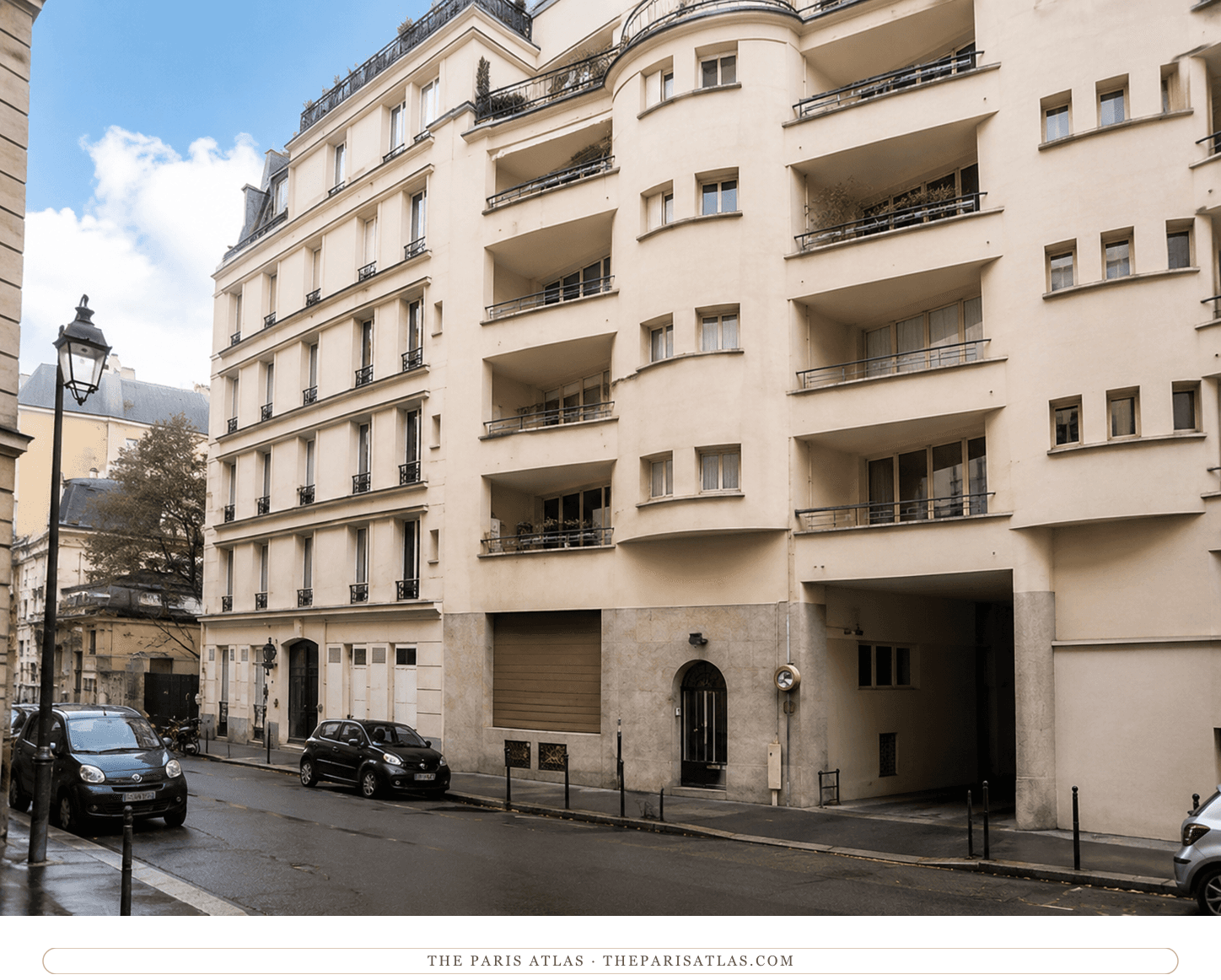
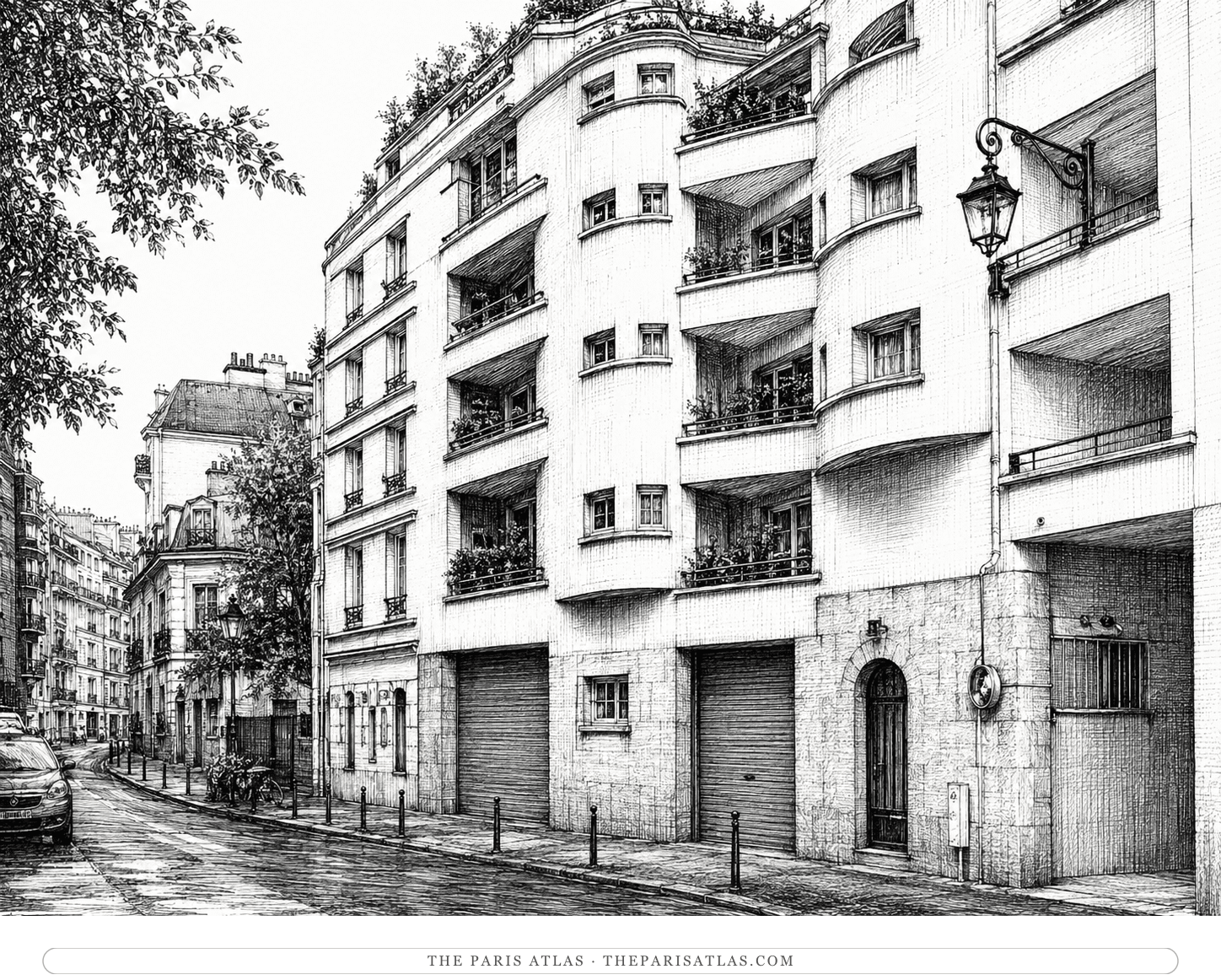
Ernest Hemingway's second flat, above a working sawmill — where the journalism stopped, The Sun Also Rises was finished, and the first marriage ended.
Visit the place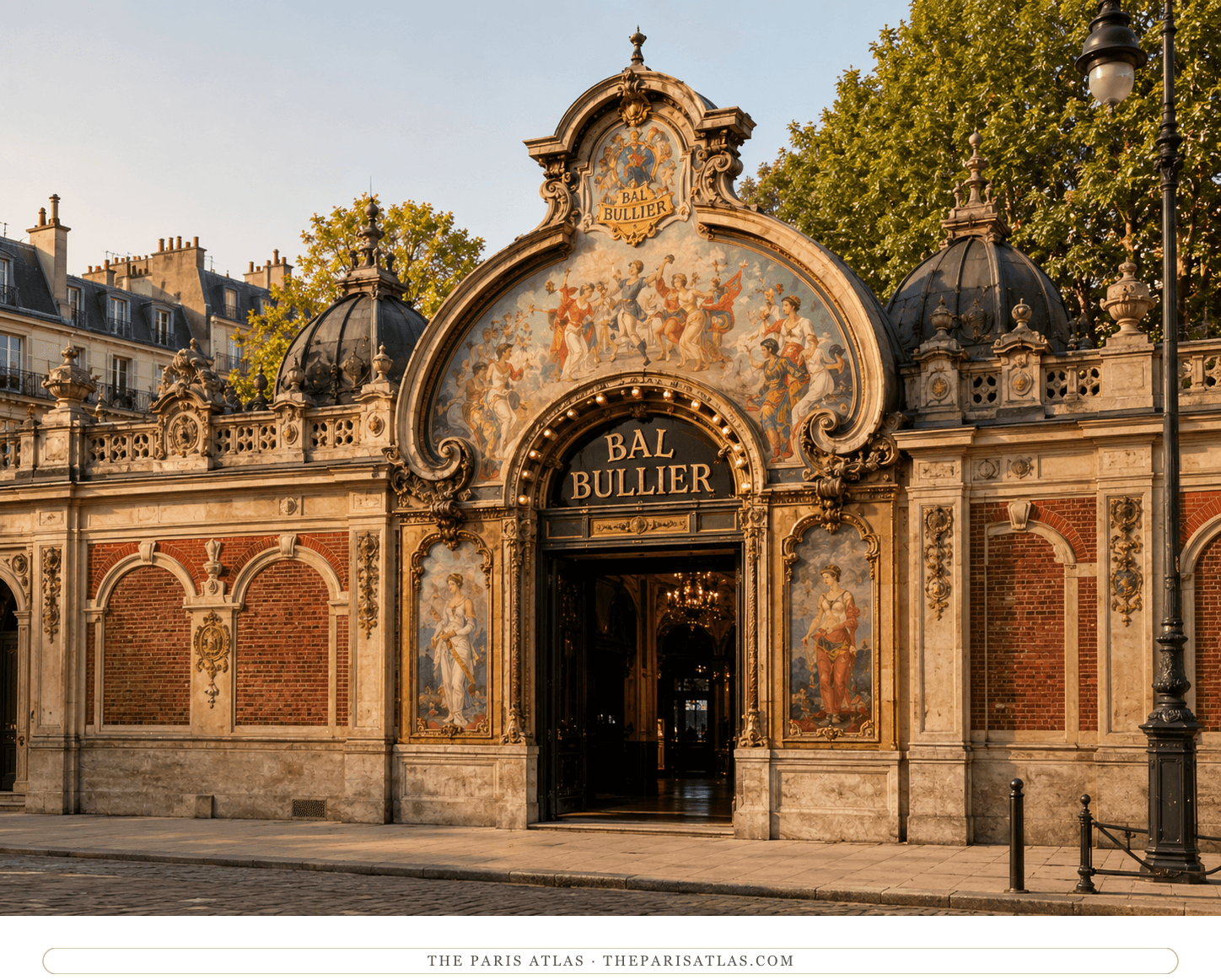
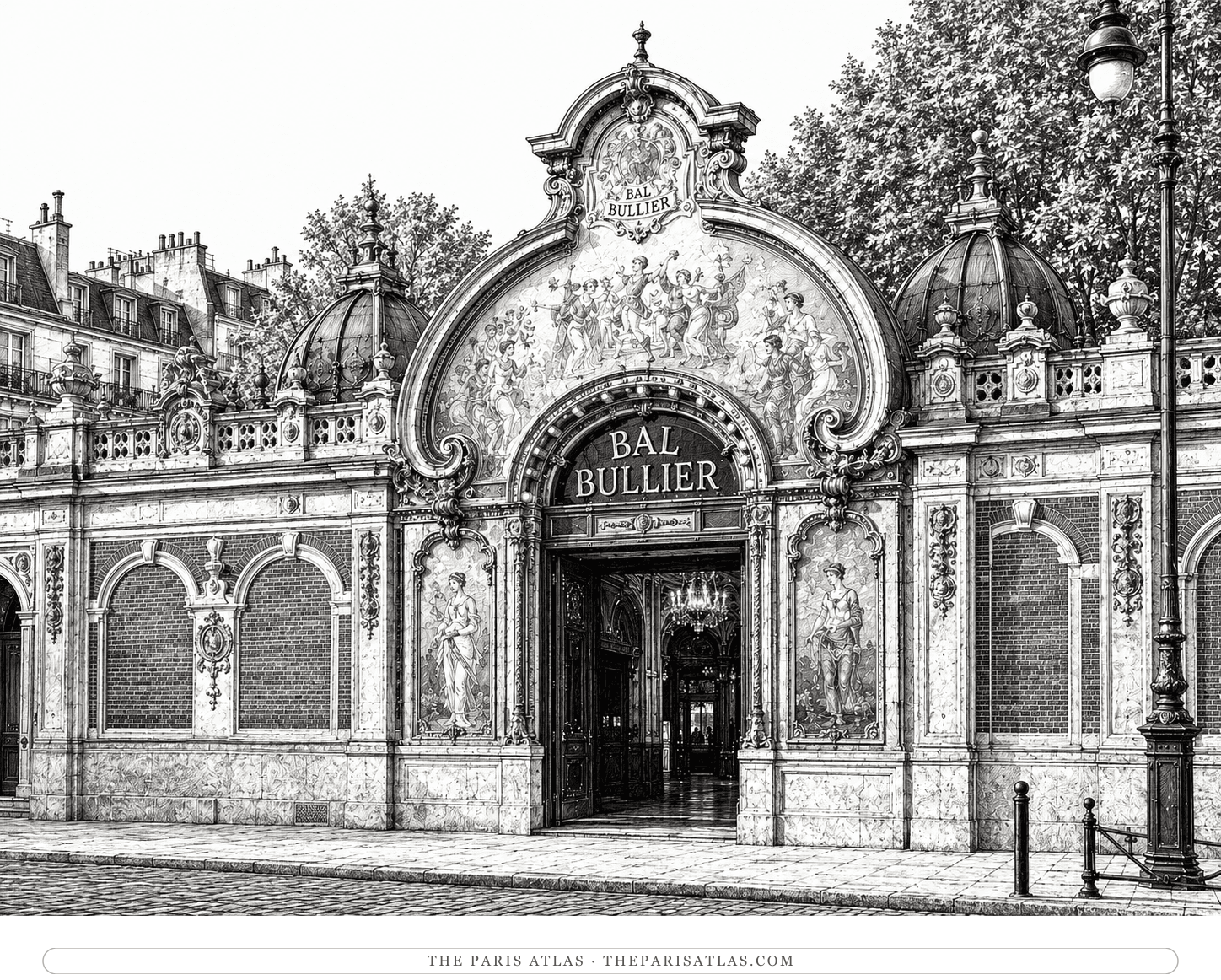
The students' dance hall behind the mock-oriental façade opposite the Closerie des Lilas — where the Latin Quarter danced for a century, and Robert and Sonia Delaunay painted the dancers.
Visit the place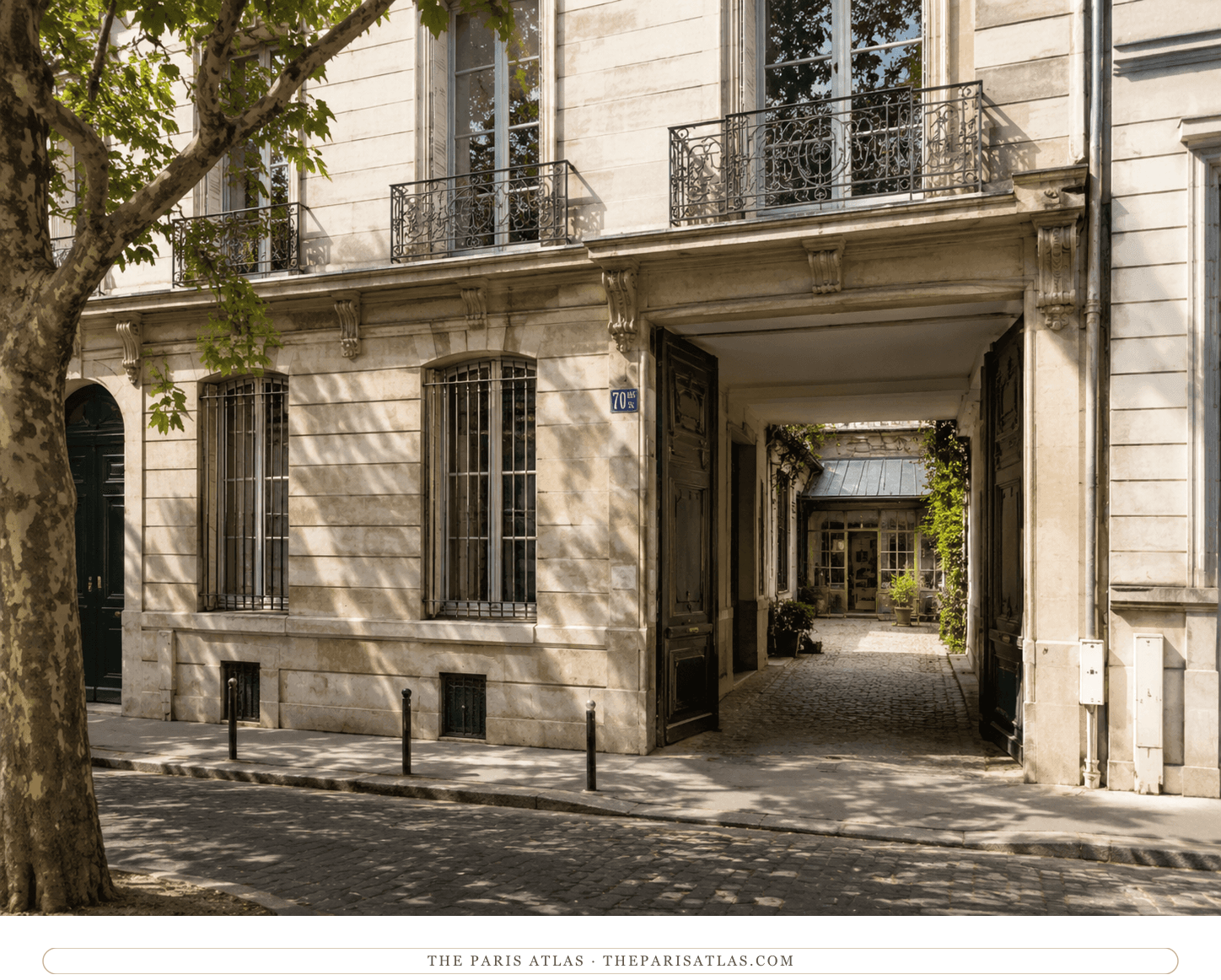
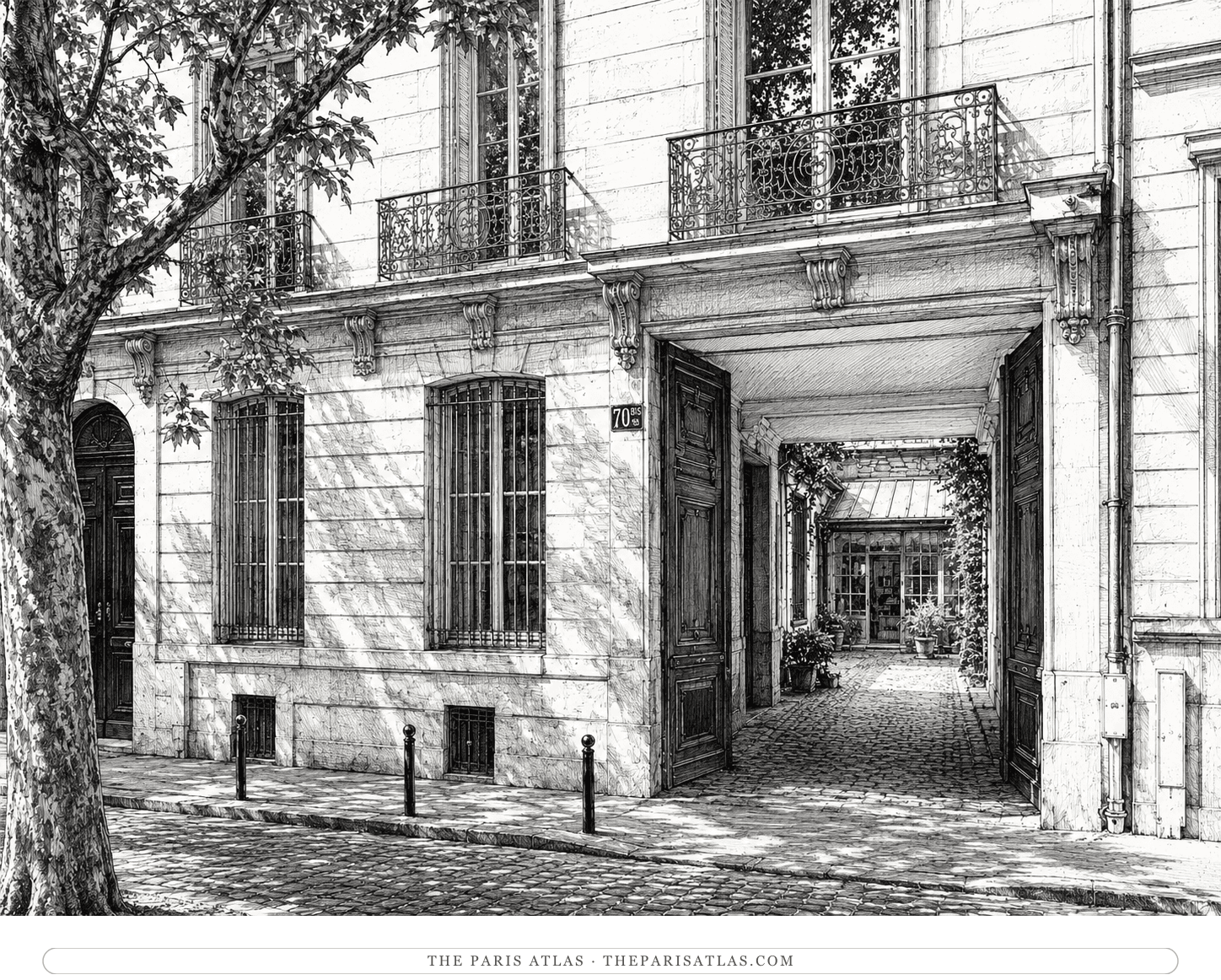
Ezra Pound's courtyard studio — the workshop of modernism's impresario during his Paris years, a few doors down the street from Ernest Hemingway's later flat above the sawmill.
Visit the place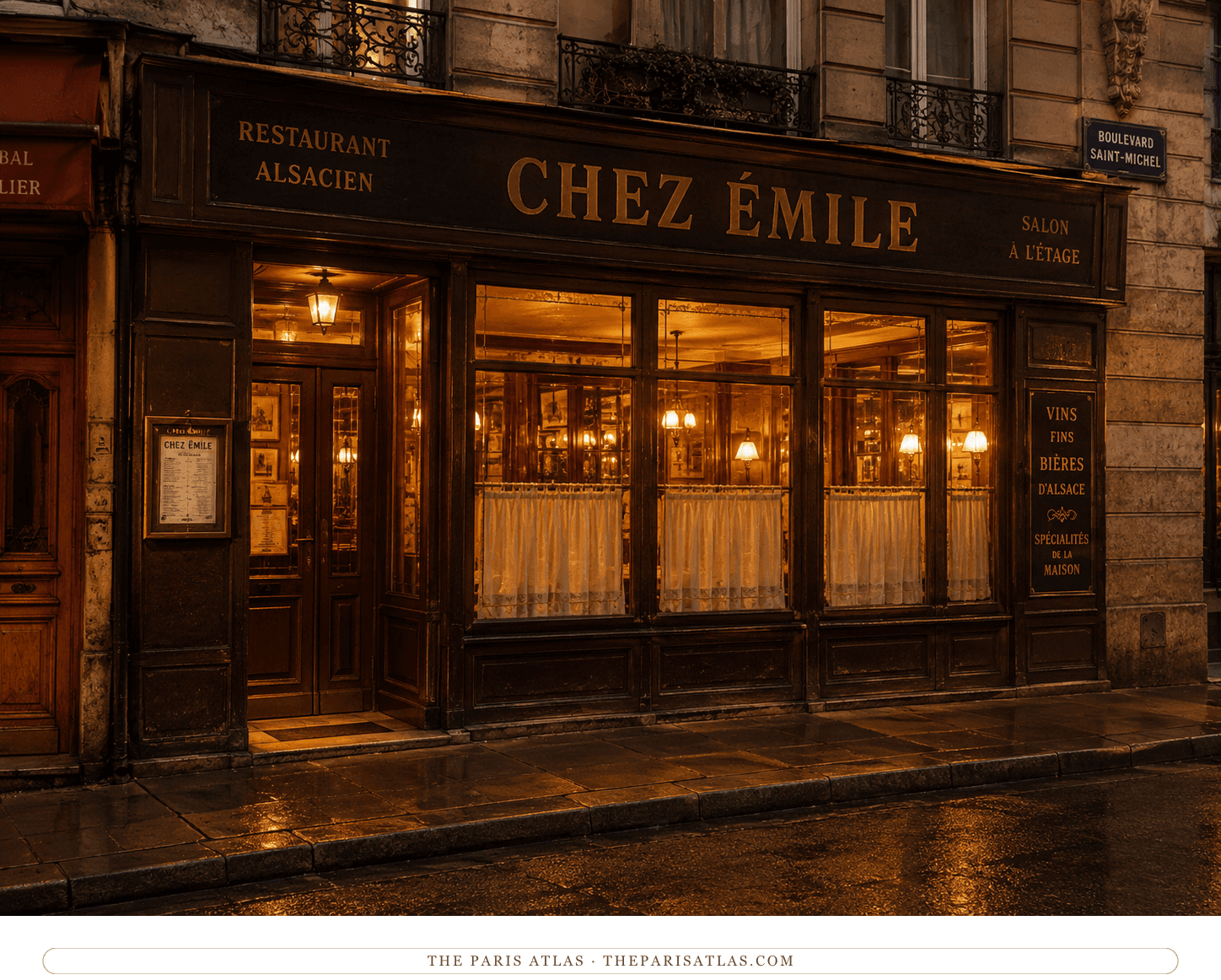
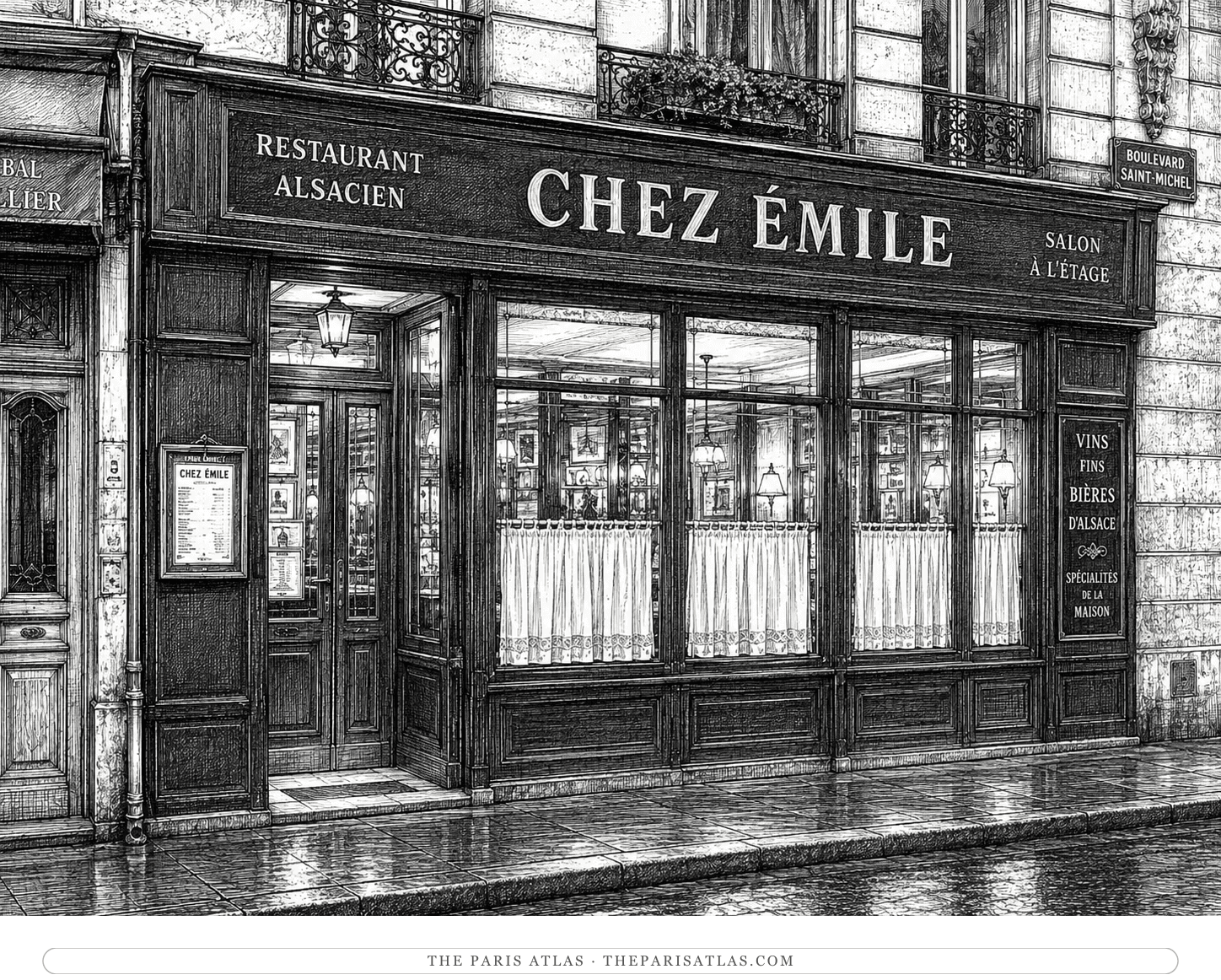
An Alsatian restaurant with an upper room at the quiet end of the Boul' Mich' — where Ford Madox Ford, Ezra Pound, and Sisley Huddleston talked for hours, and only the memoir remembers it.
Visit the placeThe sources below include histories, archival materials, scholarly research, and official records that informed this page. They document La Closerie des Lilas, the people connected to it, and its place in Paris.


First-person evidence and historical context used in preparing the La Closerie des Lilas page.
First-person evidence and historical context used in preparing the La Closerie des Lilas page.
Primary text included as part of the documented record for La Closerie des Lilas.
Primary text included as part of the documented record for La Closerie des Lilas.
Web source consulted for documented facts and historical context presented on the La Closerie des Lilas page.

Map data used to verify addresses, geographic coordinates, and the placement associated with La Closerie des Lilas.
These references provide the documented foundation for this page's history and context. Claim-level citations remain attached to the specific claims they support.
 Explore more resources
Newsletter
The cafés, studios, and walk-up flats where the work was made — one story from the map in every letter.