
Depicted in its pages
Paris Salons, Cafés, Studios
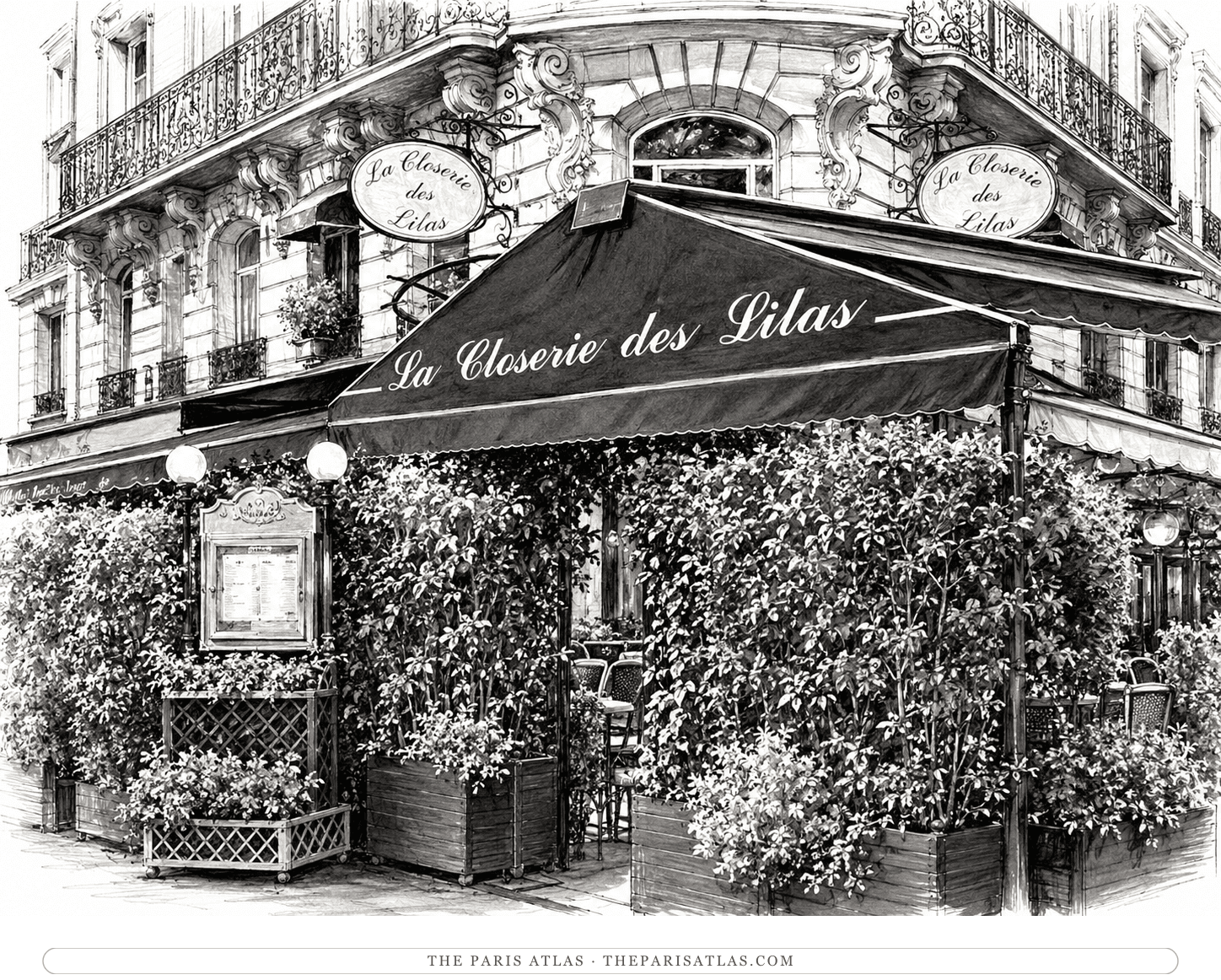
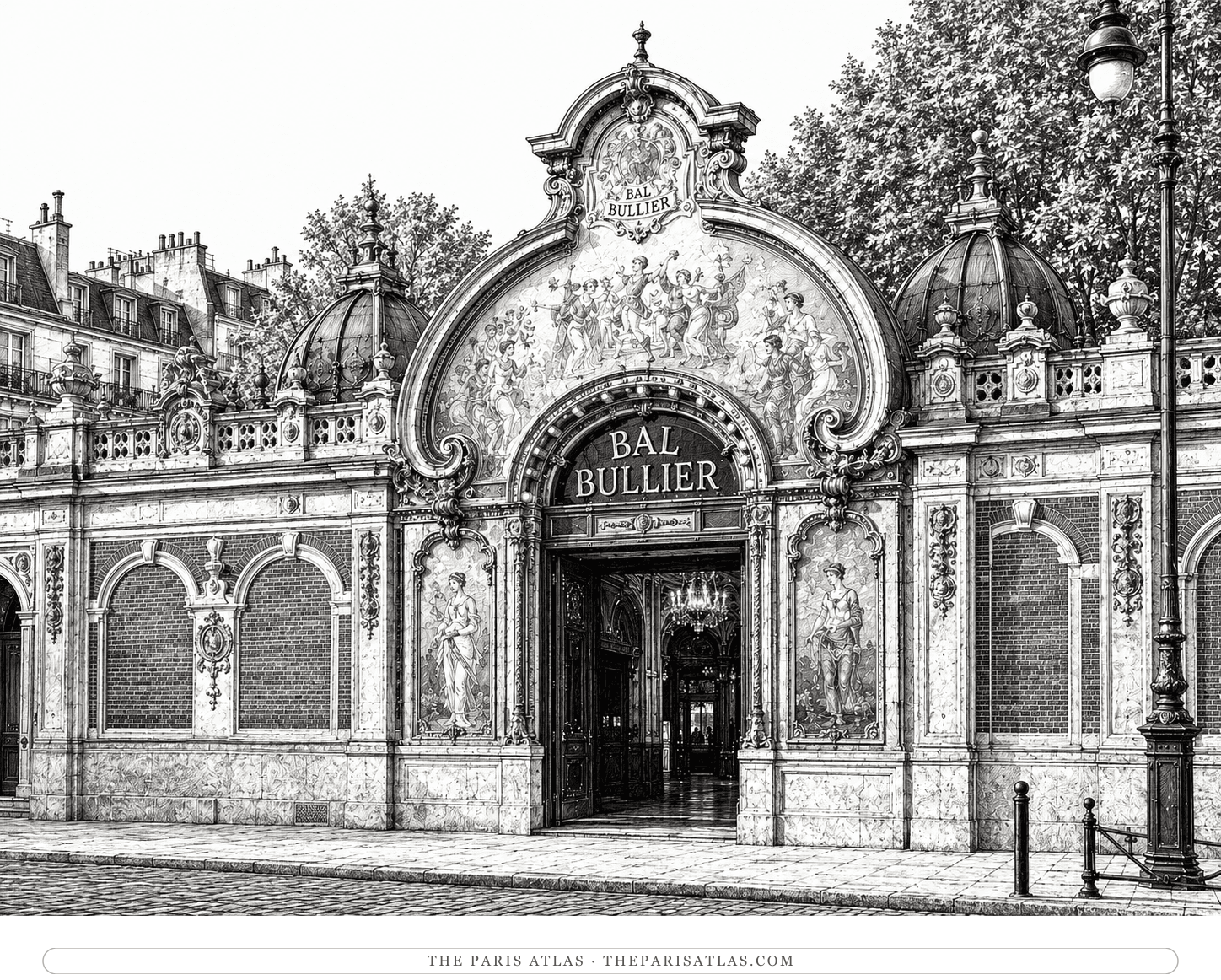
The mock-oriental dance hall opposite the Closerie — the landmark by which the quarter navigated, and the lilac garden that named the café.
The students' dance hall behind the mock-oriental façade opposite the Closerie des Lilas — where the Latin Quarter danced for a century, and Robert and Sonia Delaunay painted the dancers.
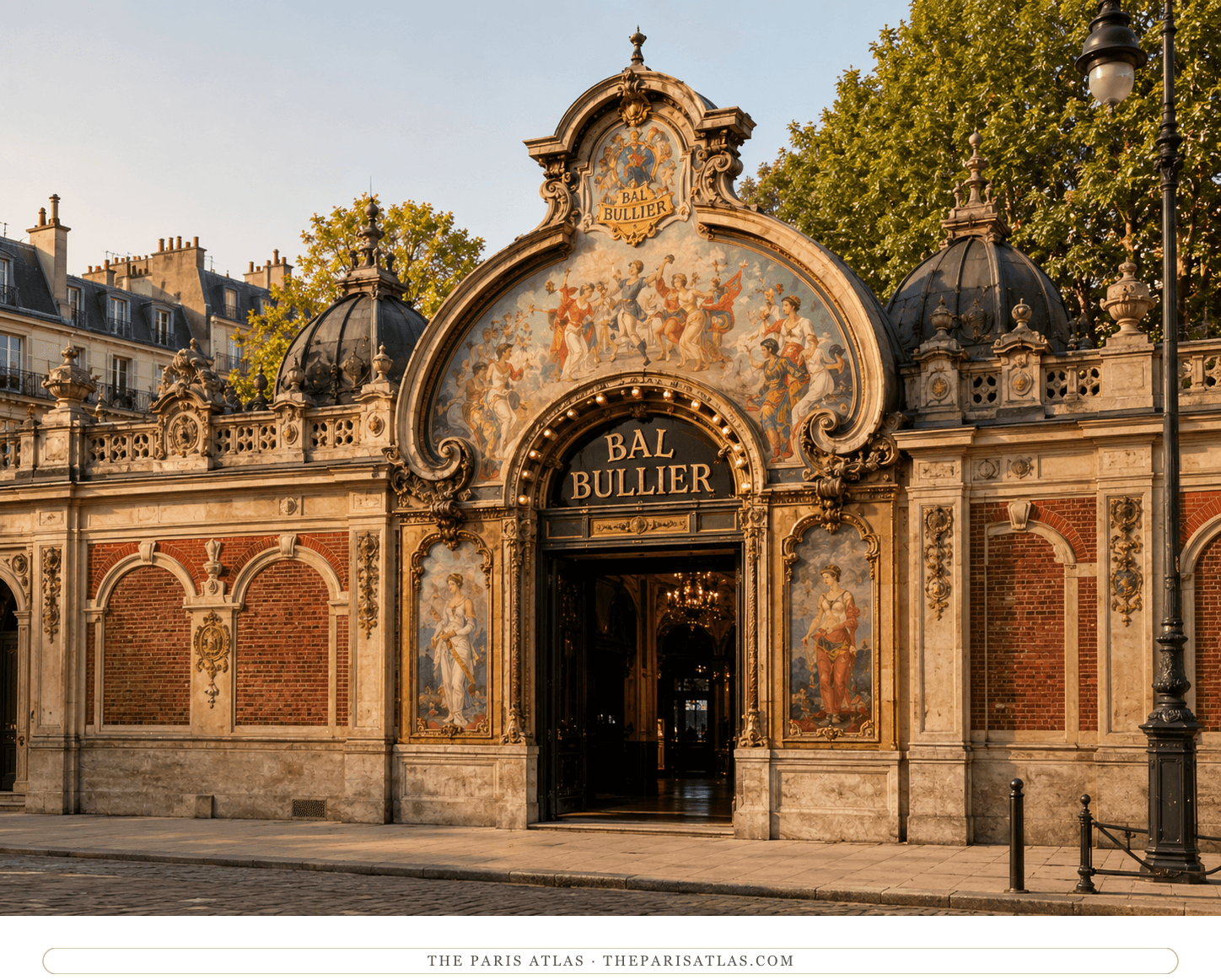
François Bullier opened his dance garden in 1847 on the site of an old closerie planted with lilacs — and when the dancing moved indoors behind a gaudy mock-oriental façade, the lilac name crossed the road to the café opposite, which still carries it. For the rest of the century 'the Bullier' was where the Latin Quarter danced: students, grisettes, painters, and every memoirist of Bohemian Paris passed through its gates on the Avenue de l'Observatoire.
The period knew it two ways. For the painters it was subject matter — Sonia Delaunay's great Bal Bullier canvases of 1913 turned its electric-lit dancers into pure simultaneous color. For the writers it was a landmark you navigated by: Huddleston's merriest Pound evening happened in the upper room chez Émile on the Boulevard Saint-Michel, 'next to the mock Oriental building of the Bal Bullier,' with Ford and Pound playing with ideas for hours across the road from the Closerie.
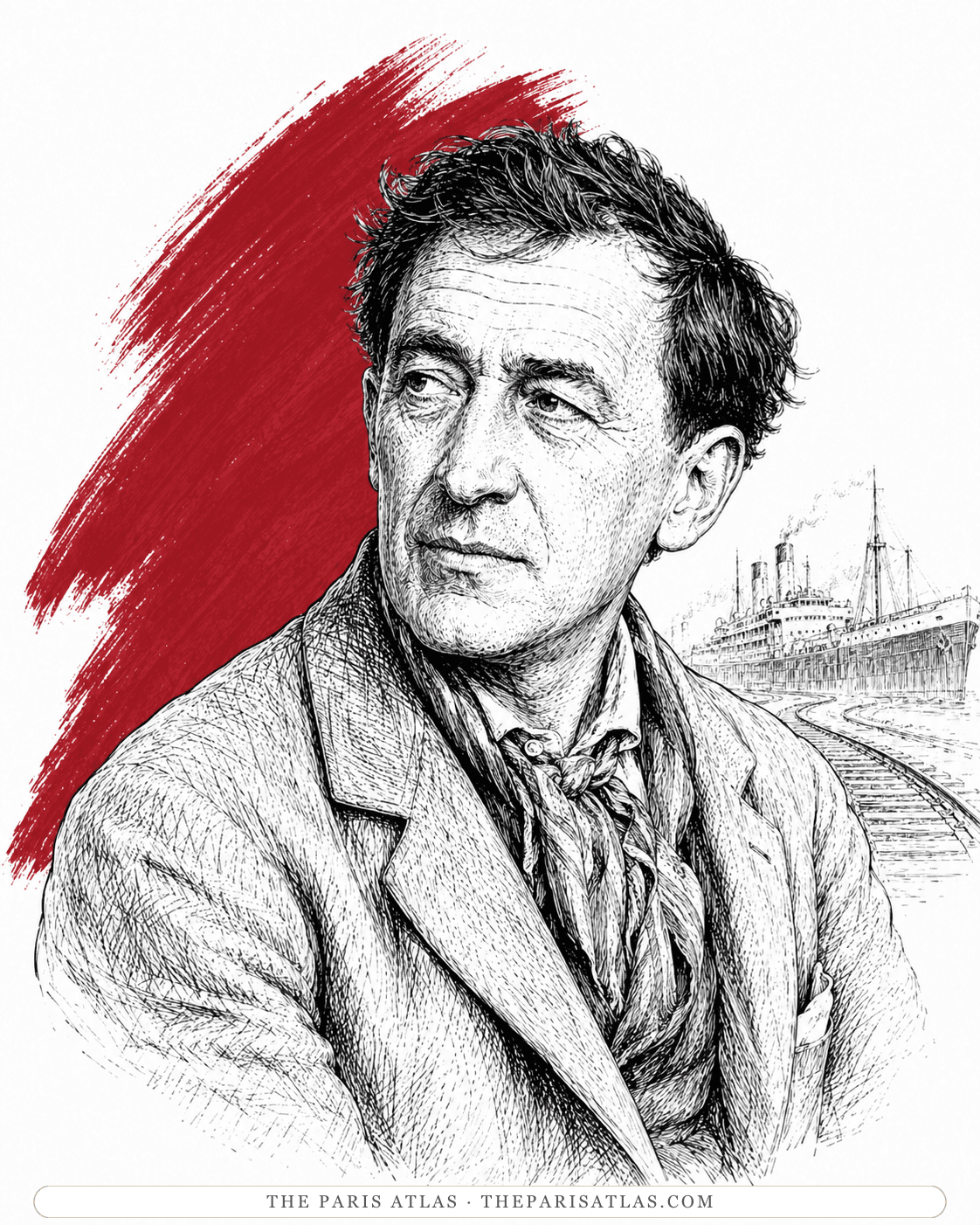
Blaise Cendrars belonged to those nights. He came with the Delaunays in the seasons when Sonia Delaunay was wearing her first simultaneous dresses onto the Bullier's floor, and the Centre Pompidou connects his 1913 poem on one of those dresses directly to this world — the hall's electric light and movement passing straight into the new poetry.
The hall did not survive the Second World War era, and the site passed to the university; a student center on the renamed Avenue Georges Bernanos keeps the Bullier name. The dancing survives only in the paintings, the memoirs — and in the name of the café across the boulevard, which was the bal's before it was anyone's.
That evening — though it is but one of many — we — that is to say Ford Madox Ford, Pierre Loving, Pound, and myself — gaily played with ideas for hours, in the upper room on the Boulevard Saint-Michel, next to the mock Oriental building of the Bal Bullier.
Bullier opens his dance garden; the lilacs lend their name across the road.
Sonia Delaunay paints the hall's dancers into the founding canvases of Simultanism.
A fixture of the writers' geography — the landmark next door to Émile's upper room, opposite the Closerie.
The hall closes and is cleared; the university takes the site.
The Centre Bullier student halls carry the name on the Avenue Georges Bernanos.
Depicted in its pages
The mock-oriental dance hall opposite the Closerie — the landmark by which the quarter navigated, and the lilac garden that named the café.
Frequented by · 1913–1914
The Centre Pompidou's exhibition text states that on the Left Bank the Delaunays, Blaise Cendrars and Apollinaire would dance at the Bal Bullier; its Sonia Delaunay resources tie the same evenings to her 1913 painting and simultaneous dress, the subject of Cendrars's poem.
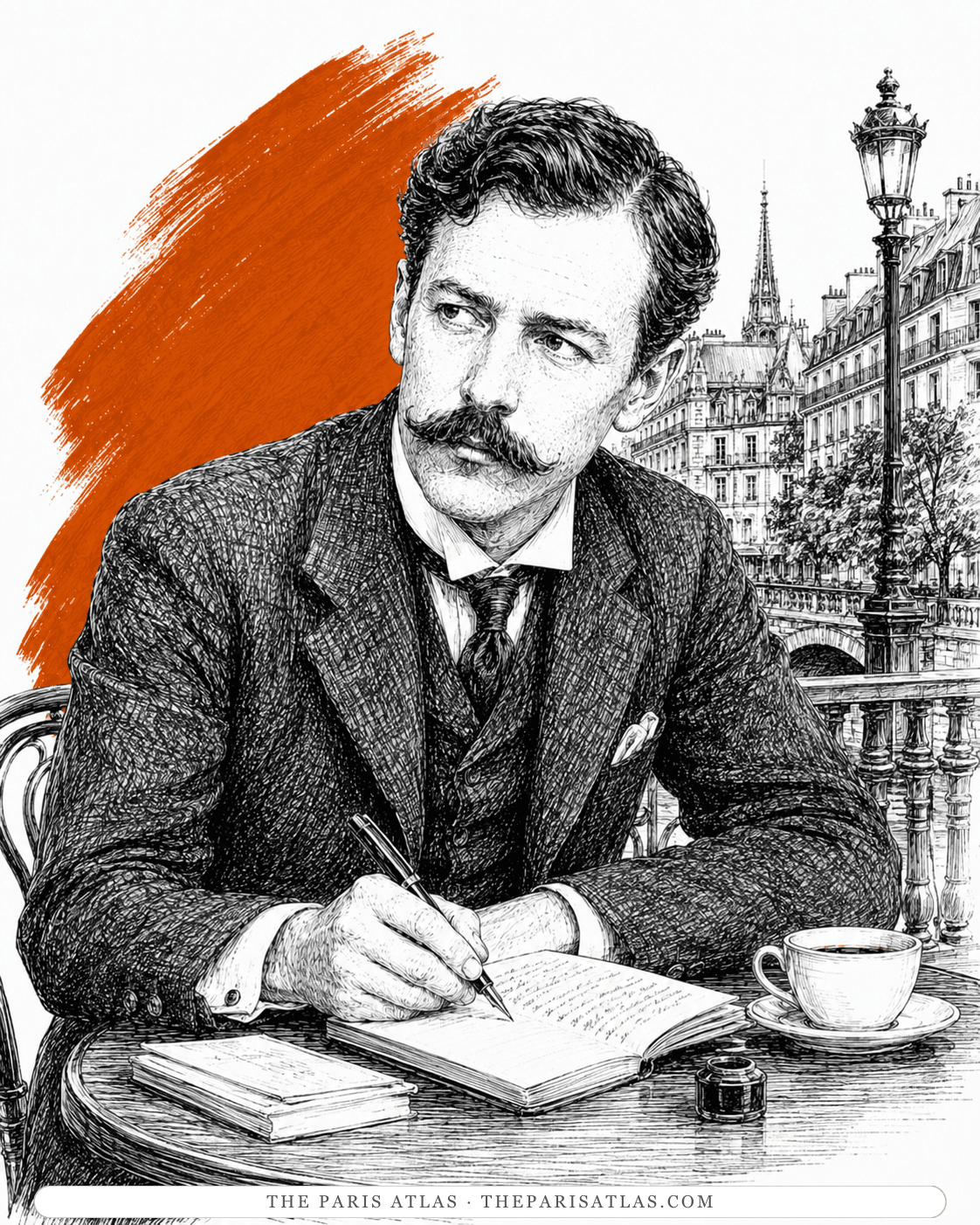
Sisley Huddleston wrote about Bal Bullier in Paris Salons, Cafés, Studios.
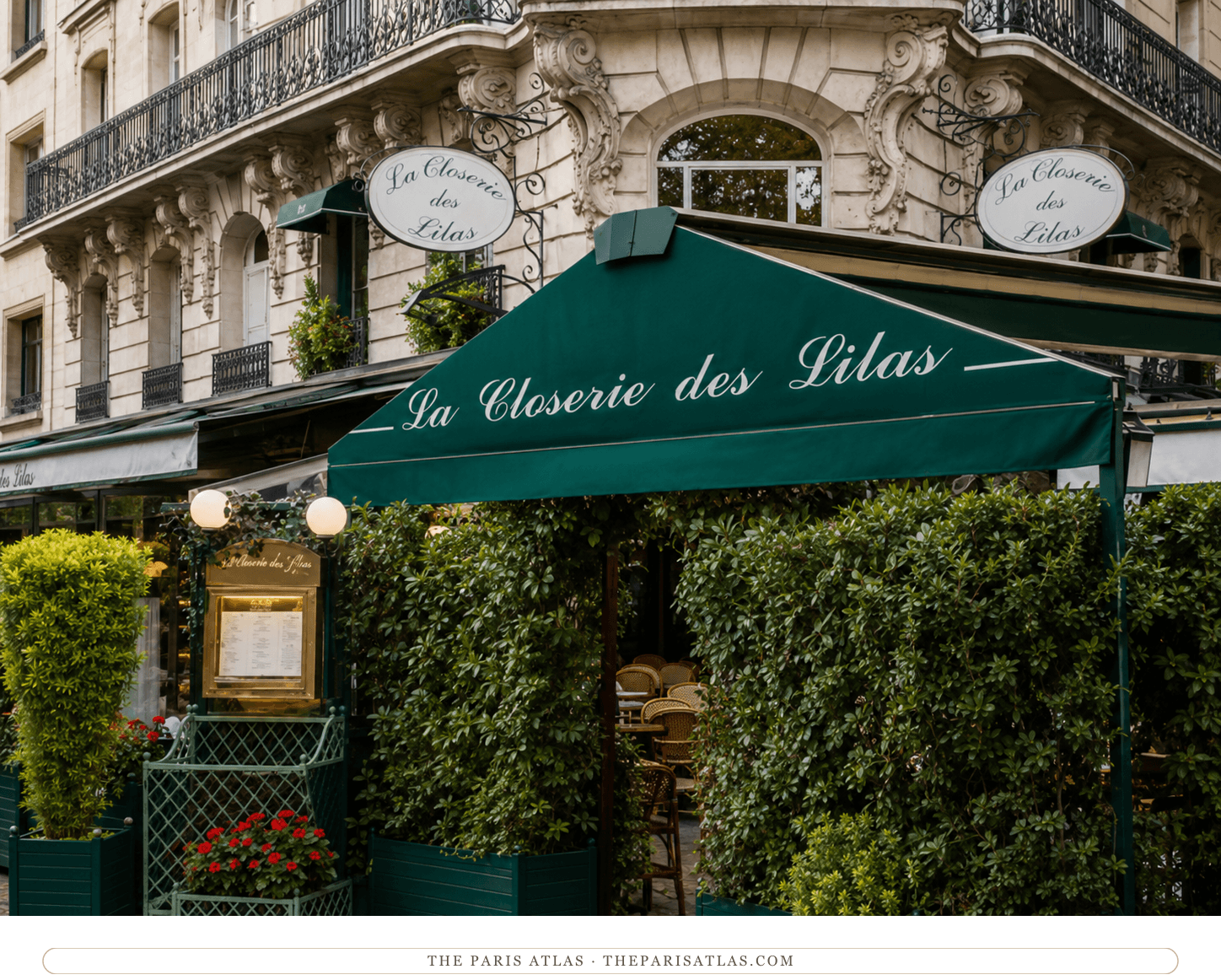
Ernest Hemingway's favorite writing spot, where he drafted much of The Sun Also Rises. Quieter than the other cafés, which was the point.
Visit the place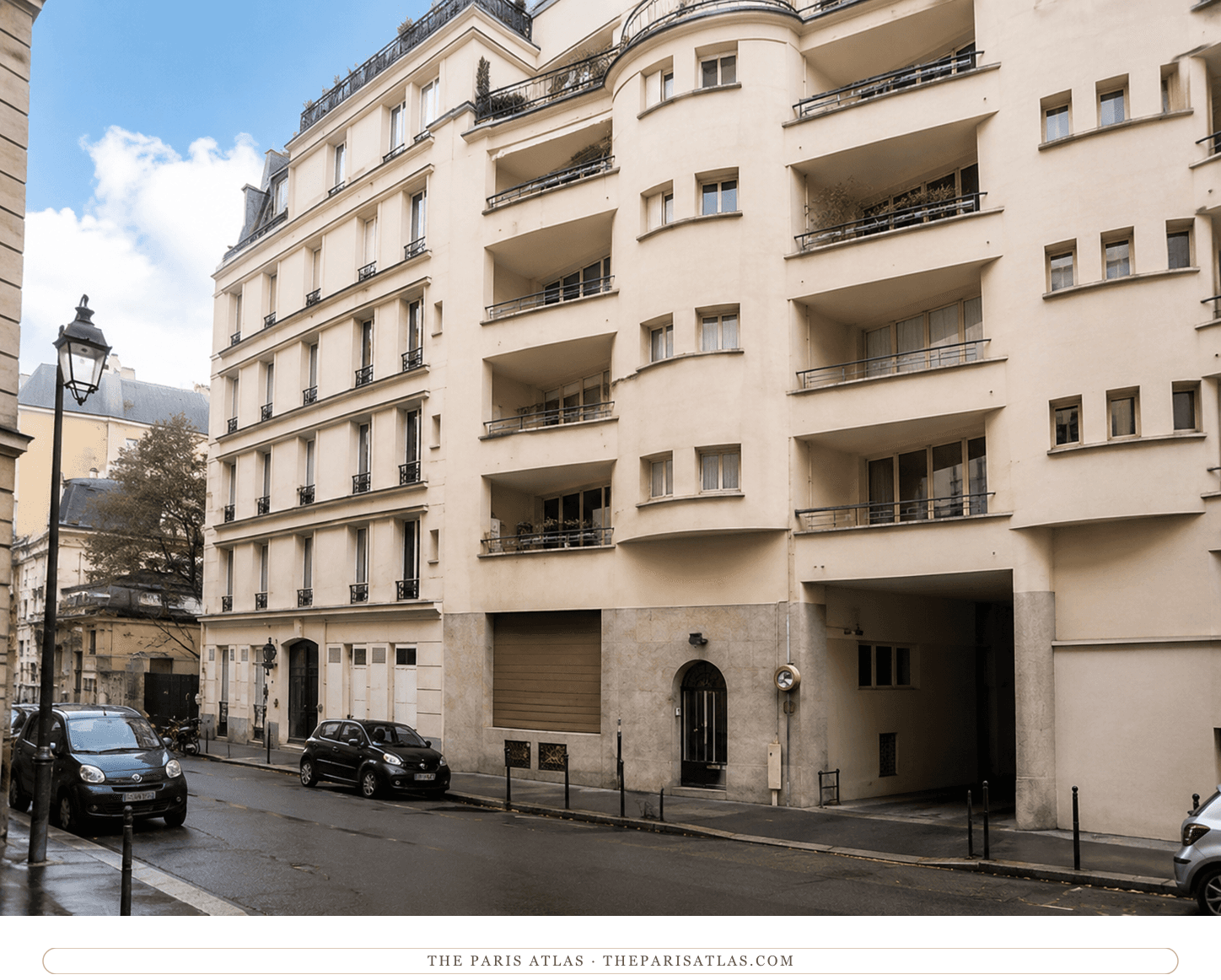
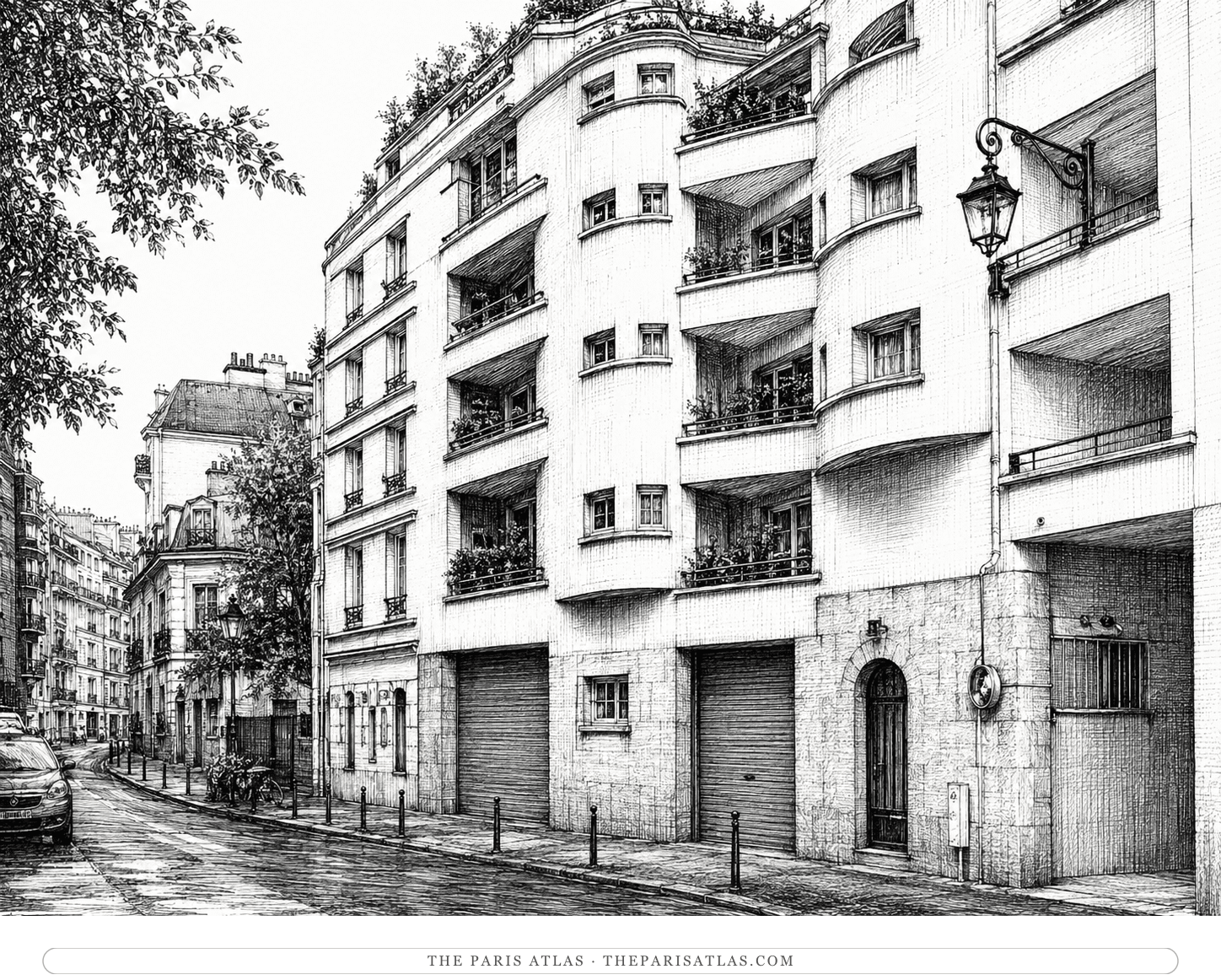
Ernest Hemingway's second flat, above a working sawmill — where the journalism stopped, The Sun Also Rises was finished, and the first marriage ended.
Visit the place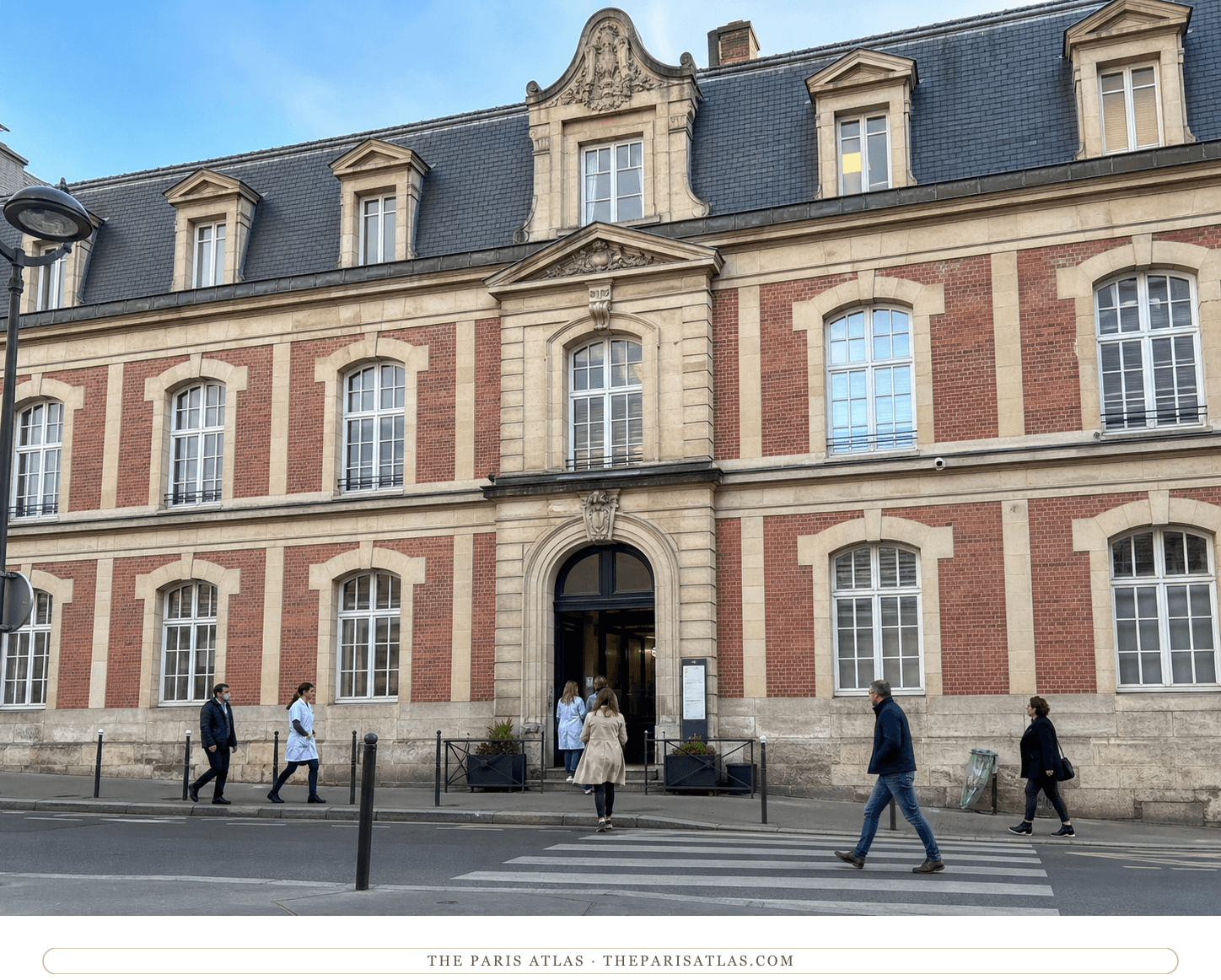
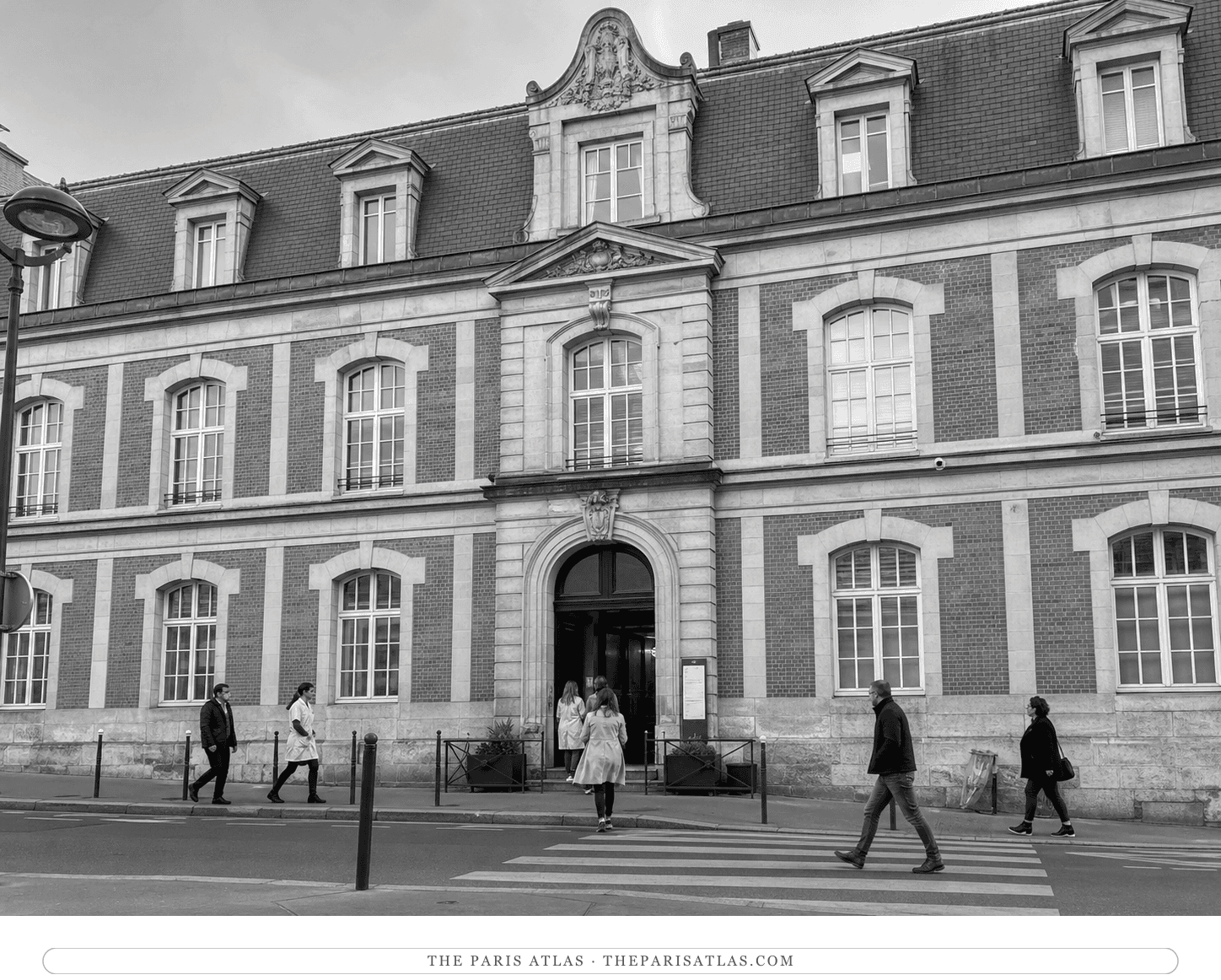
The public hospital in the 14th arrondissement where George Orwell spent several weeks with pneumonia in 1929, in a ward of sixty beds. He wrote it up seventeen years later as "How the Poor Die" — one of the harshest things he ever published — and disguised the hospital as the Hôpital X in the fifteenth arrondissement.
Visit the place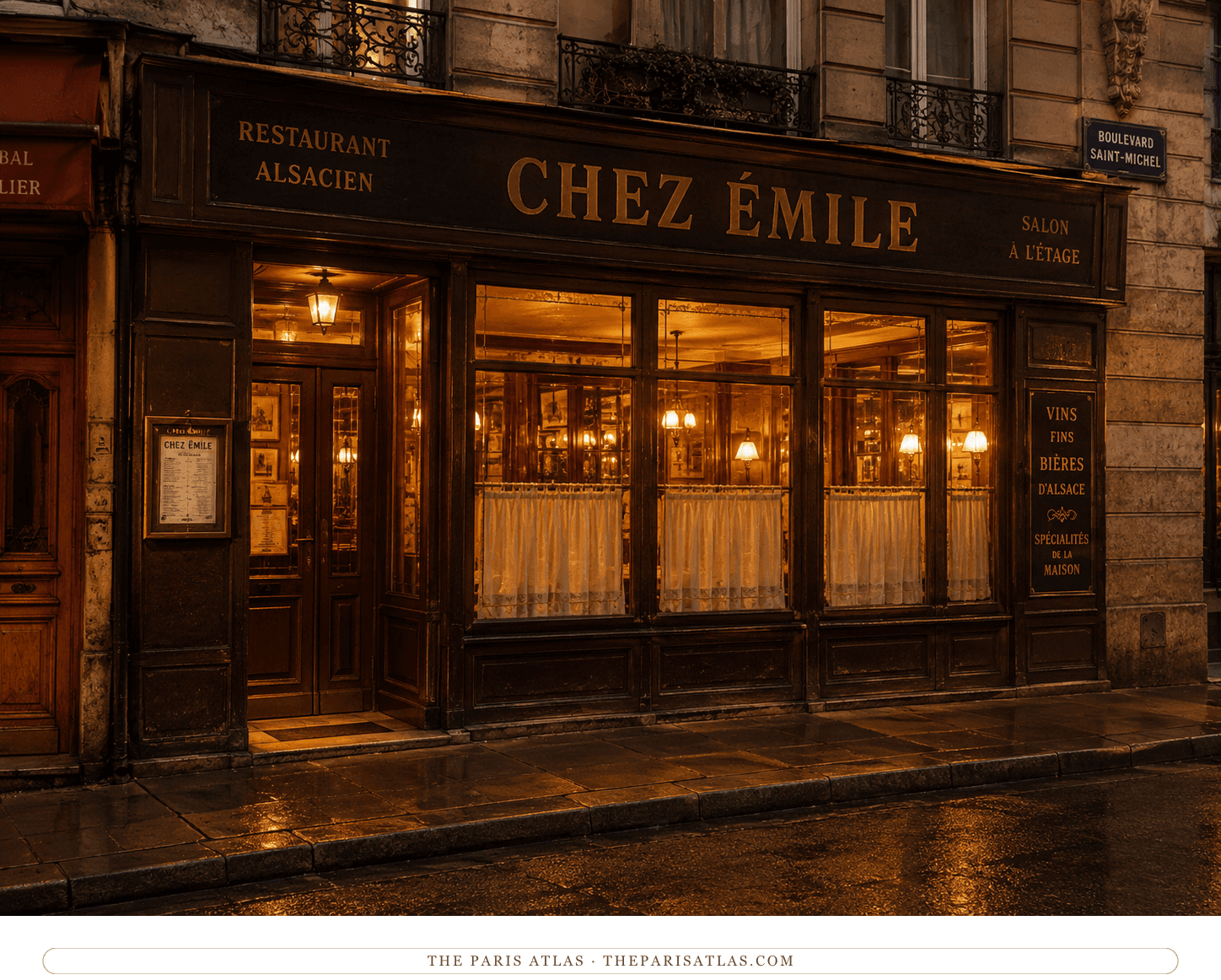
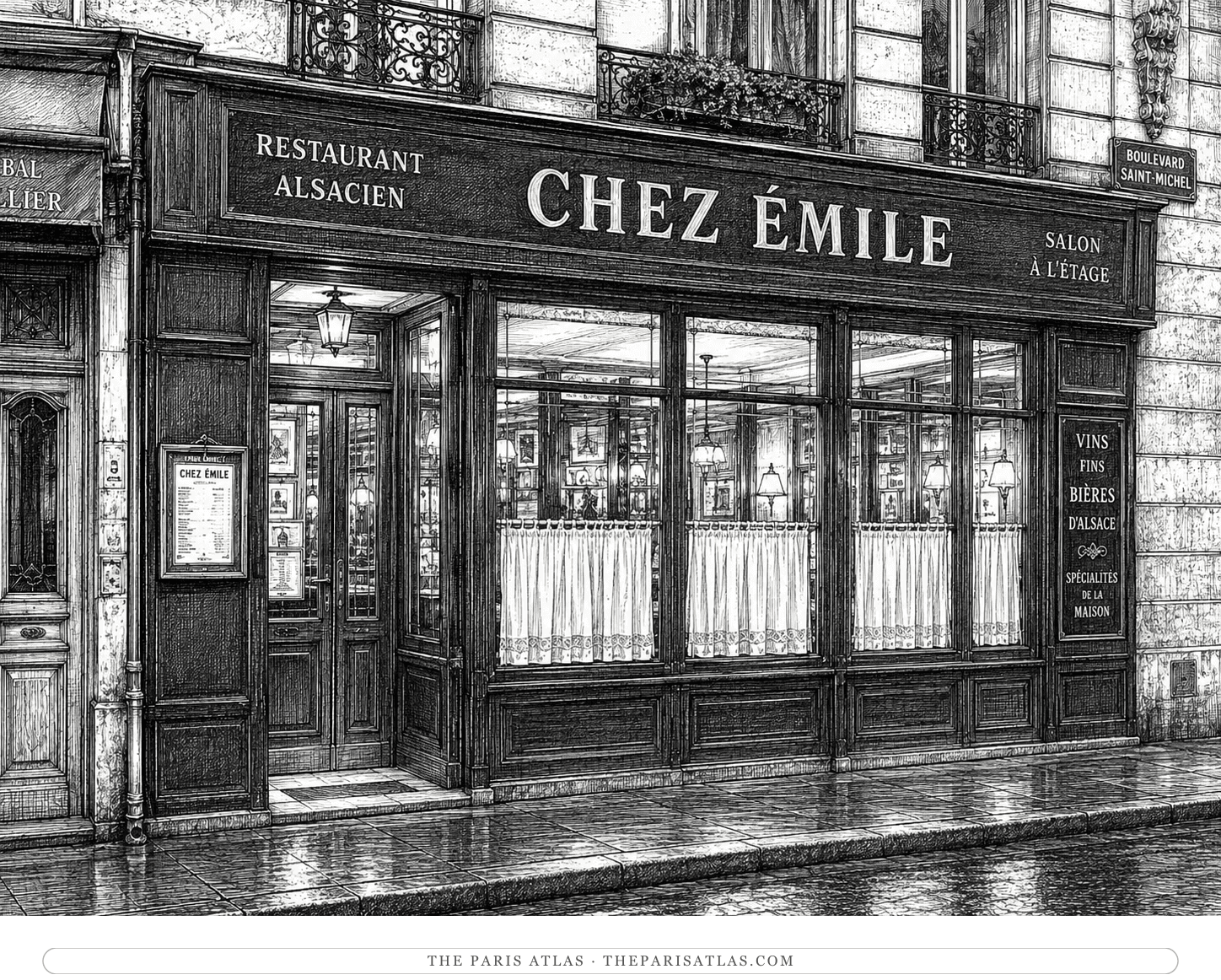
An Alsatian restaurant with an upper room at the quiet end of the Boul' Mich' — where Ford Madox Ford, Ezra Pound, and Sisley Huddleston talked for hours, and only the memoir remembers it.
Visit the placeThe sources below include histories, archival materials, scholarly research, and official records that informed this page. They document Bal Bullier, the people connected to it, and its place in Paris.


A study of the bal's posters: built in 1847 on the site of the present Closerie des Lilas, and for half a century the largest dance hall in Paris, with the students' ball held there yearly.

The bal's own handbill for 13 May 1847, carrying both names at once — Closerie des Lilas and Jardin Bullier — at the carrefour de l'Observatoire.
First-person evidence and historical context used in preparing the Bal Bullier page.
Map data used to verify addresses, geographic coordinates, and the placement associated with Bal Bullier.
These references provide the documented foundation for this page's history and context. Claim-level citations remain attached to the specific claims they support.
 Explore more resources
Newsletter
The cafés, studios, and walk-up flats where the work was made — one story from the map in every letter.