
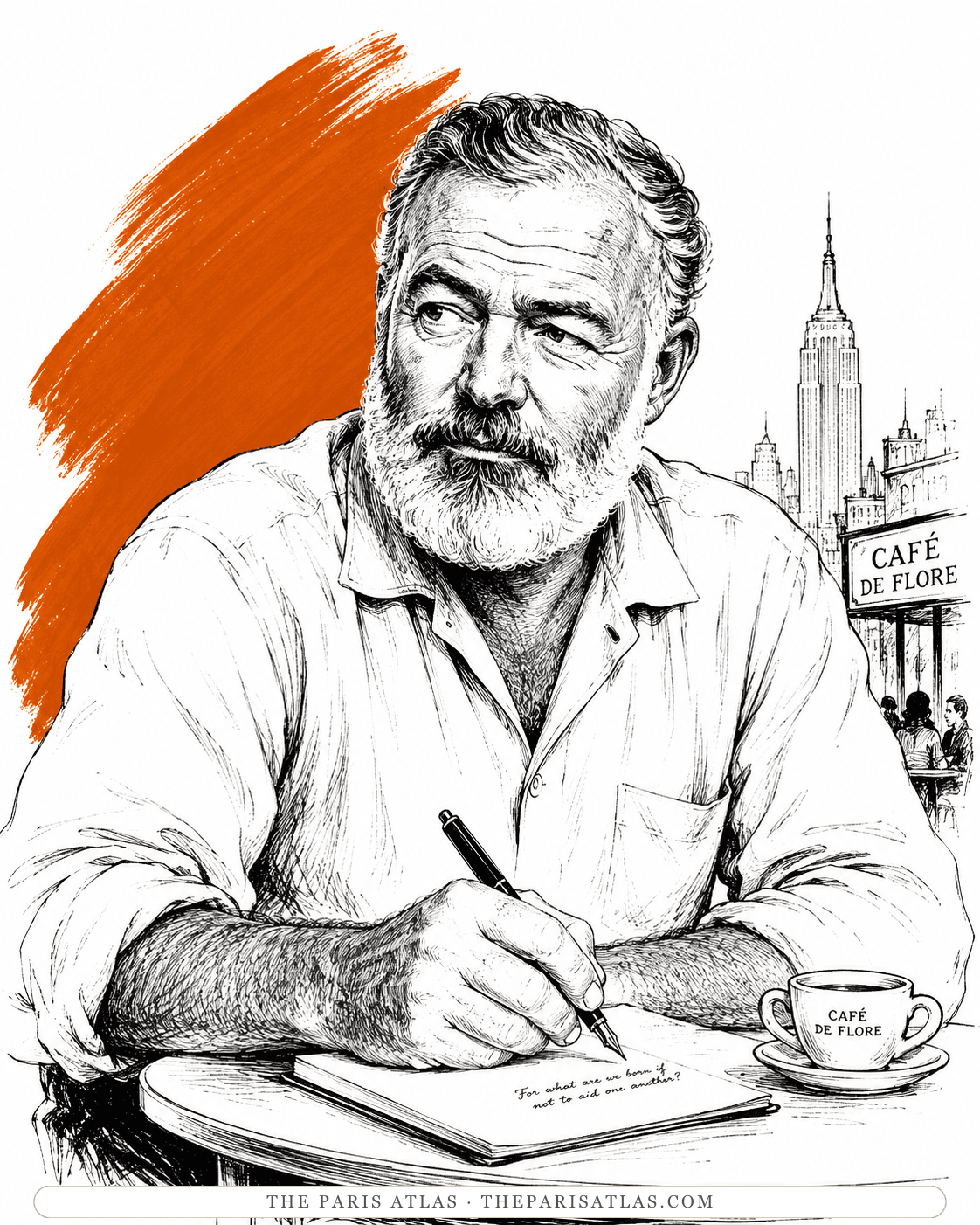
Recalled in the memoir
A Moveable Feast
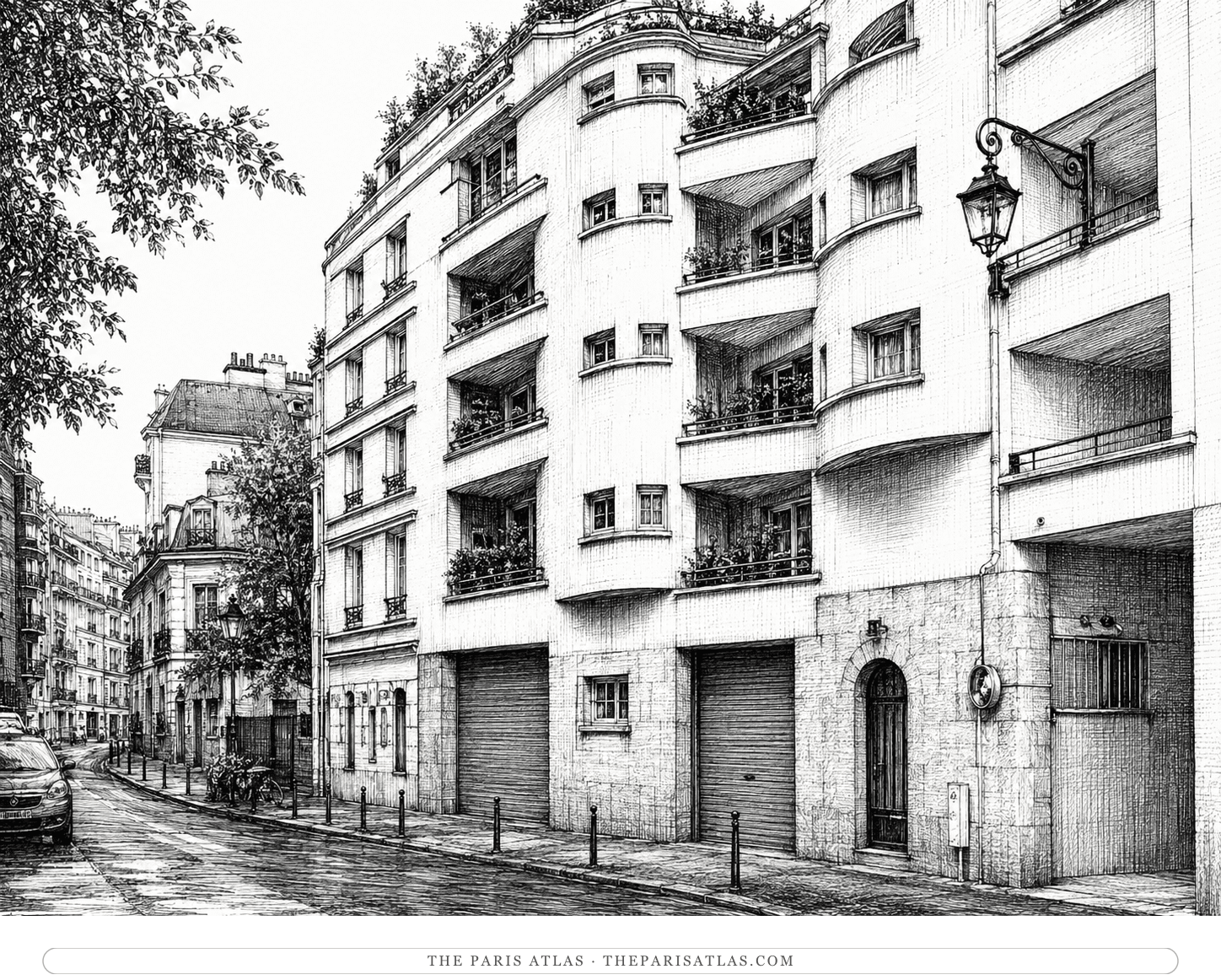
The second Hemingway apartment (1924–26), above a working sawmill — the “sawmill flat” where Bumby was raised. The Sun Also Rises was finished here — and the first marriage ended here too.
Ernest Hemingway's second flat, above a working sawmill — where the journalism stopped, The Sun Also Rises was finished, and the first marriage ended.
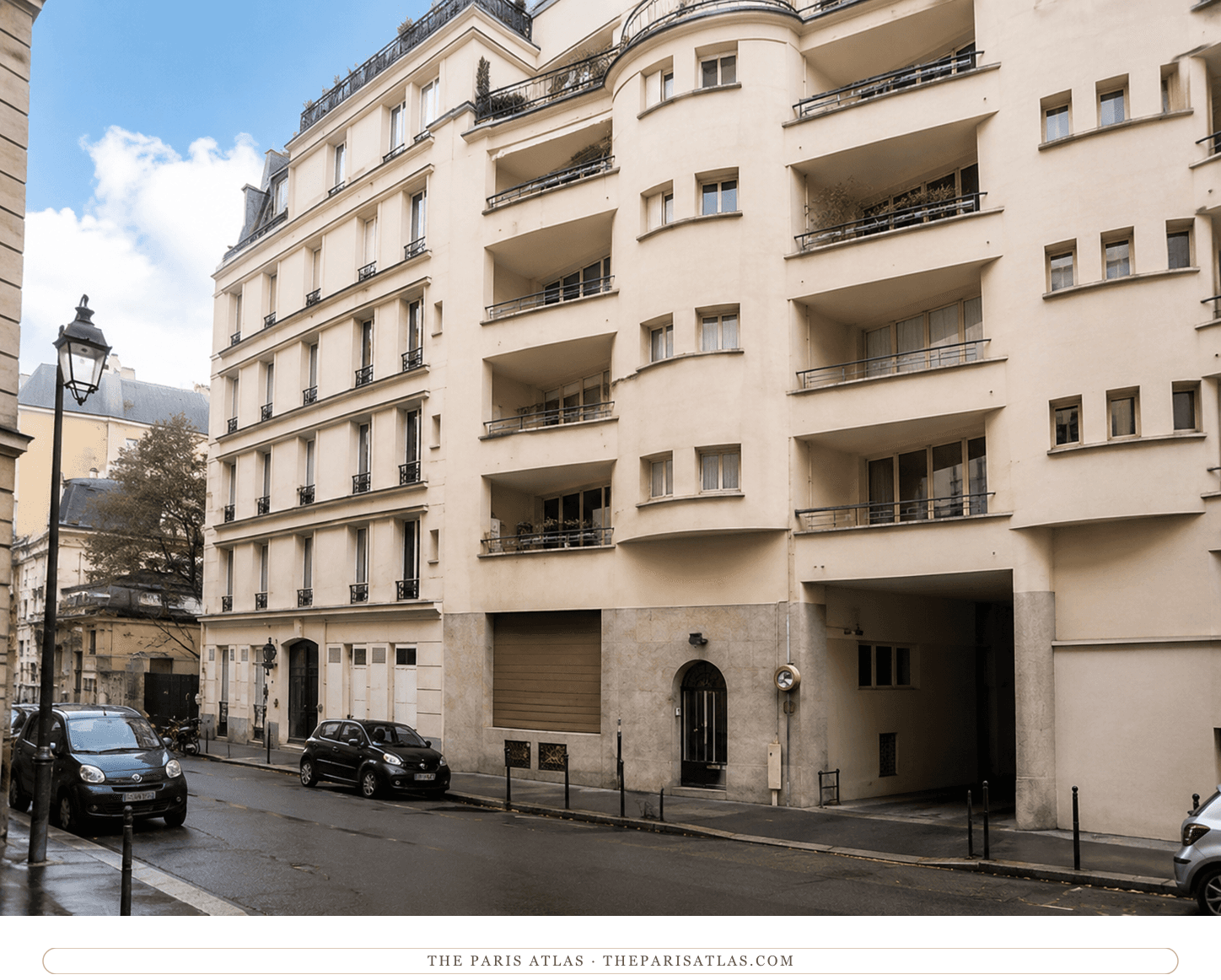
When the Hemingways came back from Toronto in January 1924 with an infant son, they took a flat over a sawmill and lumberyard at 113 rue Notre-Dame-des-Champs. The rent was cheap because the saw started at daylight; the household ran to the smell of fresh-cut boards and the whine of the blade below. It was here that Hemingway made the era's most consequential financial decision — quitting newspaper work entirely to write only fiction, with almost nothing in the bank and a family in the two rooms.
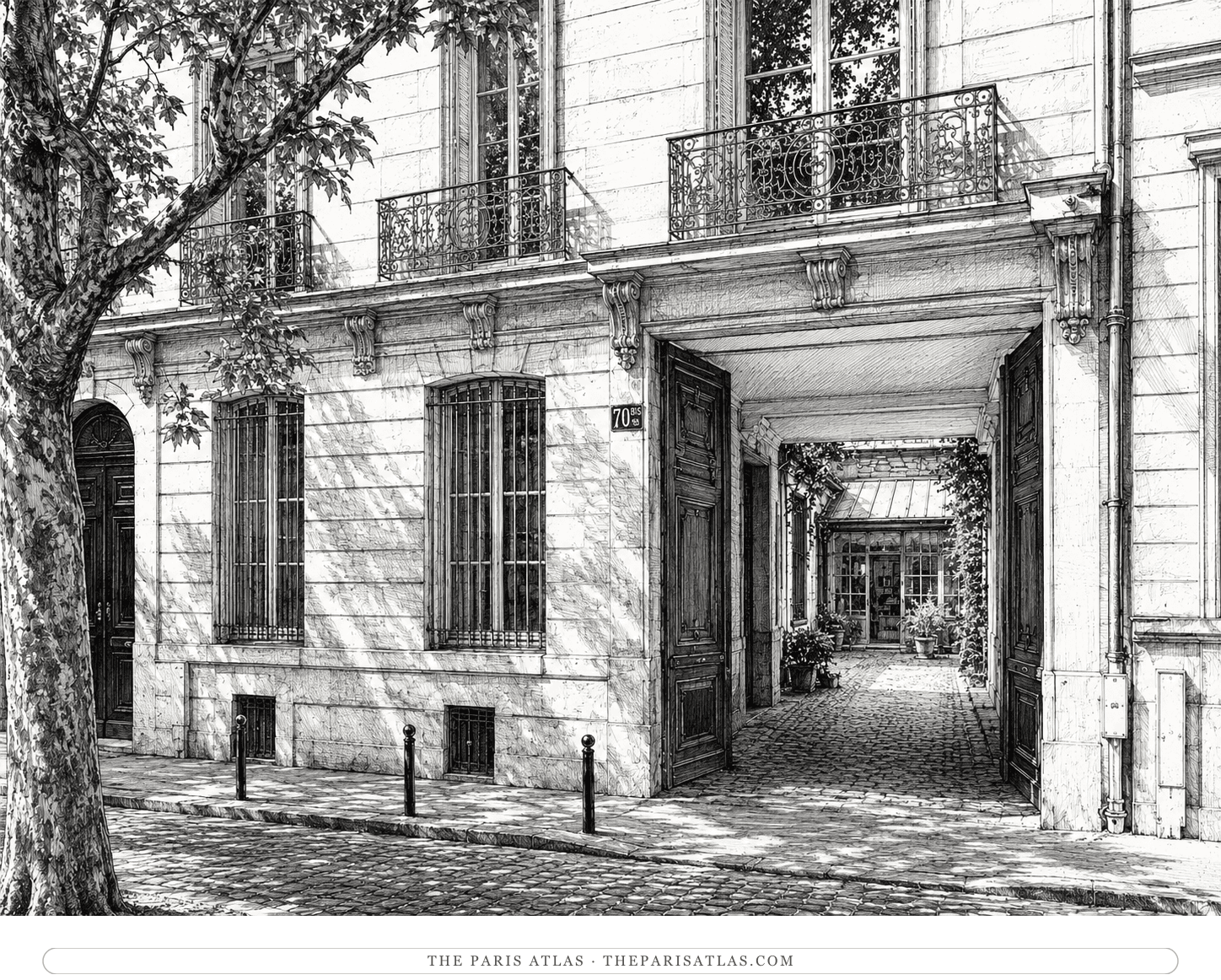
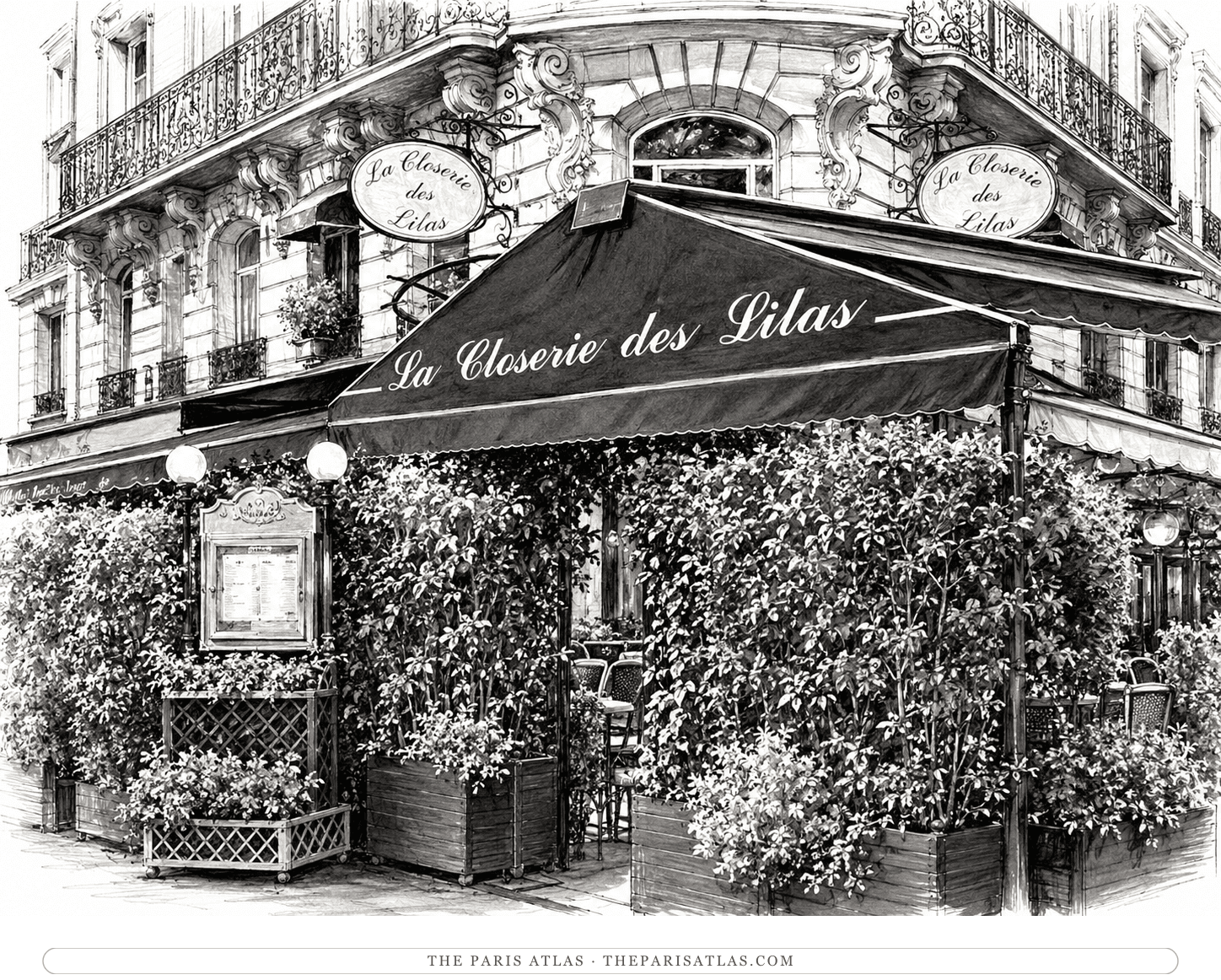
The street was its own literary district. Ezra Pound kept his studio down the block at number 70bis, dispensing edits and introductions; and the Closerie des Lilas stood conveniently at the end of the street — the reason it became Hemingway's office. The sawmill years produced the work: In Our Time assembled, the Transatlantic Review guest-edited, and The Sun Also Rises drafted at the Closerie and rewritten upstairs over the lumberyard.
The flat's last chapter is the memoir's saddest. It was to this address that the winter of 1926 brought the end of the marriage to Hadley, recounted in A Moveable Feast with the guilt intact — the rich arriving, the 'pilot fish,' and the young man who let it happen. The book's final line about there never being any ending to Paris was written about these years. The sawmill is long gone and the buildings on the site have been remade; unlike the rue du Cardinal Lemoine, no plaque marks it.
The family moves in after Toronto; Hemingway quits journalism for fiction, full stop.
Hemingway's In Our Time takes shape; the Transatlantic Review guest-edit happens down the street from Pound's studio.
The Sun Also Rises is drafted at the Closerie at the end of the street, reworked above the sawmill.
The marriage to Hadley ends here; Hemingway moves out in the winter.
Hemingway's memoir A Moveable Feast closes on these years — 'there is never any ending to Paris.'
Sawmill, lumberyard, and flat all gone; the address survives only in the book.
Recalled in the memoir
The second Hemingway apartment (1924–26), above a working sawmill — the “sawmill flat” where Bumby was raised. The Sun Also Rises was finished here — and the first marriage ended here too.

Written here
Hemingway assembled and revised the collection while living above the sawmill at 113 rue Notre-Dame-des-Champs, after leaving journalism to concentrate on fiction.
Lived here · 1924–1926
The second Hemingway flat, above a working sawmill — the journalism stopped and The Sun Also Rises was finished during these years.

Lived here · 1924–1926
The infant 'Bumby' of A Moveable Feast lived here with Ernest and Hadley in the flat above the sawmill, after the family returned from Toronto.
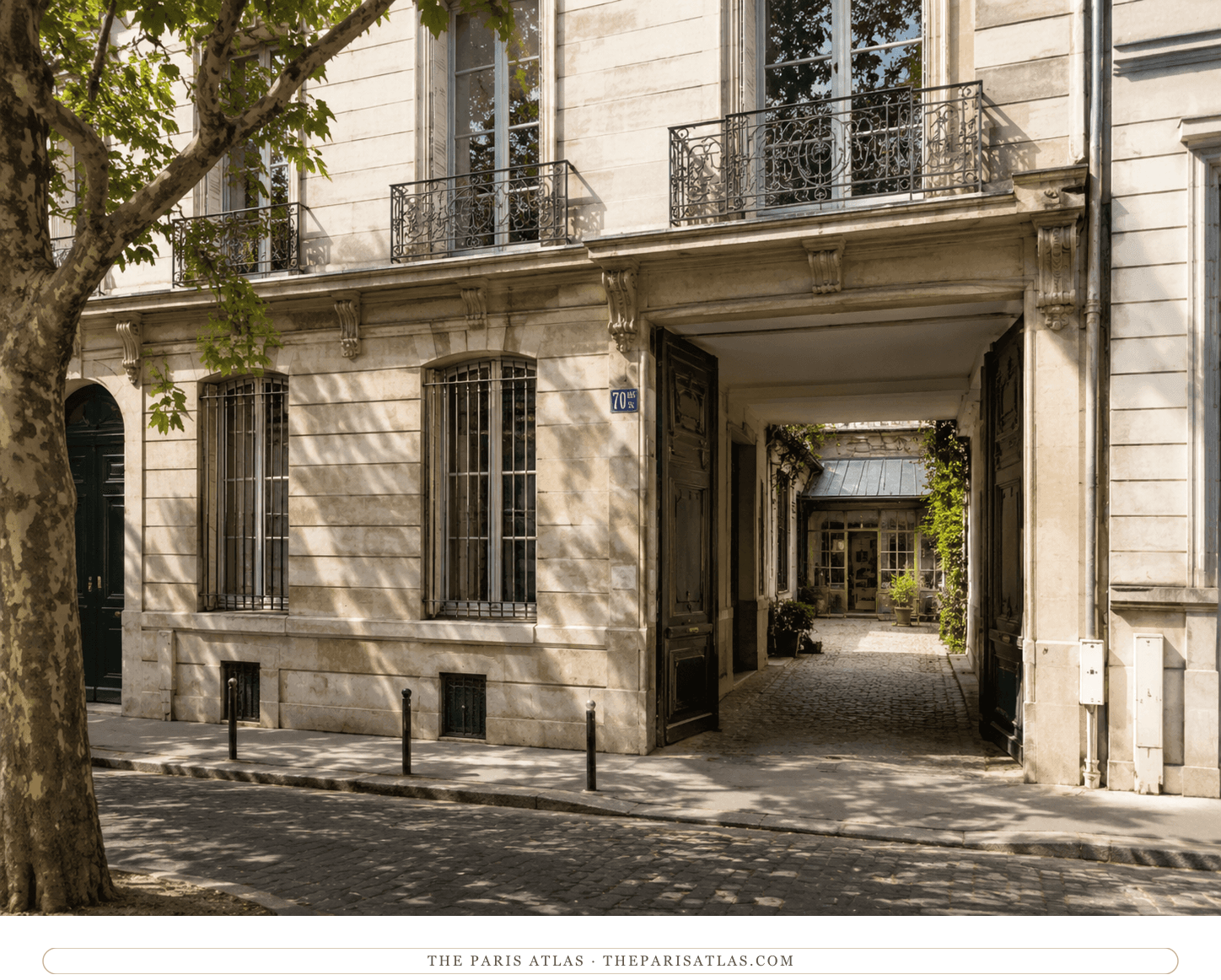
Ezra Pound's courtyard studio — the workshop of modernism's impresario during his Paris years, a few doors down the street from Ernest Hemingway's later flat above the sawmill.
Visit the place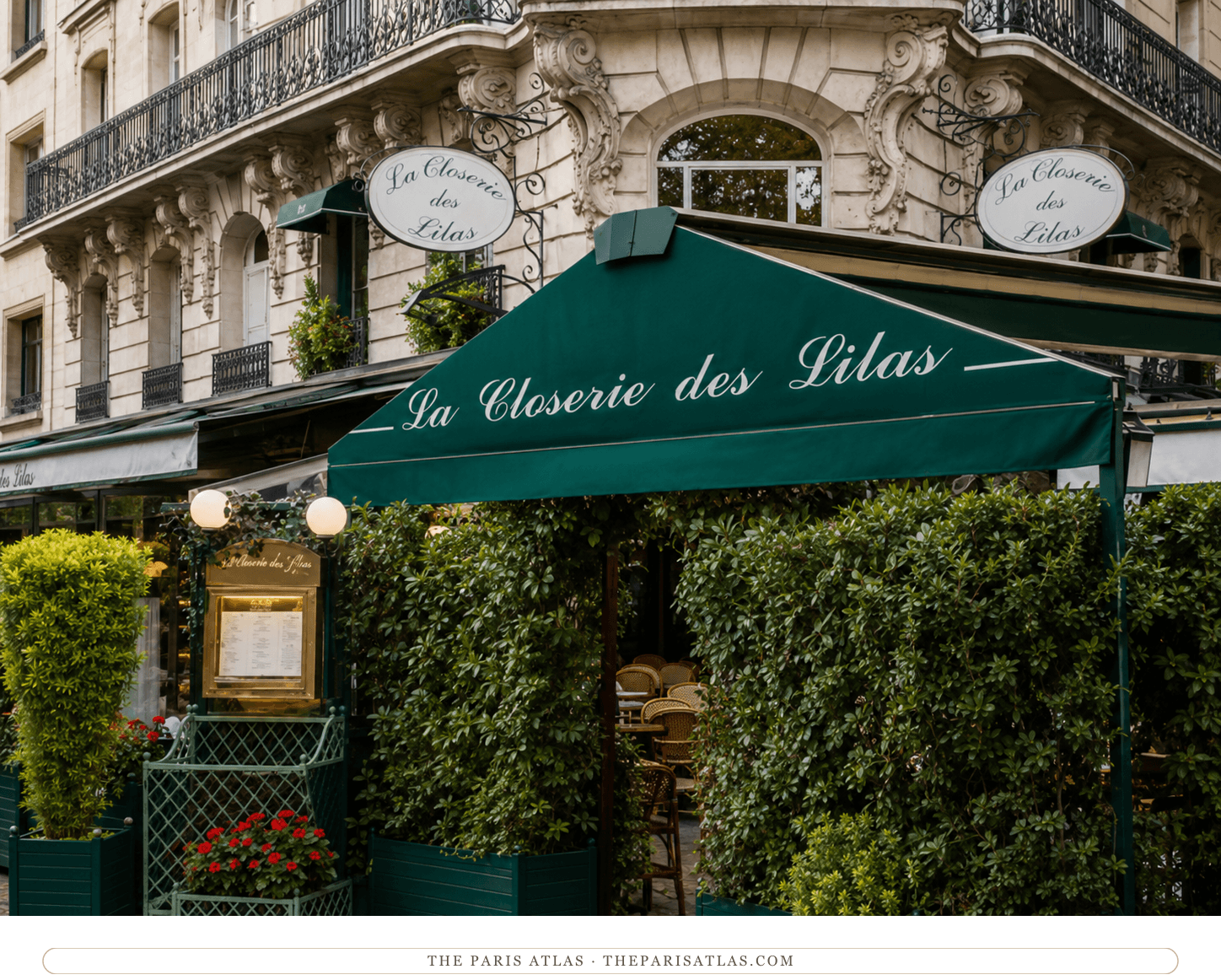
Ernest Hemingway's favorite writing spot, where he drafted much of The Sun Also Rises. Quieter than the other cafés, which was the point.
Visit the place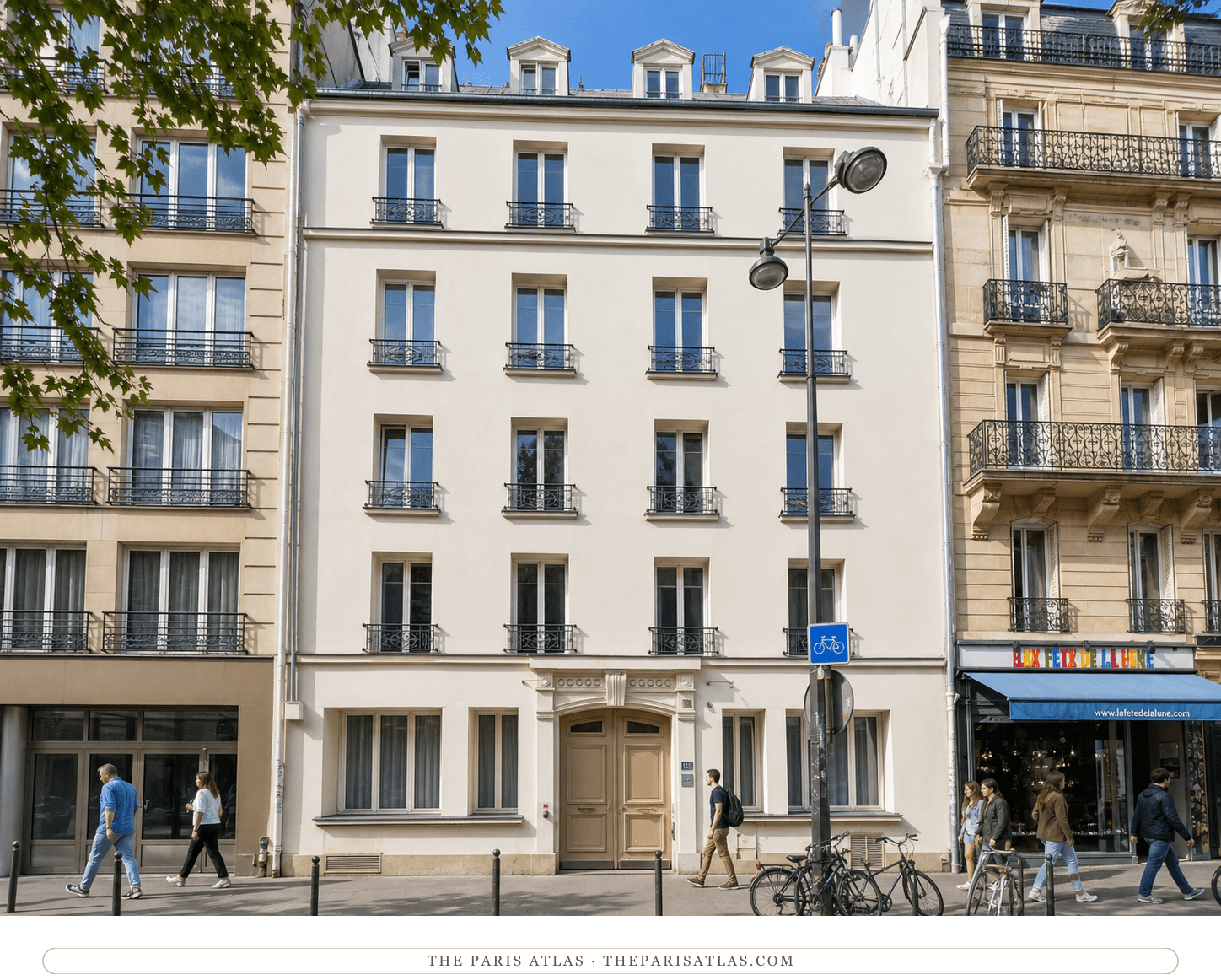
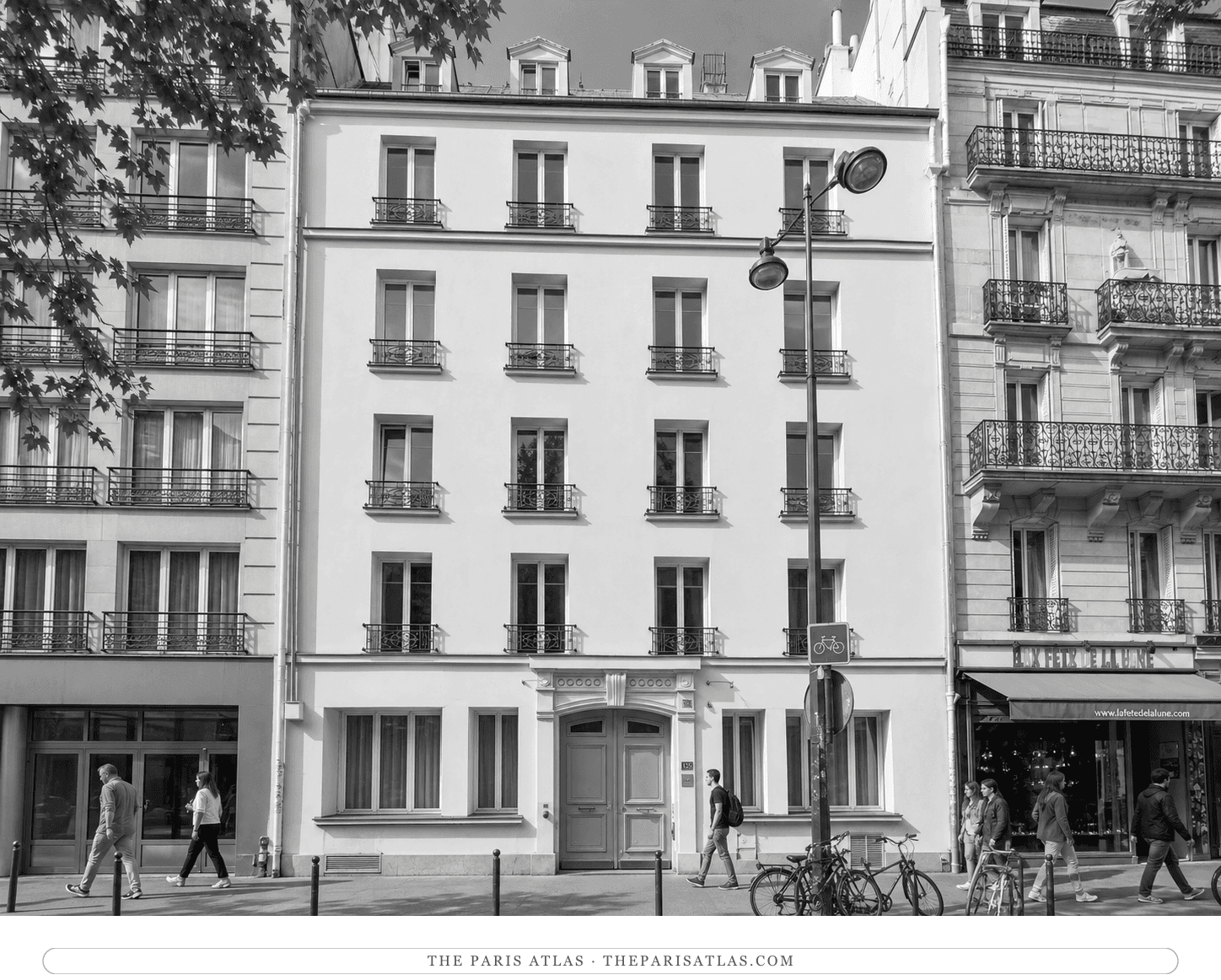
The former Hôtel des États-Unis, where Henry Miller lodged in the autumn of 1930 — the first months of the Paris decade that turned him into a writer. Now a student residence, in a building that predates his stay.
Visit the place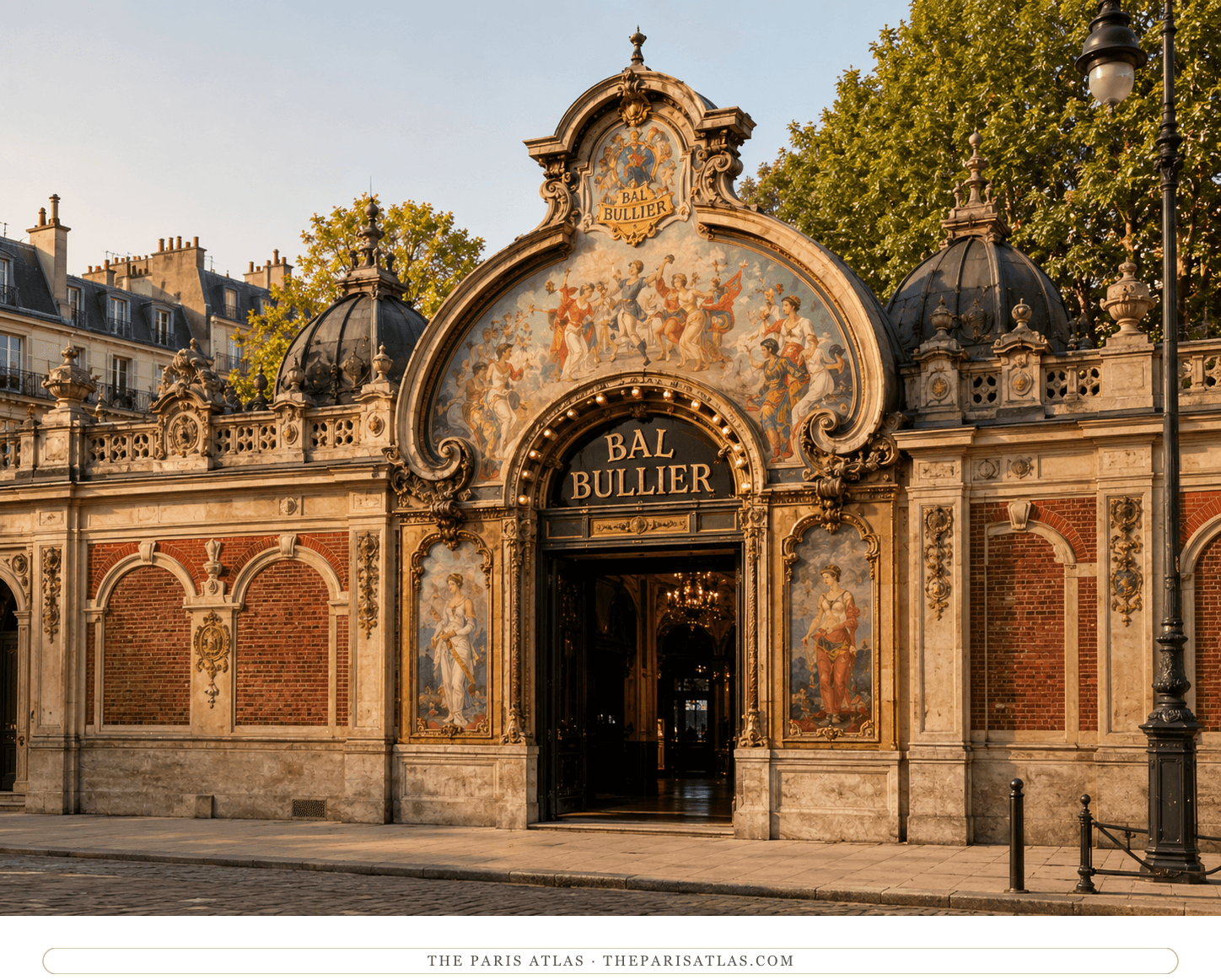
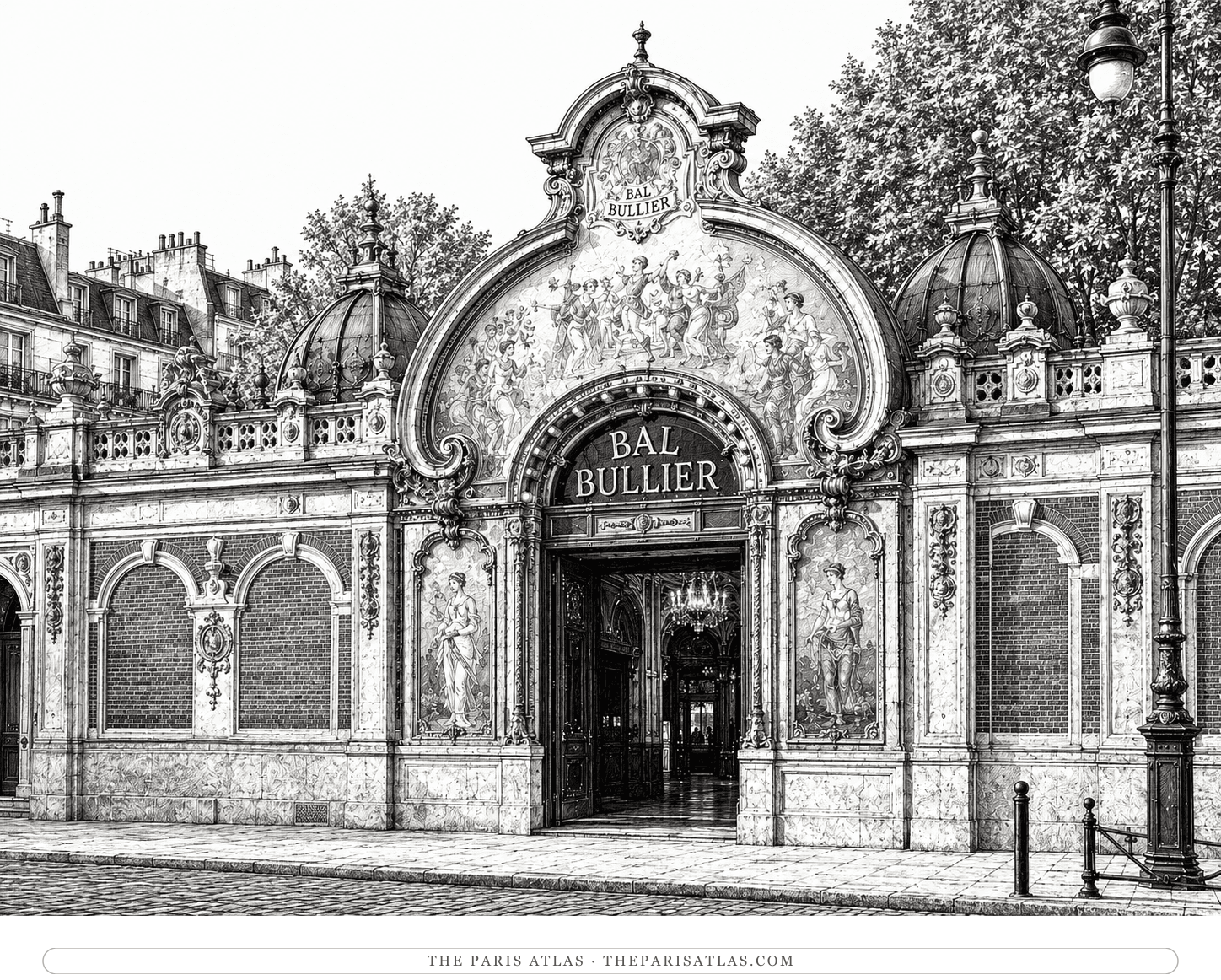
The students' dance hall behind the mock-oriental façade opposite the Closerie des Lilas — where the Latin Quarter danced for a century, and Robert and Sonia Delaunay painted the dancers.
Visit the placeThe sources below include histories, archival materials, scholarly research, and official records that informed this page. They document 113 Rue Notre-Dame-des-Champs, the people connected to it, and its place in Paris.


First-person evidence and historical context used in preparing the 113 Rue Notre-Dame-des-Champs page.

Map data used to verify addresses, geographic coordinates, and the placement associated with 113 Rue Notre-Dame-des-Champs.
Official record used to verify names, dates, institutional details, or other factual information on this page.
Contemporary reporting or criticism used to document the historical reception and context of 113 Rue Notre-Dame-des-Champs.
These references provide the documented foundation for this page's history and context. Claim-level citations remain attached to the specific claims they support.
 Explore more resources
Newsletter
The cafés, studios, and walk-up flats where the work was made — one story from the map in every letter.