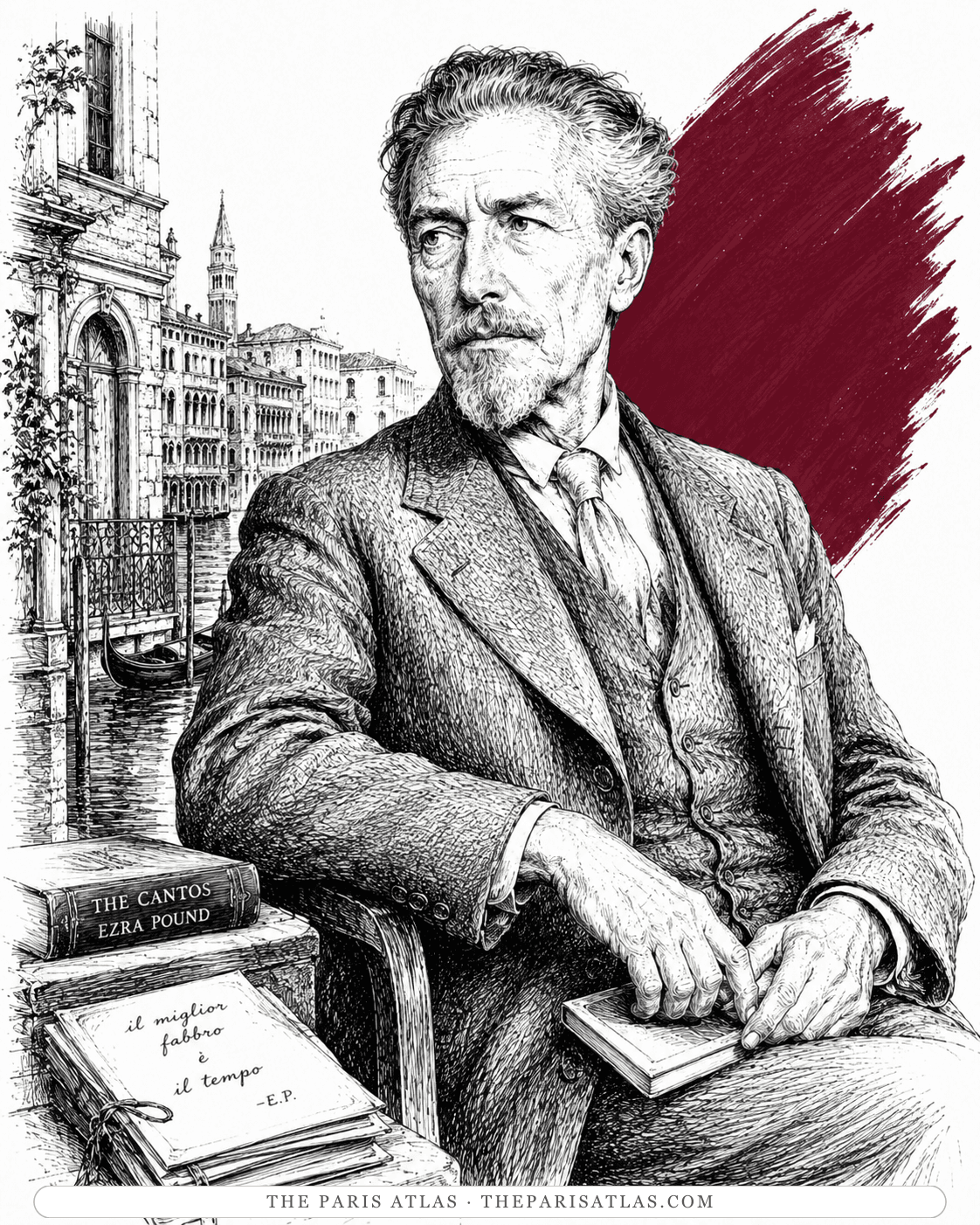
Ezra Pound
Lived here · 1921–1924
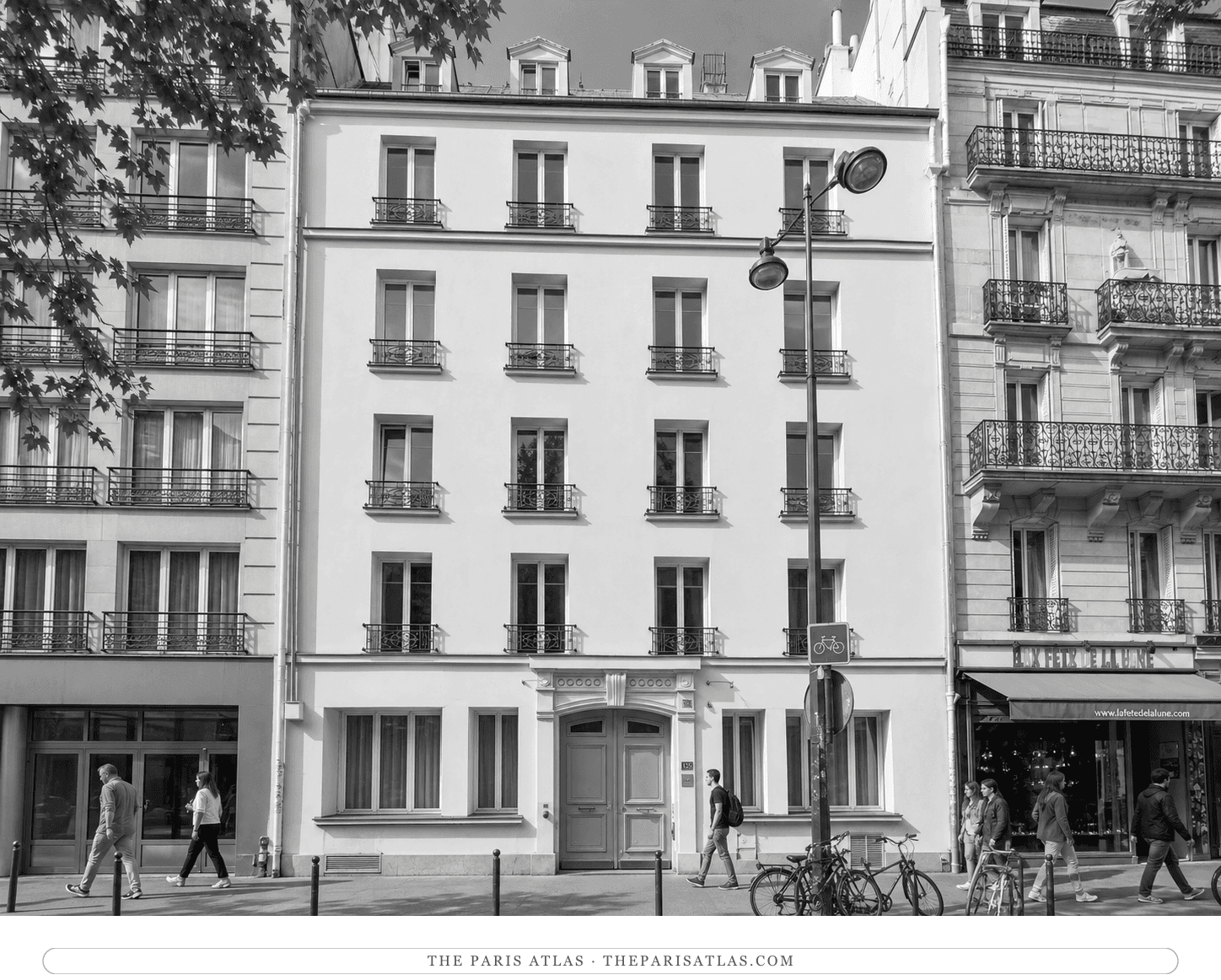
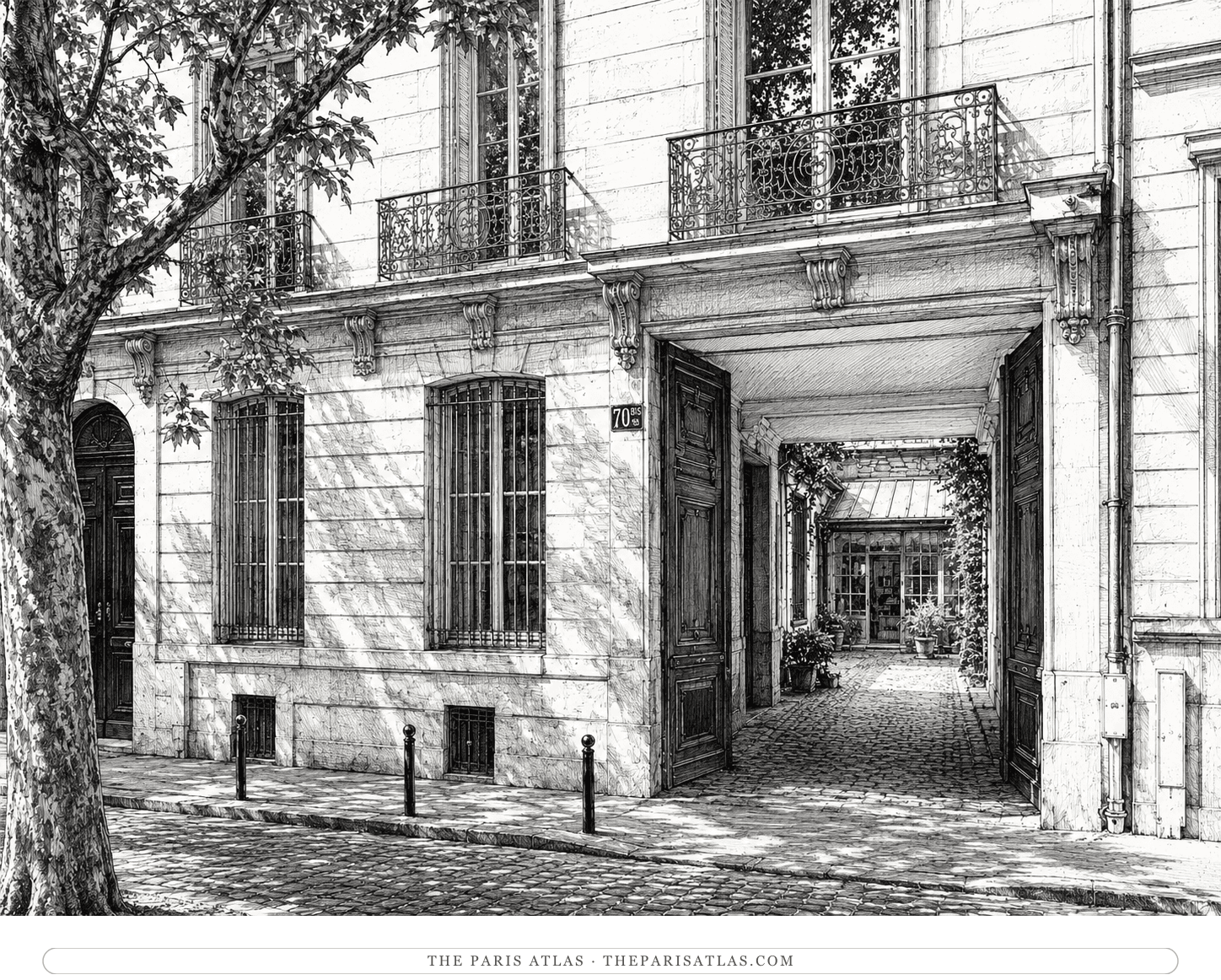
Ezra Pound's Paris base — the courtyard studio where he built the furniture himself and ran the movement's business, a few doors from Hemingway's flat at No. 113.
Ezra Pound's courtyard studio — the workshop of modernism's impresario during his Paris years, a few doors down the street from Ernest Hemingway's later flat above the sawmill.
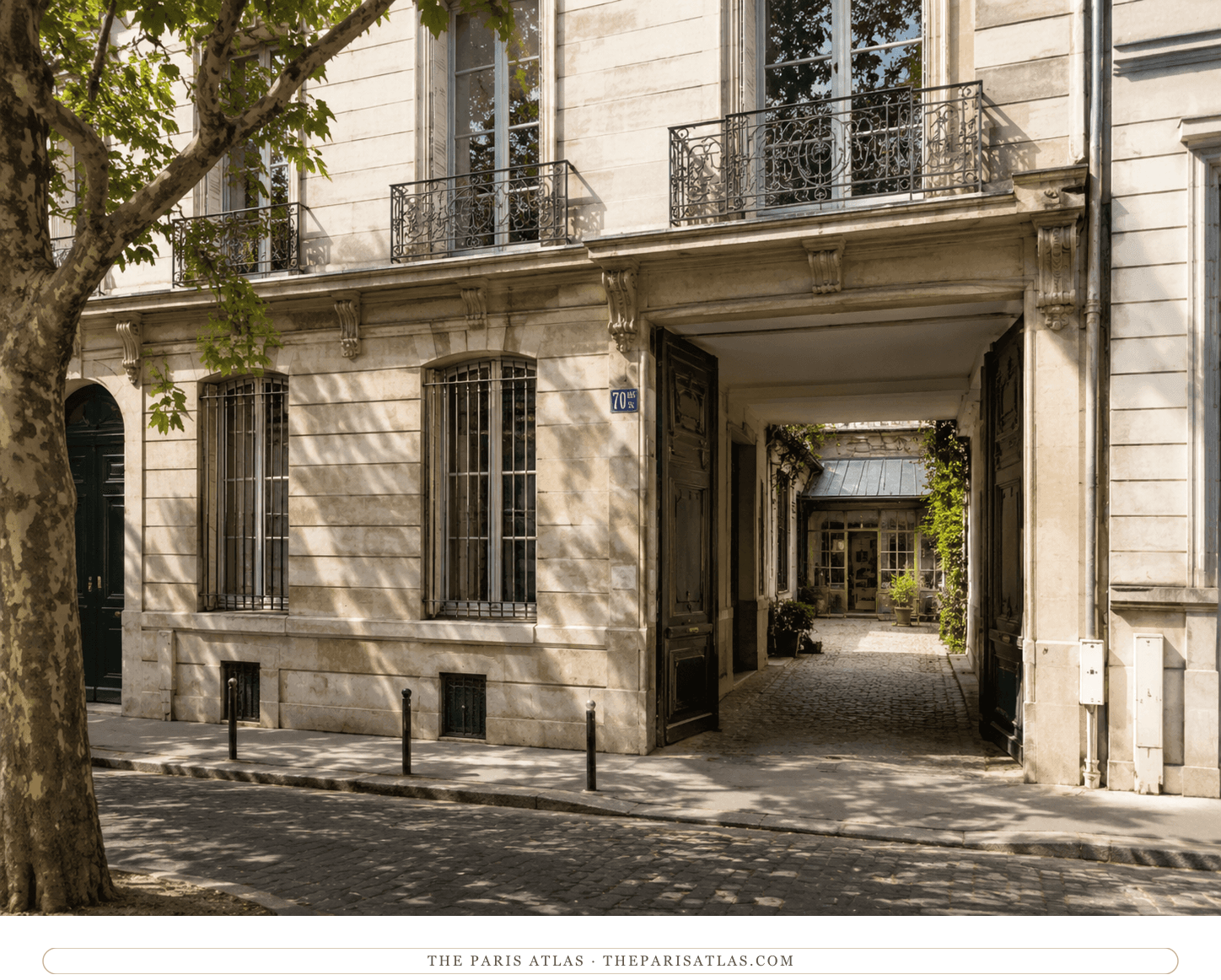
When Pound moved from London to Paris in 1921, he took a ground-floor studio at the back of a courtyard at 70 bis rue Notre-Dame-des-Champs and furnished it his own way — building the chairs and tables himself, hanging the walls with his own history of the movement he had run from two capitals. The street already had an artists' pedigree stretching back to Whistler's day; Pound gave it three years at the center of literary Europe.
The studio was less a home than a switchboard. Manuscripts moved through it for the transatlantic review, young George Antheil's scores were championed from it, the Bel Esprit scheme to free T. S. Eliot from his bank was hatched in it, and a young Hemingway climbed the street from the sawmill flat at No. 113 to trade boxing lessons for the most valuable editing of his life — a debt he acknowledged, for once, without irony. A Moveable Feast gives the studio a whole chapter.
Pound left Paris for Rapallo in 1924, and the courtyard went back to being a courtyard. The building stands; nothing marks the studio. Its neighbors tell the story — Hemingway's flat up the street, the Closerie and the Luxembourg a short walk in either direction.
The studio where he lived with his wife Dorothy on the rue Notre-Dame-des-Champs was as poor as Gertrude Stein’s studio was rich. It had very good light and was heated by a stove and it had paintings by Japanese artists that Ezra knew.
Ezra wanted me to teach him to box and it was while we were sparring late one afternoon in his studio that I first met Wyndham Lewis.
Ezra was the most generous writer I have ever known and the most disinterested. He helped poets, painters, sculptors and prose writers that he believed in and he would help anyone whether he believed in them or not if they were in trouble.
Pound arrives from London and takes the courtyard studio.
The switchboard years — the transatlantic review, Antheil, Bel Esprit, and Hemingway's editing lessons.
Pound leaves Paris for Rapallo; the center of his operation goes with him.
Hemingway's A Moveable Feast fixes the studio in the era's literature.
The building stands unmarked on a quiet street.
Lived here · 1921–1924
Ezra Pound's Paris base — the courtyard studio where he built the furniture himself and ran the movement's business, a few doors from Hemingway's flat at No. 113.
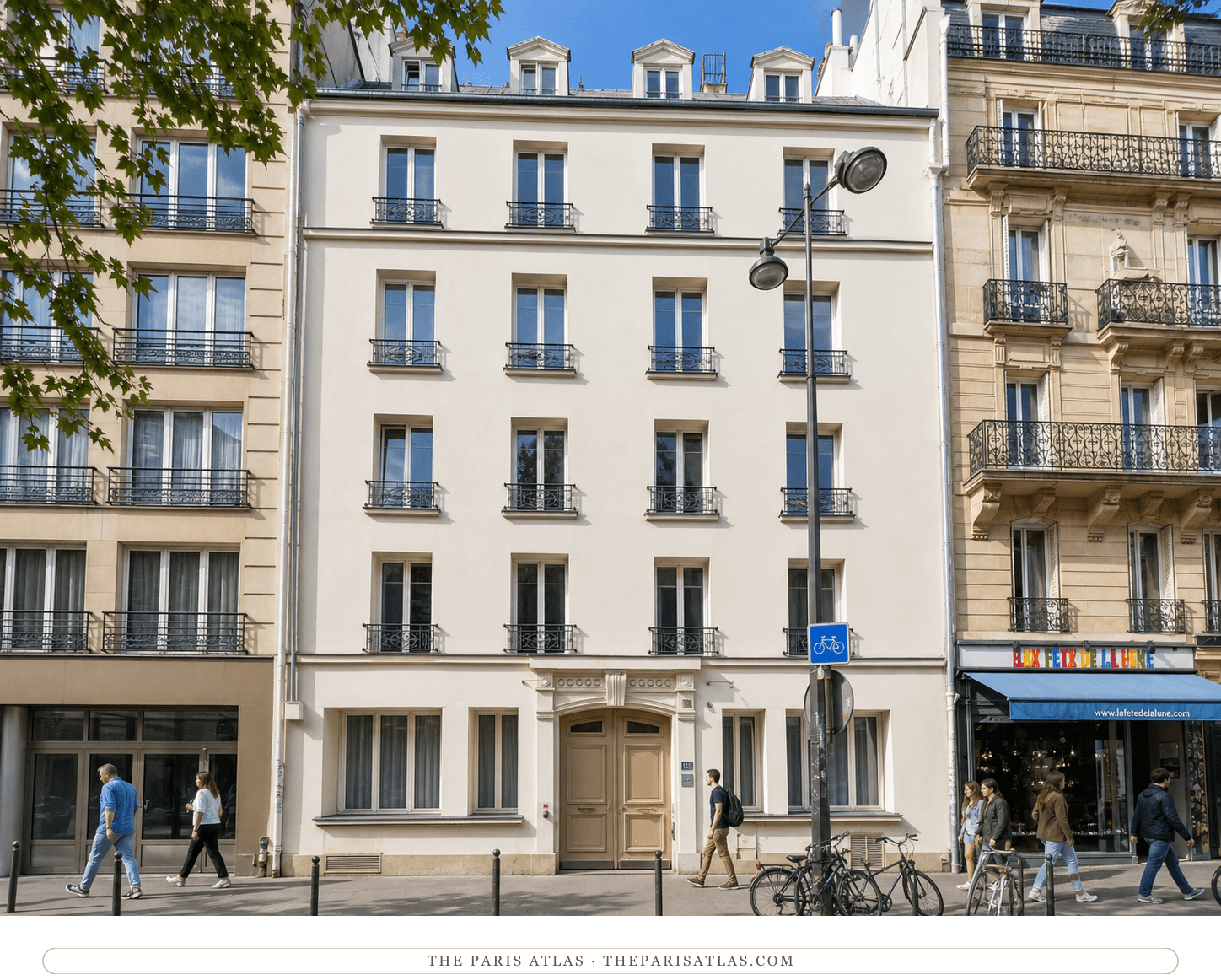
The former Hôtel des États-Unis, where Henry Miller lodged in the autumn of 1930 — the first months of the Paris decade that turned him into a writer. Now a student residence, in a building that predates his stay.
Visit the place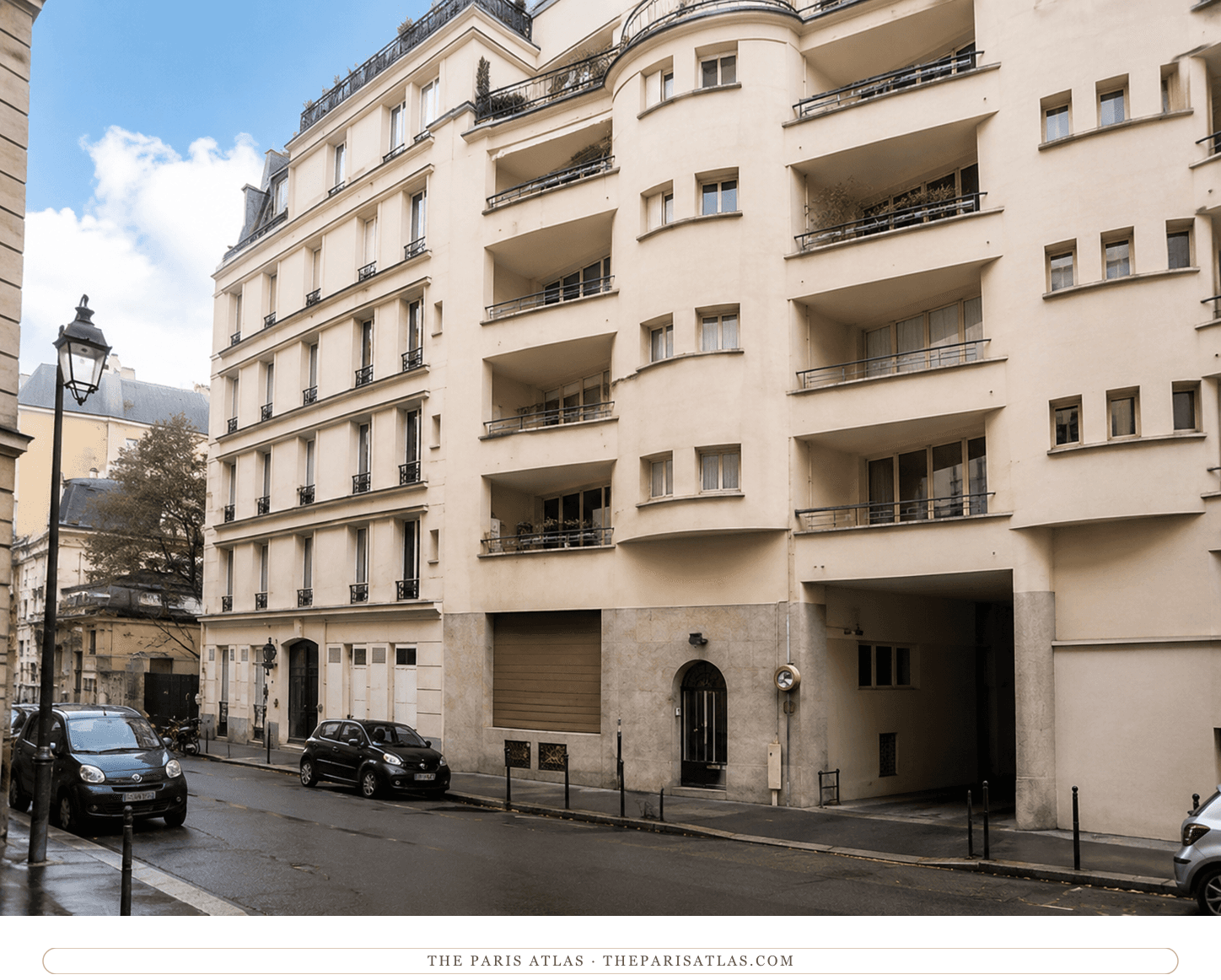
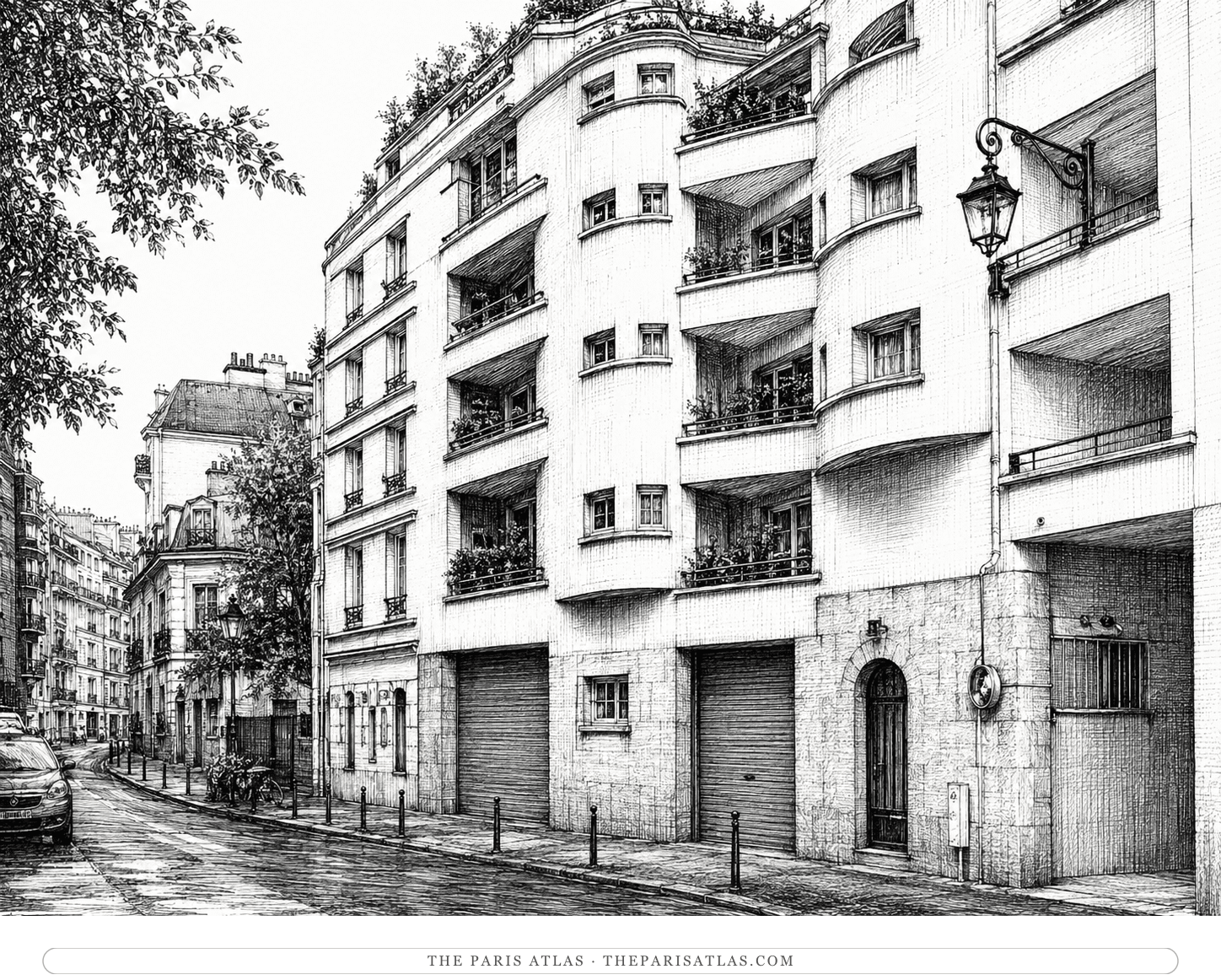
Ernest Hemingway's second flat, above a working sawmill — where the journalism stopped, The Sun Also Rises was finished, and the first marriage ended.
Visit the place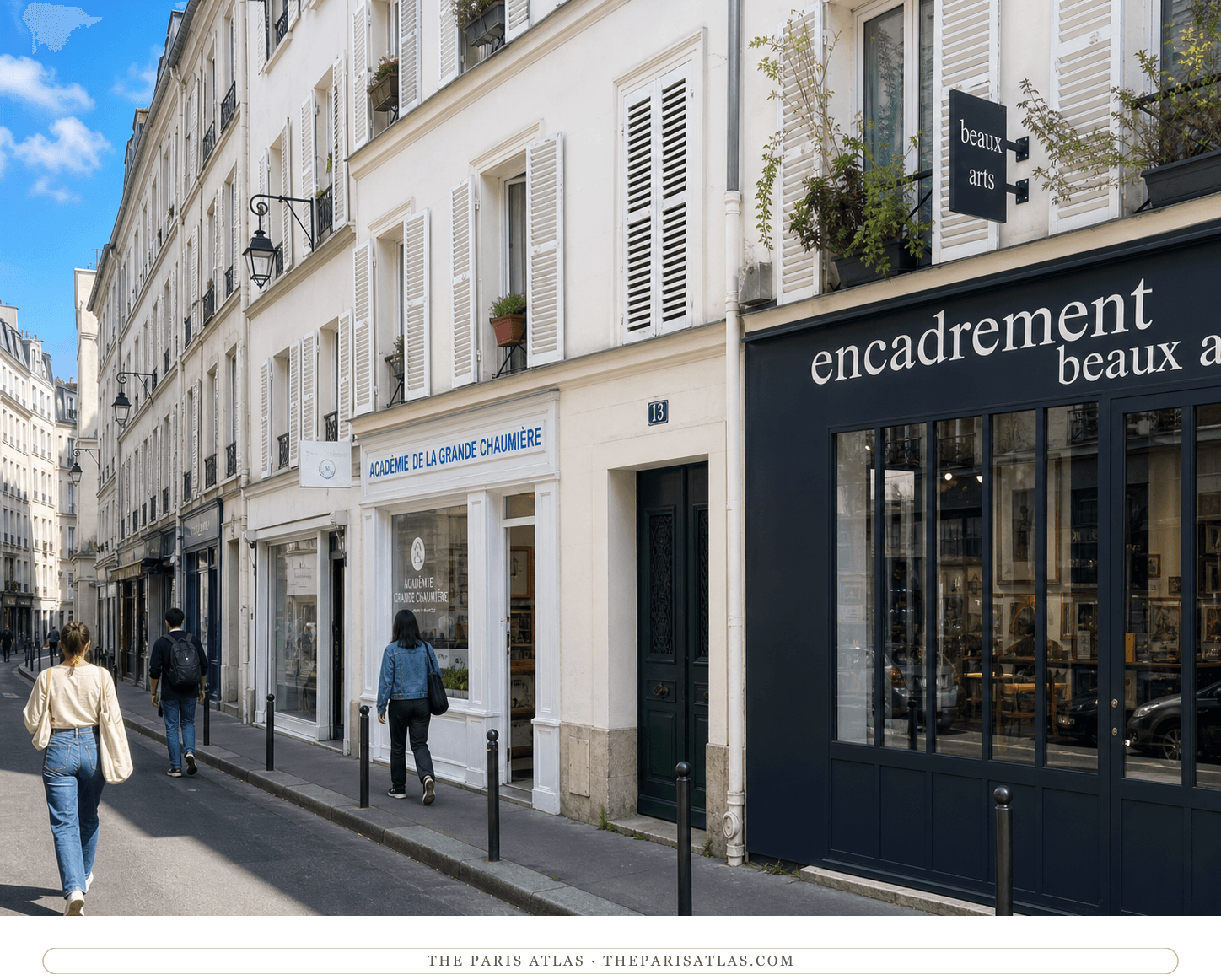
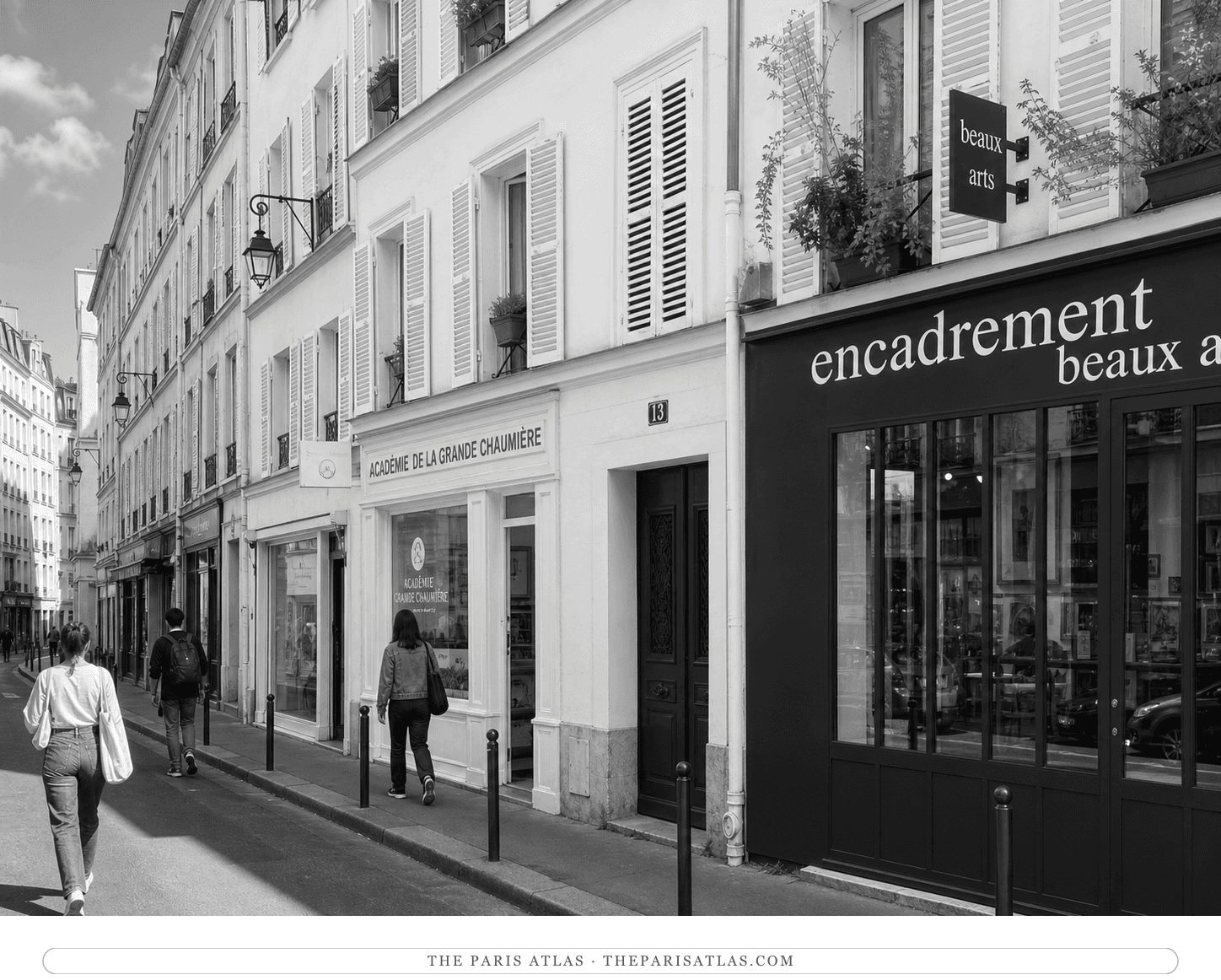
The tiny dairy-restaurant run by Charlotte Futterer on the rue de la Grande-Chaumière, where broke artists ate on credit and sometimes settled the bill with a canvas — and where Paul Gauguin met Alphonse Mucha.
Visit the place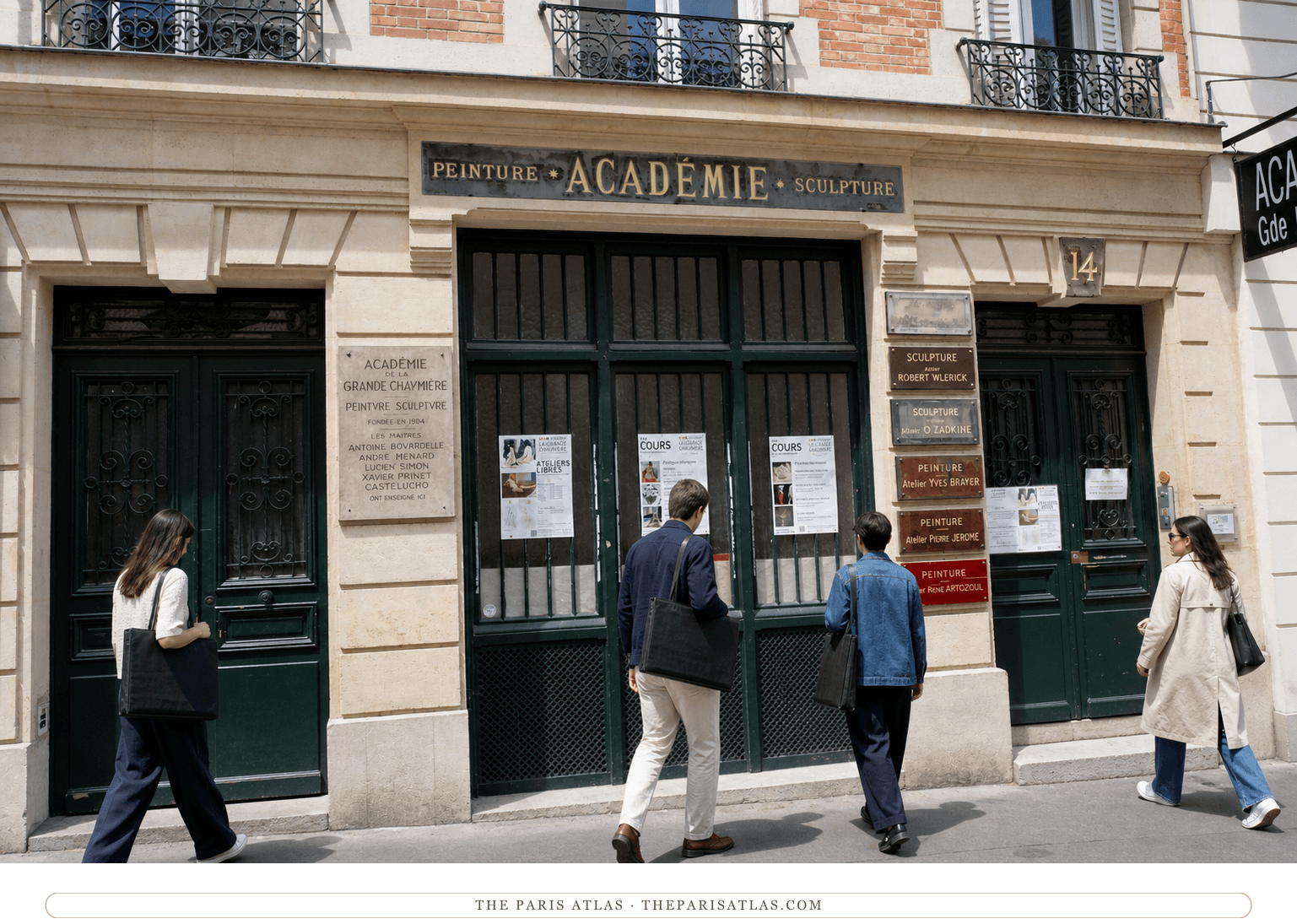
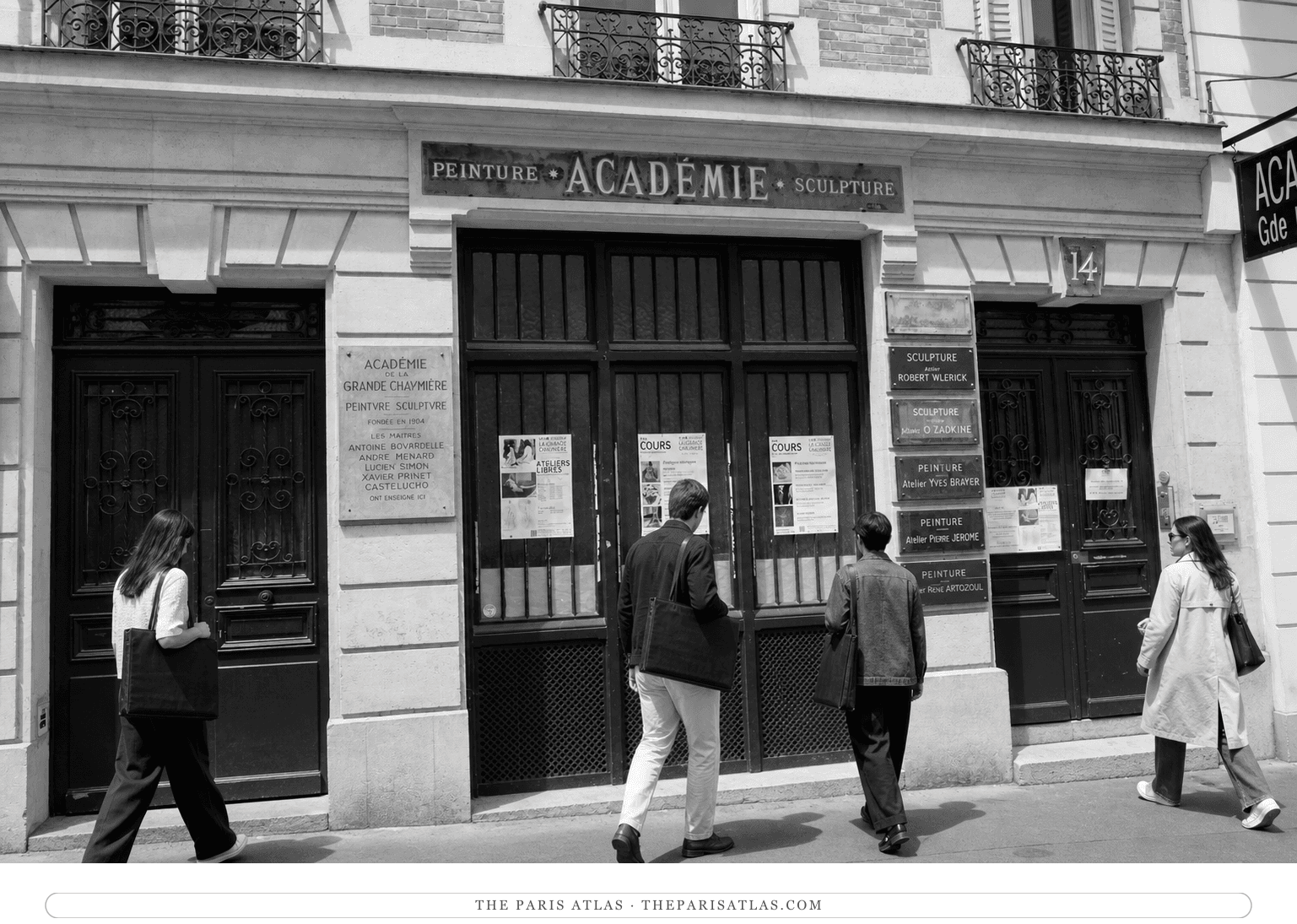
The Montparnasse drawing academy founded in 1904, where anyone could pay for a session with a model and no one asked for qualifications — the school that trained a substantial share of the École de Paris.
Visit the placeThe sources below include histories, archival materials, scholarly research, and official records that informed this page. They document 70 bis Rue Notre-Dame-des-Champs, the people connected to it, and its place in Paris.


First-person evidence and historical context used in preparing the 70 bis Rue Notre-Dame-des-Champs page.

Map data used to verify addresses, geographic coordinates, and the placement associated with 70 bis Rue Notre-Dame-des-Champs.
Official record used to verify names, dates, institutional details, or other factual information on this page.
Contemporary reporting or criticism used to document the historical reception and context of 70 bis Rue Notre-Dame-des-Champs.
These references provide the documented foundation for this page's history and context. Claim-level citations remain attached to the specific claims they support.
 Explore more resources
Newsletter
The cafés, studios, and walk-up flats where the work was made — one story from the map in every letter.