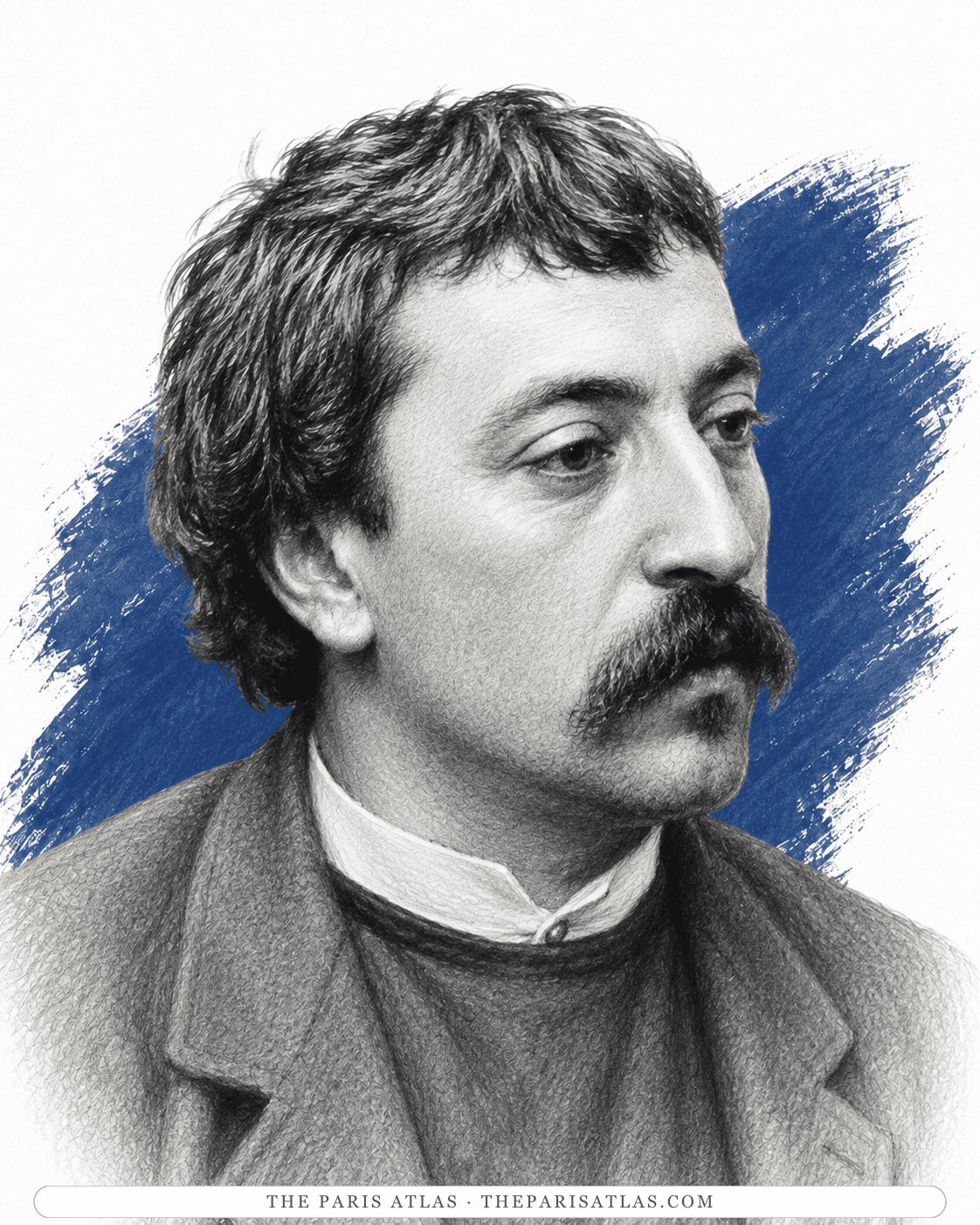
Paul Gauguin
Charlotte Futterer's cremerie fed the artists of Montparnasse on credit and sometimes in exchange for work. Paul Gauguin met Alphonse Mucha at these tables.
The tiny dairy-restaurant run by Charlotte Futterer on the rue de la Grande-Chaumière, where broke artists ate on credit and sometimes settled the bill with a canvas — and where Paul Gauguin met Alphonse Mucha.
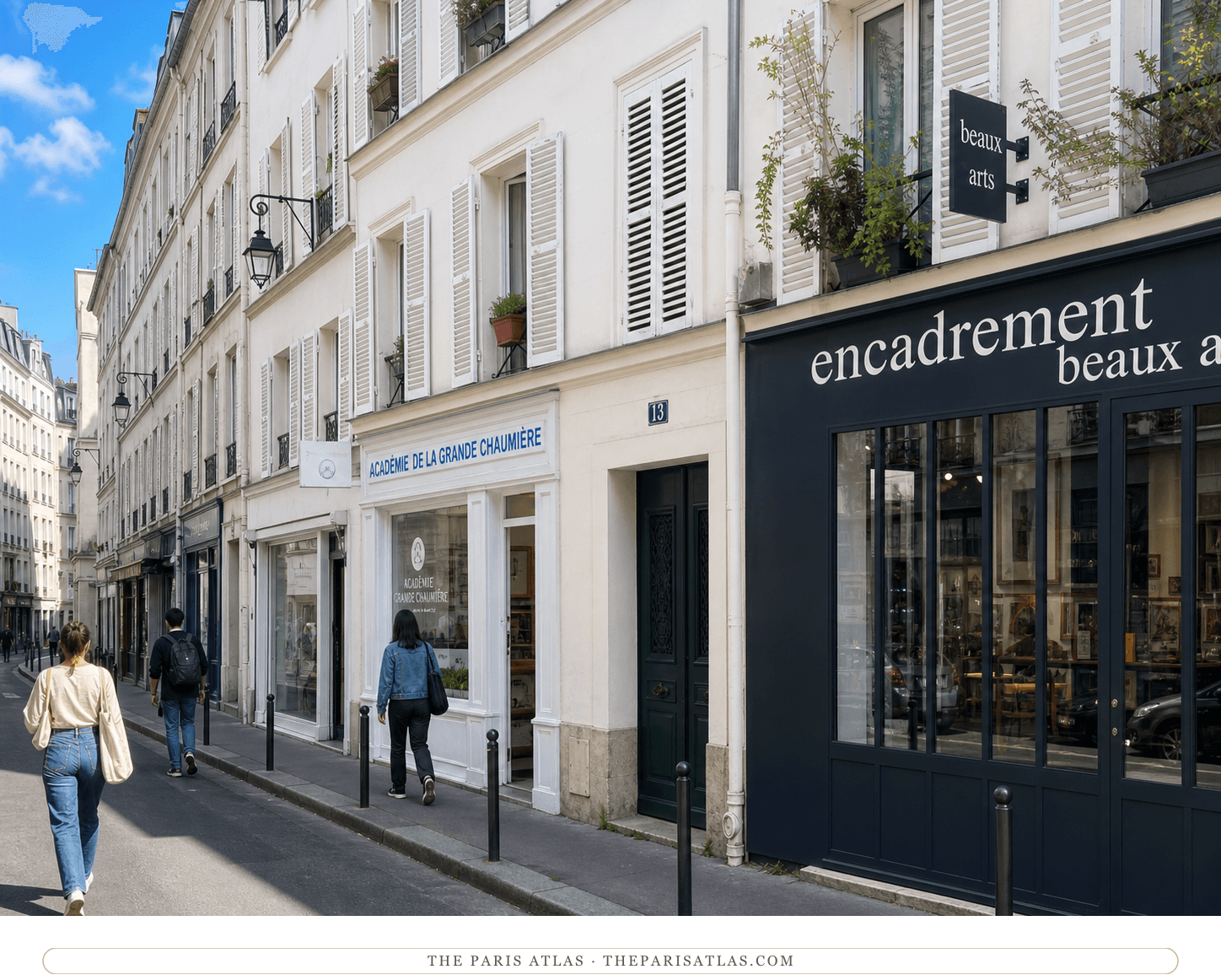
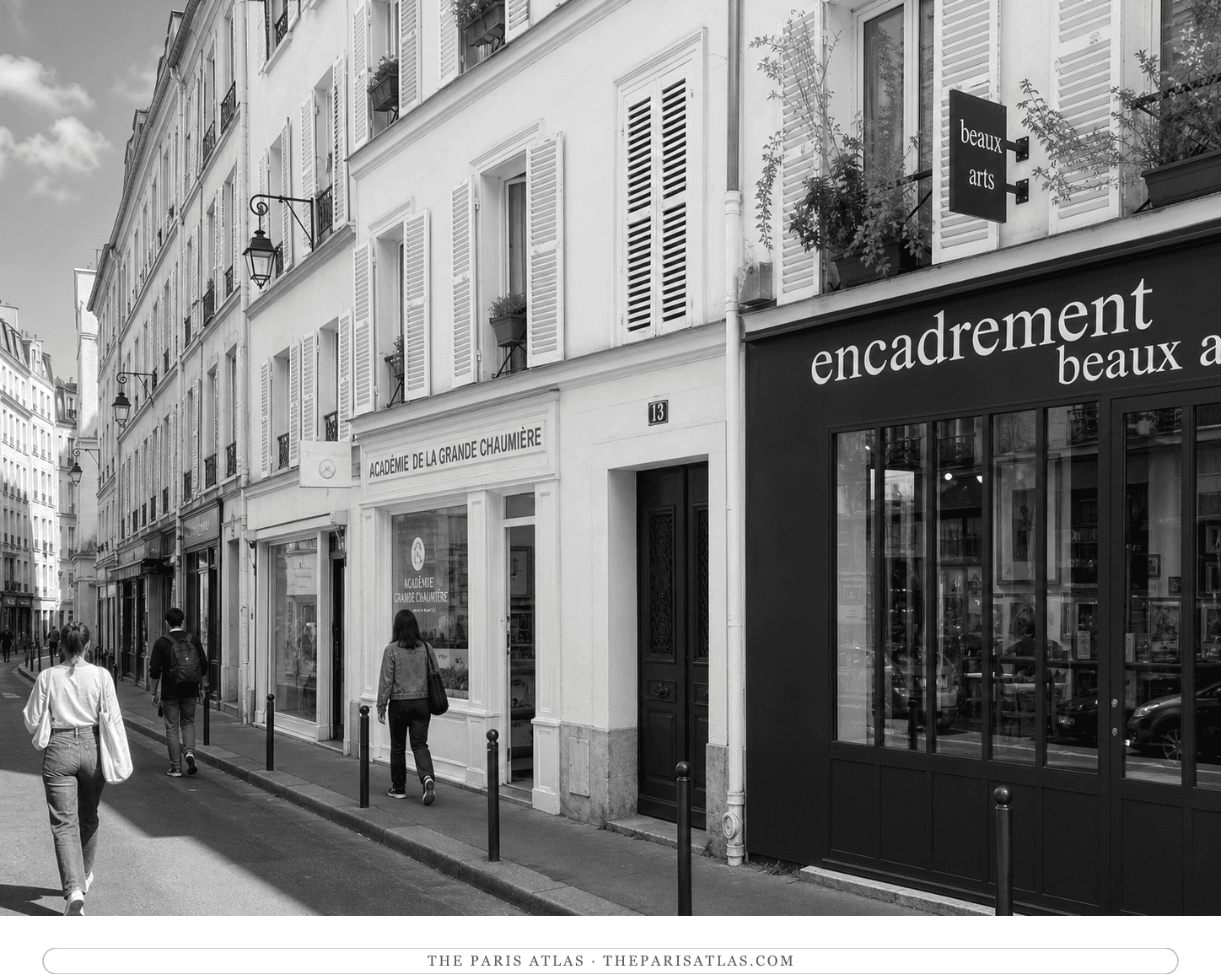
A crémerie sold milk, cheese and eggs and served cheap food at a few tables. Charlotte Futterer's, on the rue de la Grande-Chaumière opposite the drawing academy, fed the artists of the quarter for years, extended credit when they had nothing, and accepted work in place of money often enough that the walls filled with paintings.[1]
Its position opposite an academy was the business model. Students and independent artists needed food near the studios, often on irregular income and at hours that did not fit a formal restaurant. A crémerie could serve a modest plate without the ceremony or price of a café on a grand boulevard. The room belonged to the everyday support system of Montparnasse: model agencies, colour merchants, cheap hotels, academies and places willing to wait for payment.
Paul Gauguin ate here, and so did Alphonse Mucha, who was then an unknown Czech illustrator. They met at these tables, and after Gauguin's return from Tahiti the two shared a studio for a period — an unlikely pairing that produced one of the odder photographs in art history, of Gauguin sitting at a harmonium in Mucha's studio without his trousers.[1]
Their careers make the meeting especially revealing. Mucha was working toward the decorative theatre posters that would make his name in Paris; Gauguin was trying to persuade the same city to understand paintings and objects made after Tahiti. The surviving photographs of the two are playful and staged, but the connection began in a room organised around inexpensive meals, not in a dealer's gallery or official school.[1]
The economics of the place are worth stating plainly. A great deal of what is now hanging in national museums was made by people who could not reliably buy lunch, and the institutions that kept them working were small businesses run by women like Charlotte Futterer, who are almost never named in the catalogues.[2]
Credit was a form of risk. A painting accepted against a running food bill might remain unsold and take up wall space; an artist might leave Paris or never become marketable. Calling the arrangement barter can make it sound picturesque, but it transferred part of an artist's insecurity to the proprietor. Charlotte's role was therefore closer to micro-patronage than to the anecdotal hospitality usually assigned to such places.[1]
The crémerie is long gone. The street is still full of art schools.
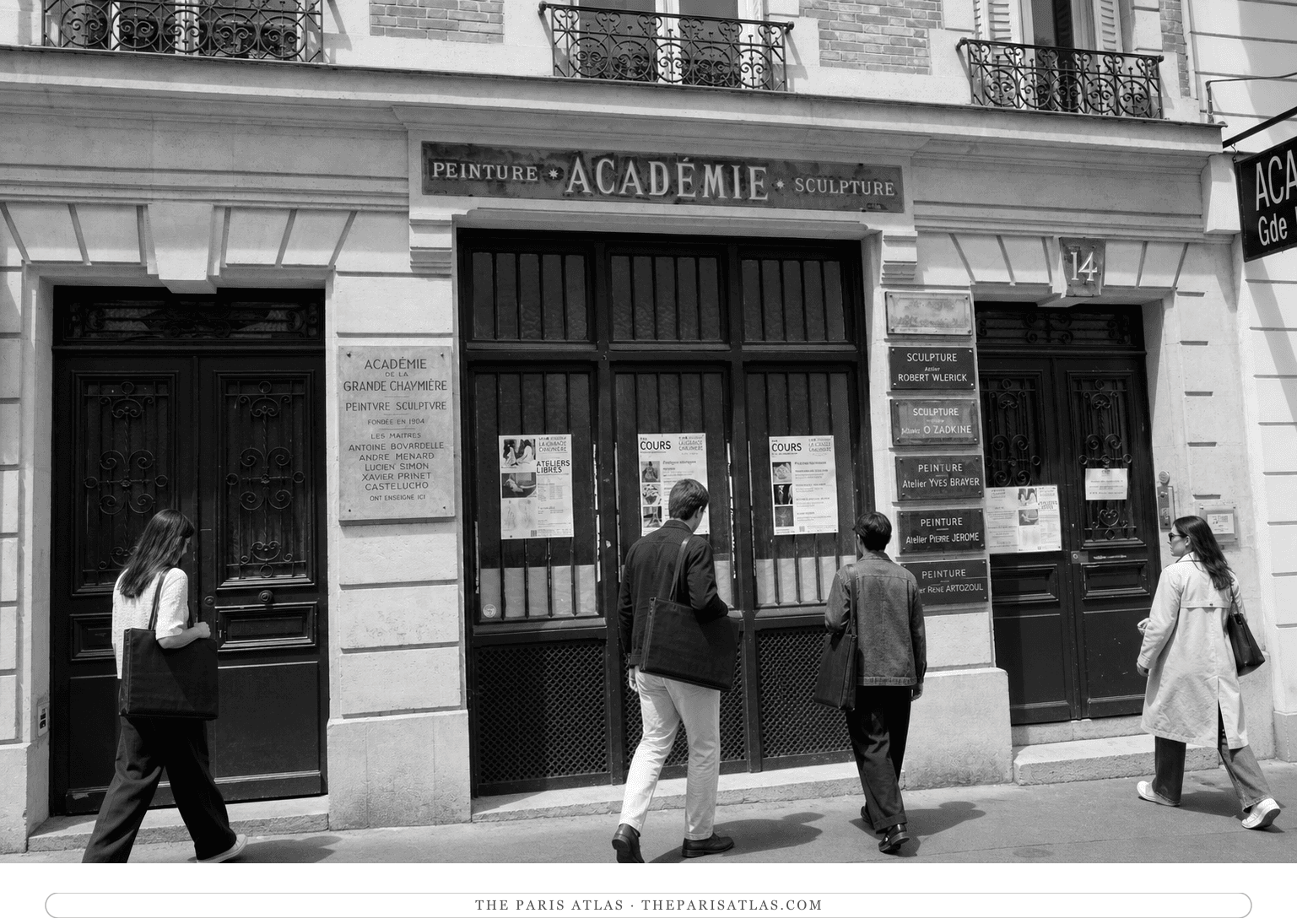
The useful remnant is the relationship between the address and the studios around it. Number 13 stands directly across from the Académie de la Grande Chaumière, and the narrow street still reads as a service lane for artists rather than a monumental cultural site. The former dining room is not preserved or open as a historic interior.
The word crémerie matters because it identifies an ordinary trade rather than a celebrated café. Milk shops could add a few tables and simple dishes, turning retail premises into low-cost eating places without the social performance of a major brasserie. Their importance to artists came from frequency: a meal, a conversation and another extension of credit might happen repeatedly, not at one legendary banquet.
Gauguin's connection belongs to the difficult periods when Paris remained necessary even as he attacked it rhetorically. He needed printers, dealers, critics, patrons and other artists, and those relationships required cheap places to meet. Mucha's career was developing through illustration and design for the same urban market. The crémerie allowed two very different ambitions to occupy one table before either reputation was secure.[3]
The paintings exchanged for food also raise a problem of evidence. Later value encourages every such transaction to become a colourful anecdote, while account books and exact inventories are often absent. The responsible claim is not that a specific masterpiece necessarily paid a particular bill, but that contemporary recollection identifies the practice and the room accumulated artists' work through it.
Today, the lasting public evidence is the street's educational character. Art schools and studios still make the lane feel connected to making rather than only display. Number 13 is a building with present occupants, and Charlotte Futterer's business is gone. Viewing the exterior and the academy opposite respects that difference while preserving the spatial relationship on which the former crémerie depended.
Mucha's later success adds another layer to the story of informal support. His posters would become inseparable from fin-de-siècle Paris, yet the young illustrator who ate here had arrived from Central Europe without the security associated with that fame. Gauguin likewise entered the room carrying a reputation that fluctuated sharply with each exhibition and voyage. The crémerie served people before cultural history decided which names mattered. That timing is the point: affordable food, tolerant credit and repeated contact operated during uncertainty, when neither proprietor nor artist could know what a canvas or acquaintance would become.[4]
The address therefore represents infrastructure rather than a shrine. It connects the academy door to a former food counter, then outward to studios and hotels in Montparnasse. Preserving Charlotte Futterer's name alongside the artists reverses the usual map, which marks where famous people worked but omits the businesses that kept them fed long enough to continue.
Gauguin and Mucha eat at the crémerie and become acquainted.
After Tahiti, Gauguin shares a studio with Mucha for a period.
At Madame Charlotte's crémerie, often enough that it is part of the place's history. Credit and barter were how a good deal of Montparnasse ate.
They met at this crémerie and later shared a studio for a period after Gauguin returned from his first Tahitian voyage.
Charlotte Futterer's cremerie fed the artists of Montparnasse on credit and sometimes in exchange for work. Paul Gauguin met Alphonse Mucha at these tables.
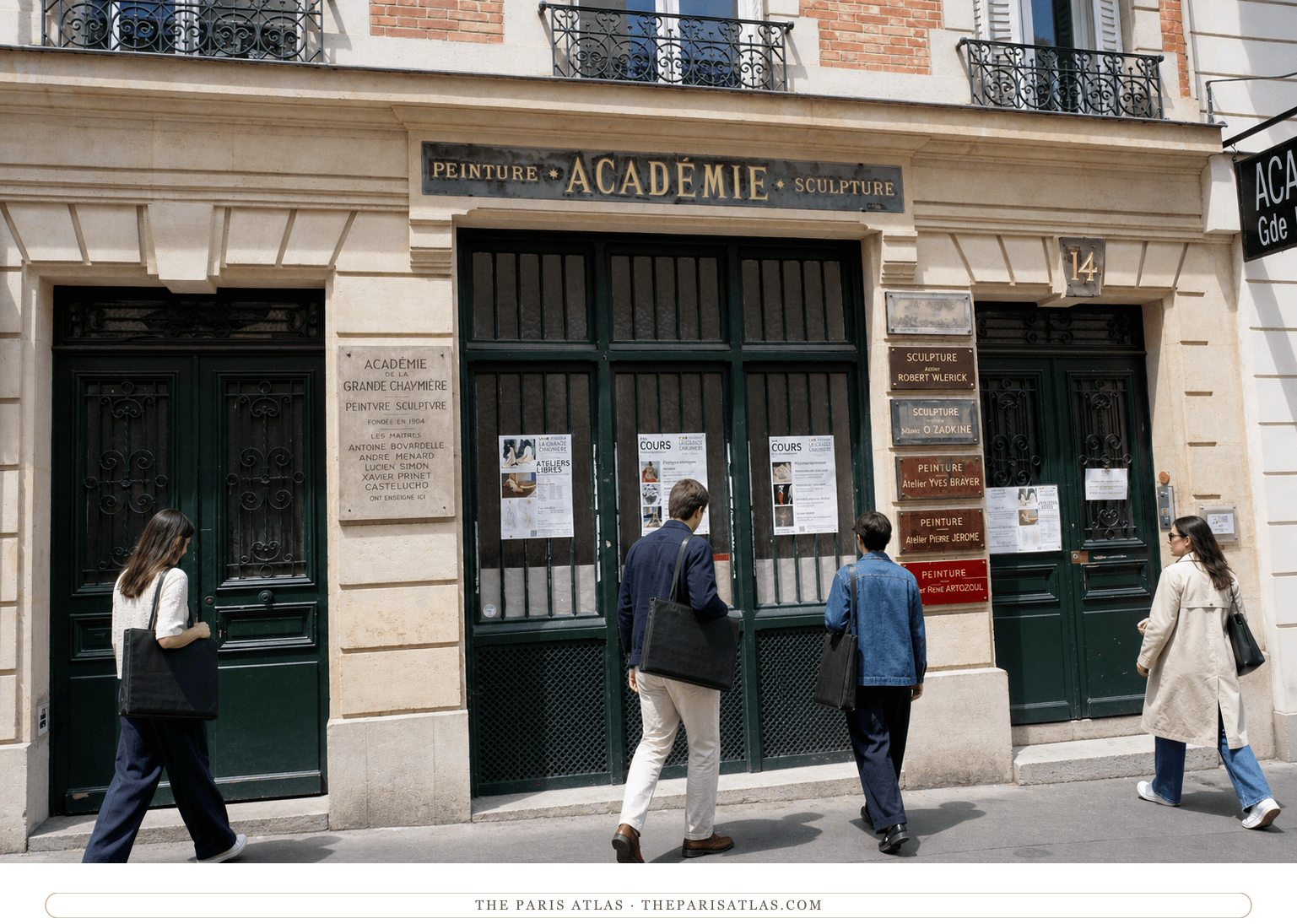
The Montparnasse drawing academy founded in 1904, where anyone could pay for a session with a model and no one asked for qualifications — the school that trained a substantial share of the École de Paris.
Visit the place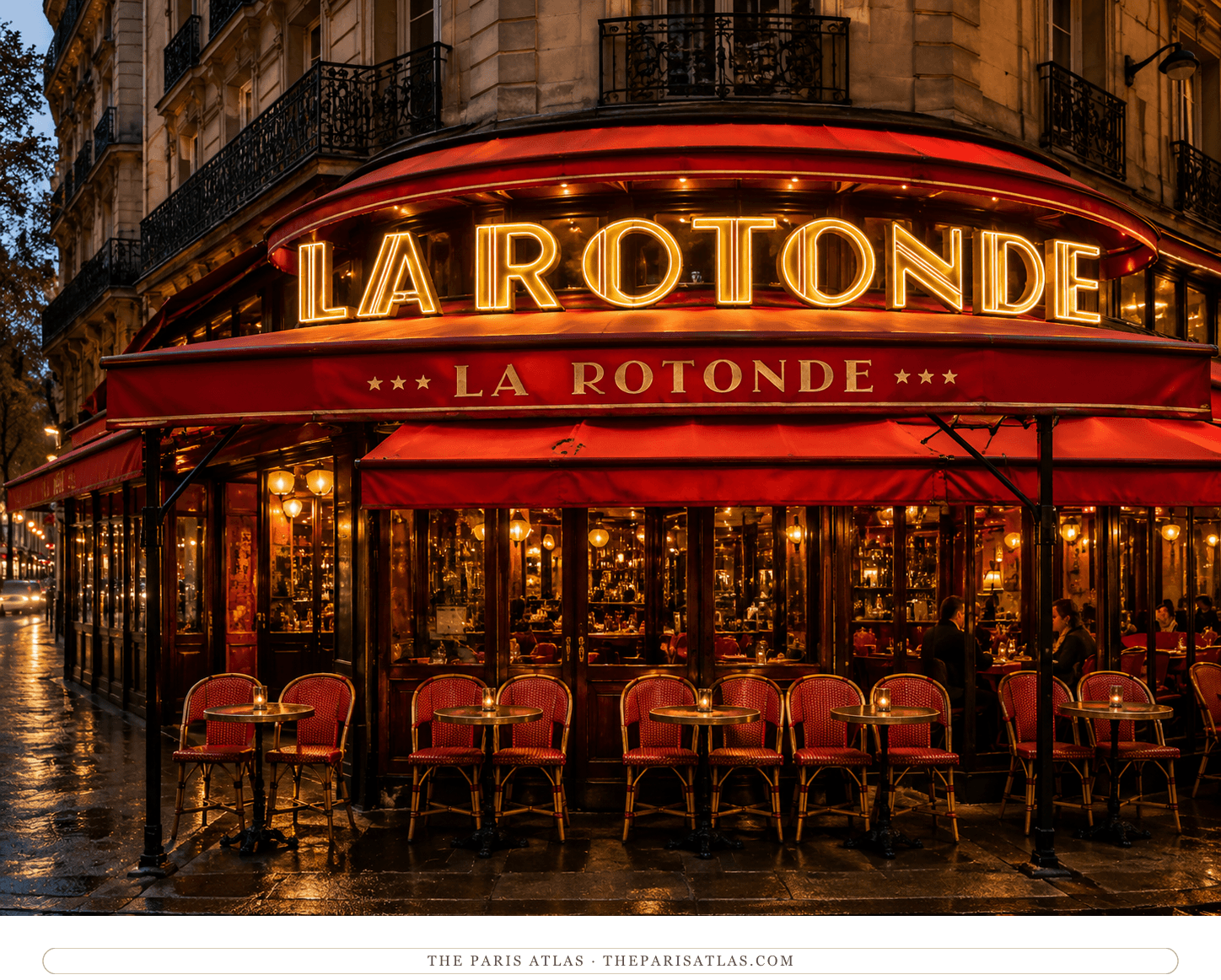
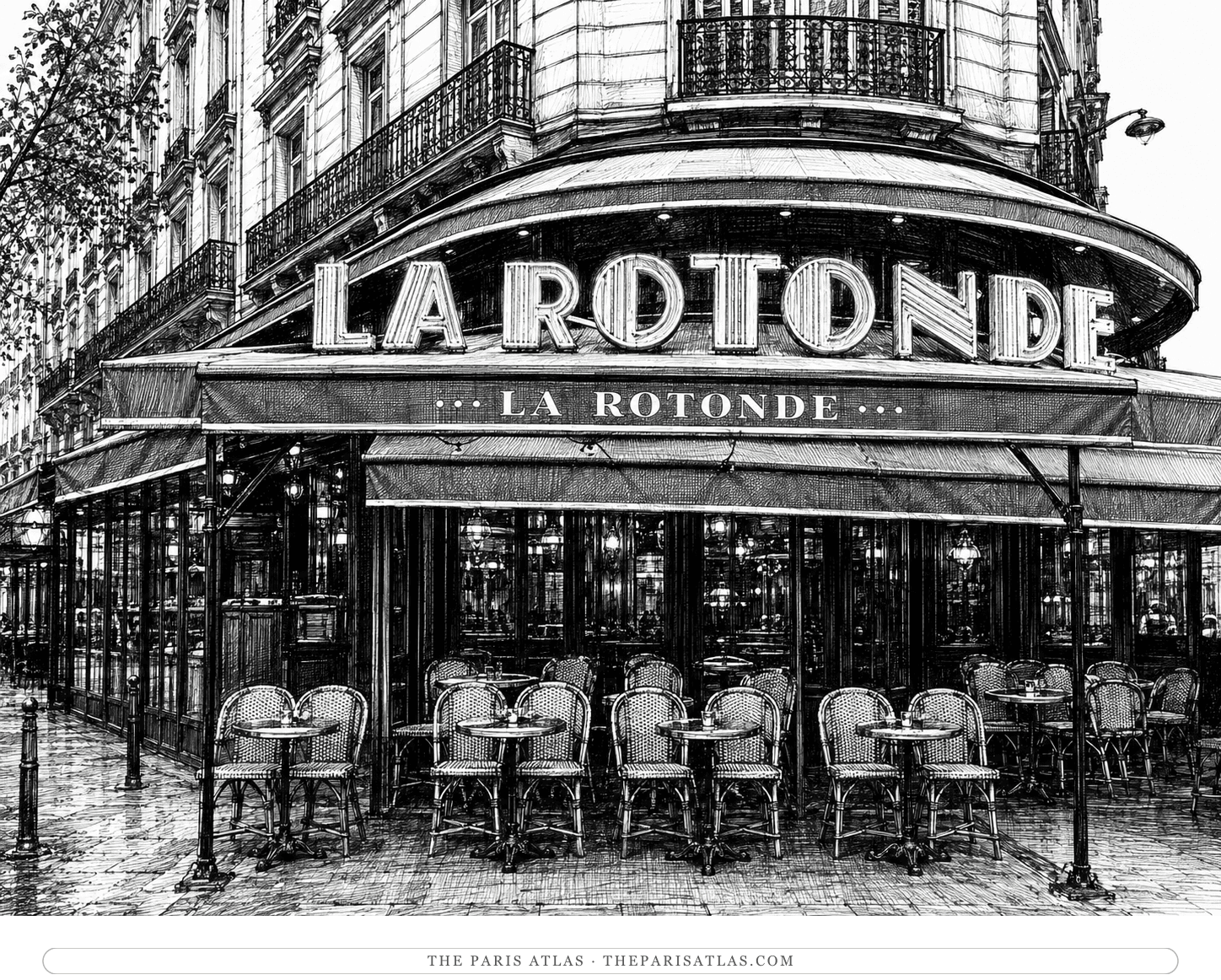
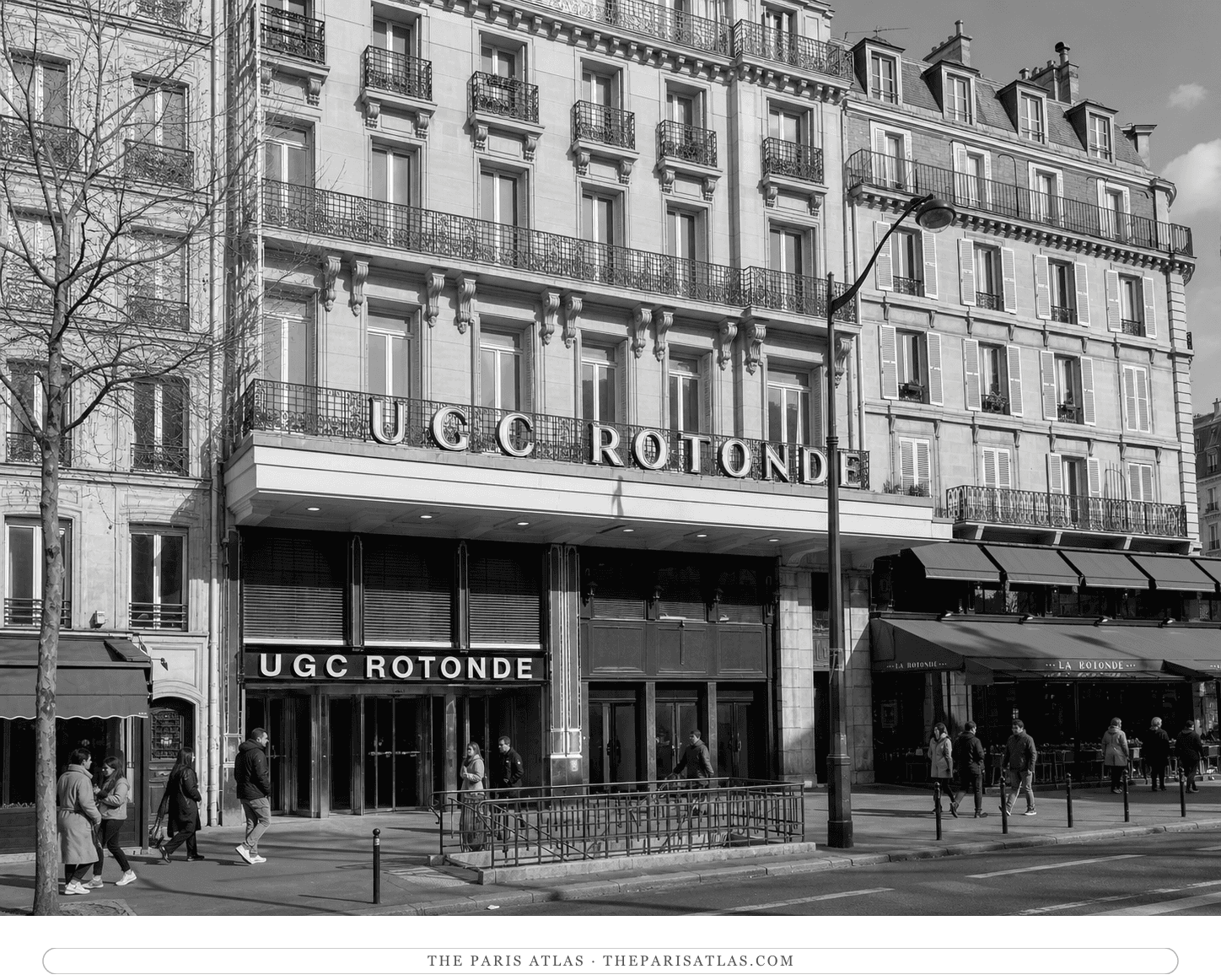
The café every taxi driver delivered Americans to — the novel's driest Montparnasse joke, and before that the painters' living room, where the patron took drawings for drinks.
Visit the place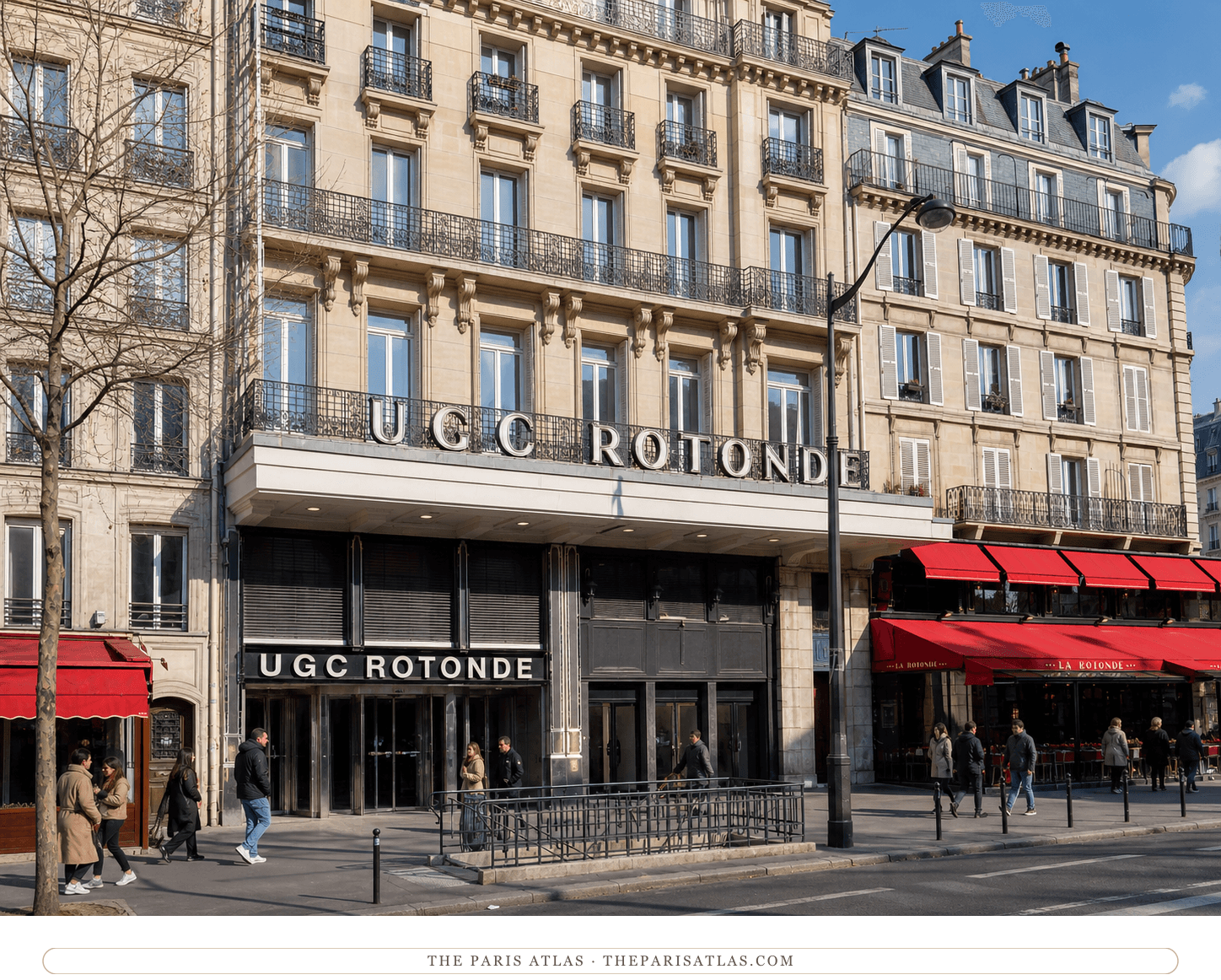
Where Simone de Beauvoir was born in 1908 and grew up with her sister Hélène — in the middle of Montparnasse, the quarter she would spend most of her life within a few streets of.
Visit the place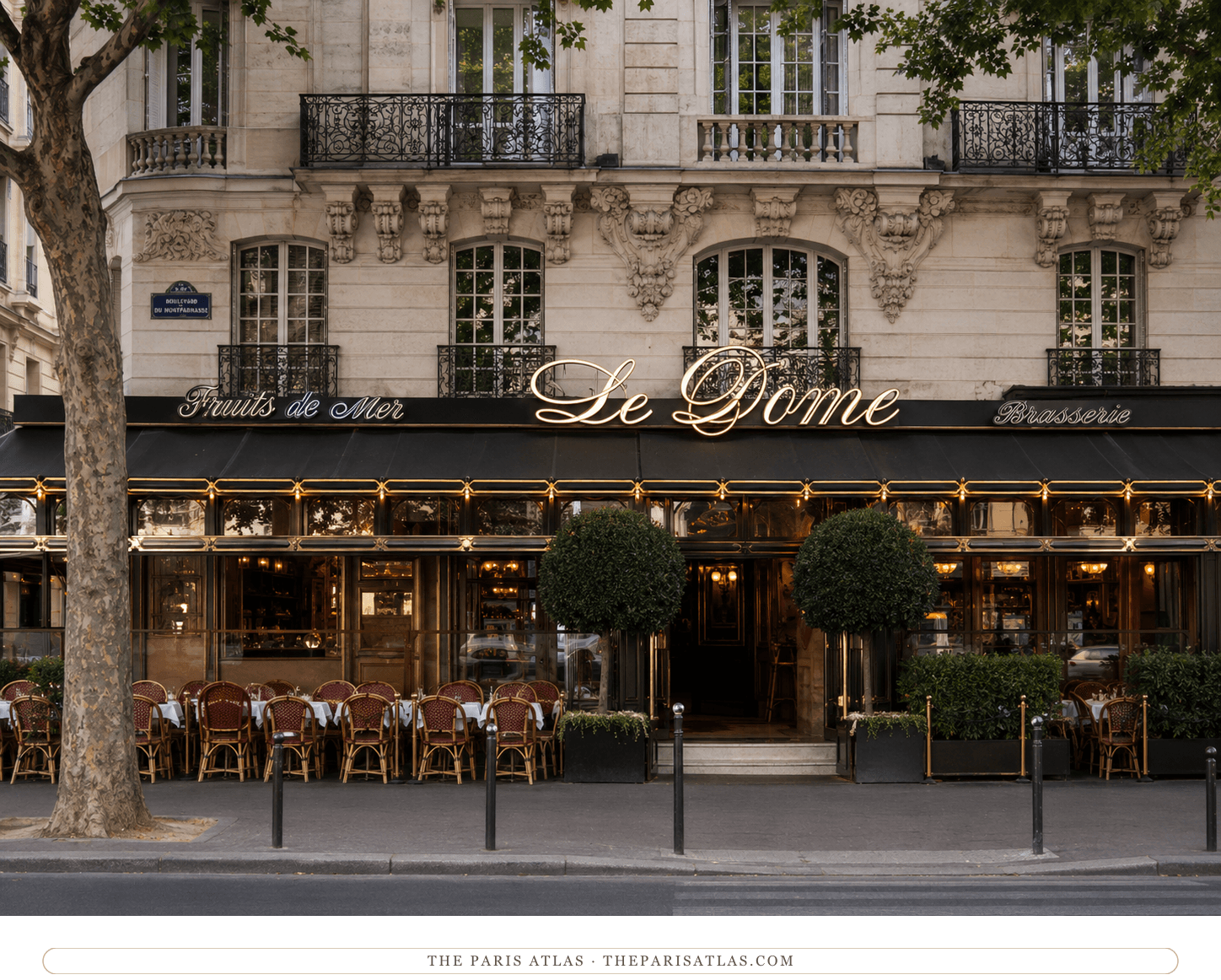
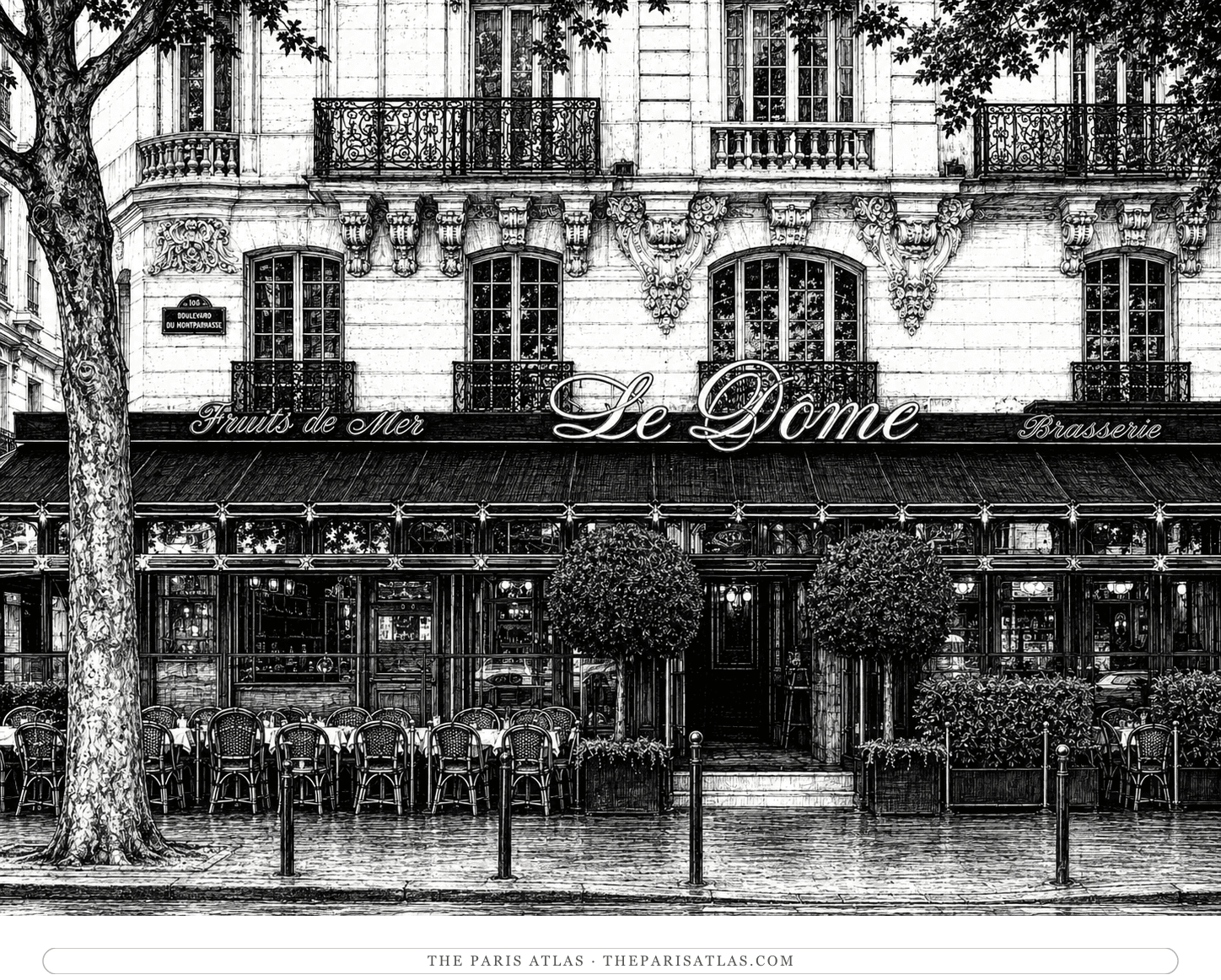
The noisy common room of Montparnasse and the setting of 'With Pascin at the Dôme' — the café for watching the show, not for working.
Visit the placeThe sources below include histories, archival materials, scholarly research, and official records that informed this page. They document Madame Charlotte's crémerie, 13 rue de la Grande-Chaumière, the people connected to it, and its place in Paris.


Web source consulted for documented facts and historical context presented on the Madame Charlotte's crémerie, 13 rue de la Grande-Chaumière page.
Web source consulted for documented facts and historical context presented on the Madame Charlotte's crémerie, 13 rue de la Grande-Chaumière page.
Web source consulted for documented facts and historical context presented on the Madame Charlotte's crémerie, 13 rue de la Grande-Chaumière page.
These references provide the documented foundation for this page's history and context. Claim-level citations remain attached to the specific claims they support.
 Explore more resources
Newsletter
The cafés, studios, and walk-up flats where the work was made — one story from the map in every letter.