The Paris AtlasCharting the artists, works, and places worth returning to.

Clinic · Faubourg Saint-Jacques (14th, below the Val-de-Grâce) · 14e arrondissement

Hôpital Cochin

The buildingStill standing
Getting inOutside only
What's there nowStill the same

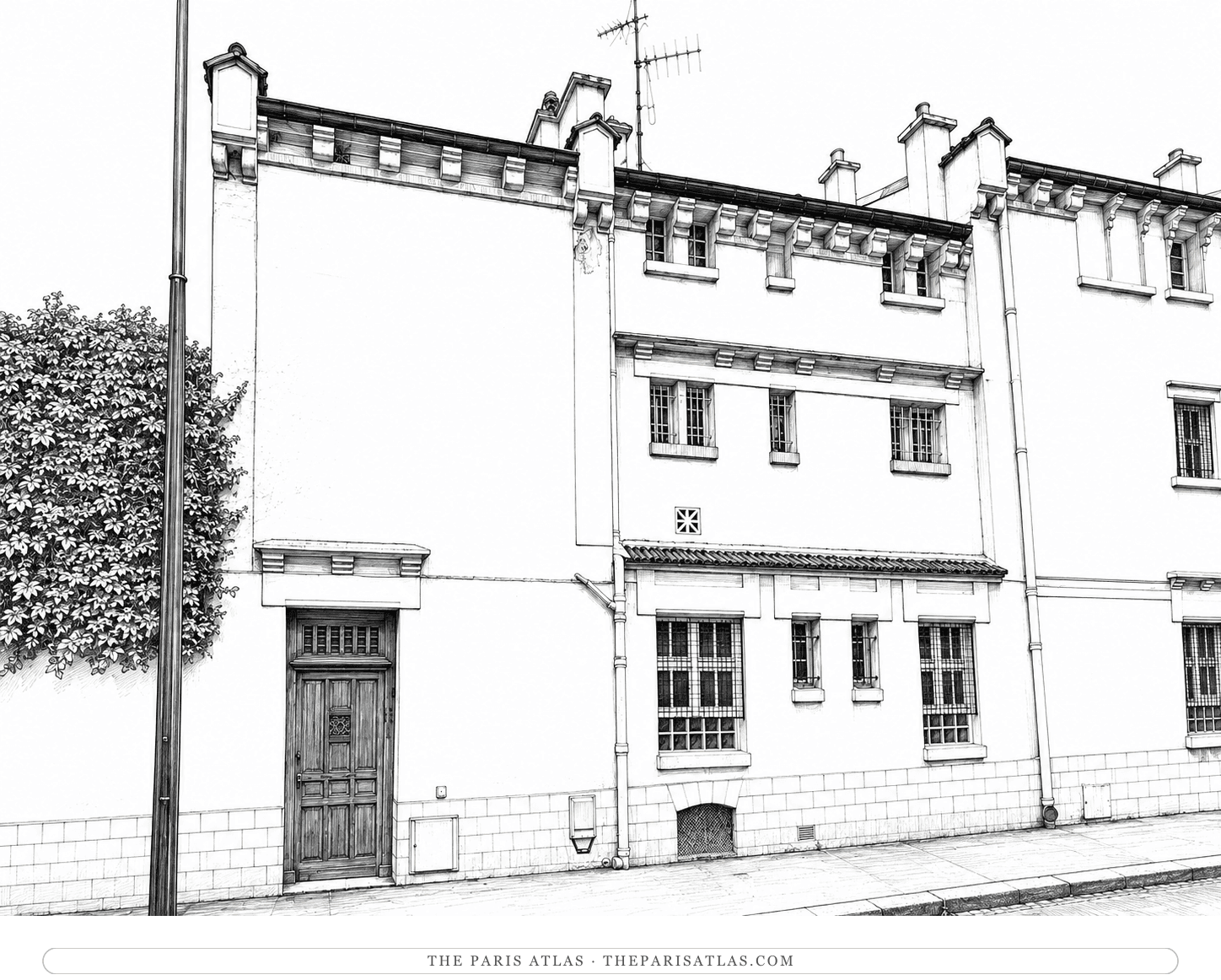
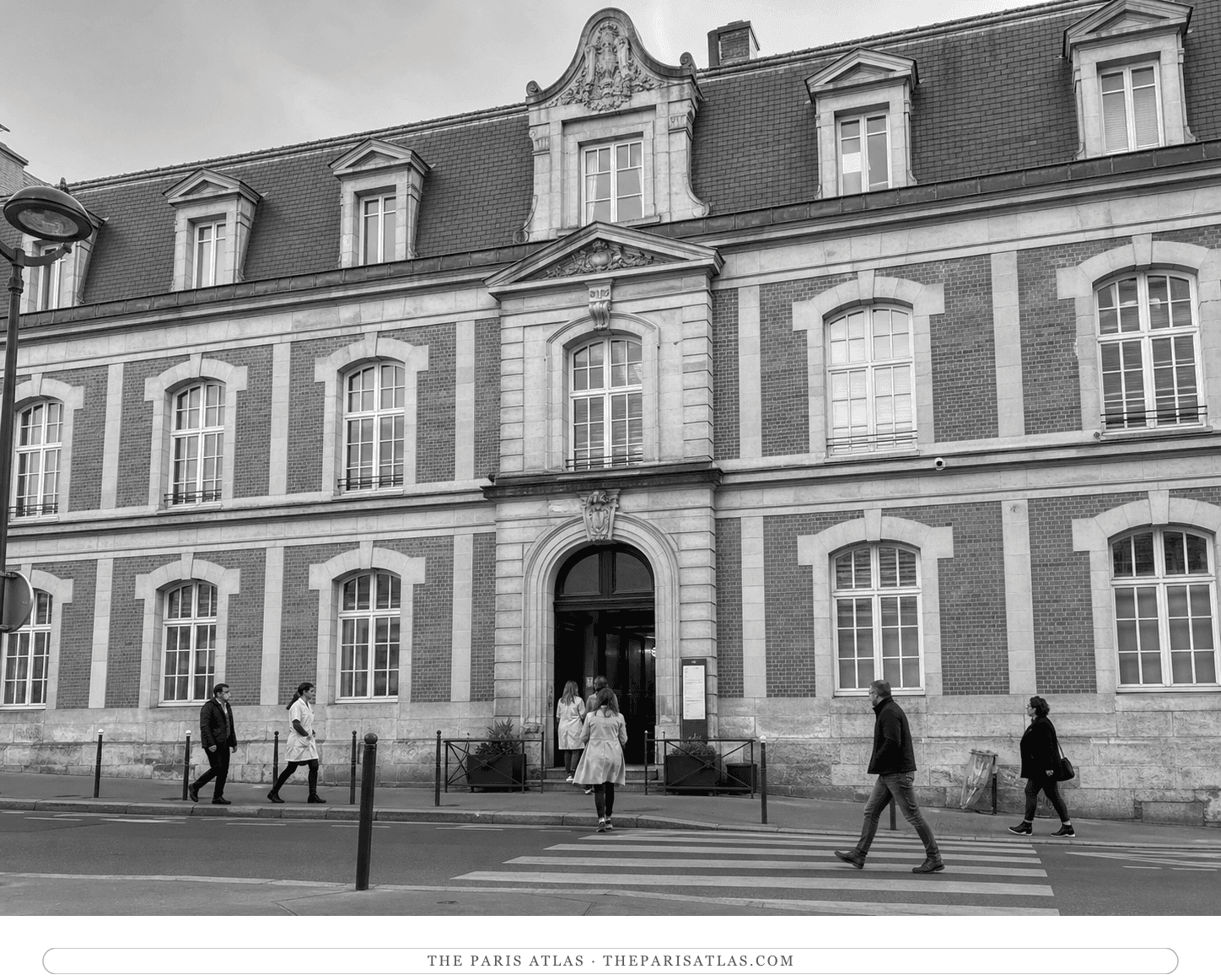
A working teaching hospital. There is nothing to visit and no plaque to Orwell; the interest is entirely in what he wrote about the weeks he spent here.

The public hospital in the 14th arrondissement where George Orwell spent several weeks with pneumonia in 1929, in a ward of sixty beds. He wrote it up seventeen years later as "How the Poor Die" — one of the harshest things he ever published — and disguised the hospital as the Hôpital X in the fifteenth arrondissement.

Address
27 rue du Faubourg Saint-Jacques, 75014 Paris
Years
Orwell was a patient here in 1929

The place, briefly

In the winter of 1928–29 George Orwell was living at 6 rue du Pot de Fer in the fifth arrondissement, in the poverty he would describe in Down and Out in Paris and London. He fell ill, and because he had no money he went where the poor of Paris went. Accounts of what he had do not agree: one line of the scholarship has him admitted with bronchitis that turned into pneumonia, while the archival work that identified his fellow patient records the admission as influenza, in March 1929. The record keeps both rather than choosing.

He spent several weeks here, in a public ward with about sixty other patients. The essay he eventually wrote about it opens with a flat statement of fact and then never softens: "In the year 1929 I spent several weeks in the Hôpital X, in the fifteenth arrondissement of Paris. The clerks put me through the usual third-degree at the reception desk, and indeed I was kept answering questions for some twenty minutes before they would let me in."

The disguise is worth noticing, because it is the reason this page exists rather than a straightforward hospital page. Orwell calls the place Hôpital X and puts it in the fifteenth arrondissement. Cochin is in the fourteenth. He moved it one arrondissement over and refused it a name — a writer covering his tracks over an institution he was about to describe in terms no hospital would want attached to it. The fifteenth is not a random choice, either: it is where 72 rue Fondary stood, the restaurant he was working in and would also disguise.

What he described was medicine practised on the poor as a spectacle. Students were walked round the beds and allowed to examine patients as teaching material, with no particular attention paid to whether the patient minded or even noticed. He wrote of "people just dying like animals, for instance, with nobody standing by, nobody interested, the death not even noticed till the morning" — and made the point that this was not how it went in an English hospital, which was the comparison the essay was built to force.

One thing did come out of the ward besides the essay. Orwell met a Russian patient here, in for arthritis of the knee, who became Boris in the book — the ex-officer who walks through the Paris chapters with him, pawning coats and chasing kitchen work. Archival research published in 2024 names him as Anatole Kupper, born 1896, a former captain in the Russian expeditionary force sent to Marseille in 1916. The friendship that carries half of Down and Out began in this hospital.

He did not stay to the end of the treatment. He left before he was discharged.

The essay sat unpublished for seventeen years. "How the Poor Die" appeared in the small magazine Now in November 1946, when Orwell was famous and Animal Farm had already made his name — long after the fact, and by then addressed to a country running an argument about founding a national health service.

The hospital is still here and still working. There is no plaque. The building is the ordinary answer to a question the essay makes unavoidable: where did the people with no money go, and what happened to them when they got there.
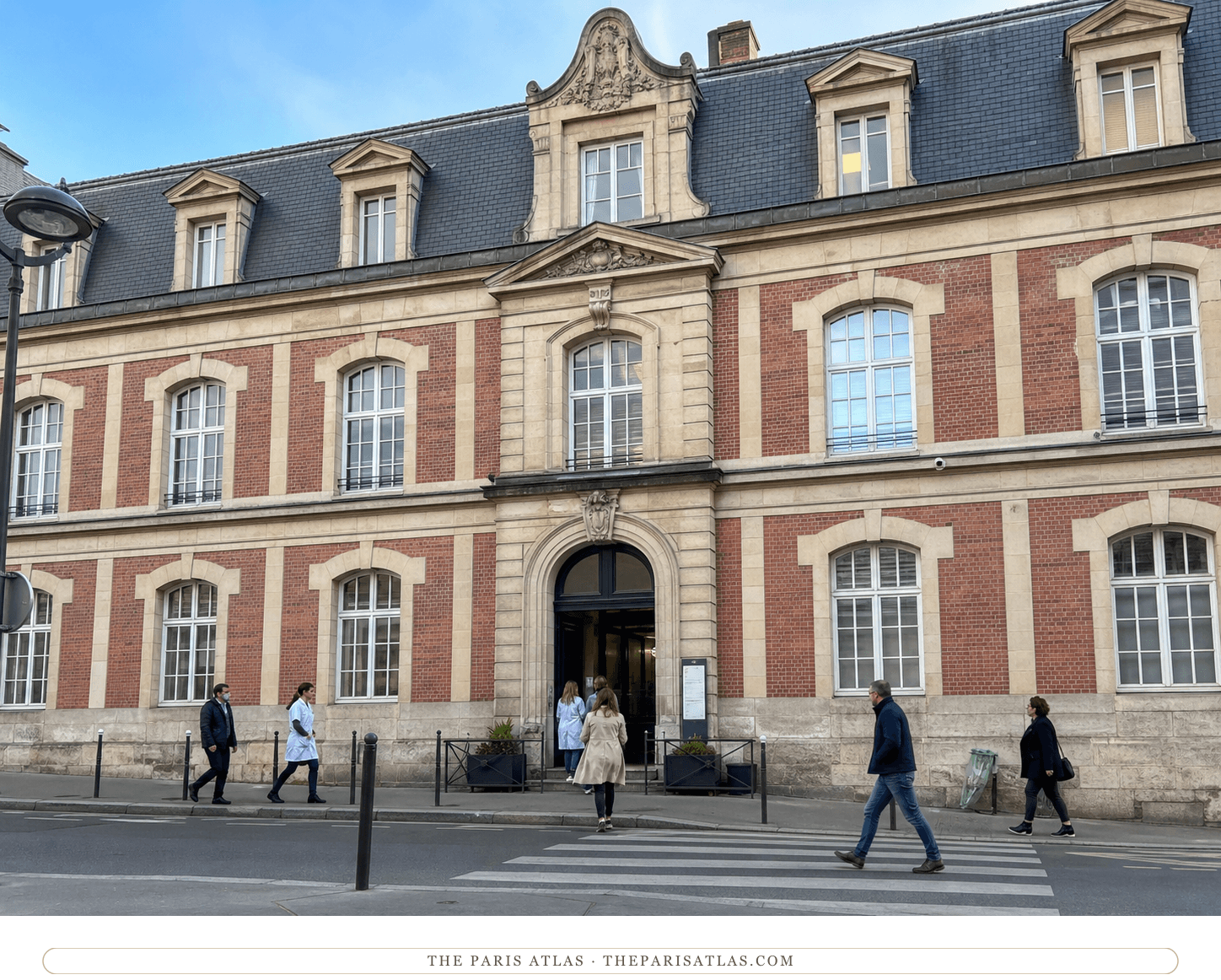
Key facts

Why it matters here
Orwell was a patient here in 1929
What he had
Bronchitis turning to pneumonia in one account; influenza in another — sources differ
Who he met
Anatole Kupper, the Russian ex-officer who became "Boris"
What he wrote
"How the Poor Die", one of his harshest essays
How he disguised it
As the "Hôpital X" in the fifteenth arrondissement — Cochin is in the fourteenth
The ward
A public ward of about sixty beds
How long
Several weeks; he left before being discharged
Published
In the magazine Now, November 1946 — seventeen years later
Where he was living
6 rue du Pot de Fer, in the fifth
Today
A working teaching hospital; no plaque, nothing to visit

Timeline

  1. 1928–29

    Orwell is living at 6 rue du Pot de Fer in the fifth arrondissement, in the poverty of Down and Out in Paris and London.

  2. 1929

    He is admitted with pneumonia and spends several weeks in a public ward of about sixty beds.

  3. 1929

    He leaves the hospital before completing treatment.

  4. November 1946

    "How the Poor Die" is published in the magazine Now, seventeen years after the stay.

On the map

Questions before you go

What is the Hôpital Cochin's connection to George Orwell?

He was a patient here in 1929, admitted with pneumonia while living in poverty in the fifth arrondissement. He spent several weeks in a public ward of around sixty beds and wrote about it in the essay "How the Poor Die", published in 1946.

Why does Orwell call it the "Hôpital X"?

He disguised it. The essay opens by placing the Hôpital X in the fifteenth arrondissement; Cochin is in the fourteenth. He shifted it one arrondissement and withheld the name — a reasonable precaution given that he was about to describe the place in terms no hospital would want attached to it.

What does "How the Poor Die" describe?

Medicine practised on the poor as teaching material: students walked round the beds and allowed to examine patients with little regard for whether the patient minded, and deaths going unnoticed until morning. Orwell's comparison throughout is with English hospitals, which is the argument the essay is built to force.

When was the essay published?

In the magazine Now, in November 1946 — seventeen years after the events. By then Orwell was famous, Animal Farm had been published, and Britain was arguing about founding a national health service.

Can you visit the Hôpital Cochin?

It is a working teaching hospital in the 14th arrondissement, not a site to tour, and there is no plaque marking Orwell's stay. It is worth knowing about rather than visiting — the address is 27 rue du Faubourg Saint-Jacques, below the Val-de-Grâce.

Writers who knew this place

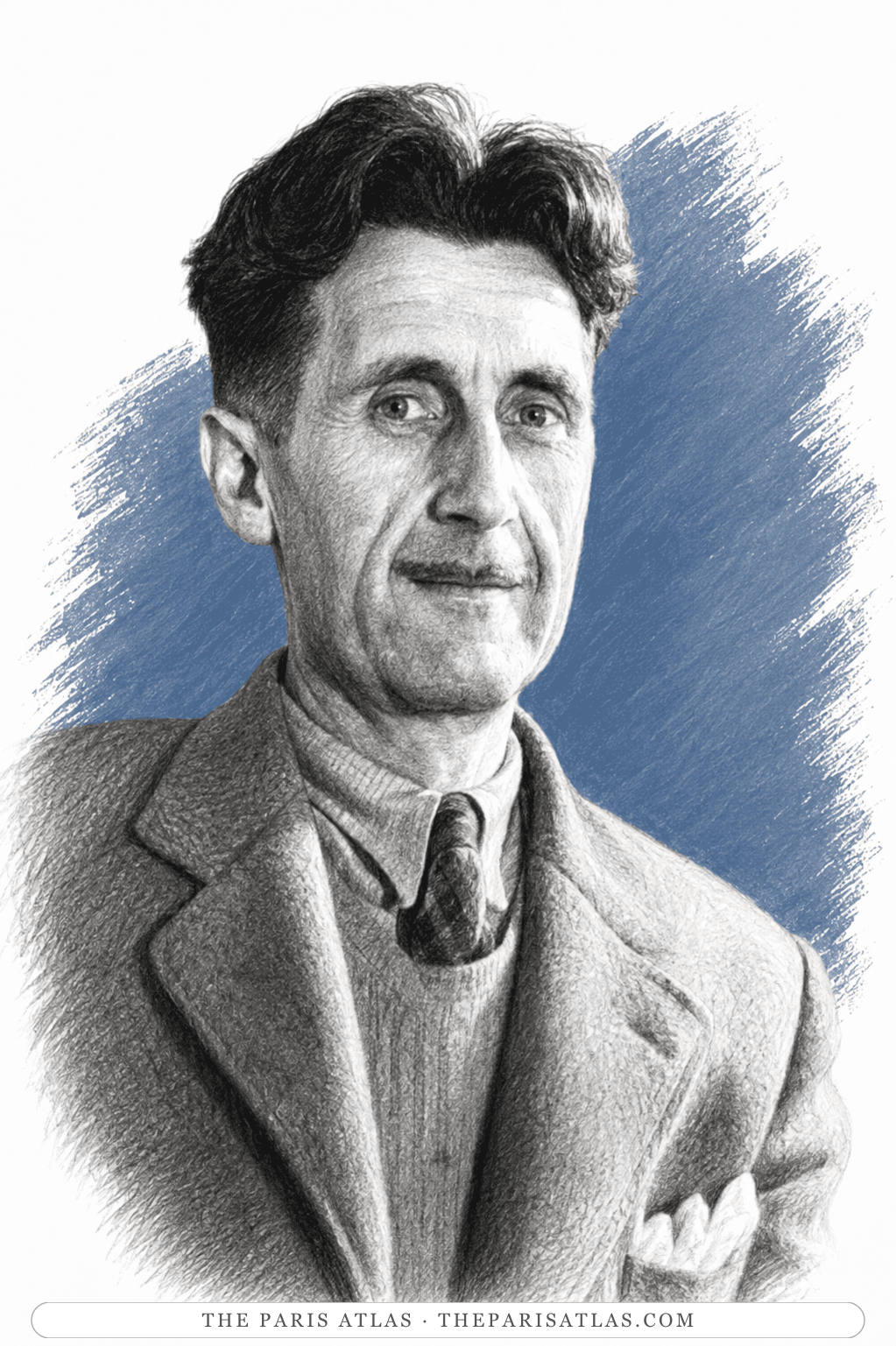
Illustrated portrait of George Orwell

George Orwell

British · English novelist, essayist and journalist, born Eric Arthur Blair, who wrote Animal Farm and Nineteen Eighty-Four. He was an imperial policeman in Burma, a plongeur in Paris kitchens off the rue Mouffetard, and a militiaman shot through the neck in Spain before any of it.

Visited by · 1929

Orwell was admitted with pneumonia in 1929 and spent several weeks in a public ward of about sixty beds, leaving before he was discharged. He wrote it up as "How the Poor Die", disguising the hospital as the "Hôpital X" in the fifteenth arrondissement — Cochin is in the fourteenth.

George Orwell, How the Poor Die (1946); Richard Erickson, Down and Out in Paris: Orwell's Fact or Fiction?

Within walking distance

The Friday Letter

Paris, one address at a time.

The cafés, studios, and walk-up flats where the work was made — one story from the map in every letter.

One email a week. No spam, no selling your address. Unsubscribe anytime.