A Moveable Feast
The clearest comparison: two writers remembering youth, little money, and artistic ambition in 1920s Paris.
Read our take
by John Glassco
John Glassco’s lively memoir of arriving in Paris at nineteen and spending the end of the 1920s among Montparnasse writers, artists, rented rooms, and late nights.
In 1928, John Glassco left Montreal for Paris with his friend Graeme Taylor and tried to build a life around writing, drinking, sex, and the freedom of being far from home. The memoir follows their years in Montparnasse and the literary people they met there. Glassco wrote with more comic recklessness than Hemingway, and he also reshaped parts of the experience when remembering it decades later.
Glassco arrives in Paris as a nineteen-year-old would-be poet and moves through cheap rooms, cafés, parties, friendships, love affairs, and encounters with the expatriate literary world. The book is less a formal history of Montparnasse than a young writer’s account of trying to live freely inside it.
The experience ends when his money and health fail. Because Glassco wrote the book decades later and fictionalized parts of the story, it should be read as a vivid memoir rather than a complete historical record.
A later conversation complicates the excitement of arrival. While the narrator feels his Parisian life is beginning, Schooner describes an era shutting down, turning financial credit into a metaphor for exhausted possibility. The narrator's youth and love make him resist that verdict, but Caridad brings the argument back to hunger and the question of who will pay. Her offer of dinner briefly answers what grand talk cannot. The scene lets romantic expectation survive without making it self-sufficient: freedom in Montparnasse still depends on someone providing a meal.
The young writer's imagined room has a later counterpart in the memoir's making. Thomas E. Tausky's examination of Glassco's manuscripts describes planned chapters, discarded scenes, extensive revision and nightly word counts in a draft dated to 1964. This changes how we read the book's apparent spontaneity. The quick exchanges and effortless social movement belong to a carefully constructed account, not simply to pages rescued intact from youth. Remembering Paris becomes another kind of work: the mature writer shapes the freedom that his younger self appears merely to enjoy.
Memoirs of Montparnasse is valuable precisely because it is both vivid and unstable. Glassco shaped his remembered youth decades after the events, and later scholarship established that parts of the narrative were fictionalized. The result is best read as literary memoir: evidence of how Montparnasse was experienced and reinvented, not a neutral transcript of the late 1920s.
It shares A Moveable Feast’s rented rooms, literary ambitions, café life, and remembered youth.
Glassco is more openly reckless, sexual, and comic than Hemingway.
Glassco arrived in 1928, after the earliest Lost Generation years Hemingway remembers.
1928
Glassco leaves Montreal for Paris with Graeme Taylor and enters the late-1920s Montparnasse literary world.
1970
Oxford University Press publishes the first edition of Memoirs of Montparnasse.
2007
New York Review Books returns the memoir to print in its Classics series.

The clearest comparison: two writers remembering youth, little money, and artistic ambition in 1920s Paris.
Read our take
Sylvia Beach supplies the bookseller’s record of the literary world Glassco entered near the end of the decade.
Read our take
Another autobiographical expatriate account, set in a poorer and more chaotic Paris in the following decade.
Read our takeGlassco arrived in 1928 at nineteen, near the end of the decade most closely associated with the Lost Generation’s Paris years.
No. It is a literary memoir written decades later, and parts of it were fictionalized. Its value lies in its voice and reconstruction of remembered experience, not in treating every scene as documentary fact.
Oxford University Press published the first edition in 1970. New York Review Books issued the paperback edition listed here in 2007.
His friend Graeme Taylor accompanies him from Montreal. Their shared adventures give the memoir a personal center within its larger literary and social world.
Both look back on expatriate Paris, but Glassco emphasizes youthful adventure and comic self-exposure. His memoir should be read alongside Hemingway’s account, not treated as another narrator’s version of the same life.
Explore authors with a similar voice, perspective, and influence.
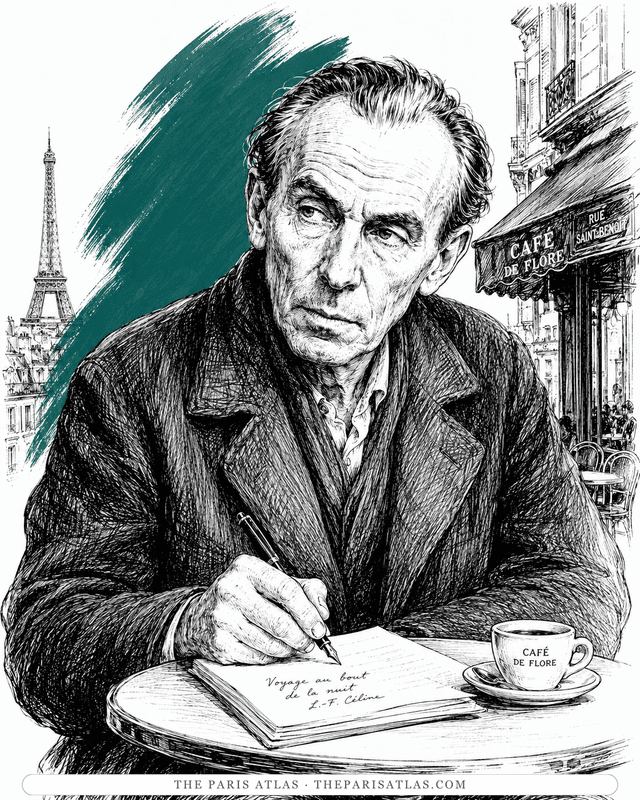
The doctor of the Paris slums who wrote the century's blackest, funniest novel — and changed the sound of French prose.
View author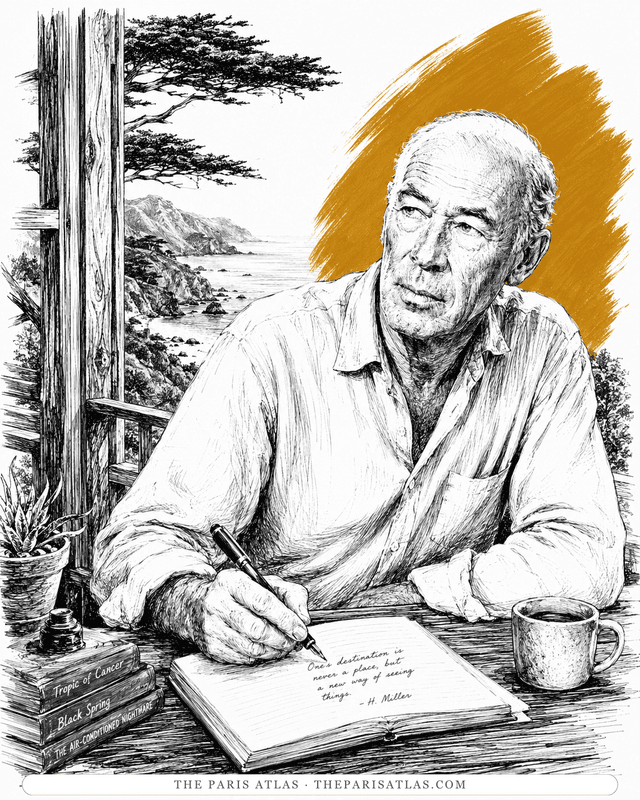
The Brooklyn dropout who arrived in Paris broke at thirty-eight and wrote the exuberant, banned books that ended American censorship.
View author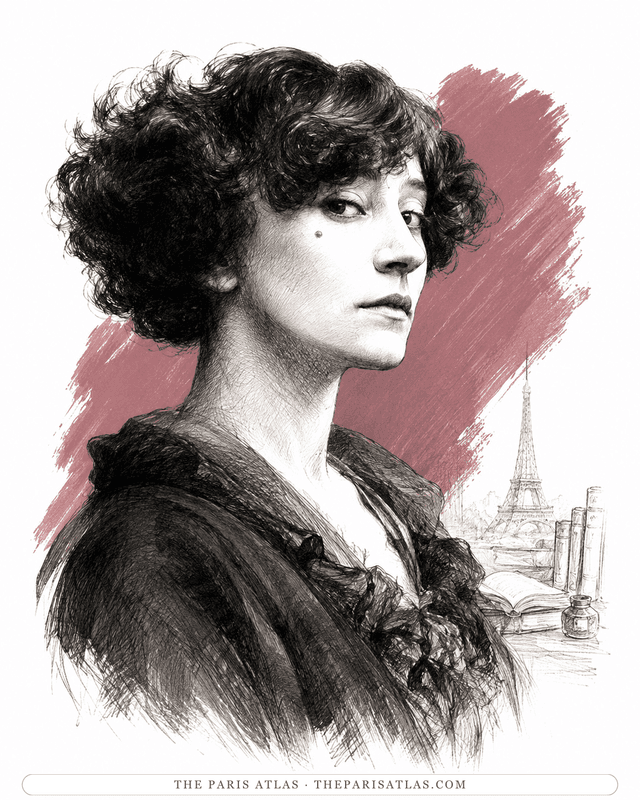
The French novelist who wrote the Claudine books under Willy’s name, earned her independence on the music-hall stage, and made women’s private lives a serious literary subject.
View authorThe sources below include the primary text, editions, scholarship, archival materials, and other records that informed this page. They document Memoirs of Montparnasse, its publication, and its place in literary history.


The primary text is the source for Glassco’s account of Montparnasse, its people, and his own remembered experiences.
Used to verify the NYRB edition, ISBN, publication date, and the book’s documented critical reception.
The publisher’s biographical note documents when the memoir was written and the later recognition of its fictionalized elements.
Used as a contemporary primary account for comparison with Glassco’s depiction of late-1920s Montparnasse.
Primary excerpt on guide p. 5, with edition credit on p. 17; both pages visually checked. The guide's 1932–33 composition label is not adopted.

Opening manuscript-composition analysis and notes 7–9 support the discussion of revision and writing labor; no direct archive inspection is claimed.
The primary text is the baseline reference for every book page. Additional references document publication history, interpretation, and historical context where that evidence is available.
 Explore more resources