
Books like A Moveable Feast
A Moveable Feast makes 1920s Paris feel close enough to walk into: cold apartments, cheap wine, long afternoons in cafés, books borrowed because there was no money to buy them, and writers who had not yet become famous. If that is the world you want more of, these books return to it from different sides — through the people who were actually there, the fiction it produced, and the writers who came to Paris after Hemingway.
What readers love about A Moveable Feast
- Paris when Hemingway was young, poor, and still trying to become a writer
- Cafés, bookshops, rented rooms, cheap meals, and the ordinary texture of life in the city
- Seeing writers like Fitzgerald, Gertrude Stein, and Ezra Pound before they became literary legends
- The mixture of happiness and regret in Hemingway’s memories of his first marriage and early career

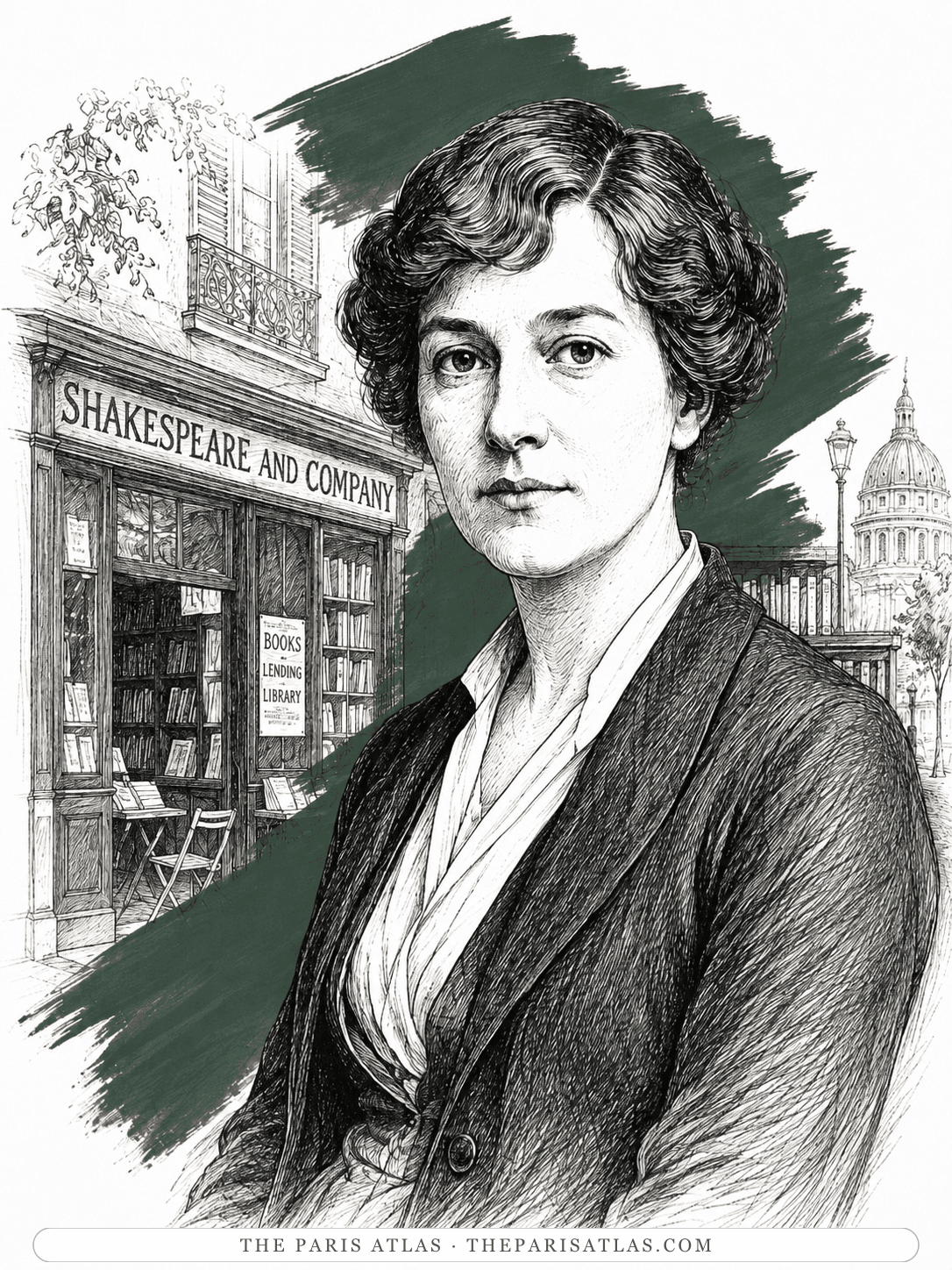
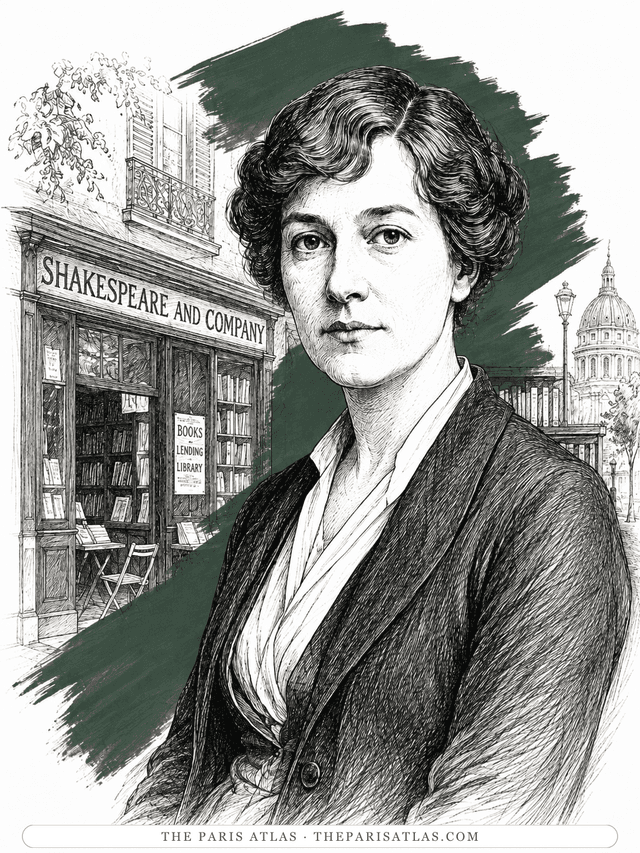
If what you loved was the feeling of moving through Hemingway’s circle of writers and artists, Shakespeare and Company brings you back into almost exactly the same world. Sylvia Beach tells the story of the legendary bookshop where Hemingway borrowed books and where James Joyce’s Ulysses was published. Her version of Paris is warmer and less competitive than Hemingway’s, and you get to see many of the same people from the perspective of the woman who welcomed them through the door.
About the author
Founder of the original Shakespeare and Company, lender and publisher to the Lost Generation — the woman who put Ulysses into print.
Read about Beach
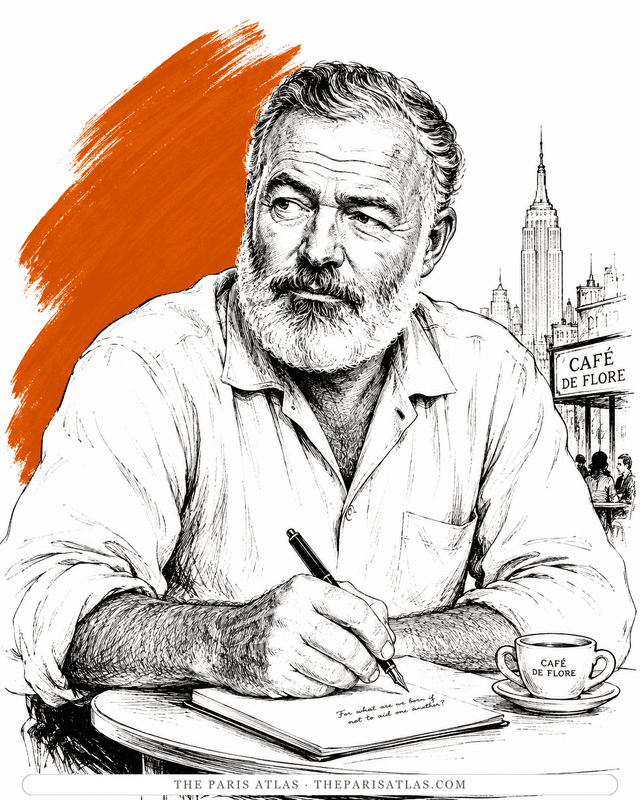
If you liked the cafés, drinking, travel, friendships, and conversations where nobody quite says what they mean, this is the obvious next Hemingway. The Sun Also Rises turns the expatriate world Hemingway remembers in A Moveable Feast into fiction and follows a damaged group of friends from Paris to Spain. It is much sadder and less affectionate, with the war and disappointment sitting just underneath all the parties.
About the author
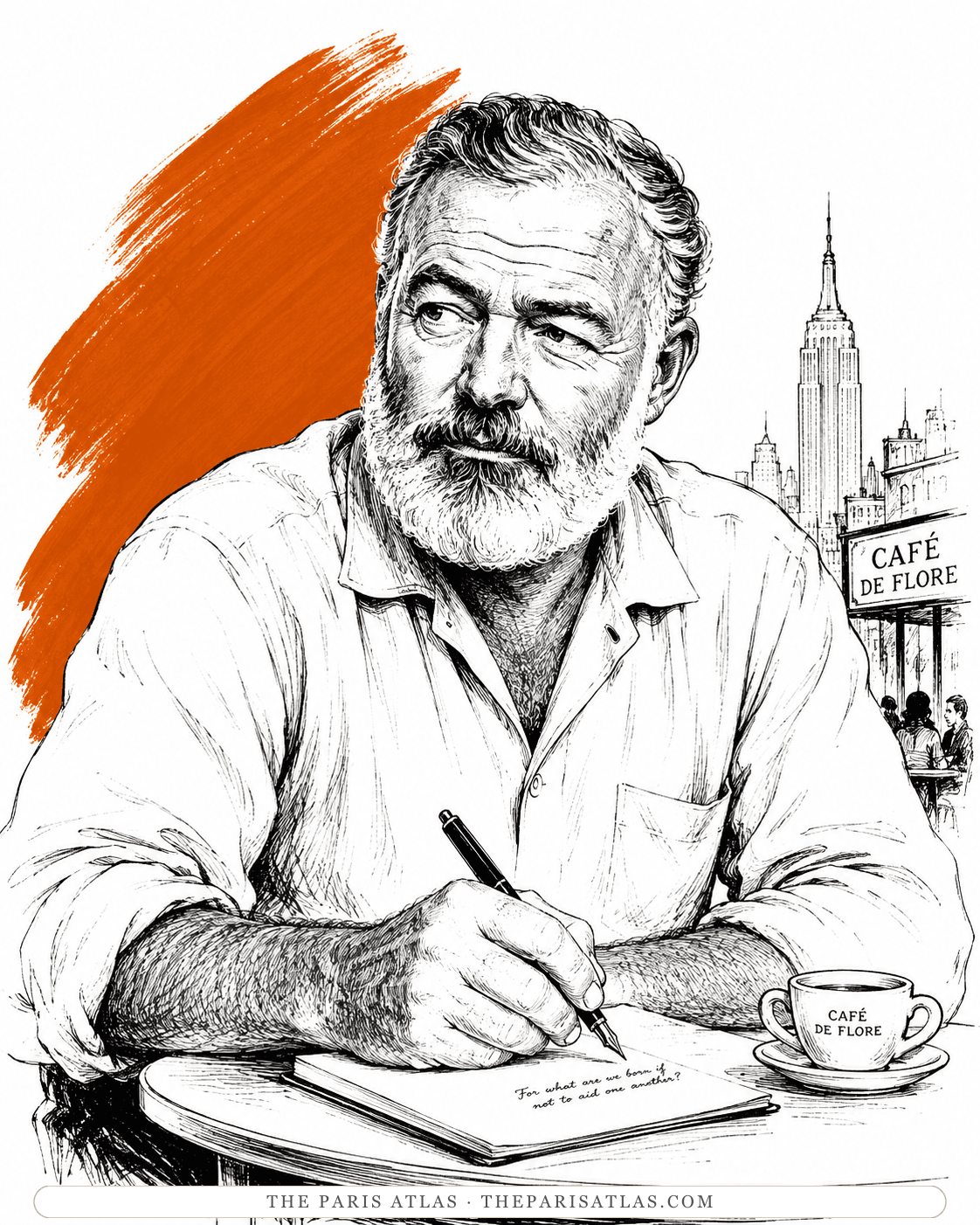
Author of The Sun Also Rises and A Moveable Feast; his pared-down style, developed in 1920s Paris, became the most imitated in American prose.
Read about Hemingway
Glassco arrives in Paris young, broke, ambitious, and convinced that becoming a writer is reason enough to rearrange his whole life. His Montparnasse is full of cheap rooms, drinking, sex, literary acquaintances, bad decisions, and the thrill of being far from home. It has much of the same youthful freedom as A Moveable Feast, but Glassco is messier, funnier, and far less interested in Hemingway’s ideas about discipline and craft.
About the author
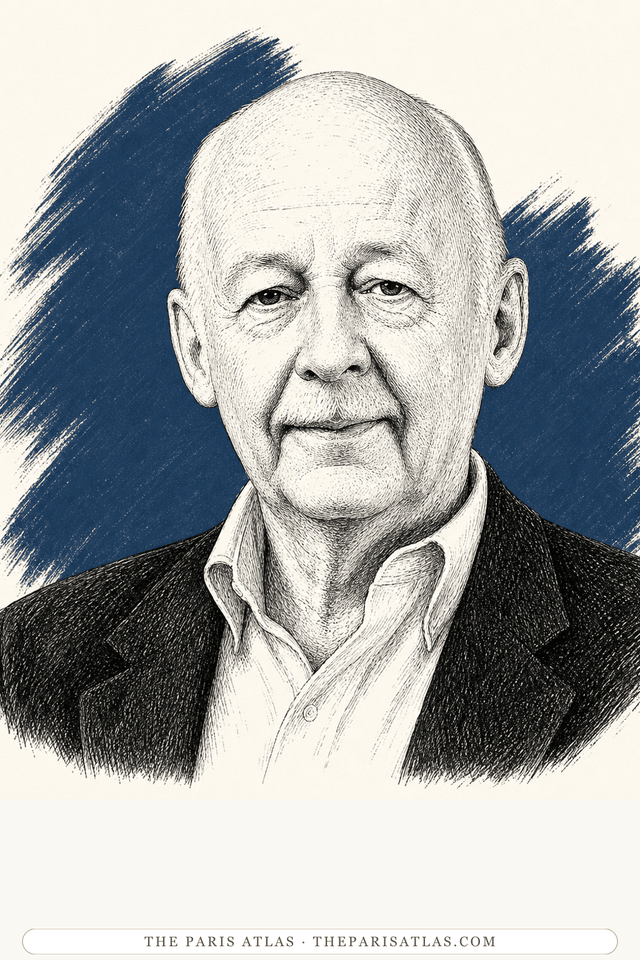 John Glassco
The Canadian writer whose Memoirs of Montparnasse remembers arriving in Paris at nineteen and joining its late-1920s expatriate literary world.

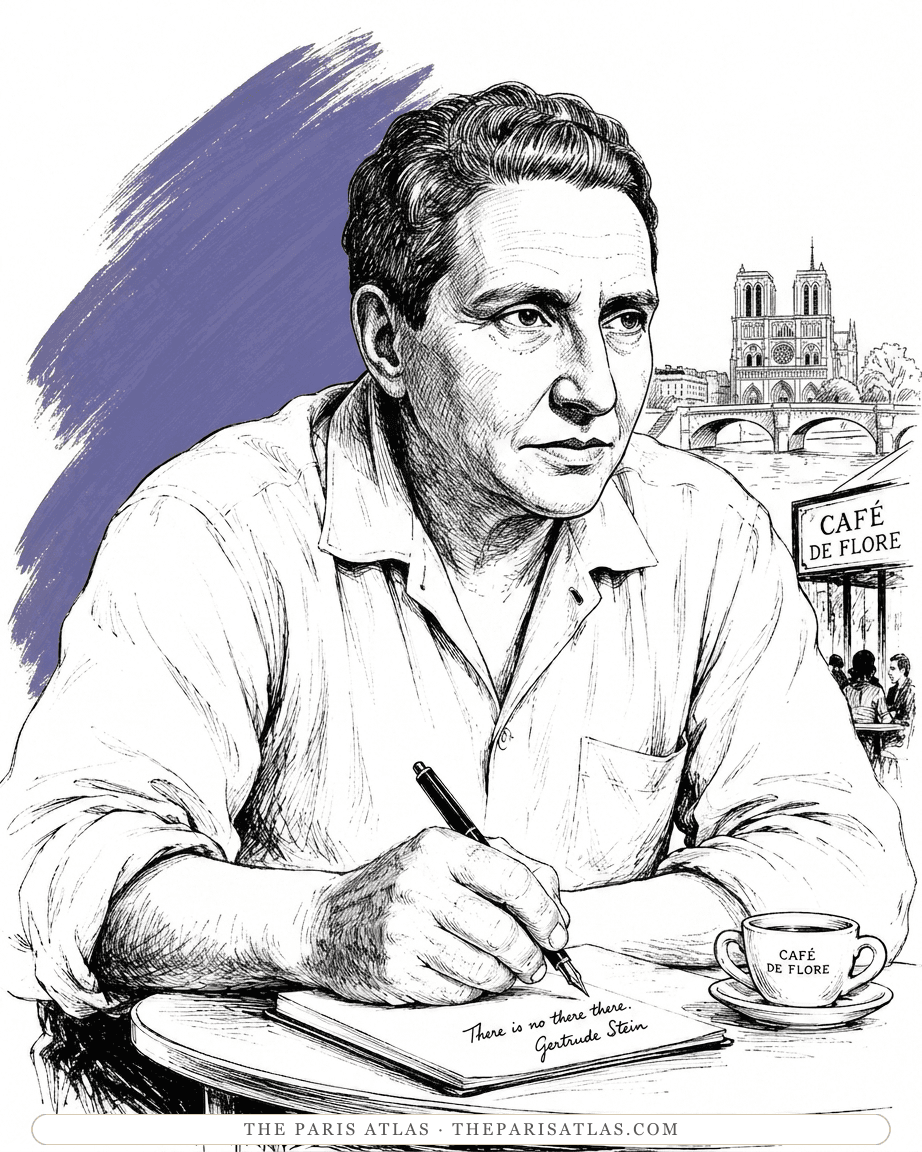
If Hemingway’s encounters with Gertrude Stein, Picasso, and the other people around 1920s Paris made you want more, this gives you the same social world from another side. Stein writes through the voice of her partner, Alice B. Toklas, and turns their home, friendships, visitors, and arguments into the center of the story. It is more playful and eccentric than Hemingway, and much more interested in painters, personalities, and the social machinery behind modernism.
About the author
Writer, collector, and host of the rue de Fleurus salon where modern art and the Lost Generation were curated in the same room.
Read about Stein
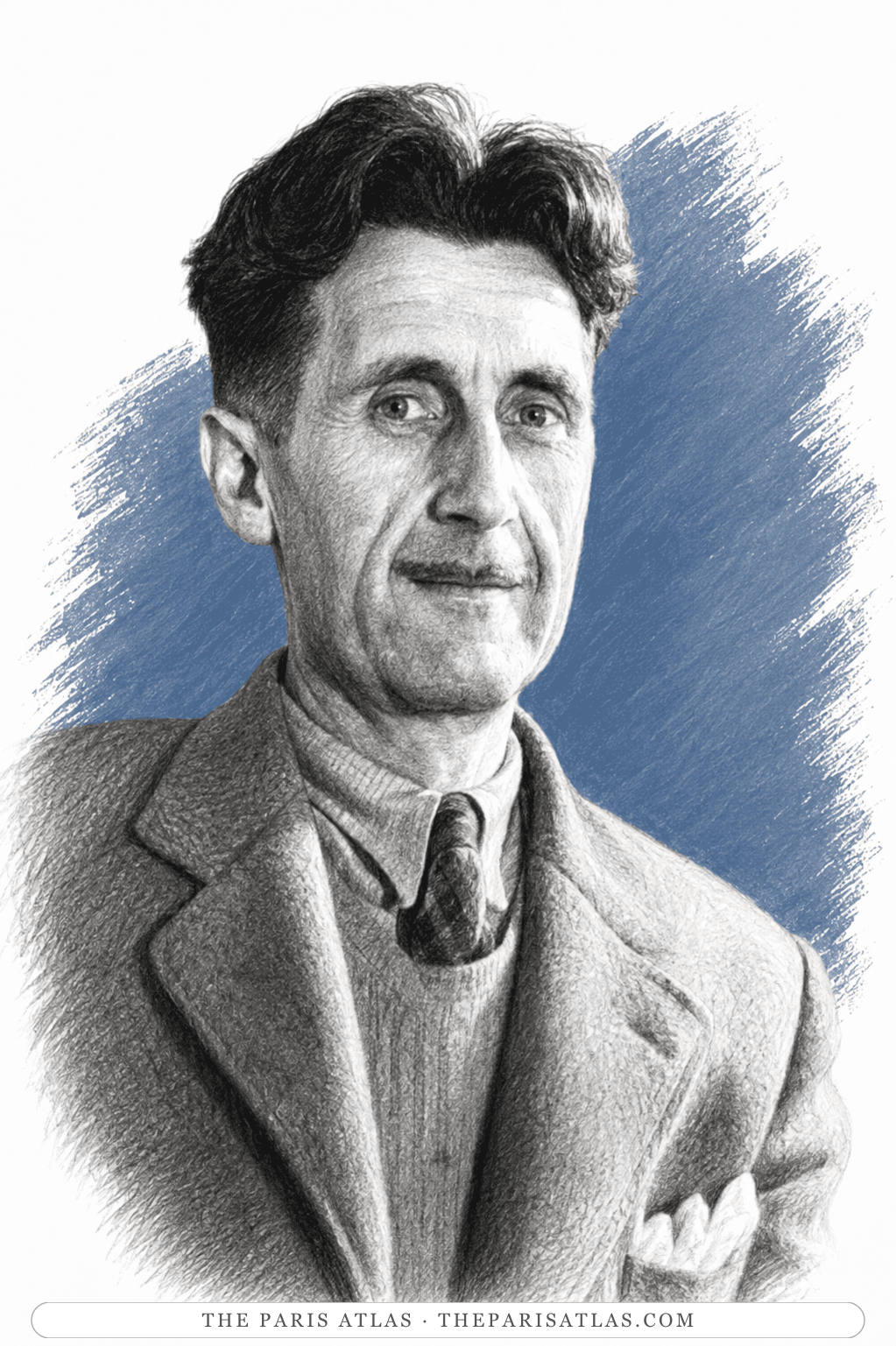
If you liked the moments when Hemingway counts his money, stretches out a meal, or tries to work while funds are running low, Orwell takes that experience somewhere much harsher. He writes about hunger, cheap lodging, restaurant kitchens, exhausting work, and the daily mechanics of surviving without money. It shares A Moveable Feast’s close attention to ordinary life, but almost none of its nostalgia.
About the author
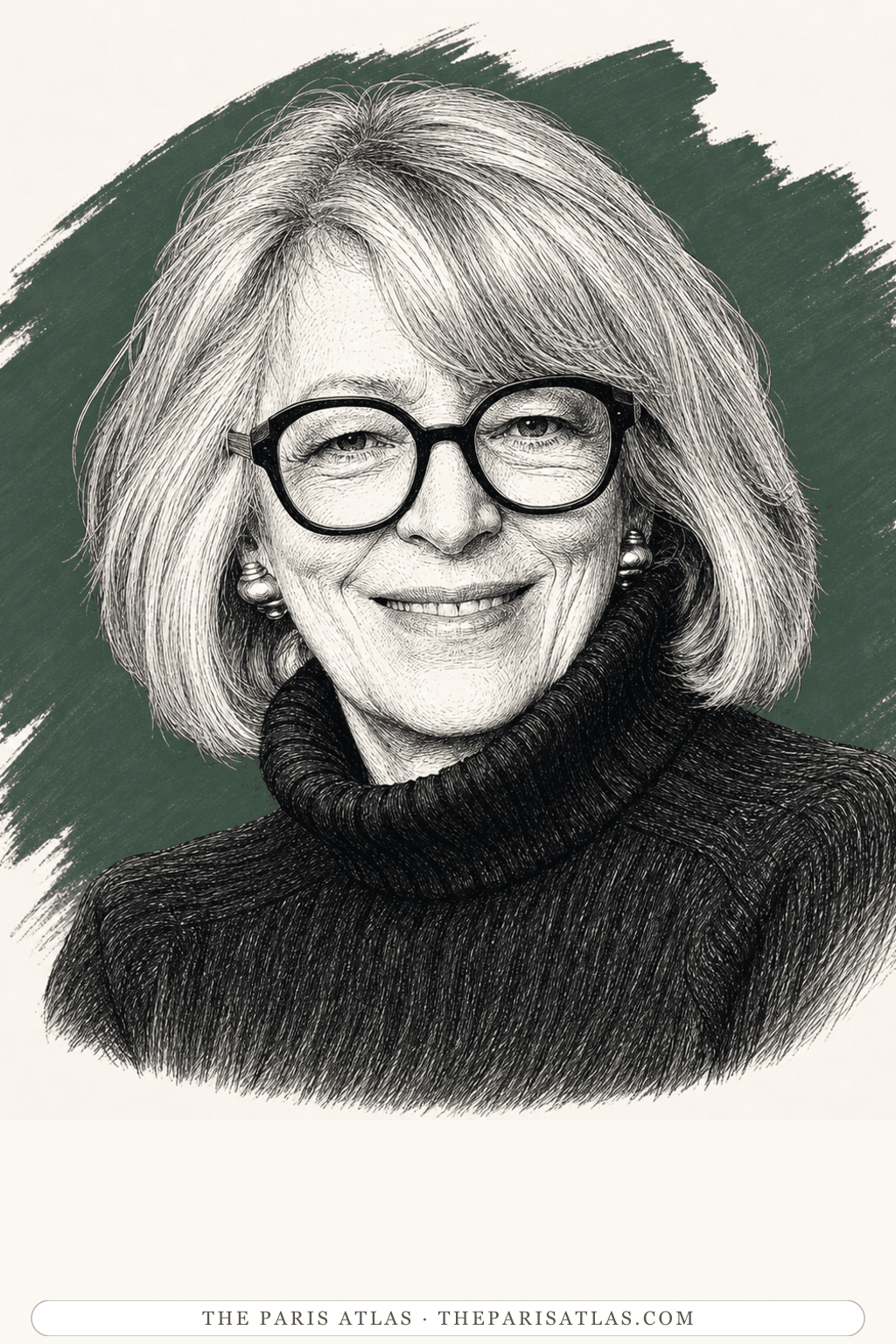
English novelist, essayist and journalist, born Eric Arthur Blair, who wrote Animal Farm and Nineteen Eighty-Four. He was an imperial policeman in Burma, a plongeur in Paris kitchens off the rue Mouffetard, and a militiaman shot through the neck in Spain before any of it.
Read about Orwell
If A Moveable Feast made you curious about everyone just outside Hemingway’s frame, this is a great next book. Vaill follows Gerald and Sara Murphy, a wealthy American couple whose circle included Hemingway, Fitzgerald, Picasso, and many of the people associated with 1920s Paris and the Riviera. Because it is a researched biography rather than a memoir, you get the wider social story Hemingway leaves out — and sometimes a very different version of the people he describes.
About the author
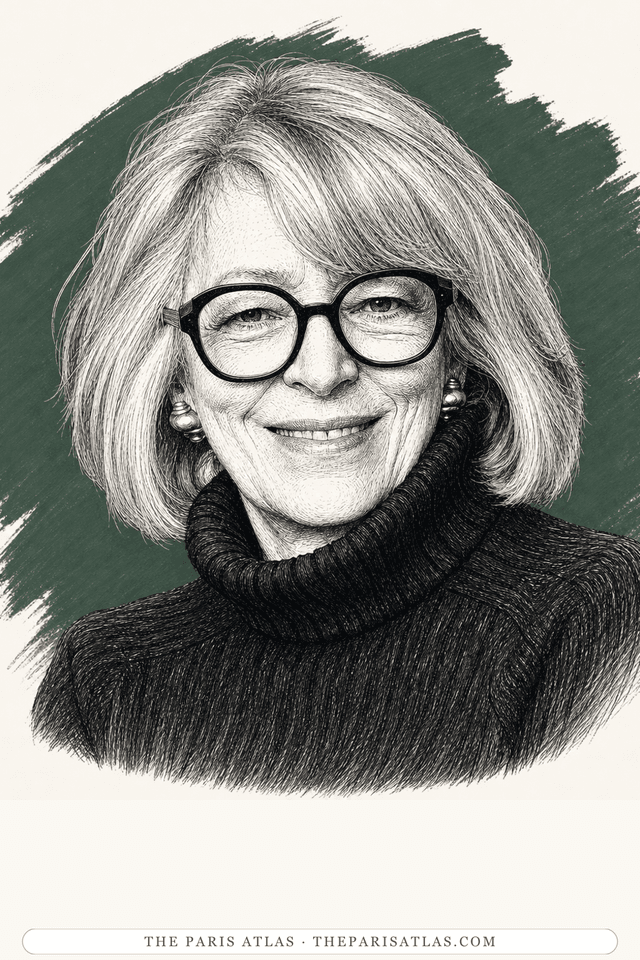 Amanda Vaill
The American biographer and cultural historian who wrote Everybody Was So Young, a life of Gerald and Sara Murphy and their Lost Generation circle.

If the relationship between Hemingway and his first wife, Hadley, was the part of A Moveable Feast that stayed with you, this novel imagines those same years from her point of view. You return to the apartments, trips, literary friendships, ambition, and eventual betrayal, but the emotional center shifts away from Hemingway. It is historical fiction rather than firsthand testimony, and much more openly romantic and dramatic than his memoir. It is the obvious choice if the tenderness and regret around Hadley were what stayed with you.
About the author
 Paula McLain
The American novelist whose historical fiction The Paris Wife retells Ernest and Hadley Hemingway’s marriage from Hadley’s perspective.

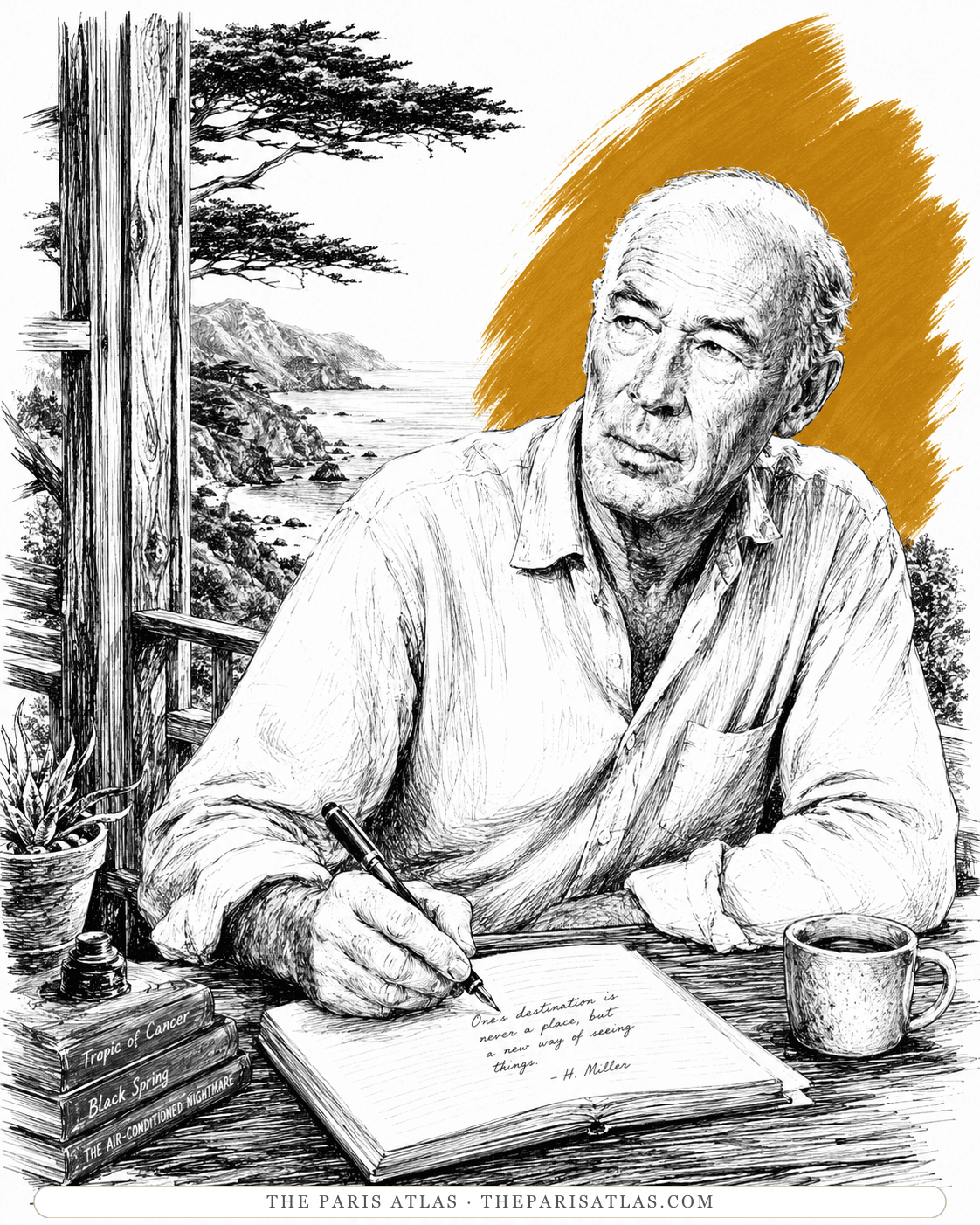
A decade later, Henry Miller was still doing something Hemingway would recognize: trying to become a writer in Paris while living on almost nothing. But Miller’s version of the city is dirtier, hungrier, more sexual, and much more chaotic. There are borrowed meals, shabby rooms, friends, arguments, women, and endless wandering through Paris, all delivered in a wild, overflowing, manic style that is nearly the opposite of Hemingway’s control and restraint. Read it for the same dream of the writer in Paris after the romance has started to rot.
About the author
The Brooklyn dropout who arrived in Paris broke at thirty-eight and wrote the exuberant, banned books that ended American censorship.
Read about Miller

References
The sources below include the primary text, editions, archives, and critical context used to establish what distinguishes A Moveable Feast.


1A Moveable Feast
MemoirErnest Hemingway, 1964Used forFirst-person evidence and historical context used in preparing the Books like A Moveable Feast page.
2Ernest Hemingway: A Life Story
BiographyCarlos Baker, 1969Used forUsed for the memoir's place in Hemingway's life and its posthumous publication history.
3Ernest Hemingway's Life in Key West
WebsiteThe Ernest Hemingway Home & MuseumUsed forWeb source consulted for documented facts and historical context presented on the Books like A Moveable Feast page.
4Max Perkins: Editor of Genius
BiographyE. P. Dutton, 1978Used forBiographical evidence used to verify chronology, relationships, and historical context connected to Books like A Moveable Feast.
These references support the guide's description of the comparison book. The read-alike matches themselves are editorial recommendations, explained individually above.
 Explore more resources
Newsletter
Tell us what you loved, and we'll find your next book.
Every Friday: one recommendation, the reasons it earns your time, and what to read after it. Reply with your last favorite and we'll answer.