
A Moveable Feast
Hemingway’s personal version of the circle that Vaill reconstructs as history.
Read our take
by Amanda Vaill
Amanda Vaill’s biography of Gerald and Sara Murphy opens the Lost Generation story beyond Hemingway and follows the couple at the center of its friendships.
Gerald and Sara Murphy were wealthy American expatriates whose friends included Ernest Hemingway, F. Scott Fitzgerald, Pablo Picasso, Dorothy Parker, and Cole Porter. Amanda Vaill follows their marriage, Gerald’s painting, their homes in Paris and on the Riviera, and the circle that gathered around them. The result is a researched history of the group rather than one member’s selective memory.
The biography follows Gerald and Sara Murphy from their American backgrounds into marriage and expatriate life in France. Their homes and hospitality bring them into the center of the artistic and literary world associated with 1920s Paris and the Riviera.
Vaill also follows the private pressures beneath the famous parties: Gerald’s artistic ambitions, the couple’s friendships, family illness, and the later lives of the people around them. The book supplies dates and context that memoirs such as A Moveable Feast leave outside the frame.
Vaill’s prologue makes hospitality an activity that can fail. At the casino party, Gerald manages introductions and conversation, but Fitzgerald’s jealousy disrupts the occasion he has arranged. The expensive food cannot secure the guests’ goodwill. By placing this quarrel inside an otherwise glamorous evening, Vaill shows the effort and uncertainty beneath the Murphys’ social reputation. Their gift for bringing people together does not put them in command of those people’s loyalties, ambitions or competing demands for attention.
The opening first lets Fitzgerald’s fictional beach scene introduce the Murphys, then interrupts that identification. Vaill contrasts Sara’s rejection of the resemblance with Gerald’s acceptance of a less literal truth in the novel. Those responses make recognition itself part of the biography’s subject. A writer’s portrait can preserve something a sitter values while also imposing a story the sitter refuses. The Murphys therefore enter the book as interpreters of their own representations, not just as material that famous artists used.
Vaill treats Gerald and Sara Murphy as subjects in their own right rather than supporting figures in somebody else’s Paris memoir. Following their marriage, Gerald’s painting, their homes, and the friendships that gathered around them turns a familiar list of celebrated names into the history of a connected social world.
That biographical frame also makes room for the costs beneath the expatriate legend: artistic uncertainty, illness, family grief, and the changing friendships that survived—or did not survive—the famous parties.
It moves beyond Hemingway’s memories and explains how the broader circle formed and changed.
Gerald and Sara connect many of the writers, painters, parties, and places usually told as separate stories.
Research and multiple perspectives provide context that a first-person account cannot.
1920s
Gerald and Sara Murphy live in France and become central hosts and friends within the expatriate artistic circle.
1998
Houghton Mifflin publishes Amanda Vaill’s biography.
1999
Crown publishes the paperback edition listed on this page.

Hemingway’s personal version of the circle that Vaill reconstructs as history.
Read our take
A novel shaped by the same expatriate friendships, travel, and social world.
Read our take
Fitzgerald drew on Gerald and Sara Murphy when creating the wealthy expatriate couple at the novel’s center.
Read our takeThey were an American expatriate couple whose homes, friendships, and patronage placed them near the center of the 1920s artistic circle in Paris and on the French Riviera.
No. It is Amanda Vaill’s researched biography of the Murphys, published in 1998, and it draws the wider Lost Generation circle into their shared story.
Fitzgerald’s novel is an important companion because Gerald and Sara Murphy helped inform the social world—and aspects of the central expatriate couple—that Fitzgerald transformed into fiction.
No. It follows the Murphys’ lives across several settings, including the French Riviera. Their homes and friendships connect Paris’s artistic circles to life farther south.
Yes. Gerald’s work as a painter is part of the biography, alongside the couple’s marriage, family life, and friendships. They are subjects in their own right, not merely hosts to famous visitors.
Explore authors with a similar voice, perspective, and influence.
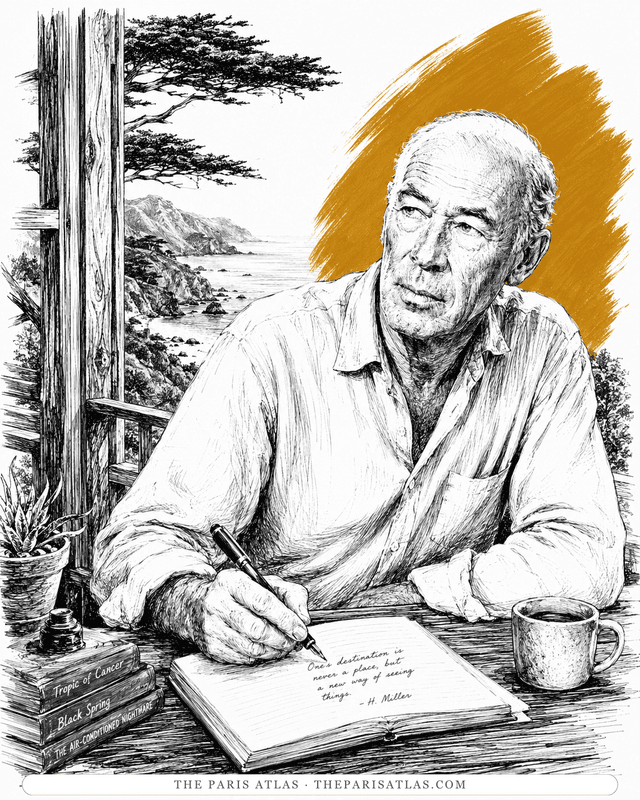
The Brooklyn dropout who arrived in Paris broke at thirty-eight and wrote the exuberant, banned books that ended American censorship.
View author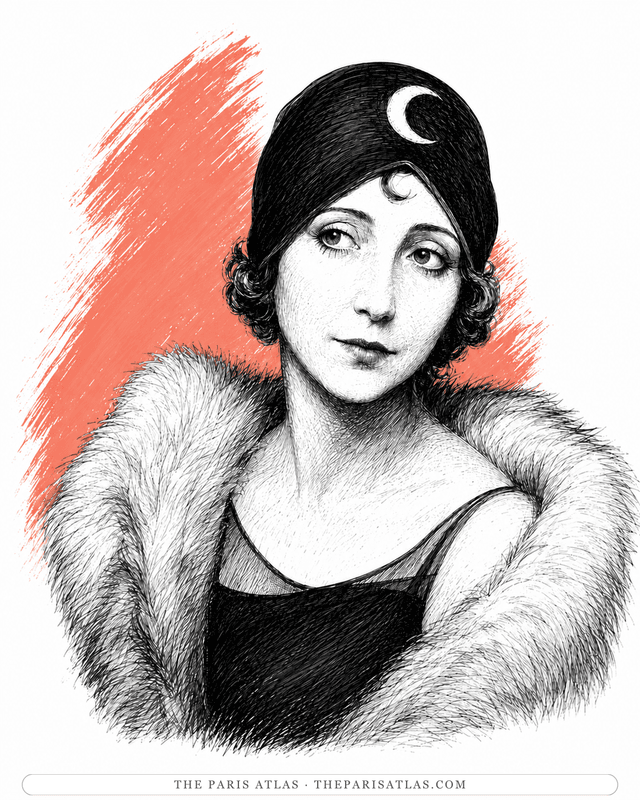
Diarist of the century — sixty years of the most famous journal in modern literature, Henry Miller's first champion, and, posthumously, the best-selling erotic writer of her age.
View author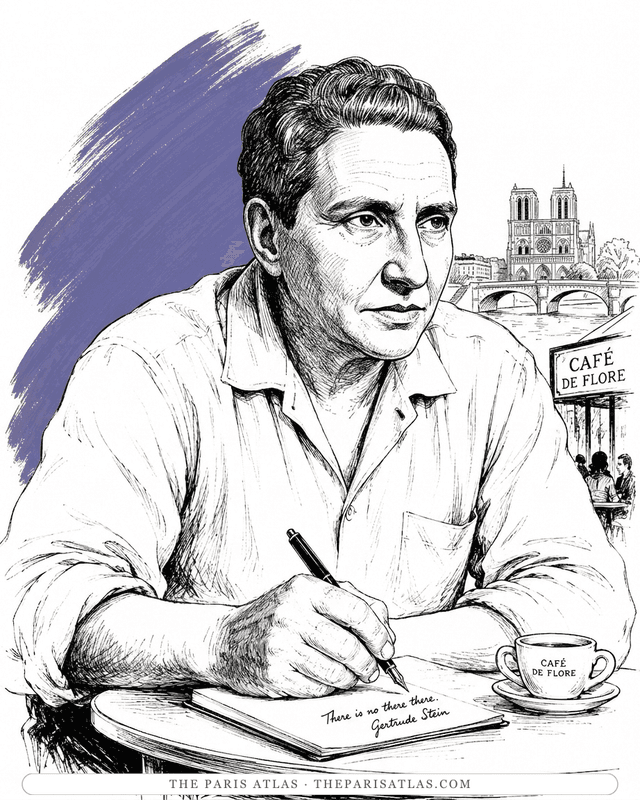
Writer, collector, and host of the rue de Fleurus salon where modern art and the Lost Generation were curated in the same room.
View authorThe sources below include the primary text, editions, scholarship, archival materials, and other records that informed this page. They document Everybody Was So Young, its publication, and its place in literary history.


The primary text is the source for Vaill’s account of Gerald and Sara Murphy and their expatriate circle.
Used to verify the current edition, ISBN, book description, and publication details.
The author’s excerpt supplies direct evidence of the book’s narrative method and treatment of the Murphys’ circle.

Used to cross-check the Fitzgerald chronology and the Murphy circle’s place in the 1920s expatriate record.
The primary text is the baseline reference for every book page. Additional references document publication history, interpretation, and historical context where that evidence is available.
 Explore more resources