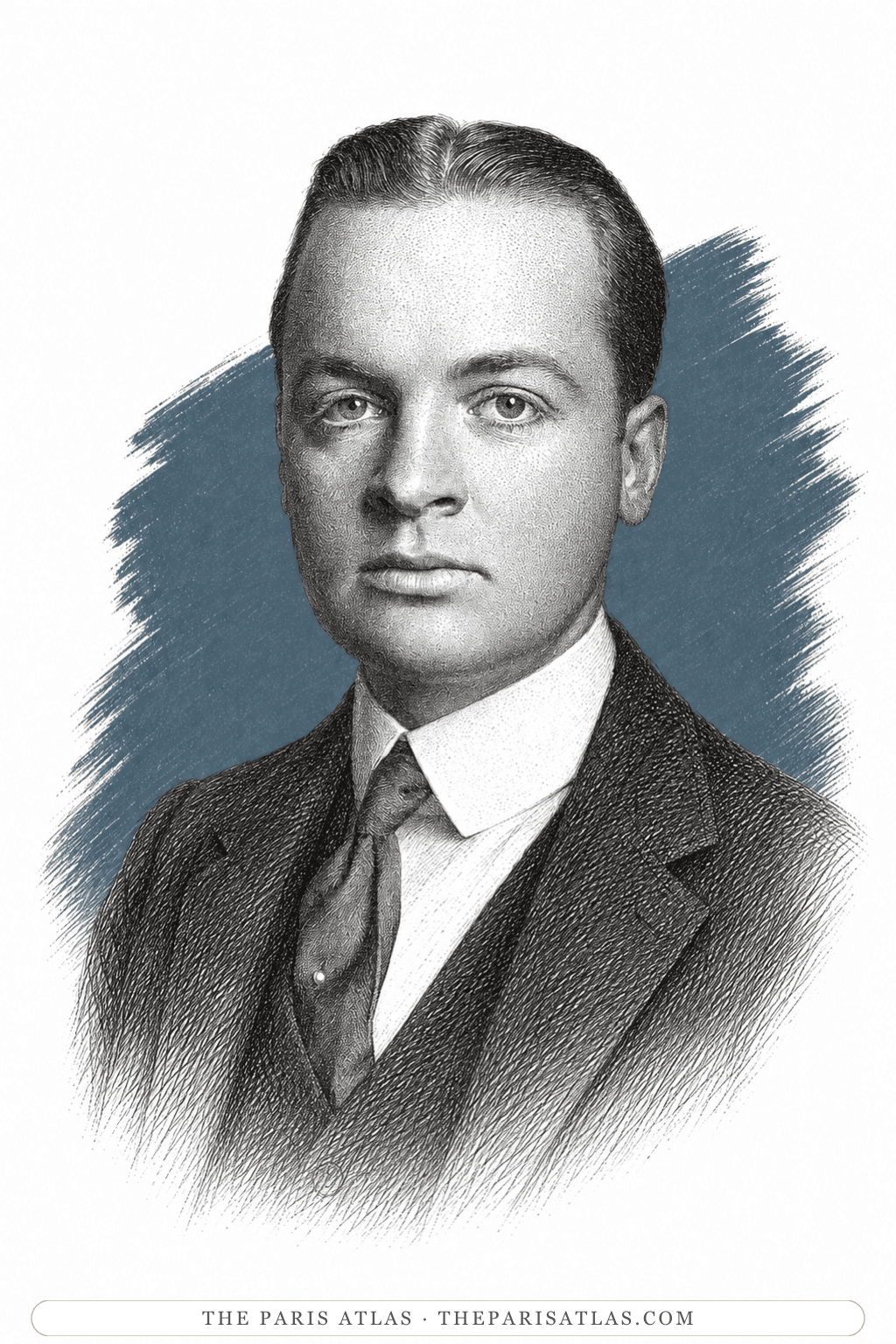
Gerald Murphy
- Painter
- Patron
Dedicated to · 1934
Tender Is the Night carries a dedication to Gerald and Sara Murphy, the couple whose Riviera household stands behind its social world.

The Riviera at its most enchanted, and the marriage underneath it — nine years after Gatsby, the deeper, sadder masterpiece.
On the beach below their villa, young film star Rosemary Hoyt falls under the spell of Dick and Nicole Diver, the couple around whom the whole expatriate Riviera arranges itself — and then the novel opens the enchantment to show its machinery: a psychiatrist husband, an heiress patient, and a marriage that is also a case. Fitzgerald thought it his best book; time has agreed with him more than 1934 did.
Nine years passed between Gatsby and this book, and the drafts tell the story of the decade: he began with a Riviera novel about matricide and Hollywood, abandoned version after version, and found the true subject only after Zelda's breakdowns in 1930 and 1932 put him inside the world of clinics, psychiatrists, and the terrible bookkeeping of care. The title he took from Keats's 'Ode to a Nightingale' — already, tender is the night, an enchantment quoted on its way to going dark.[1]
The surfaces came from Gerald and Sara Murphy — the American couple whose beach at Antibes and genius for hospitality invented the summer Riviera, and to whom the book is dedicated: 'TO GERALD AND SARA — MANY FÊTES.' The interiors came from home: Nicole's illness and the doctor-husband bound to it are the Fitzgeralds transposed, and Rosemary owes her outline to the young actress Lois Moran. The Murphys objected, gently, that the Divers weren't them; they were right — the Divers are what the Murphys looked like with the Fitzgeralds inside.[1]
It arrived in April 1934 into Depression America, where the sorrows of the charming rich sold poorly: respectful, puzzled reviews and weak numbers wounded him badly, since he ranked it — correctly, many now argue — above everything else he wrote. The versions question has a famous chapter here too: convinced the flashback structure had cost him readers, Fitzgerald sketched a chronological reordering that Malcolm Cowley published in 1951; most readers and editors have since returned to the original shape, trusting the enchantment-first design after all. Its canonization was slow, and is complete.[1]
Summer 1925, the beach at Gausse's hotel: Rosemary Hoyt, eighteen and freshly famous from a picture called Daddy's Girl, discovers the Divers — Dick, whose charm organizes every gathering into a party with a soul, and Nicole, beautiful and oddly guarded — and the constellation of expatriates orbiting them. Rosemary falls in love with Dick with a teenager's totality, and the book's first movement stays inside her dazzled eyes: the dinners, the duel, the curated joy — and one or two glimpses, quickly curtained, of something wrong at the center of the perfect marriage.[1]
Then the novel opens the case file. Zurich, 1917: Dr. Richard Diver, a brilliant young American psychiatrist, meets Nicole Warren — sixteen, shattered, committed by her Chicago-dynasty family >!after her father's abuse!< — and becomes, through her letters and his kindness, part of the cure. The Warren money does the rest: sister Baby Warren, wanting a doctor the family can own, underwrites a marriage in which husband, physician, and purchase are one man. The middle of the book watches that arrangement work — the clinic partnership, the children, the built world of the beach — while the current underneath runs steadily one way: Nicole borrowing strength, Dick lending it at interest no one is recording.[1]
The seesaw completes. Nicole, healing at last into her own hard Warren clarity, no longer needs the man the money bought — and Dick Diver, his gifts spent into her recovery, dissolves by stages: gin, the death of his friend Abe North offstage in a speakeasy, a squalid beating in a Rome police cell that Baby Warren must fix, the clinic lost, the charm now visibly a performance. Nicole leaves him for Tommy Barban, the mercenary who has waited years, and the divorce is almost gentle — the case closed, the doctor discharged. The last page is one of the quietest devastations in American fiction: Dick blesses the beach he invented with a small papal cross of the hand and returns to America, dwindling through ever-smaller upstate New York towns — Buffalo, Batavia, Geneva — until the novel loses sight of him, 'in one town or another,' a great man rumored rather than remembered.
The beach performance makes Rosemary want to join a group before she can even hear what its central figure is saying. Dick’s solemn raking works as a joke for the initiated and as a signal of shared pleasure for everyone else. His charm is therefore also a boundary: it reveals an inside without immediately admitting the onlooker. Later, when he carries away the equipment and checks the empty beach, the scene exposes the practical work beneath the enchantment. Apparent leisure depends on someone arranging and clearing the stage.
Nicole’s shopping list first makes abundance seem playful: useful objects, extravagant curiosities and presents accumulate together. Then the narrative turns away from the purchases to the factory workers, agricultural laborers and dispossessed inventors whose efforts sustain her wealth. That widening view changes the scale of the scene without interrupting its elegance. Rosemary, who has earned her own money through physically demanding work, still wants to imitate Nicole’s grace. The lovebird belongs to an attractive surface that the reader is invited to enjoy and question at the same time.
No novel manages decline more precisely: charm as a spendable currency, and a great man's dissolution metered glass by glass, season by season.
The expatriate summer at its absolute peak — the beach, the villa, the fêtes — written by someone who was at the table when the Murphys invented it.
Doctor, husband, purchase: the Warren arrangement is the coldest anatomy of love and money Fitzgerald ever performed — with his own marriage supplying the interior.

The American psychiatrist at the centre of the book — the man whose attention turns a beach into a party, married to the patient whose family paid for him.
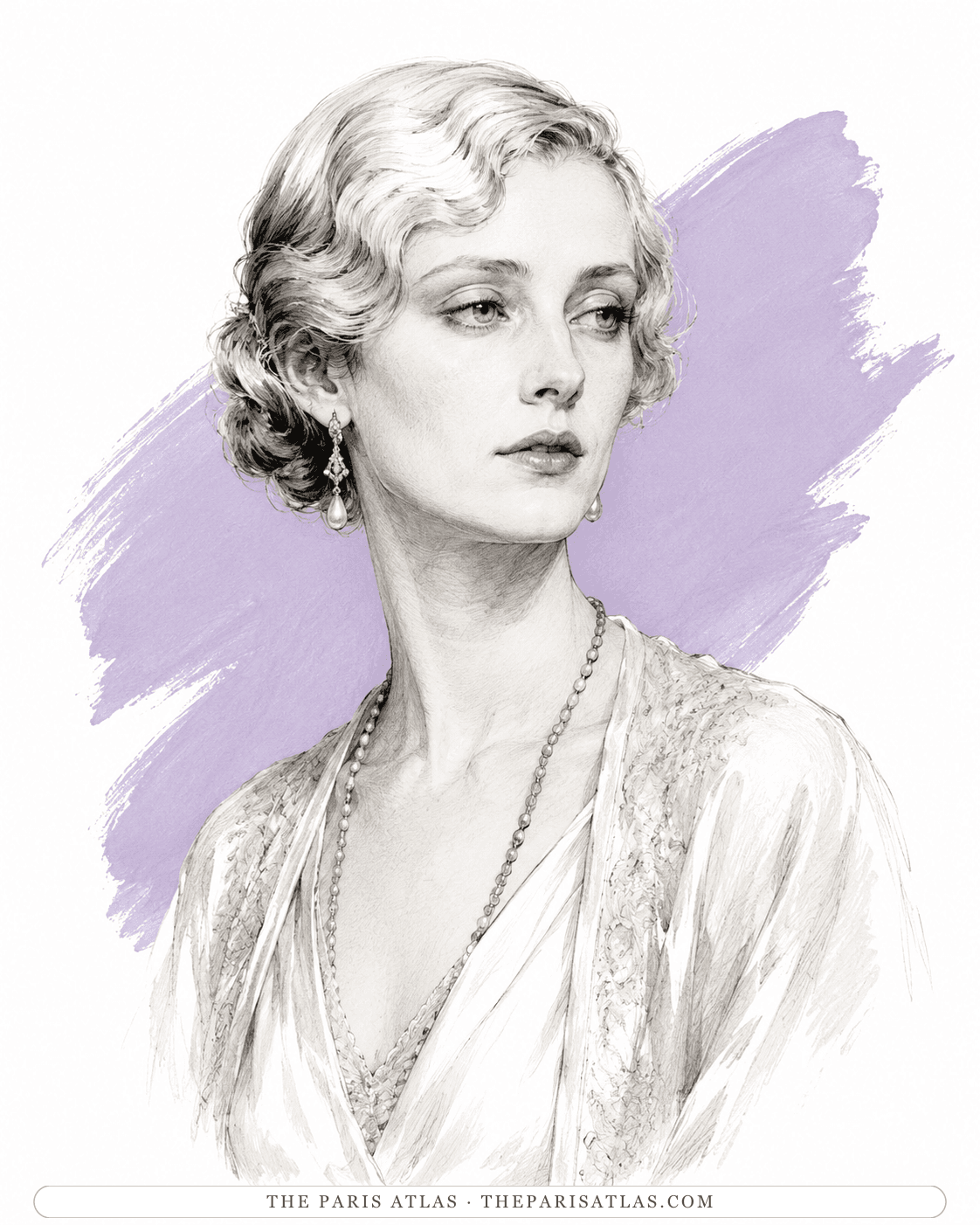
The heiress at the center of the marriage-as-case — a fictional composite, not Zelda under another name, though Nicole's illness, her clinics, and the doctor-husband bound to her were transposed from the Fitzgeralds' own marriage.

The young film star whose dazzled eyes open the book — eighteen, freshly famous from a picture called Daddy's Girl, and in love with Dick Diver by the end of her first week.

A soldier of fortune with no country and no house — half American, half French, and the most reliably dangerous person in the Divers' circle.

A composer who made a brilliant start and has written nothing for seven years — the circle's funniest man, and the first of them the book loses.
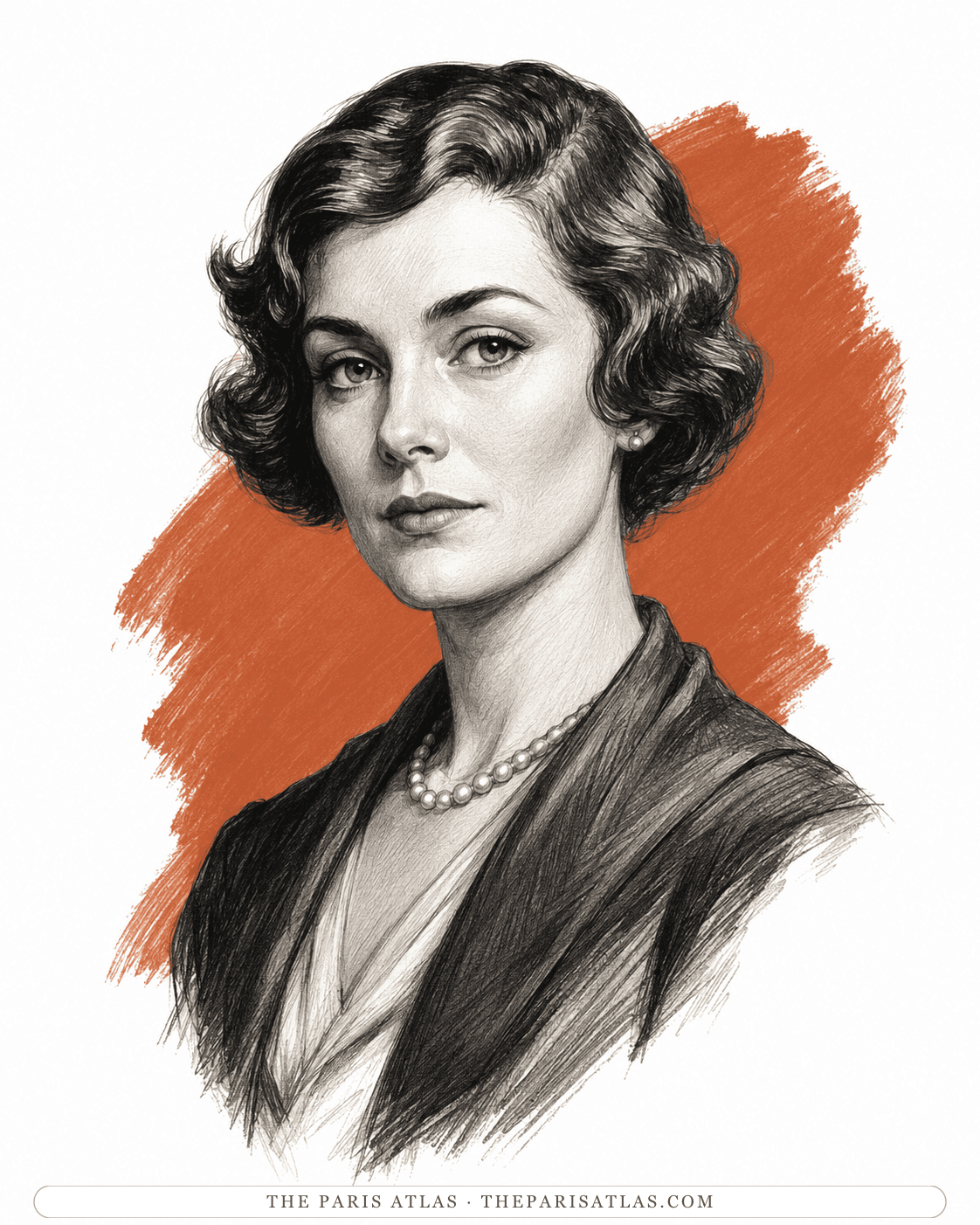
Abe's wife — very tanned, very merry, and quietly managing a husband's drinking; later the Contessa di Minghetti.

Nicole's elder sister and the family's purse — the one who decides that what Nicole needs is a doctor the Warrens can own.

Nicole's father — a rich, charming Chicago widower who delivers his daughter to a Swiss clinic and tries very hard to leave before anyone asks him why she is ill.

A scrawny, combative novelist of thirty who spends the first movement being socially unassimilable, and fights a duel that accidentally makes his career.

A pretty, disheartening young woman who wants to be in on the story rather than in the gallery — and who walks into the wrong bathroom at the Villa Diana.

The third of the Gregoroviuses — Dick's Swiss colleague, later his clinic partner, and finally the man who has to tell Dick Diver the arrangement is over.

The old head of Nicole's clinic on the Zürichsee — the one man in the book who can make Nicole's father tell the truth, and who tells Dick Diver to choose.
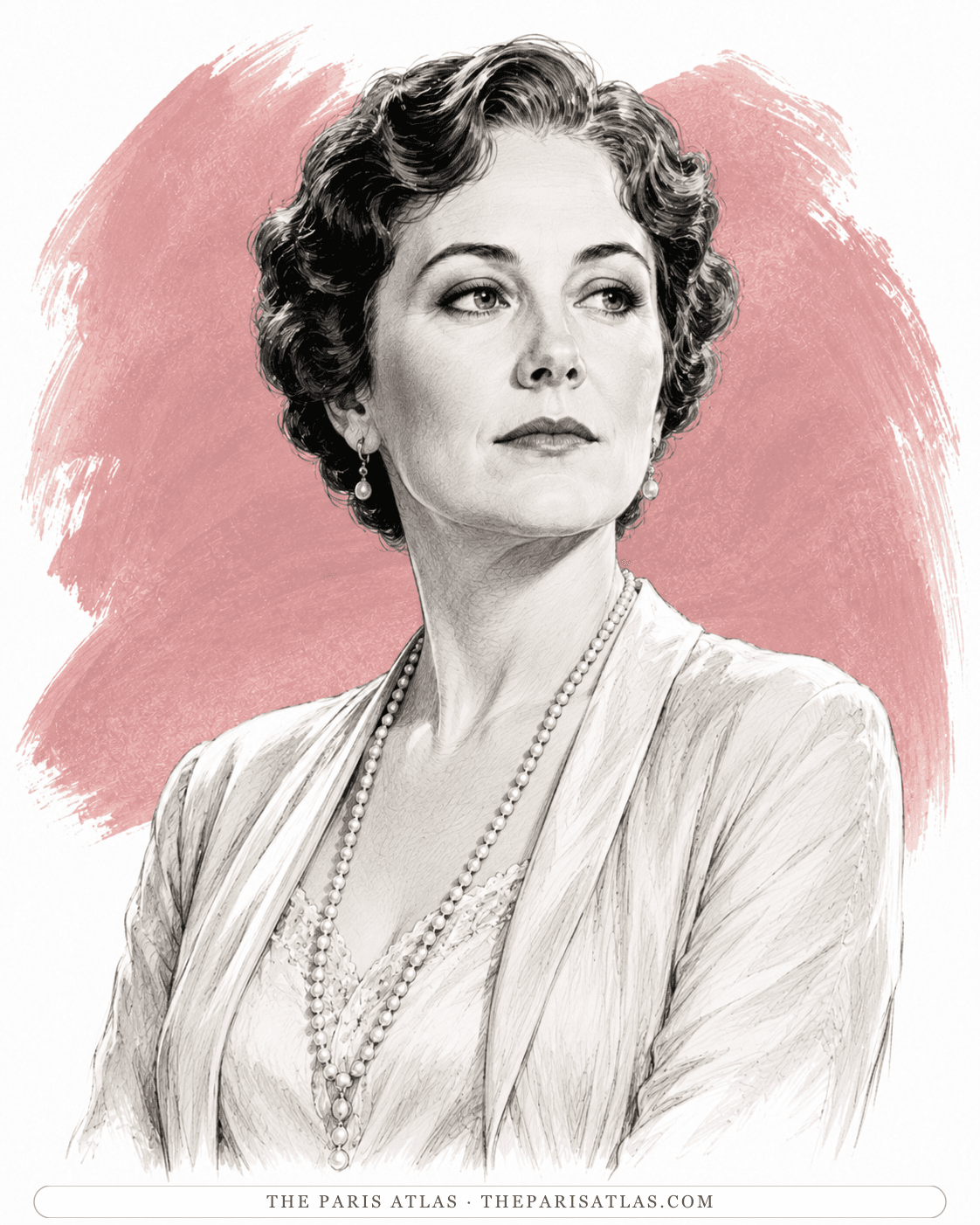
Rosemary's mother, manager and best friend — twice widowed, entirely unsentimental, and the reason her daughter can afford to get hurt.
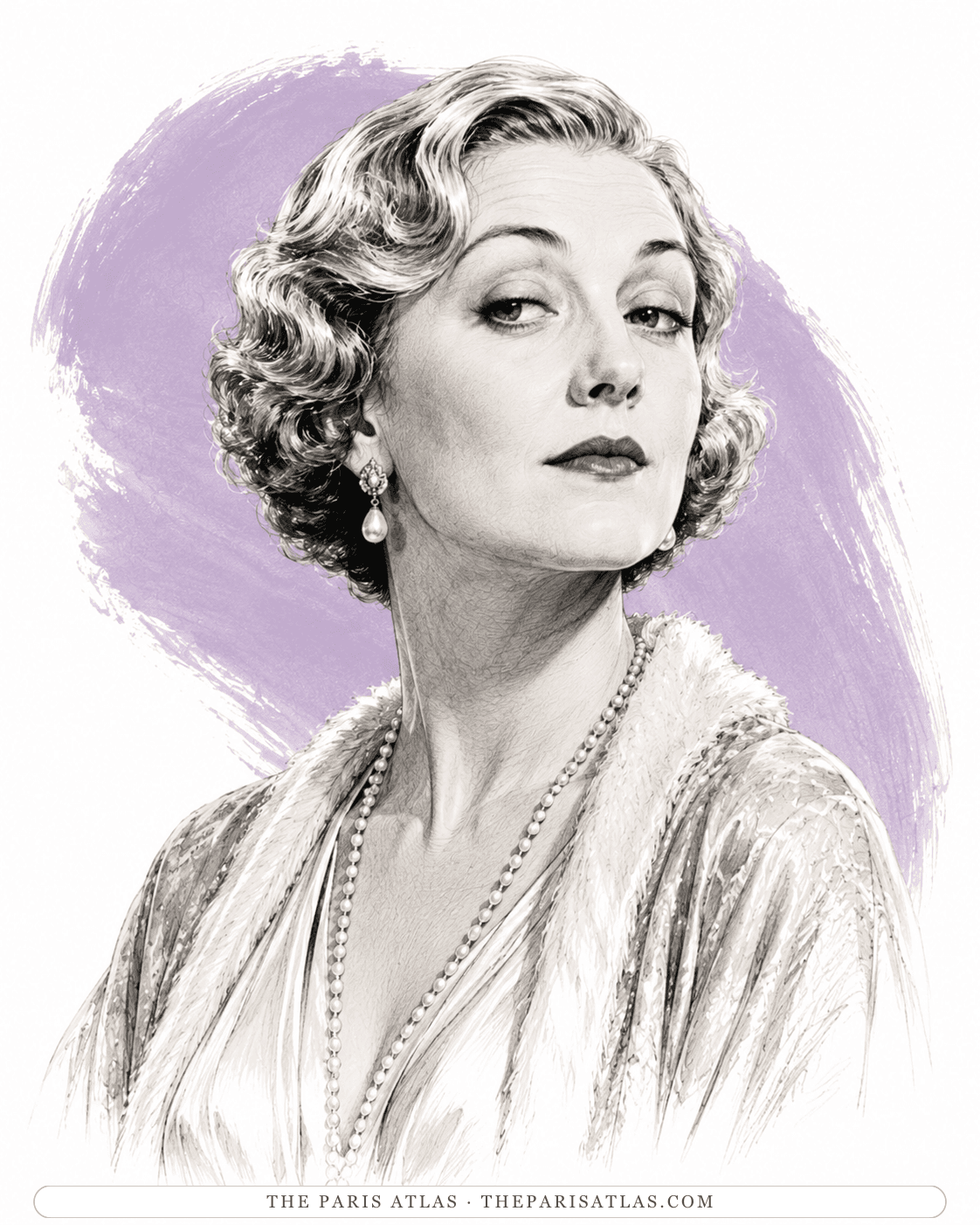
Reputedly the wickedest woman in London — small, pale, and immaculately rude, she arrives late in the book to find Dick Diver with no defences left.

The monocled gossip of the beach group — the man who brings the young actress Rosemary Hoyt the news of the duel, and the only casualty it produces.

A pleasant young Georgian studying architecture in Florence — harmless company for the young actress Rosemary Hoyt, and the accidental source of the story that poisons Dick Diver.

Franz's wife, living on the clinic grounds and keeping the accounts nobody else looks at — the first person to say out loud that Dick Diver has stopped being serious.

A film director working out of a reconstructed Gaumont lot above Monte Carlo — the one man on the Riviera who looks at Rosemary Hoyt and sees a professional actress.

The Divers' son — an unpredictable boy with an inhuman curiosity, who wants to know how many Pomeranians it would take to lick a lion.

The Divers' daughter — nine, very fair, and so like Nicole that her father used to worry about it.
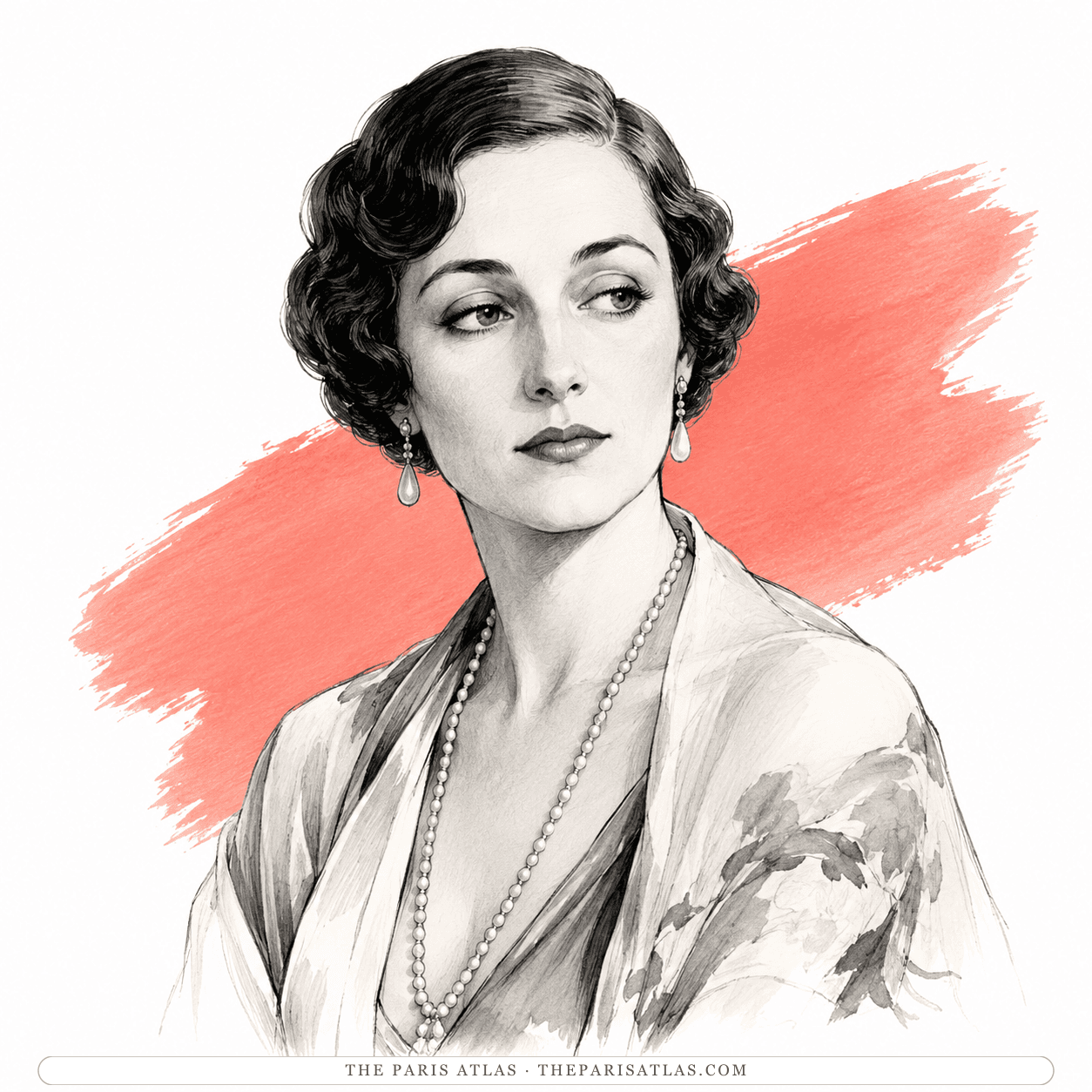
An American acquaintance of the Divers who shoots a man on a platform at the Gare Saint-Lazare, and is walked away between gendarmes without ever explaining herself.

A Black shoe-polish manufacturer from Stockholm who tells the police the truth about Abe North's quarrel, and is hunted for it.

A tow-headed young man from the beach group who remembers the Villa Diana dinner as the most civilized gathering he has known — and who years later says the one thing Dick Diver most needed not to hear.
Dedicated to · 1934
Tender Is the Night carries a dedication to Gerald and Sara Murphy, the couple whose Riviera household stands behind its social world.

Dedicated to · 1934
Tender Is the Night carries a dedication to Gerald and Sara Murphy; elements of Sara Murphy inform Nicole Diver.
1930–1932
Zelda Fitzgerald's breakdowns move Fitzgerald into the world of clinics and care, and the novel finds its true subject after years of abandoned drafts.
1934
Scribner publishes it in April; in Depression America the sorrows of the charming rich sell poorly, wounding him.
1951
Malcolm Cowley publishes Fitzgerald's chronological reordering; most readers later return to the original shape.

The other masterpiece — tighter, younger, luckier; this is the same anatomy performed slower and closer to home.
Read our take
Expatriate France from the other direction: Hemingway's crowd drinks to forget the war, Fitzgerald's to keep the party's soul alive.
Read our take
What came after the Riviera: the last great man, studied with the same tenderness for gifted men spending themselves.
Read our takeF. Scott Fitzgerald. It was published in 1934, nine years after The Great Gatsby.
On the French Riviera, a young film star is drawn to Dick and Nicole Diver, the glamorous couple around whom the expatriate scene arranges itself — and the novel gradually opens the enchantment to show its machinery: a psychiatrist husband and an heiress patient.
Yes. He thought it his finest novel, though it sold poorly on its 1934 release; later readers have come round to his view.
It draws heavily on the Fitzgeralds' expatriate Riviera years and on Zelda Fitzgerald's breakdowns of 1930 and 1932, which put Fitzgerald inside the world of clinics and psychiatry the book depicts.
In the French Riviera and Europe of the 1920s, among wealthy American expatriates.
Explore authors with a similar voice, perspective, and influence.

Fitzgerald vouched for him to Scribner's before they had met, then edited him better than he edited himself; the friendship's five rounds are chronicled in our journal.
View author
The Brooklyn dropout who arrived in Paris broke at thirty-eight and wrote the exuberant, banned books that ended American censorship.
View author
The doctor of the Paris slums who wrote the century's blackest, funniest novel — and changed the sound of French prose.
View author
In the story
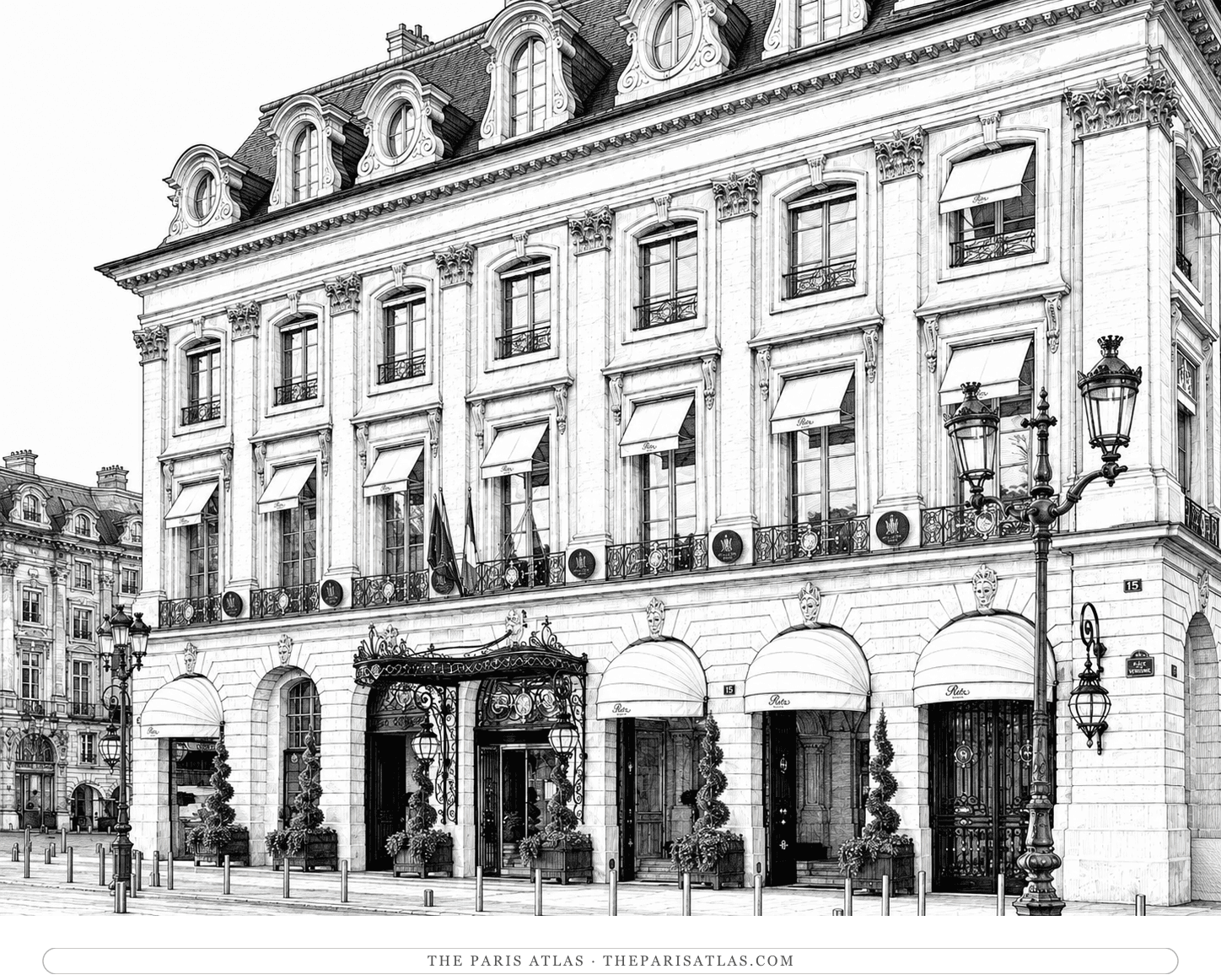
The Paris chapters install Abe North at the Ritz bar for his long, ruinous last morning — charm dissolving glass by glass before the boat train, one of the novel's great set pieces of waste.
Visit the place
In the story
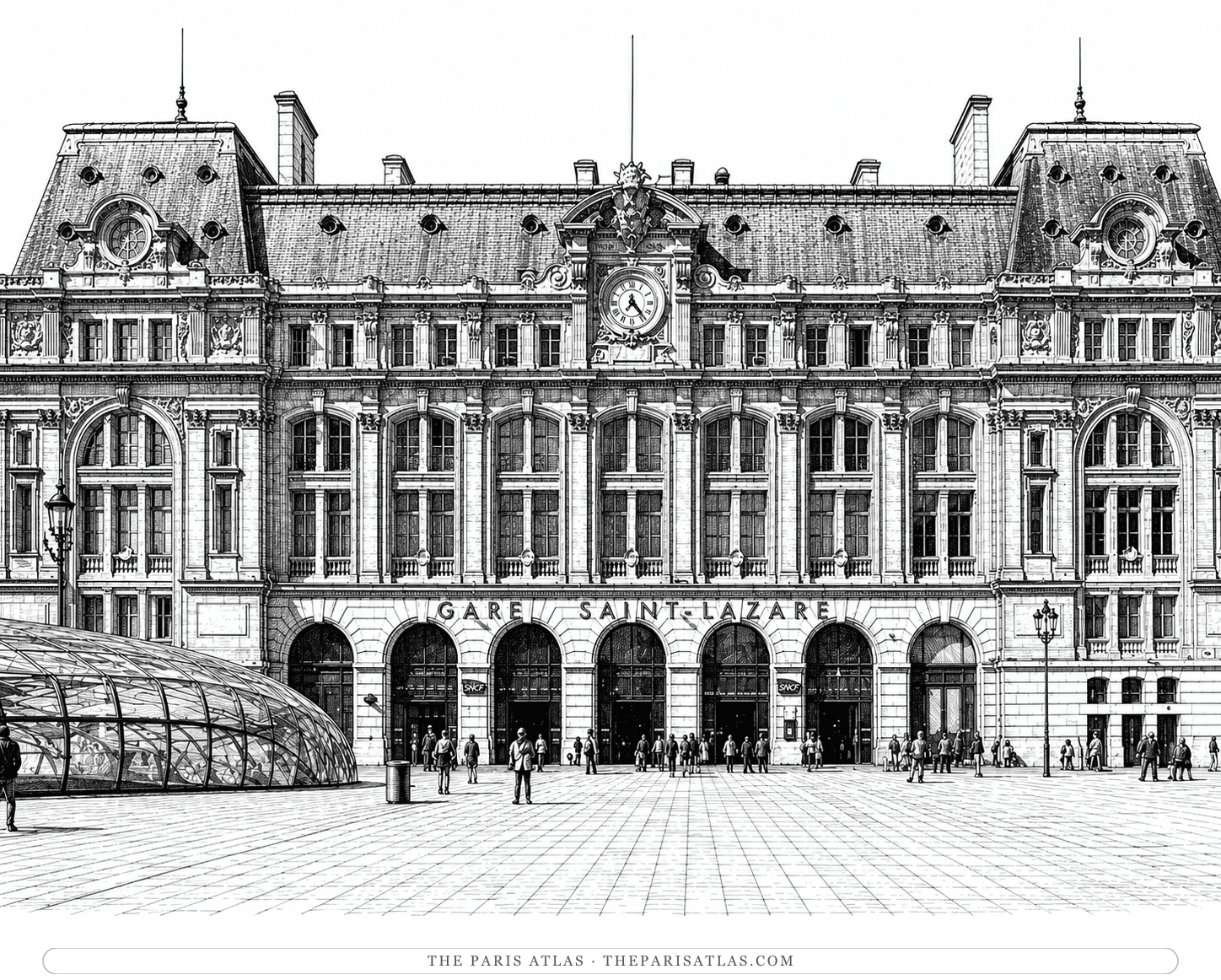
The boat-train farewell that closes the novel's Paris idyll: Abe North departing in ruins, and Maria Wallis's revolver shots on the platform as the train pulls out — violence timed exactly to the point of departure.
Visit the placeThe sources below include the primary text, editions, scholarship, archival materials, and other records that informed this page. They document Tender Is the Night, its publication, and its place in literary history.


Primary-text transcription based on an undated Scribner edition; used for the opening beach scenes and Nicole’s shopping in Book 1, chapter 12. No first-edition or reordered-version collation is claimed.

Archival evidence used to document the historical record connected to Tender Is the Night.
Princeton’s Fitzgerald collections supply manuscript, draft, and archival context for the novel.
The Bruccoli Collection bibliography was used to verify editions, textual history, and principal scholarship on the novel.
The primary text is the baseline reference for every book page. Additional references document publication history, interpretation, and historical context where that evidence is available.
 Explore more resources