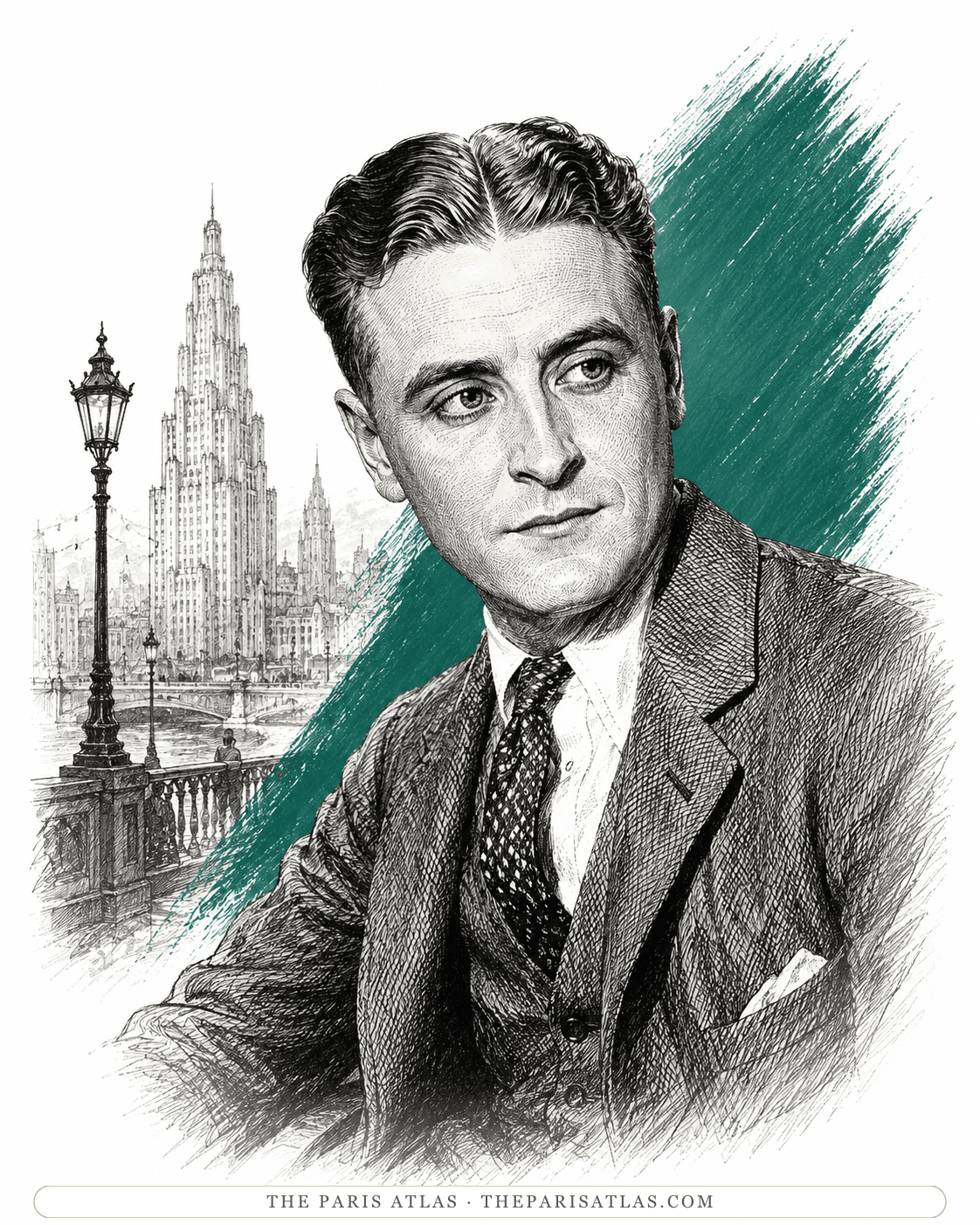

The Great Gatsby
The same subject a lifetime apart: a self-made prince of an invented industry, loved and studied by a narrator half inside his world.
Read our take
Hollywood's philosopher-king, half-finished — the novel Fitzgerald was writing the day he died, and proof the powers had come all the way back.
Monroe Stahr — boy-genius production chief, modeled openly on MGM's Irving Thalberg — runs his studio like the last enlightened monarch of an industry built on flimflam, while grief for his dead wife and a doomed new love wear him down. Fitzgerald died at forty-four with the novel half-drafted; even unfinished, its chapters rank with his best pages.
The Hollywood years were supposed to be the humiliation: broke, out of print, and drinking, Fitzgerald signed with MGM in 1937 and spent his last years as a salaried screenwriter whose scripts kept being rewritten by lesser men. But the exile gave him a subject he had studied for a decade — Irving Thalberg, MGM's frail boy-wonder production head, dead at thirty-seven in 1936 — and a steadying love, the columnist Sheilah Graham, in whose apartment he worked on the secret novel at night, charting its episodes on the wall.
He died there of a heart attack on December 21, 1940, the day after writing the first episode of Chapter 6. He had planned a novel of about 60,000 words and had written about 70,000 by then, which Edmund Wilson reckoned had not told much more than half the story. Wilson assembled the drafts, notes, and outline into The Last Tycoon (1941), and the reviews carried a note of shock: the prose showed no decline at all — the consensus then and since is that he died in full command, mid-masterpiece. The unfinished chapters became the best evidence in the argument Fitzgerald lost while alive: that the crack-up had not been the end of him.
The two titles are a versions story in miniature: Wilson's practical The Last Tycoon held for half a century, until Matthew Bruccoli's 1994 Cambridge edition of the manuscripts restored the title Fitzgerald's own notes point to — The Love of the Last Tycoon: A Western, the 'Western' his dry joke about where the American frontier had ended up. This page follows the author. Either way, its afterlife is secure: every serious Hollywood novel since is in some sense a footnote to the half of this one that exists.
The narrator, mostly, is Cecelia Brady — a producer's daughter home from Bennington, clear-eyed about the industry she was raised in and hopelessly in love with Monroe Stahr, her father's partner and rival. Stahr is the novel's subject and its argument: the last of the artist-moguls, a frail, exact, self-made man who runs every department of his studio by taste and memory — coaching directors, salvaging scripts, screening the day's rushes — governing, as the book frames it, the way the great builders and princes governed, in an industry otherwise run by accountants. An earthquake floods the backlot in the second chapter, and on a floating prop — the great head of the goddess Siva — Stahr sees a woman with his dead wife's face.
She is Kathleen Moore, and the love story that follows runs against the studio's whole gravity: glimpses, a drive down the coast, a half-built house above the ocean — Stahr hesitating one day too long, with a rival engagement in the wings. Around the romance the political novel tightens: Stahr's benevolent autocracy against his partner Pat Brady's cruder appetites, and against the coming age of unions — including a long, drunken, deliberately comic-tragic debate with a Communist organizer named Brimmer that ends with the exhausted prince swinging first and going down.
The manuscript stops there — after the Brimmer fight, with Kathleen married to the other man and Stahr's kingdom beginning to slip. What remained lives in Fitzgerald's notes and outline, which Edmund Wilson printed: the war with Brady escalating through blackmail to a murder plot against Stahr; Stahr, sickening, sanctioning a counter-murder and repenting — with the plane crash written to intervene before his cancellation order could land; and the closing Fitzgerald sketched, Stahr's funeral as Hollywood pageant, complete with a has-been cowboy actor accidentally made fashionable again by serving as pallbearer. Among the loose lines at the end of the notes is the sentence he is now most quoted for, that there are no second acts in American lives — though the notes do not stop there, and the last line printed in them is a three-word instruction to himself: ACTION IS CHARACTER.
The rushes expose what a finished film conceals: actors relax after a take, artificial rapids stop flowing, and the same encounter repeats until it works. Stahr judges this material by its effect, not merely its cost or length. An expensive set can look cheap; a quiet scene can deserve more time. Yet the room’s silence makes artistic judgment inseparable from power. The insistence that he must always be right reveals a precarious organization, dependent on one person’s taste even though every projected image embodies the work of many others.
Stahr supplies props and a strip of lawn before the house is finished, trying to sample a domestic future as if staging a scene. Kathleen’s talk of another roofless house gives their joking a different weight: for her, the missing roof recalls a relationship without the security needed for children. The same unfinished building can thus suggest opportunity or repetition of an old mistake. Stahr’s admission that the studio is really home further qualifies the promise. He can construct the setting for a shared life without knowing how to inhabit it.
Open to any finished chapter: the sentences have Gatsby's control with a new, worn tenderness. He died writing better than almost anyone alive.
Stahr running the studio — the rushes, the script conferences, the impossible taste — is the great portrait of executive genius as an art form.
Reading the outline where the novel stops is an experience no finished book provides — the architecture visible, the builder gone.
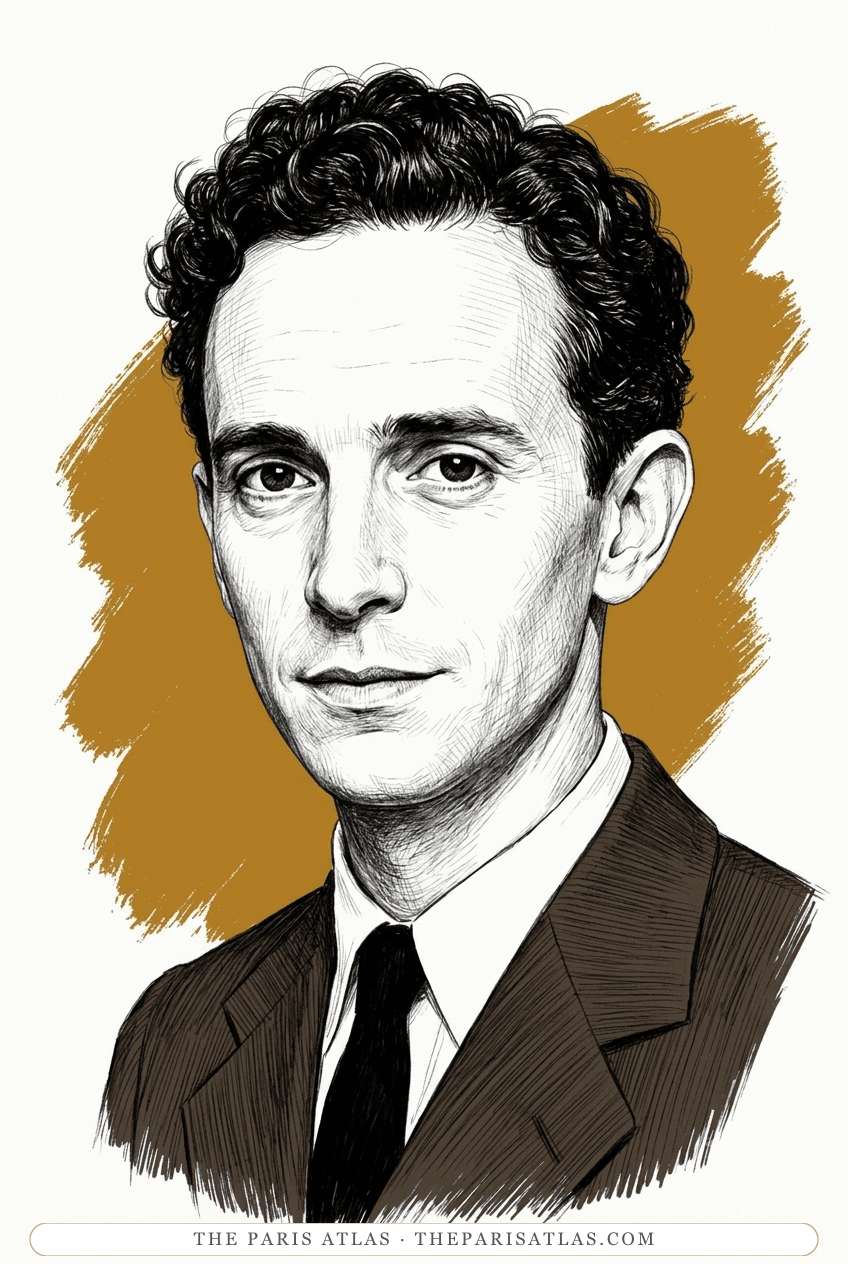
The head of production at a Hollywood film studio: in his middle thirties, in bad health, and running every department of the place himself.
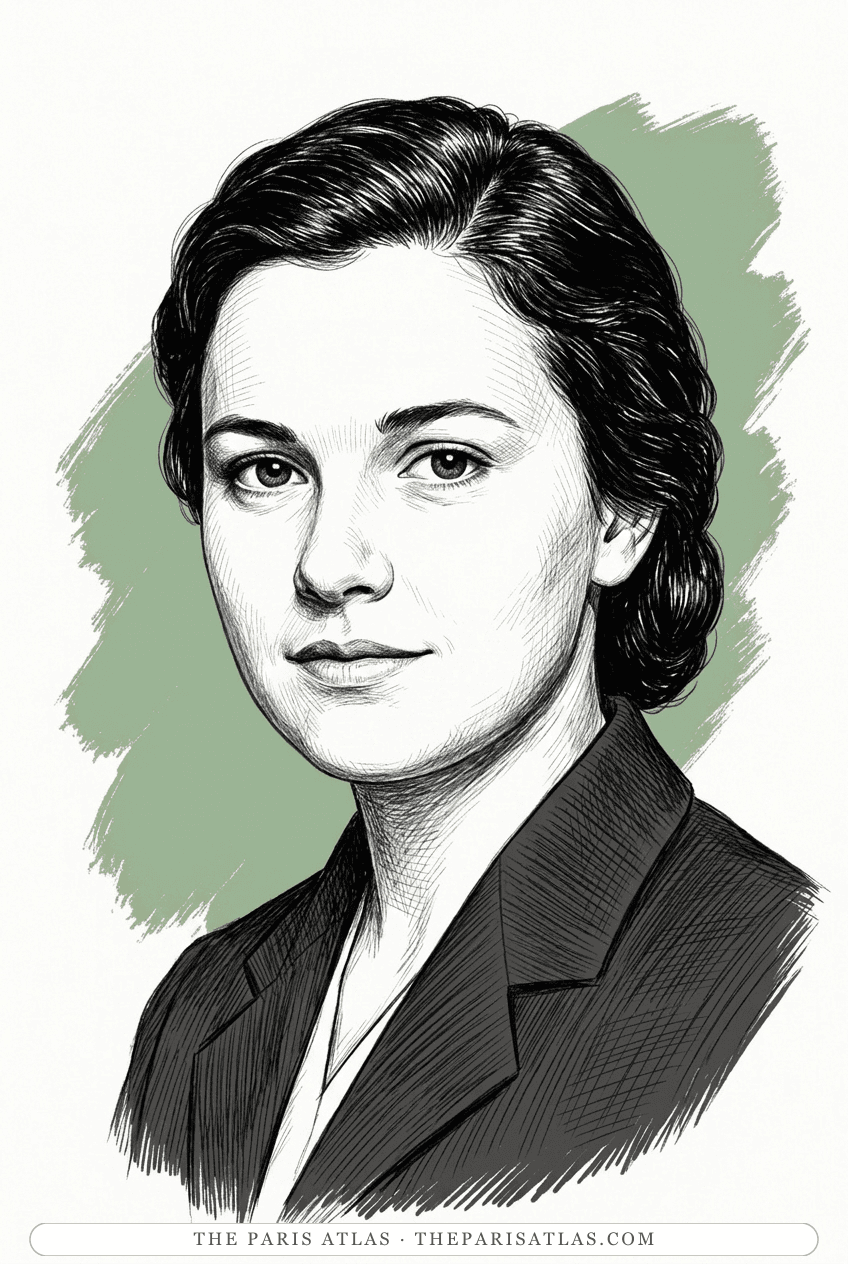
The narrator: a Hollywood producer's daughter, home from college for the summer, in love with her father's business partner and honest about how that went.
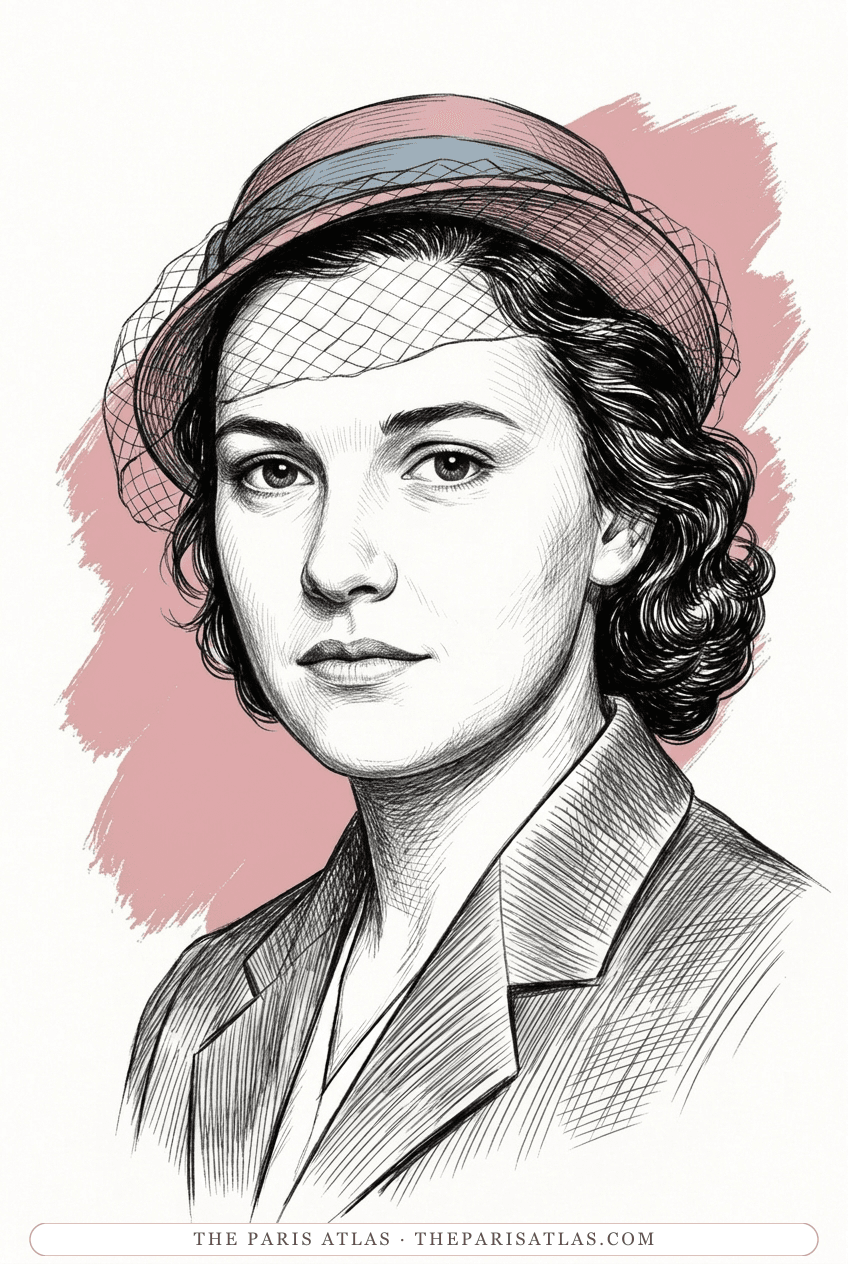
The Irishwoman Stahr sees during the flood on the studio's back lot, because she has the face of his dead wife.
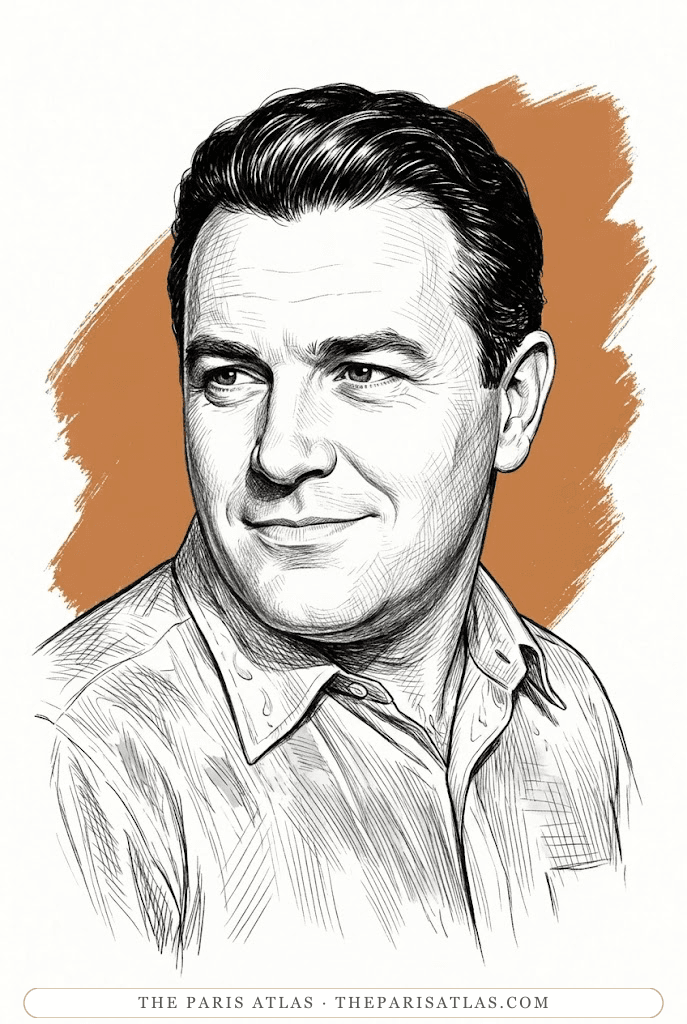
Cecelia's father and the studio's other owner: shrewd with money, useless at making a picture, and increasingly at war with the partner who can.
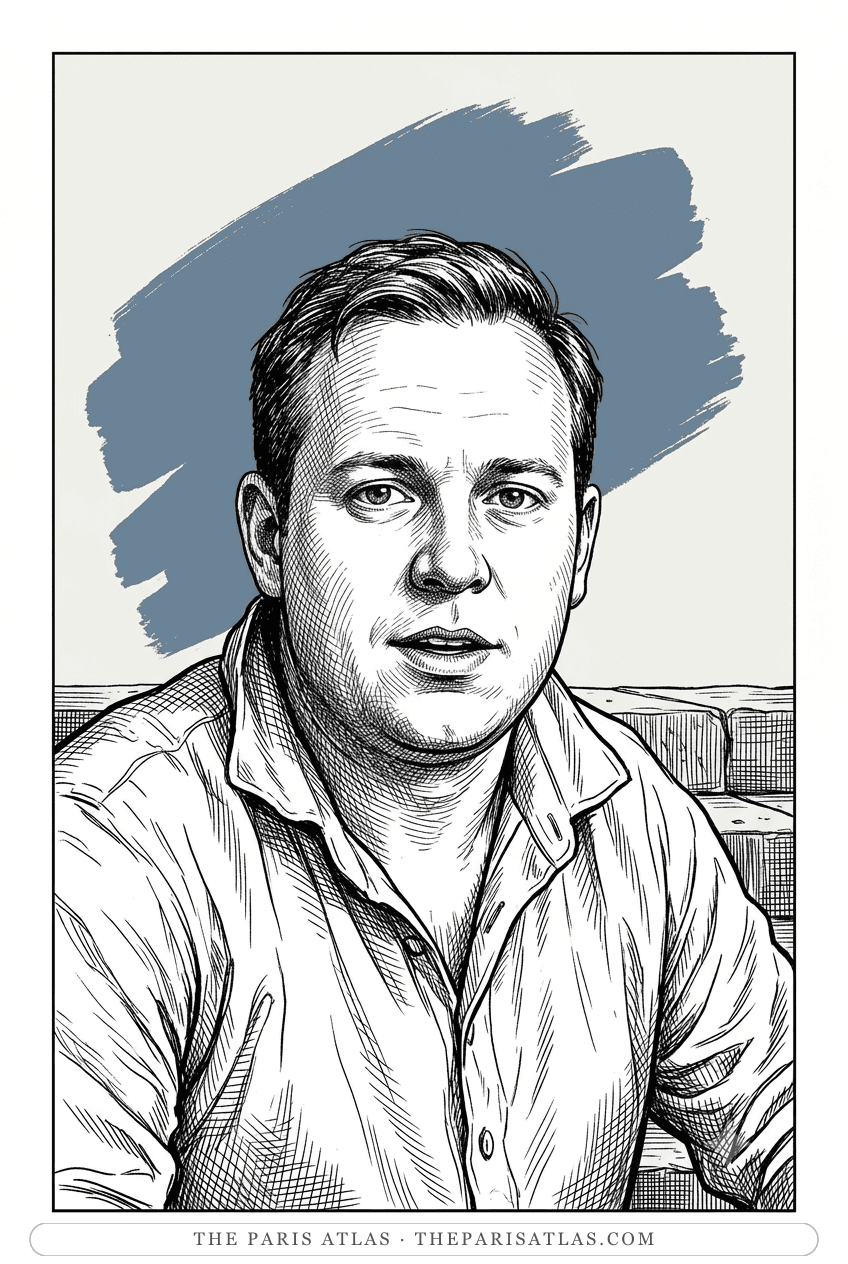
A studio screenwriter: funny, sour about the work, drinking too much, and angling for a production unit of his own.
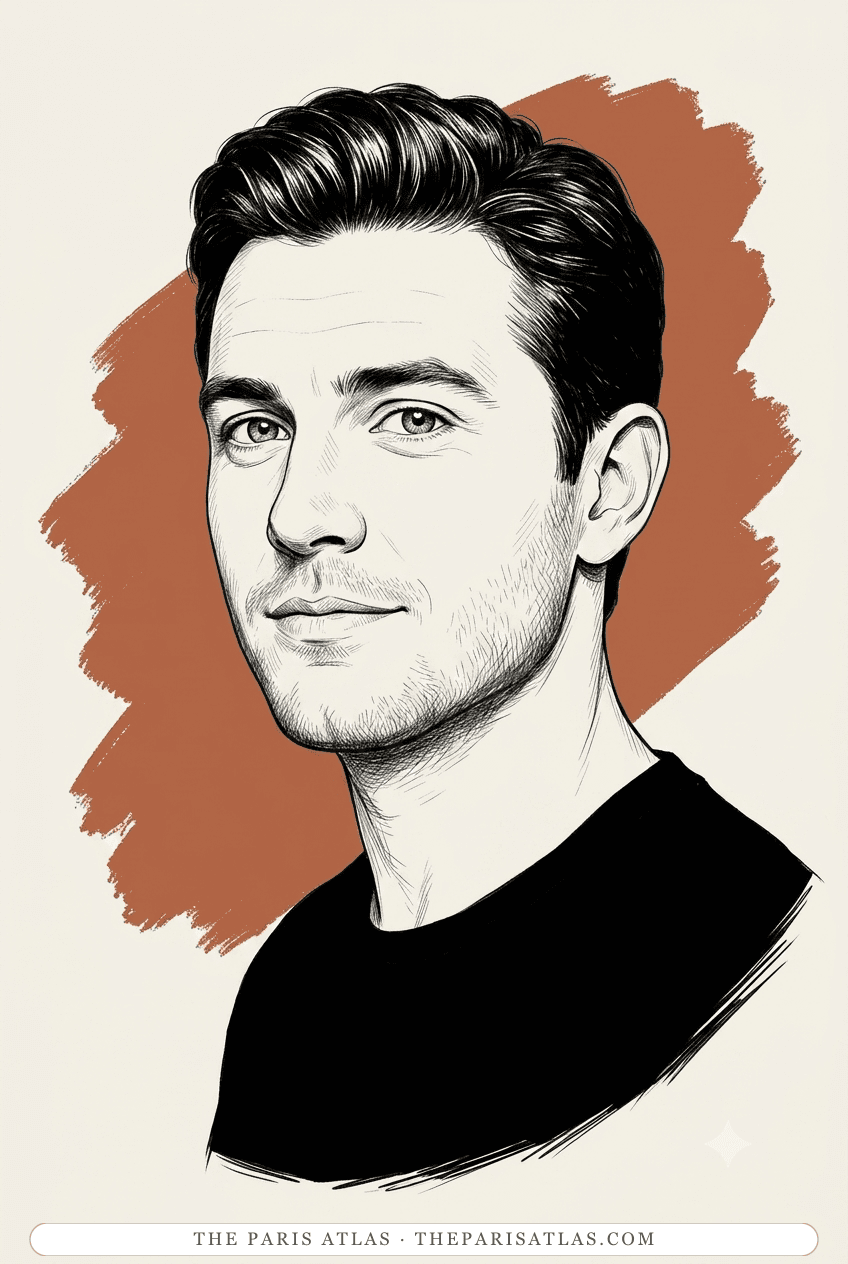
A Communist Party organiser sent from New York to work on the studio's writers, and the man Monroe Stahr asks to meet so he can size up the opposition.
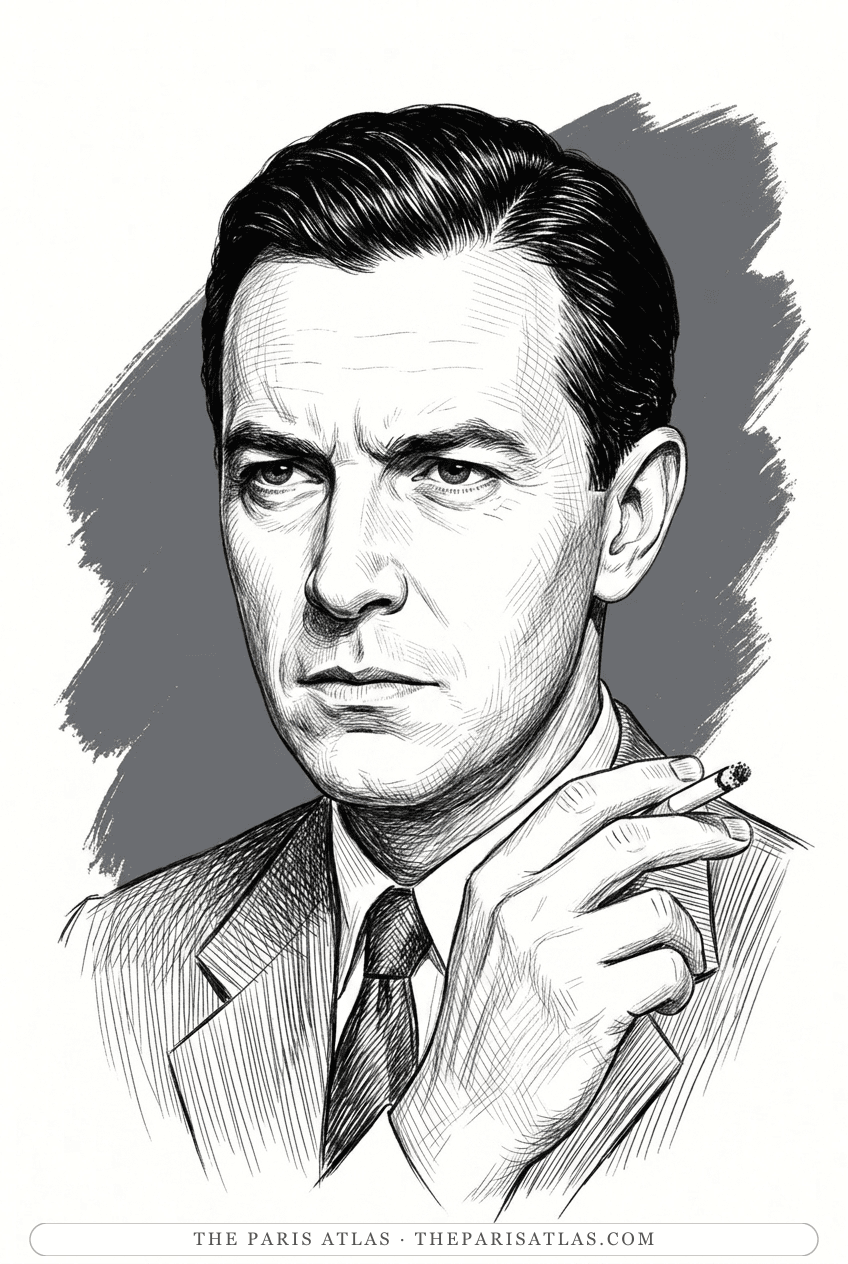
An English novelist imported to write for the screen, contemptuous of the job and, for three weeks, completely unable to do it.
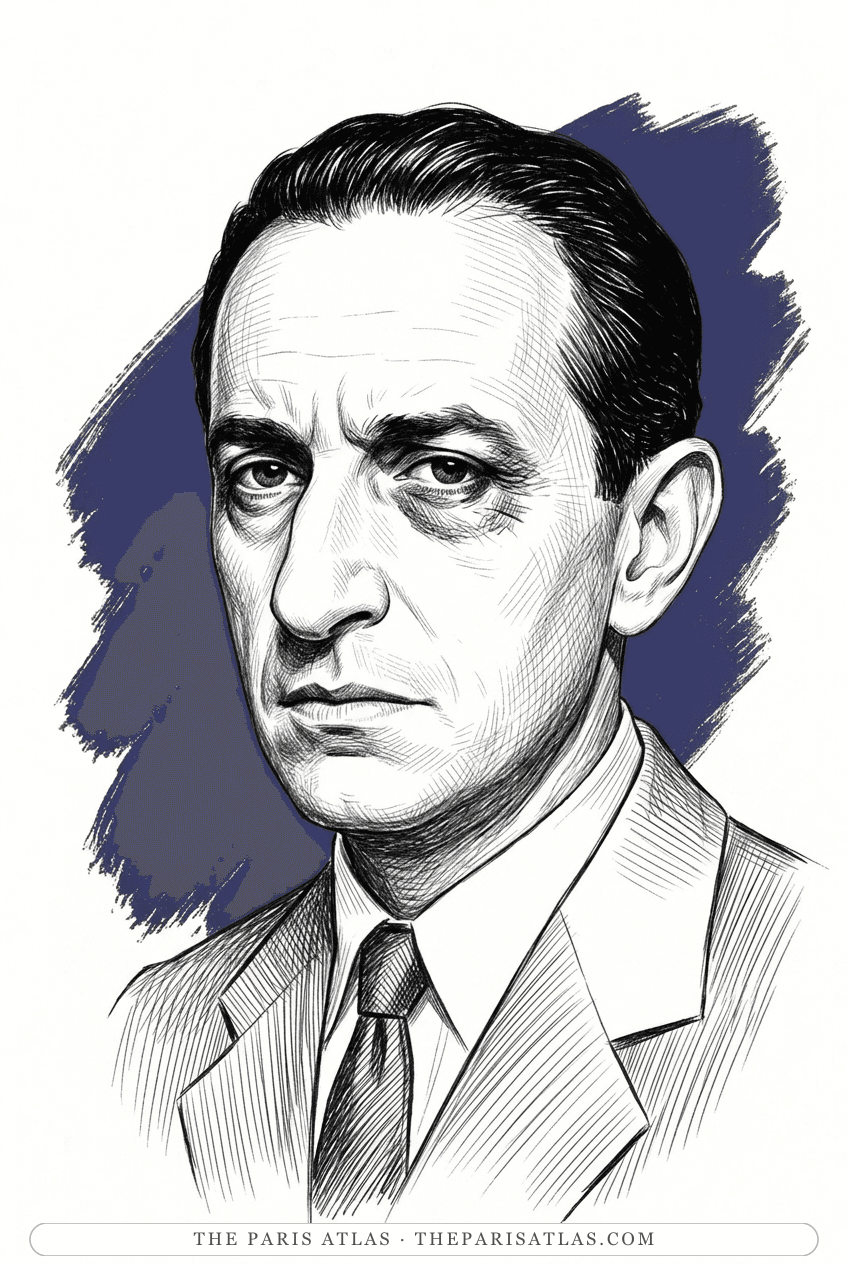
Once the head of a film company, now broke and out of the business, travelling west on the same plane as the man who will not see him.
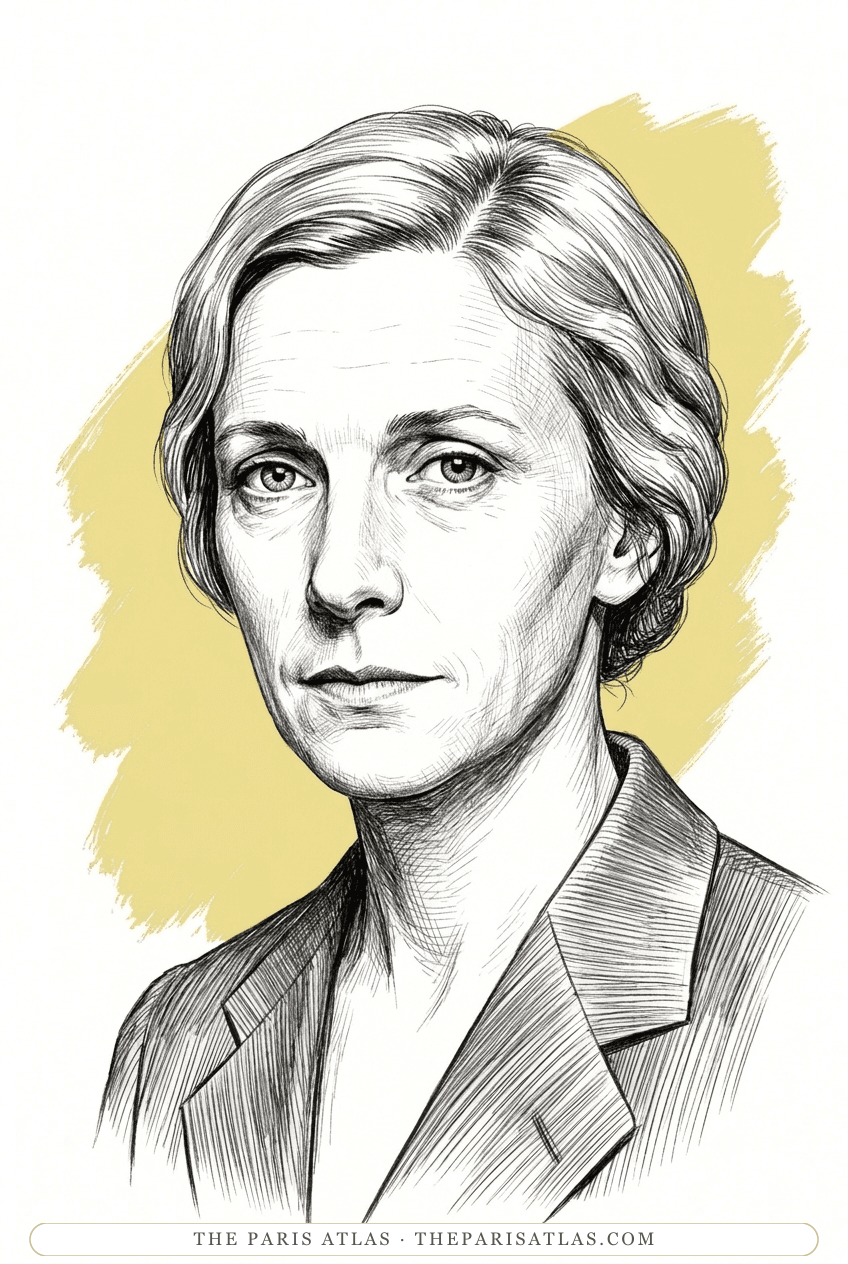
A studio screenwriter of fifty on three thousand dollars a week, who has been in pictures longer than almost anyone and reads a room faster than any of them.
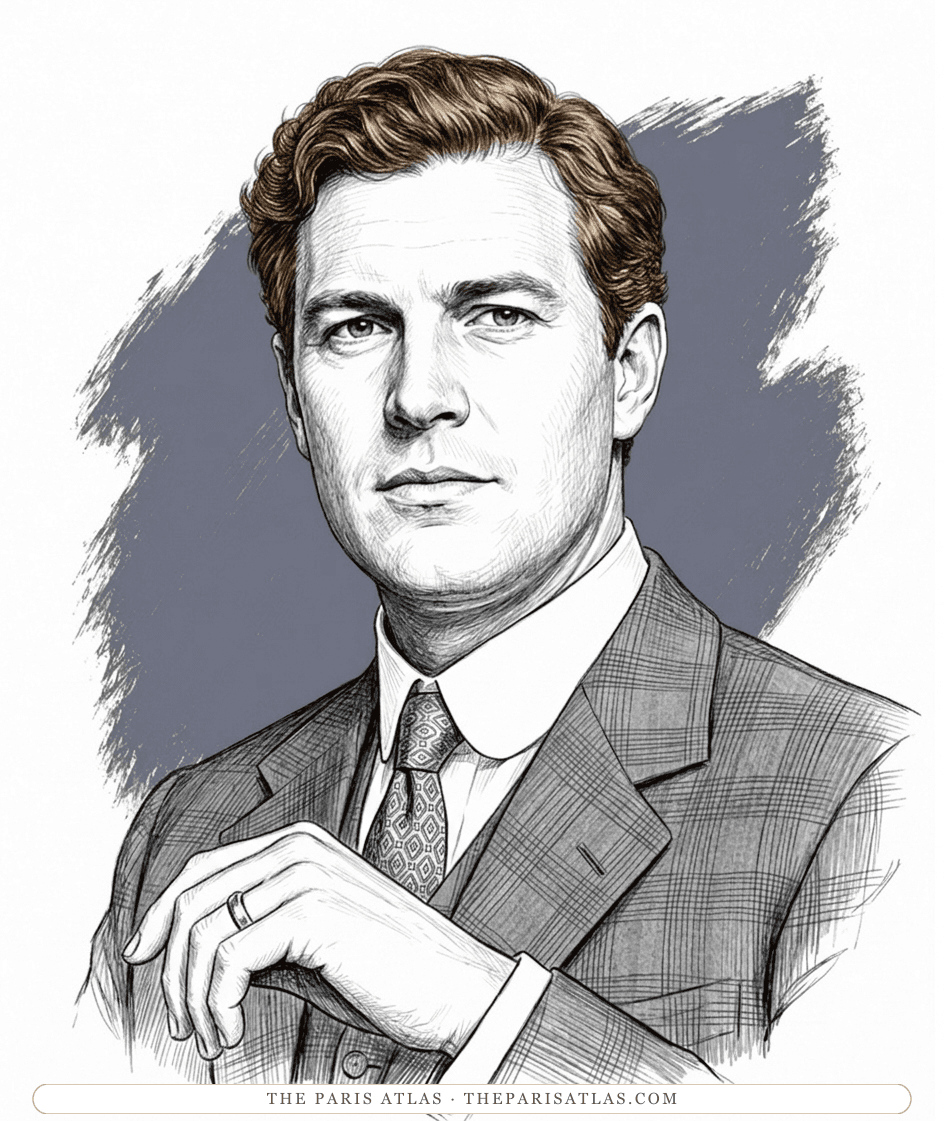
A Danish prince spending a day at the studio to see how films are made, and the outsider through whose eyes the novel watches the men who run it.
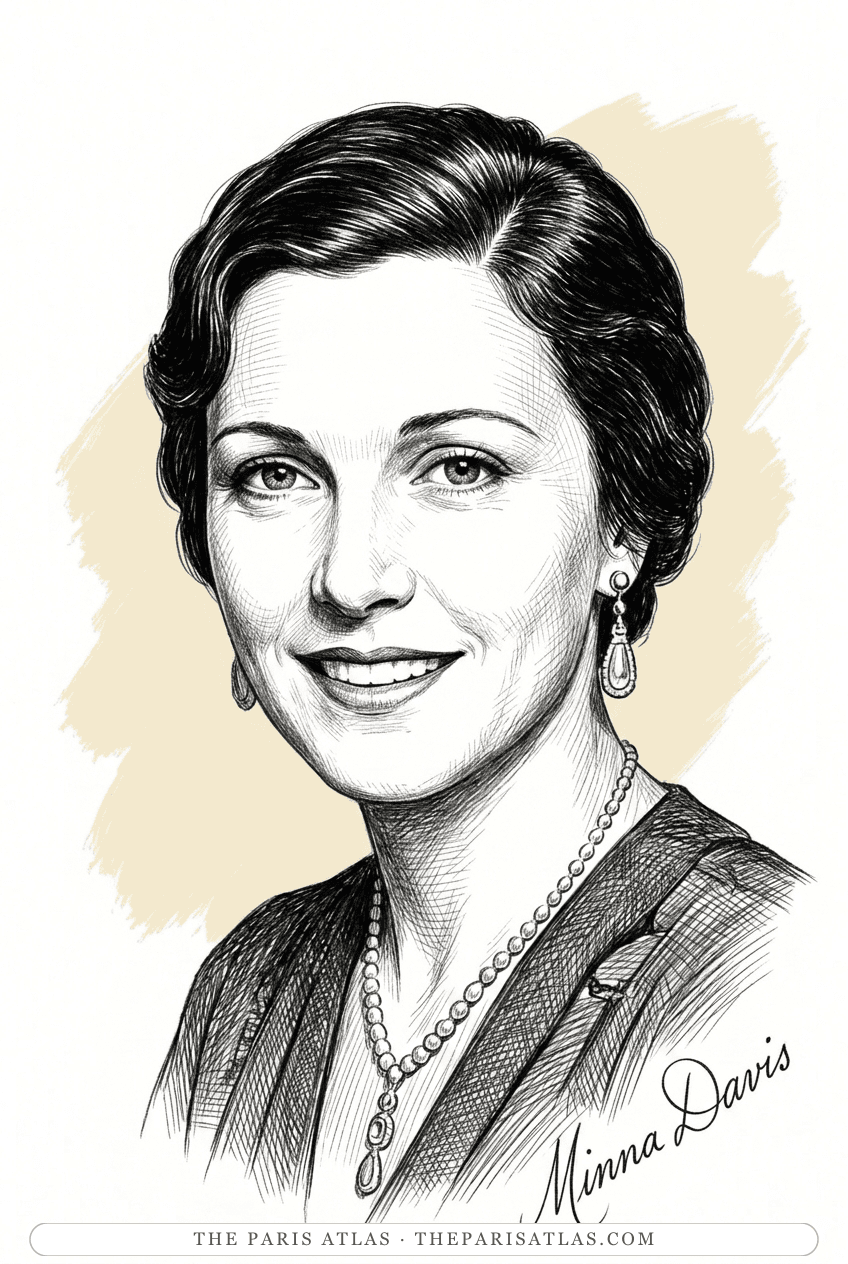
A film star, married to Monroe Stahr and dead three years before the novel opens. She never appears, and the book builds her entirely out of other people's memory.
1937
Broke and out of print, Fitzgerald signs with MGM and spends his last years as a salaried screenwriter, drafting the secret novel at night in Sheilah Graham's apartment.
1940
He dies of a heart attack on 21 December, the day after writing the first episode of Chapter 6.
1941
Edmund Wilson assembles the drafts, notes, and outline into The Last Tycoon, and reviewers note that the prose shows no decline at all.
1994
Matthew Bruccoli's Cambridge edition of the manuscript restores Fitzgerald's intended title, The Love of the Last Tycoon: A Western.
The same subject a lifetime apart: a self-made prince of an invented industry, loved and studied by a narrator half inside his world.
Read our take
The preceding portrait of a gifted man spending himself — finished, where this one was interrupted.
Read our takeF. Scott Fitzgerald. He left it unfinished at his death in 1940, and it was published posthumously in 1941.
Monroe Stahr, a boy-genius Hollywood production chief, runs his studio like the last enlightened monarch of a flimflam industry while grief for his dead wife and a doomed new love wear him down.
No. Fitzgerald died at forty-four with the novel about half drafted. Even unfinished, its chapters rank with his best pages.
Openly on Irving Thalberg, MGM's celebrated young production head, whose career Fitzgerald had watched at close range.
From his own last years as a salaried MGM screenwriter — broke and out of print — in 1930s Hollywood, the material of the novel drawn straight from the studio world around him.
Explore authors with a similar voice, perspective, and influence.
Fitzgerald vouched for him to Scribner's before they had met, then edited him better than he edited himself; the friendship's five rounds are chronicled in our journal.
View author
The Brooklyn dropout who arrived in Paris broke at thirty-eight and wrote the exuberant, banned books that ended American censorship.
View author
The doctor of the Paris slums who wrote the century's blackest, funniest novel — and changed the sound of French prose.
View authorThe sources below include the primary text, editions, scholarship, archival materials, and other records that informed this page. They document The Love of the Last Tycoon, its publication, and its place in literary history.


The primary text represented by this page, used for descriptions of the work’s contents and for any quoted passages shown here.
Public primary-text transcription used for the projection-room sequence in chapter 4, episode 11. This is not a claim of manuscript or critical-edition collation.
Public primary-text transcription used for the drive and first visit to the unfinished house in chapter 5, section 14. No unwritten ending is treated as a completed scene.

Archival evidence used to document the historical record connected to The Love of the Last Tycoon.
The Bruccoli Collection biography documents Fitzgerald’s Hollywood years, the unfinished manuscript, and his death in 1940.
Princeton’s Fitzgerald collections supply manuscript and archival context for the unfinished novel.
The Bruccoli Collection bibliography was used for the posthumous editions and the restored-title textual history.
The primary text is the baseline reference for every book page. Additional references document publication history, interpretation, and historical context where that evidence is available.
 Explore more resources