

This Side of Paradise
The debut whose golden youth this novel marries off — and follows down.
Read our take
The marriage written in advance — Anthony and Gloria waiting for a fortune while the waiting eats them alive.
Anthony Patch — Harvard-polished, elegantly idle, and heir-presumptive to his reforming grandfather's millions — marries Gloria Gilbert, the most pursued girl in New York, and the two set out to live beautifully on expectation. The parties curdle, the money thins, and the inheritance becomes a court case while the waiting becomes the life. Fitzgerald's darkest twenties novel, written before the worst of it came true.
He wrote it fast on the heels of fame, and in public: serialized in Metropolitan Magazine through 1921 and published by Scribner in March 1922, while the Fitzgeralds were performing the very glamour the novel was busy autopsying. The gray house where the Patches drink their summers away was drawn from the couple's own rented place in Westport, Connecticut, and the New York of gin, taxis, and gray dawns was reported more than imagined.
Gloria was Zelda — by the author's own account and, more memorably, by hers. Reviewing the novel in the New York Tribune, Zelda observed that on one page she recognized a portion of an old diary of hers which had mysteriously disappeared, and letters that seemed vaguely familiar, and offered the era one of its immortal lines: 'Mr. Fitzgerald — I believe that is how he spells his name — seems to believe that plagiarism begins at home.' The review was a stunt, and it worked; the marriage-as-material problem it named was entirely real, and would shadow both of them to Save Me the Waltz and beyond.
Read now, the book is uncomfortably clairvoyant: a novel about a golden couple dissolving in alcohol and deferred hope, written by a golden couple whose own dissolution had barely started. It sold well, became a (now lost) silent film within the year, and sits between the debut's dazzle and Gatsby's control as the middle panel — the one where Fitzgerald first measured, coldly, what the beautiful life costs by the hour.
Anthony Patch has a Harvard education, exquisite taste, an apartment full of unwritten books, and one asset: he is the only grandson of Adam Patch, a Wall Street millionaire turned professional moralist, whose fortune must eventually descend. Into this elegant holding pattern comes Gloria Gilbert — beautiful with the era's full authority, frank about her own vanity, and as uninterested in work as Anthony. Their courtship is the best comedy Fitzgerald had yet written; their marriage begins as a permanent party migrating between Manhattan and a gray house in the Connecticut countryside.
The party is the plot. Money leaks; the allowance stagnates while the drinking compounds; and the couple's one investment — waiting — demands they keep living like heirs. The catastrophe is precise: old Adam Patch, temperance crusader, pays the gray house a surprise visit at the exact wrong hour of a very wet party, says five words to his secretary and leaves, and dies soon after — leaving his millions to reform causes and his grandson a contest at law. The suit consumes years; Anthony's war service is a training-camp affair and a demotion; and the beautiful couple grind down into shabby rooms, cheap gin, and the arithmetic of resentment.
The verdict lands as the cruelest joke in early Fitzgerald: Anthony and Gloria win. The appeal succeeds, thirty million dollars descends — and arrives too late to buy back what the waiting spent. Gloria's screen test has returned its small verdict (the studio wants younger); Anthony, beaten in a final humiliating brawl and retreated into something like a second childhood among his boyhood stamp albums, is wheeled aboard a liner for Europe, a rich invalid muttering the book's last delusion: that he showed them, that he came through. Victory as ruin — the inheritance plot resolved into a portrait of two people the money can no longer reach. The Fitzgeralds themselves later read the book as prophecy; it took the thirties to prove how good a prophet it was.
The country house promises renewal before Anthony and Gloria have agreed what renewal means. He imagines productive writing; she imagines reading, resting and being waited upon. Their plans soon produce another argument about whether marriage should supply all the companionship either needs. Against that background, the moonlit porch offers a real but limited reprieve. Fitzgerald makes renewed affection require a small effort to see past familiarity. The landscape helps them recover an earlier romance for a moment; it does not settle the differences that accompanied them there.
Gloria’s screen test separates being admired from performing successfully for an apparatus. Told to follow directions while appearing spontaneous, she becomes painfully aware of the camera and cannot make ordinary gestures feel natural. The instruction to enact sudden bereavement offers her no time to inhabit the role; even fainting arrives as a command. Her uncertainty continues after filming because the verdict belongs to people who will inspect the result later. The scene turns visibility into dependence: she can offer her appearance, but cannot determine how it will be valued.
A golden couple dissolving in drink and deferred hope, written by a golden couple whose worst was still ahead — no book of his is harder to read biographically, or more gripping that way.
Fitzgerald's fullest portrait of the flapper as a person rather than a headline — vain, honest, magnificent, and drawn straight from Zelda's diaries, as Zelda herself announced.
Between the parties, some of the best city writing of the decade — the taxis, the apartments, the mornings after, priced to the dollar.

The novel's main character: a Harvard-educated New Yorker of twenty-five who does not work, lives on a small inherited income, and expects to inherit his grandfather's millions.

The most sought-after young woman in New York when Anthony Patch meets her: twenty-two, from Kansas City, honest about her own vanity, and determined never to be responsible for anything.
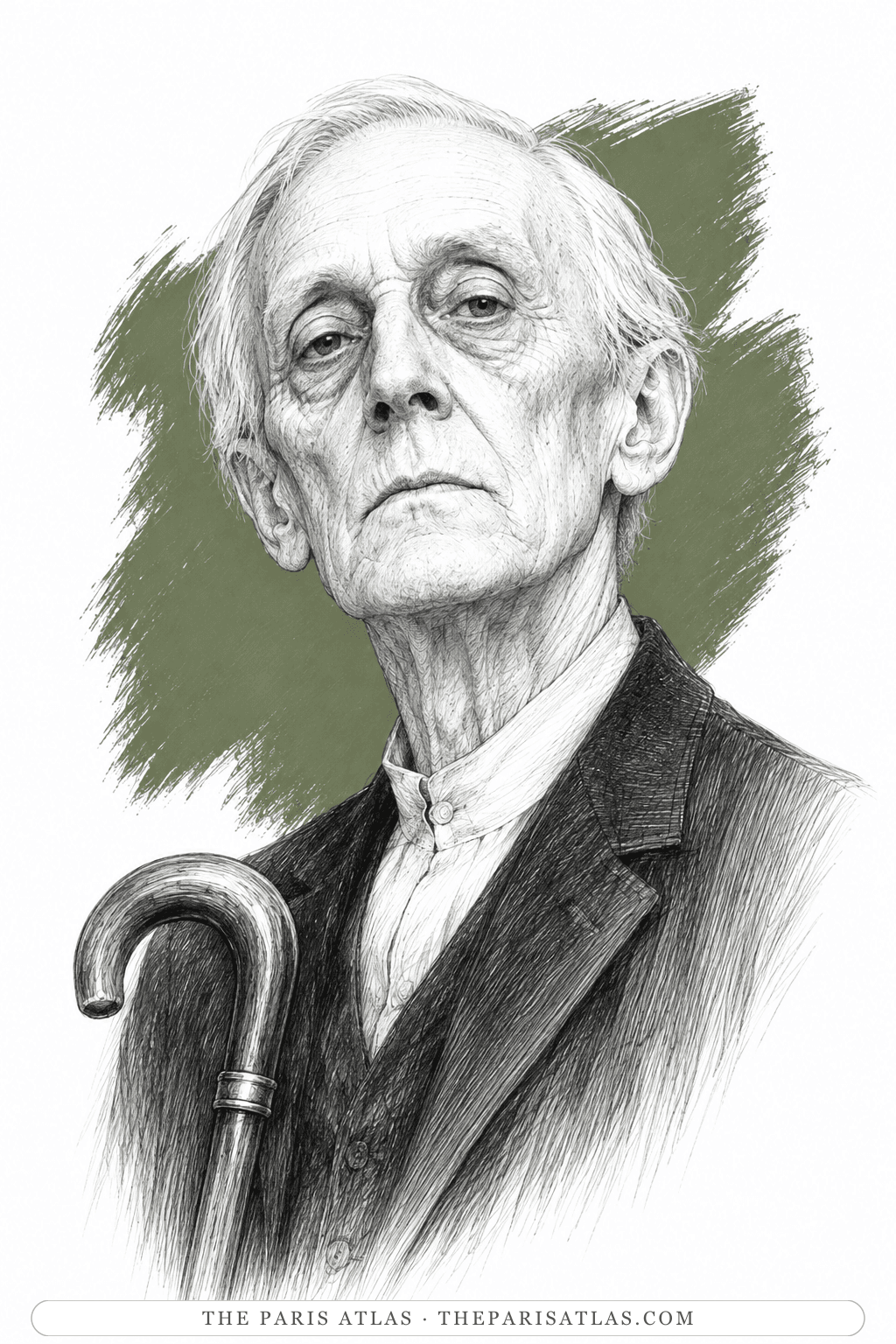
Anthony Patch's grandfather: a Civil War major who made seventy-five million dollars on Wall Street and then spent fifteen years campaigning against liquor, vice and modern literature.

Anthony Patch's friend, Gloria's cousin, and the only one of the group who works: a novelist who writes a successful first book and then spends years turning out things he knows are worse.

Anthony Patch's closest friend and the cleverest man he knows: a rich Philadelphian who has travelled the world, feels almost nothing, and intends to make a great deal of money as soon as he gets round to it.

The film producer who wanted to marry Gloria Gilbert before Anthony Patch did: a man who came up from a travelling circus and is treated as a joke by men who have never worked.
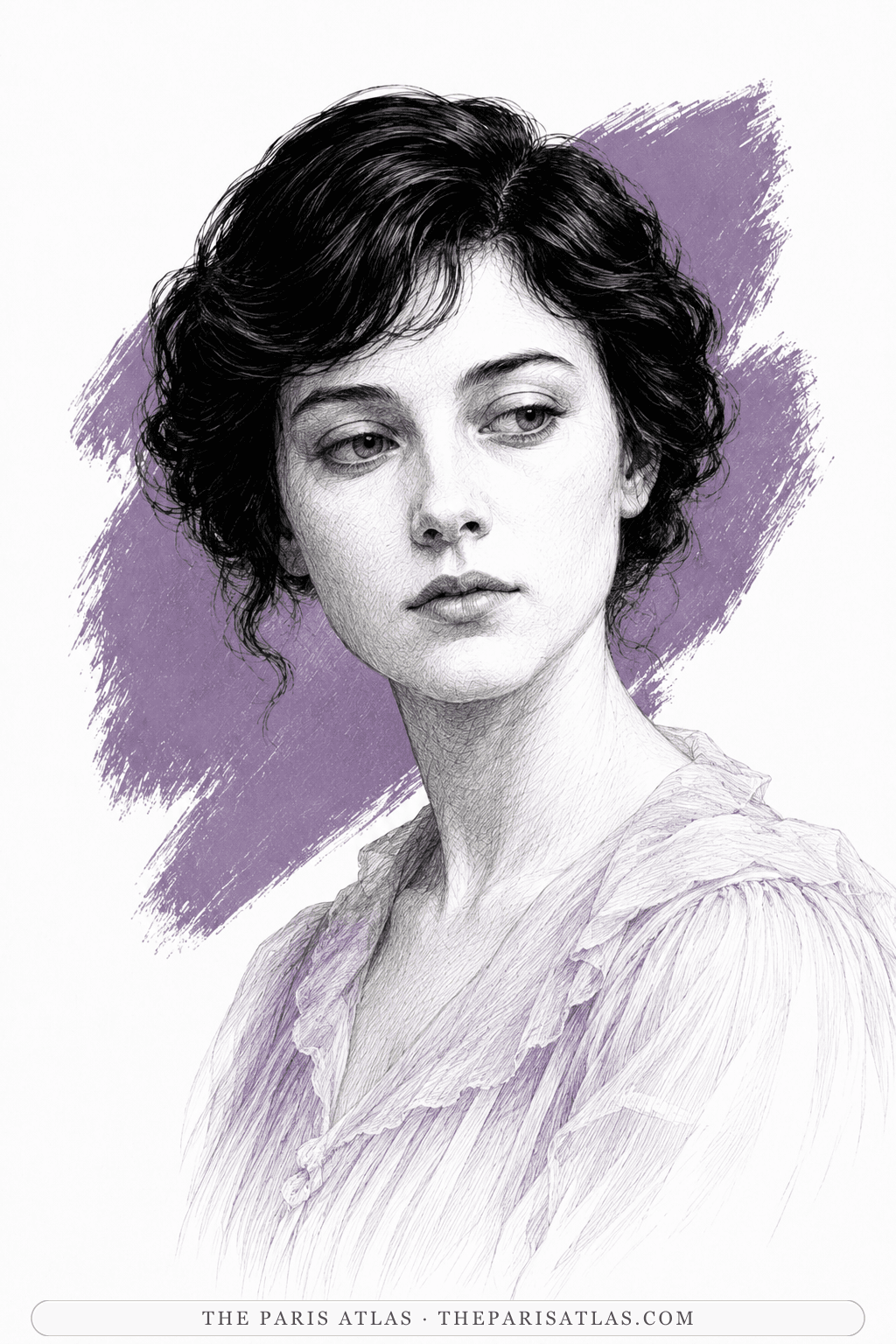
The nineteen-year-old shop girl Anthony Patch picks up on a Southern street while he is in an army camp, and cannot get rid of afterwards.
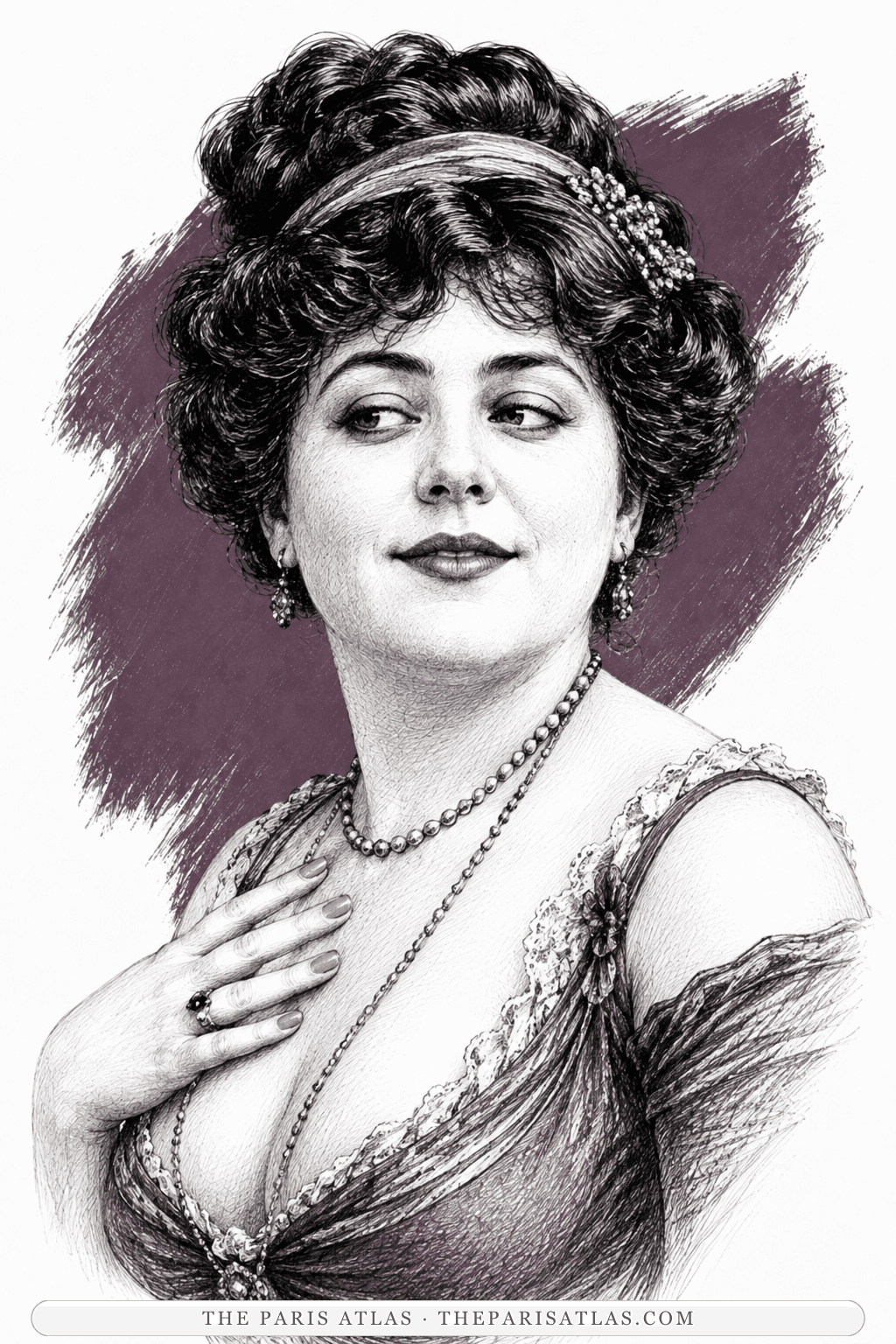
Gloria Gilbert's most loyal and least admired friend: a girl from New Jersey who dresses as a screen vamp, knows every new song, and repeats everything she hears.
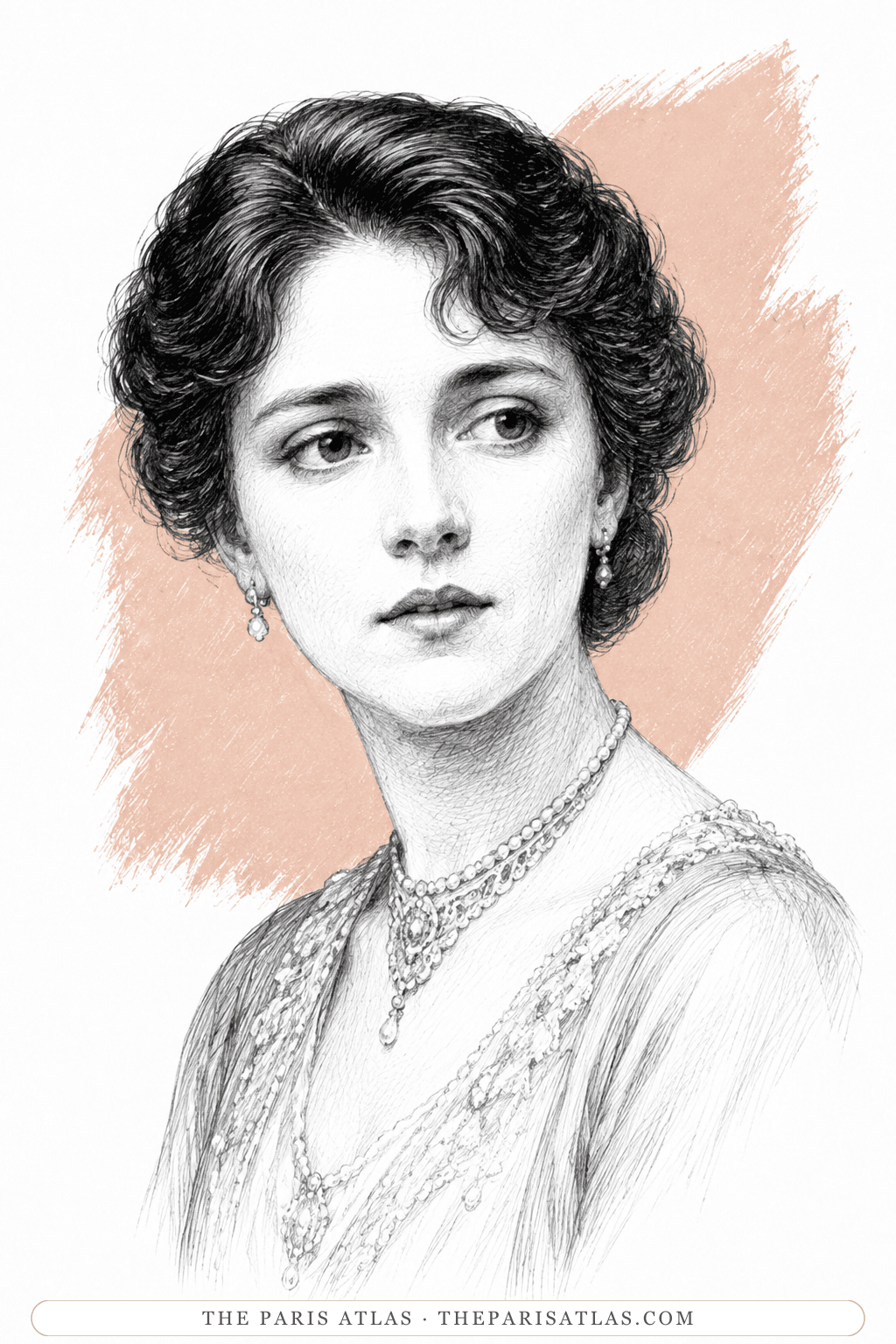
Gloria Gilbert's other friend: quiet, beautifully dressed, and the one Gloria genuinely likes, until Anthony Patch starts paying her too much attention.

Gloria Gilbert's mother: a talkative, worn-down woman from Kansas City who believes in a religion called Bilphism and cannot do a thing with her daughter.

The Japanese houseman who cooks and waits at the Patches' country house: talkative, inventive, and treated as a joke by everyone he works for.
1921
Metropolitan Magazine serializes it while the Fitzgeralds perform the very glamour the novel was autopsying.
1922
Scribner publishes it in March, and reviewing it in the New York Tribune, Zelda claims to recognize her own vanished diary and quips that "plagiarism begins at home."
1922
Hollywood films it as a now-lost silent within the year.
The debut whose golden youth this novel marries off — and follows down.
Read our take

The marriage-in-dissolution theme brought to full mastery, a decade on.
Read our takeF. Scott Fitzgerald. Scribner published it in March 1922, after serialization in Metropolitan Magazine.
It is about waiting for money. Anthony Patch and Gloria Gilbert, the novel's two central characters, marry young and spend the years that follow living as though his grandfather's fortune had already reached them. F. Scott Fitzgerald keeps the accounts — what the parties, the rented houses and the years of deferred hope actually cost the two of them.
Yes, by the author's own account and by Zelda's. Reviewing the novel, she claimed to recognize passages of her own vanished diary and quipped that Fitzgerald "seems to believe that plagiarism begins at home."
It is the middle panel between the dazzle of This Side of Paradise and the control of The Great Gatsby — his darkest twenties novel, and the one where he first measured coldly what the beautiful life costs by the hour.
Yes. Hollywood bought it immediately and released a silent adaptation in 1922, now a lost film.
Explore authors with a similar voice, perspective, and influence.

Fitzgerald vouched for him to Scribner's before they had met, then edited him better than he edited himself; the friendship's five rounds are chronicled in our journal.
View author
The Brooklyn dropout who arrived in Paris broke at thirty-eight and wrote the exuberant, banned books that ended American censorship.
View author
The doctor of the Paris slums who wrote the century's blackest, funniest novel — and changed the sound of French prose.
View authorThe sources below include the primary text, editions, scholarship, archival materials, and other records that informed this page. They document The Beautiful and Damned, its publication, and its place in literary history.

The primary text represented by this page, used for descriptions of the work’s contents and for any quoted passages shown here.
Primary-text transcription used for the house lease, moonlit porch and Gloria’s screen test. No first-edition collation is claimed.

Archival evidence used to document the historical record connected to The Beautiful and Damned.
The Bruccoli Collection biography documents the novel’s composition and its place in Fitzgerald’s early career.
Princeton’s Fitzgerald collections provide independent archival context for Fitzgerald’s manuscripts and papers.
The Bruccoli Collection bibliography was used to verify the 1922 publication record, editions, and principal scholarship.
The primary text is the baseline reference for every book page. Additional references document publication history, interpretation, and historical context where that evidence is available.
 Explore more resources