

Books like The Diary of a Drug Fiend
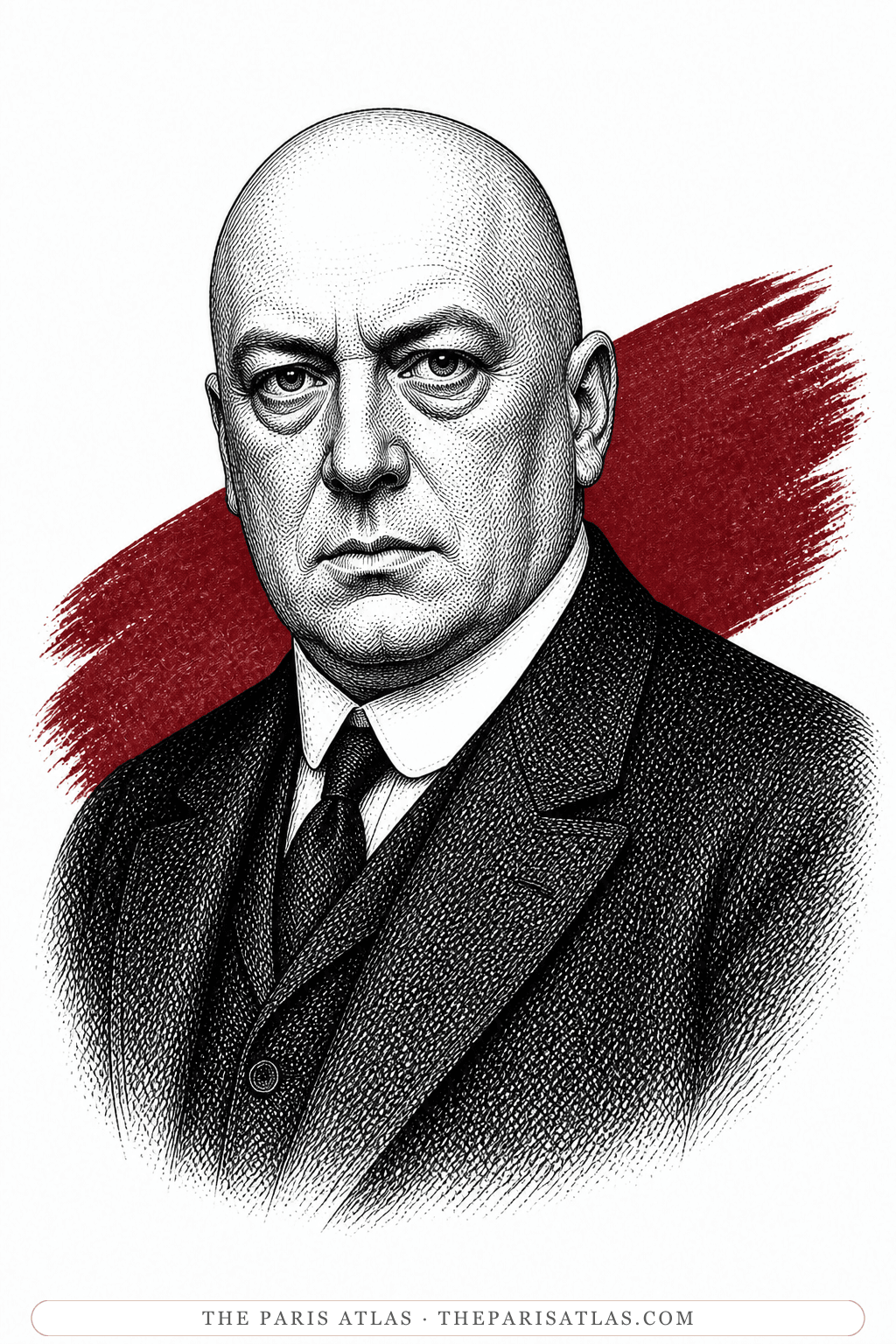
The Diary of a Drug Fiend begins with champagne, cocaine, heroin, hotels, and two lovers convinced they have discovered a more intense way to live. Peter and Lou turn intoxication into part of their romance, and for a while the whole thing feels glamorous, private, and almost magical. Then pleasure starts becoming dependence. If you want more of that mixture of glamorous young people, European hotels and cafés, drugs that begin as ecstatic and liberating, sexual obsession, and the slide into dependence, madness, or spiritual crisis, start here.
What readers love about The Diary of a Drug Fiend
- Lovers building a private world around drugs and each other
- Champagne, hotels, nightlife, cocaine, heroin, and early-20th-century decadence
- Drugs first experienced as freedom, pleasure, and discovery
- The shift from intoxication and romance into dependence and loss of control
- Occult ideas, sexual obsession, and spiritual searching mixed into the story of addiction

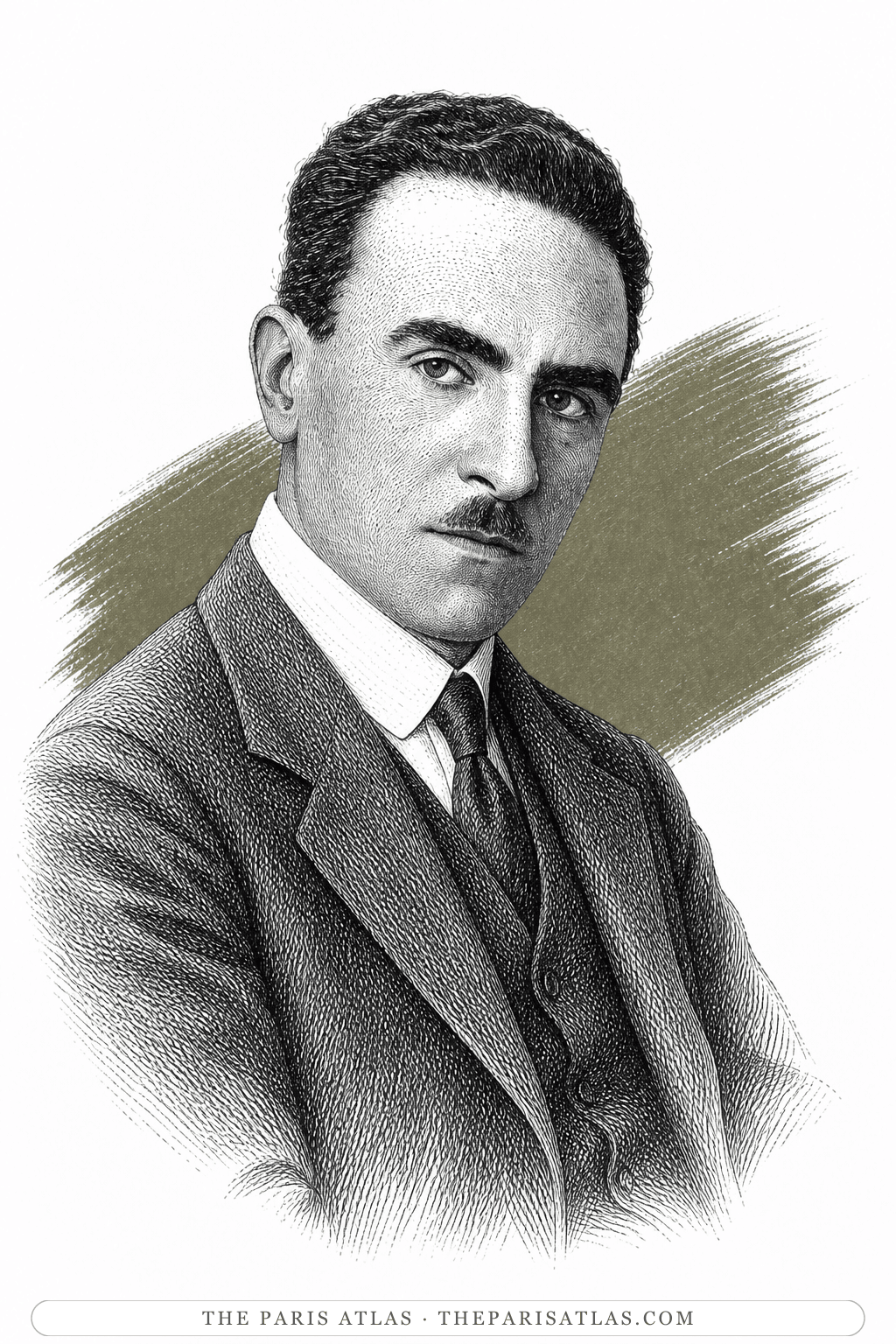
This is one of the closest matches to The Diary of a Drug Fiend. A cynical young Italian journalist moves through decadent Paris, cocaine, sex, scandal, nightlife, and a world where pleasure and self-destruction are never very far apart. It is elegant, fast, funny, and filthy, and if what you loved was the combination of drugs, sophistication, and early-1920s European decadence, this is a very natural next read.
About the author
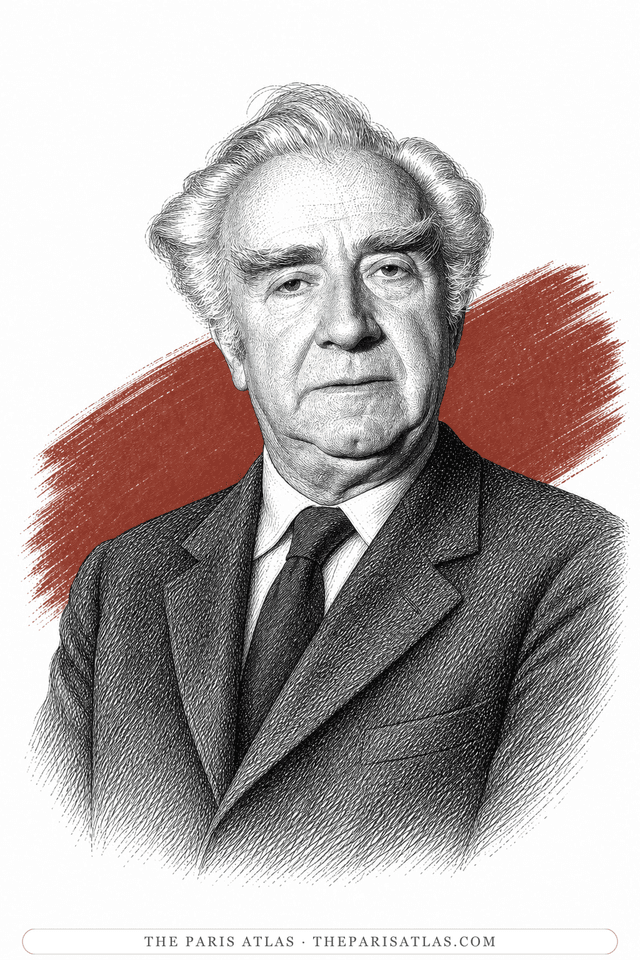 Pitigrilli
Italian novelist and journalist born Dino Segre, best known for fast, satirical stories of sex, scandal, cocaine, and European modern life.

A young couple fall in love and gradually organize their entire relationship around heroin. Like Crowley’s Peter and Lou, they initially experience the drug as part of their romance — almost as a third partner — before everything narrows into addiction, withdrawal, desperation, and codependency. It is modern, set in Australia, and far more emotionally realistic and devastating than The Diary of a Drug Fiend, but the basic movement is remarkably similar: love, shared intoxication, a private world, and then collapse.
About the author
 Luke Davies
Australian novelist, poet, and screenwriter whose novel Candy follows love and heroin addiction without romanticizing their consequences.

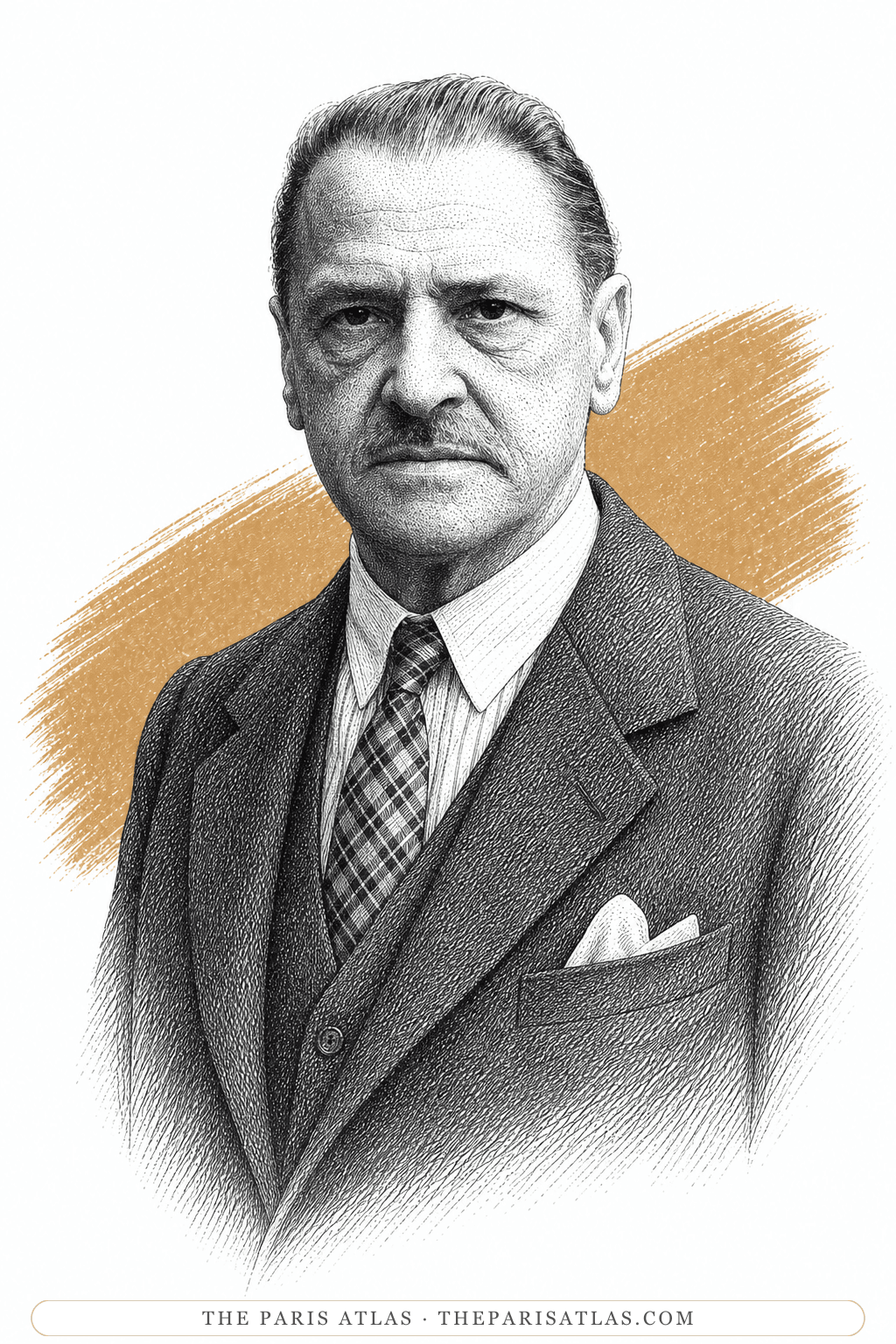
This one is especially interesting because its sinister magician, Oliver Haddo, was inspired in part by Aleister Crowley himself. The novel begins in the bohemian café society of Paris and moves through hypnotism, occult seduction, sexual fascination, black magic, and a young woman being drawn away from her ordinary life. It is not a drug-addiction story, but if the occult side of The Diary of a Drug Fiend interested you as much as the drugs, this takes that part of Crowley’s world and turns it into Gothic fiction.
About the author
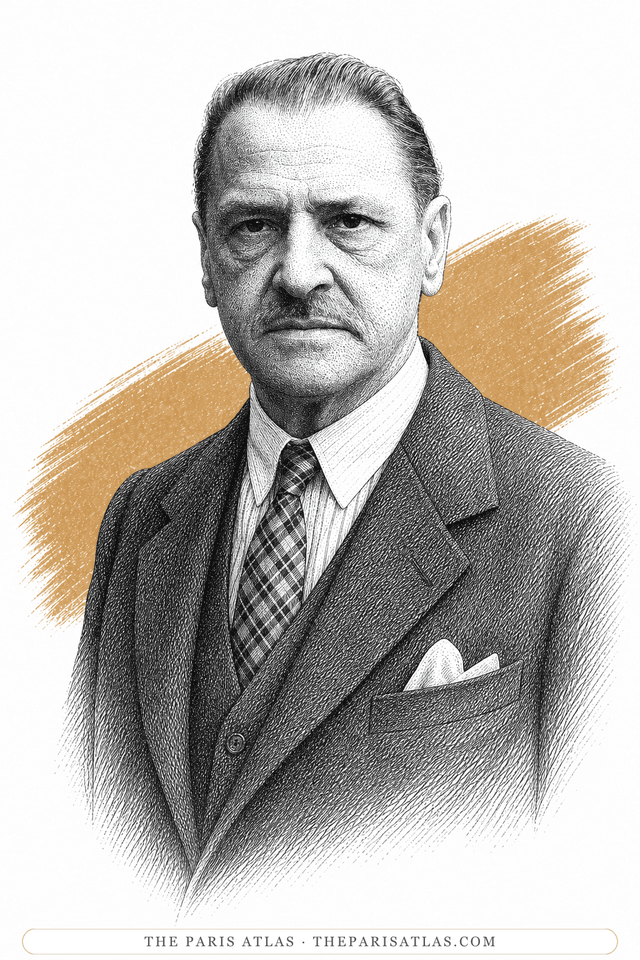 W. Somerset Maugham
English novelist, short-story writer, and playwright whose worldly fiction moves between social comedy, obsession, travel, and spiritual unease.

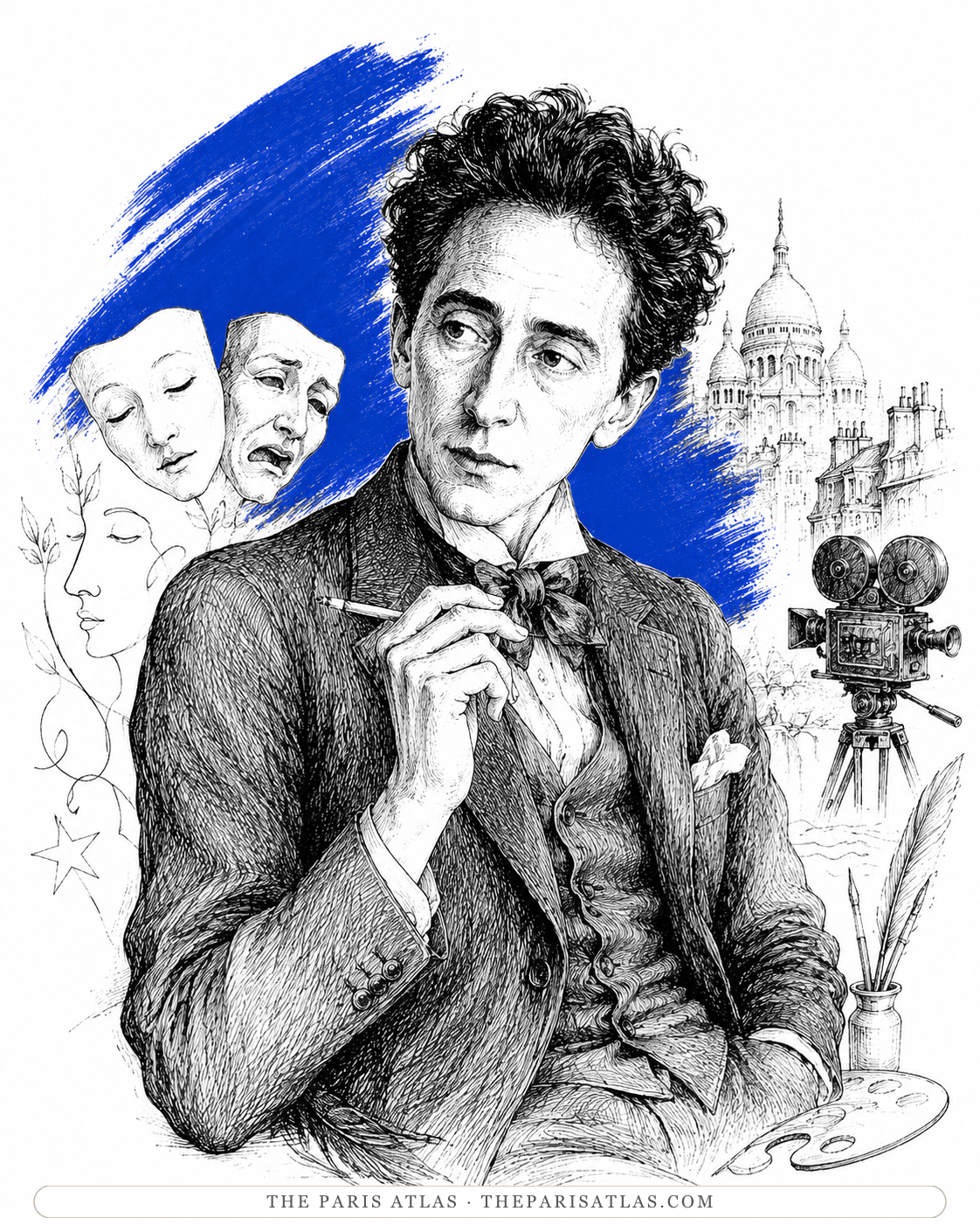
Cocteau wrote this while undergoing treatment for opium addiction, moving between withdrawal, dreams, artists, lovers, memory, aphorisms, and his own drawings. It is nonfiction and much more fragmentary than Crowley’s novel, but it comes from the real artistic world Crowley was romanticizing: drugs, beauty, creativity, suffering, and the uneasy question of whether intoxication opens something up or slowly takes something away.
About the author
French poet, playwright, novelist, critic, visual artist and filmmaker whose career connected the Ballets Russes, Cubism, modern music, interwar theatre and postwar cinema.
Read about Cocteau
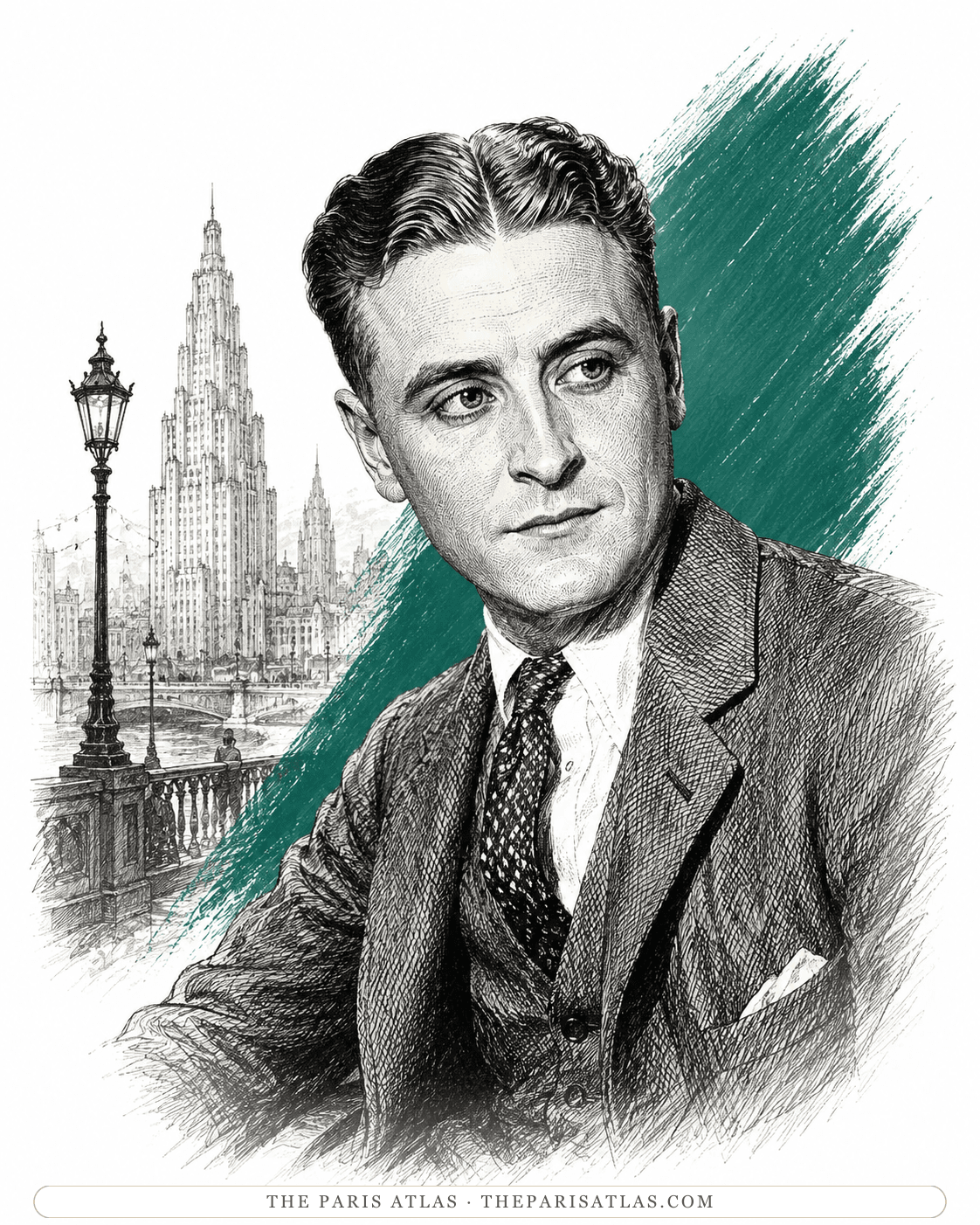
Anthony and Gloria are young, beautiful, idle, and convinced that life ought to remain a succession of drinking, parties, money, and pleasure. Instead, their marriage and their circumstances slowly deteriorate around them. Alcohol rather than heroin or cocaine drives much of the excess, and there is no occult element, but the trajectory will feel familiar: youthful glamour becomes dependence, resentment, financial decline, and two people discovering that pleasure cannot hold a life together forever.
About the author
The Jazz Age's laureate — famous at twenty-three, author of Gatsby at twenty-eight, and owner of the longest posthumous comeback in American letters.
Read about Fitzgerald
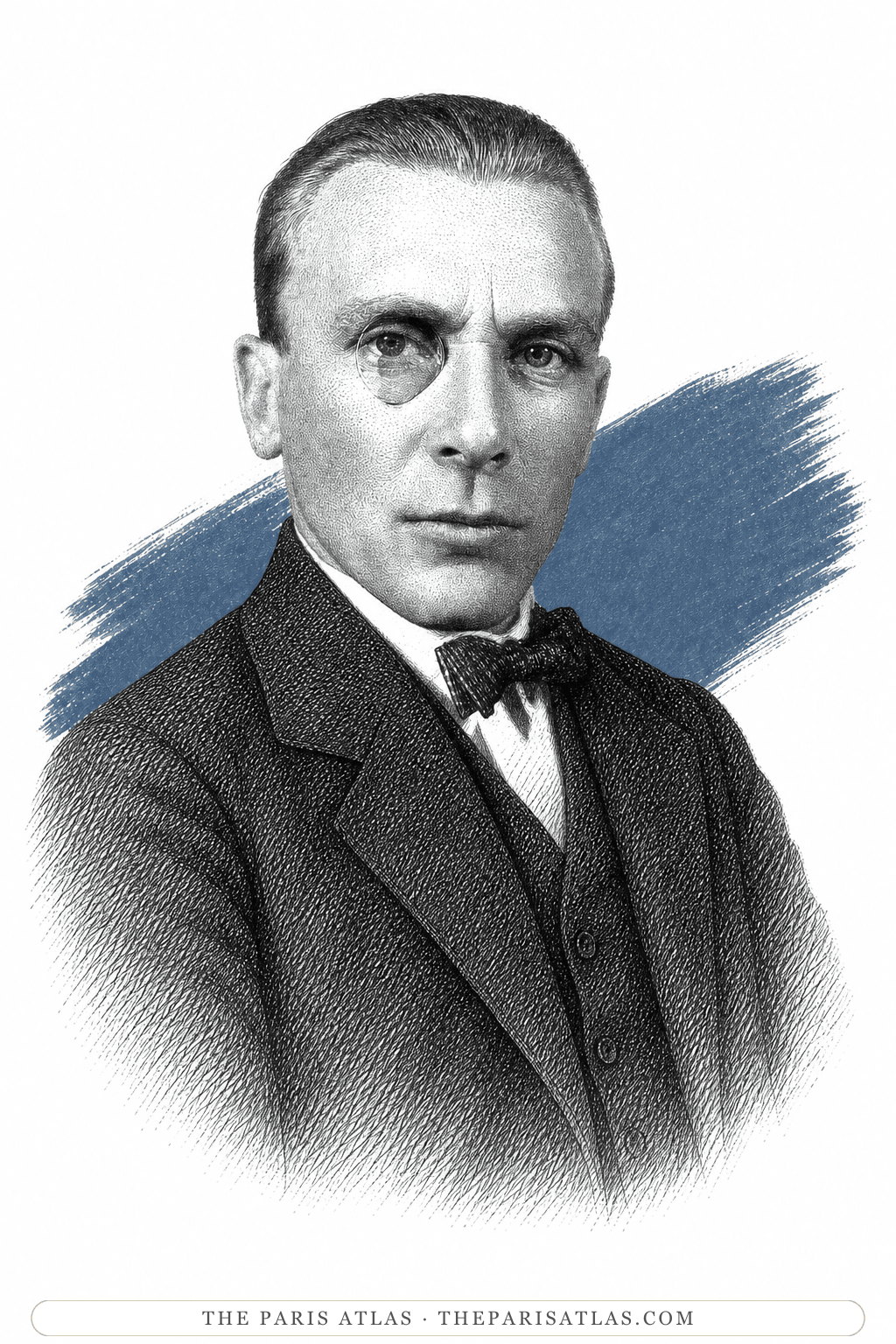
A young doctor begins using morphine for relief and gradually watches the drug take possession of almost every part of his life. Much of the story comes through his journal, giving it the private, immediate feeling of someone documenting his own dependence while it is happening. It is colder, lonelier, and much grimmer than The Diary of a Drug Fiend — no champagne, glamorous hotels, or lovers sharing the experience — but it is one of the strongest books here if the actual progression of addiction was what fascinated you.
About the author
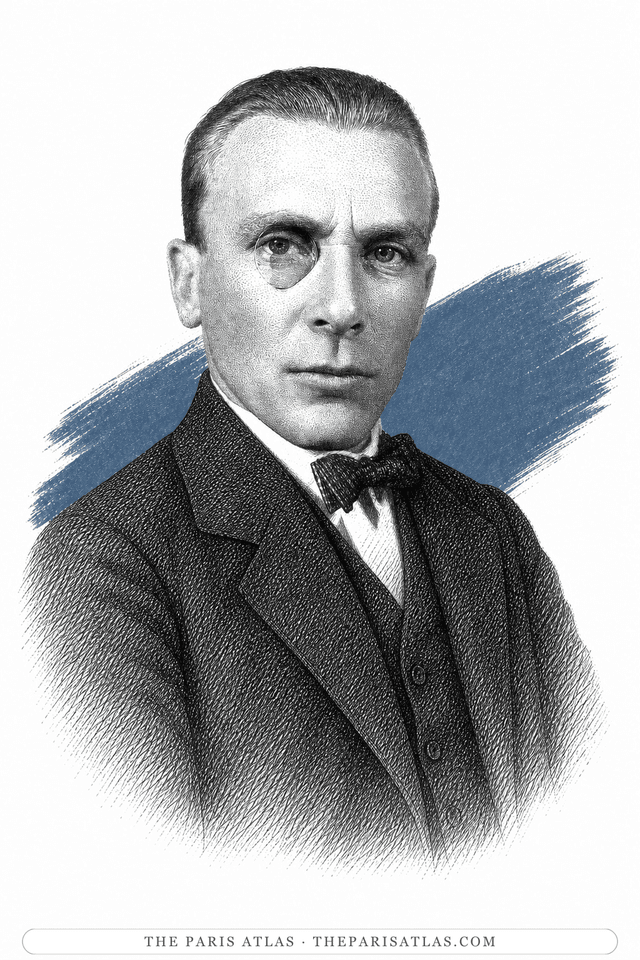 Mikhail Bulgakov
Russian novelist, playwright, and former doctor whose fiction combines satire, the fantastic, psychological pressure, and firsthand knowledge of medicine.

Published just a few years before Crowley’s novel, Dope moves through cocaine, opium, nightlife, an actress, and London’s shadowy drug world. It shares the period fascination with narcotics as something glamorous, erotic, foreign, frightening, and slightly forbidden. It is much more of a sensational crime story than The Diary of a Drug Fiend, and Rohmer’s writing includes racial stereotypes that have aged badly, but it gives you another glimpse of the strange cultural moment in which Crowley’s book appeared.
About the author
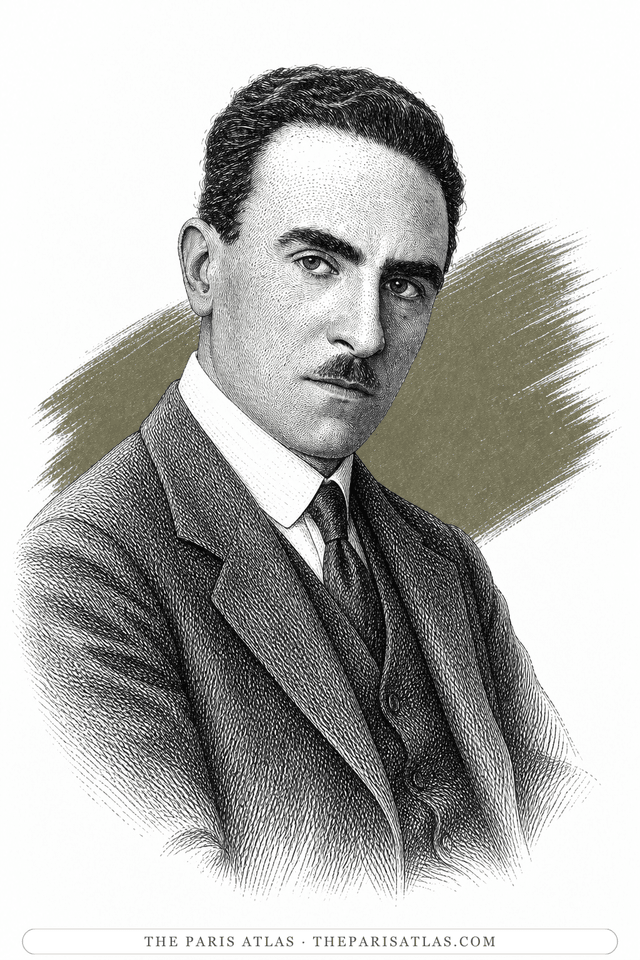 Sax Rohmer
English popular novelist born Arthur Henry Ward, remembered for sensational crime and mystery fiction built around drugs, conspiracies, and exoticized danger.

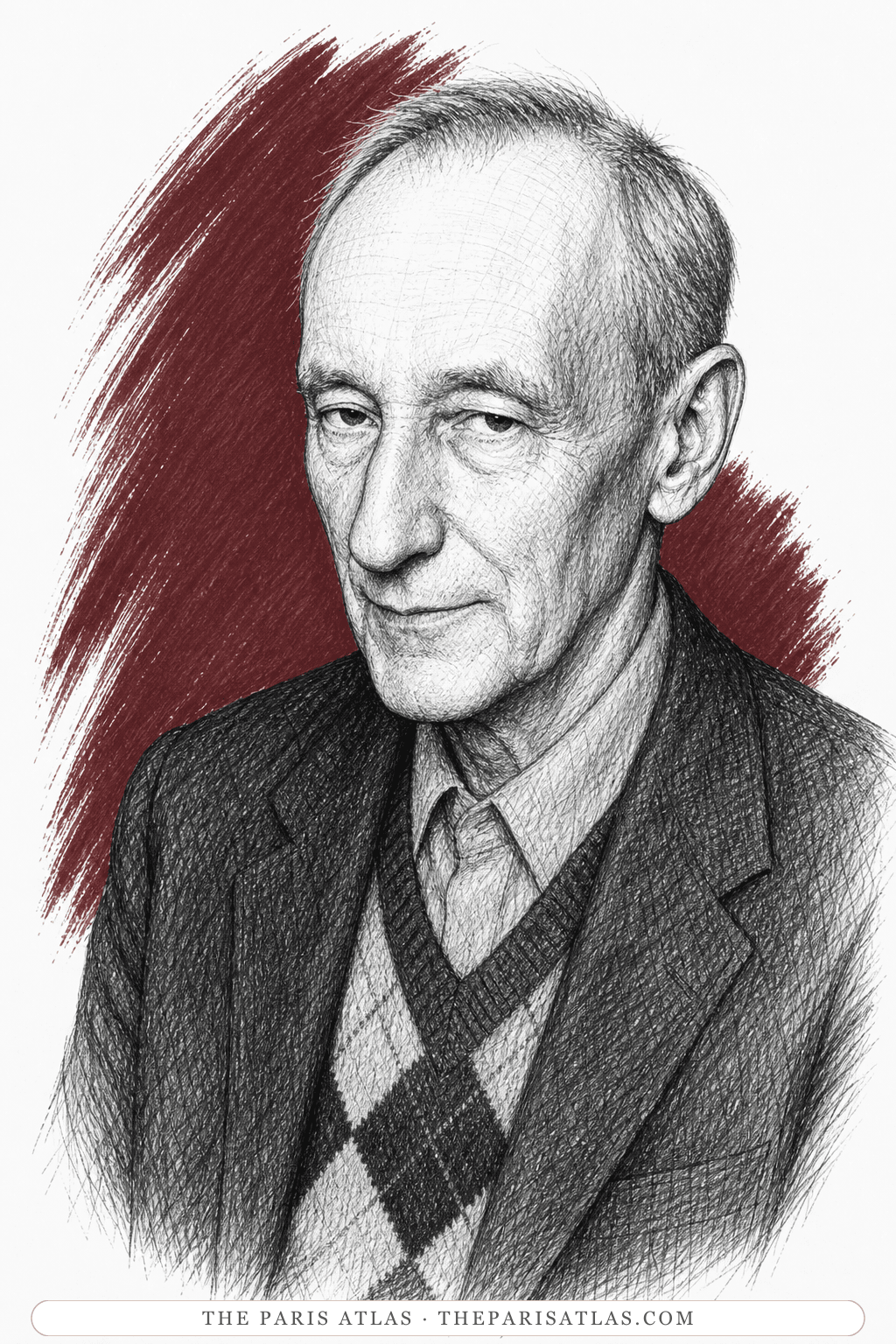
Burroughs writes about heroin without Crowley’s champagne, romance, or spiritual mythology. Drugs become routine: finding them, paying for them, using them, withdrawing, and arranging the rest of life around the next dose. If The Diary of a Drug Fiend interested you most once Peter and Lou’s glamorous experiment became actual dependence, Junky takes you much deeper into that part of the story.
About the author
American Beat novelist, essayist, performer and visual artist who completed Naked Lunch at the Beat Hotel in Paris and made cut-up writing a defining avant-garde method.
Read about Burroughs
If you liked the feeling that Crowley was writing about things respectable novels were not supposed to touch, Naked Lunch takes that freedom somewhere much stranger. Heroin, sex, grotesque humor, hallucination, and fragments of narrative all bleed together until the book itself starts to feel intoxicated. It is far less romantic and much harder to follow than The Diary of a Drug Fiend, but it carries the same fascination with crossing a line and seeing what is on the other side.
About the author
American Beat novelist, essayist, performer and visual artist who completed Naked Lunch at the Beat Hotel in Paris and made cut-up writing a defining avant-garde method.
Read about Burroughs
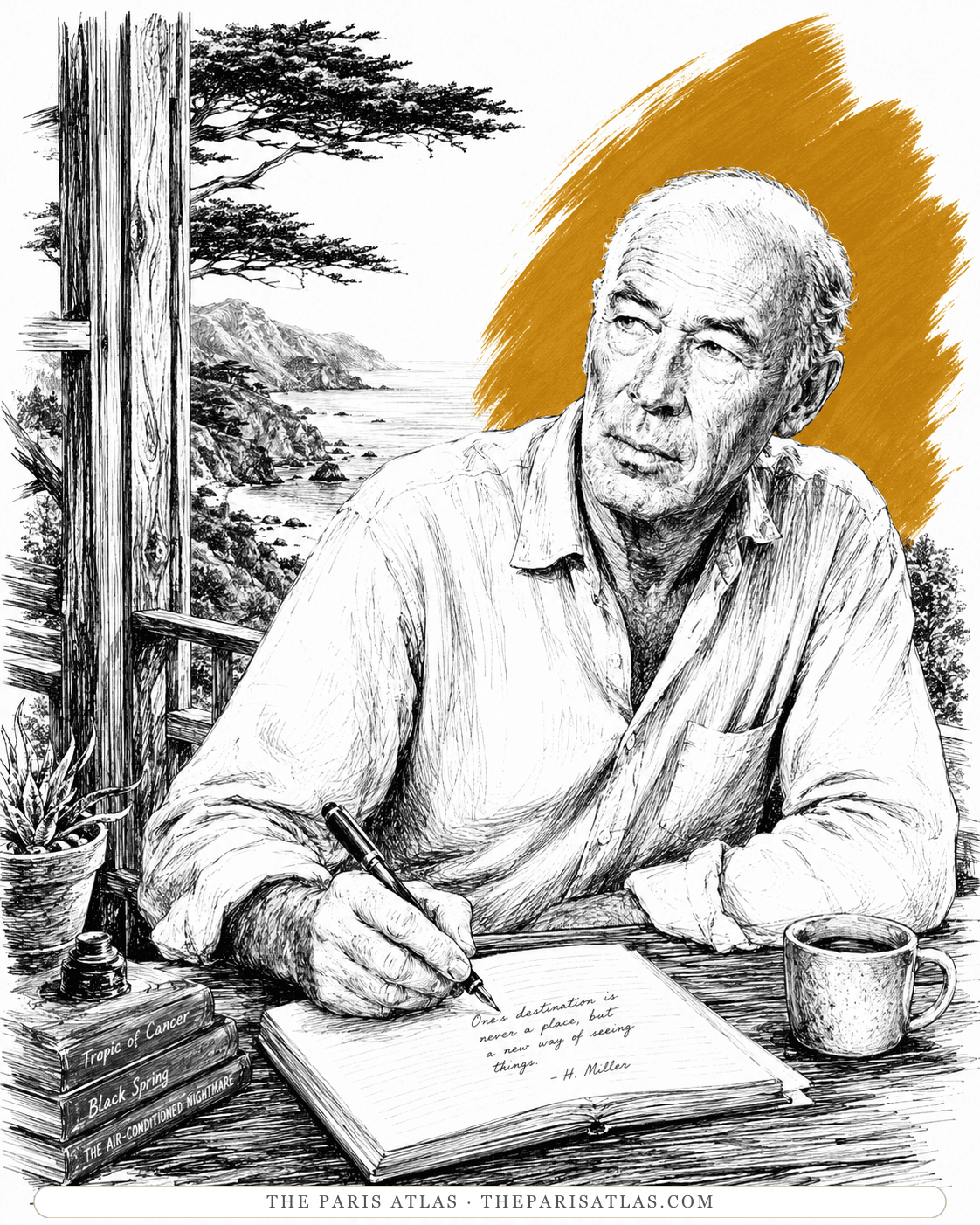
Miller’s expatriate Paris is full of borrowed rooms, drinking, sex, poverty, friends, and people who have largely stopped worrying about respectable life. Drugs are not the center of the book, so it is not the closest match in plot, but it shares Crowley’s attraction to people pursuing experience simply because ordinary life feels too small. Read it if the decadent European freedom around Peter and Lou interested you as much as their addiction.
About the author
The Brooklyn dropout who arrived in Paris broke at thirty-eight and wrote the exuberant, banned books that ended American censorship.
Read about Miller
Genet writes about theft, prostitution, sex, prisons, betrayal, and wandering through Europe as though the disreputable parts of his life deserve to become literature precisely because society rejects them. It is darker and more deliberate than Crowley, but the books share a fascination with people who have stepped outside ordinary rules and begun constructing their own ideas about freedom, pleasure, and morality.
About the author
French novelist, poet, playwright, filmmaker and political writer who transformed abandonment, imprisonment, homosexuality, crime and revolt into lyrical prose and a theater of masks, ritual and unstable identities.
Read about Genet
Crowley lets Peter and Lou experience drugs first as pleasure, intimacy, and escape before dependence begins closing in around them. Requiem for a Dream follows that same basic movement without any of the glamour: several characters become consumed by substances and by the futures they keep imagining for themselves. It is much harsher and sadder, but if the progression from “this makes life better” to “this has become life” was what gripped you in Drug Fiend, this is an especially strong match.
About the author
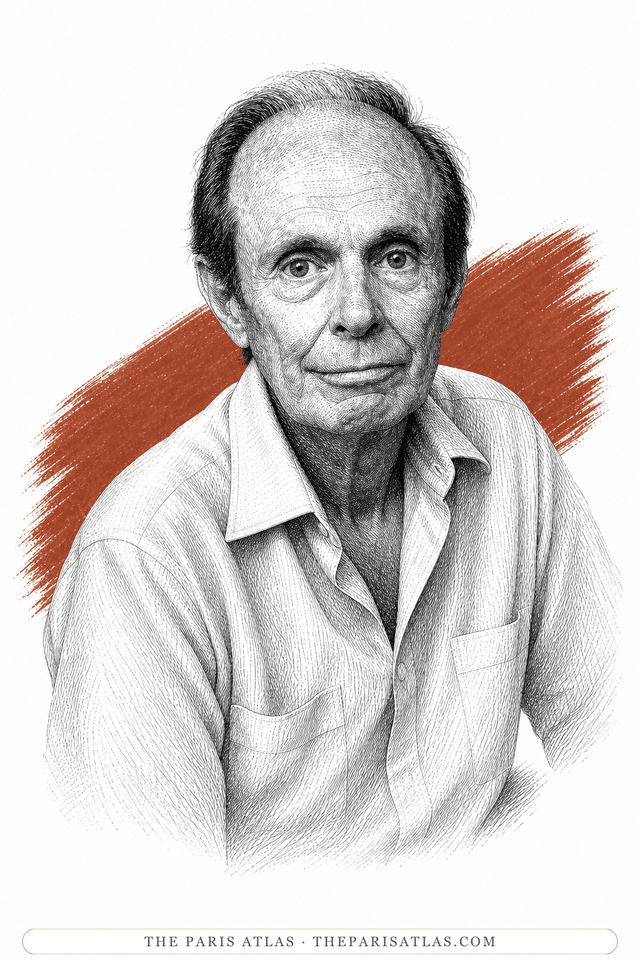 Hubert Selby Jr.
American novelist whose compressed, unflinching fiction follows addiction, desperation, violence, and damaged dreams at the edges of city life.

This is Crowley’s other major novel, full of occult rivalries, magical societies, sex, drugs, wealthy eccentrics, travel, and decadent European settings. It is the closest of his other books to The Diary of a Drug Fiend in atmosphere, but much more of the story revolves around ceremonial magic. Read it if the strange spiritual and occult side of Drug Fiend interested you as much as Peter and Lou’s addiction.
About the author
English occultist, writer, mountaineer and founder of Thelema whose long relationship with Paris connected ritual magic to the city’s Belle Époque and interwar artistic worlds.
Read about Crowley
A woman discovers that she can psychically experience another person’s thoughts and suffering, and the story gradually becomes grotesque, hallucinatory, and genuinely frightening. It is much shorter and more concentrated than The Diary of a Drug Fiend, without the glamorous hotels, lovers, and drugs, but it gives you Crowley’s fascination with altered consciousness pushed into psychological horror.
About the author
English occultist, writer, mountaineer and founder of Thelema whose long relationship with Paris connected ritual magic to the city’s Belle Époque and interwar artistic worlds.
Read about Crowley
This collection gives you Crowley in shorter doses: sinister situations, decadence, occult ideas, black humor, and people wandering into experiences they probably should have avoided. The stories vary quite a bit, but it is a good choice if you liked Crowley as a storyteller and want more of his fictional world without committing to one of his enormous books on magic.
About the author
English occultist, writer, mountaineer and founder of Thelema whose long relationship with Paris connected ritual magic to the city’s Belle Époque and interwar artistic worlds.
Read about Crowley
Crowley’s autobiography may be more entertaining than much of his fiction because his actual life gives him so much material: travel, sex, drugs, mountaineering, feuds, magical experiments, scandals, and endless self-mythologizing. It is extremely long and Crowley is not exactly an impartial witness to his own legend, but if The Diary of a Drug Fiend made you curious about the person who could write a book like that, this is where to go next.
About the author
English occultist, writer, mountaineer and founder of Thelema whose long relationship with Paris connected ritual magic to the city’s Belle Époque and interwar artistic worlds.
Read about Crowley

References
The sources below include the primary text, editions, archives, and critical context used to establish what distinguishes The Diary of a Drug Fiend.

1The Diary of a Drug Fiend
Official recordWeiser BooksUsed forOfficial record used to verify names, dates, institutional details, or other factual information on this page.
2Crowley, Aleister (1875–1947) — authority record
Official recordBibliothèque nationale de FranceUsed forOfficial record used to verify names, dates, institutional details, or other factual information on this page.
3The Yorke Collection
ArchiveThe Warburg Institute, University of LondonUsed forArchival evidence used to document the historical record connected to Books like The Diary of a Drug Fiend.

4Aleister Crowley in Paris: Sex, Art, and Magick in the City of Light
BiographyTobias Churton (Inner Traditions)Used forBiographical evidence used to verify chronology, relationships, and historical context connected to Books like The Diary of a Drug Fiend.
These references support the guide's description of the comparison book. The read-alike matches themselves are editorial recommendations, explained individually above.
 Explore more resources
Newsletter
Tell us what you loved, and we'll find your next book.
Every Friday: one recommendation, the reasons it earns your time, and what to read after it. Reply with your last favorite and we'll answer.