

Opium: Diary of a Cure
by Jean Cocteau
Jean Cocteau records withdrawal, dreams, art, memory, and the uneasy bargain between opium and creativity.
- 1930
- Hallucinatory
- Spare
- Melancholy
- spare
- intimate
- autobiographical
- experimental
About Jean Cocteau
The story, briefly
Spoiler-freeWritten during treatment for opium addiction, Cocteau’s fragmentary illustrated diary moves through withdrawal, artists, memories, aphorisms, beauty, and suffering.
The story, in more detail
Opium: Diary of a Cure is not a conventional memoir or novel. Jean Cocteau wrote it while undergoing treatment for opium addiction, recording withdrawal, dreams, memories, drawings, literary opinions, and abrupt observations about art and people.
The book grew out of repeated detoxification after Cocteau became dependent on opium in the 1920s. He writes from inside treatment rather than after neatly resolving it, which gives the diary a nervous and fragmentary immediacy.
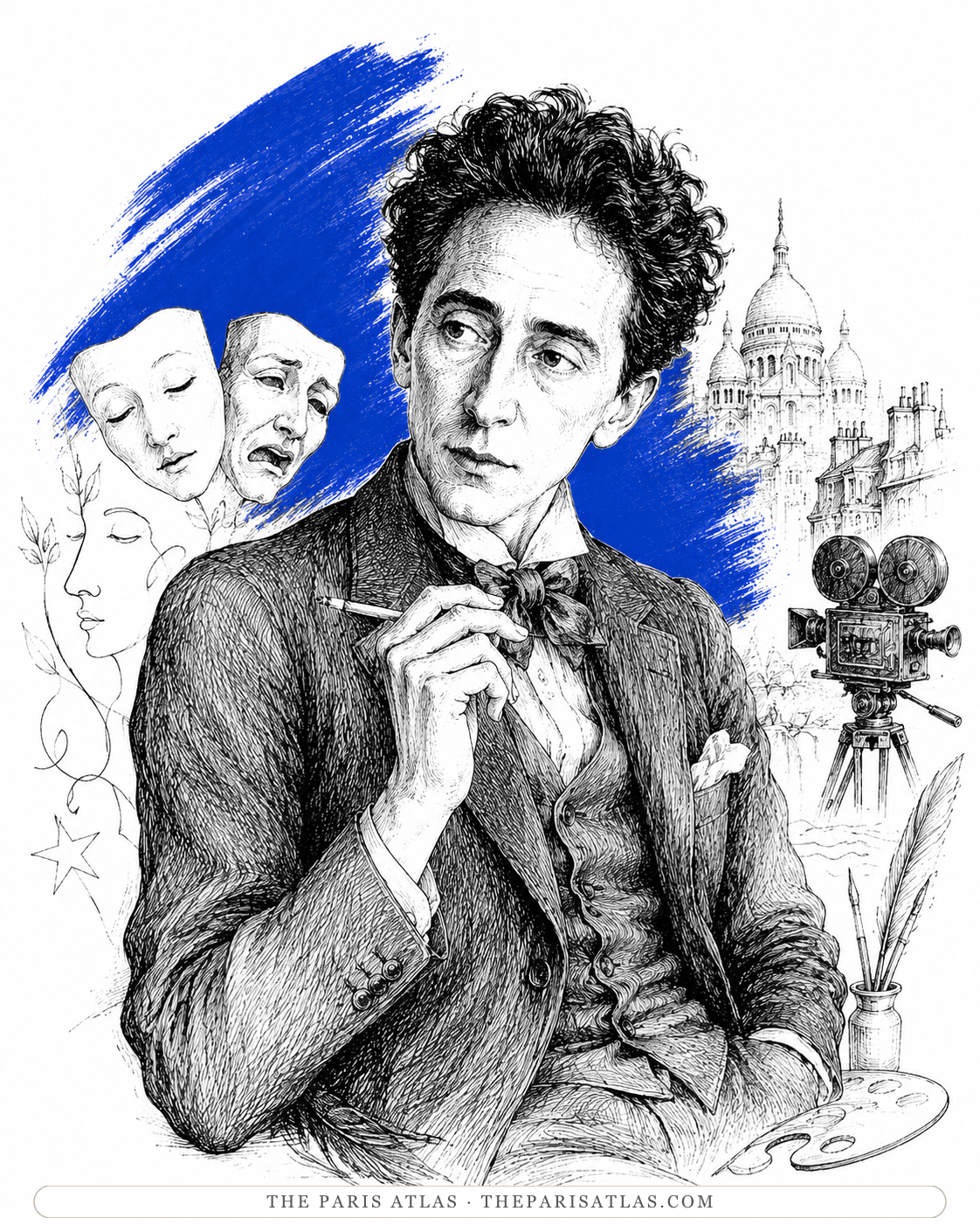
Cocteau’s drawings are part of the work rather than decoration. Text and image together record an artist whose mind keeps moving even while his body is occupied by withdrawal and medical routine.
The full plot
Because the book is a diary, it has no single continuous plot. Cocteau enters treatment at a clinic and begins recording the physical sensations, thoughts, dreams, and observations that accompany withdrawal from opium.
He describes insomnia, craving, fatigue, altered perception, and the strange relationship between suffering and creativity. Medical routine provides a loose structure, but the mind recording it rarely moves in a straight line.
The diary repeatedly moves outward from the clinic. Cocteau remembers friends, artists, theater, cinema, literature, and Parisian cultural life. Names and ideas appear without the formal introductions a novelist would normally provide.
He also reflects on opium itself. He neither reduces it to glamorous inspiration nor treats it as a simple external enemy. The drug has altered his rhythms, imagination, body, and social world, making cure more complicated than merely stopping use.
Drawings punctuate the writing. Faces, bodies, lines, and visual jokes become another kind of diary entry, showing that Cocteau’s artistic process continues even when ordinary functioning becomes difficult.
How it ends — spoilers ahead
The diary does not end with a triumphant recovery story. Cocteau’s relationship with opium remained complicated, and his later biography includes further struggles and relapse.
Instead, the book records one particular attempt at withdrawal and the thoughts it produced. Its achievement is exact observation rather than permanent victory.
For a modern reader, the title therefore carries some irony: cure names a difficult process, not a guaranteed or final ending.
Themes and analysis
Addiction and creativity
Cocteau repeatedly asks whether drugs reveal artistic possibilities or simply alter the conditions under which art is made. He neither credits opium with creating talent nor pretends that intoxication left his work untouched.
In the opening passage reproduced by Montpellier’s Cocteau collection, he says he excluded drawings made as distractions because they still looked like deliberate art-making. That act of selection complicates the idea of a spontaneous bedside notebook: the published work is already choosing what kind of evidence to present. His comparison of the retained drawings to cries slowed down joins suffering to an artistic manipulation of time. The reader is asked to attend to an experience made available for inspection, not merely to admire art produced despite illness.
Withdrawal as altered consciousness
Detoxification produces its own changed mental state. Sleeplessness, fatigue, craving, and unstable perception become subjects worthy of the same attention Cocteau gives dreams, theater, or film.
Art as survival
Drawing and writing continue when ordinary functioning becomes difficult. Making art does not cure the body, but it gives Cocteau a way to observe distress rather than disappear entirely inside it.
Celebrity and artistic networks
The diary is crowded with writers, painters, performers, and cultural judgments because Cocteau’s addiction existed inside a dense Parisian artistic world. The references can feel abrupt because he writes as if these people already belong to the notebook’s daily life.
Memory
The clinic becomes a place from which Cocteau revisits earlier relationships and artistic experiences. Physical confinement does not narrow the book to the present; it sends thought repeatedly back into Paris and the past.
In another passage reproduced by the same collection, Cocteau describes an unfamiliar room becoming so full of apparent memories that its occupant feels he has always lived there. Memory here is not simply the recovery of an earlier Paris: it is a sense of having a past in a place just entered. The following sentence makes departure painless because that familiarity seems reproducible elsewhere. The speed of the transformation matters. His description gives the room an apparently lifelong intimacy that requires no shared history, making attachment portable rather than lasting.
The unstable idea of cure
The book resists a simple before-and-after recovery narrative. Treatment is real and withdrawal matters, but later relapse prevents the reader from treating this single clinic stay as a permanent solution.
Writing style
Cocteau writes in fragments, aphorisms, observations, and sudden associative leaps. One entry may describe withdrawal and the next turn to Picasso, theater, a dream, or a visual joke.
The style feels like a notebook kept by someone who cannot stop making art. It is intimate without following a conventional confession and elegant without smoothing away discomfort. Readers should expect connections to accumulate rather than a continuous storyline.
Editions and translations
Edition choice matters because Cocteau’s drawings must be preserved and translations handle his compressed, aphoristic French differently. Before choosing a copy, check the named translator, publisher, and whether the original illustrations are complete.
Major adaptations
This is primarily a diary and art book, not a narrative with a major direct screen adaptation. Cocteau’s films and later visual work offer more useful connections than forcing the journal into a conventional adaptation history.
Why we recommend it
Written from inside treatment
Cocteau records withdrawal before time has turned it into a neat story of recovery.
Drawing and prose together
Images function as diary entries and reveal a mind still making art during physical distress.
A cure without false certainty
The book treats detoxification as a process while refusing the promise of permanent victory.
What this book explores
The people in its pages
Jean Cocteau
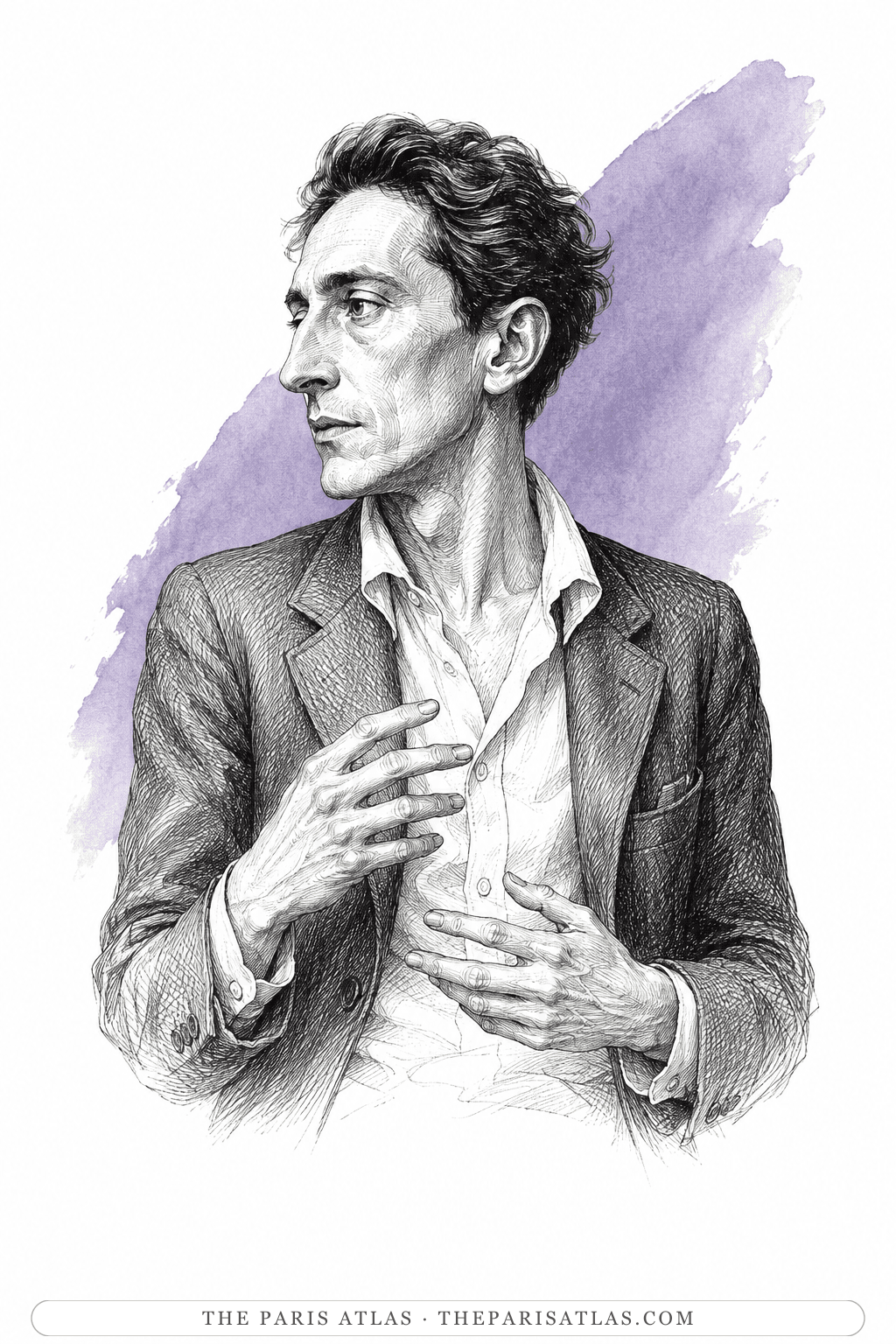
The artist, writer, filmmaker, and diarist who turns his own opium withdrawal into a record made from words and drawings.
Also in the book
Doctors and clinic staff
The practical medical figures who supervise treatment without becoming conventional supporting characters.
Artistic friends and contemporaries
The writers, painters, performers, and cultural figures who populate Cocteau’s memories and quick judgments.
Bring it to book club
- Does Cocteau successfully separate art from addiction?
- How do the drawings change the reading experience?
- What does cure mean in the title?
- Why does the diary move so quickly between the body and art?
- Does fragmentation make the account feel more honest?
- How does celebrity affect the tone?
- Which parts feel historically distant from modern language about addiction?
- Is the book best understood as memoir, notebook, or artwork?
Timeline
Late 1928
Cocteau enters treatment at Saint-Cloud and keeps the journal.
1930
The diary is published in French as Opium: Journal d’une désintoxication.
Mid-20th century onward
Multiple English translations and illustrated editions appear.
Later editions
The book remains valued as both an addiction memoir and an artist’s notebook.
Book editions

- Paperback
- Random House
- 9780394177373
Reader reviews
Readers may also like


The Diary of Anaïs Nin, 1931–1934
Another intimate literary record tied to an artistic circle.
Read our take
No Longer Human
Self-destructive consciousness presented through autobiographical fiction.
Read our takeOpium: Diary of a Cure: frequently asked questions
Is Opium: Diary of a Cure a novel?
No. It is an illustrated diary or journal written during detoxification.
Was Jean Cocteau really addicted to opium?
Yes. The journal records treatment during a real period of dependence.
Did the treatment permanently cure him?
No simple permanent-cure claim is accurate. Cocteau’s later biography includes continued struggles with opium.
Are the drawings by Cocteau?
Yes. They are part of the work, not later decoration.
Is the book chronological?
Only loosely. The entries are associative and fragmentary, moving rapidly among the clinic, memory, art, and observation.
Does the book romanticize opium?
It sometimes describes opium with fascination, but it also records dependence, withdrawal, distress, and suffering.
Is Paris important to the diary?
Yes. Paris remains present through the artistic world Cocteau remembers and inhabits even when he writes from a clinic.
Is it useful for readers interested in addiction?
Yes, as an artist’s account of dependence and withdrawal, not as a modern medical guide.
If you like Jean Cocteau
Explore authors with a similar voice, perspective, and influence.
Gertrude Stein
Writer, collector, and host of the rue de Fleurus salon where modern art and the Lost Generation were curated in the same room.
View author
F. Scott Fitzgerald
The Jazz Age's laureate — famous at twenty-three, author of Gatsby at twenty-eight, and owner of the longest posthumous comeback in American letters.
View author
Paul Bowles
American novelist and composer whose expatriate fiction explores dislocation, unstable intimacy, fatalism, and North Africa.
View author
References
References
The sources below include the primary text, editions, scholarship, archival materials, and other records that informed this page. They document Opium: Diary of a Cure, its publication, and its place in literary history.

1Opium: Diary of a Cure
MemoirJean Cocteau, 1930Used forThe primary text represented by this page, used for descriptions of the work’s contents and for any quoted passages shown here.

2Opium: Diary of a Cure
Official recordGoogle BooksUsed forEdition and bibliographic record for the English-language book.
3Jean Cocteau (1889-1963) — Bibliographie
WebsiteBibliothèque nationale de FranceUsed forFrench national-library evidence for Cocteau’s bibliography.
4Jean Cocteau — Les immortels, fauteuil 31
Official recordAcadémie françaiseUsed forInstitutional biography and career chronology.
5Encyclopaedia Britannica — Jean Cocteau
WebsiteUsed forReference biography for Cocteau’s artistic work and life.
6Opium
WebsiteJean Cocteau unique et multipleUsed forOpening French passage reproduced by Montpellier's Cocteau collection; used for the selection of drawings and the slow-motion comparison, not a complete diary or English-translation reading.
7Plus qu’un document sur l’opium
WebsiteJean Cocteau unique et multiple — fonds Cocteau de MontpellierUsed forFrench room-and-memory passage reproduced by Montpellier's Cocteau collection. The new reading interprets Cocteau's description; it does not treat the page's period medical assertion as current guidance.
i
Why these sources are here
The primary text is the baseline reference for every book page. Additional references document publication history, interpretation, and historical context where that evidence is available.
 Explore more resources