Artistic friends and contemporaries
The writers, painters, performers, and cultural figures who populate Cocteau’s memories and quick judgments.
To remain present within Cocteau’s artistic memory as relationships, arguments, influences, and examples through which he thinks.
The book

At a glance
- Writers, painters, performers, and other cultural figures
- Cocteau’s Parisian artistic world
- Memories, references, and judgments
Who they are in the book
Spoiler-freeCocteau’s artistic network enters through names, memories, opinions, and associations rather than staged scenes. These people show how thoroughly his addiction and creativity belonged to a shared cultural world.
A future annotation layer can identify individuals when a reference materially changes an entry. This profile retains the source’s group because it does not supply a definitive roster.
How Artistic friends and contemporaries Is Portrayed
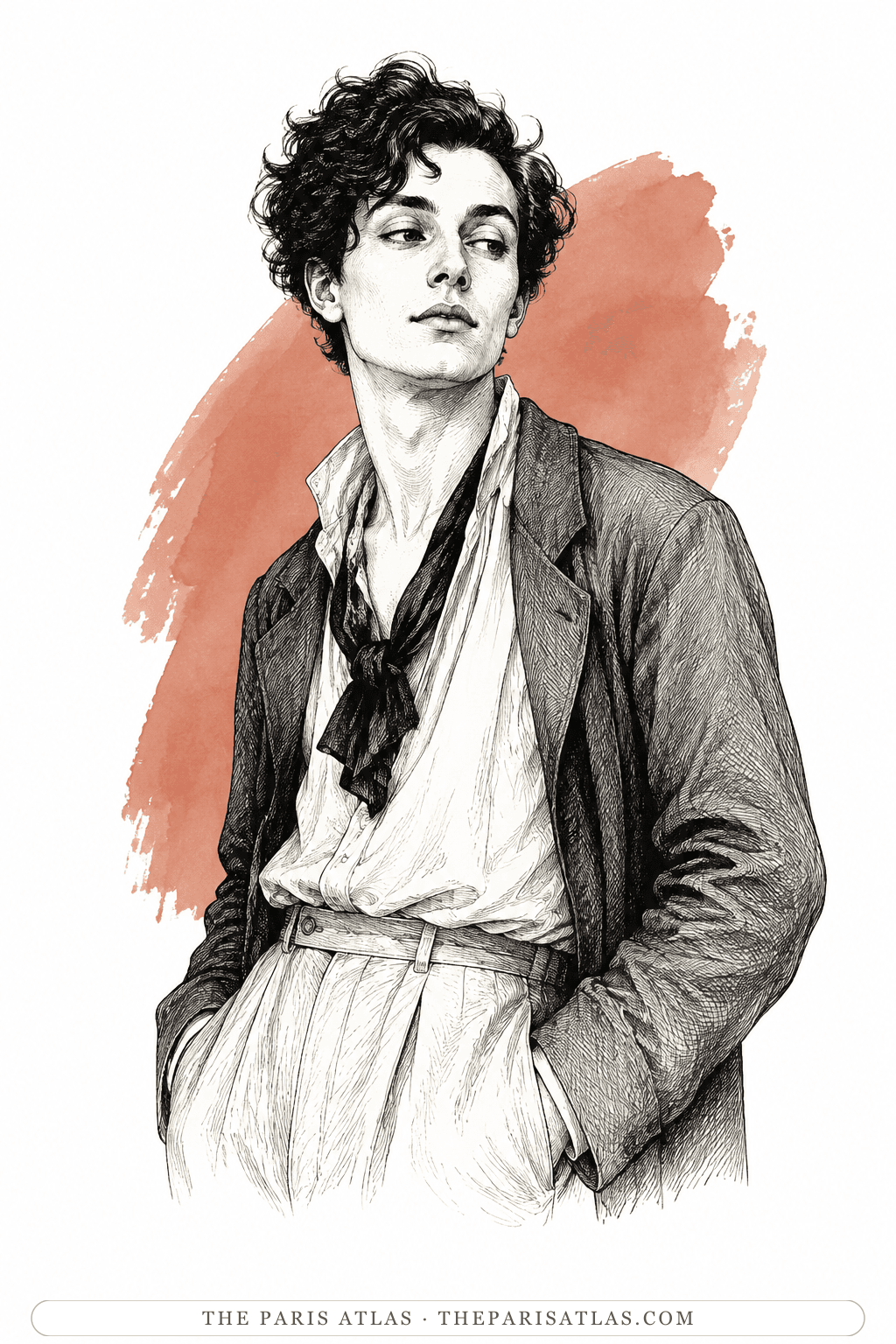
- Paris artistic circlePeriod dress places the group within late-1920s cultural life.
- Representative figureOne portrait stands for the grouped role without claiming a specific identity.
- Social intelligenceThe network is built from exchange, judgment, and collaboration.
- Cultural confidenceMany references appear without introduction because Cocteau knows this world intimately.
- Remembered presenceMost enter through association rather than clinic action.
- Varied disciplinesWriters, painters, performers, and filmmakers all belong to the wider network.
No single ending applies to the group. They persist as part of the artistic and social world the diary revisits from the clinic.
If you like Opium: Diary of a Cure


If you like Jean Cocteau
Explore authors with a similar voice, perspective, and influence.
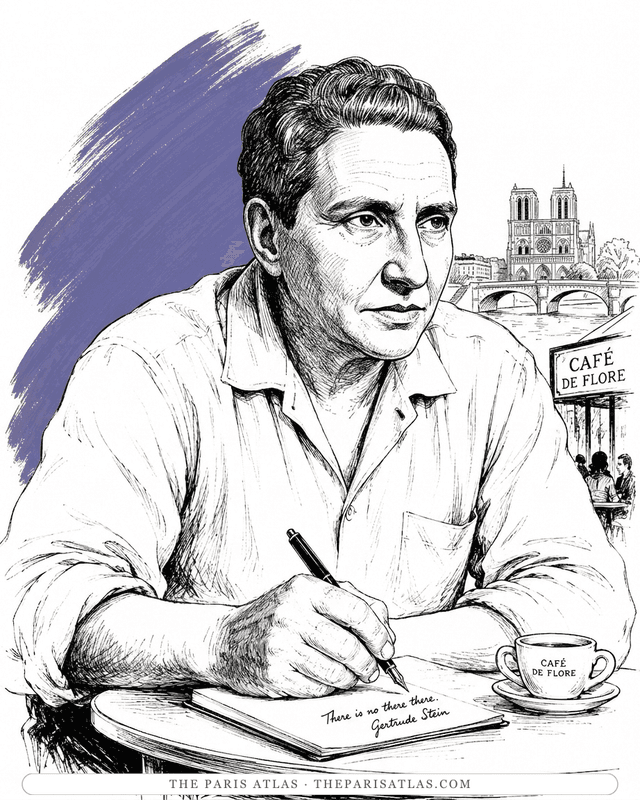
Gertrude Stein
Writer, collector, and host of the rue de Fleurus salon where modern art and the Lost Generation were curated in the same room.
View author
F. Scott Fitzgerald
The Jazz Age's laureate — famous at twenty-three, author of Gatsby at twenty-eight, and owner of the longest posthumous comeback in American letters.
View author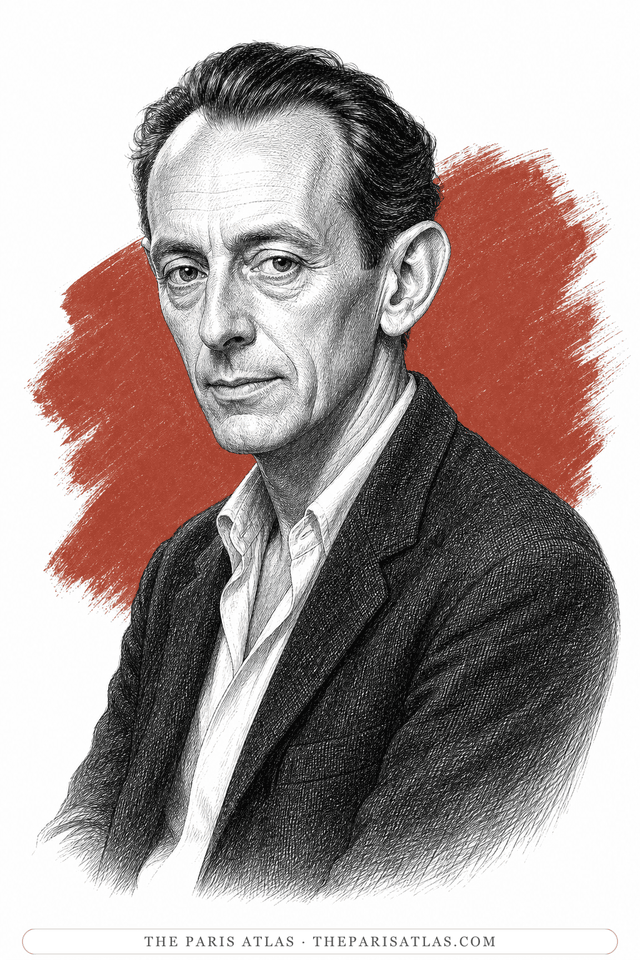
Paul Bowles
American novelist and composer whose expatriate fiction explores dislocation, unstable intimacy, fatalism, and North Africa.
View author