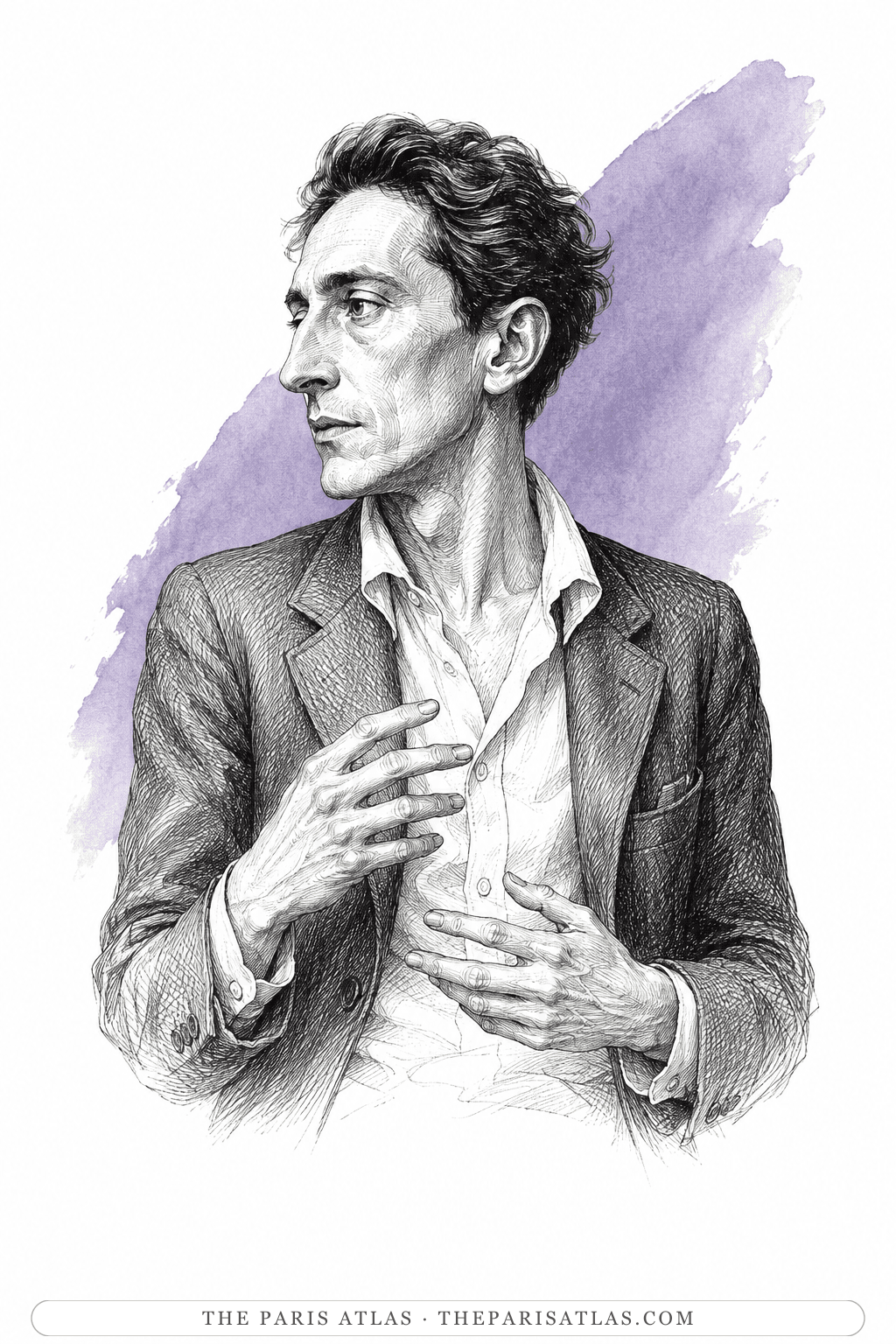
Jean Cocteau
The artist, writer, filmmaker, and diarist who turns his own opium withdrawal into a record made from words and drawings.
To endure withdrawal without surrendering the creative attention through which he understands himself and the world.
The book

At a glance
- Diarist, patient, artist, and observer
- A clinic at Saint-Cloud, France
- Fragments, aphorisms, memories, and drawings
Who they are in the book
Spoiler-freeCocteau is simultaneously patient and observer. He records bodily distress from inside treatment while his attention keeps moving toward memory, friendship, film, theater, literature, and visual form.
His intelligence does not give him simple mastery over dependence. What he can do is watch closely, make art, and question the comforting idea that cure has one permanent ending.
How Jean Cocteau Is Portrayed
- Thin late-1920s figurePhysical leanness and period clothing place him within the documented clinic moment.
- Sharp profileHis recognizable angularity suits a portrait centered on attention.
- Slightly exhaustedTreatment registers as fatigue rather than theatrical ruin.
- Alert eyesEven in distress, observation remains active.
- Expressive handsGesture suggests the artist’s continuing need to make and explain.
- Patient and observerHe is the subject of treatment and the person turning it into form.
Cocteau completes the diary during withdrawal, but the book does not claim permanent recovery. Later struggles with opium remain part of his biography.
If you like Opium: Diary of a Cure


If you like Jean Cocteau
Explore authors with a similar voice, perspective, and influence.
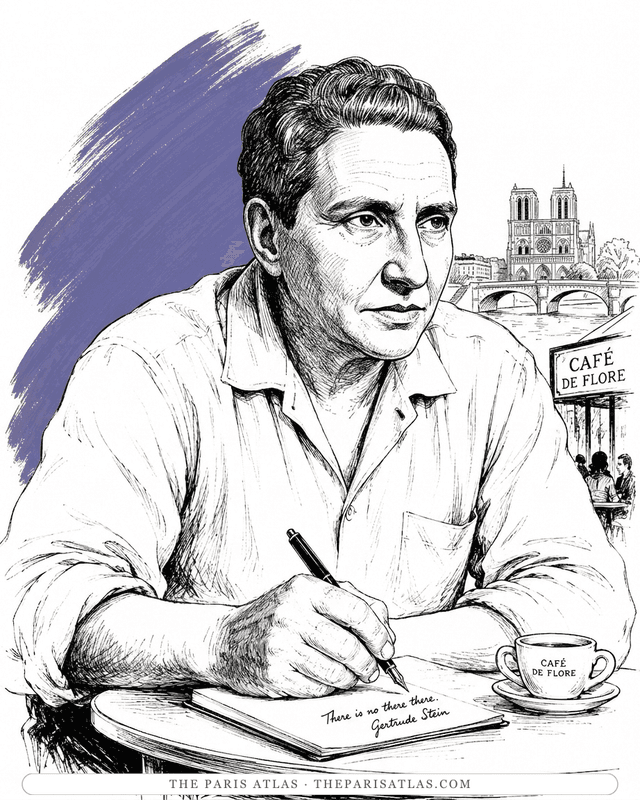
Gertrude Stein
Writer, collector, and host of the rue de Fleurus salon where modern art and the Lost Generation were curated in the same room.
View author
F. Scott Fitzgerald
The Jazz Age's laureate — famous at twenty-three, author of Gatsby at twenty-eight, and owner of the longest posthumous comeback in American letters.
View author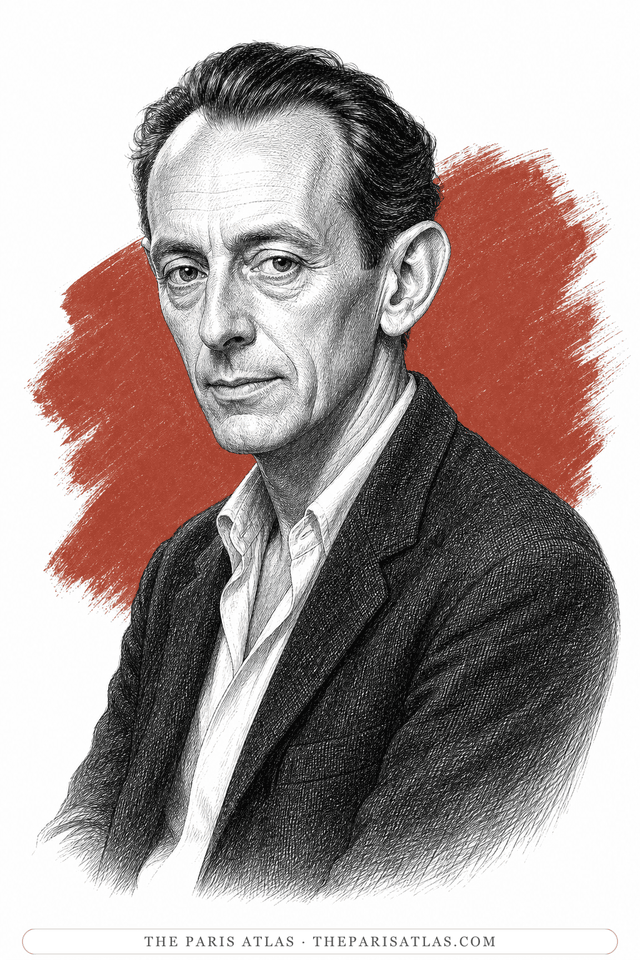
Paul Bowles
American novelist and composer whose expatriate fiction explores dislocation, unstable intimacy, fatalism, and North Africa.
View author