
Books like Bonjour Tristesse
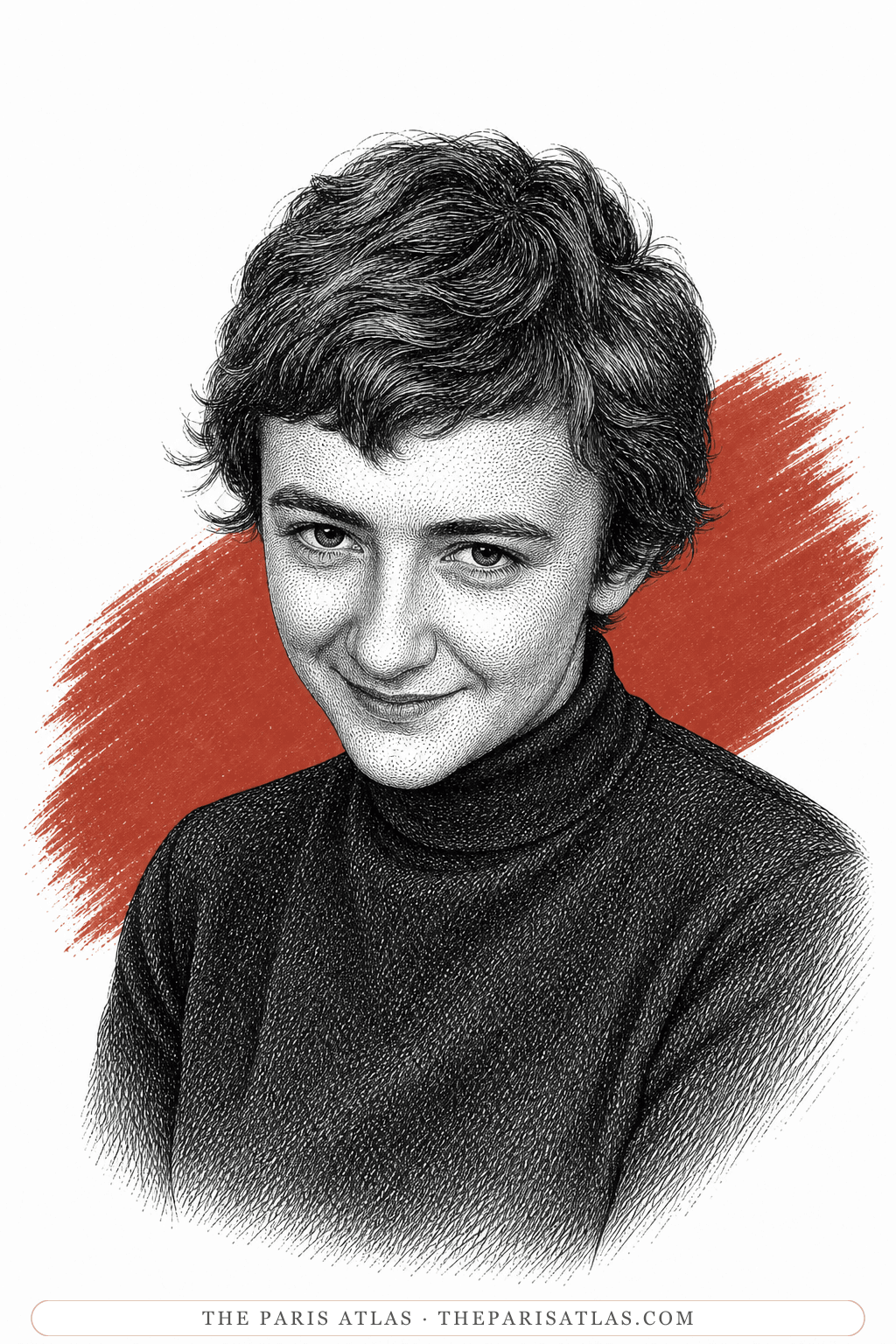
Bonjour Tristesse puts a seventeen-year-old girl in a villa on the French Riviera with too much freedom, too much sun, and adults who are almost as irresponsible as she is. Cécile wants the summer to stay easy: swimming, flirting, drinking, and watching her charming father move from one woman to another. Then jealousy and boredom turn into something much more serious. If you want more of that mixture of youth, sex, beautiful places, emotional cruelty, and people behaving badly because they can, start here.
What readers love about Bonjour Tristesse
- A young woman who is clever, selfish, vulnerable, and not especially interested in being good
- The French Riviera as a world of beaches, villas, cocktails, heat, and long empty days
- Sex and jealousy treated without much sentimentality
- Wealthy people with enough freedom to make terrible decisions
- Short, elegant writing that lets something dark develop underneath an apparently perfect summer

Dominique is a young student in Paris who begins an affair with an older married man largely because she is curious, bored, and attracted to the possibility of feeling something new. Like Cécile, she can see the emotional consequences of what she is doing without necessarily stopping herself. It is quieter and more adult than Bonjour Tristesse, but it has the same cool voice, sexual freedom, and unsettling distance between understanding other people and actually caring for them.
About the author
French novelist and playwright whose 1954 debut Bonjour Tristesse made its eighteen-year-old author famous for cool, concise stories of youth, freedom, desire, and emotional damage.
Read about Sagan
Fitzgerald gives you villas, beaches, drinking, money, affairs, parties, and Americans drifting through the French Riviera, but the glamour is already beginning to crack. His characters have everything required for a beautiful life and still manage to damage themselves and one another. It is much longer and sadder than Bonjour Tristesse, but if you loved the contrast between the perfect Mediterranean setting and the emotional disaster happening inside it, this is one of the best books to read next.
About the author
The Jazz Age's laureate — famous at twenty-three, author of Gatsby at twenty-eight, and owner of the longest posthumous comeback in American letters.
Read about Fitzgerald
Sally Jay Gorce is twenty-one, living in Paris, sleeping with the wrong people, going to parties, making bad decisions, and having an extremely good time doing it. She is older and much funnier than Cécile, and the book is more comic than tragic, but it has the same pleasure in watching a young woman discover that freedom can be exhilarating without necessarily making her sensible.
About the author
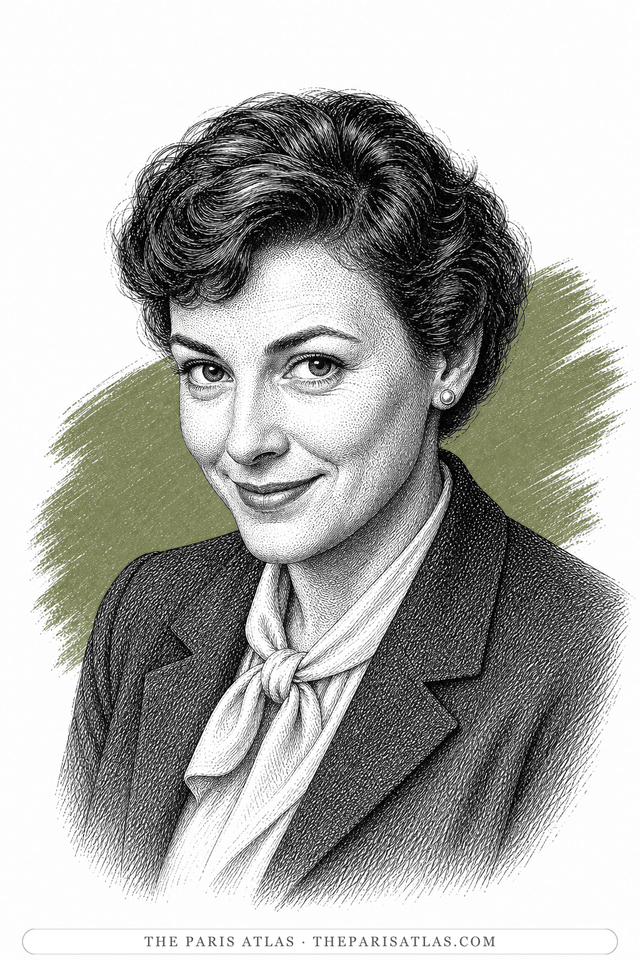 Elaine Dundy
American novelist, biographer, actress, and playwright best known for The Dud Avocado, her funny and unsentimental 1958 novel about a young American pursuing freedom in Paris.

Tom Ripley enters a world of money, beaches, boats, cafés, and wealthy young Americans living beautifully in Europe. He wants that life badly enough that ordinary morality gradually becomes inconvenient. The story is a thriller rather than a coming-of-age novel, but it shares Bonjour Tristesse’s wonderful contrast between gorgeous Mediterranean leisure and a protagonist calmly doing things that should horrify us.
About the author
 Patricia Highsmith
American novelist of psychological crime whose charming, amoral outsiders—including Tom Ripley—made desire, identity, deception, and murder disturbingly intimate.

A teenage girl begins a relationship with an older man in colonial Indochina, and Duras writes about sex, money, family, power, and memory with extraordinary emotional restraint. It is darker and more fragmented than Sagan, but both writers refuse to turn a young woman’s sexuality into a simple lesson about innocence or morality. If you liked how little Bonjour Tristesse tells you what to think about Cécile, The Lover offers another complicated young woman without explaining her away.
About the author
French novelist and screenwriter, later a director in her own right; her screenplay for Alain Resnais's Hiroshima mon amour (1959) carried the New Wave into literature and earned an Academy Award nomination.
Read about Duras
A newly married couple spend their honeymoon drinking, swimming, eating in cafés, and traveling along the Mediterranean coast until sexual experimentation and jealousy begin changing the marriage. Hemingway’s characters are older than Cécile, but the setting and emotional ingredients are surprisingly close: beautiful weather, enormous freedom, erotic curiosity, and the gradual realization that people can hurt one another even when nobody intended for the summer to become serious.
About the author
Author of The Sun Also Rises and A Moveable Feast; his pared-down style, developed in 1920s Paris, became the most imitated in American prose.
Read about Hemingway
The geography is completely different, but the emotional machinery will feel familiar. Fitzgerald puts beautiful, privileged people into a world of parties, alcohol, romance, and apparently limitless possibility, then watches selfishness and desire produce consequences nobody really wants to accept. If what stayed with you from Bonjour Tristesse was the frightening ease with which charming people can ruin one another’s lives, Gatsby belongs here.
About the author
The Jazz Age's laureate — famous at twenty-three, author of Gatsby at twenty-eight, and owner of the longest posthumous comeback in American letters.
Read about Fitzgerald
Esther Greenwood is older, more serious, and in a much darker psychological place than Cécile, but both books are built around exceptionally observant young women looking skeptically at the adult lives being offered to them. Plath is funnier than people sometimes remember, especially when Esther watches dating, marriage, work, and conventional femininity with complete disbelief. Read it if Cécile’s intelligence and resistance to becoming a “proper” young woman interested you more than the Riviera setting.
About the author
American poet who came to Paris in the spring of 1956, in the middle of her Fulbright year at Cambridge, to find the man she had been in love with for three years — and found he had gone. She had met Ted Hughes weeks before; she married him that June, and the honeymoon came back through Paris.
Read about Plath
Anthony and Gloria are young, attractive, privileged, in love with pleasure, and remarkably bad at building an actual life. Drinking, money, boredom, vanity, sex, and resentment gradually turn their glamorous existence into something ugly. It is a messier and more sprawling novel than Sagan’s, but it shares her interest in what happens when people have enough freedom to reveal exactly who they are.
About the author
The Jazz Age's laureate — famous at twenty-three, author of Gatsby at twenty-eight, and owner of the longest posthumous comeback in American letters.
Read about Fitzgerald
Set largely in provincial France, Salter’s novel follows an intense sexual affair imagined through the eyes of another man. It is more explicit, dreamlike, and male-centered than Bonjour Tristesse, but it has the same sense of entering a temporary world where ordinary obligations have disappeared and desire seems capable of filling every empty hour. Read it if the heat, leisure, erotic freedom, and slightly unreal quality of Sagan’s summer were what you wanted to stay inside.
About the author
 James Salter
American novelist and short-story writer whose precise, sensuous prose examined desire, marriage, ambition, and the lives people imagine beside the lives they actually lead.










References
The sources below include the primary text, editions, archives, and critical context used to establish what distinguishes Bonjour Tristesse.


1Bonjour Tristesse
Official recordHachette, 2014Used forOfficial record used to verify names, dates, institutional details, or other factual information on this page.
2Bonjour Tristesse and A Certain Smile
Official recordPenguin Books UK, 2025Used forOfficial record used to verify names, dates, institutional details, or other factual information on this page.
3Françoise Sagan, l'éternelle jeunesse de Bonjour tristesse
Official recordInstitut national de l'audiovisuel, 2024Used forOfficial record used to verify names, dates, institutional details, or other factual information on this page.

4Françoise Sagan — official author site
WebsiteFrançoise Sagan estateUsed forWeb source consulted for documented facts and historical context presented on the Books like Bonjour Tristesse page.
These references support the guide's description of the comparison book. The read-alike matches themselves are editorial recommendations, explained individually above.
 Explore more resources
Newsletter
Tell us what you loved, and we'll find your next book.
Every Friday: one recommendation, the reasons it earns your time, and what to read after it. Reply with your last favorite and we'll answer.