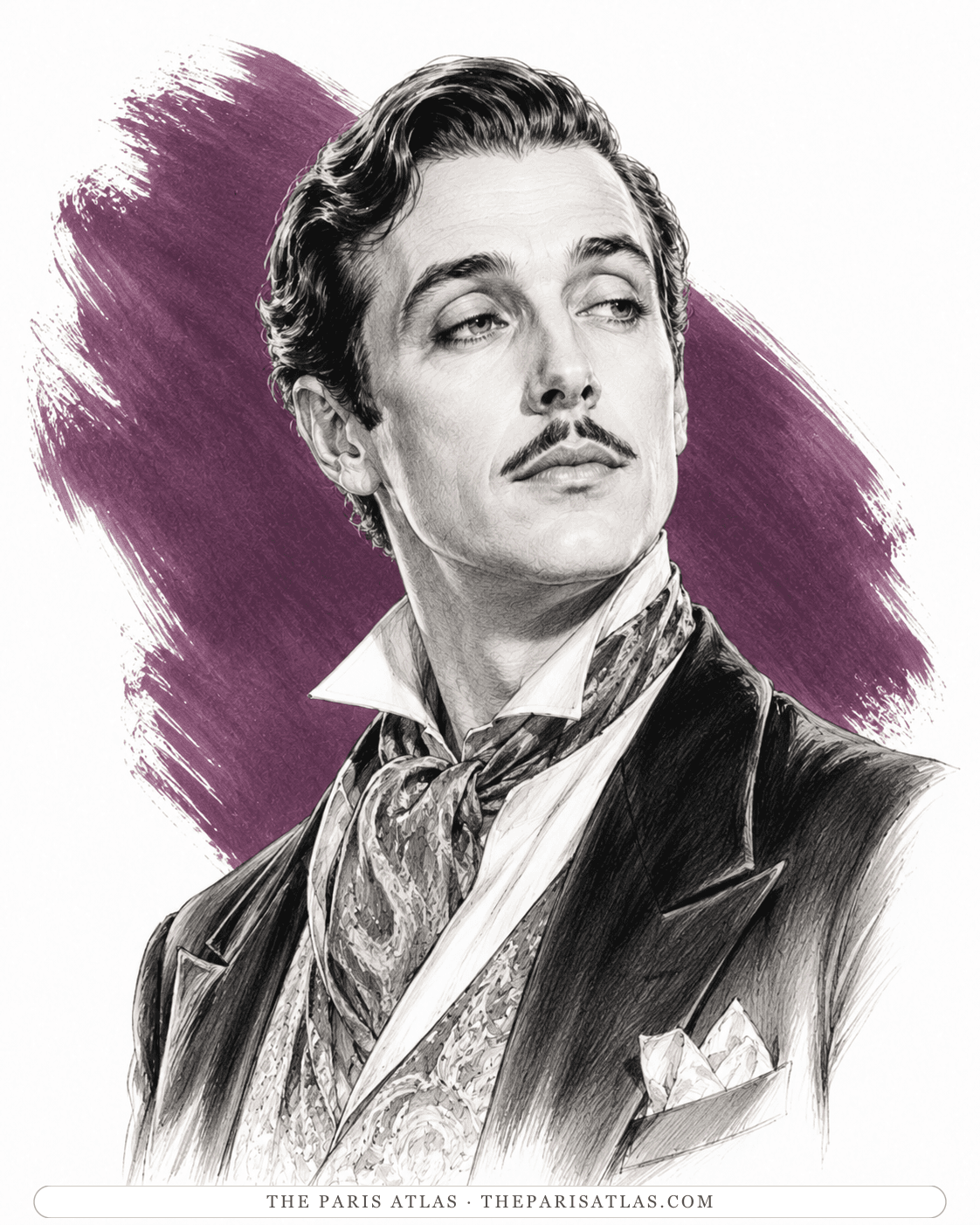
Luis Campion
The monocled gossip of the beach group — the man who brings the young actress Rosemary Hoyt the news of the duel, and the only casualty it produces.
To be inside the group rather than beside it — trusted with the secrets, and counted as a participant in dramas he is only ever allowed to narrate.
The book

At a glance
- Expatriate in the beach group at Gausse's, alongside the McKiscos and Mrs. Abrams
- Luis Campion — and once, on the beach, as Signor Campion
- Royal Dumphry, whose attention has moved on
- Albert McKisco's second — McKisco refused him, and he was not keen anyway
- The beach, the Villa Diana dinner, the night of the duel, and the golf course at dawn
Who they are in the book
Spoiler-freeCampion belongs to the set of holidaymakers at Gausse's hotel on the French Riviera, and introduces himself to the young actress Rosemary Hoyt out of the sky above her deckchair, complimenting her swimming and producing a lady who recognised her in Sorrento. He wears a monocle and carries a bottle, and he is the group's master of ceremonies, correcting Royal Dumphry with 'Now, Royal, don't be too ghastly for words'. Dick, watching from the other umbrella, reports that the two young men are reading the Book of Etiquette together.
At dawn after a dinner at the Villa Diana, the Divers' house above the sea, Rosemary finds him weeping on the wide white stairway, hard and quietly, shaking in the same parts as a weeping woman. What has upset him is partly the duel and partly something else that happened when they got back to the hotel, which he will not name beyond saying that he washes his hands of it. He talks about the agony of loving, tells her it is better to be cold and young, and then puts his hand on her leg to show it is no mere irresponsible venture of the hand. She conceals her disgust; he notices anyway, and changes the subject.
How Luis Campion Is Portrayed
- The monocleHis prop and his barometer. It falls out when he draws himself up to announce he never wants to see Mr. Dumphry again, and there are no whiskers for it to hide in.
- Gossip as standingHe has the news because having the news gives him a temporary position. He tells Rosemary about the duel with the air of a man handing over something valuable, and asks her not to mention the Divers.
- The hired carHe turns the duel into an outing. He books the hotel car, hides in it in case they stop him, and explains that he has brought his movie camera. He imagines it will take years off his life and would not miss it for words.
- DehumanisedRosemary's verdict, arrived at in the car: he is so terrible that he is no longer terrible, only dehumanised. She laughs helplessly at him rather than at anything he says.
- The only casualtyBoth duellists miss. Campion collapses in the shrubbery and lies gasping on his back, and Rosemary — suddenly hysterical with laughter — kicks at him with her espadrille until he comes round.
- The period's shorthandThe book renders him almost entirely through the effeminate-gossip conventions of its decade, down to a note that he manages at dinner to restrain his most blatant mannerisms and even to extend a disinterested motherliness to those near him.
He gets no conclusion. Royal has moved on, the beach group disperses, and Campion goes with it, unresolved. What he was crying about on the stairs is never explained — the book raises it, lets Rosemary decline to pursue it, and drops it.
That absence is itself the characterisation. His feelings are used to animate other people's scenes, and he is never given one of his own in which the loss he keeps referring to is allowed to matter.
If you like Tender Is the Night


If you like F. Scott Fitzgerald
Explore authors with a similar voice, perspective, and influence.

Ernest Hemingway
Fitzgerald vouched for him to Scribner's before they had met, then edited him better than he edited himself; the friendship's five rounds are chronicled in our journal.
View author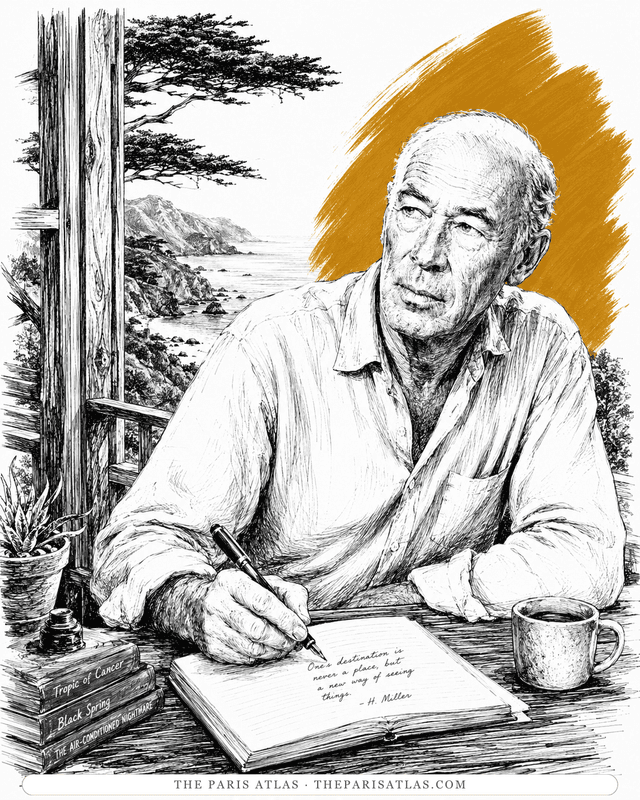
Henry Miller
The Brooklyn dropout who arrived in Paris broke at thirty-eight and wrote the exuberant, banned books that ended American censorship.
View author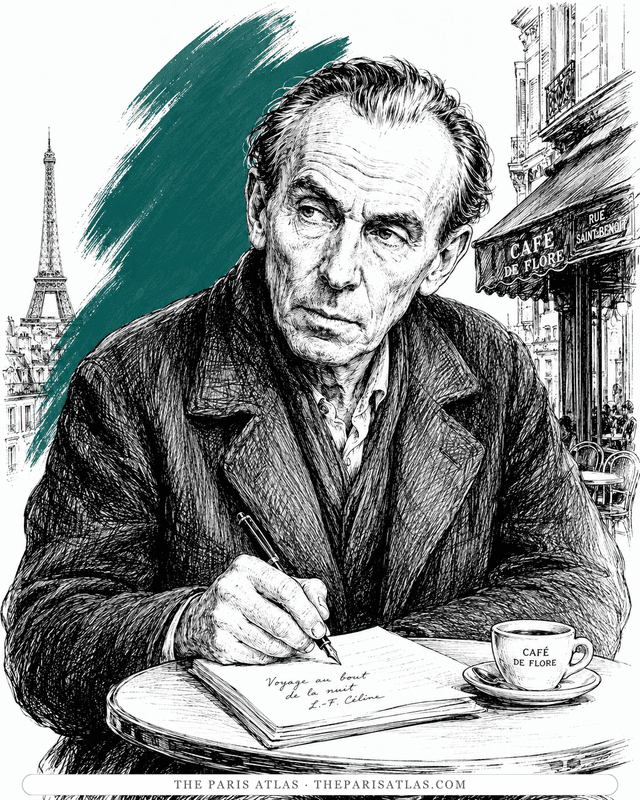
Louis-Ferdinand Céline
The doctor of the Paris slums who wrote the century's blackest, funniest novel — and changed the sound of French prose.
View author